
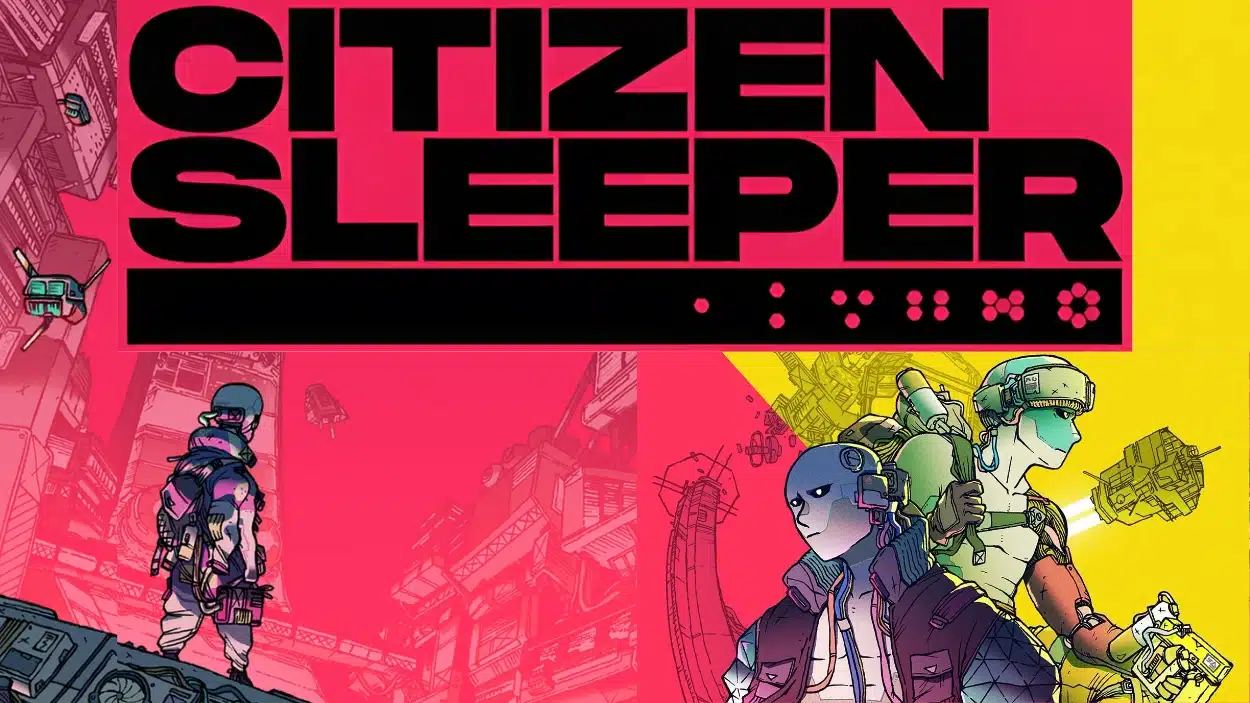
I’ll be honest with you. Finding a game that mixes sci-fi, survival, and deep storytelling isn’t easy.
Most games pick one lane and stick to it. But what if you want all three wrapped into something that actually makes you think? That’s where this citizen sleeper review comes in.
I’m going to show you why this indie RPG has players hooked, from its dice-based mechanics to its surprisingly emotional narrative.
By the end, you’ll know exactly what makes Citizen Sleeper special and if it’s worth your time.
Erlin’s Eye and Themes of Oppression
Erlin’s Eye is where your story begins. It’s a space station at the edge of everything. You’re a sleeper here. That means you’re property. A corporate-owned consciousness stuck in an artificial body.
The game doesn’t hold back on its themes. You see oppression everywhere. Workers are exploited. Bodies are commodities.
Freedom is something you have to steal, not earn. The station itself feels alive with struggle. People are just trying to survive another cycle.
What hits hard is how real it feels. You’re not saving the world. You’re trying to make it through the day.
The corporations control everything, and you’re at the bottom. But that’s what makes every small victory matter. Every connection you build. Every choice that pushes back against the system.
Citizen Sleeper Review – Rolling the Dice on Every Cycle
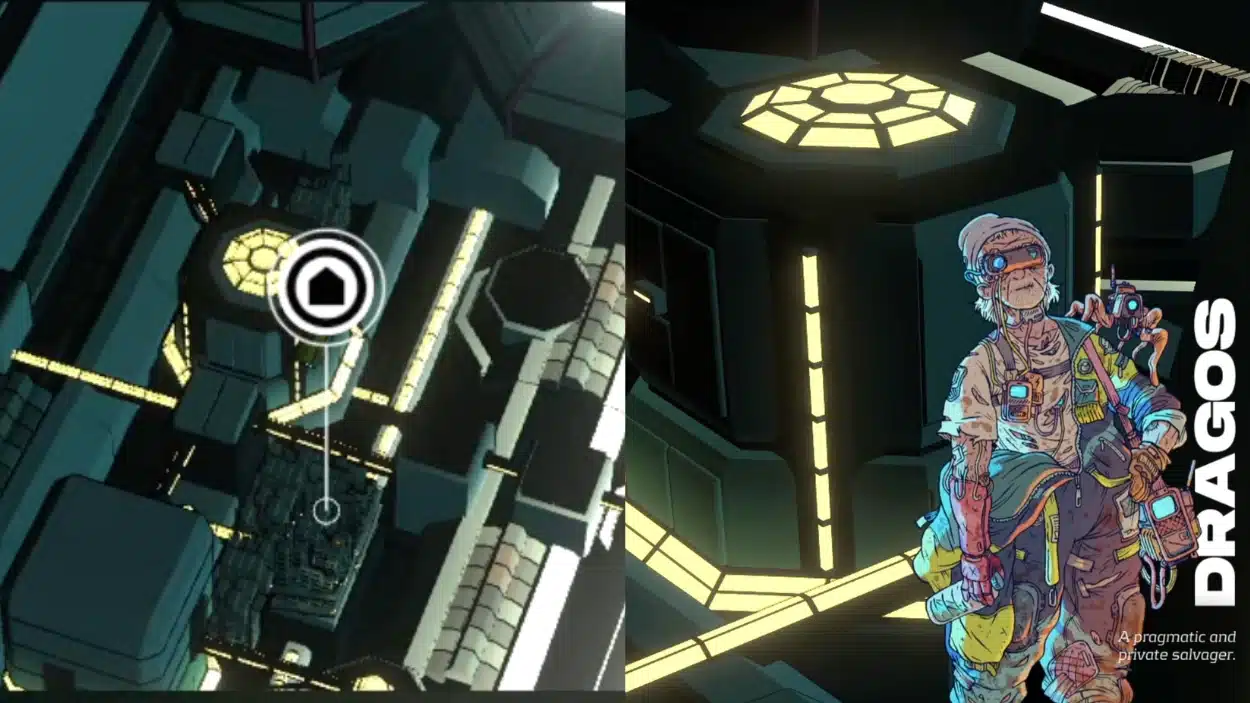
Each day in Citizen Sleeper starts the same way. You roll your dice. Then you decide how to spend them.
The Dice Mechanic
Your dice determine what you can do each cycle. Higher rolls mean better outcomes. Lower rolls? You’re taking risks. It’s simple, but it works.
The tension comes from scarcity. You never have enough dice to do everything you want. Do you work for credits? Fix your degrading body? Or help a friend who needs you?
- Every choice has weight
- You’re constantly making trade-offs
- The dice system turns survival into a puzzle where luck and strategy blend together
Managing Your Body
Your sleeper body is falling apart. It’s designed that way. Corporations want you dependent on their medicine.
You need stabilizers to function. Without them, you lose dice. Fewer dice means fewer options. It becomes a death spiral fast.
So you’re always chasing that next dose. Working jobs you hate. Making deals you shouldn’t. The game makes you feel the desperation. You understand why people on Erlin’s Eye do what they do. Because you’re doing it too.
Cycle-Based Gameplay
Time moves in cycles. Each cycle is one day. You make your moves, then the world responds.
Actions advance story threads. Some take multiple cycles to complete. You’re always planning ahead. What can wait? What’s urgent? The pacing feels natural.
- Stories unfold gradually
- You build momentum over time
- Different plotlines run in parallel
The cycle system keeps things moving. You’re never stuck. There’s always something new to try.
Narrative and Drama – Building Bonds in A Bleak Universe
Let me tell you what surprised me most. The relationships.
Found Family on the Station
You meet people who are struggling just like you. Azi, the engineer. Tala, the hacker. Mina is running the noodle shop. They’re not quest givers. They’re people with their own problems and dreams.
Meaningful Choices
Your decisions shape these relationships. Help someone, and they remember. Betray trust, and it’s gone. The game tracks everything. Conversations feel earned, not scripted.
You’re building something real in a place that wants to grind you down.
Story That Sticks
The writing is sharp. No filler. Each character arc hits different. Some make you hopeful. Others break your heart. But they all feel human. And that’s what makes this universe worth fighting for.
Visuals, Audio, and Technical Aspects
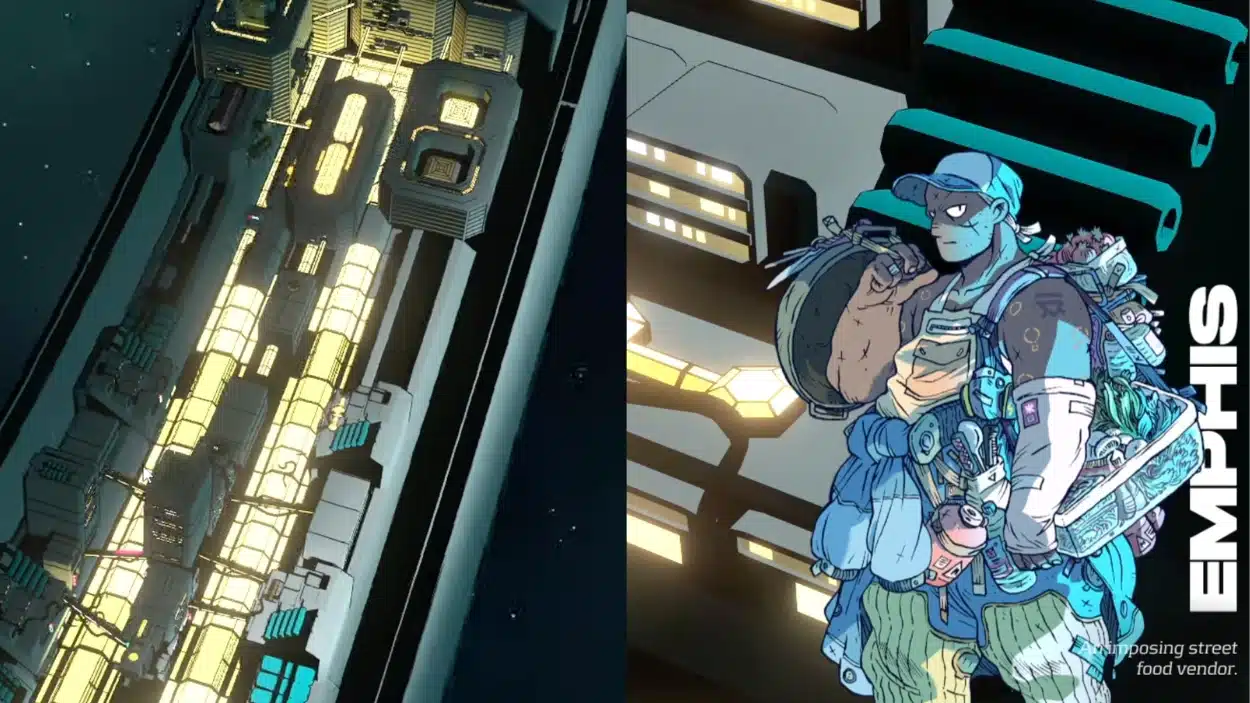
The presentation does a lot with a little.
- Art Style: Minimalist but striking. Character portraits are gorgeous. The UI is clean and readable. Everything feels intentional.
- Color Palette: Neon blues and purples dominate. It screams cyberpunk without being overdone. The station has personality through color alone.
- Soundtrack: Sothing and atmospheric. It sets the mood perfectly. You feel the loneliness of space. The quiet desperation. Music fills the silence without overwhelming.
- Performance: Runs smoothly on most systems. No major bugs. Load times are quick. The game respects your time.
- Accessibility: Text-based gameplay means it’s keyboard-friendly. Font size options help. Color-blind modes could be better, but it’s functional.
Pros, Cons, and Comparisons
Here’s how Citizen Sleeper stacks up against the competition.
| Pros | Cons |
|---|---|
| Compelling dice-based mechanics that create real tension | Limited replayability once you’ve seen the main stories |
| Outstanding writing with characters you actually care about | Can feel slow in the early cycles before plots open up |
| Themes of oppression handled with nuance and care | Some mechanics could use a better explanation upfront |
| Beautiful art style that brings the station to life | Shorter than expected for an RPG (10-15 hours) |
| Affordable price point for the experience you get | RNG can occasionally frustrate more than challenge |
Compared to other narrative RPGs like Disco Elysium, Citizen Sleeper is more focused but less expansive. It’s tighter. More personal. Less world-changing epic, more intimate survival story.
Final Verdict
So that’s my take on the game. Citizen Sleeper isn’t perfect, but it stuck with me long after I finished it. The dice mechanics keep you engaged. The characters make you care. And the themes hit harder than most big-budget titles.
If you’re looking for a story-driven RPG that respects your intelligence, this is it.
It’s short, focused, and emotionally charged. I hope this citizen sleeper review helped you decide if it’s your kind of game.
Now go roll some dice and see where the station takes you. You won’t regret it.