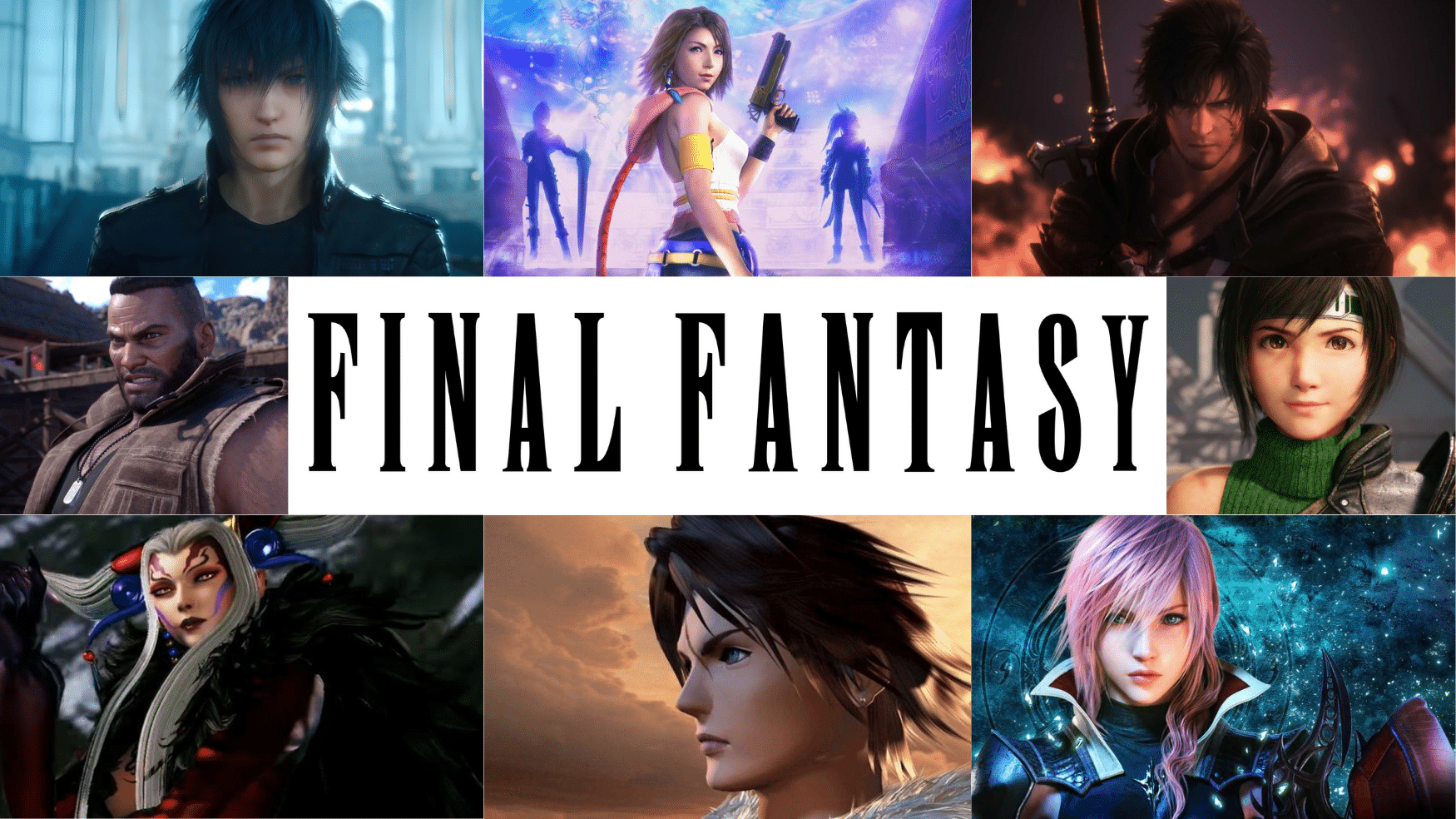
I legit grew up playing Final Fantasy games, and I know ranking these games can start heated debates among fans. Everyone has their favorite title, and choosing the “best” often comes down to personal taste.
But here’s what I’m going to do. I’ll rank every mainline Final Fantasy game based on story, gameplay, characters, and overall impact.
This list will help you decide which games deserve your time, whether you’re new to the series or a longtime player.
In this blog, you’ll find all Final Fantasy games ranked from the disappointing entries to the absolute masterpieces. I’ll explain what makes each game special and why some fall short.
Let’s get started.
Final Fantasy – A Legendary RPG Franchise
Final Fantasy changed video games forever when it launched in 1987. Creator Hironobu Sakaguchi needed a hit, and this RPG became exactly that.
The series grew into one of gaming’s biggest names. Each new game brought fresh stories, characters, and worlds to uncover.
I’ve watched this franchise grow from simple pixel art to stunning 3D graphics.
What makes Final Fantasy special? It’s the mix of great storytelling, memorable music, and strategic combat. Every game feels different, yet they all share that core Final Fantasy magic.
The series has sold over 185 million copies worldwide. That’s not just numbers. It shows how many people connected with these games over the decades.
Final Fantasy earned its status through consistent quality and creative risks that paid off.
Ranking Criteria for Ranking the Final Fantasy Series
Ranking Final Fantasy games isn’t easy. I used specific factors to make this list fair and balanced. Here’s what I considered:
- Story and Characters: Does the game tell a compelling story? Are the characters memorable and well-developed?
- Gameplay Mechanics: How fun is the combat system? Does it feel smooth and engaging throughout the entire game?
- Music and Sound Design: Final Fantasy is known for its great soundtracks. Does this game’s music stand out and fit the mood?
- Graphics and Presentation: For its time, does the game look good? Did it push technical boundaries when it released?
- Cultural Impact: Did this game influence other RPGs? Does it hold a special place in gaming history?
Final Fantasy Games Ranked – Worst to Best
I’ve played through every mainline Final Fantasy game, and this ranking reflects my honest opinion. Some choices might surprise you, but I’ll explain my reasoning for each entry.
16. Final Fantasy II
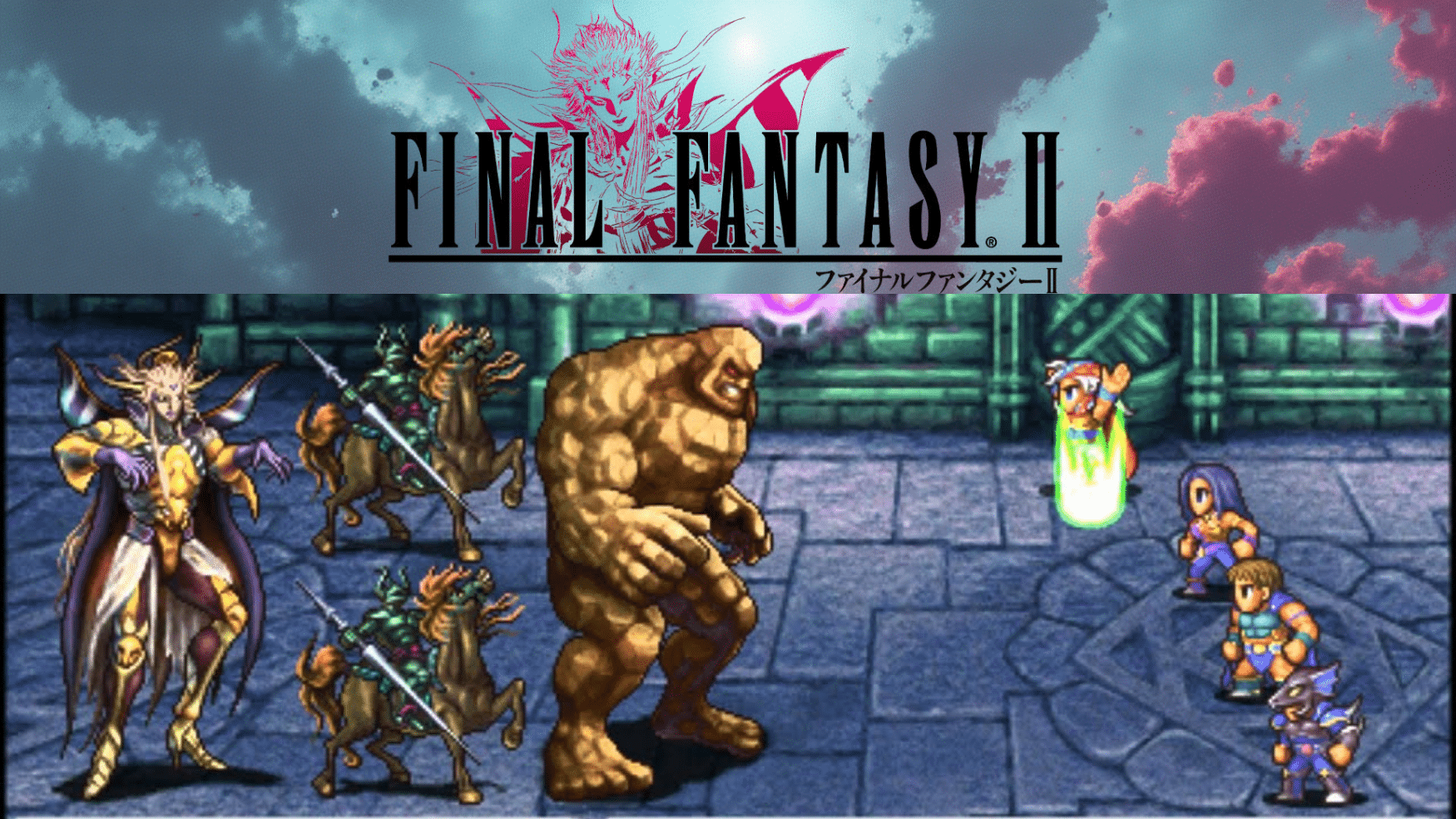
This game tried something different with its leveling system. Unfortunately, it didn’t work well.
Instead of gaining experience points, your stats grow based on actions in battle. Want more HP? You need to take damage.
It sounds interesting, but it becomes tedious fast. Players would attack their own party members just to boost stats.
The story follows Firion and his friends fighting an empire. It has good ideas but poor execution. Dungeons are confusing mazes. Combat feels like a chore rather than fun.
| What Works | What Doesn’t |
|---|---|
| Introduced characters with actual personalities | Broken progression system |
| The story has emotional moments | Confusing dungeon layouts |
| Music remains memorable | Combat encourages exploits |
15. Final Fantasy III

The job system debuted here, but the game has major problems. You can switch between different classes, which adds variety to combat.
The issue? No real character development exists. Your party members are blank slates. I never felt connected to anyone. The difficulty spikes without warning, especially near the end.
That final dungeon is brutal. You can’t save for hours, and one mistake sends you back to the start. It feels unfair rather than challenging.
| What Works | What Doesn’t |
|---|---|
| The job system offers flexibility | Zero character development |
| Class variety keeps combat fresh | Punishing difficulty spikes |
| Solid foundation for future games | Final dungeon lacks save points |
14. Final Fantasy I
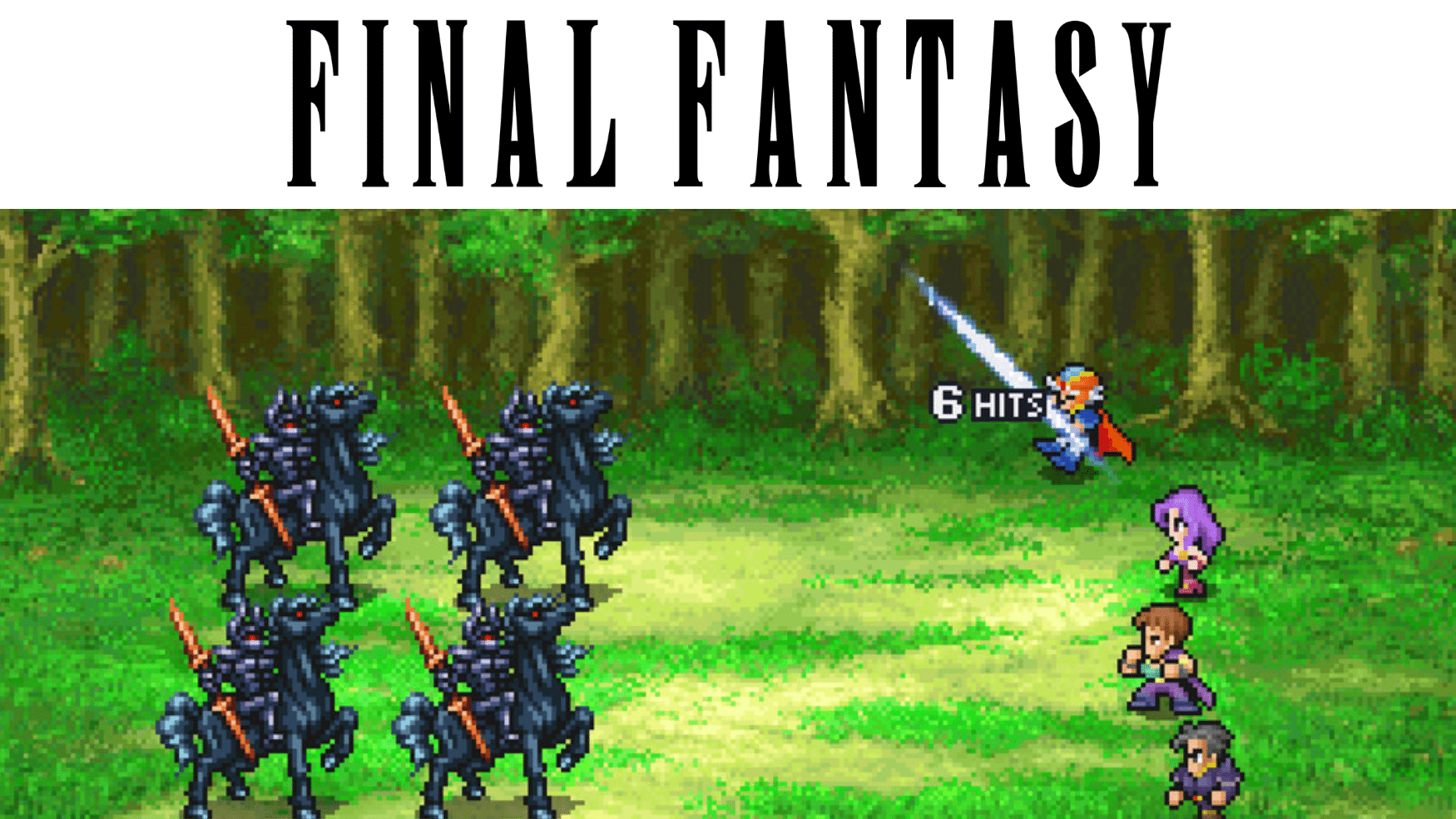
The original game that started everything. It deserves respect for launching this franchise, but it hasn’t aged well.
You create a party of four warriors and save the world. The story is bare bones. Characters don’t talk or grow.
I appreciate what this game accomplished in 1987. Playing it now feels like homework, though. Later remakes improved things, but the core experience feels outdated.
| What Works | What Doesn’t |
|---|---|
| Started an iconic franchise | Barebones story |
| Simple but functional combat | No character personalities |
| Class choices matter | Feels dated compared to sequels |
13. Final Fantasy XIII
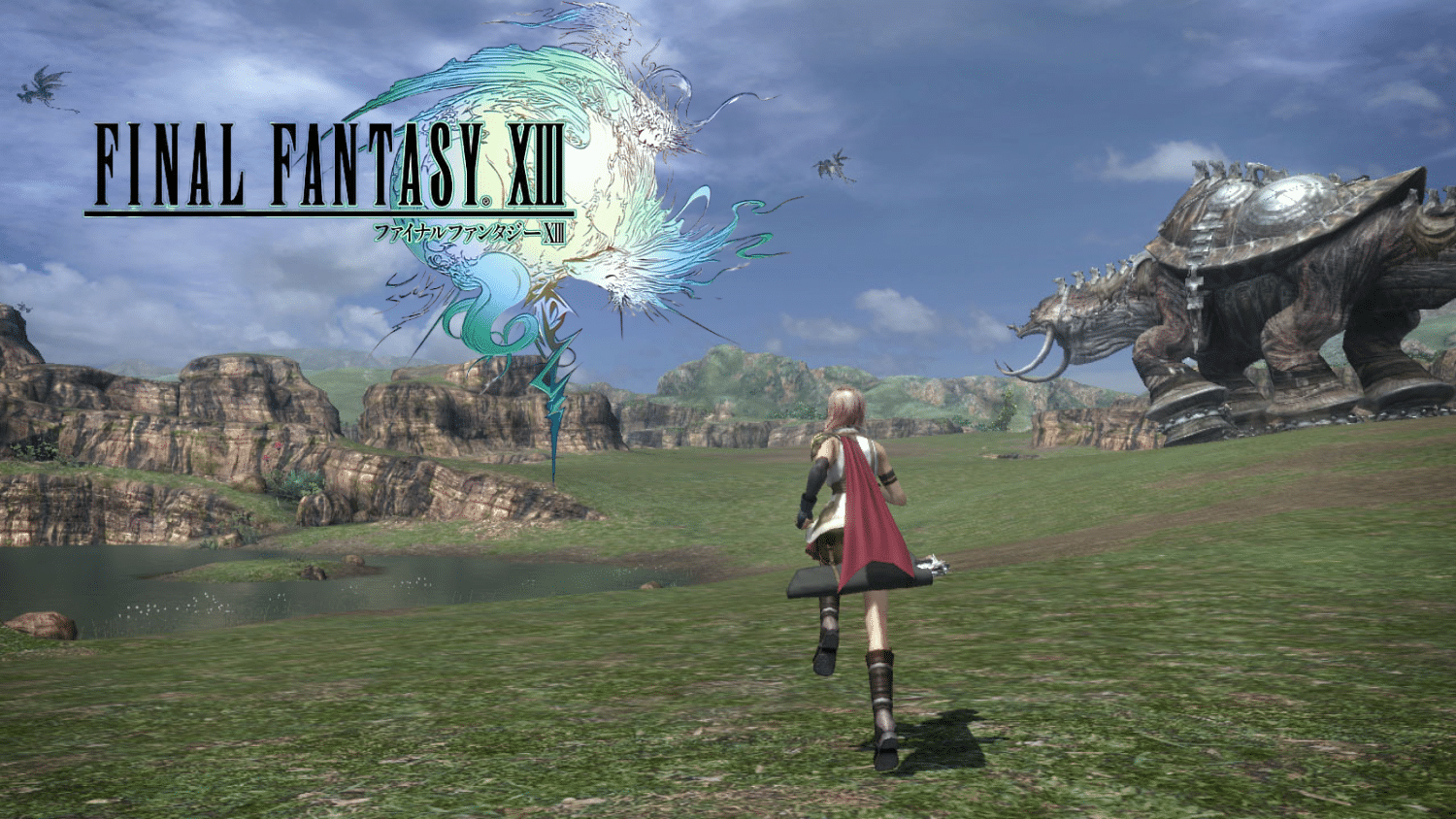
This is where my final fantasy games ranked list gets controversial. Many fans hate XIII, and I understand why.
The game is extremely linear for the first 20 hours. You run down hallways fighting enemies.
But here’s the thing. The combat system is actually great once you understand it. Switching between paradigms mid-battle feels strategic and fast-paced. The characters grew on me despite the rough start.
| What Works | What Doesn’t |
|---|---|
| Combat system rewards smart play | Painfully linear design |
| Graphics still look impressive | The story is confusing |
| Strong character arcs (eventually) | No towns or exploration |
12. Final Fantasy VIII
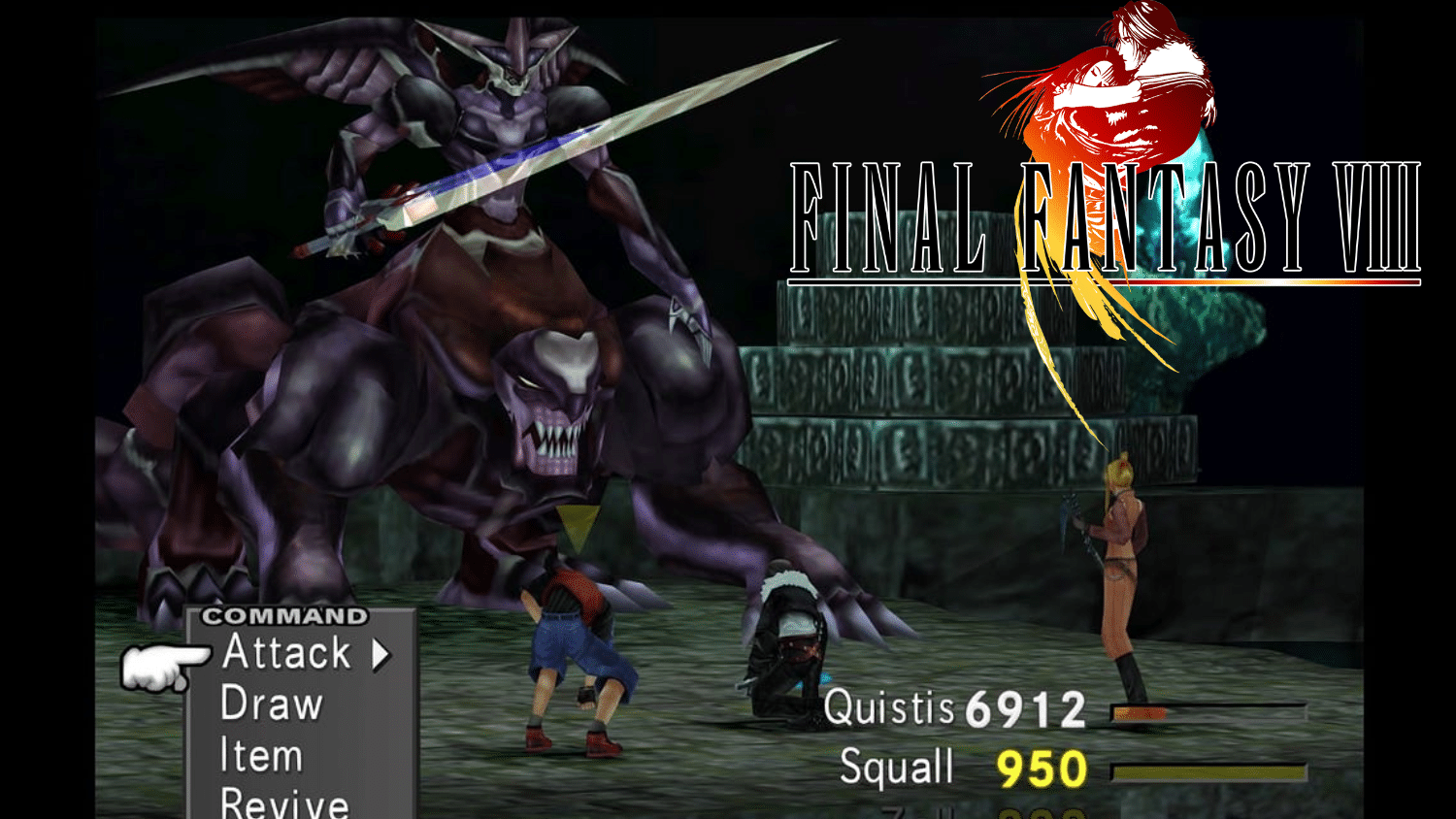
This game divides fans more than any other. The junction system either clicks with you or it doesn’t.
You draw magic from enemies and attach it to stats. Sounds simple, but becomes complicated quickly. I spent hours drawing magic instead of enjoying the story.
The level scaling also hurts the game since enemies grow stronger with you.
The love story between Squall and Rinoa is central to everything. Some find it romantic. I found Squall annoying for most of the game. He does grow as a character, though.
| What Works | What Doesn’t |
|---|---|
| Memorable soundtrack | The junction system feels tedious |
| Interesting sci-fi elements | Level scaling removes challenge |
| The card game is addictive | Squall starts unlikable |
11. Final Fantasy XI
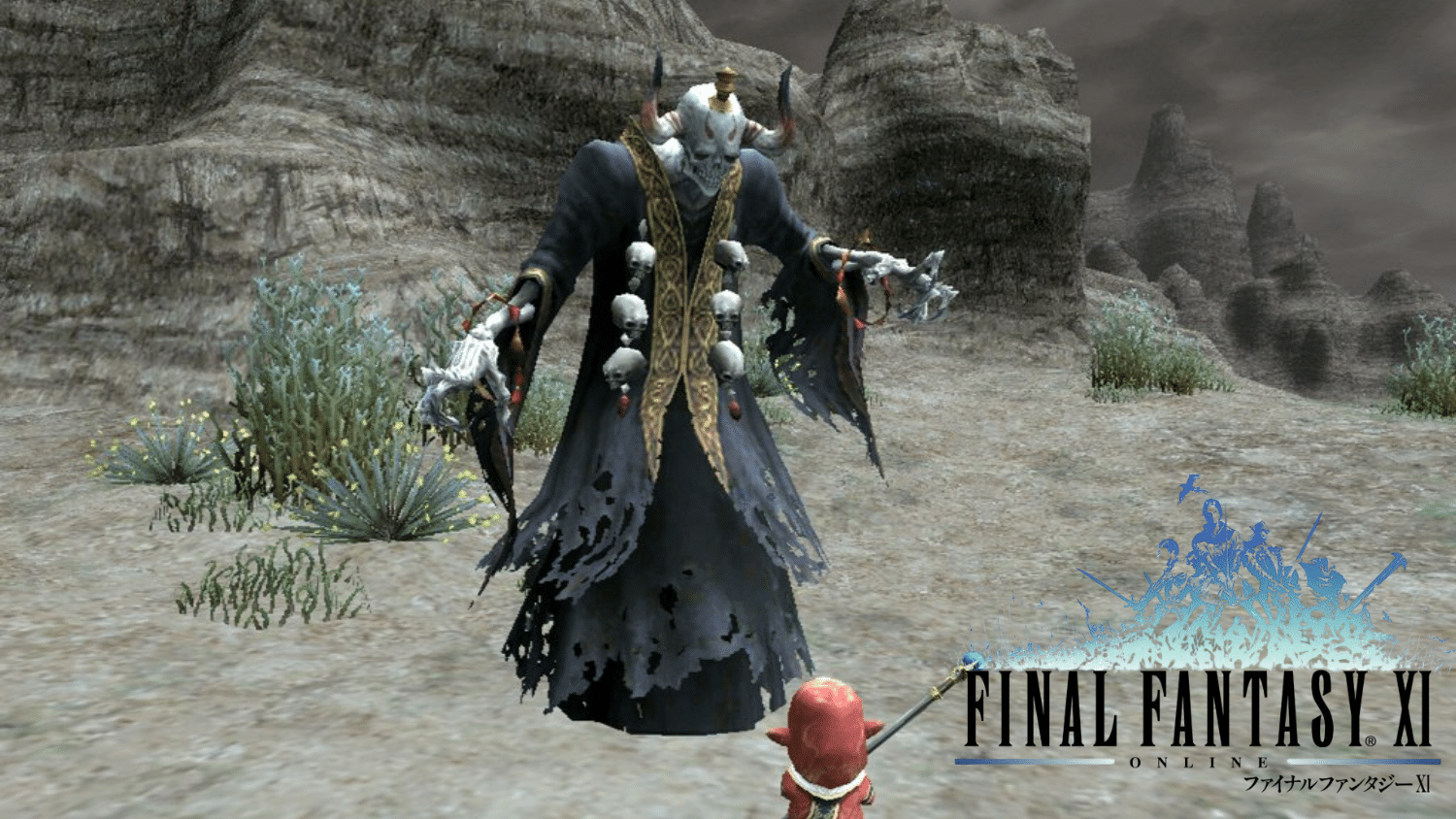
The first online Final Fantasy changed what these games could be. It’s an MMO where thousands play together.
I respect XI for trying something different. The community is passionate and helpful. The world feels massive and alive in ways single-player games can’t match.
However, it’s extremely time-consuming. Leveling takes forever. Finding groups for content can be frustrating. The story is good, but spread across hundreds of hours. Not everyone wants that commitment from a Final Fantasy game.
| What Works | What Doesn’t |
|---|---|
| Strong sense of community | Requires a huge time investment |
| Massive world to cover | Solo play is difficult |
| Story depth across expansions | Outdated interface |
10. Final Fantasy XV
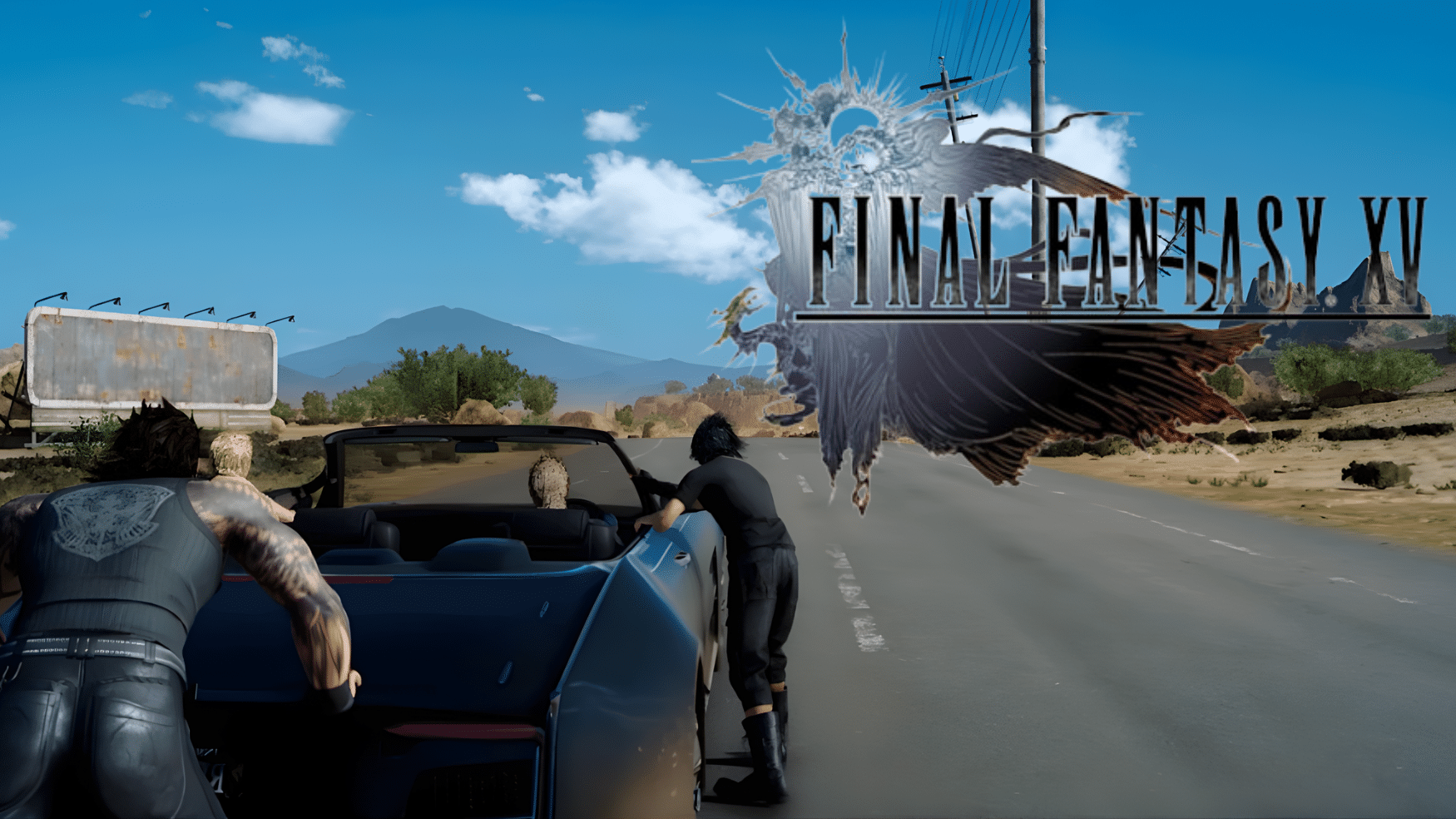
This game had a troubled development, and it shows. The story feels incomplete even after updates and DLC.
You play as Noctis and his three friends on a road trip. The bromance between these guys is the best part. Their banter feels natural and genuine. I cared about their friendship.
The combat moved to real-time action. It’s fun but lacks depth compared to other action RPGs. The open world is beautiful but empty in places.
The second half of the game rushes through plot points that needed more time.
| What Works | What Doesn’t |
|---|---|
| Brotherhood feels authentic | The story feels rushed |
| Open-world is enjoyable | Combat lacks depth |
| Gorgeous visuals and music | The second half is linear again |
9. Final Fantasy XII
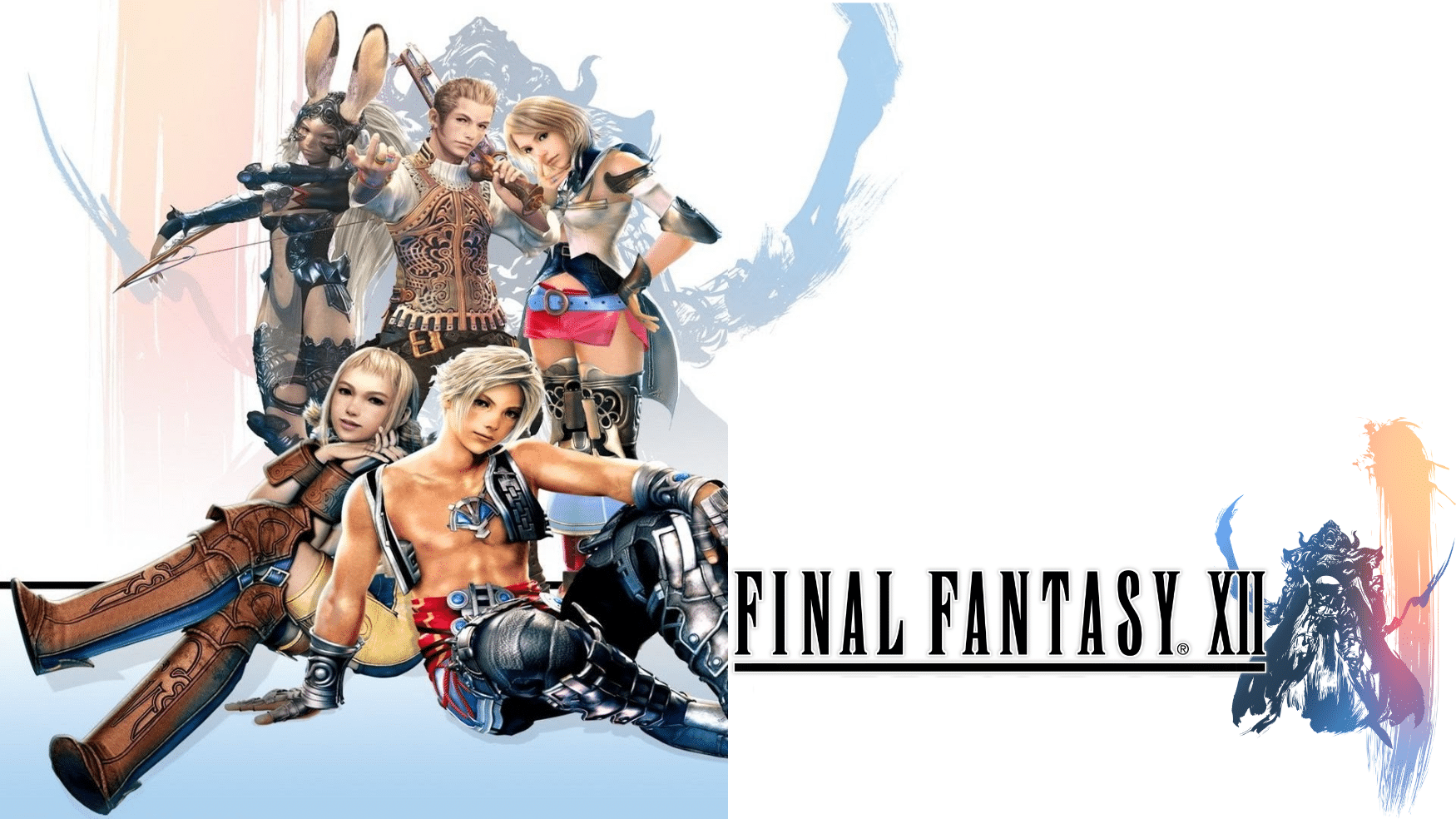
When I first played XII, I didn’t appreciate it. Coming back years later changed my perspective completely.
The gambit system lets you program your party’s behavior. It seems weird at first, but it becomes satisfying once you master it. The political story about war and betrayal stands out from typical JRPG plots.
Vaan is the main character, but he’s not really the protagonist. Ashe and Basch drive the story forward. This confused me initially, but it makes sense thematically.
| What Works | What Doesn’t |
|---|---|
| Gambit system offers deep customization | Vaan feels unnecessary |
| Mature political storyline | Slow pacing early on |
| Beautiful art direction | The license board can overwhelm |
8. Final Fantasy V
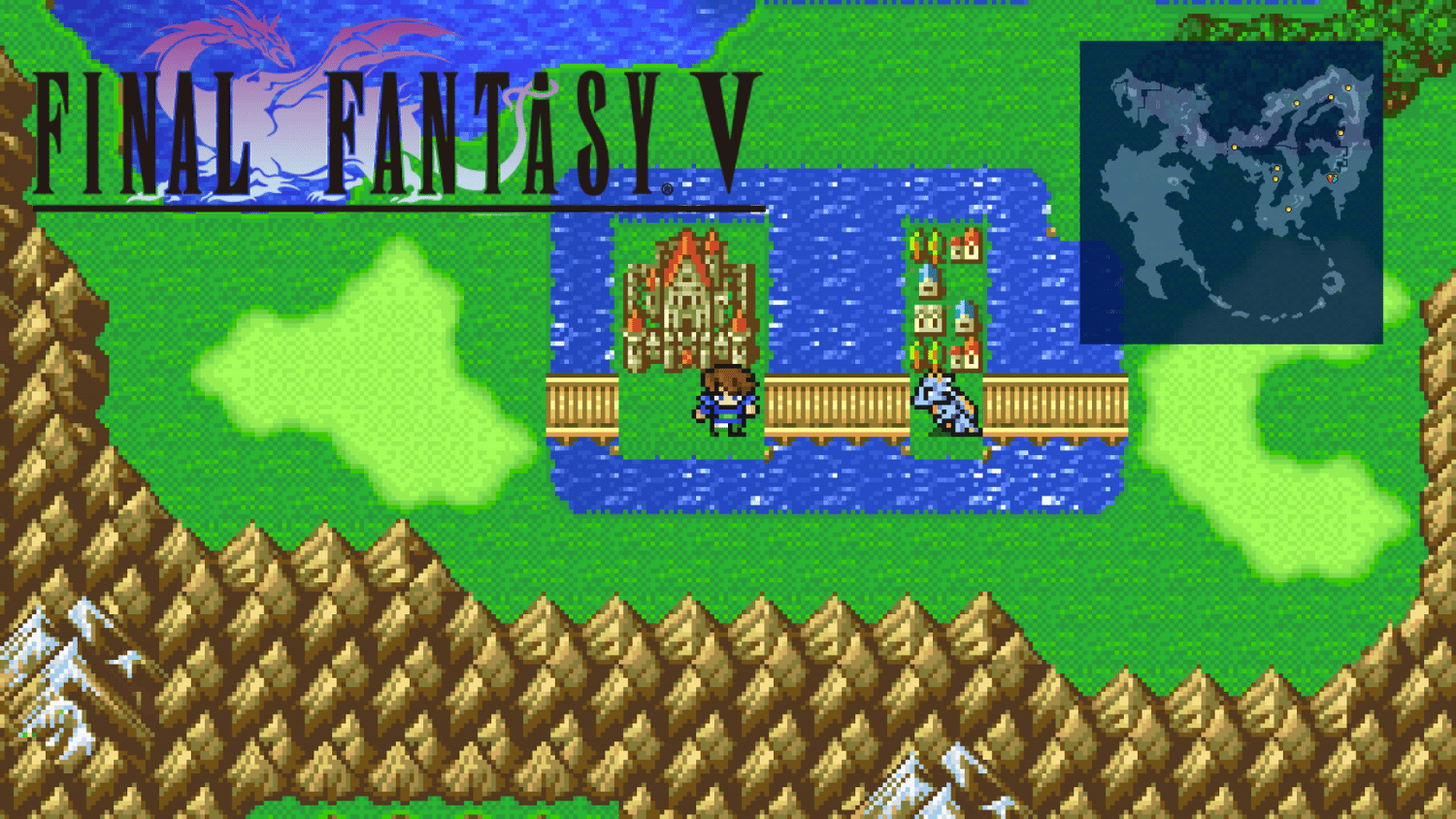
This game doesn’t get enough credit. The job system here is the best version the series ever created.
You can mix and match abilities from different jobs. Want a knight who can cast black magic? Go for it. A thief with white magic spells? Sure.
The customization is phenomenal and encourages experimentation.
The story is lighter and more humorous than other entries. Bartz and his friends are likable but not deeply complex. I’m okay with that since the gameplay shines so bright.
| What Works | What Doesn’t |
|---|---|
| Best job system in the series | The story lacks emotional depth |
| Encourages creative party builds | Characters are somewhat shallow |
| Great gameplay variety | Graphics feel basic |
7. Final Fantasy IV
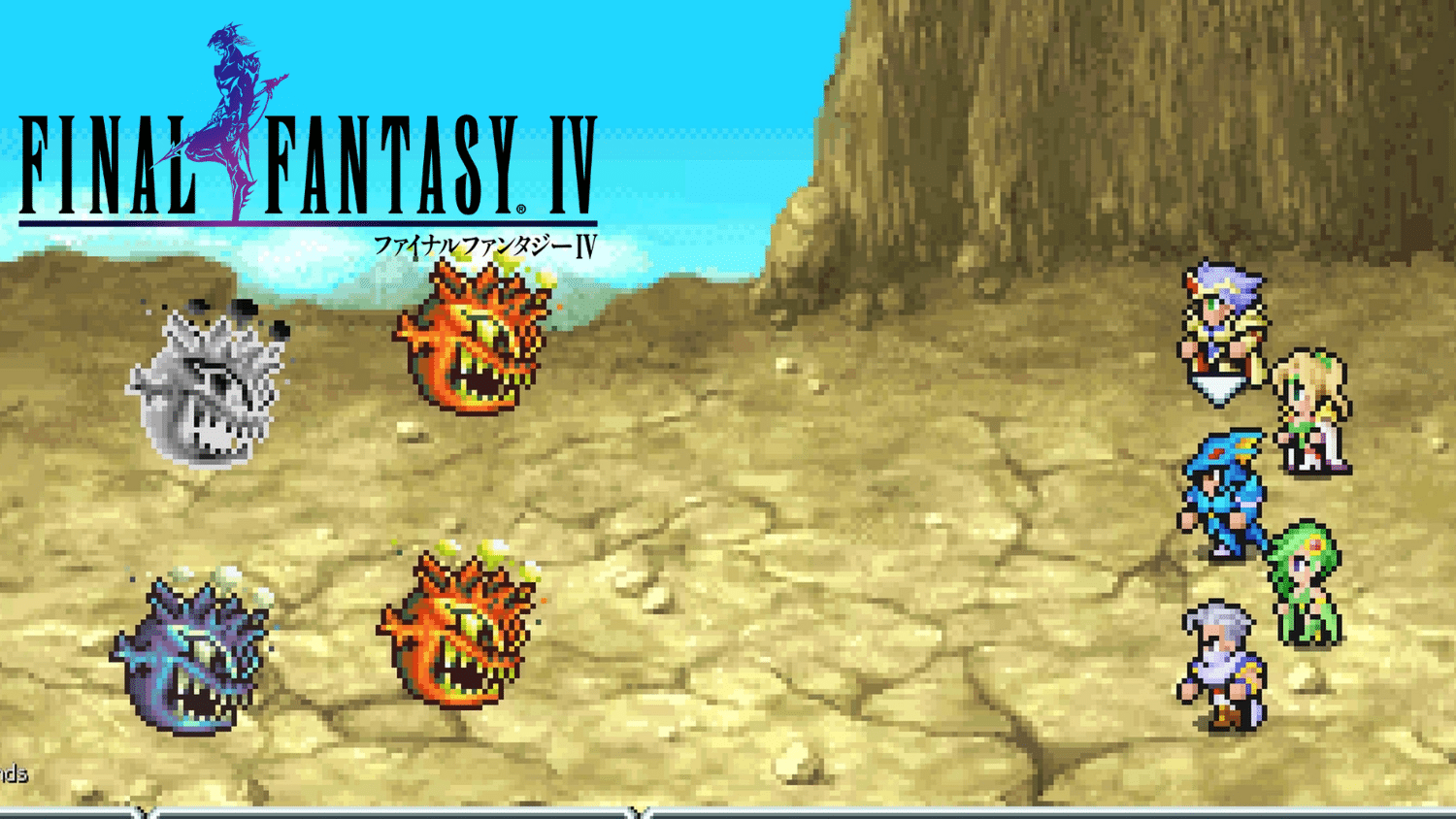
This was the first Final Fantasy with real character development and drama. Cecil’s change from dark knight to paladin remains powerful.
The cast rotates throughout the game. Characters join and leave your party as the story demands. It keeps things fresh but also means you can’t get too attached to team compositions.
The difficulty varies wildly depending on which version you play. Some are fair challenges. Others border on cruel. The core story about redemption and sacrifice holds up wonderfully, though.
| What Works | What Doesn’t |
|---|---|
| Strong character arcs | Rotating party frustrates planning |
| Emotional story beats | Difficulty is inconsistent across versions |
| Memorable villain in Golbez | Some plot twists feel rushed |
6. Final Fantasy XIV

The MMO that almost killed Square Enix became one of their best games. The relaunch in 2013 saved everything.
I’ve cried multiple times playing this game. It’s climbed high in many Final Fantasy games ranked lists thanks to these incredible expansions.
The downside? It takes 100+ hours to reach the good stuff. Early story quests drag on. You need to commit serious time.
But if you do, you’re rewarded with something special.
| What Works | What Doesn’t |
|---|---|
| Outstanding story in expansions | Extremely long to reach the best content |
| Regular content updates | Monthly subscription required |
| Welcoming community | Early quests feel like filler |
5. Final Fantasy IX
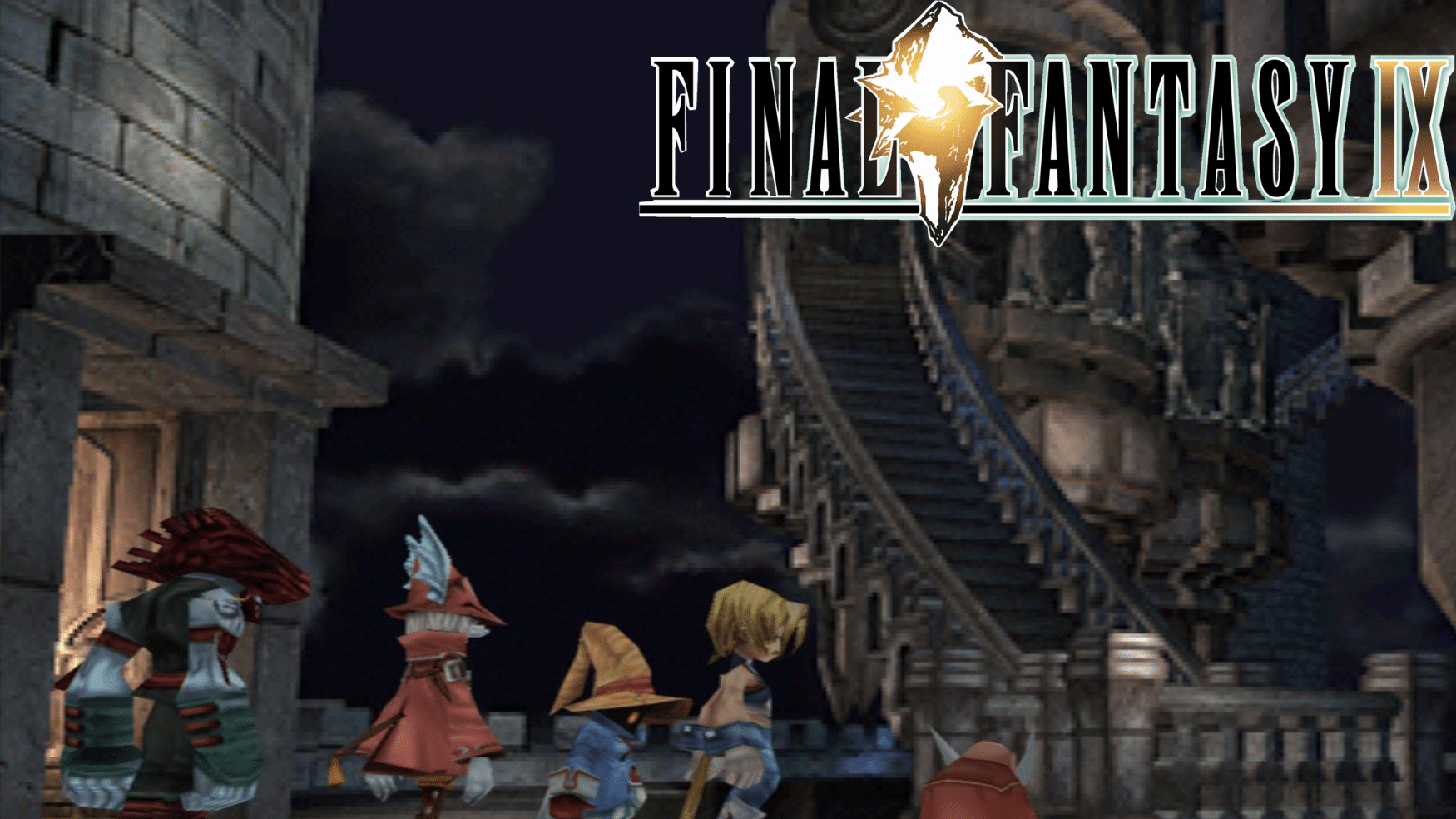
This is a love letter to classic Final Fantasy. It returned to its fantasy roots after two sci-fi-focused games.
Zidane is cheerful and optimistic, a nice change from brooding protagonists. The cast is diverse and charming.
The battle system is slower-paced, which some players dislike. I found it relaxing. You have time to think about strategies. The ability system tied to equipment encourages trying new gear.
| What Works | What Doesn’t |
|---|---|
| Loveable cast of characters | The battle system feels slow |
| Beautiful fantasy world | Load times were terrible originally |
| Meaningful themes about existence | Mini-games can be frustrating |
4. Final Fantasy X
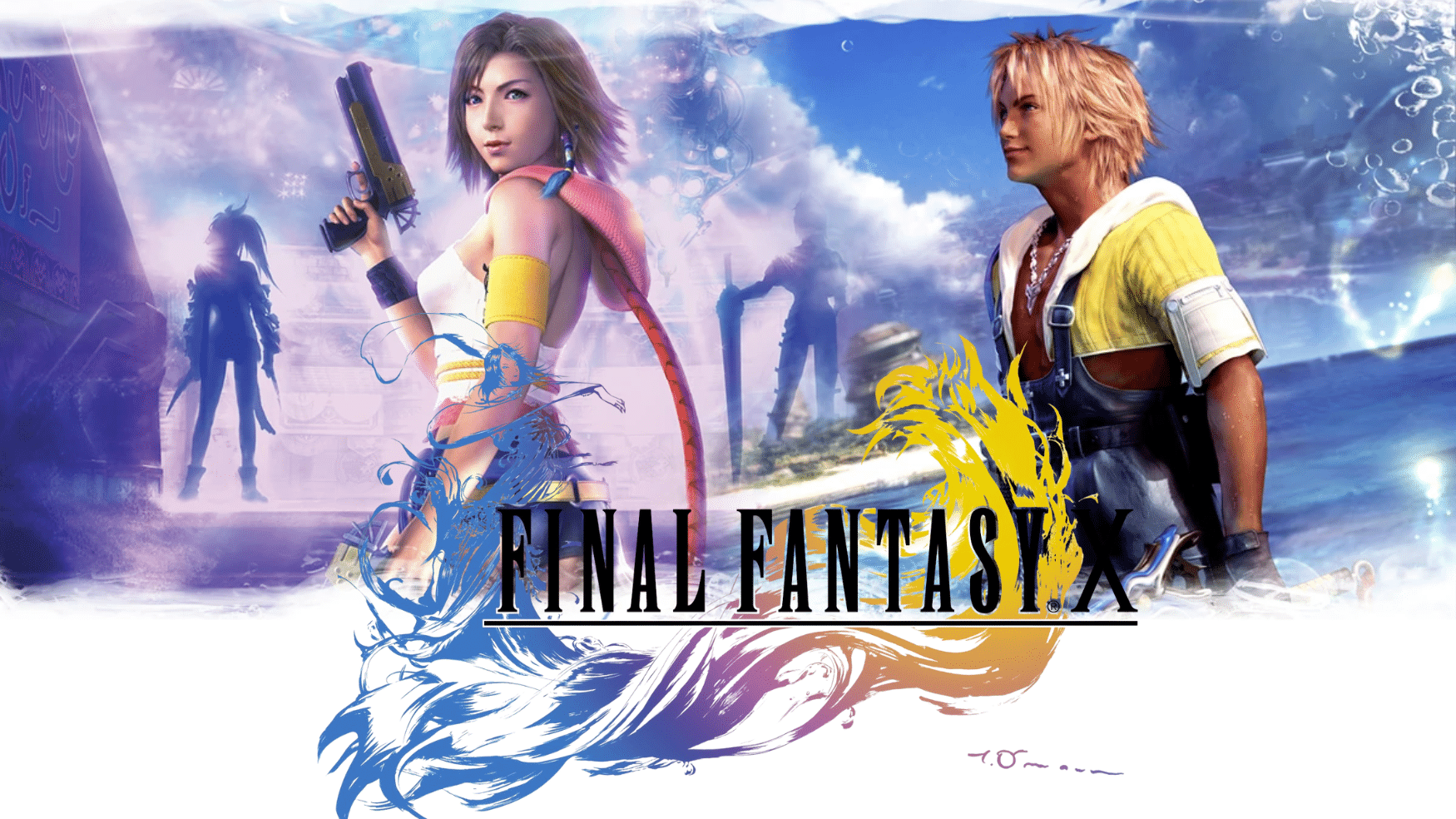
This marked the series’ jump to PlayStation 2. Voice acting arrived for the first time. Yes, that laugh scene is awkward, but the overall voice work is solid.
The sphere grid system gives you freedom in character development. You follow set paths initially, but can branch anywhere eventually. The story about faith, tradition, and sacrifice resonates deeply.
Tidus and Yuna’s relationship develops naturally over their pilgrimage. The ending destroyed me emotionally. I won’t spoil it, but keep tissues ready.
| What Works | What Doesn’t |
|---|---|
| Emotional storytelling | Linear progression |
| Sphere grid offers customization | Some voice acting is rough |
| Turn-based combat perfected | Cloister of Trials puzzles |
3. Final Fantasy VII
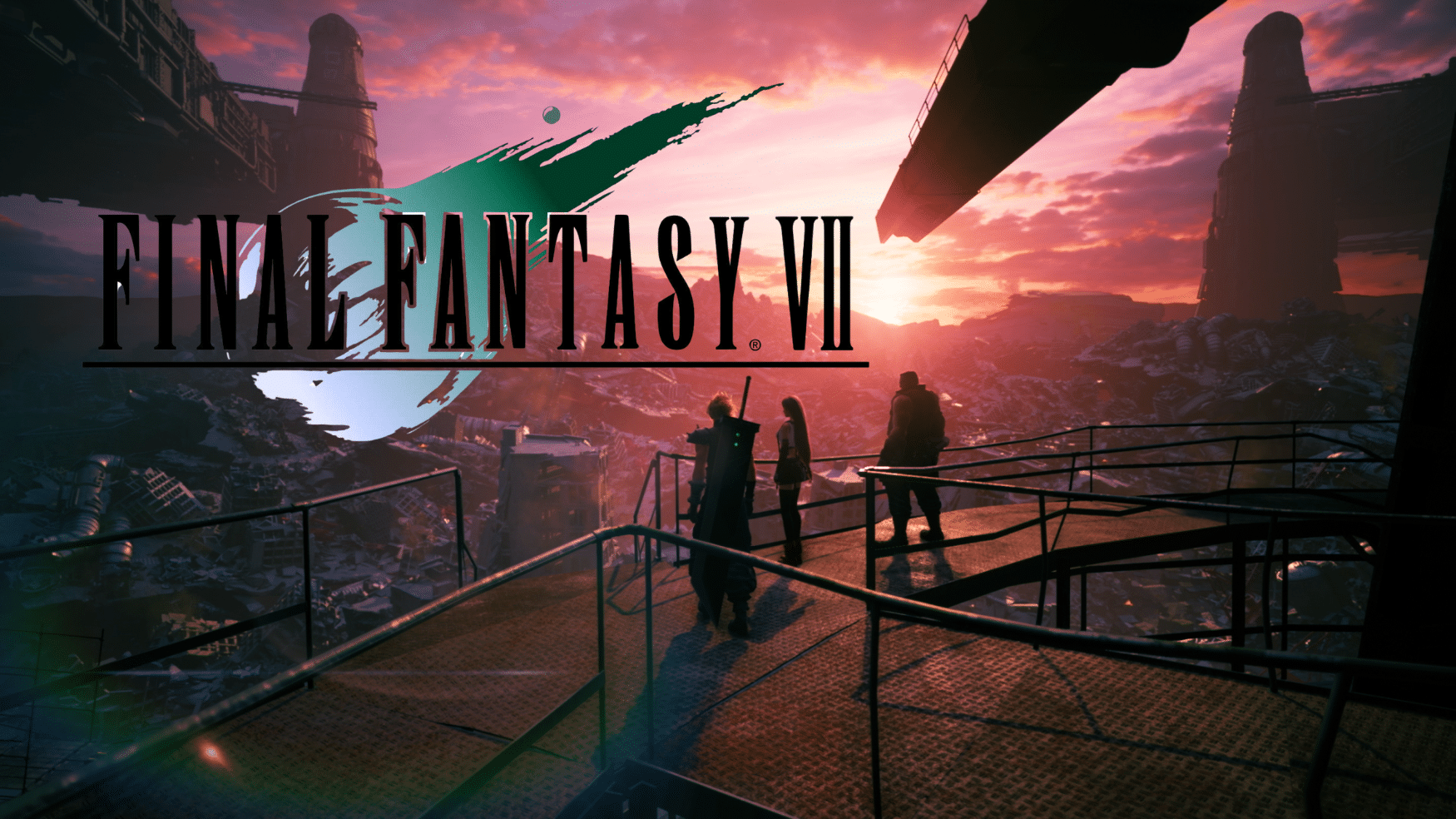
The game that made Final Fantasy mainstream in the West. Cloud, Sephiroth, and Aerith became gaming icons.
This game took risks with its storytelling. The materia system is simple but effective. Slot different magic into equipment and customize your playstyle. Summons are spectacular and powerful.
The graphics haven’t aged well. Those blocky character models look rough now. But the pre-rendered backgrounds still have charm. The music by Nobuo Uematsu is timeless.
| What Works | What Doesn’t |
|---|---|
| Iconic characters and moments | Graphics aged poorly |
| Materia system is flexible | Translation has issues |
| Unforgettable story twists | Random encounters are frequent |
2. Final Fantasy XVI

The newest mainline entry surprised me. It abandoned turn-based combat completely for pure action.
You play as Clive Rosfield, seeking revenge in a dark fantasy world. The combat is fast, fluid, and spectacular. Boss fights against massive Eikons (summons) are breathtaking spectacles. These battles feel like playable action movies.
My main criticism? It’s not very RPG-like. Leveling matters less. Equipment is simple. Side quests are mostly generic. But what it does, it does incredibly well.
| What Works | What Doesn’t |
|---|---|
| Spectacular action combat | Lacks RPG depth |
| Mature storytelling | Side quests are weak |
| Incredible boss battles | Limited party interaction |
1. Final Fantasy VI
This is it. The best Final Fantasy game ever made. Everything comes together perfectly here.
The game features the largest playable cast in the series. Everyone gets development and meaningful story moments. Celes’ opera scene is legendary. Shadow’s dreams reveal a tragic backstory. Even minor characters feel important.
Kefka stands as gaming’s greatest villain. He’s not misunderstood or sympathetic. He’s pure chaos who actually succeeds in destroying the world. The second half takes place in a ruined world, and you must find hope in the ashes.
This is where all my final fantasy games ranked come together. VI represents the peak of 2D JRPGs. Nothing in the series tops it.
| What Works | What Doesn’t |
|---|---|
| Perfect ensemble cast | Graphics might feel dated to some |
| Best villain in FF history | It can feel overwhelming with so many characters |
| Incredible soundtrack | Some translation quirks remain |
| Meaningful second-half choices | Difficulty becomes easy if you over-level |
Honorable Mentions & Spin-Offs
The mainline games aren’t the only Final Fantasy titles worth playing. Several spin-offs and side games deserve recognition for their quality and creativity.
- Final Fantasy Tactics: This tactical RPG features deep strategic combat and a dark political story. The job system offers tons of customization options.
- Crisis Core: This prequel to FF7 focuses on Zack Fair’s story. The real-time combat works well, and the ending hits hard emotionally.
- Final Fantasy Type-0: A darker take on the series with real-time action combat. Multiple playable characters each have unique fighting styles.
- Dissidia Final Fantasy: A fighting game that brings heroes and villains together. Fan service done right for longtime series followers.
Personal Opinions and Most Debated Final Fantasy Rankings
Ranking Final Fantasy games will always start arguments. Everyone has strong opinions based on their personal experiences with these games.
Your first Final Fantasy shapes how you view the entire series. Someone who started with VII sees it differently from someone who began with X.
Nostalgia plays a huge role in these rankings. Some games split the fanbase completely. XIII gets praised for its combat and criticized for being too linear.
Both sides have valid points. VIII’s junction system either makes sense to you or feels needlessly complicated.
XV divides players, too. Some love the road trip with friends. Others wanted a more traditional experience. XII barely registered with fans at launch but gained appreciation over time.
Online communities can’t agree either. Reddit polls show IX winning among players who prefer classic fantasy.
XIV dominates discussions about storytelling despite being an MMO. VI versus VII arguments never end.
What’s your take? Which game deserves the top spot? These debates keep the community active and engaged. There’s no wrong answer when it comes to your personal favorite.
Final Verdict
Every Final Fantasy game offers something different. Some focus on story while others prioritize gameplay. I’ve shared how I see these Final Fantasy games ranked, but your list might look completely different.
The beauty of this series is that there’s no single “correct” ranking. Your favorite depends on what you value most in an RPG.
Which Final Fantasy means the most to you? Drop a comment below and tell me your top three. I’d love to hear what games shaped your experience with this franchise.
Let’s keep this conversation going.