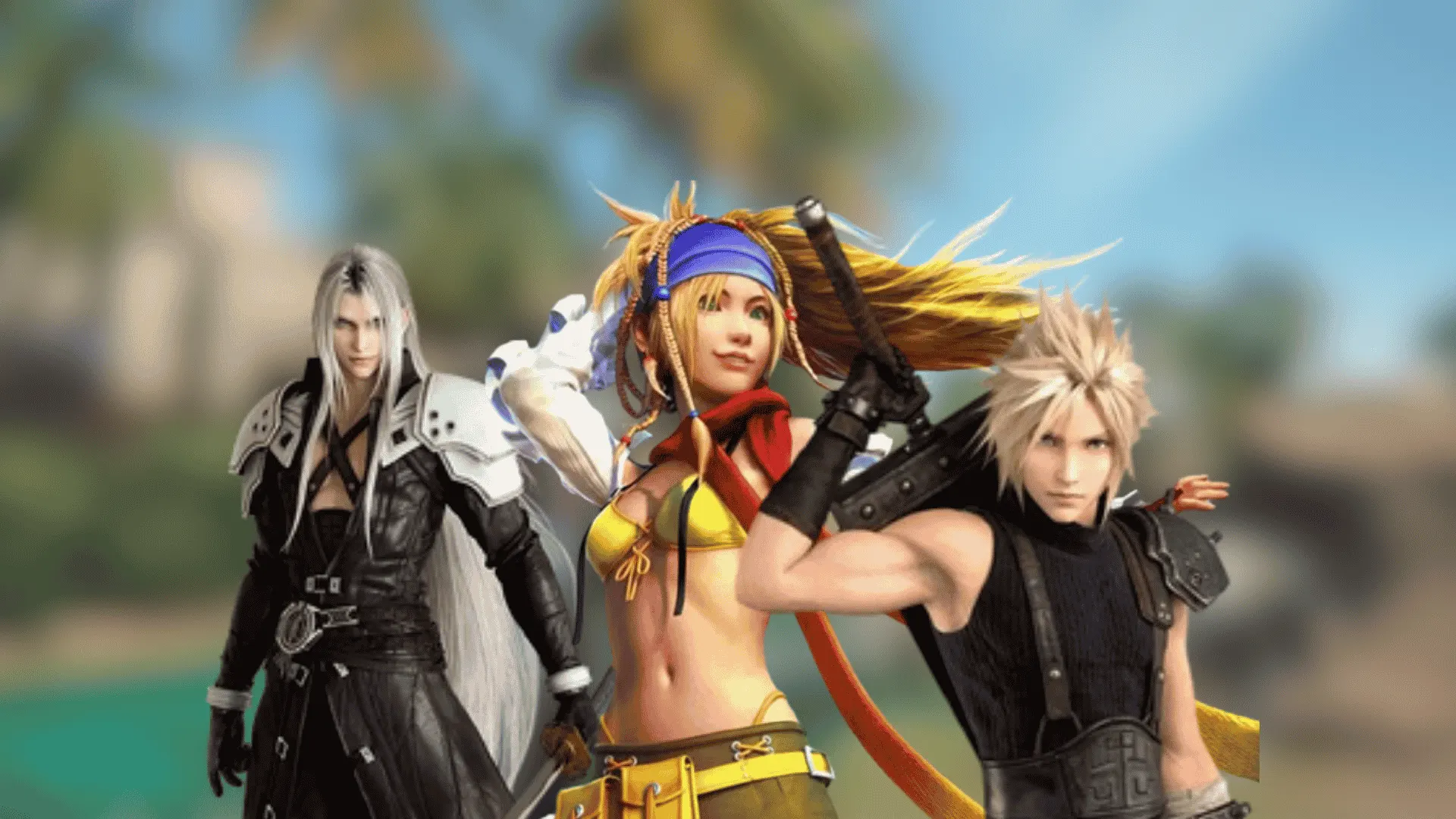
Ranking Final Fantasy games is never simple, because every player seems to love a different part of the series. You may care about the story, combat, characters, music, nostalgia, or whether a game still feels good to play today.
That is why a random list can feel unfair when one person values turn-based battles, and another wants action.
I will explain Final Fantasy games ranked by gameplay, story, characters, replay value, and cultural impact, so every placement has a clear reason.
You will also see which titles are best for beginners, which ones shaped the series, and which games are easier to skip.
Before arguing over the number-one spot, let us first look at the criteria used to rank each mainline entry.
How I Ranked Every Final Fantasy Game?
Ranking uses five criteria: gameplay systems, story cohesion, character writing, cultural impact, and replayability, applied across mainline Final Fantasy entries for structured evaluation consistently and comparably.
Gameplay systems evaluate engagement in combat and progression. Story cohesion checks narrative flow.
Character writing assesses believability. Cultural impact measures influence. Replayability considers the return value overall.
Criteria are not weighted equally. Strong story cohesion can outrank tighter mechanics when the difference is significant, ensuring a balanced judgment rather than a rigid scoring-formula approach.
XI and XIV are excluded as MMOs because of their different design goals. X-2 and XIII-2 are excluded. Remakes are noted, but the original determines the ranking placement rule applied.
The Bottom Tier: Games Worth Knowing About, Not Necessarily Playing
Every game in this tier has a reason for sitting here, a specific design problem or a context that later entries made obsolete.
They’re just not where I’d tell you to spend your time if you’re working through the series.
1. Final Fantasy I
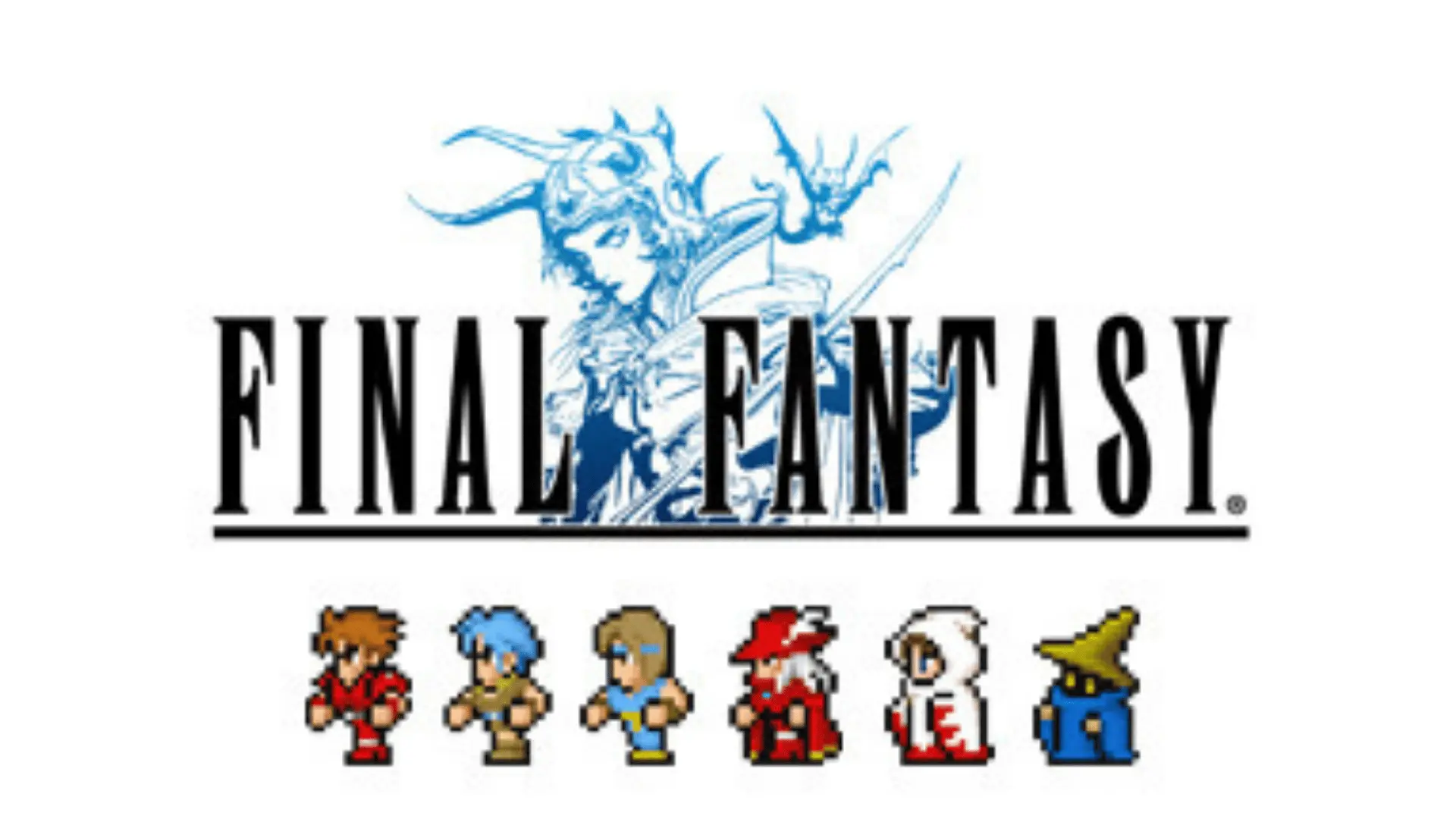
The original Final Fantasy built the template. Fixed party roles, turn-based combat, and a world map connecting towns and dungeons established the core elements the series would refine for decades.
By today’s standards, the combat lacks depth, and the story is almost nonexistent. It belongs in the conversation as a foundation. It doesn’t compete as an experience.
2. Final Fantasy II
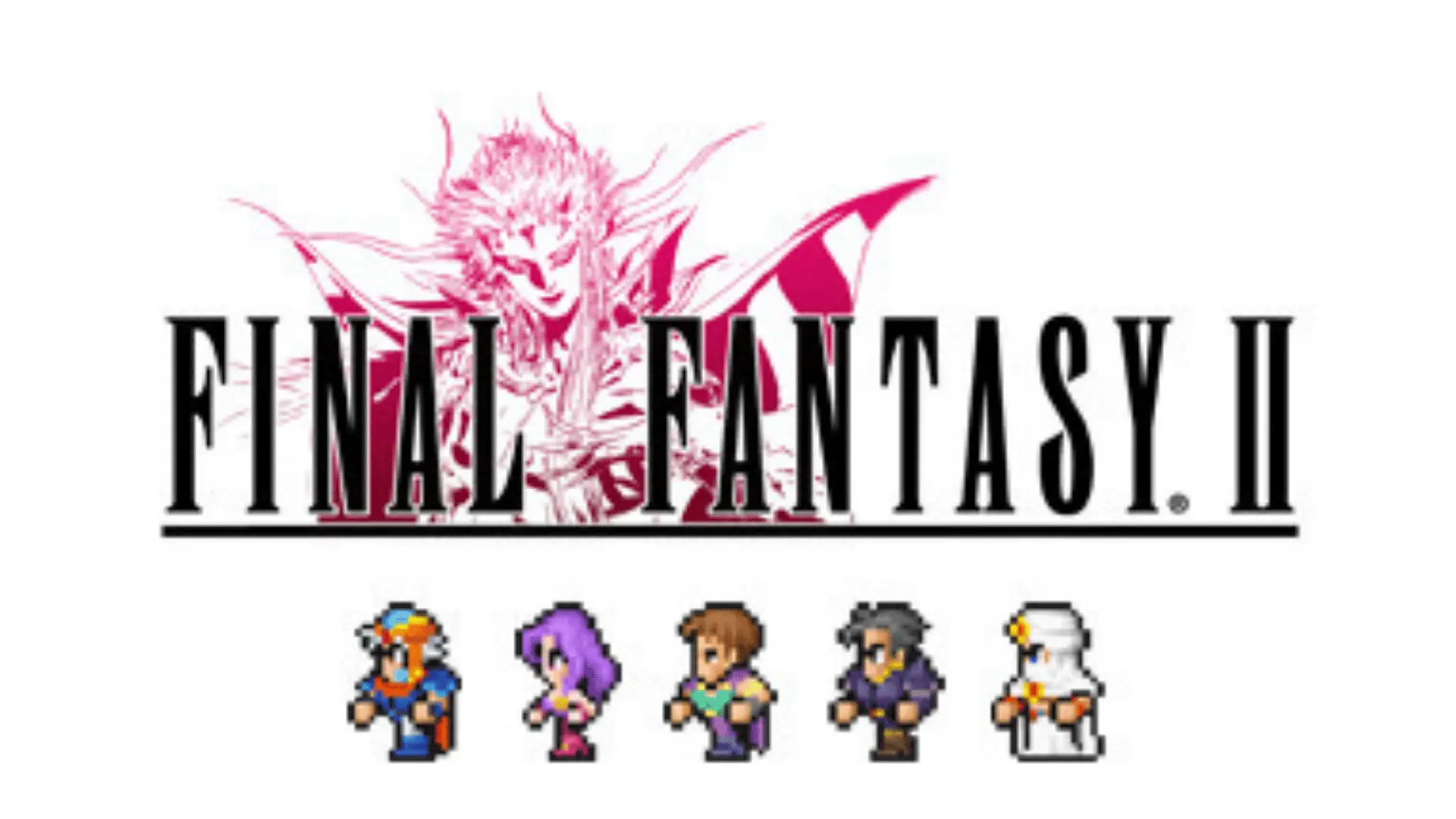
The reason it sits here isn’t that it’s broken; it’s that its central experiment never quite landed. Instead of leveling up, your stats improve based on what you actually do in battle.
Take hits, and your HP grows. It’s a genuinely interesting idea, and you can see its influence in later games that tied progression to action.
In practice, though, the system is easy to game and slow to reward. The concept was ahead of its time.
3. Final Fantasy III
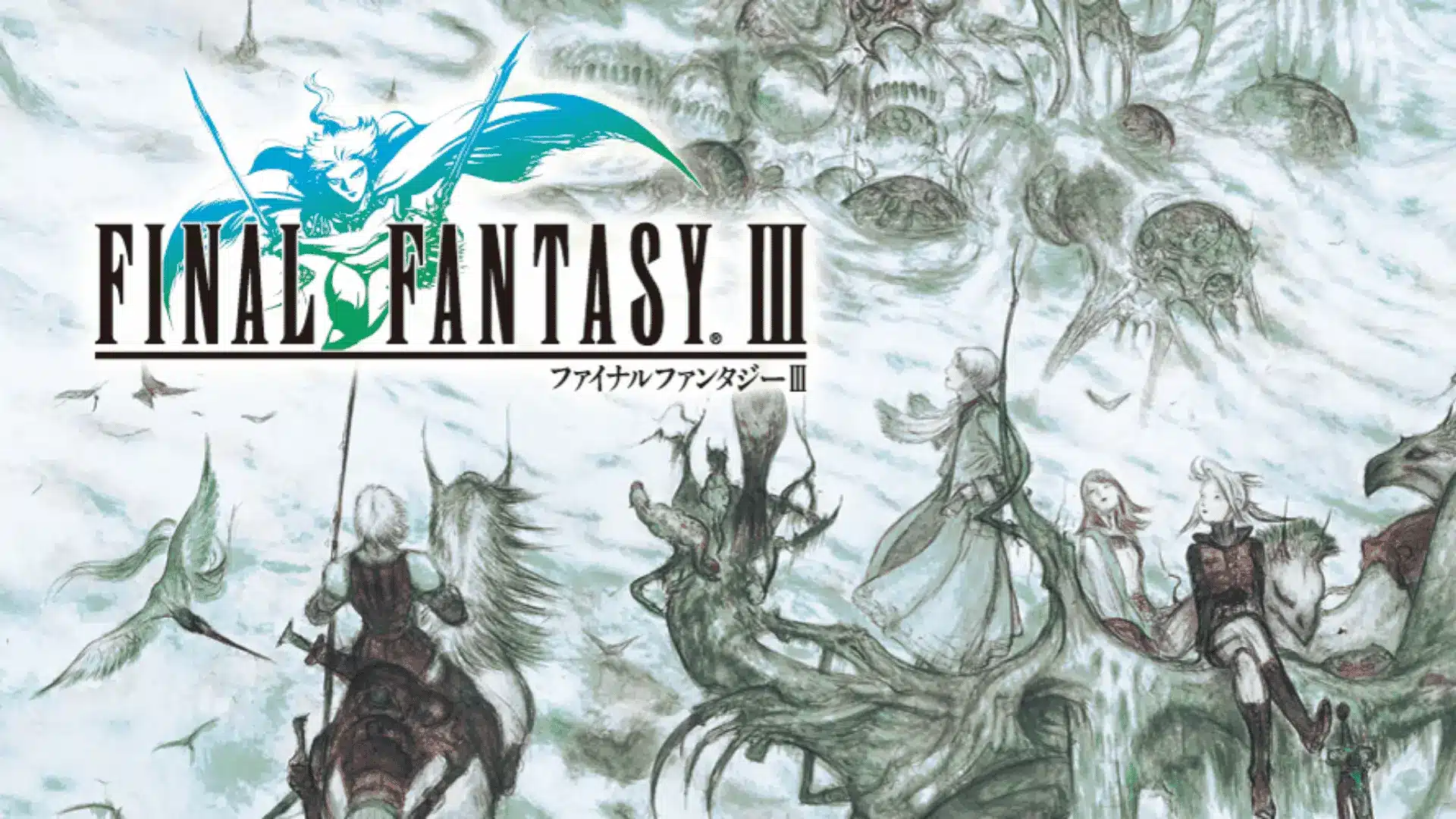
III introduced the Job system, the ability to switch character classes, and the ability to build your party around roles.
Final Fantasy V took that same idea and made it the best version it’s ever been.
IV arrived in between and did character-driven storytelling better than III ever attempted. III sits at the bottom because two of the best games in the series made it redundant before most players even got to it.
4. Final Fantasy XIII
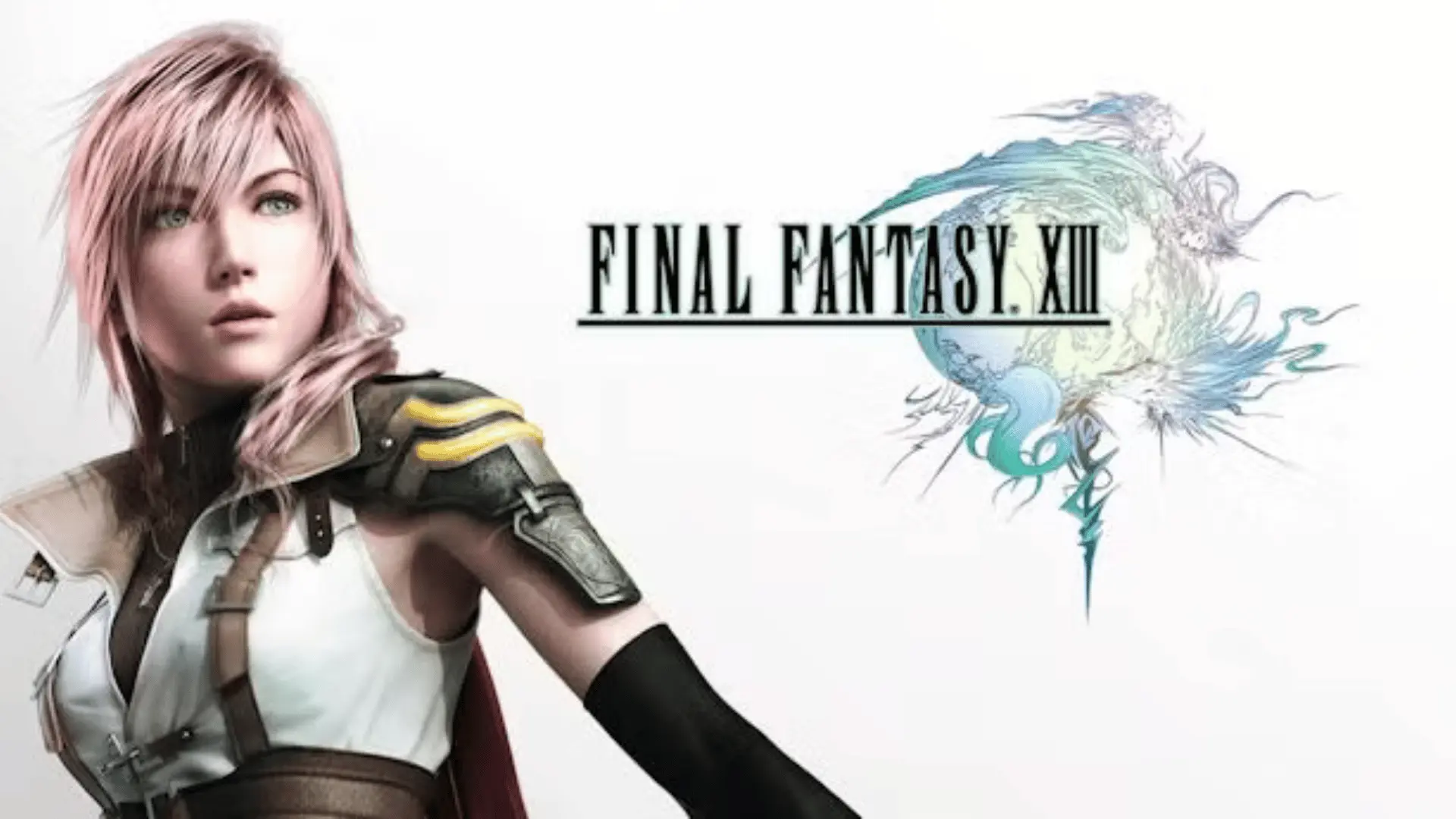
XIII’s reputation is messier than it deserves. The first 20-plus hours are a corridor. You move forward, watch cutscenes, fight battles, and repeat.
The game’s real systems are locked behind a tutorial that goes on far too long.
By the time the world opens up and the Paradigm system shows what it can actually do, many players have already left.
The back half is genuinely good. The problem is you have to earn it through one of the most withholding openings in the series.
The Middle Tier: Strong Games that Fall Just Short of Essential
Every game here does something genuinely well.
What keeps them out of the top tier is that none of them sustains it across the whole experience; each one has a crack somewhere that the best entries in the series don’t.
5. Final Fantasy XV
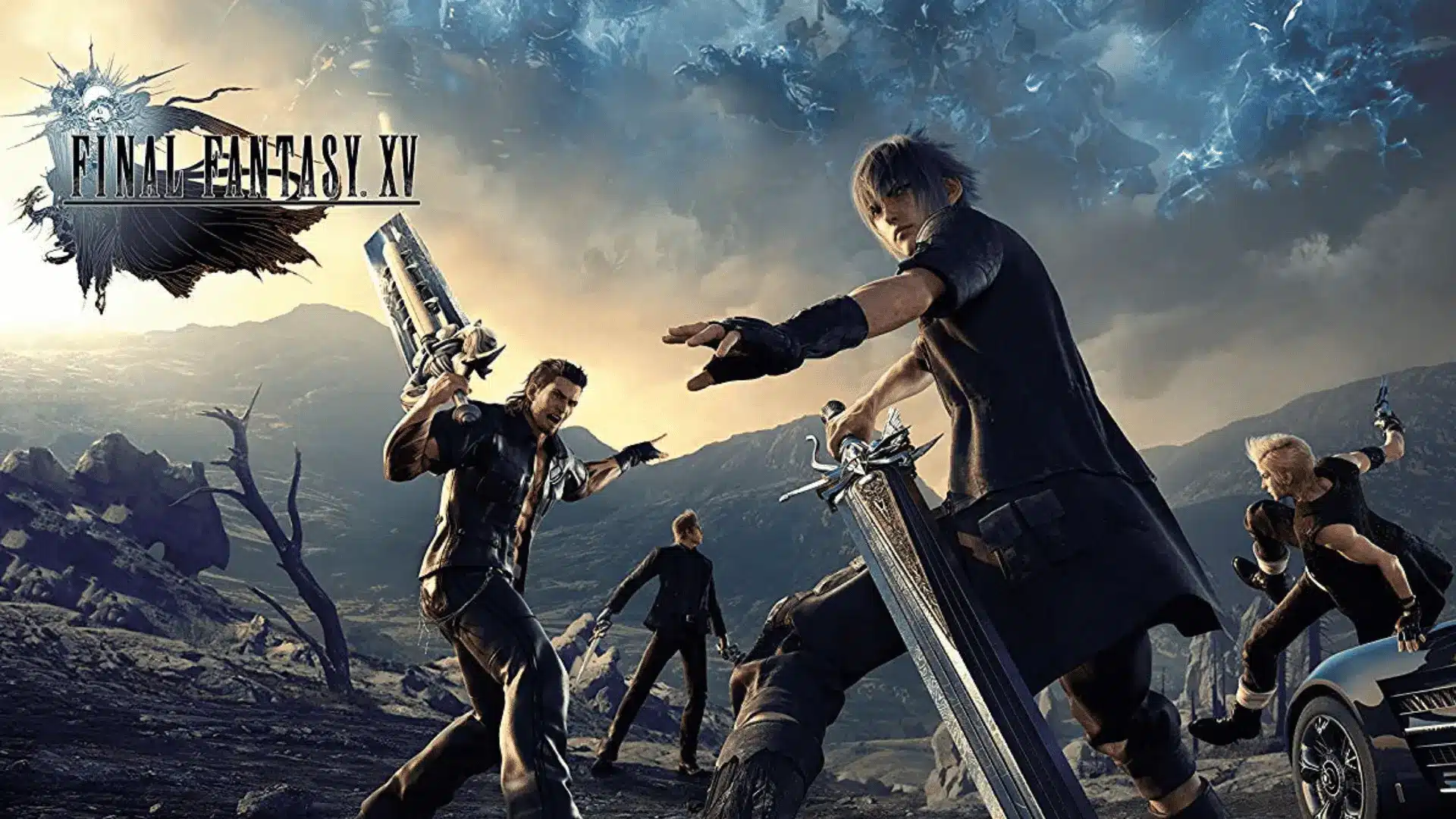
Final Fantasy XV features strong character dynamics between Noctis, Gladio, Ignis, and Prompto built through a road trip structure that creates emotional connections over time
After chapter eight, Final Fantasy XV abruptly shifts from an open world to linear dungeons, breaking narrative flow and losing momentum without providing a satisfying structural payoff.
If you enjoy long character-driven games with serious drama and strange side stories, our best Yakuza game ranking gives you another story-rich series to try next.
6. Final Fantasy VIII
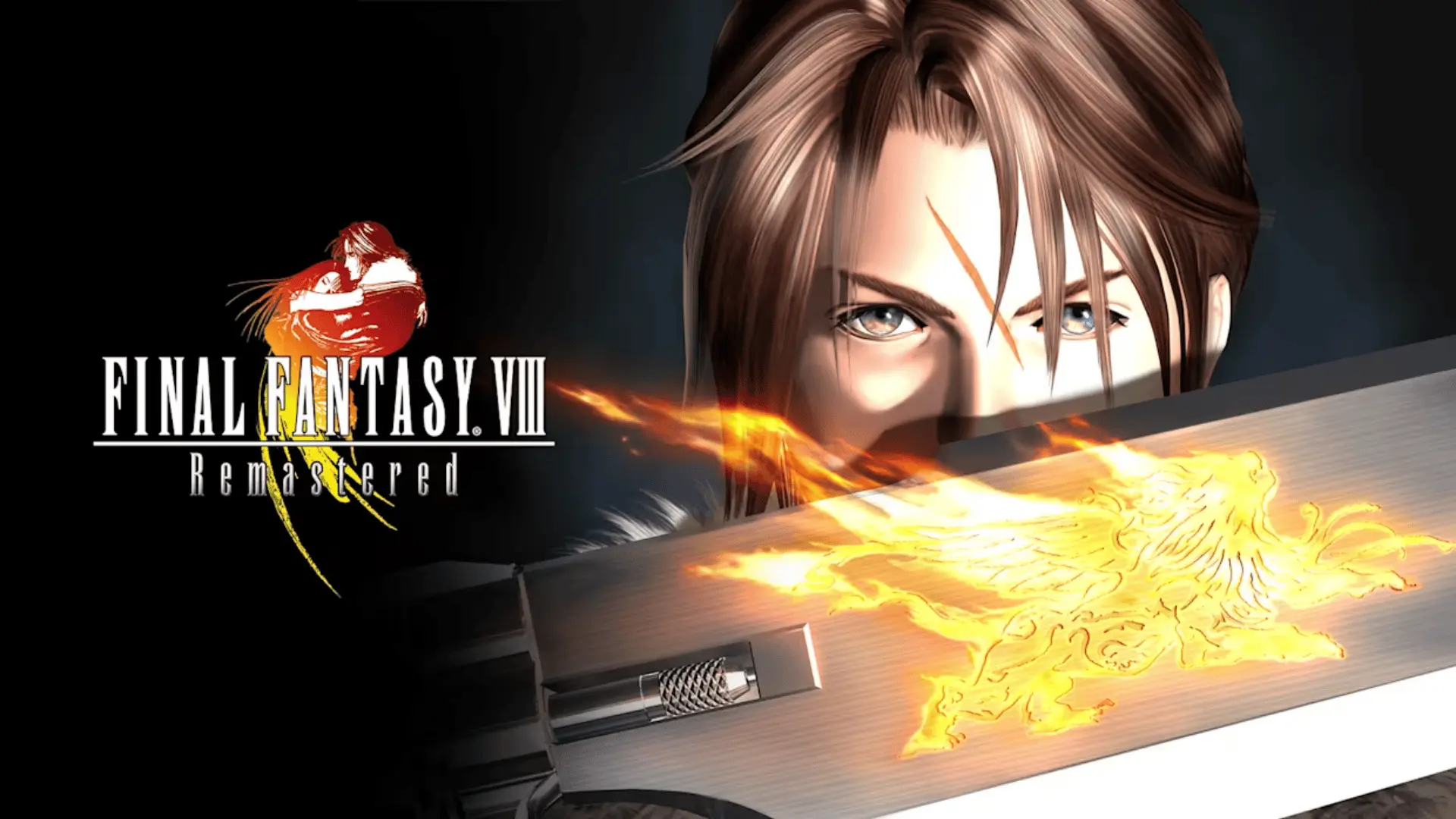
Final Fantasy VIII splits opinion due to its Junction system, where magic is linked to stats, making character strength heavily dependent on how spells are equipped strategically
Players who master Junction become extremely powerful by midgame, while those who ignore it struggle significantly, creating a sharp divide between engagement and passive play styles
7. Final Fantasy IV
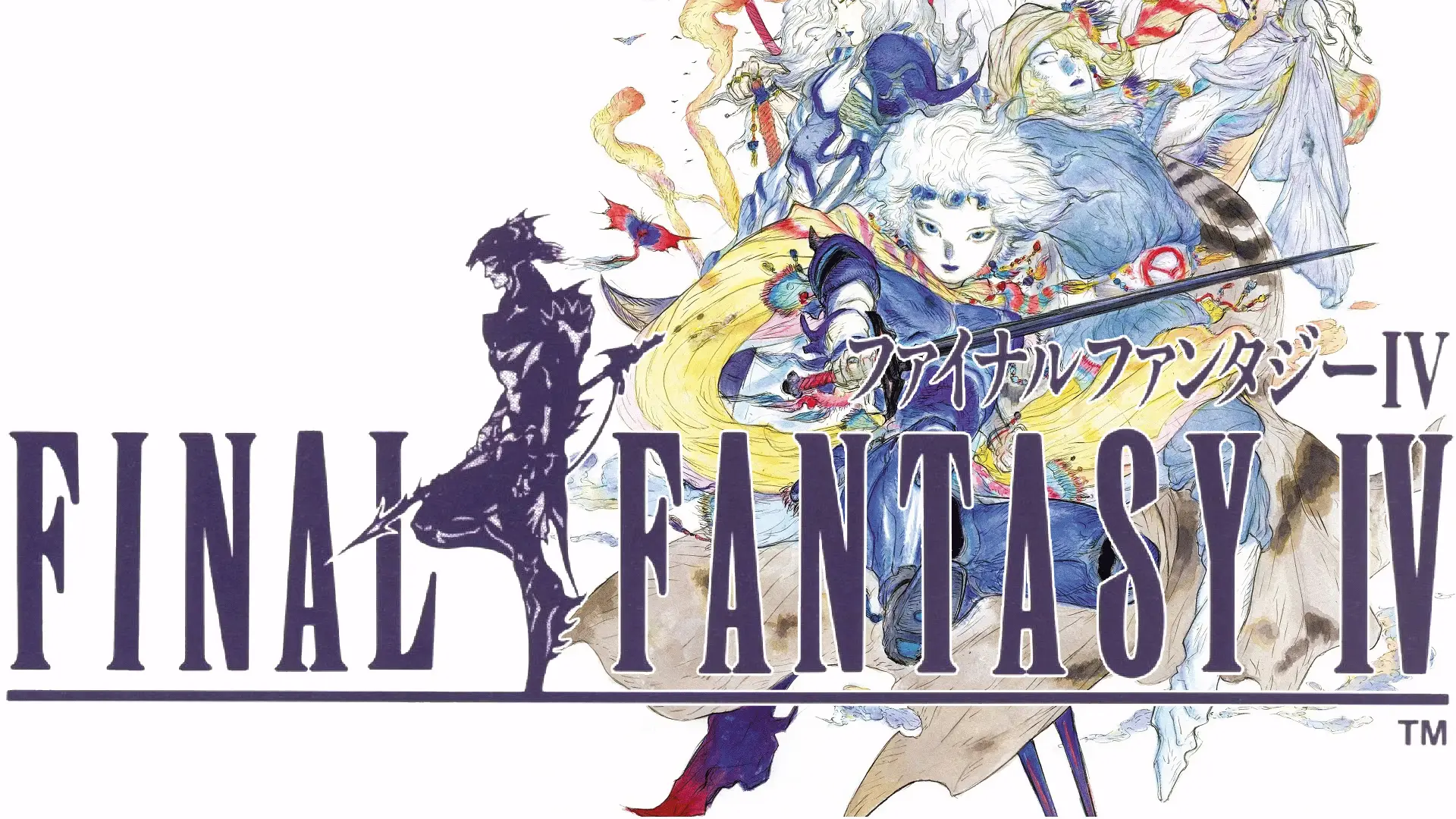
Final Fantasy IV marks the series’ shift toward serious storytelling, with Cecil’s dark knight-to-paladin arc delivered simply but with strong sincerity and emotional clarity throughout
However, the gameplay systems remain shallow by modern and near-contemporary standards, limiting replay value and preventing it from reaching higher placement despite its narrative significance overall
8. Final Fantasy XII
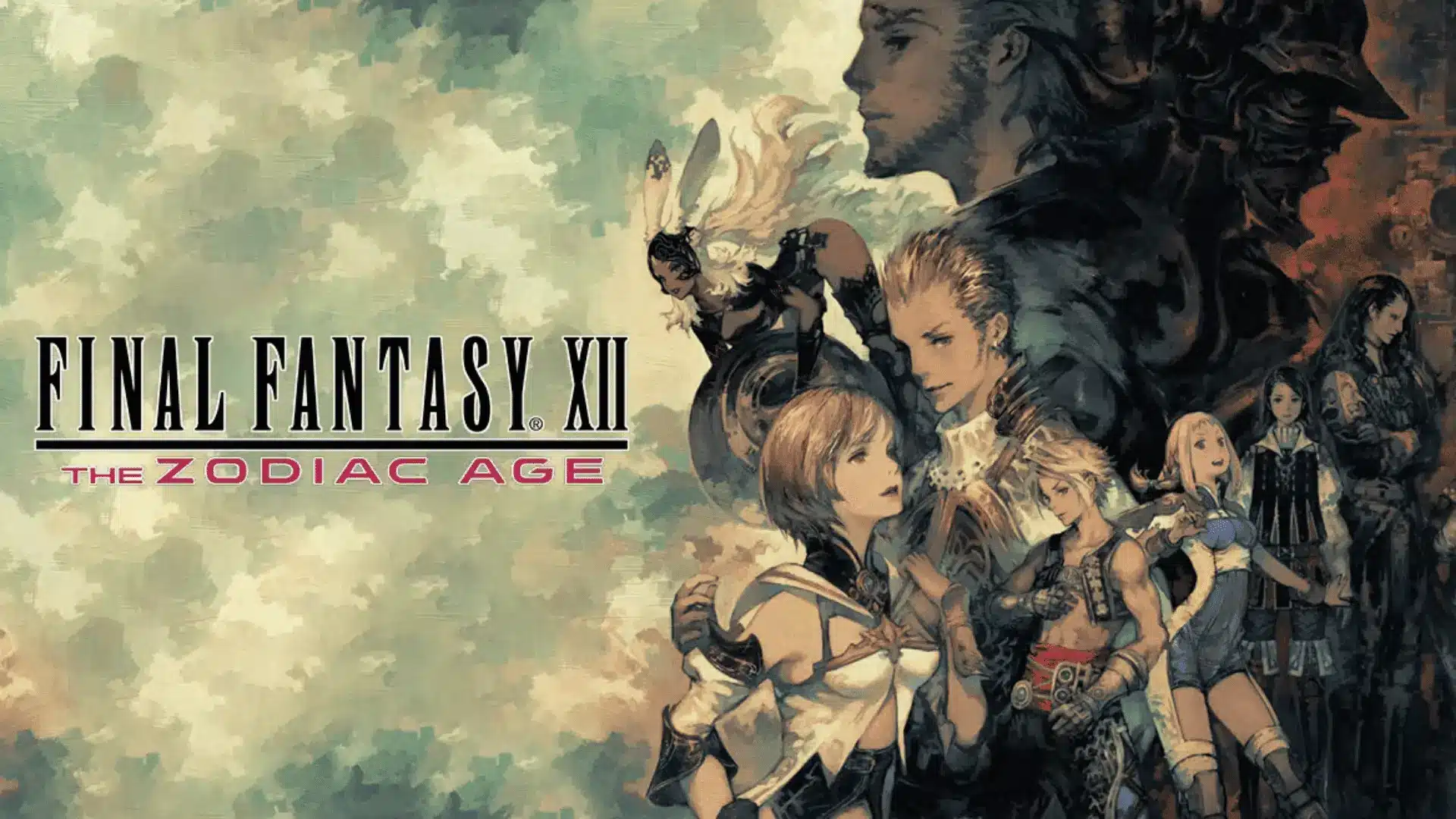
Final Fantasy XII stands out for its Gambit system, allowing programmable party behavior through conditions and logic chains, creating one of the series’ deepest mechanical systems
However, its narrative keeps an emotional distance, with a complex but cold political story and a protagonist lacking real stakes, weakening story cohesion and character engagement overall
The Top Tier: The Five Final Fantasy Games That Defined the Series
What separates these five from everything else in the series is that they hold together completely. The combat, the music, the visuals, and the story all push in the same direction.
9. Final Fantasy XVI
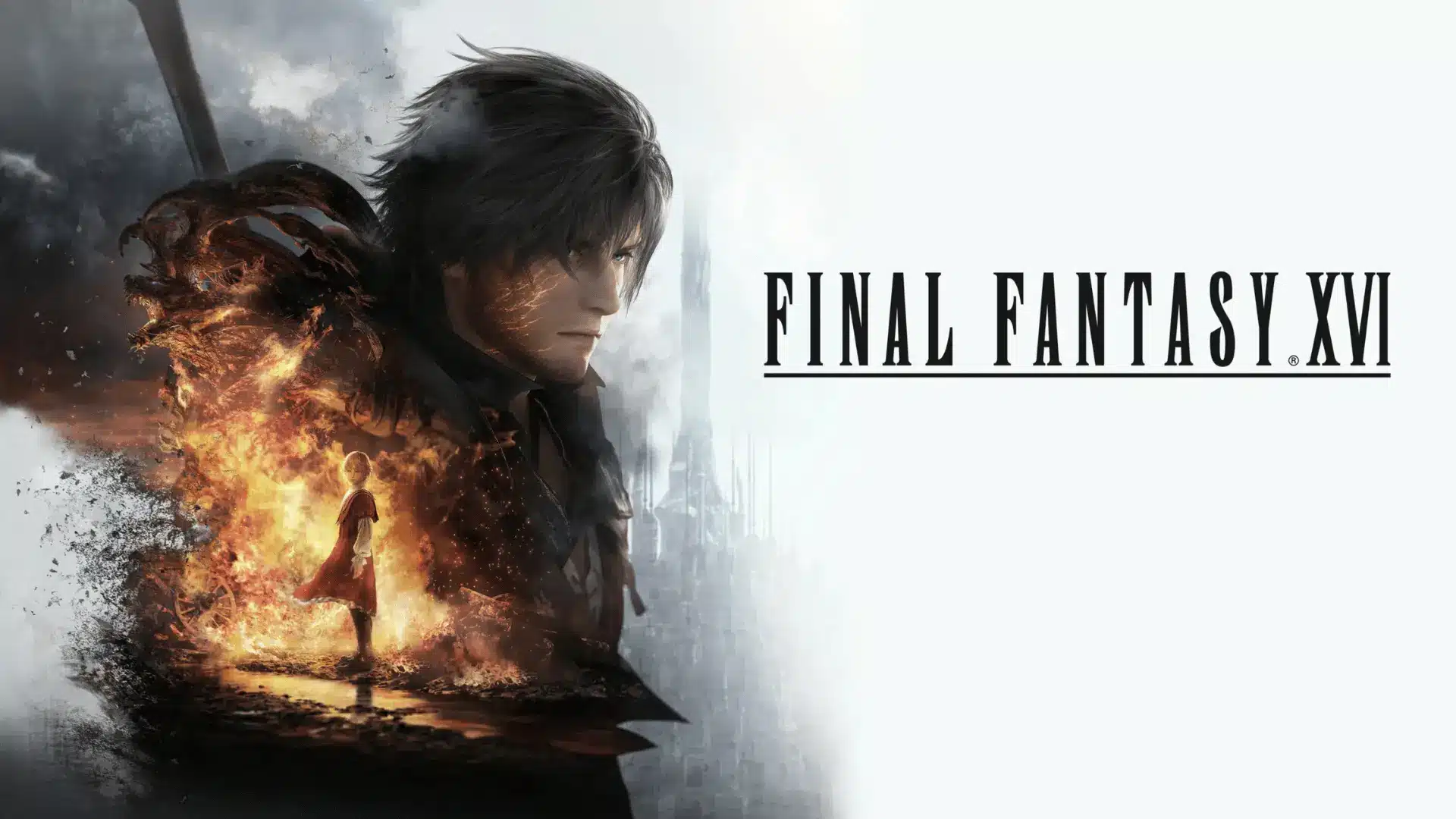
Final Fantasy XVI commits fully to pure action combat with no hybrid or turn-based systems, built around Clive’s Eikon battles, oversized boss fights that shift scale mid-encounter without breaking the flow of a single continuous fight.
Its design consistency comes from that full commitment, unlike Final Fantasy XV, which stayed partly hybrid.
While opinions continue shifting, its strong design direction and Clive’s personal arc through Valisthea’s political collapse support its rising placement in community rankings.
10. Final Fantasy X
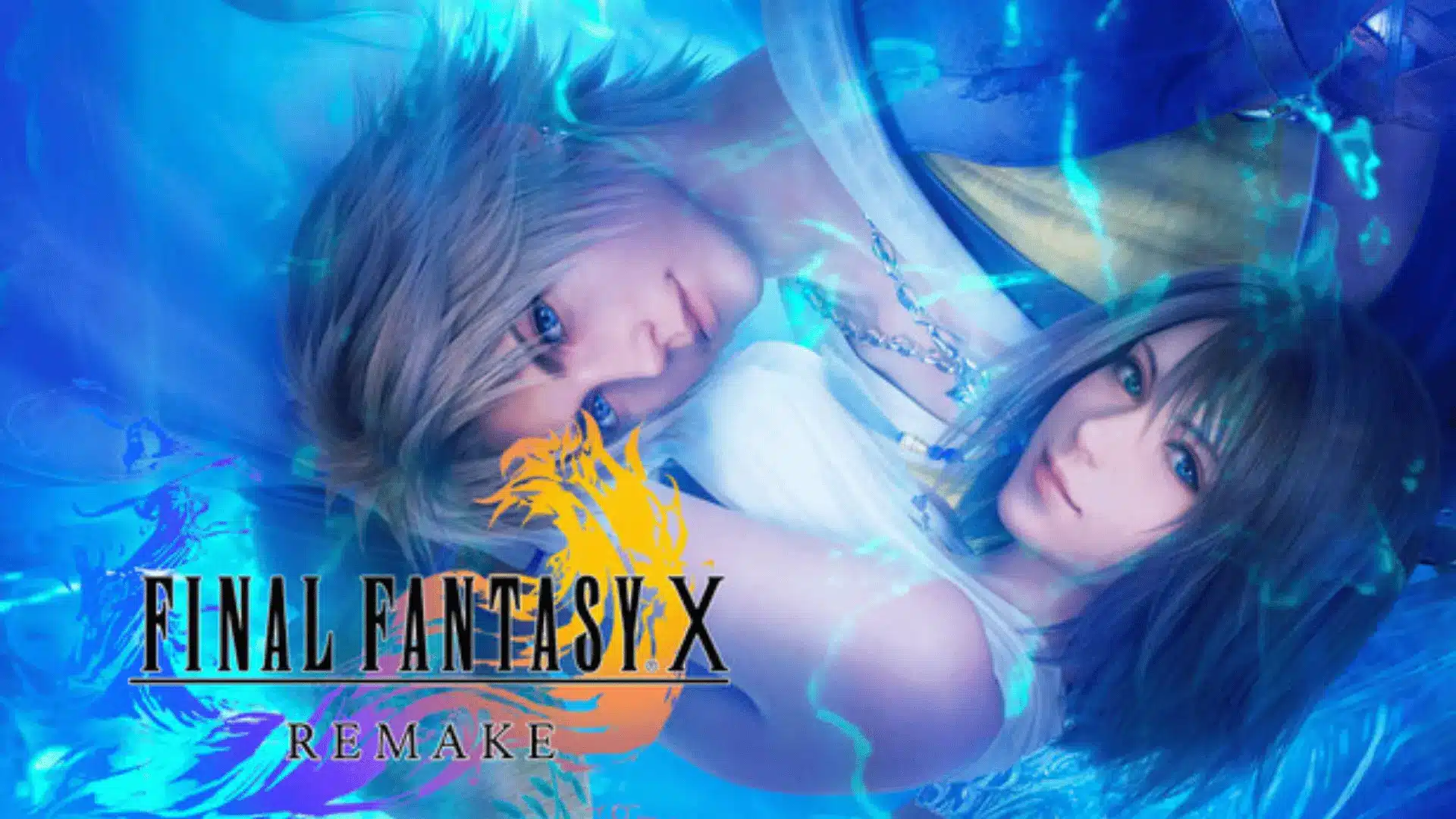
Final Fantasy X uses the Sphere Grid system, giving visible progression paths where every node represents a deliberate choice in character development and customization structure
Its emotional core is driven by Tidus and Yuna’s relationship, built through consistent moments over time, making the ending impactful and emotionally earned through narrative payoff
11. Final Fantasy IX
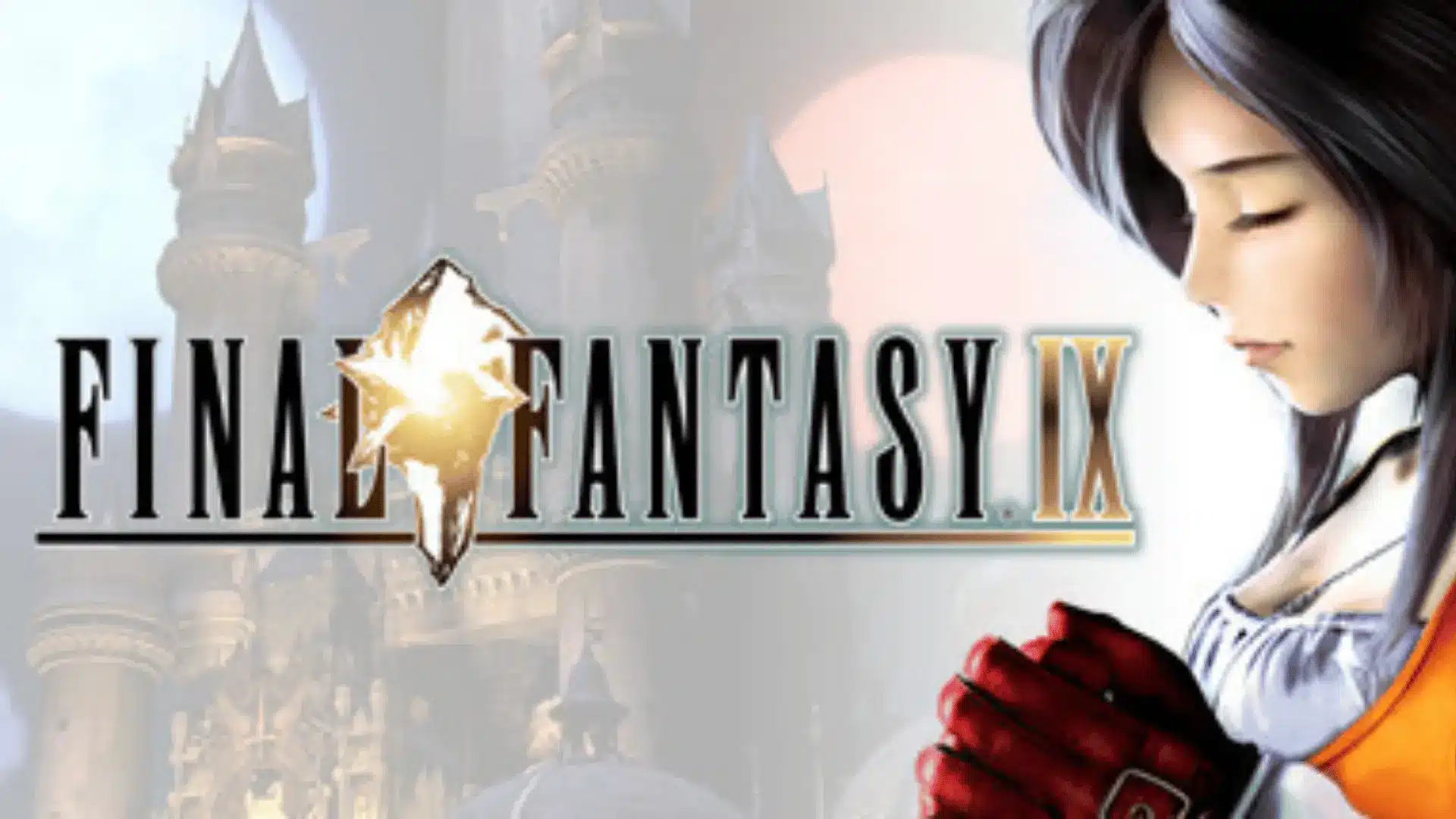
Final Fantasy IX revisits classic series elements like crystals, black mages, and airships, reframing them into a deeper interpretation rather than simple nostalgia or repetition
It features the series’ largest party, with characters like Zidane, Vivi, Garnet, and Freya each given meaningful narrative threads, supporting strong long-term appreciation and replay value
12. Final Fantasy VII
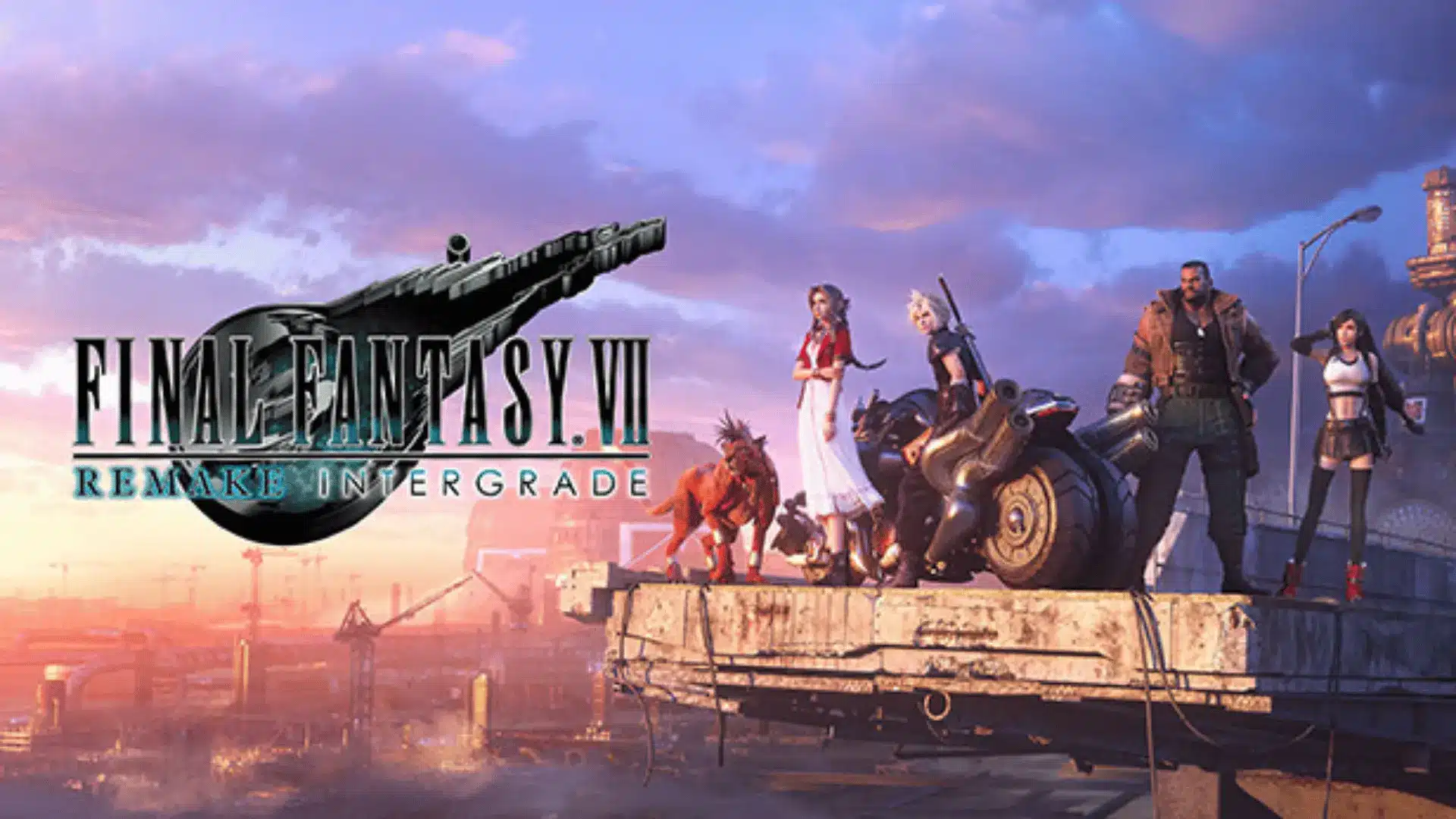
Final Fantasy VII holds immense cultural significance, bringing cinematic storytelling to gaming and elevating characters like Cloud, Aerith, and Sephiroth into mainstream recognition beyond the series
However, it is primarily protagonist-driven, with Cloud carrying most narrative weight while the party supports him, which limits ensemble depth compared to entries like Final Fantasy VI
13. Final Fantasy VI
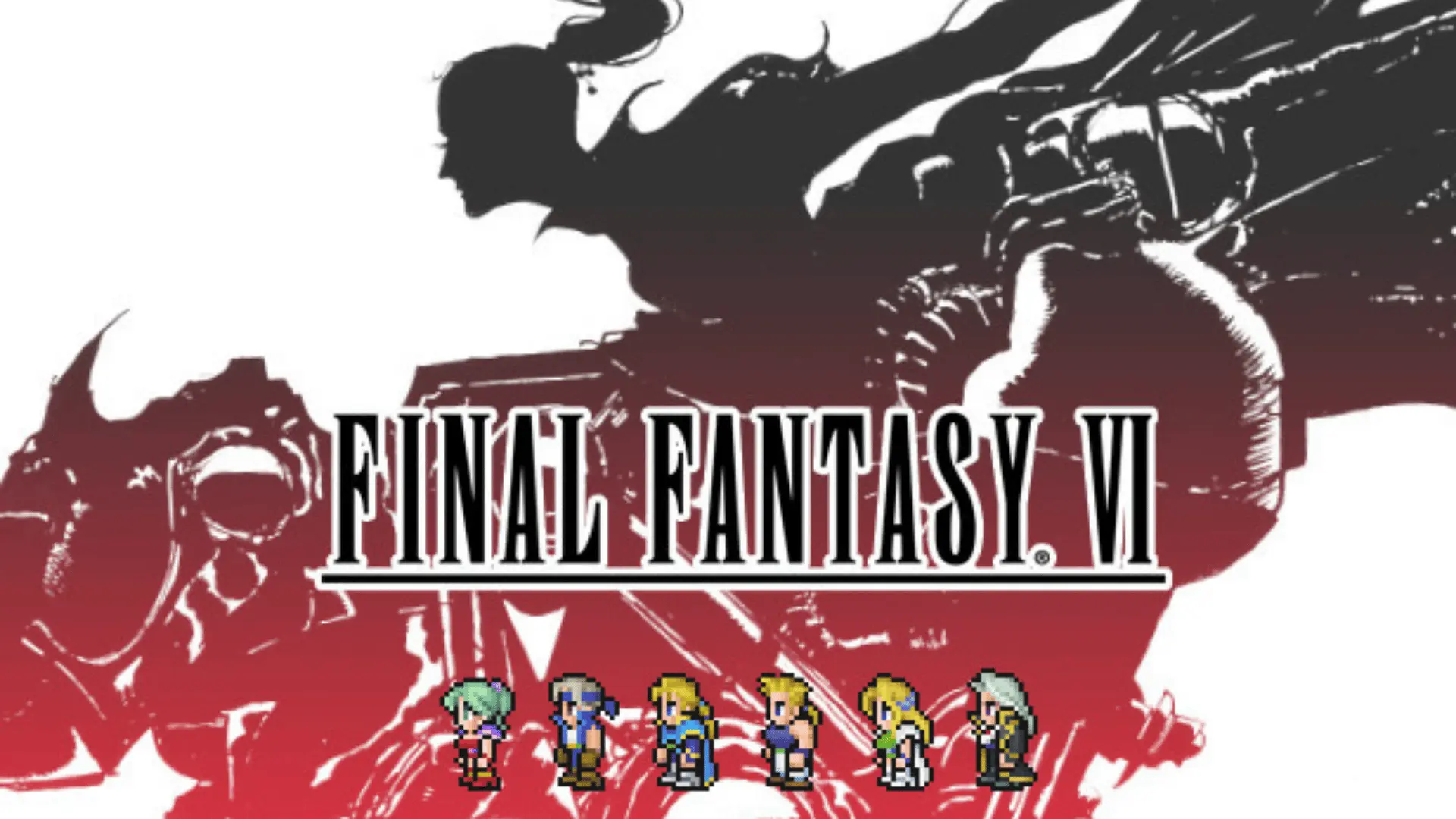
Final Fantasy VI ranks at the top for giving fourteen playable characters meaningful arcs without a single protagonist or hierarchy of importance, creating a fully balanced ensemble narrative
Its opera sequence with Celes in the World of Balance demonstrates how interactivity can intensify emotion in ways film cannot, reinforcing its lasting impact and overall excellence
Where to Start if You Haven’t Played Final Fantasy Before
The entry point depends on what someone wants from Final Fantasy. Different games suit different priorities, especially in terms of story, gameplay style, and cultural context.
| Goal | Recommended Entry | Reason |
|---|---|---|
| Story and accessibility | IX or X | Modern enough systems with strong narrative clarity and minimal friction |
| Classic storytelling depth | VI | Strong writing and structure outweigh older visuals and UI constraints |
| Modern action gameplay | XVI | Fully action-focused design with no prior system knowledge required |
| Cultural understanding of the series | VII | Major influence on gaming, film, and music, central to wider discussions |
Each entry point reflects a different way into the series rather than a ranked order of quality, allowing choice based on personal preference rather than consensus.
Don’t start with I, II, or III, since they function more as historical foundations than practical introductions to what the series became.
Conclusion
Final Fantasy games ranked against each other will never please everyone, and that is part of the fun.
You may value story, combat, music, characters, or replay value more than another player does. I would still start with the strongest entries first, because they show why the series became so important.
The lower-ranked games matter too, but mostly because they explain how the series learned, changed, and took bigger risks.
A good ranking should not end the debate but give you a clearer sense of where each game stands.
Which Final Fantasy game would you rank first, and which placement do you disagree with most? Tell us, share with us in the comments below.
Frequently Asked Questions
Which Final Fantasy Game is Best for Beginners?
IX and X are the most accessible starting points. Both have strong storytelling, clear mechanical onboarding, and interfaces modern enough to avoid the friction of early-series titles.
XVI works well if you prefer action combat. Avoid starting with I, II, or III; the design constraints of those entries make them poor introductions to what the series became.
Is Final Fantasy VII Actually the Best Game in the Series?
In terms of cultural impact, yes: VII is the most influential Final Fantasy ever made.
On criteria-based rankings that weight story cohesion, ensemble character writing, and gameplay system design equally, VI and IX rank ahead of VII in most current editorial and community assessments.
Whether VII is “best” depends entirely on which criteria you weight most heavily.
Which Final Fantasy Games Should I Skip?
II and III are skippable unless you have a specific interest in the series’ history; later entries entirely improved on their mechanical experiments.
XIII is worth skipping until after you’ve played the top-tier titles; its first 20-plus hours are punishingly linear before the game opens up.
No other mainline numbered entry is truly skippable if you’re working through the series.
Why is Final Fantasy XVI Ranked So Highly Now, Even Though It Was Controversial at Launch?
XVI committed fully to action combat, which alienated players expecting a hybrid or turn-based system. As that design choice has aged, it reads as conviction rather than compromise.
Its story, production quality, and combat depth have consolidated its standing in community rankings in a way its launch reception didn’t predict.