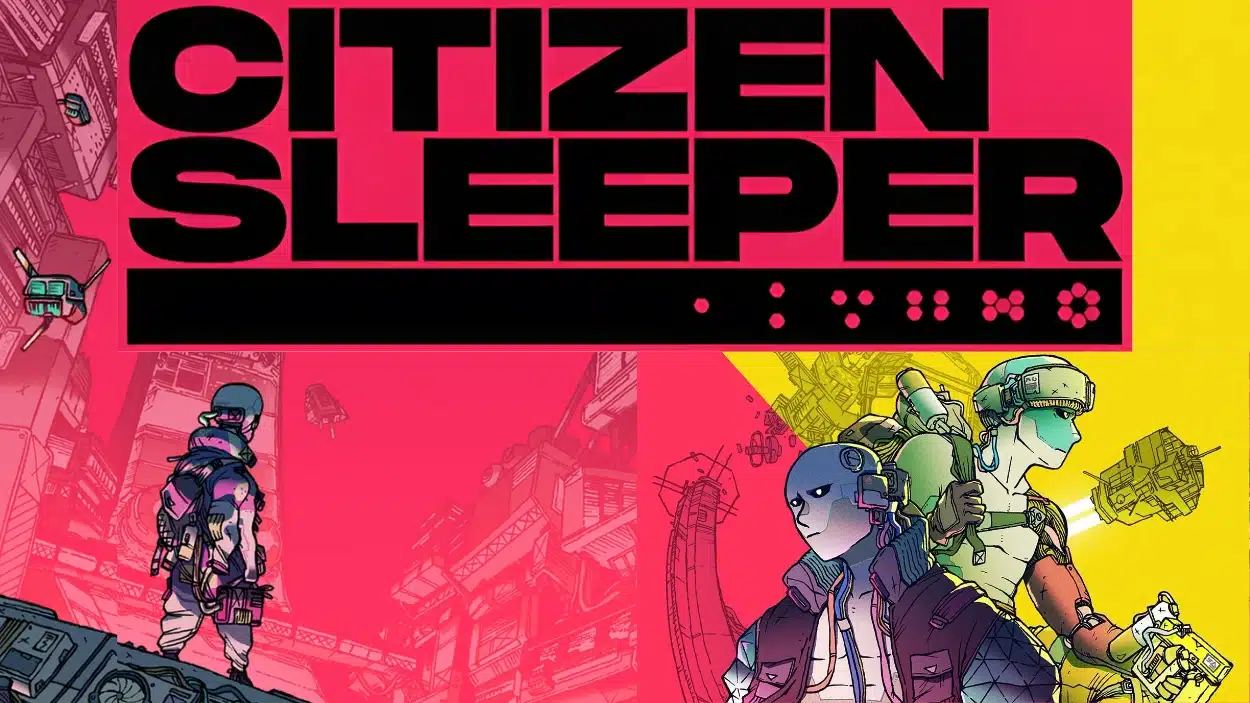
I almost skipped Citizen Sleeper because it looked too simple to keep me interested. There’s no fast combat, huge map, or flashy action to grab your attention.
Instead, it tells a quiet science-fiction story where every choice matters a little more than you expect.
After spending time on Erlin’s Eye, I realized that its biggest strengths come from its writing, characters, and clever dice system.
This citizen sleeper review looks at how the game plays, what makes it stand out, and who will enjoy it most before deciding if it deserves a place in your game library.
Citizen Sleeper Review: What Kind of Game Is It?
Citizen Sleeper is a dice-based narrative RPG. You manage survival across story cycles; there’s no combat, no reflexes, no twitch skill involved.
Most people come in expecting something like a survival sim. What they find is closer to reading an interactive sci-fi novel with light resource management beneath the surface.
The dice aren’t a skill test. They’re a storytelling tool that shapes which parts of the story you can reach each day.
That lineage comes straight from tabletop RPGs, clocks, dice allocation, and resource pressure. But don’t let that put you off if you’ve never touched a tabletop game.
The mechanics are simple enough that they fade into the background. What stays front and center is the writing.
You’re playing as a digital consciousness trapped in a decaying body on Erlin’s Eye, a lawless space station held together by desperation and debt.
The station isn’t just a setting. It’s what the whole game is really about: who owns your body, your labor, your time.
Citizen Sleeper Gameplay: How Dice and Clocks Work
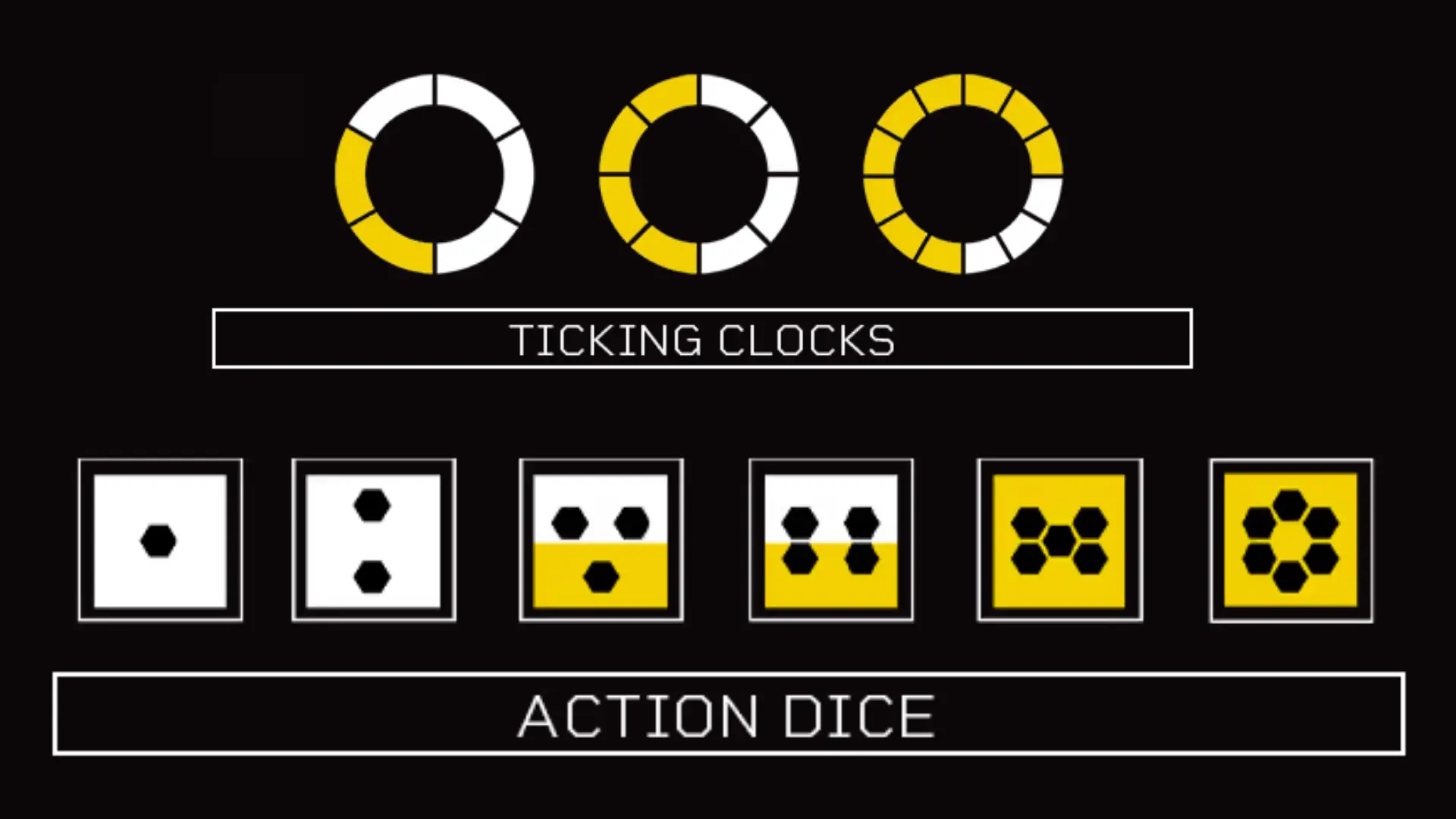
Each cycle, your health doesn’t just affect how many dice you roll; it also affects the quality of those dice. That’s the part most summaries miss.
When your body is in good condition, you roll a full hand. Higher numbers open better actions and stronger outcomes across the station.
Let your condition drop, and the picture changes fast:
- Fewer dice: Less flexibility in what you can attempt each cycle
- Lower rolls: Stronger actions stay locked, forcing cheaper, weaker choices
- Compounding pressure: Bad health makes recovery harder, which keeps health bad
This is why health feels urgent. It’s not a hit-point bar; it’s a capability diminisher that quietly shrinks your options day by day.
Now layer in clocks. These are progress meters attached to jobs, storylines, and relationships across Erlin’s Eye.
They work less like timers and more like attention budgets. Each cycle, you can only fill so many, which means you’re always choosing what to leave behind.
Here’s what makes that choice matter:
- Story clocks: Tied to characters and their arcs, miss them, and the arc closes
- Crisis clocks: Tied to threats on the station, ignore them, and consequences stack
- Job clocks: Tied to income and resources, neglect them, and your condition drops further
Some clocks permanently close storylines or outcomes if they expire before you complete them, while others simply change how the story unfolds. There’s no retry, but your decisions continue shaping the rest of the game.
You don’t see a game-over screen. You just lose that character, that outcome, that piece of the world, quietly and permanently.
That’s narrative foreclosure, and it hits harder than any death mechanic I’ve encountered in a game this compact.
The real tension isn’t in the dice. It’s running out of good days before you’ve handled what actually matters.
Writing, Art, and Sound in Citizen Sleeper
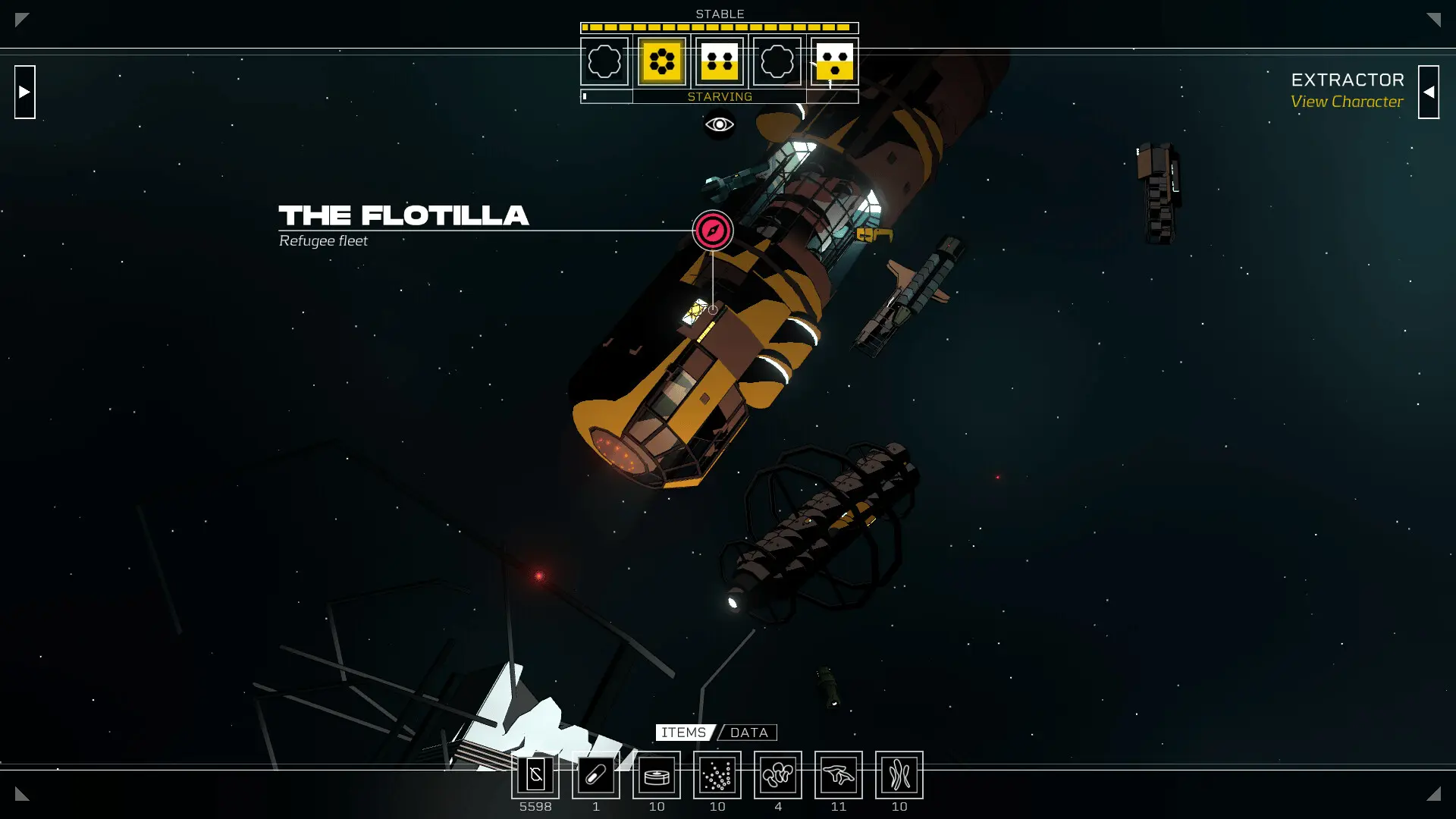
The praise for Citizen Sleeper’s writing is everywhere. What’s harder to find is a clear explanation of why it actually works. Here’s what’s doing the heavy lifting:
- Themes through action: Labor, personhood, and bodily autonomy aren’t explained; they’re felt through what the game makes you do each cycle
- Characters over concepts: Nobody on Erlin’s Eye lectures you about capitalism; they’re just people trying to survive it
- Ground-level storytelling: The writing stays close to individual desperation, never lifting into abstraction or political sermon
That approach is what separates it from most narrative games. The ideas land because you live them, not because someone explains them.
The art and sound carry equal weight here. Guillaume Singelin’s character portraits are expressive enough that emotional moments register before you’ve read a single word.
Amos Roddy’s synth soundtrack shifts subtly with each scene’s mood. You feel the atmosphere of the station before the writing even confirms it.
Together, the three elements, writing, art, and sound, don’t layer on top of each other. They work as one thing, which is why the praise across reviews reads so consistently.
Citizen Sleeper Review Scores from Critics and Players
The critical reception is about as clear a signal as this genre gets. Here’s where it landed across the major platforms and aggregators.
Citizen Sleeper holds an 82/100 on Metacritic from 23 critic reviews and an 84 average on OpenCritic from 46 critics, rated Mighty and in the top 9% of all reviewed games, with 98% of critics recommending it.
Individual outlets clustered tightly in the same range:
- Game Informer: Called it one of the best gaming experiences of 2022
- TheGamer: 5/5, praised as beautifully written and thought-provoking
- Destructoid: 90, highlighted emotional storytelling and replayability
- The Guardian: 80, praised the atmosphere; noted the ending loses momentum
The one divergence worth flagging is that the Metacritic user score currently sits at 7.6 based on 177 ratings.
That gap isn’t unusual, as many lower user reviews come from players who wanted deeper gameplay systems, more sustained survival pressure, or choices with stronger mechanical consequences.
Who Should Play Citizen Sleeper?
Citizen Sleeper is intentionally easy. Its challenge comes from story choices rather than difficult gameplay, and once you stabilize your resources, survival becomes much less stressful.
You’ll likely enjoy it if you prefer a story-first experience, don’t mind light resource management, and like narrative consequences over harsh fail states.
It may not be for you if you want constant survival pressure, demanding mechanics, or frequent game-over screens.
Instead of punishing failure, the game uses clocks and branching storylines, where some missed opportunities permanently change or close off parts of the narrative.
Knowing this before you play helps set the right expectations and avoid disappointment.
Citizen Sleeper vs. Citizen Sleeper 2: Which Should You Play First?
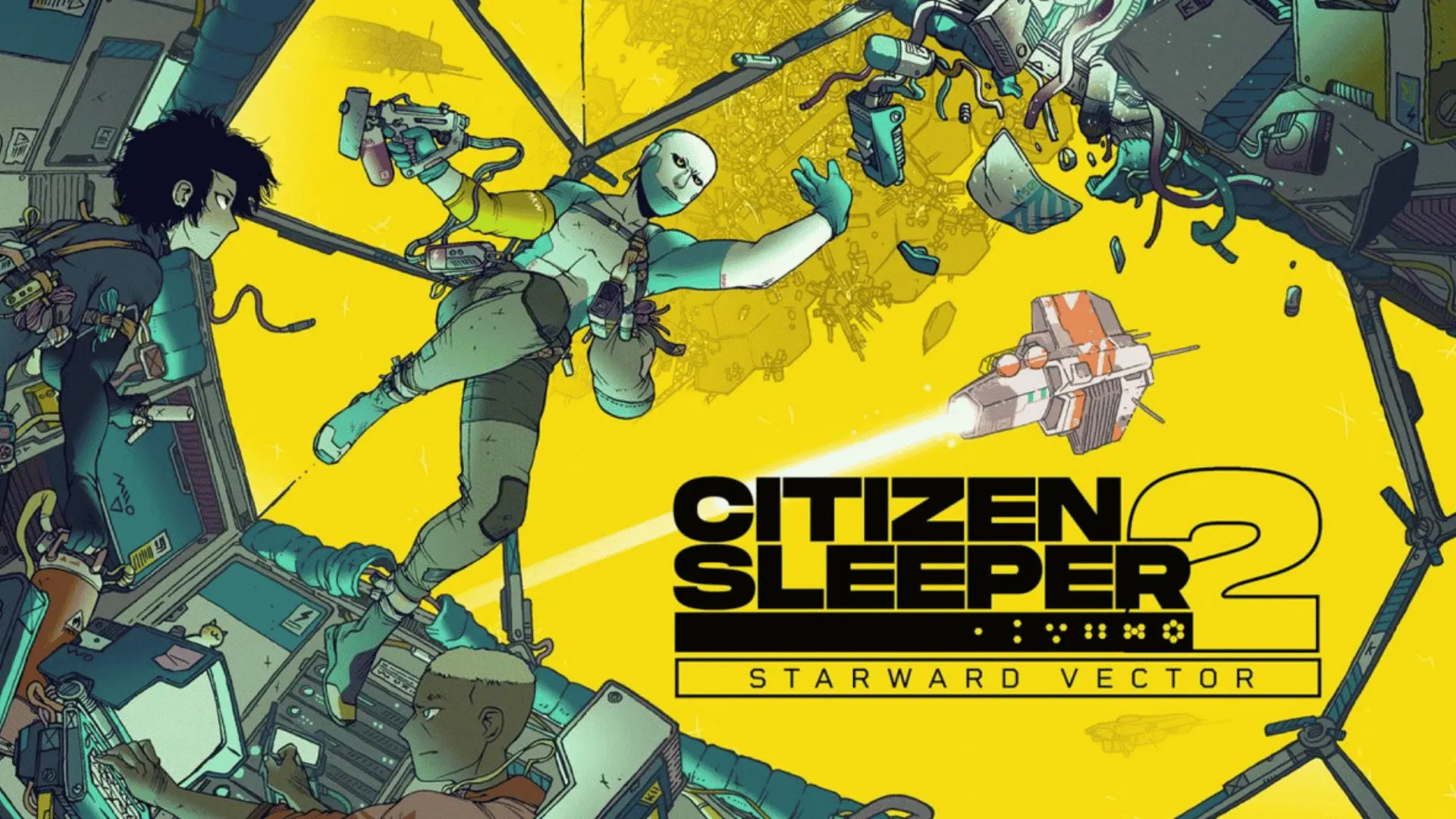
Both Citizen Sleeper games tell separate stories, so you can start with either one without feeling lost. Still, I recommend playing the original first.
It introduces Erlin’s Eye, its world, and the ideas that make the series stand out. Citizen Sleeper 2, released on January 31, 2025, features a new protagonist, a larger setting, and deeper gameplay systems, making it a bigger experience overall.
The first game is shorter, usually taking about 6–10 hours to finish, and its simpler mechanics make it easier to learn. If you enjoy the original, moving on to the sequel feels like a natural next step.
Wrapping Up
Citizen Sleeper is a rare kind of game. It uses simple mechanics to ask questions that most big-budget titles never even come close to touching.
The writing, art, and sound work together in a way that’s hard to explain until you’re three cycles deep and suddenly don’t want to stop.
Now you know exactly what it is, what it isn’t, and which type of player it rewards. The difficulty is low, but the staying power isn’t.
If any of this sounds like your kind of experience, start the first game. Seven hours is a small investment for something that tends to stick around long after.
Frequently Asked Questions
Does Citizen Sleeper have combat?
No. Citizen Sleeper has no combat. Every challenge is handled through dice rolls, resource management, and story choices rather than real-time combat.
How long does it take to finish Citizen Sleeper?
Most players finish the main story in about 6–10 hours. Completing more character storylines and optional content can take a few hours longer.
Can you fail in Citizen Sleeper?
There is no traditional game-over screen in most situations. Instead, your choices and missed opportunities can change or permanently close off certain storylines and outcomes.
Is Citizen Sleeper a choice-based game?
Yes. Your decisions affect relationships, story paths, and which events you experience. While some choices close off future opportunities, the story continues based on the path you create.