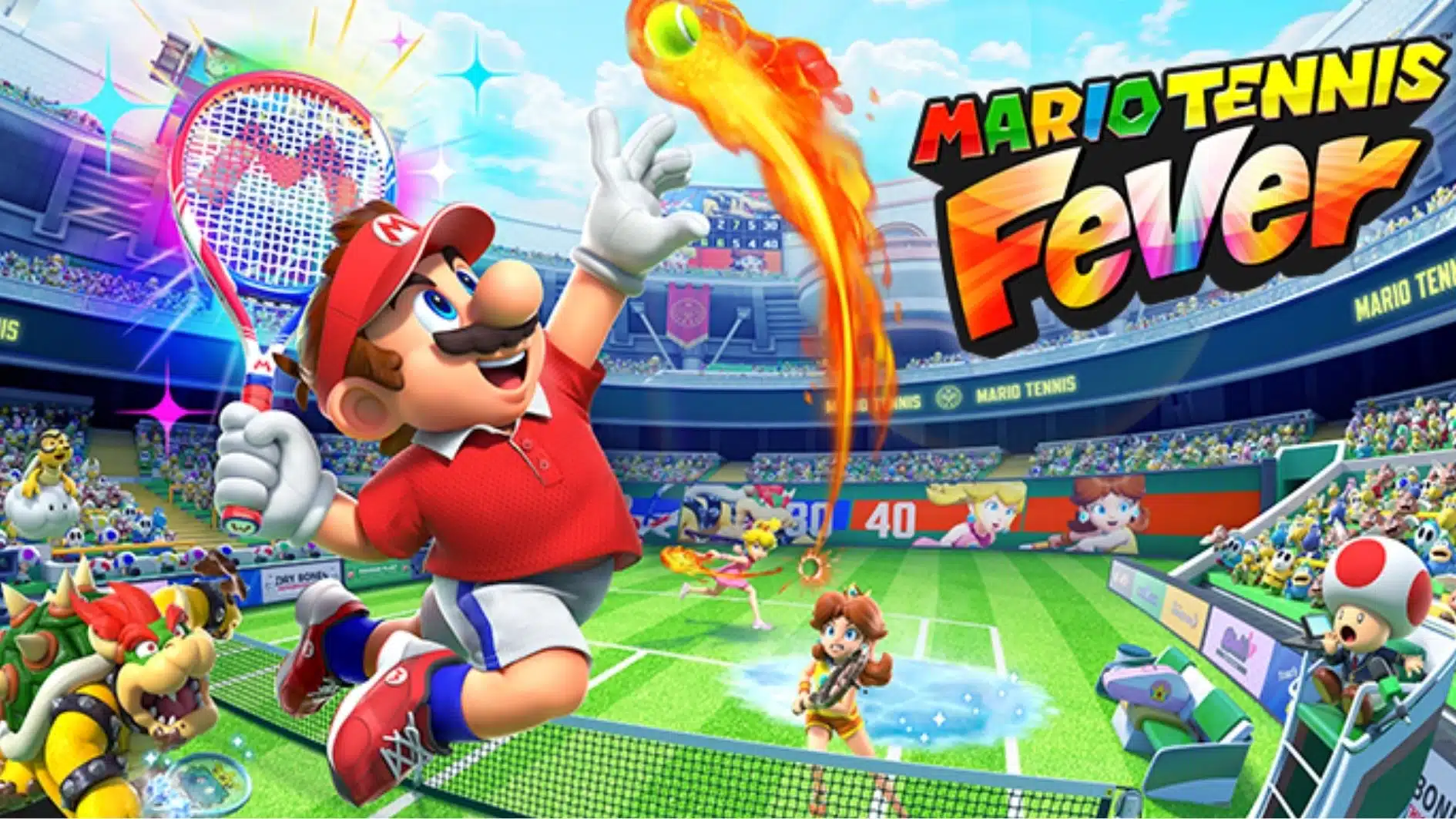
Mario Tennis Fever hands you colorful courts, a new racket system, and Mario’s whole cast within the first few minutes.
That part is easy. The harder question shows up once the excitement fades and the price tag settles in.
CAMELOT dropped the energy gauge from Aces and rebuilt the game around racket tradeoffs instead, and that single change reshapes almost everything about how a match plays out.
This Mario Tennis Fever review starts with what changed since Aces, then works through the racket system, Adventure Mode, and multiplayer to see whether it earns your money.
Here is where the numbers actually land.
What is Mario Tennis Fever and What Has Changed From Aces?
Mario Tennis Fever is a Nintendo Switch 2 tennis game from CAMELOT that keeps the series’ arcade foundation while introducing a new equipment-based system.
Like previous Super Mario Tennis games, the focus is not on realistic simulation. Matches revolve around timing, positioning, trick shots, and reading opponents.
The major change from Mario Tennis Aces is the Fever Racket system. Instead of building matches around an energy gauge, Fever introduces rackets with unique advantages and weaknesses.
| Feature | Mario Tennis Aces | Mario Tennis Fever |
|---|---|---|
| Main mechanic | Energy gauge and special moves | Fever Racket abilities and hazards |
| Match strategy | Managing energy during rallies | Choosing equipment before matches |
| Gameplay focus | Power moves and timing | Counterplay and racket selection |
Aces created tension around managing resources during matches. Fever shifts that decision-making before the match begins, giving players a different type of strategy.
Is Mario Tennis Fever Worth Playing? The Quick Verdict
Mario Tennis Fever earns its keep as a multiplayer game and struggles to justify a solo purchase.
Critics rate it a 76 on Metacritic’s aggregate score, essentially matching Mario Tennis Aces at 75, and the split maps almost exactly onto how you plan to play.
Adventure Mode runs 3-4 hours and functions more as an extended tutorial than a full campaign, so anyone buying purely for a solo grind should wait for a price drop.
Local and online matches are where the fun compounds.
For a group of regular players, the racket system, the chaotic Mix It Up mode, and steady online matchmaking make Fever an easy recommendation.
For a solo player expecting series-defining story content, it falls short of that bar.
How Do the Fever Rackets Actually Work?
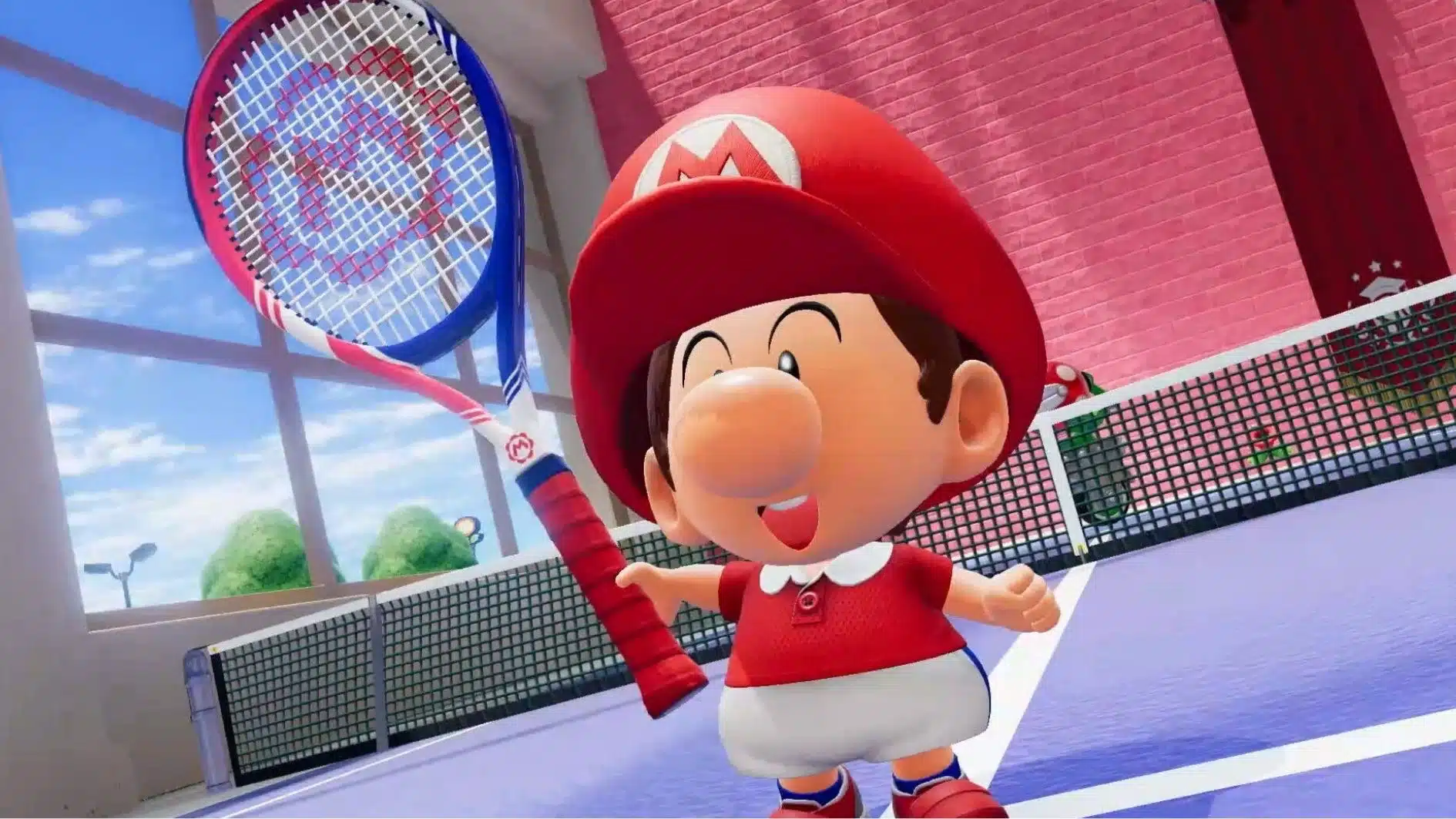
Fever Rackets are selected before matches and influence how players approach rallies. Each racket provides a benefit while introducing a possible weakness.
Mario Tennis Fever’s whole racket system is designed around tradeoffs. A stronger ability can create opportunities, but opponents can also adjust their play to exploit the downside.
Camelot shipped thirty of these rackets at launch, spread across 38 playable characters, so the pool of matchups stays deep well past the first few weeks.
That makes racket selection more meaningful than a simple power boost. Players are choosing a style of play, not just picking the strongest option.
Buffs, Hazards, and How They Change a Rally
Each Fever Racket changes certain parts of a match. Some improve shot performance, while others create situations opponents can use against you.
A few examples show the range in practice:
- Spiny Racket: Sends a Spiny bouncing toward wherever the ball lands, and it chases down the player who has to return it.
- Mini Mushroom Racket: Drops a mushroom on the court that shrinks the opponent the moment they step on it.
- Banana Racket: Throws a peel onto the court that trips up whoever touches it next.
- Flame Racket: Scatters flame hazards across the spot where the ball bounces.
- Ghost Racket: Turns the player and the ball briefly invisible, forcing a guess on where the return is headed.
The interesting part is that both players interact with the system. A racket choice affects the person using it and changes how the opponent approaches the rally.
Casual players will notice the variety immediately, while experienced players will spend more time considering matchups and counter strategies.
How Does Racket Selection Change Between Casual and Competitive Play?
In casual matches, Fever Rackets add unpredictability and create memorable moments between players.
Competitive players can look deeper into the system by studying opponent choices, adjusting shot placement, and selecting rackets that fit specific situations.
Testing rackets against a partner who leaned on the Ghost Racket’s blind spots made it clear how much shot placement matters once the gimmicks disappear.
The mechanic works because it adds another layer without slowing down the fast arcade pace.
Is the Multiplayer Experience Worth Building Around?
Multiplayer is where Mario Tennis Fever shows its strongest replay value.
Local play supports up to four players, and the matches are built around quick reactions, unexpected moments, and friendly competition.
It fits right alongside other four-player Switch games where couch chaos is the whole draw.
The Fever Racket system becomes more interesting with multiple players because every choice creates another possible response.
Online play adds another reason to return. Matchmaking and connection quality are important for a sports title, and Fever’s online experience helps support regular play.
Four rounds in with three friends sharing one Switch 2, and the couch stayed loud through every match. The game does offer solo content, but multiplayer is where the design feels most complete.
What Does the Adventure Mode Offer and Where Does It Fall Short?
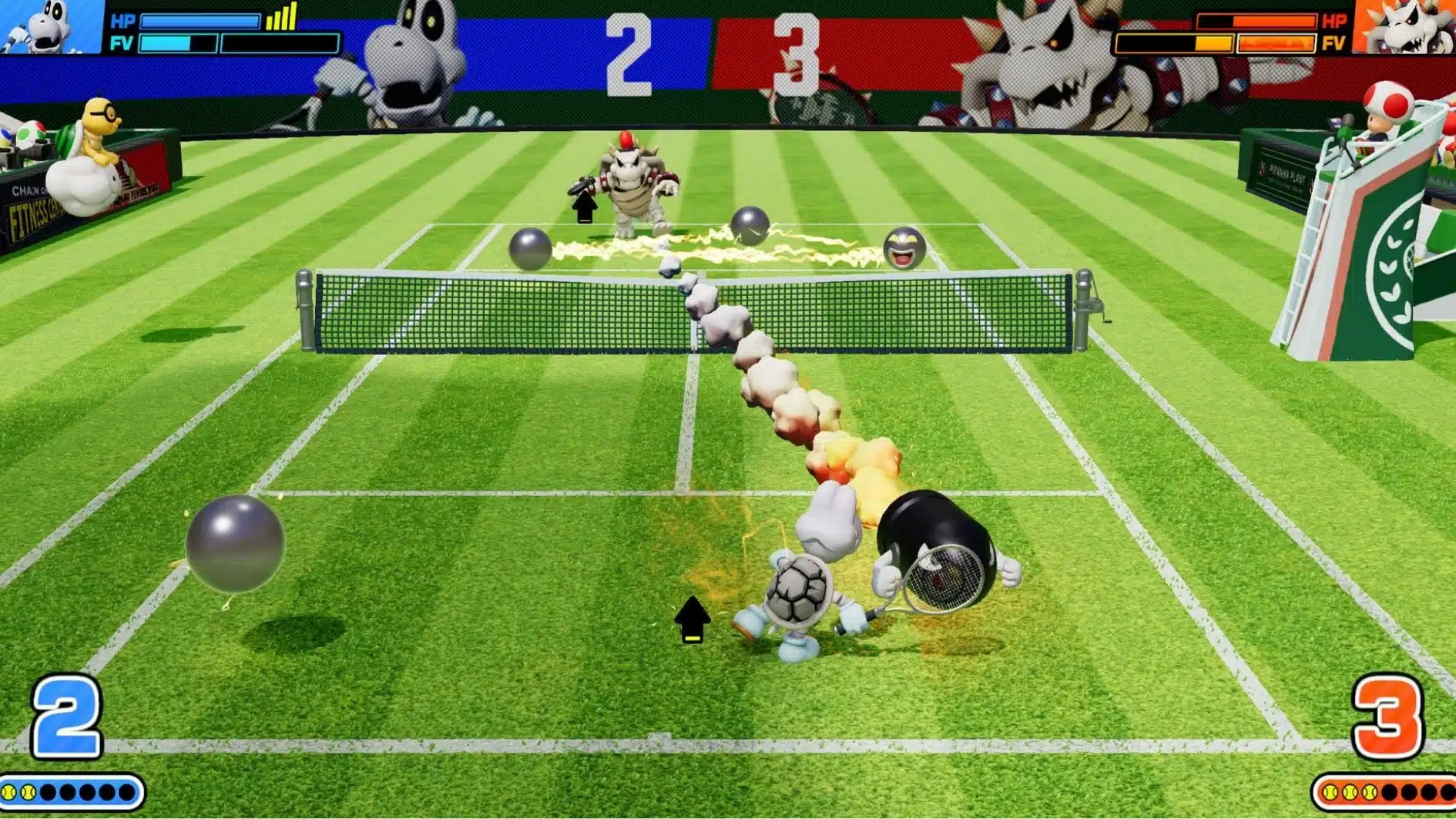
Adventure Mode gives solo players a story-based option, but it is not designed as a large campaign.
The mode lasts around 3-4 hours and uses a lighter baby-themed story structure with a mix of tennis and mini-games.
The setup sends Mario, Luigi, Wario, Waluigi, and Peach chasing a golden fruit to cure Princess Daisy after a curse turns the whole cast into babies, forcing them to relearn tennis from the ground up.
The main issue is not the shorter length alone. It is how much time the mode spends away from the tennis gameplay players expect.
What the First Half Looks Like vs. the Second Half
The first half focuses heavily on mini-games and activities outside regular tennis matches.
These sections introduce mechanics but may feel disconnected for players who bought the game mainly for competitive tennis.
Anyone who wants a tighter, more focused solo campaign on Switch should check our Metroid Dread review, which covers a game built entirely around that kind of pacing.
The second half improves once tennis becomes the main focus. Matches become more frequent, and the mode better represents the series’ strengths.
The structure creates an uneven solo experience, with the strongest parts arriving later.
Trial Towers as the Better Solo Option
Trial Towers offers Mario Tennis Fever’s most gameplay-focused challenge for players who prefer competition over story.
Instead of a narrative campaign, it emphasizes repeated matches and improving performance. It supports up to two players and gives you three lives before a run resets from the start.
Two other modes round out the solo and small-group options.
Free Play opens every unlocked court, character, and racket for custom matches, and even lets each player carry two Fever Rackets at once.
Mix It Up leans hardest into the arcade side, bending the rules with ring shots, Piranha Plant hazards, and Wonder Flower events that scramble the whole court.
It does not replace a full solo mode, but it gives individual players another reason to keep playing.
Is Mario Tennis Fever Worth $70?
Any Mario Tennis Fever review eventually comes down to value. The game’s strengths are clear, but the right recommendation depends on how you plan to play.
Buy It If You Play Multiplayer Regularly
- You enjoy local matches: Four-player sessions provide the type of unpredictable fun the series is known for.
- You like arcade sports games: Easy controls and deeper strategy work well together.
- You want online competition: Regular matches provide more value than the solo modes.
Think Twice If You Mainly Play Alone
- You expect a long campaign: Adventure Mode is shorter and lighter than some players may expect.
- You want deep progression: The game focuses on match improvement rather than RPG-style systems.
- You already own Aces: The upgrade feels more meaningful for active multiplayer players.
Fever and Aces make different choices. Aces offered more solo structure, while Fever puts more attention into multiplayer depth.
For players with regular opponents, the price is easier to justify. Solo-focused players may get more value waiting for a sale.
Conclusion
This Mario Tennis Fever review comes down to how often you play with other people.
The Fever Racket system gives matches a fun layer of chaos and strategy, especially when friends are reacting on the same couch or jumping into steady online matches.
Solo players get Adventure Mode and Trial Towers, but those modes feel more like extras than the main reason to buy.
That makes the game easy to recommend for families, party nights, and regular multiplayer groups, but harder to justify for players chasing a deep single-player campaign.
Buy it now if you have opponents ready. Wait for a sale if you play alone. Who would you face first? Tell us in the comments.
Frequently Asked Questions
How Long Is Mario Tennis Fever?
The core Adventure Mode runs approximately three to four hours. Trial Towers, Free Play, and Mix It Up add structured content beyond that. Multiplayer longevity depends entirely on play frequency, since the game has no defined endpoint in competitive or local play. Solo players reach the content ceiling noticeably faster than those playing regularly with others.
Is Mario Tennis Fever Better Than Mario Tennis Aces?
Critic scores put the two close together, with Fever at 76 and Aces at 75 on Metacritic’s aggregate, so neither game wins by a wide margin on reception alone. Fever leans harder into multiplayer chaos and racket variety, while Aces offers a longer, more structured solo campaign. Which one is better depends on whether multiplayer chaos or solo depth matters more to you.
Can You Play Mario Tennis Fever Without Being Good at Tennis Games?
Yes. The arcade mechanics are accessible from the start, and the Fever Racket system adds strategic depth gradually rather than gating fun behind skill. Outlets like GameSpot and Nintendo Insider both describe it as easy to pick up in casual play while still rewarding players who improve over time.
Does Mario Tennis Fever Have Good Online Multiplayer?
Most critic reviews describe matchmaking as quick and connections as steady during play. A handful of reviews do flag smaller quirks, like limited control over picking your own partner in ranked doubles, so the online mode is strong overall without being flawless.