Dead Island 2 spent 11 years in development hell, bounced across three studios and two complete restarts.
Most games with that kind of history ship broken, apologetic, or both. This Dead Island 2 review found something different.
What came out of that chaos is a game that knows exactly what it wants to be, and it plays that hand with more confidence than most titles built under ideal conditions.
That clarity is either the game’s greatest strength or its biggest limit, depending entirely on what you bring to it.
Here’s what kind of game this actually is, and where it delivers or falls short.
About Dead Island 2
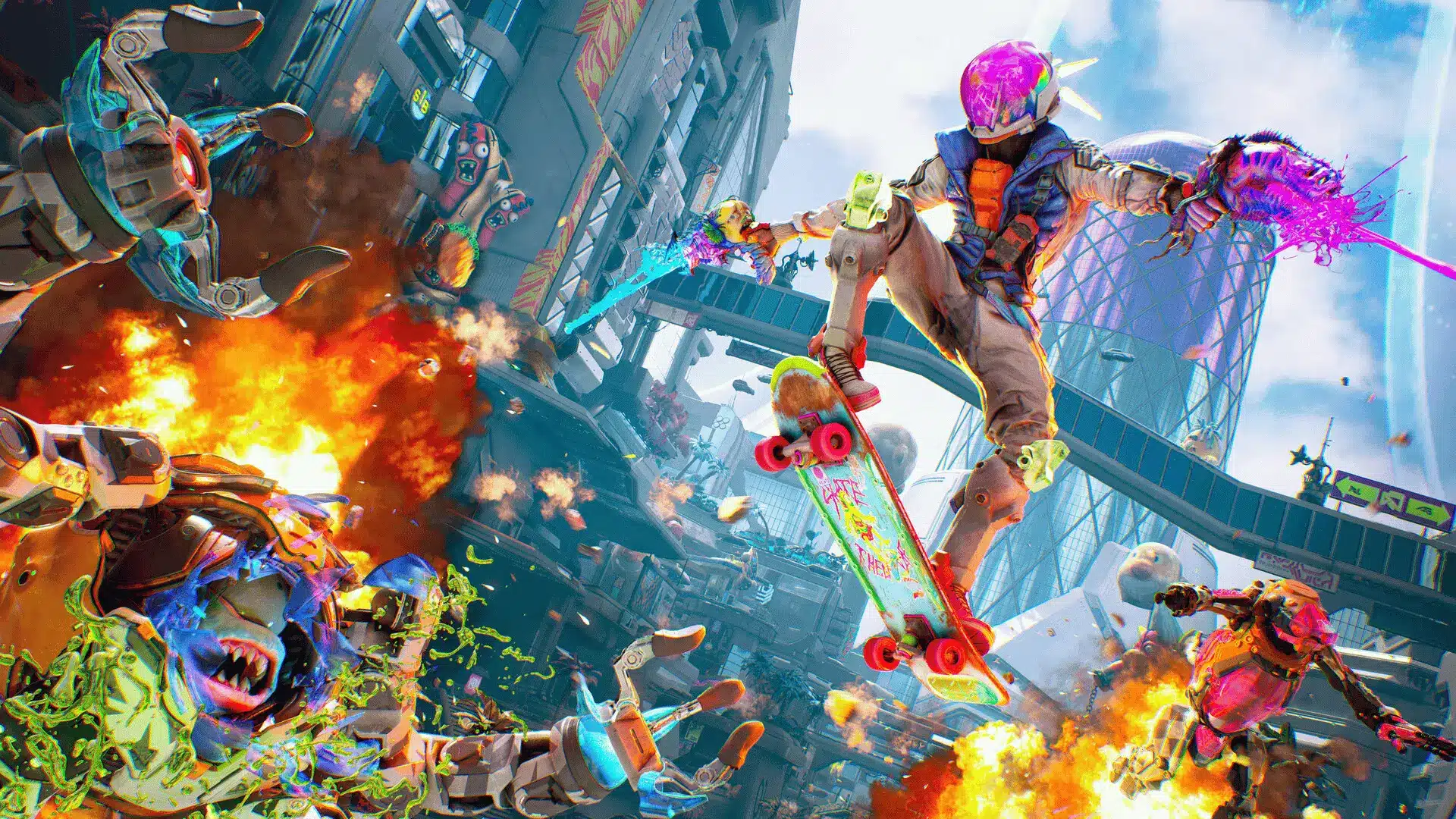
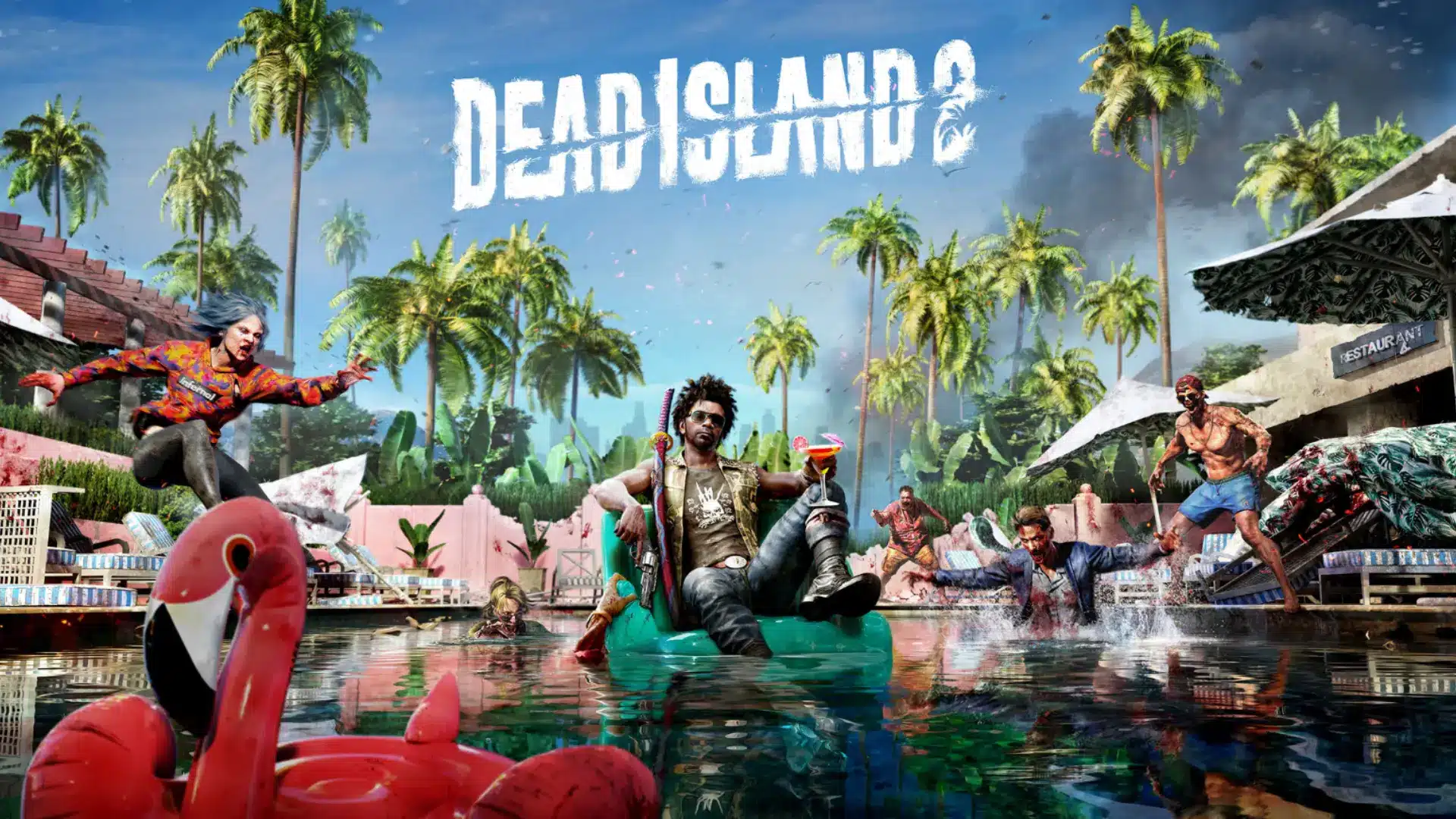
Dead Island 2 is a melee-focused action game set in zombie-infested Los Angeles, built by Dambuster Studios and published by Deep Silver.
The city is rebranded HELL-A for the occasion, and the whole game runs on that pulpy, self-aware premise rather than playing the outbreak straight.
Instead of one continuous open world, Dead Island 2 splits HELL-A into zone-based areas.
Each section is a controlled sandbox with planned routes and encounters, which makes locations feel dense and polished, though you move through designed spaces rather than freely explore.
Combat runs on Dambuster’s FLESH system, which calculates damage by hit location, weapon type, and active effects.
A zombie can lose a limb, change how it moves, or open up to a follow-up attack depending on exactly where and how it gets hit, and that system is what the rest of this review keeps coming back to.
The tradeoff becomes clear pretty quickly, though: you get a more polished combat experience, but you give up the freedom and unpredictability that came with a traditional open world.
Combat and the FLESH System in Practice
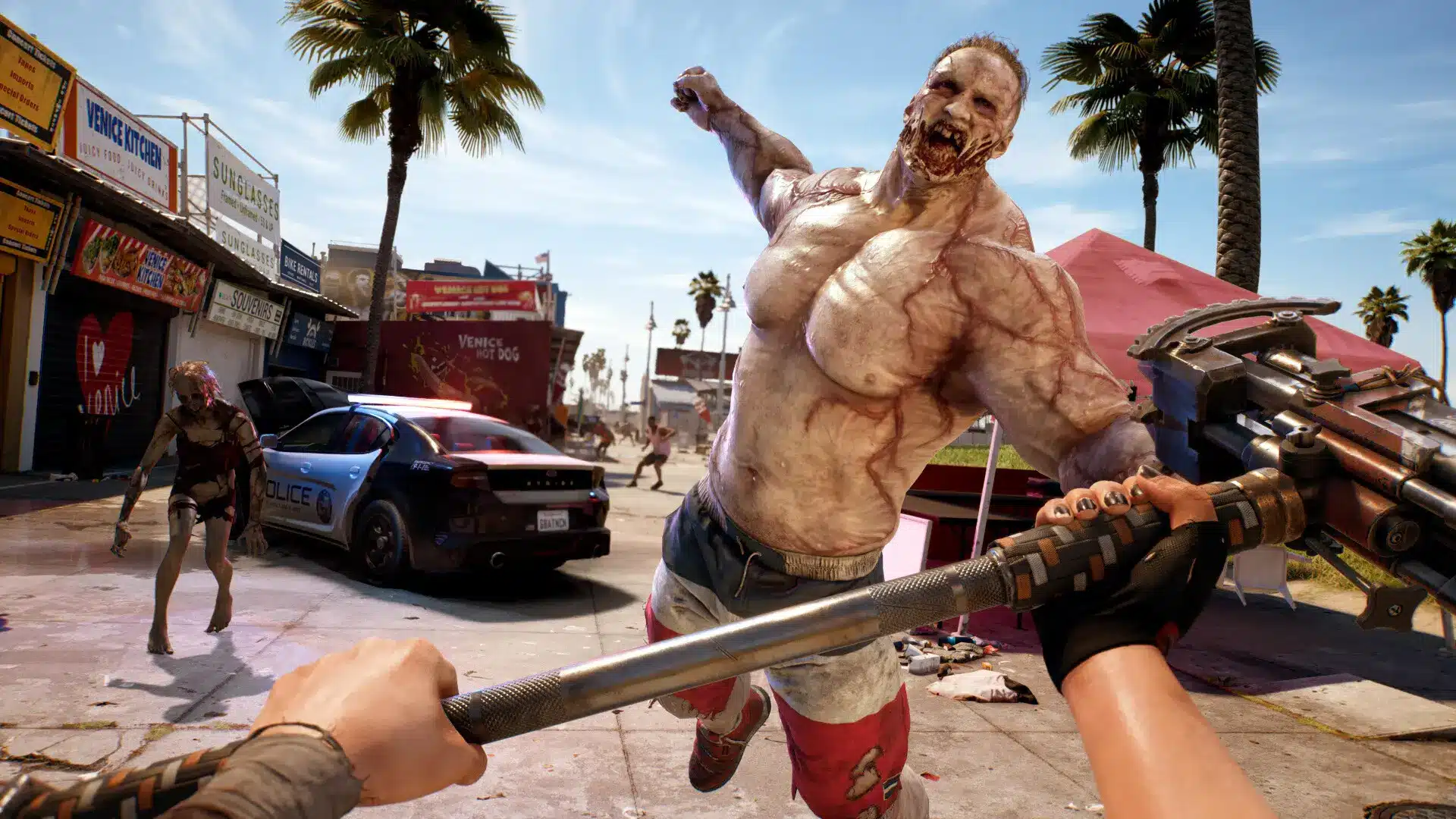
Dead Island 2’s Fully Locational Evisceration System for Humanoids (or F.L.E.S.H) combat decisions come down to targeting specific body parts, interrupting attacks, and combining effects to control a fight instead of repeating the same swing on everything that shows up.
The system rewards reading each enemy rather than defaulting to one attack pattern.
Melee weapons connect directly with the FLESH system, which is why every strike here feels more impactful than in most zombie games.
Weapon choice changes how you approach a fight rather than just changing the damage number on screen. What stood out to me most is how committed Dead Island 2 is to making every fight feel physical and reactive.
That physicality is also what anchors our Dying Light 2 review, though Dead Island 2 pushes further with body-part-specific reactions instead of leaning on parkour and traps.
Weapon Crafting and Mods
The crafting system clicked for me when I stopped treating weapons like permanent upgrades and started treating them like tools for the situation in front of me.
A weapon that feels perfect in one area might be completely wrong in the next. Skill cards, weapon mods, and upgrades add variety to combat rather than opening up new ways to explore the world.
Progression here is about changing how you fight from encounter to encounter, not unlocking new areas. Environmental effects add another layer on top of that.
Fire, electricity, and water do not just sit in the background; they interact directly with a zombie’s current state and open new windows mid-fight.
Armored zombies respond to blunt force. Shamblers in tight corridors are easier to manage with a blade that creates distance fast.
Electric mods are useful in water-heavy areas. Fire mods matter more in open spaces where you can keep enemies burning without losing the effect to terrain.
The mod system only feels meaningful if you are reading the zone before you build your loadout. Players who pick mods at random and stick with one weapon type will find crafting feels shallow.
Co-op and How It Changes Combat Feel
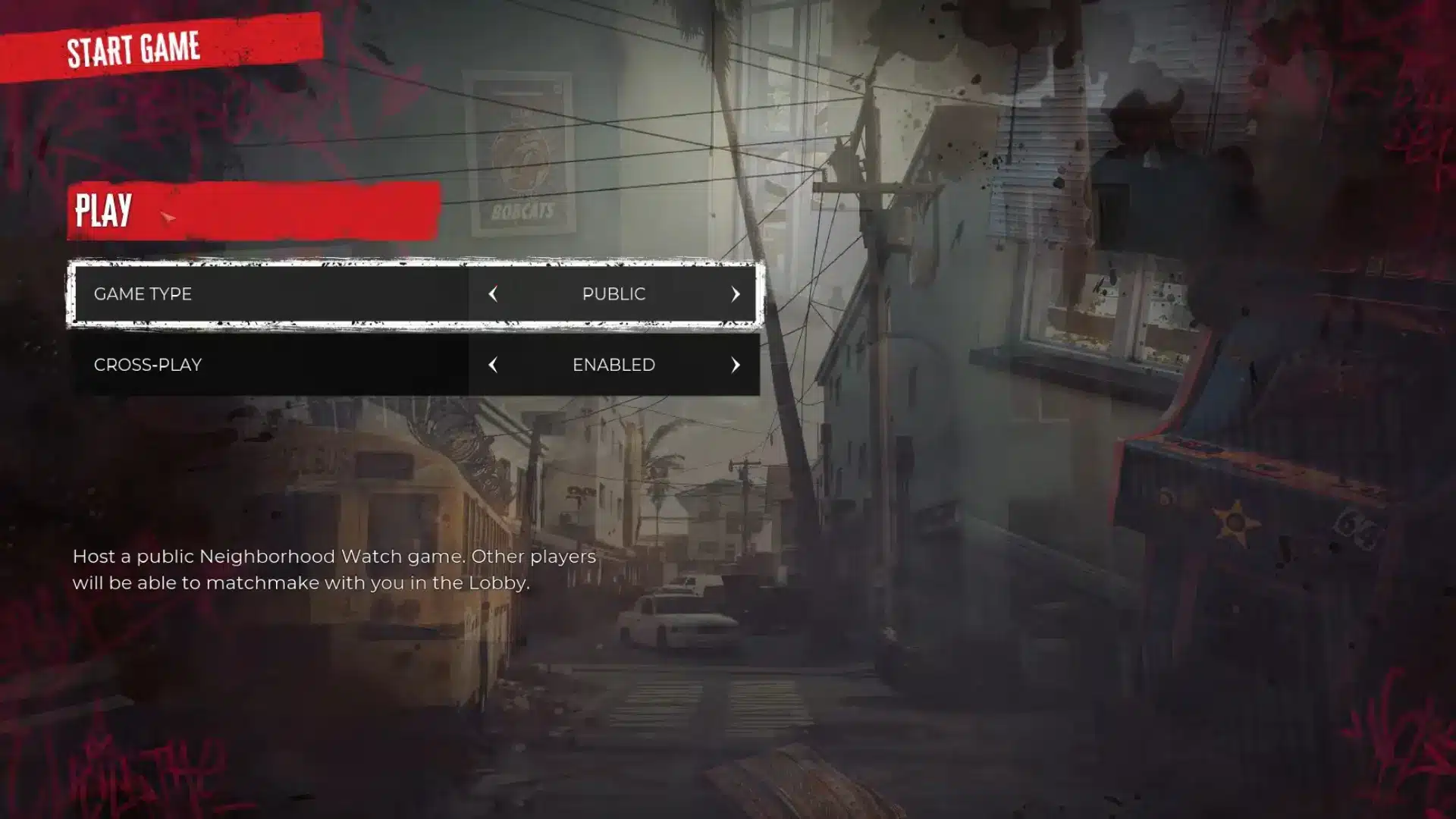
In co-op, zombie counts scale up, and enemy behavior becomes less predictable. What that means for the combat loop is that coordination becomes part of the decision-making.
One player can apply an elemental status while another follows with a matching weapon type.
The interaction triggers regardless of who does what, which makes the FLESH system feel more deliberate in multiplayer, not less.
The trade-off is pacing. Solo play lets you work through a space methodically. Co-op is faster and louder, and some of the tactical texture gets lost in the chaos.
Both work. They are genuinely different experiences rather than one being a straight upgrade on the other.
If squad play is what draws you in, our roundup of PS5 multiplayer games covers other co-op picks worth queuing up next.
Story, Characters, and Tone: What to Expect
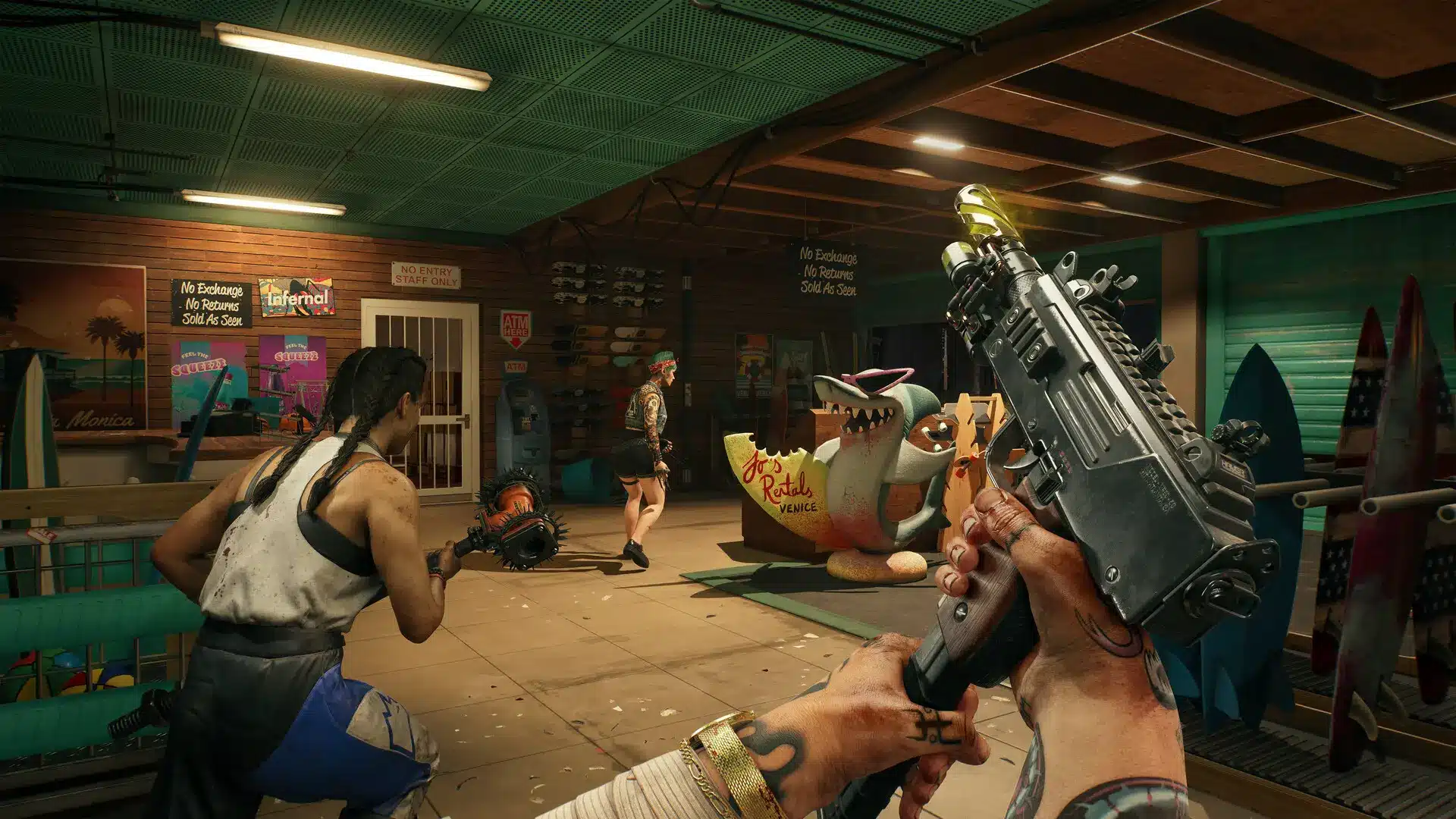
The biggest thing to understand before starting Dead Island 2 is that it is not trying to be a serious zombie drama. Once I approached it as satire, the tone made much more sense.
- Satirical Focus: The game uses zombies to mock Los Angeles culture, celebrity obsession, and social absurdity. It is more interested in humor than emotional storytelling.
- Expectation Gap: Players looking for deep character arcs and serious stakes may find the writing too shallow. Players who enjoy ridiculous zombie chaos will likely connect with the tone.
- Slayer Design: The six playable Slayers are built around clear archetypes rather than traditional character development. Their appeal depends more on gameplay identity than personal attachment.
- Replay Design: The same zones stay available across playthroughs, but different Slayer choices, builds, and weapons change how fights play out, so replay value comes from experimentation rather than new routes to discover.
- Replay Value: The archetype system works better for players trying different builds and playstyles. It offers less to those seeking a strong emotional connection with their character.
- Mid-Campaign Weakness: The satire loses some impact once the main jokes have been used. Around the same point, repetitive quest structures become more noticeable.
- Overall Story Impact: The opening hours are stronger because the humor feels fresh. Later sections rely more on familiar ideas, making the narrative feel thinner.
The DLC expansions, Haus and SoLA, extend the story into new territory, but that is a separate conversation.
Where Dead Island 2 Loses You and Whether It Matters
The weaknesses in Dead Island 2 are noticeable, but they depend heavily on how you approach the game.
Some issues only appear during longer sessions, while others are easier to ignore when the focus stays on fast combat and co-op chaos. Gunplay is the clearest example.
Firearms use a simpler damage model and skip most of the FLESH system’s interactions, so they work fine for managing distance but never feel like a full alternative to melee.
| Weakness | Why It Happens | Who Notices It Most | Who Notices It Less |
|---|---|---|---|
| Zone Repetition | New enemy types slow down after the midpoint, and while locations change, combat encounters start feeling familiar. | Solo players completing every side quest spend more time in each area and notice repeated patterns. | Co-op players moving through the story at a faster pace often overlook the repetition because multiplayer chaos keeps combat fresh. |
| Weak Gunplay | Firearms were never built to be the main combat system, so they lack the impact needed to replace melee. | Players who use guns as their primary option may find them underwhelming. | Players who use guns for distance control before returning to melee will find them useful enough. |
| Front-Loaded Progression | The first half introduces new enemies, environments, and upgrades at a faster rate. The second half relies more on the existing systems. | Replay players using another Slayer will reach the limits of the content sooner. | First-time players usually finish before the slower pace becomes a major issue. |
| Reduced Sense Of Discovery | Early areas constantly introduce new ideas, but later sections focus more on expanding existing mechanics. | Completionists who spend extra time exploring every corner will feel the drop-off more clearly. | Players focused mainly on the main story will still find enough variety to stay engaged. |
Overall, Dead Island 2’s problems are less about the game failing and more about where your attention goes.
A first playthrough stays enjoyable for most players, but repetition becomes harder to ignore during longer or repeat runs.
Is Dead Island 2 Worth Playing Now?
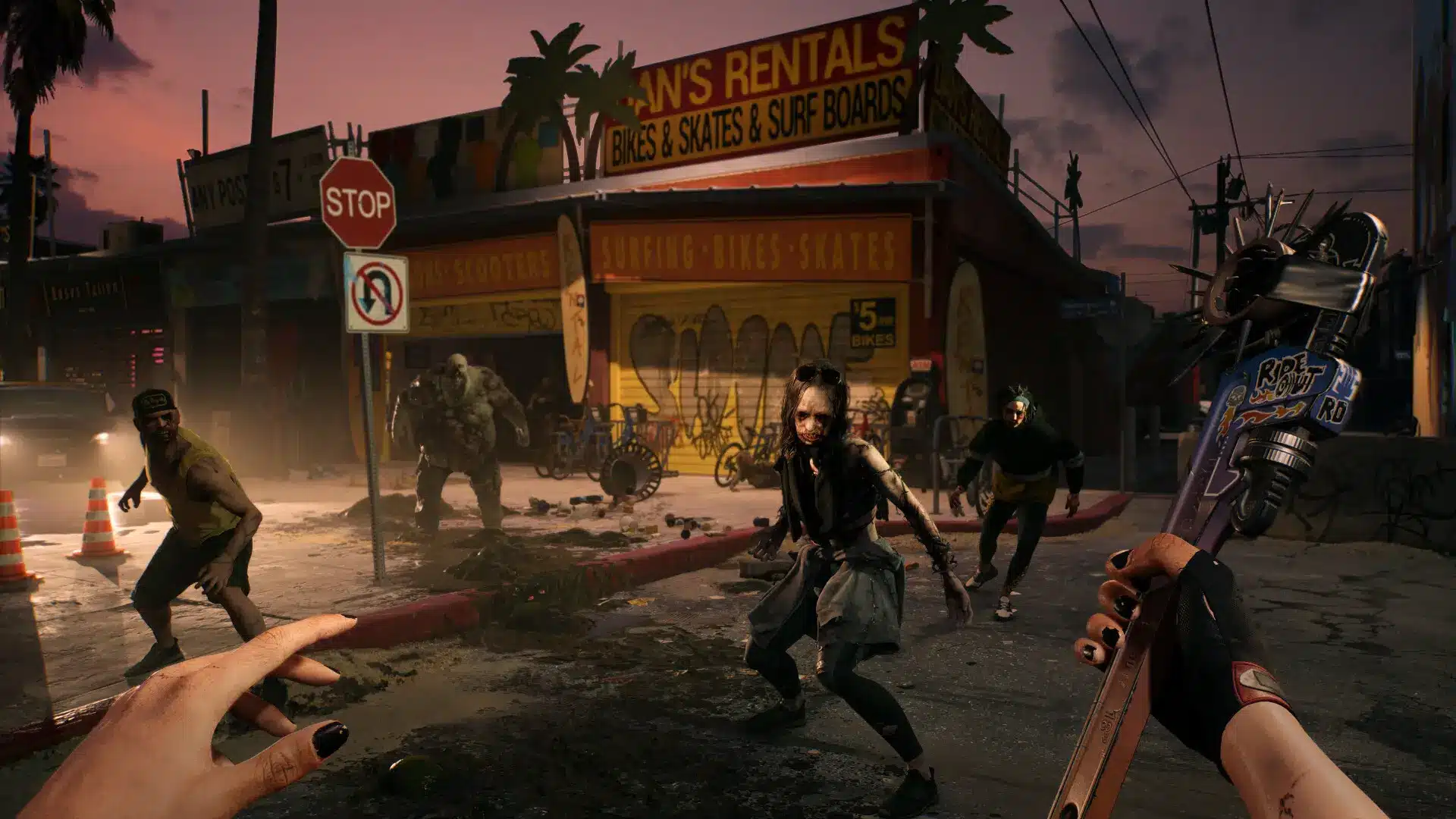
Dead Island 2 is worth it for players who want focused melee combat, strong visual design, and a shorter experience that respects their time.
Co-op makes the game even stronger, while returning Dead Island fans should expect tighter zones instead of the original’s open-world structure.
The sequel improves technically, but players seeking deep stories, long-term replay value, or stronger gunplay may find it lacking after the first run.
For me, the value question becomes much easier when the game is discounted.
At that point, the excellent combat and chaotic encounters outweigh the shorter campaign length.
Conclusion
A Dead Island 2 review should not judge the game only by what it lacks. Its smaller zones, shorter campaign, and lighter story are part of a clear design choice, not just missing features.
The real strength is how confidently it builds every fight around melee impact, weapon mods, body damage, and messy zombie encounters.
That focus makes the game easier to recommend to players who want polished action over endless content.
Its weaker gunplay, repetition, and thin story still matter, but they matter less if combat is your main reason to play.
I would buy it on sale, bring a co-op partner if possible, and enjoy the chaos. Would you play it solo or with friends? Tell us in the comments below.
Frequently Asked Questions
Is Dead Island 2 Good for Solo Players, or is It Mainly a Co-Op Game?
Dead Island 2 works well solo. The combat pacing and zone structure are built around a single player. Co-op adds chaos and makes the combat sandbox more dynamic, but it is not required. Solo players who enjoy methodical weapon-crafting and combat experimentation will find the core loop equally satisfying without a second player.
How Long Does It Take to Finish Dead Island 2?
The main campaign runs approximately 15–20 hours for most players. Completionists adding side quests and collectibles can extend that to 25–30 hours. The game is deliberately shorter than most action RPGs. Its design concentrates content rather than extending playtime through padding.
Is Dead Island 2 Worth It at Full Price Today?
At a discount, it is an easy recommendation for anyone who enjoys melee-focused action games. At full price, it depends on how much weight you put on campaign length and replayability. Players who finish the main story without engaging with co-op or Slayer variety may find the value proposition thinner than expected.
How Does Dead Island 2 Compare to Dead Island 1?
Dead Island 2 is more polished, more focused, and technically stronger across every combat system. It trades the original’s open-world structure and RPG sprawl for tighter zone design and a faster pace. Players who valued exploration and slower survival tension in the first game will find the sequel a different experience not a worse one, but a narrower one.