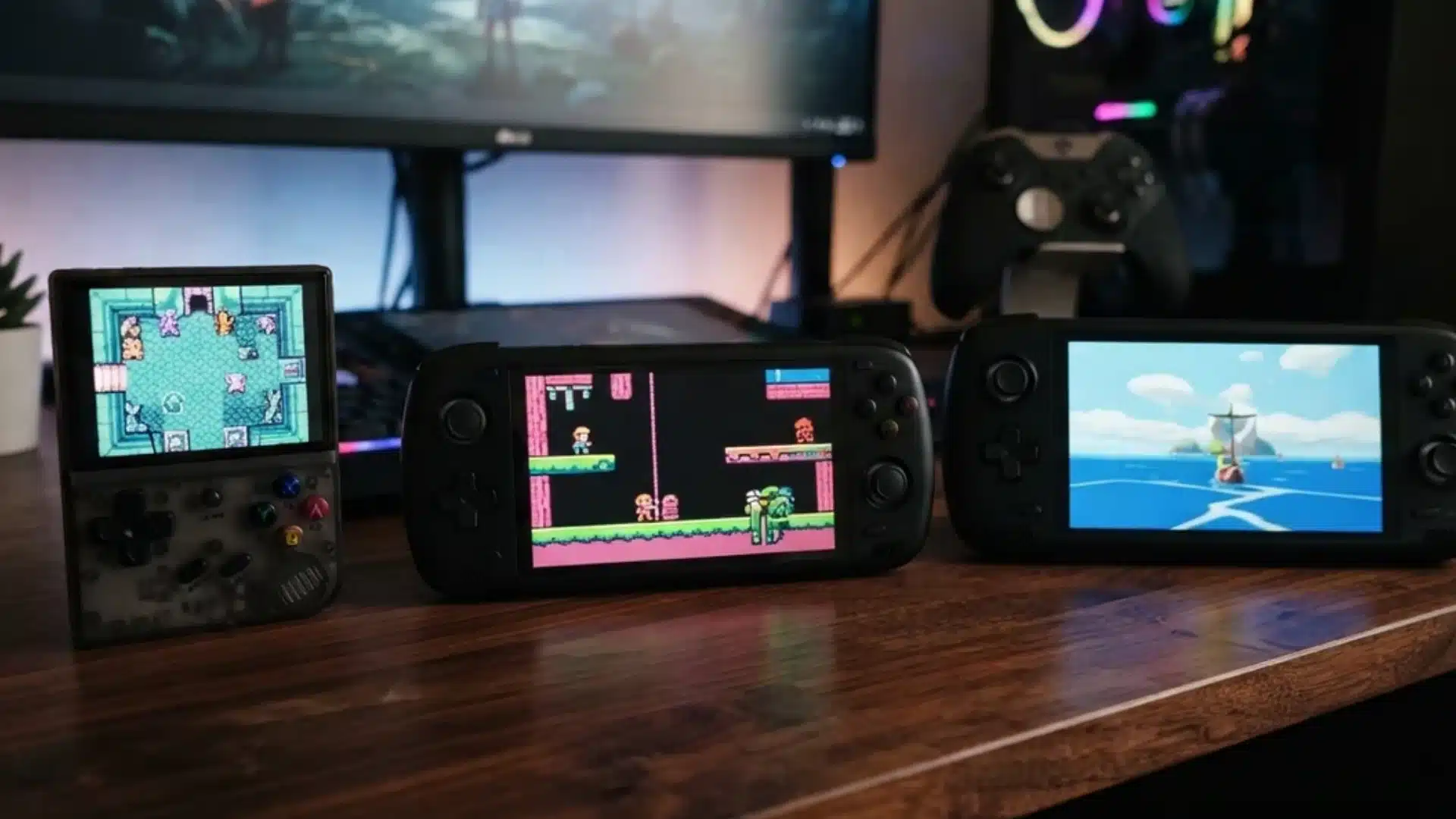
Shopping for an emulator handheld sounds simple until every recommendation starts looking nearly identical. Specs, prices, chip names, and console claims can quickly make the choice harder than it needs to be.
The best handheld emulator depends less on the highest price and more on what you actually want to play.
An Android handheld built for Game Boy, PSP, and Dreamcast does not need the same power as one targeting GameCube, PS2, or heavier systems.
I prefer judging these devices by practical performance, controls, battery life, and value instead of marketing claims.
Here, I’ll break the options into budget tiers, explain what each can realistically emulate, and help you match the right handheld to your game library.
What Makes a Handheld Good for Emulation?
What makes a handheld good for emulation comes down to two things working together: the hardware sets the ceiling, and the software determines how close you actually get to it.
The processor, GPU, RAM, cooling, controls, and screen determine what the device can handle. Emulator apps then determine compatibility, settings, graphical accuracy, and overall stability.
This is why two handhelds using the same emulator can deliver very different results.
A cheaper model may handle Game Boy, SNES, and PSP smoothly, while demanding systems such as GameCube and PS2 require stronger hardware.
When comparing options, focus on the consoles you want to emulate first, then match them with the hardware capable of running them reliably.
It is not a small market either: the handheld gaming market was valued at roughly $12.9 billion in 2025, and buyers are increasingly leaning toward stronger, higher-performance devices rather than basic models.
Best Budget Android Emulation Handhelds
Budget Android handhelds suit retro libraries well, while stronger models in this range can stretch into selected GameCube and PS2 games.
1. Anbernic RG Rotate
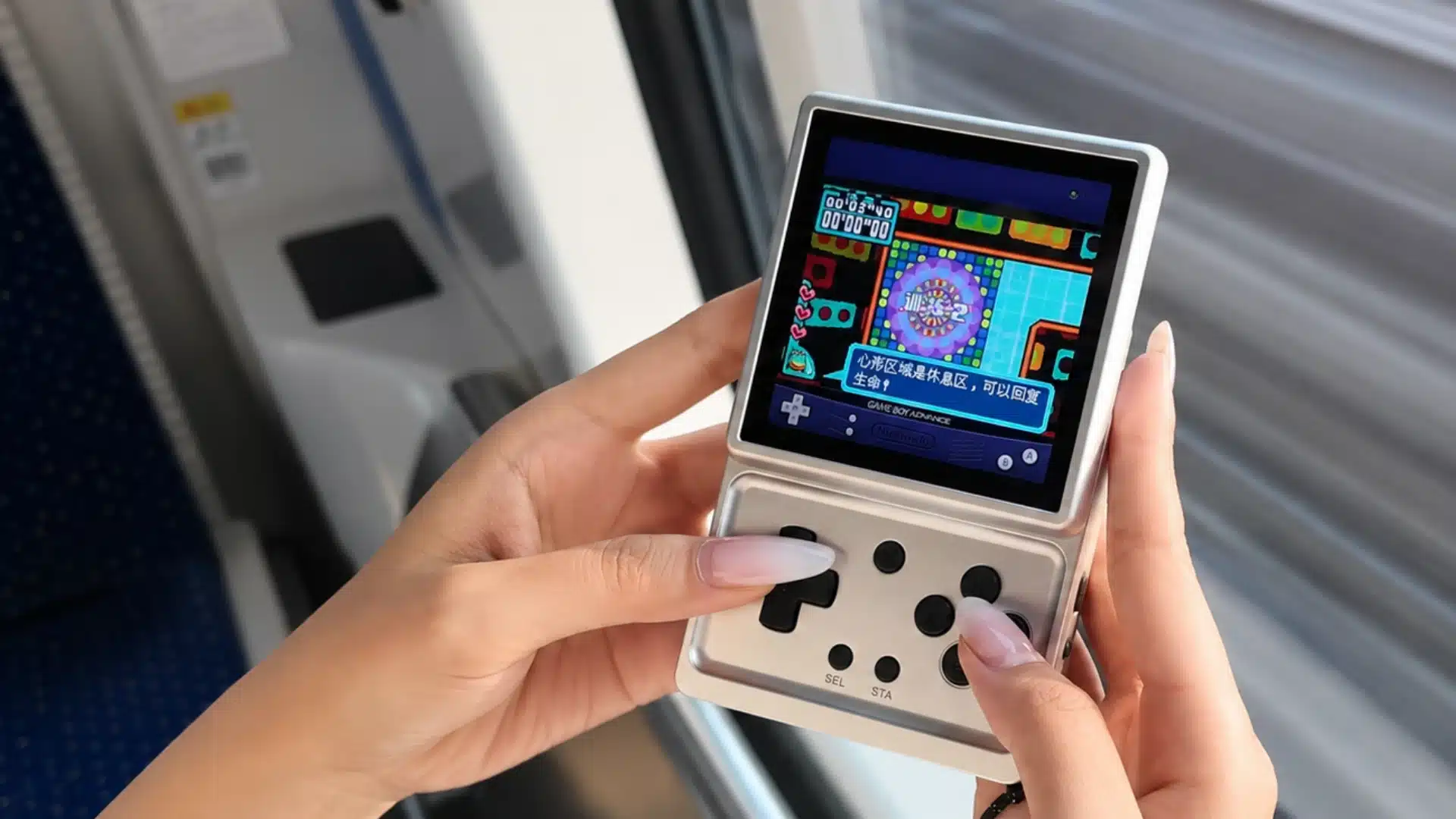
The Anbernic RG Rotate currently starts at $87.99 in the US, pairing its T618 processor with a compact 3.5-inch rotating touchscreen.
Each purchase includes a Type-C cable, screen protector, and interchangeable high L2 and R2 shoulder buttons.
Its design suits portable retro gaming well, but buyers chasing demanding GameCube or PS2 performance should prioritize stronger hardware instead.
2. Anbernic RG DS
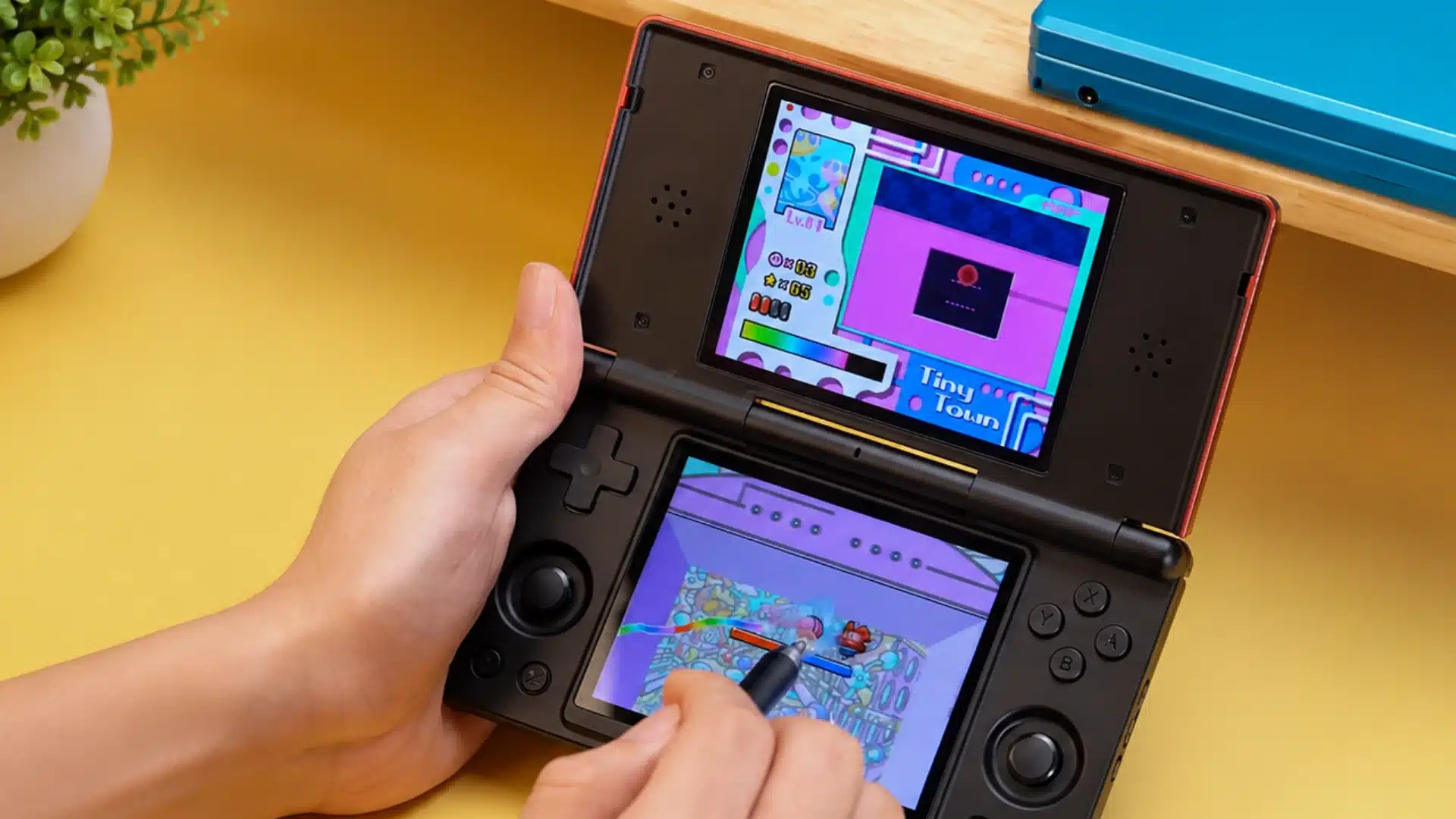
The Anbernic RG DS starts at $94.99 and combines Android 14 with dual four-inch displays designed around two-screen gaming.
The box also includes a capacitive stylus, a Type-C charging cable, a screen protector, and a protective retail color box.
It suits DS-focused libraries especially well, while buyers interested in heavier console emulation should consider handhelds with substantially stronger processors.
3. Retroid Pocket Classic
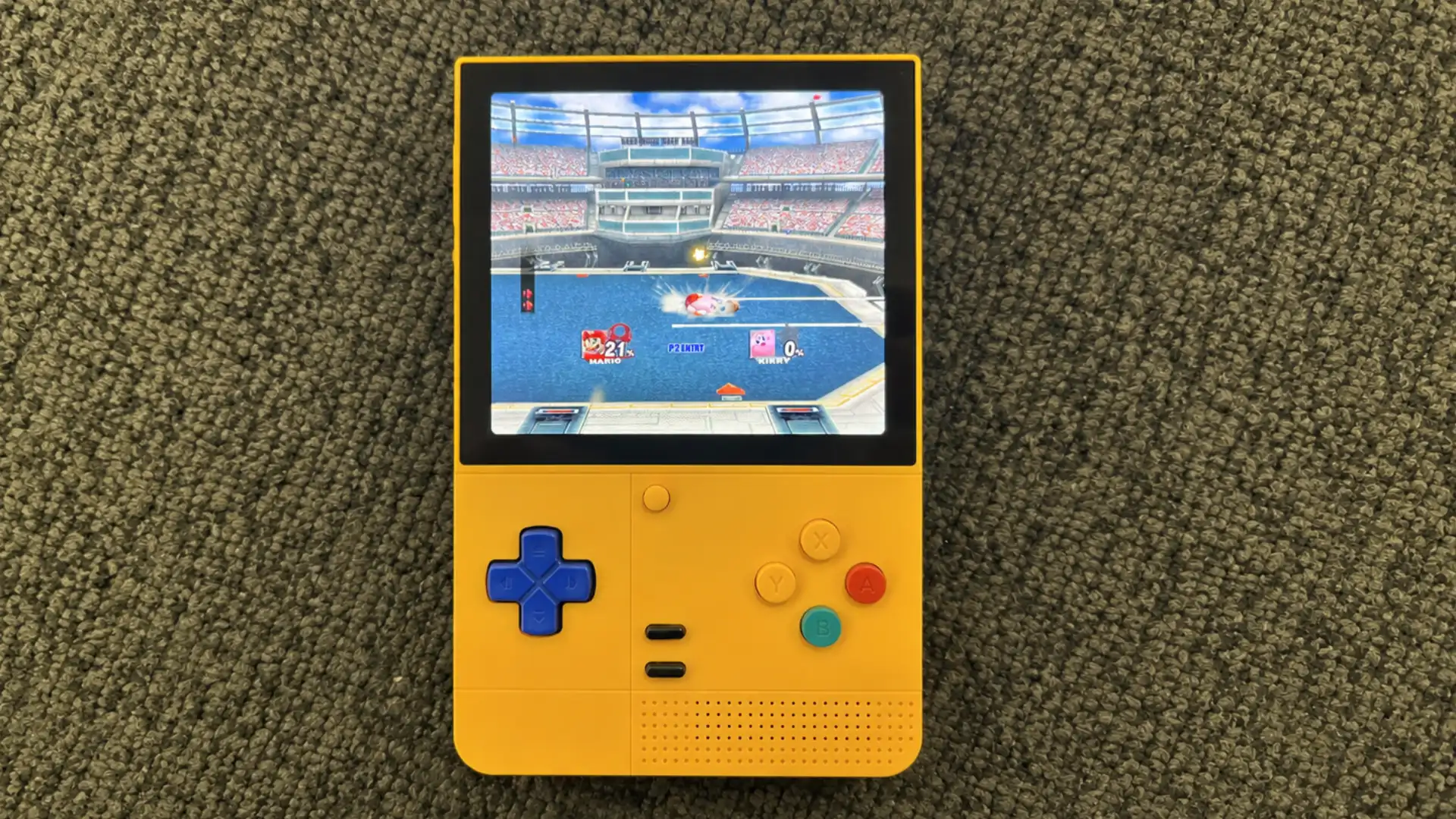
Retroid Pocket Classic currently starts at $99 in the US store, with higher configurations reaching $149 depending on memory and color.
Its vertical design works especially well for older handheld systems, while active cooling and a 5000mAh battery add flexibility for longer sessions.
4. RP4 Base
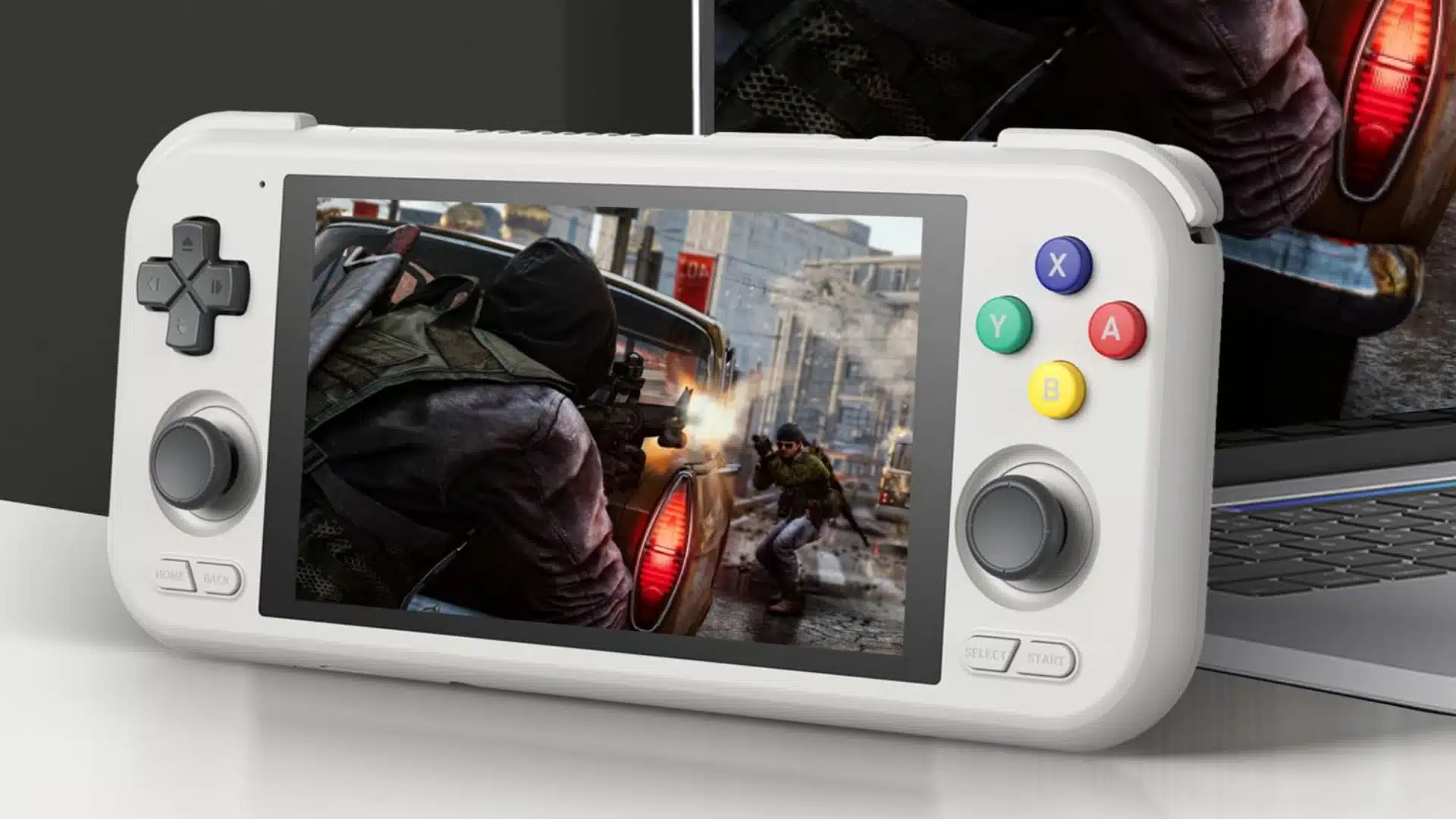
The RP4 Base starts around $139 and uses a Dimensity 900, giving it substantially more headroom than typical entry-level Android handhelds.
It handles Dreamcast and PSP comfortably while extending into GameCube and PS2, although demanding titles can still require settings adjustments.
The RP4 Base is the strongest option for buyers who want some sixth-generation console coverage without jumping into higher price tiers.
Best Mid-Range Android Emulation Handhelds
Mid-range Android handhelds provide stronger PS2, GameCube, and Wii performance while adding better screens, cooling systems, controls, and everyday usability.
5. Retroid Pocket 3+
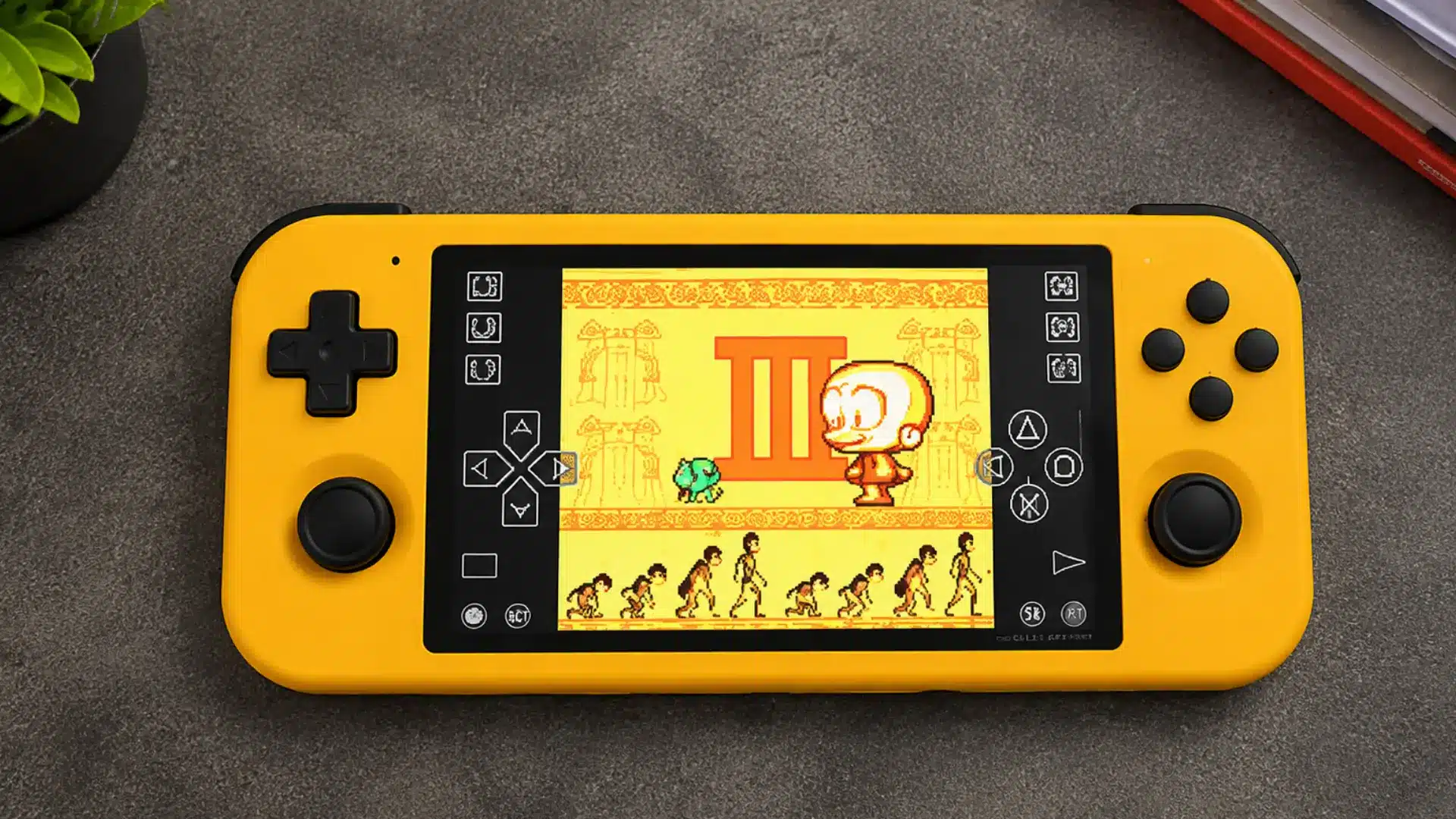
The Retroid Pocket 3+ originally cost $149 and uses a T618 chipset, placing it below newer mid-range Android handhelds. Includes the handheld, USB-C cable, and user manual.
It remains useful for PSP, Dreamcast, and lighter games, but GameCube and PS2 performance is much more limited than the Pocket 5.
6. Retroid Pocket 5
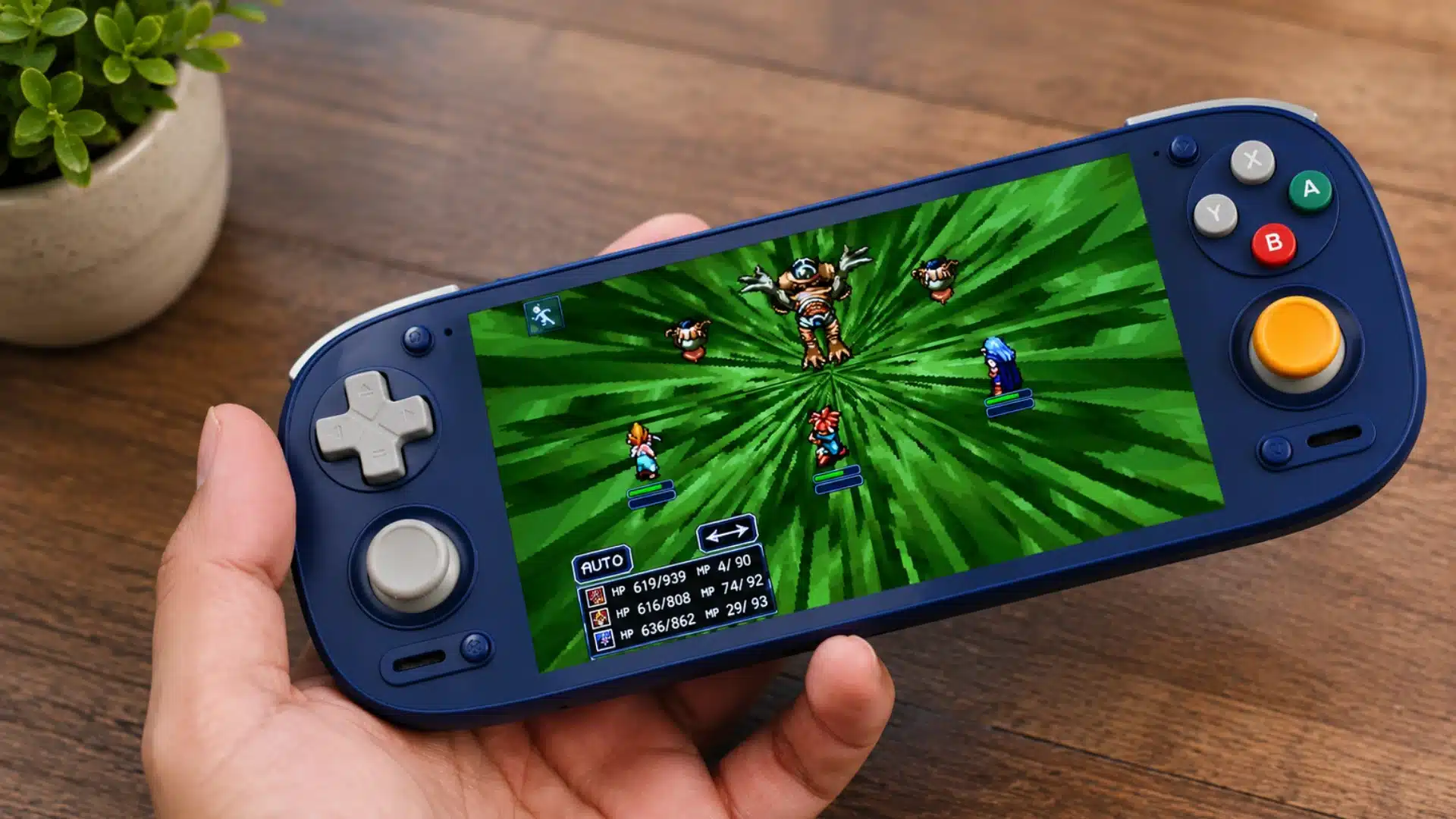
The Retroid Pocket 5 costs about $199 to $209 and combines Snapdragon 865 performance with 8GB RAM and a 5.5-inch AMOLED display. Includes the handheld, USB-C charging cable, and quick-start guide.
It is a stronger fit for PS2 and GameCube libraries, with active cooling helping maintain performance during longer and more demanding sessions.
This is the one I keep coming back to when someone asks for a single recommendation, since it rarely needs a settings compromise to hit full speed.
7. Mangmi Pocket Max
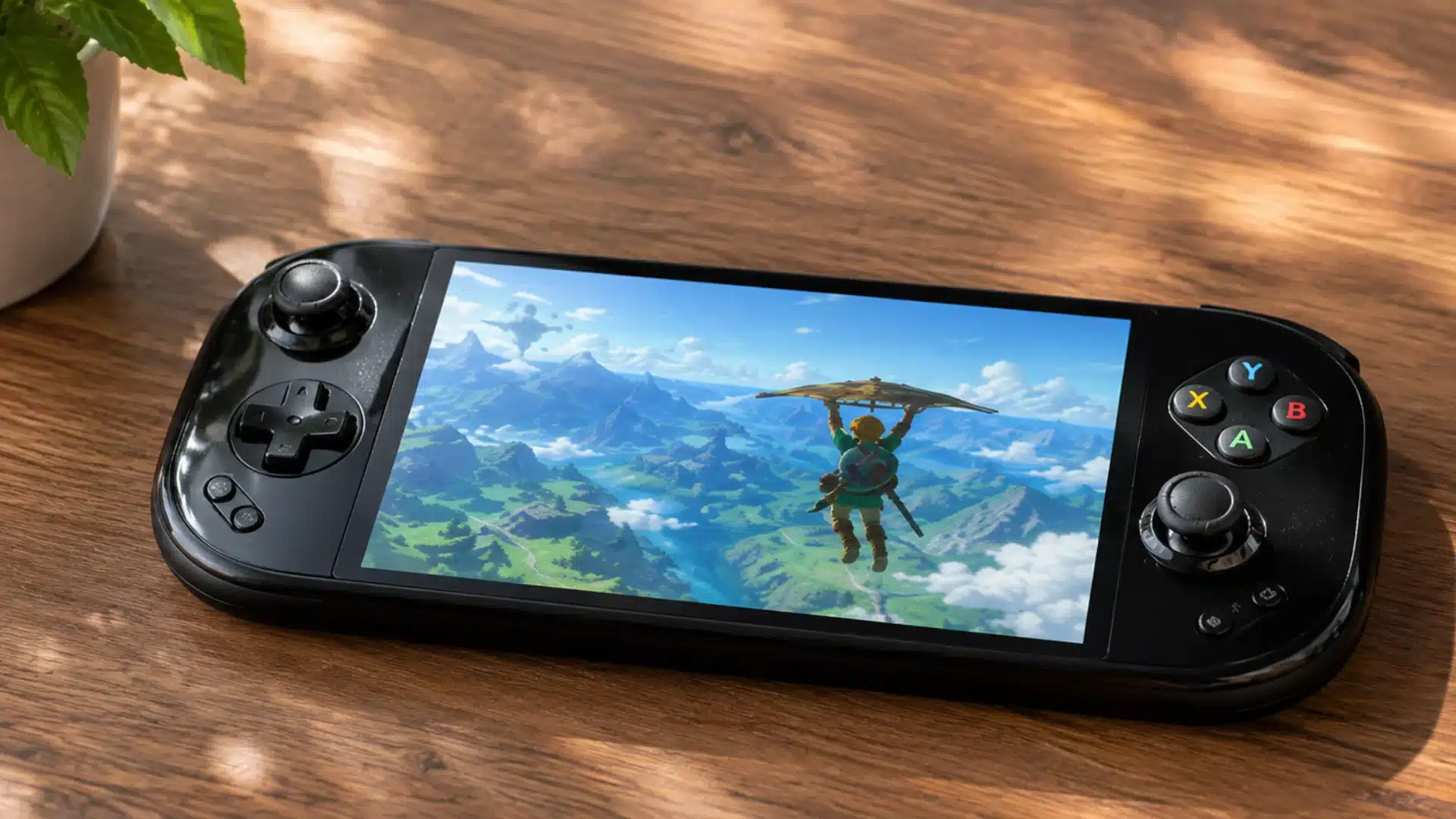
The Mangmi Pocket Max currently costs $229.99 and combines a Snapdragon 865 processor with 8GB RAM and a seven-inch OLED display. Includes the handheld, USB-C to USB-C cable, and user manual.
It targets PS2, GameCube, and Wii emulation while offering a larger screen for buyers who prefer comfort over maximum pocketability.
8. Anbernic RG406V
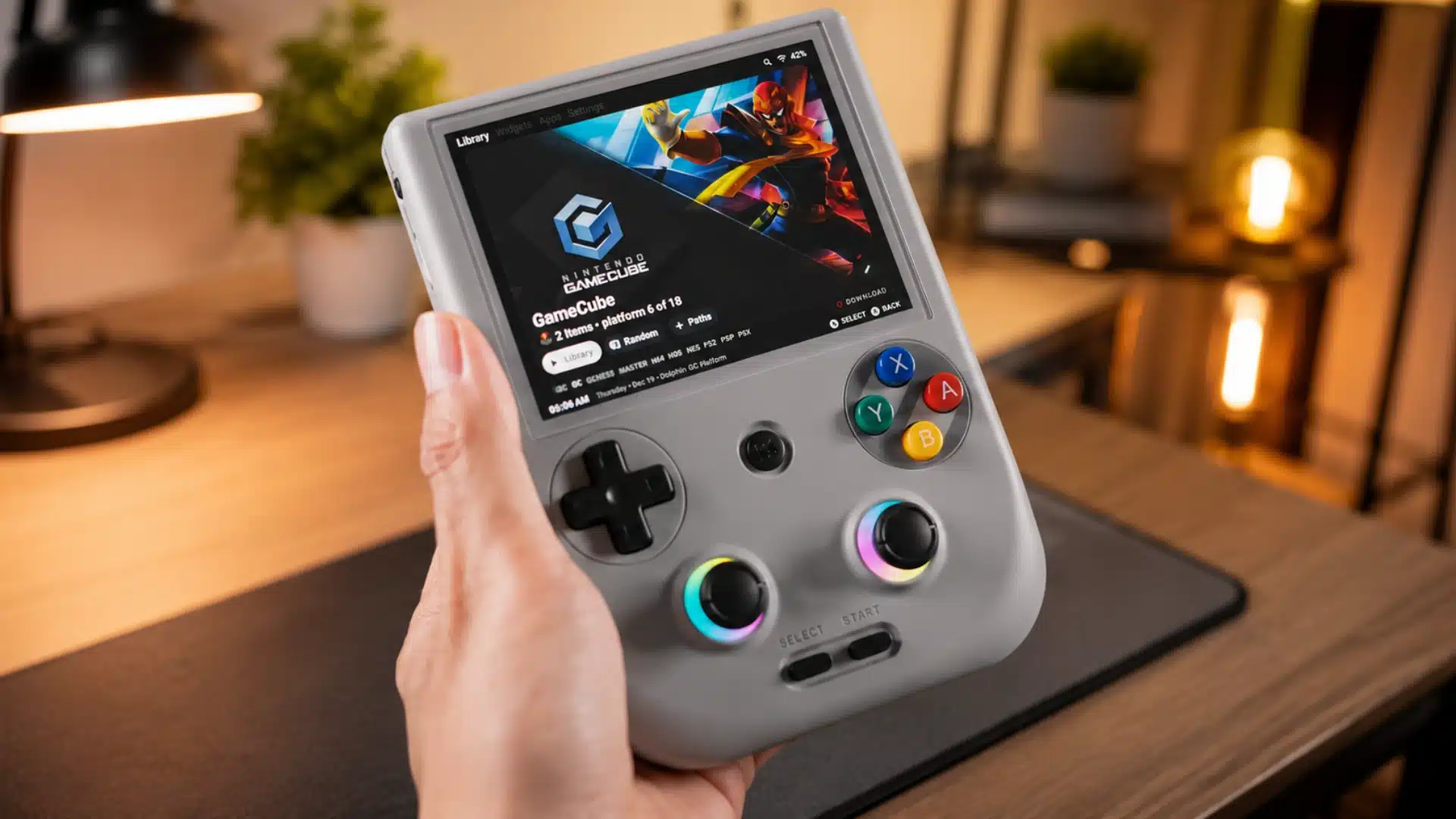
The Anbernic RG406V costs $164.99 and uses a T820 processor with 8GB RAM inside a larger vertical handheld design. Includes the handheld, Type-C cable, screen protector, and user manual.
Its 5500mAh battery and four-inch display suit players who want vertical controls without sacrificing the performance this chipset offers.
9. Anbernic RG406H
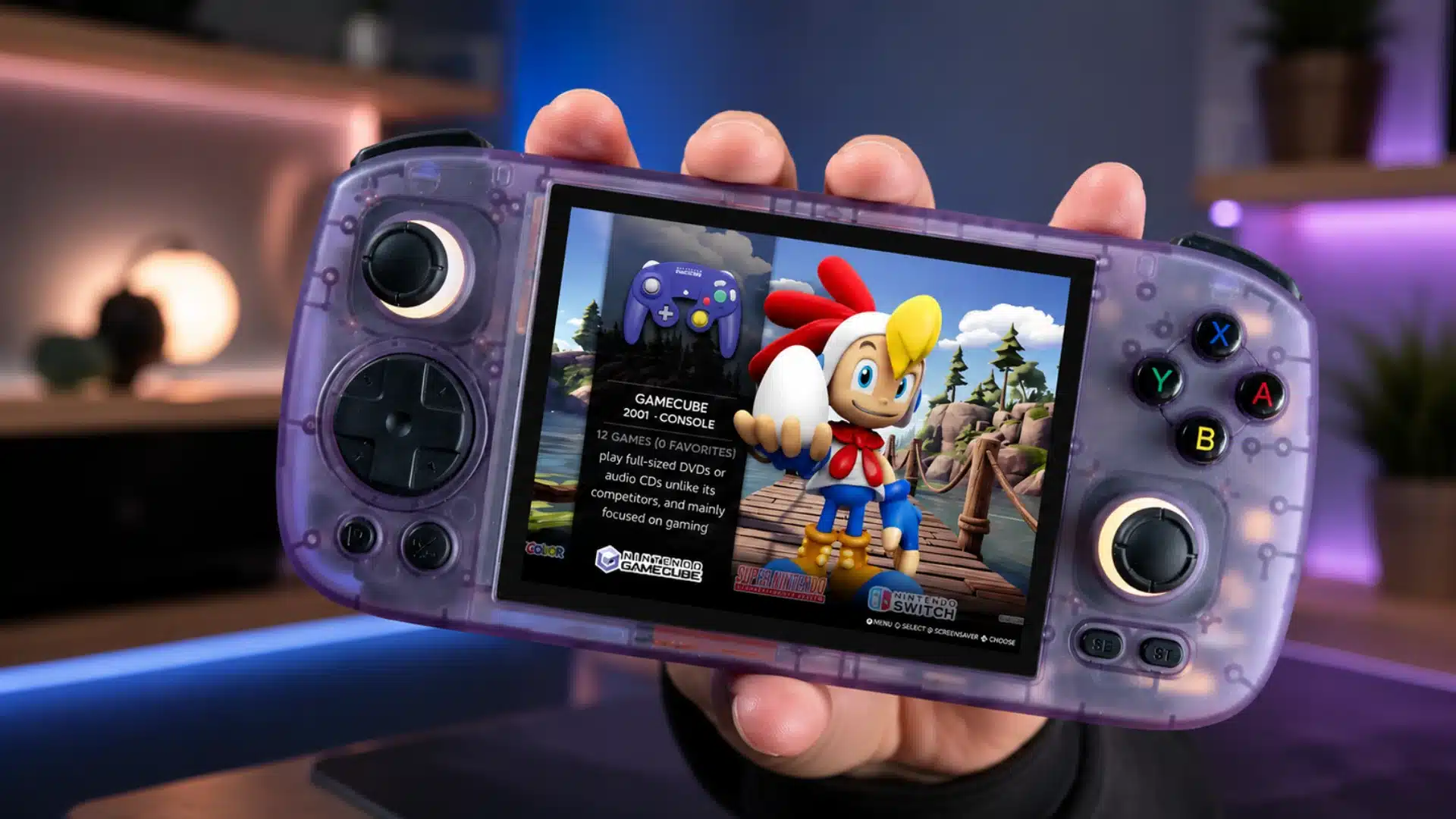
The Anbernic RG406H costs about $167.99 and combines a Unisoc T820, 8GB RAM, Android 13, and a four-inch IPS display. Includes the handheld, Type-C cable, screen protector, and user manual.
Its active cooling and Hall controls suit GameCube, PS2, Wii, and PSP gaming, although demanding titles may still require adjustments.
10. Anbernic RG556
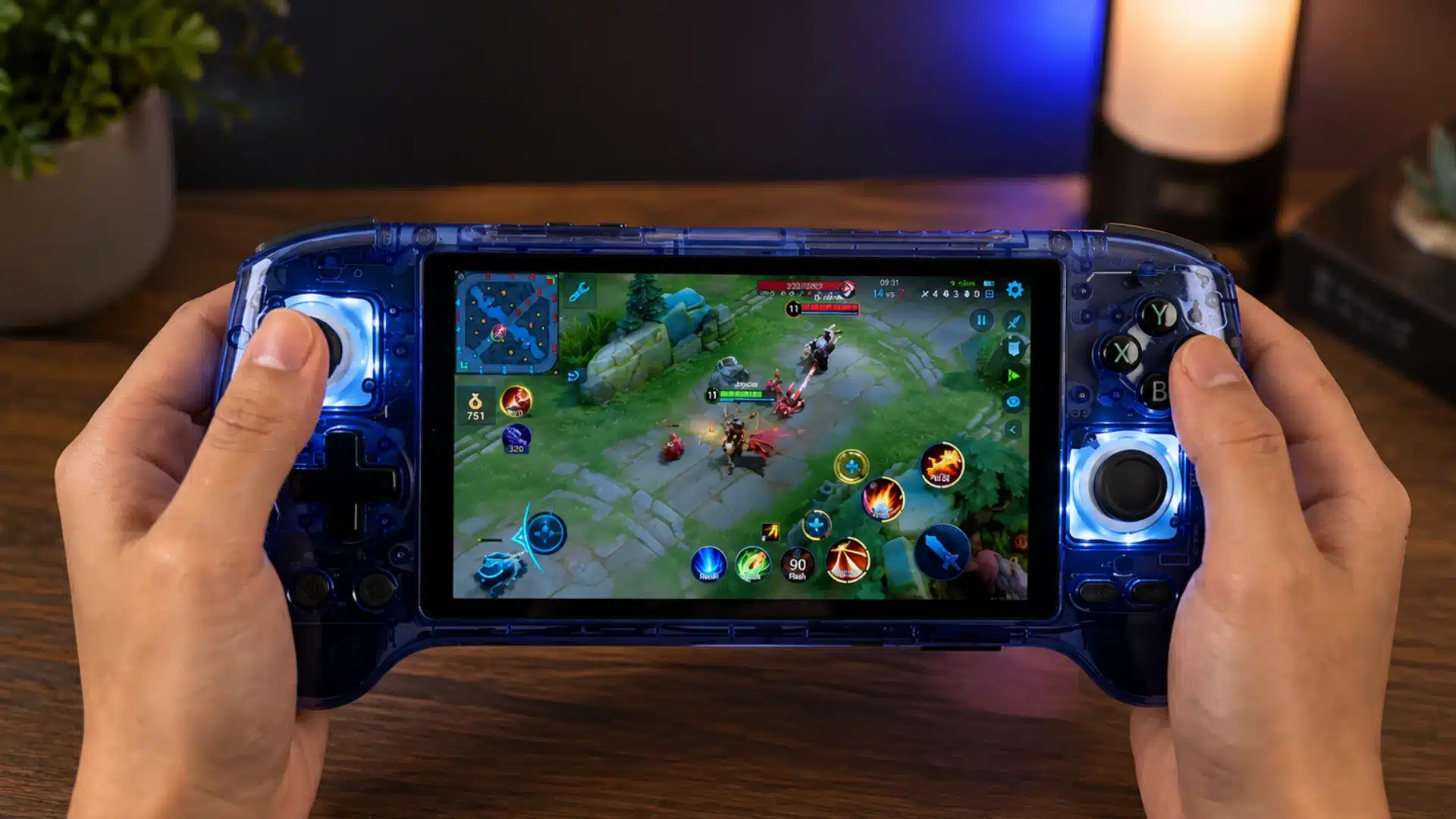
The Anbernic RG556 currently starts at $179.99 and combines a Unisoc T820 with Android 13 and a 5.48-inch AMOLED display. Includes the handheld, Type-C cable, screen protector, and user manual.
It handles many PS2 and GameCube games, but its processor remains noticeably weaker than the Dimensity 8300 used inside the RG557.
11. Retroid Pocket Flip 2
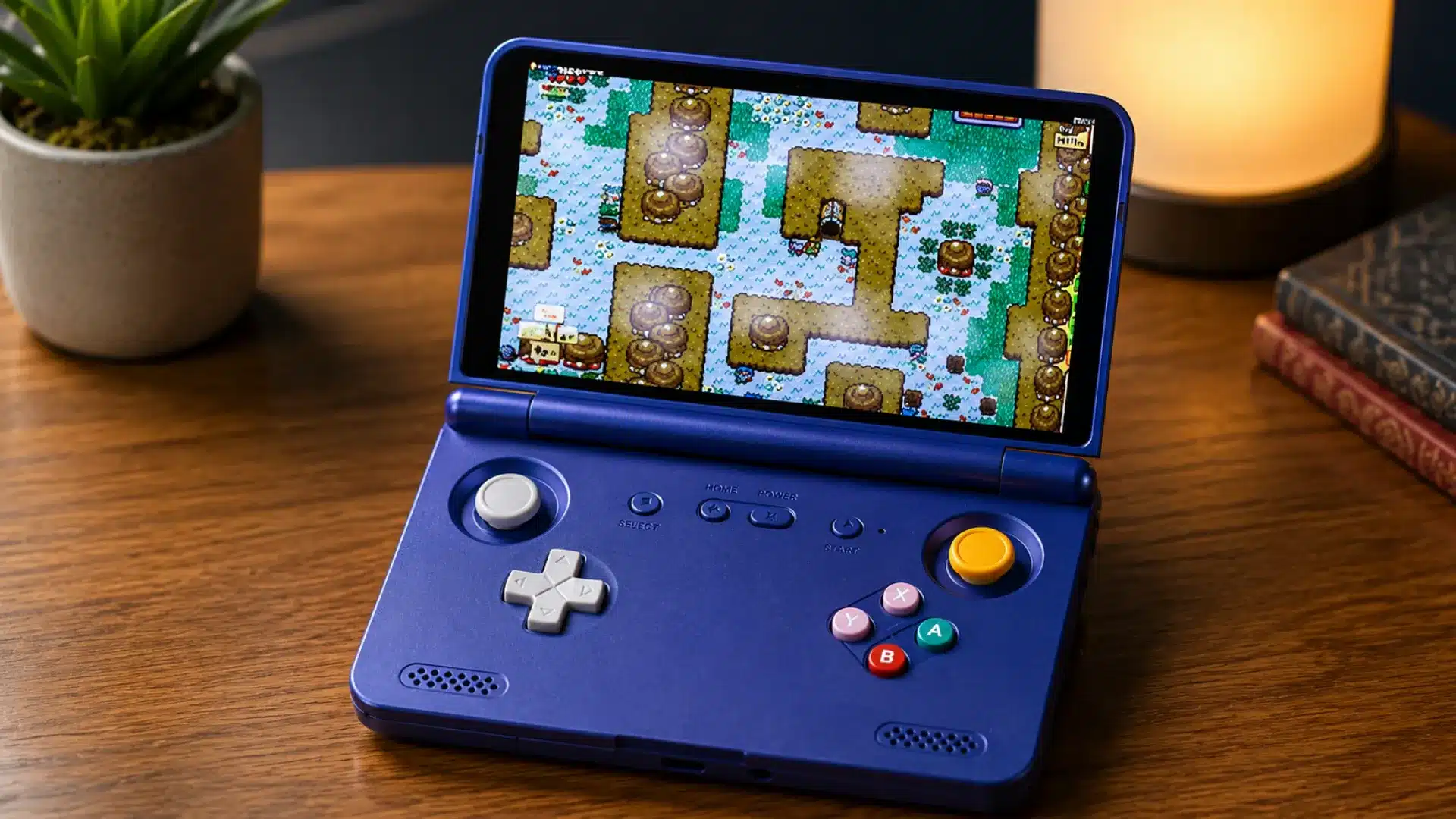
The Retroid Pocket Flip 2 currently costs $219 and combines a Snapdragon 865 with a 5.5-inch AMOLED display and active cooling.
Its performance suits PS2 and GameCube libraries well, while the folding design offers an alternative to conventional horizontal Android handhelds.
12. Anbernic RG557
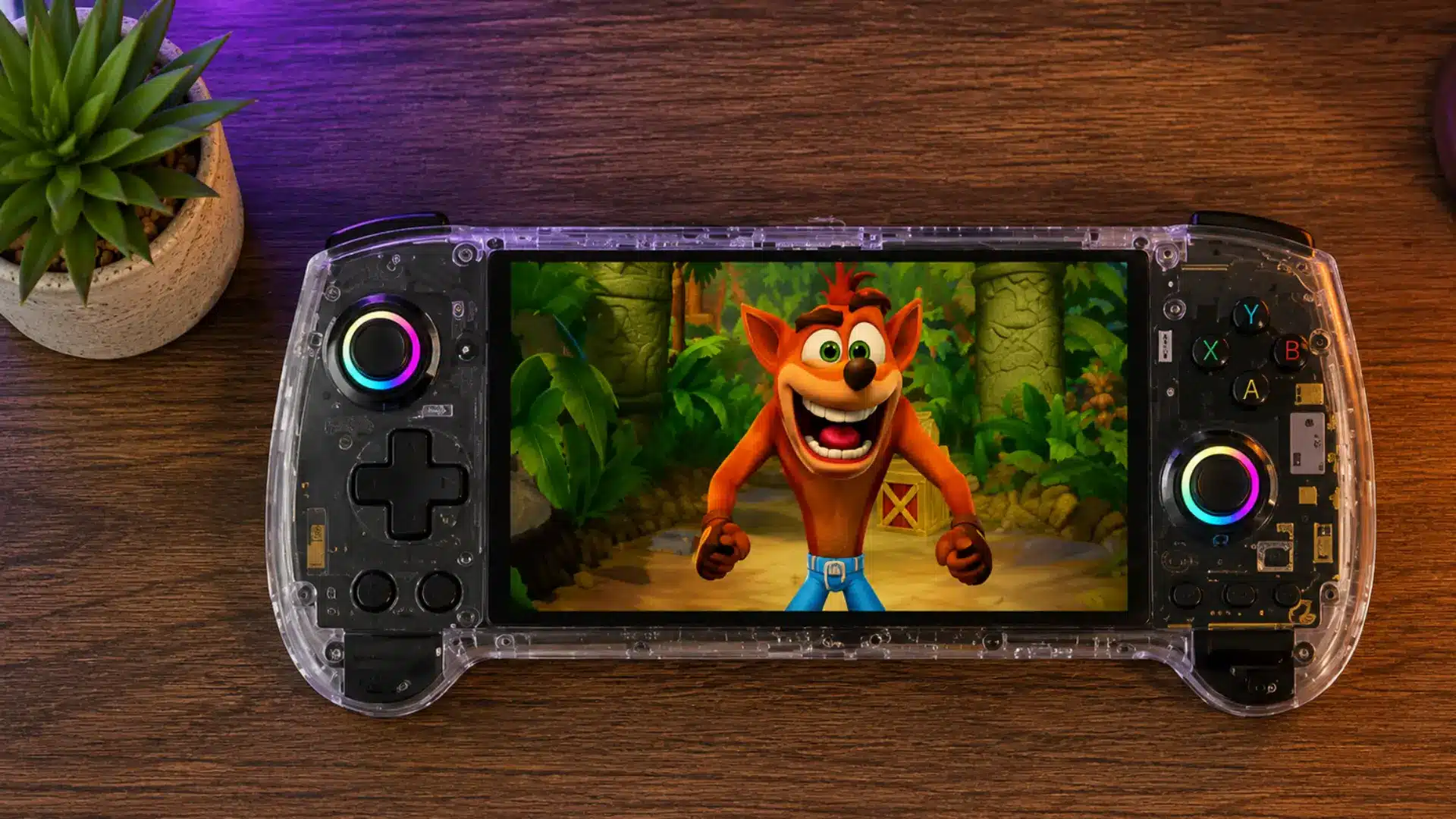
The Anbernic RG557 currently starts at $274.99 and pairs a Dimensity 8300 with Android 14 and a 5.48-inch AMOLED display. Includes the handheld, USB charging cable, screen protector, user manual, and joystick cap.
It is the strongest option here for demanding PS2, GameCube, and Wii emulation when processing performance matters more than keeping costs lower.
These models cover a wide performance range, so prioritize chipset capability before paying extra for OLED screens, larger displays, or premium controls.
Best High-End Android Emulation Handhelds
High-end Android handhelds combine stronger processors, active cooling, and premium displays for demanding emulation, although software support still limits individual games.
13. AYN Odin 2 Portal
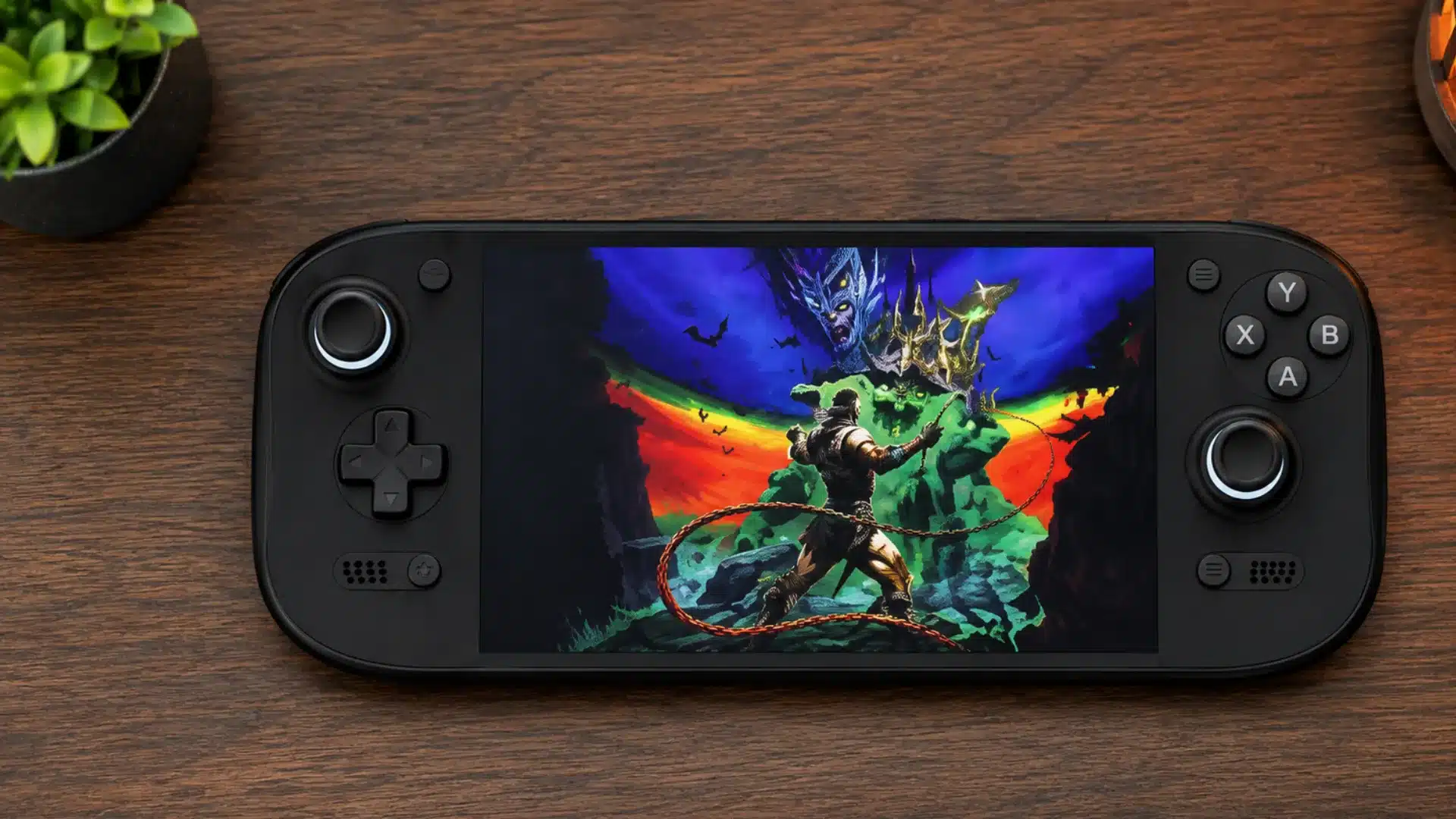
The AYN Odin 2 Portal currently starts at $259, pairing Snapdragon 8 Gen 2 performance with a large 7-inch AMOLED display. Includes a handheld, a USB-C cable, and a user manual.
Its processing power pushes beyond typical mid-range hardware, making it better suited to demanding Android gaming and higher-end emulation workloads.
14. Retroid Pocket Nova
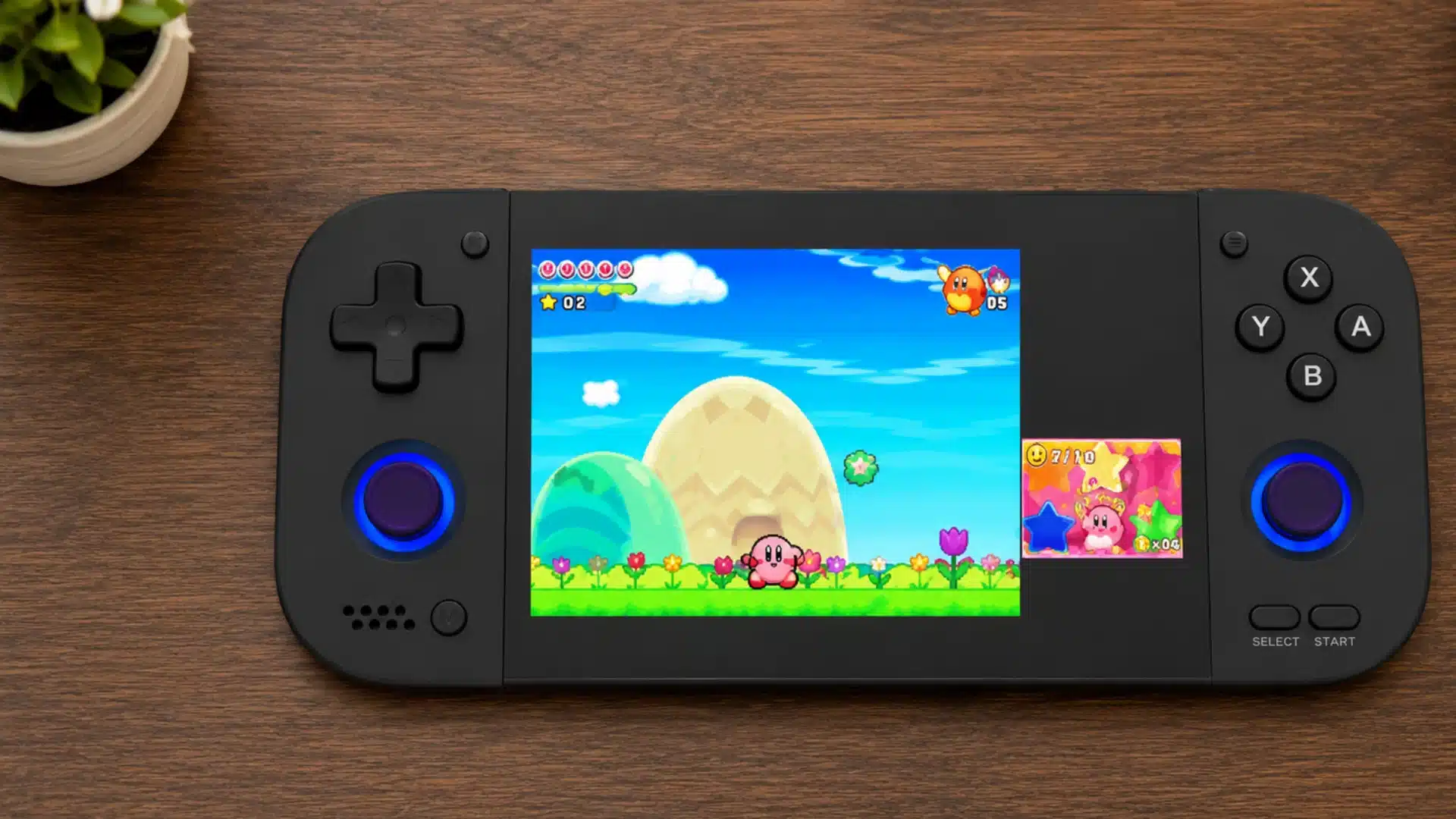
The Retroid Pocket Nova starts at $239 and uses QCS8550 hardware with Adreno 740 graphics for considerably stronger high-end emulation performance.
Its 4.5-inch 120Hz AMOLED screen keeps the device compact while still targeting demanding Android gaming and higher-end emulation workloads.
15. Retroid Pocket 6
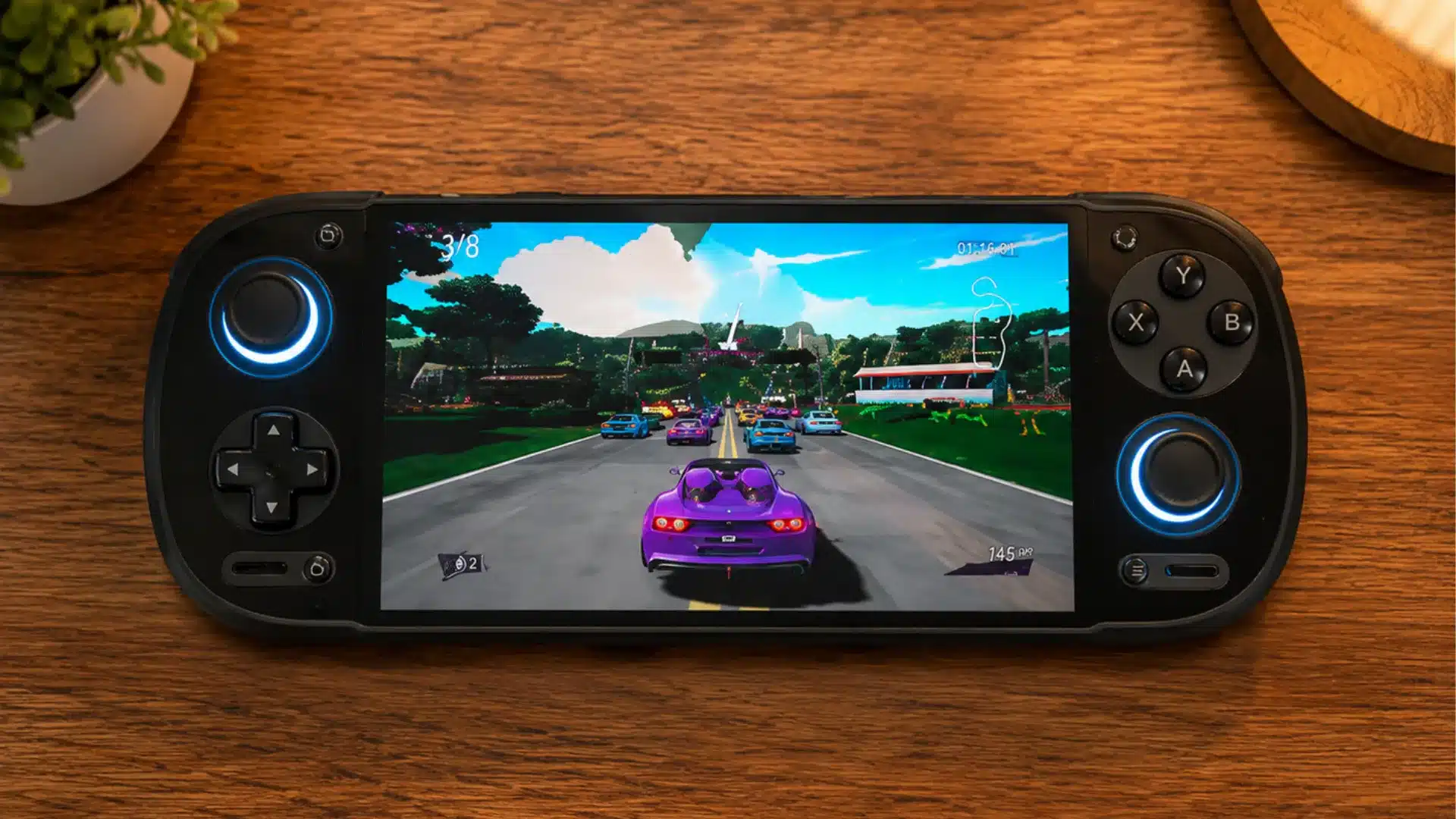
The Retroid Pocket 6 starts at $244 and combines Snapdragon 8 Gen 2 hardware with up to 12GB RAM and active cooling.
Its 5.5-inch 120Hz AMOLED display and 6000mAh battery make it a serious option for demanding emulation and Android gaming.
16. AYANEO Pocket VERT
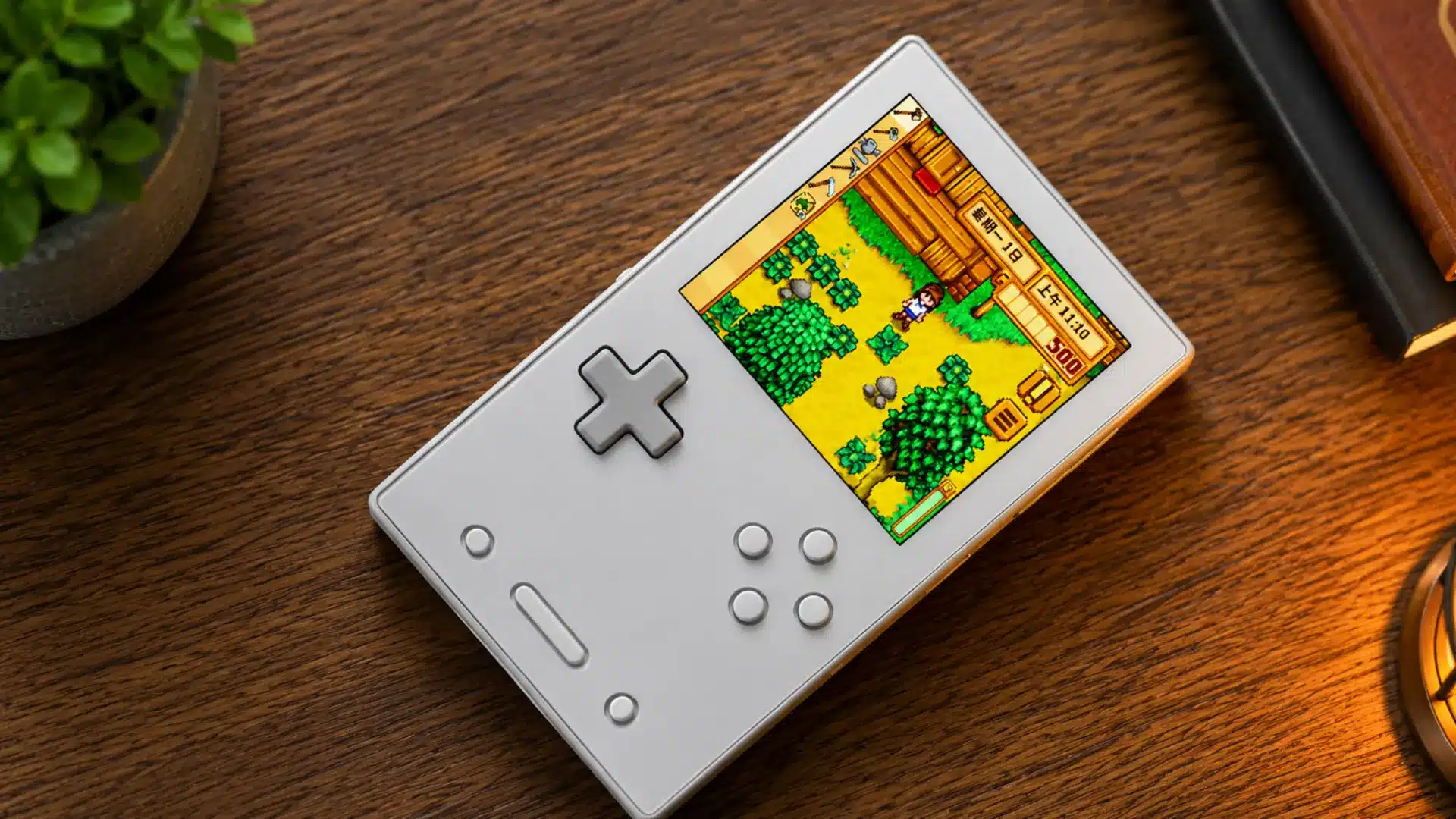
The AYANEO Pocket VERT currently starts at $269, discounted from $339, and uses Snapdragon 8+ Gen 1 hardware.
Its vertical format gives it a different feel from widescreen models, so design preference matters alongside performance when comparing premium options.
17. KONKR Pocket FIT
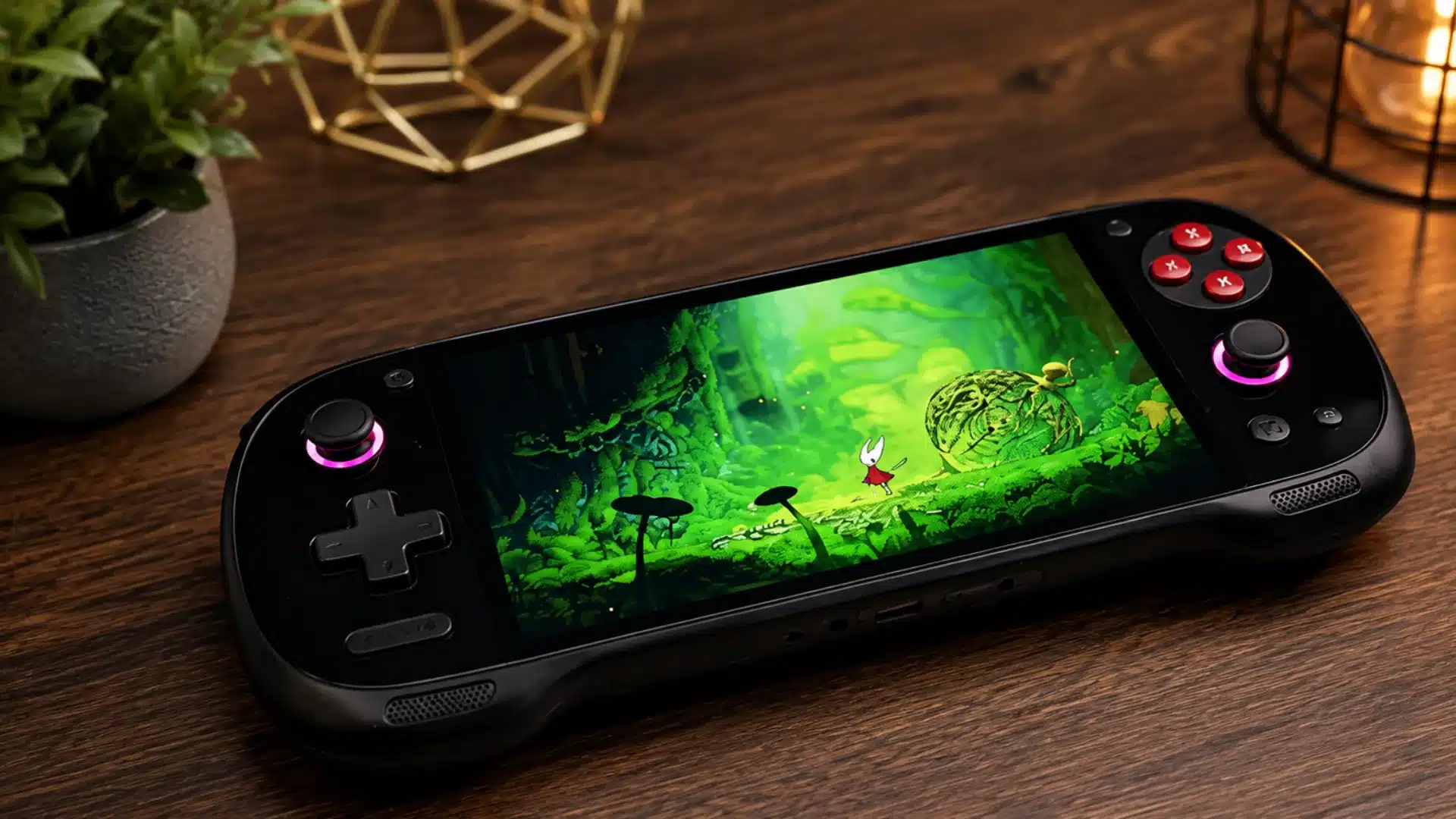
The KONKR Pocket FIT G3 Gen 3 currently starts at $369, while the more powerful Snapdragon 8 Elite version starts at $399.
Both target demanding emulation, but the 8 Elite model makes more sense when maximum processing performance matters more than keeping costs lower.
18. AYANEO Pocket S2
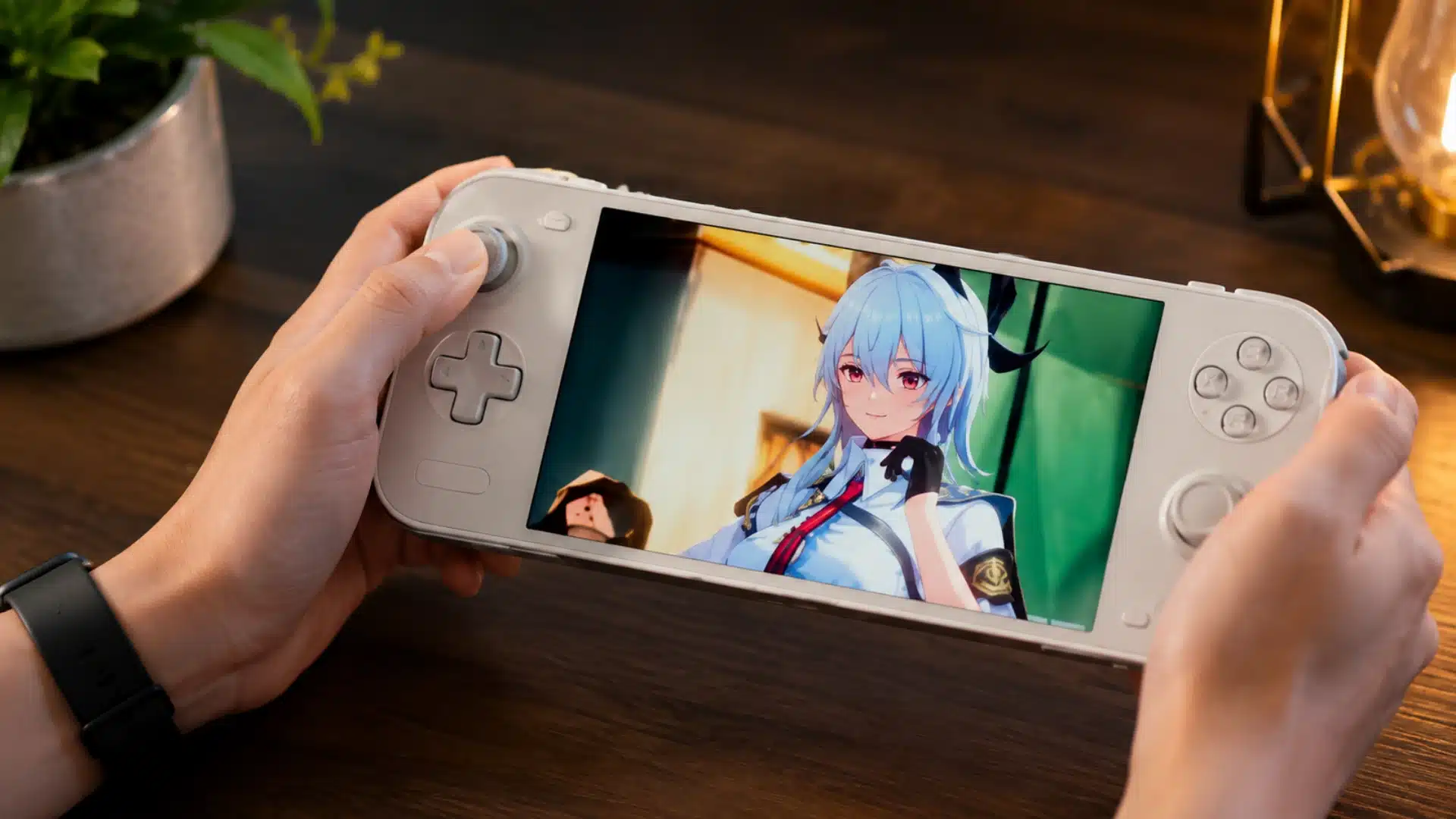
The AYANEO Pocket S2 currently starts at $439 through AYANEO’s store and uses Qualcomm’s Snapdragon G3 Gen 3 gaming platform.
Its 6.3-inch 2560 x 1440 display and stronger cooling target demanding Android gaming, although emulator and driver support still affect results.
If Switch-level emulation is genuinely your target, this is the chip tier I would actually spend the money on rather than settling for a mid-range device and hoping the frame rate holds.
19. AYN Odin 3 Max
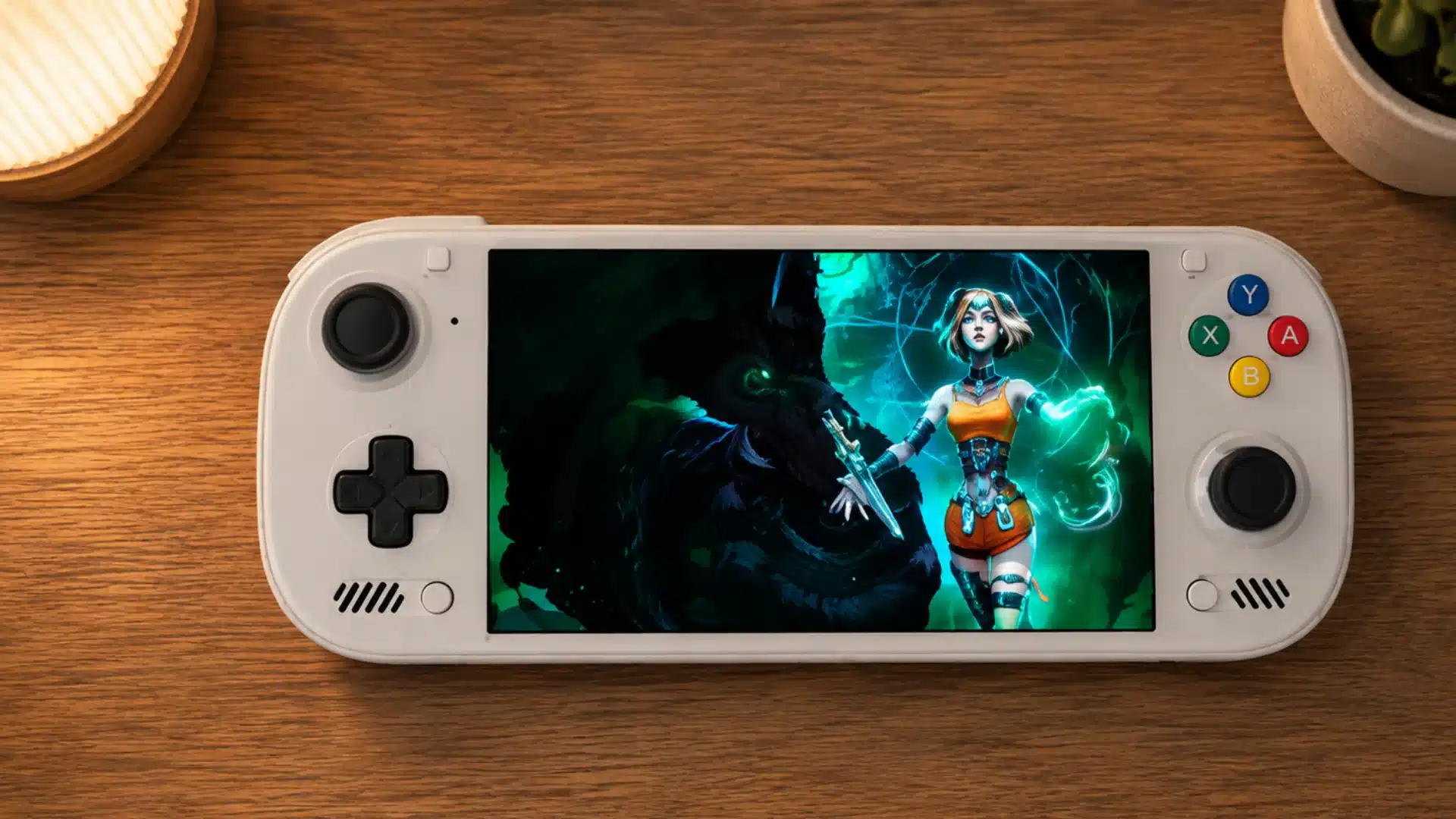
The AYN Odin 3 Max is priced at $529 from September 1, with the Odin 3 range starting at $349. It includes a handheld, USB-C cable, user manual, and pre-installed screen protector.
Its flagship hardware targets buyers who want maximum Android handheld performance, but the higher price makes value increasingly dependent on demanding use.
These models make sense when demanding systems are the priority, but spending more cannot guarantee perfect compatibility across every emulator and game.
Which Chipset Do You Need for Each Console Generation?
You need at least a T618-class chip for Game Boy, SNES, Dreamcast, and PSP; a Snapdragon 865 or Dimensity 8300 for PS2, GameCube, and Wii; and a Snapdragon 8 Elite or Snapdragon G3 Gen 3 chip for Switch-level emulation.
The chipset matters more than price because it determines which console generations your handheld can emulate smoothly, reliably, and consistently.
The same logic applies outside handhelds too, and our AM4 CPU picks make the same point about matching the chip to the workload instead of chasing the biggest number on the box.
| Chip Tier | Common Examples | Best Suited For | Main Limitation |
|---|---|---|---|
| Entry-Level | T618-class chips | Game Boy, SNES, Dreamcast, PSP, light PS2 | GameCube and heavier PS2 games may drop frames or require lower settings. |
| Mid-Range | Snapdragon 865, Dimensity 8300 | PSP, PS2, GameCube, Wii, older systems | Some demanding games still need individual settings, emulator tweaks, or better drivers. |
| Flagship | Snapdragon 8 Elite, G3 Gen 3 | Switch-level emulation and demanding Android games | Performance still depends on emulator compatibility and GPU driver support for each title. |
Match the chipset to your hardest target system first, then compare screen, controls, battery life, cooling, and price between devices.
How to Match an Android Handheld to Your Game Library?
Choose your handheld around the most demanding console you want to emulate, then compare suitable devices within your preferred price range.
- Older retro systems: Choose an entry-level handheld for Game Boy, SNES, Genesis, and similar systems, since extra processing power provides little practical benefit.
- PSP and Dreamcast: Budget handhelds can handle these systems well, making them suitable for players who want portable 3D gaming without higher prices.
- PS2 and GameCube: Move into the mid-range tier for stronger processors, better compatibility, and more consistent performance across demanding game libraries.
- Wii and harder PS2 titles: Prioritize stronger mid-range hardware, good cooling, and dependable emulator support before paying extra for premium design features.
- Switch-level emulation: Choose flagship hardware only when newer, demanding systems matter, since performance also depends heavily on emulator and driver compatibility.
Spending more only makes sense when your target systems require extra power, so match performance needs before comparing screens, designs, and premium features.
Conclusion
Choosing the right emulation handheld gets much easier once you stop comparing prices first and start with the systems you want to play.
Older consoles need far less power, while PS2, GameCube, Wii, and Switch demand stronger hardware and software support.
For most buyers, the best handheld emulator is the one that matches their hardest target system without paying for unused performance.
A well-chosen Android handheld can deliver more value than a flagship model if your library stays within PSP, Dreamcast, or older generations.
I would narrow the choice to two or three devices in the right performance tier, then compare controls, screen quality, cooling, battery life, and availability.
Which handheld are you considering? Share your pick in the comments below.
Frequently Asked Questions
What is the Best Android Handheld for Emulation Right Now?
The Retroid Pocket 5 is the best all-around pick right now, handling PS2 and GameCube reliably for around $200. The AYN Odin 2 Portal and Retroid Pocket 6 lead the higher-end tier for demanding Android games, while the AYANEO Pocket S2 targets Switch-level emulation. Match the device to your console wishlist, not the other way around.
Can Android Handhelds Emulate PS2 And GameCube Well?
Yes, but only from the mid-range tier up. Devices using chips like the Snapdragon 865 or Dimensity 8300 handle PS2 and GameCube titles reliably, while budget-tier chips generally struggle to maintain full speed on those systems.
What is the Difference Between a Handheld Emulator and an Emulation Handheld?
An emulation handheld is a physical Android device, and the emulator is the software running on it that recreates older console systems. The device itself doesn’t emulate anything on its own. It just runs the emulator apps you install.
Is a More Expensive Handheld Always Better for Emulation?
Not necessarily. Two devices at very different price points can share the same chipset and deliver similar emulation performance. Extra cost often goes toward screen quality, build materials, or battery life rather than raw emulation power.