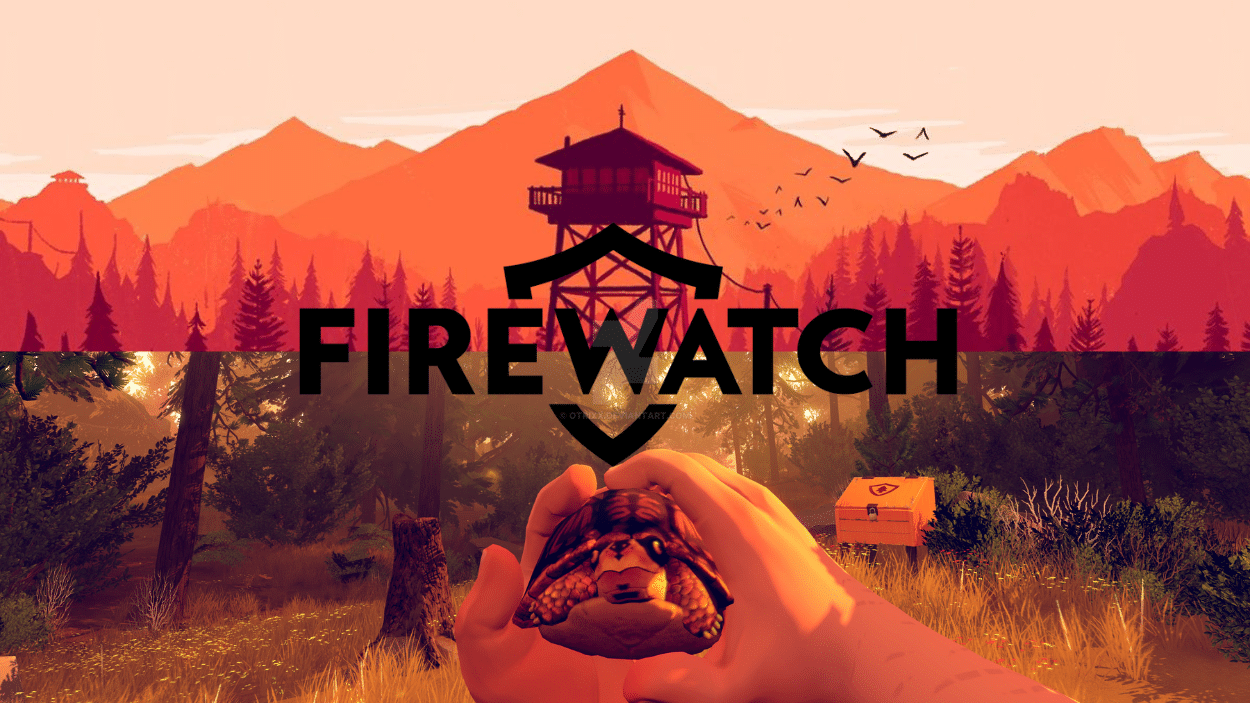
I remember the first time I booted up Firewatch. The forest looked peaceful, almost calming. But then something felt off. The radio crackled. Shadows moved in ways I couldn’t explain. My heart started racing.
Does it ring a bell?
You’re probably here because you felt it too. That creeping sense of dread. You want to know: Is Firewatch a horror game before you commit hours to it?
I get it. Nobody likes unexpected jump scares or psychological terror when they’re expecting a chill hiking simulator.
I’ve played through the entire game, and I’m here to give you the straight answer. No spoilers. Just facts.
Let’s clear this up right now.
Defining the Horror Genre – Where Does Firewatch Fit?
Here’s what makes a game truly horror, and where Firewatch lands.
Horror games rely on a few key elements. Fear of the unknown. Jump scares that make you drop your controller. Monsters or threats that chase you down. A constant feeling of danger.
Firewatch has some of these pieces. The isolation feels real. The Wyoming wilderness stretches on forever. You’re alone with just a voice on a radio.
But the thing is that Firewatch doesn’t check all the boxes.
There’s tension, sure. Suspense builds as the story unfolds. But the game leans more toward mystery than pure horror. Think psychological thriller, not survival terror.
Is Firewatch a Horror Game? Key Horror-Like Elements in it

Firewatch is not exactly a horror game, but it sure borrows from the horror playbook. Let me list down what makes it feel unsettling at times.
1. Isolation and Vulnerability in the Wilderness
You’re Henry, a fire lookout stationed in the middle of nowhere. Your only human contact? Delilah, through a handheld radio.
This isolation hits different. There’s no backup. No weapons. No way to defend yourself if things go south.
The wilderness becomes its own character:
- Miles of forest with no other souls around
- Your tiny watchtower is the only safe spot
- Complete dependence on that crackling radio connection
- Night falls, and you’re truly alone
I felt it most during the nighttime sections. The forest goes pitch black. Every snap of a twig makes you spin around. You start questioning every shadow.
2. Sound Design and Strategic Silence
The audio in Firewatch messes with your head in subtle ways.
Silence dominates most of your expedition. Just your footsteps. Wind through the trees. Then suddenly, a distant noise breaks the quiet.
Key sound elements that build tension:
- Random rustling that could be wildlife or something worse
- The radio static that precedes Delilah’s voice
- Echoes in caves that distort distance and direction
- Crackling of your own campfire at night
The game knows when to stay quiet. That silence forces you to create your own fear. Your imagination fills the gaps.
3. Visuals and Atmosphere
Firewatch uses a stylized art approach, but don’t let the bright colors fool you.
The visuals create unease through contrast. Sunny days feel safe. But when storm clouds roll in, or dusk arrives, the mood shifts completely.
Atmospheric techniques at play:
- Long shadows that stretch across your path
- Fog that limits your visibility to mere feet
- A dense forest that blocks your view
- Abandoned campsites with scattered belongings
I remember stumbling onto a ransacked campsite. Stuff thrown everywhere. No explanation. The beautiful art style couldn’t hide the creeping dread.
4. Mystery, Tension, and Psychological Depth
This is where Firewatch really shines in the horror-adjacent space.
The mystery unfolds slowly. Someone’s watching you. Things go missing. Strange figures appear in the distance. The conspiracy theories start building in your head.
But here’s what separates it from pure horror:
- Tension comes from questions, not immediate threats
- The fear lives in your mind more than on screen
- Story revelations drive the unease, not gore or monsters
The psychological aspect runs deep. Henry’s running from personal problems. His mental state colors everything you experience. Are you really being watched, or is paranoia taking over?
The game plays with your expectations. It sets up horror scenarios, then subverts them. Sometimes nothing happens. That uncertainty? That’s the real terror.
What Players Say – Community Opinions from Reddit and Steam
The gaming community stays divided on this question.
The “Not Horror” Camp
Most players agree Firewatch isn’t traditional horror. Steam reviews call it a walking simulator with mystery elements. Reddit threads point out the lack of real danger or death mechanics.
One player summed it up perfectly: “I went in expecting horror and got an emotional story instead.”
The “It Has Horror Moments” Side
But plenty of players felt genuine fear during certain sections. The uncertainty creates dread. Some moments made them genuinely uncomfortable.
A common Reddit take: “Is firewatch a horror game? No, but it scared me more than some actual horror games.”
The Consensus
Most settle on “psychological thriller” or “suspense game.” Horror-lite at best.
Expert Takes – Why It Stands Out
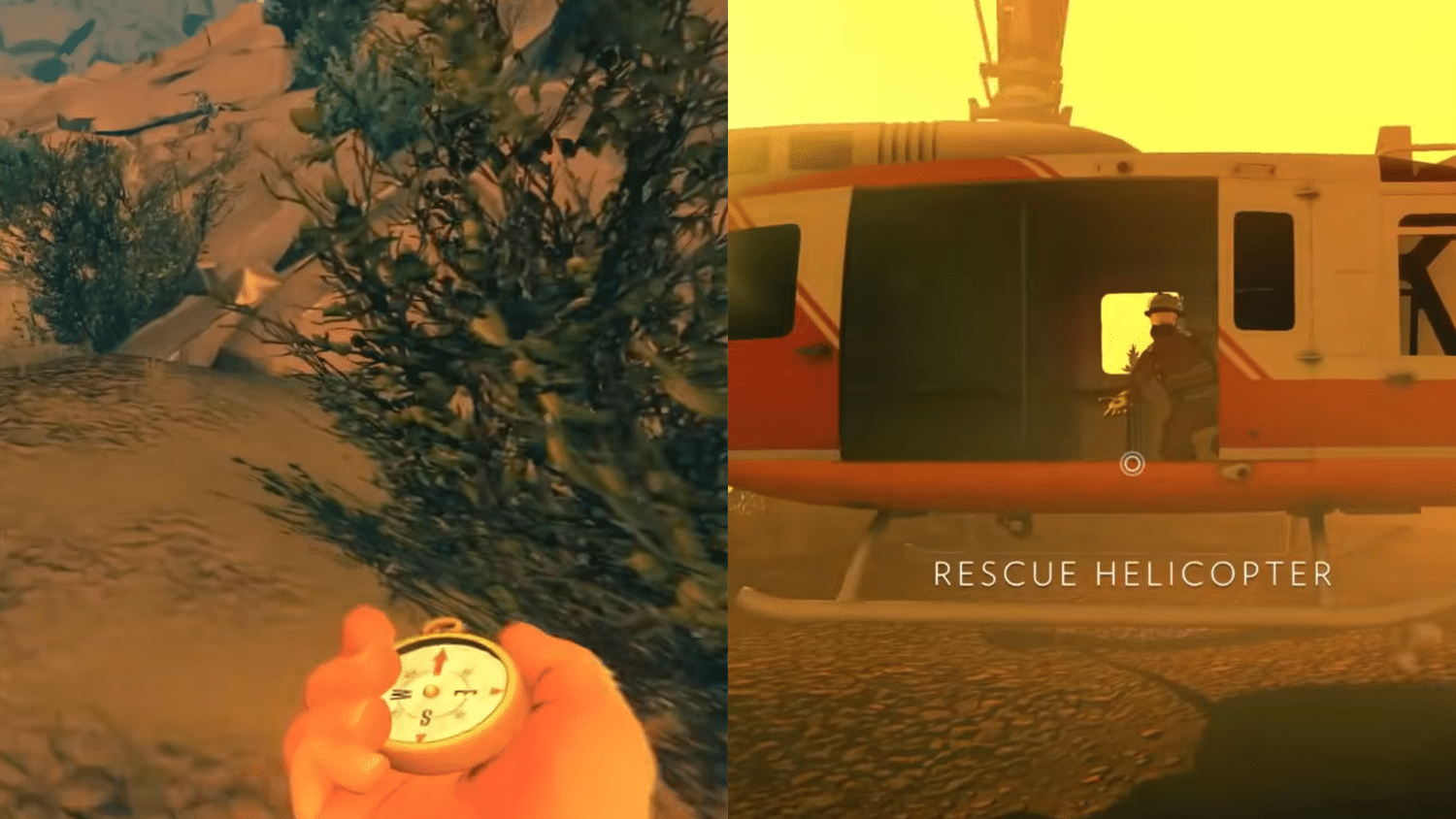
Gaming critics and reviewers have spent years analyzing what makes Firewatch special.
- Subverts Player Expectations: Critics note how the game builds up horror tropes, then deliberately doesn’t deliver traditional scares. This keeps players on edge longer than actual jump scares would.
- Narrative-Driven Experience: Reviewers praise the focus on storytelling over gameplay mechanics. The conversation system with Delilah creates genuine emotional investment.
- Atmosphere Over Action: Experts highlight how tension comes from environmental storytelling rather than combat or survival elements.
- Realistic Human Drama: The game grounds itself in real personal struggles. Henry’s backstory and relationship issues resonate more than any monster could.
- Environmental Mastery: Critics consistently praise how the Wyoming setting becomes a character in its own right, influencing mood and player psychology throughout.
Final Thoughts
So is Firewatch a horror game? No, but it’s something better.
It’s a mystery that keeps you guessing. A story about running from problems you can’t escape. The tension comes from uncertainty, not monsters hiding in the dark.
I walked away thinking about Henry’s choices more than any scares. That’s rare in gaming.
If you want traditional horror, look elsewhere. But if you’re after something that lingers in your mind long after the credits roll, give it a shot.
Your next move? Play it yourself and decide.