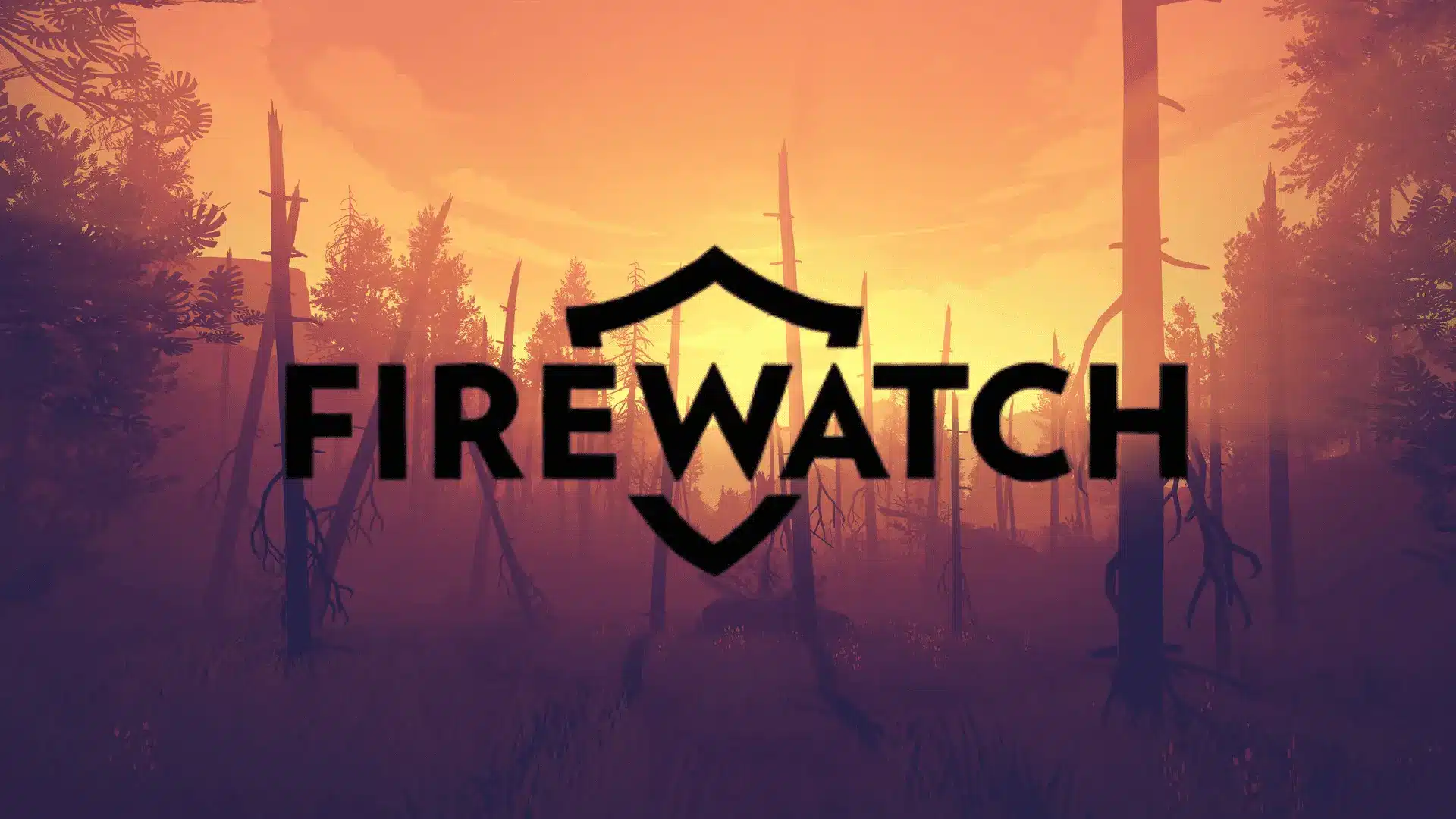
At first glance, Firewatch looks peaceful, with quiet forests, long hikes, and beautiful views. Then the silence starts to feel different.
Strange events, distant sounds, and unanswered questions can leave you feeling uneasy, prompting many players to ask: is Firewatch a horror game?
It’s a fair question because the game builds tension in a way that feels very different from most story-driven games.
Before you start playing, it helps to know what kind of experience it offers, what creates that uneasy feeling, and why people still debate its genre years after release.
What Kind of Game is Firewatch?
Firewatch is a first-person narrative mystery developed by Campo Santo and released in 2016. It’s not a horror game, and that’s worth establishing before anything else.
You play as Henry, a fire lookout in the Wyoming wilderness in 1989. The game is built around exploration, dialogue, and a slow-burning story.
There’s no combat, no survival mechanics, and nothing chasing you that you need to outrun.
The loop is quieter than that; you observe, you radio your supervisor, Delilah, and you piece things together. It sits somewhere between a walking simulator and an adventure game.
I’d describe it as a game that makes you think rather than react. The tension comes from what you notice, not what’s chasing you.
That distinction matters. Once you understand what Firewatch actually is, the question of whether it’s scary starts to make a lot more sense.
Why Does Firewatch Feel Scary If It Isn’t a Horror Game?
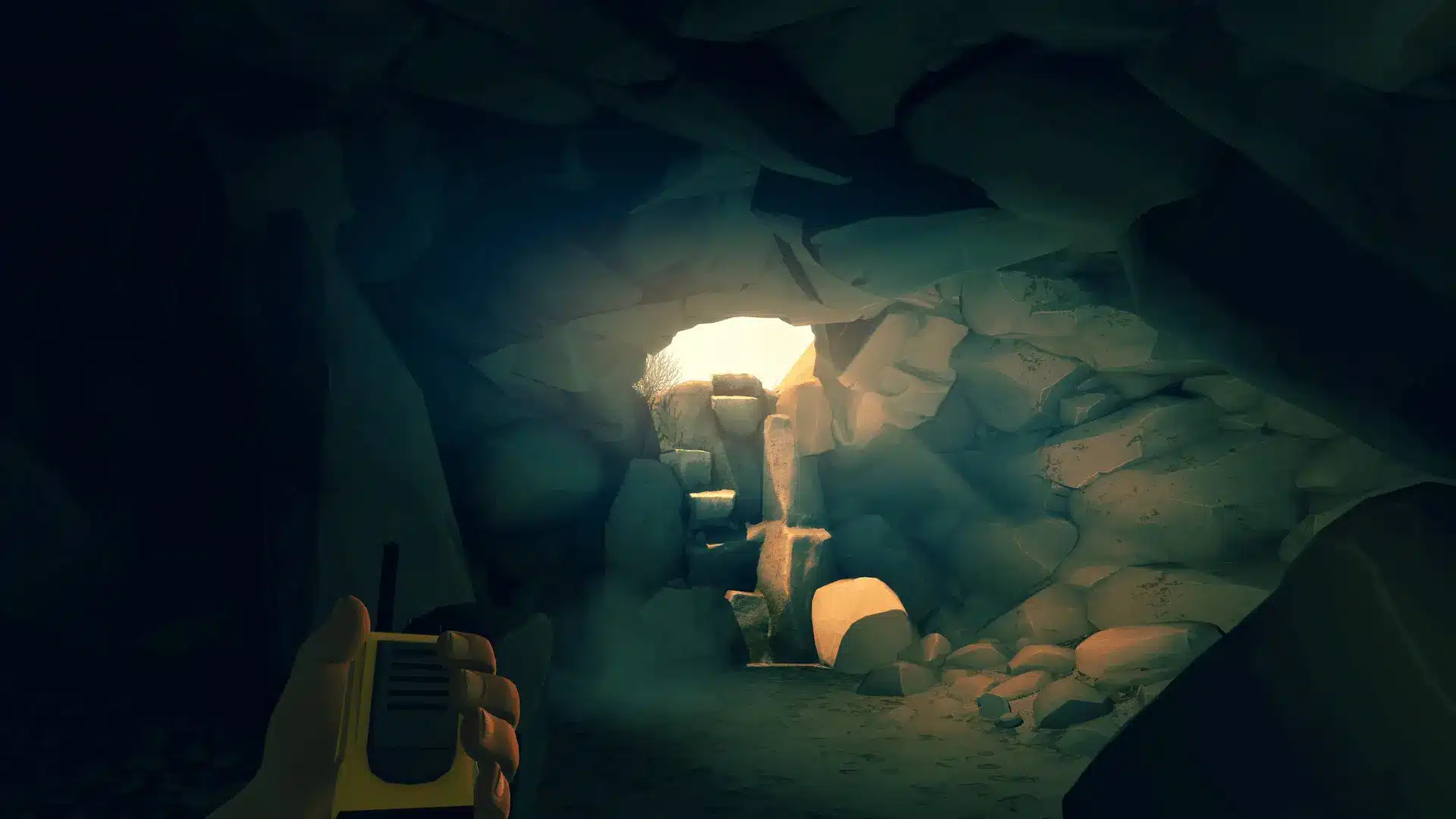
Firewatch creates fear through atmosphere and uncertainty, not through monsters or constant danger. That’s what makes it hard to classify and why many players finish it feeling unsettled.
The game can feel scary at times, but feeling scared and playing a horror game are not the same thing. The tension comes from a few key design choices:
- You spend most of the game alone, with only Delilah’s voice on the radio for company.
- The game gives you clues and strange events, but it rarely explains them right away.
- Small mysteries keep building on each other, so your imagination ends up filling in the gaps.
These techniques are often used in psychological thrillers, even though horror games use them too. Firewatch leans much more toward suspense and mystery than traditional horror.
The Role of Isolation
Henry has one lifeline: Delilah’s voice on a radio. That’s it for the entire game.
Every strange thing you find, you process alone. There’s no companion reacting beside you, no NPC to break the silence.
I noticed this most during the longer quiet stretches. The wilderness doesn’t fill that space with comfort. It fills it with questions.
That isolation is structural and deliberate. It’s what makes small discoveries feel heavier than they should.
How Uncertainty Replaces Threat?
Most games that scare you show you something. Firewatch does the opposite; it withholds.
You hear things, you find things. The game rarely confirms what they mean. As Game Developer’s analysis of fear in Firewatch notes, Campo Santo deliberately uses suspense mechanics without ever delivering a traditional threat.
What that looks like in practice:
- A sound with no visible source.
- Evidence that never gets explained.
- The feeling of being watched, with no monster to face.
Your imagination does the heavy lifting. And it’s almost always worse than anything the game could have shown you.
This is the core distinction. Horror resolves the unknown with something frightening. Firewatch keeps the unknown open, and that unresolved uncertainty is what sits with you long after you put the controller down.
Is There Anything that Actually Jumps or Startles?
Firewatch contains no traditional jump scares; there is one incidental animal sound that catches some players off guard, but it’s not a designed scare moment.
The Steam community discussions on this are consistent: no monsters, no chase sequences, no scripted reveals. Players across the board agree on that.
Here’s what the game actually does and doesn’t have:
- No enemy encounters: Nothing hunts you or reacts to your presence.
- No chase sequences: You’re never running from anything.
- One audio startle: An animal sound, abrupt, but not designed to frighten.
Some players found specific sections genuinely tense: the cave and the bear tracks. I felt it too. But that’s the atmosphere doing its job, not a scripted scare waiting to be triggered.
If you’re specifically sensitive to jump scares, Firewatch is a safe experience. The unease it creates is slower and quieter than that.
What is Firewatch Actually About?
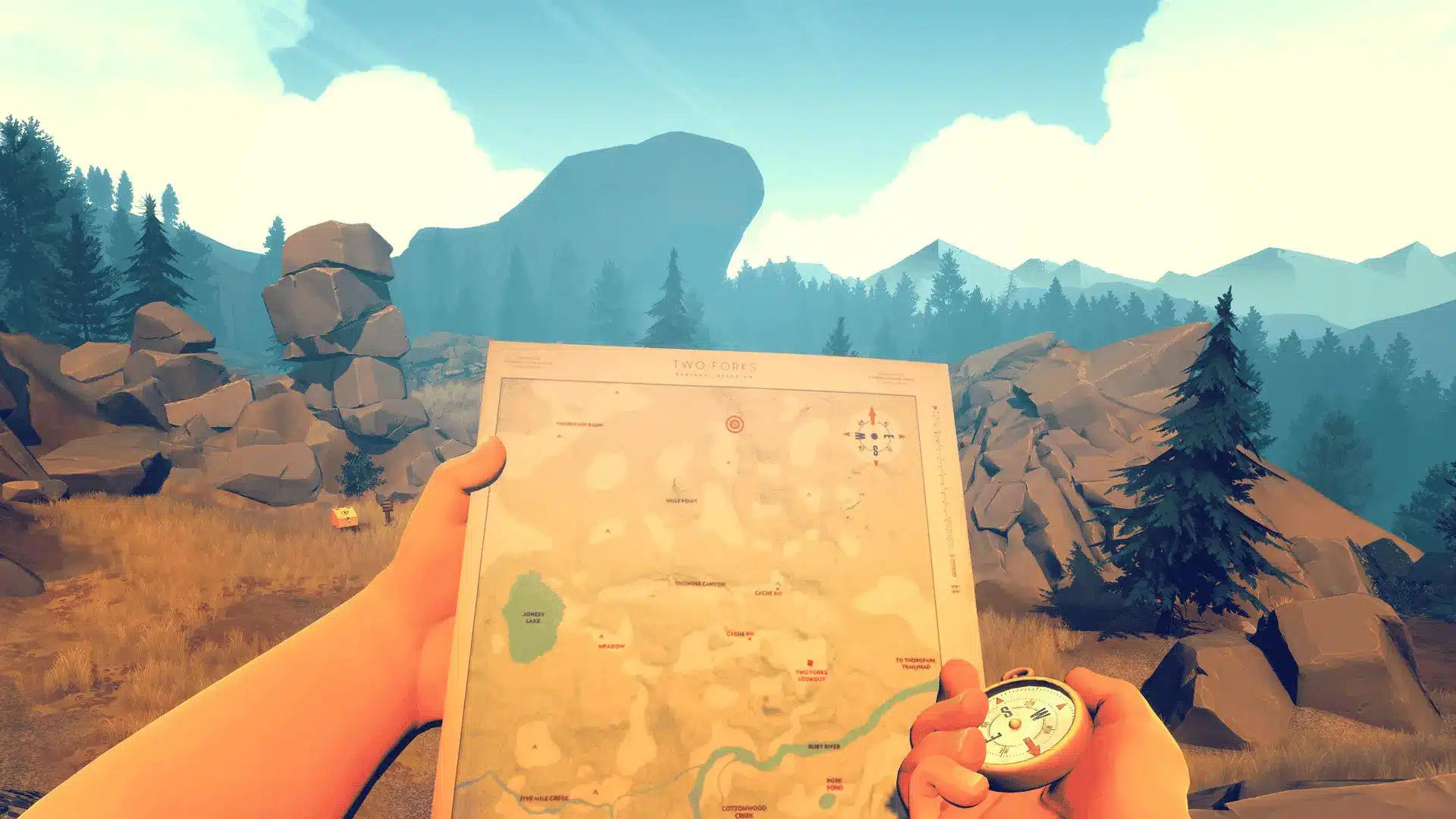
A man alone in the wilderness, connected to one person by radio; that’s the core of Firewatch’s story.
You play as Henry, who takes a fire lookout job in Wyoming after a personal crisis. His only real contact is Delilah, his supervisor on the other end of the radio.
The story isn’t really about the mystery. It’s about grief, escapism, and two people talking through things they’d rather not face.
I went in expecting a thriller. What I got was something quieter and more personal than that.
The mystery gives the game its momentum. But the emotional weight comes from Henry’s situation, why he’s there, what he’s running from, and what the wilderness does to someone already feeling lost.
If you’re expecting a horror payoff, you won’t find one. What you’ll find is a character story that stays with you. Readers who know that going in tend to appreciate it far more.
Wrapping Up
Is Firewatch a horror game? No, but it’s built to make you feel like it might be, and that’s exactly what makes it special.
The tension in Firewatch comes from design choices, not jump scares. Isolation, withheld answers, and a deeply human story do the heavy lifting.
Now you know what the game actually is, why players keep debating it, and what kind of experience is waiting for you in that Wyoming wilderness.
If that sounds like your kind of game, it’s worth every minute. Pick it up and see what the forest does to you.
Frequently Asked Questions
Are there jump scares in Firewatch?
No designed jump scares exist. One incidental animal sound startles some players, but nothing in the game is built around shock or fright.
Who is the mysterious figure players sense watching them?
The sense of being watched comes from audio cues and found objects, not from anything you actually see. The game withholds visual confirmation for most of the story, and the mystery behind it resolves by the end without turning into a horror reveal.
Is Firewatch appropriate for players who dislike horror?
Yes. Firewatch contains no monsters, combat, or horror mechanics. It can feel tense in places, but the experience is story, exploration, and dialogue.
How long does Firewatch take to complete?
Most players finish in four to six hours, a bit faster if you stick to the main story and skip extra exploring. It’s a single narrative experience with consistent pacing throughout.