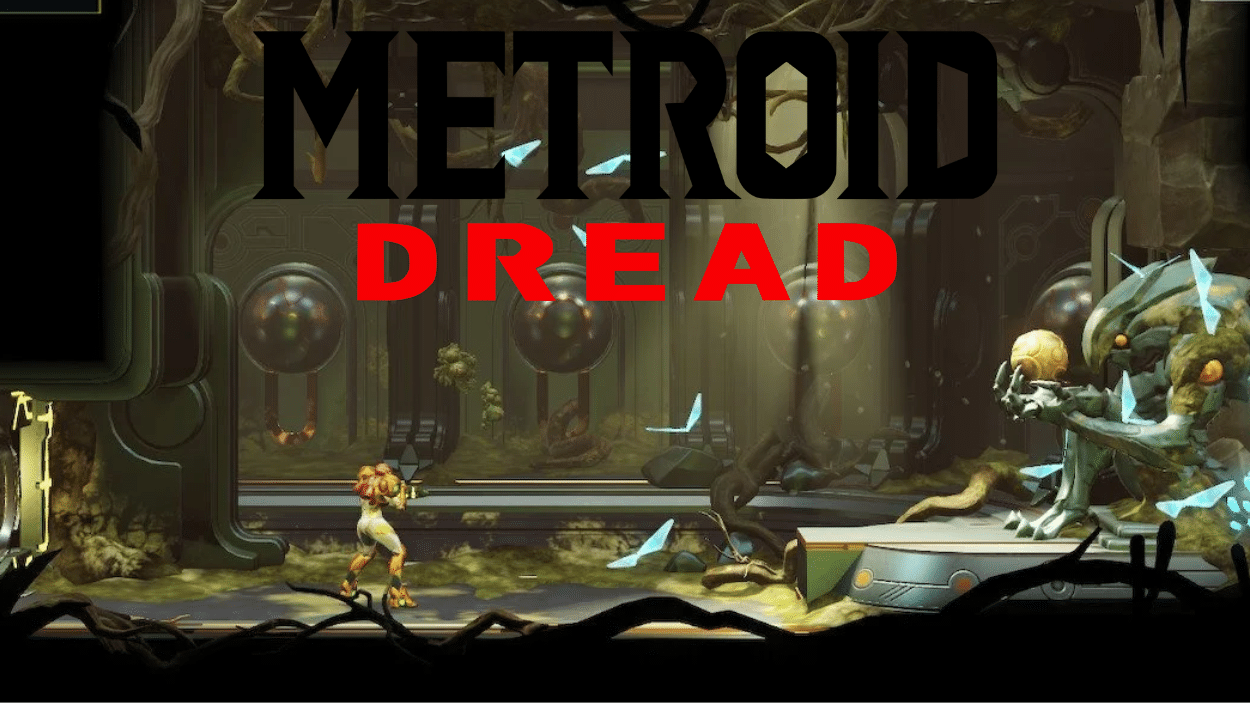
Samus Aran returns to screens, and fans can’t stop talking about it.
This Metroid Dread review gives you the reason why Nintendo’s latest entry has players glued to their Switch consoles.
The game delivers something fresh, a side-scrolling experience that feels both familiar and terrifyingly new. Dangerous E.M.M.I. robots hunt players through every corridor, creating tension that keeps hearts racing.
But the real question is, does Metroid Dread live up to decades of hype? The answer might surprise longtime fans and newcomers alike.
This review breaks down gameplay, story, and what makes this title worth your time.
Story and Setting – The Return of Samus Aran
Samus Aran heads to planet ZDR after receiving a mysterious transmission.
The Galactic Federation sent seven E.M.M.I. robots to investigate, but they all went silent. Now she’s alone on an alien world, and something feels wrong from the start.
The story picks up after Metroid Fusion, making it a direct sequel. Players who remember Samus’s past encounters will catch familiar threads woven throughout. But newcomers can jump right in without feeling lost.
ZDR itself is a character. Underground facilities hide secrets in every corner. Ancient Chozo technology lines the walls, telling stories of civilizations long gone.
The atmosphere shifts between sterile research labs and overgrown caverns. Each area feels distinct and memorable
Metroid Dread Review – Thrilling Mechanics and Intense Challenges
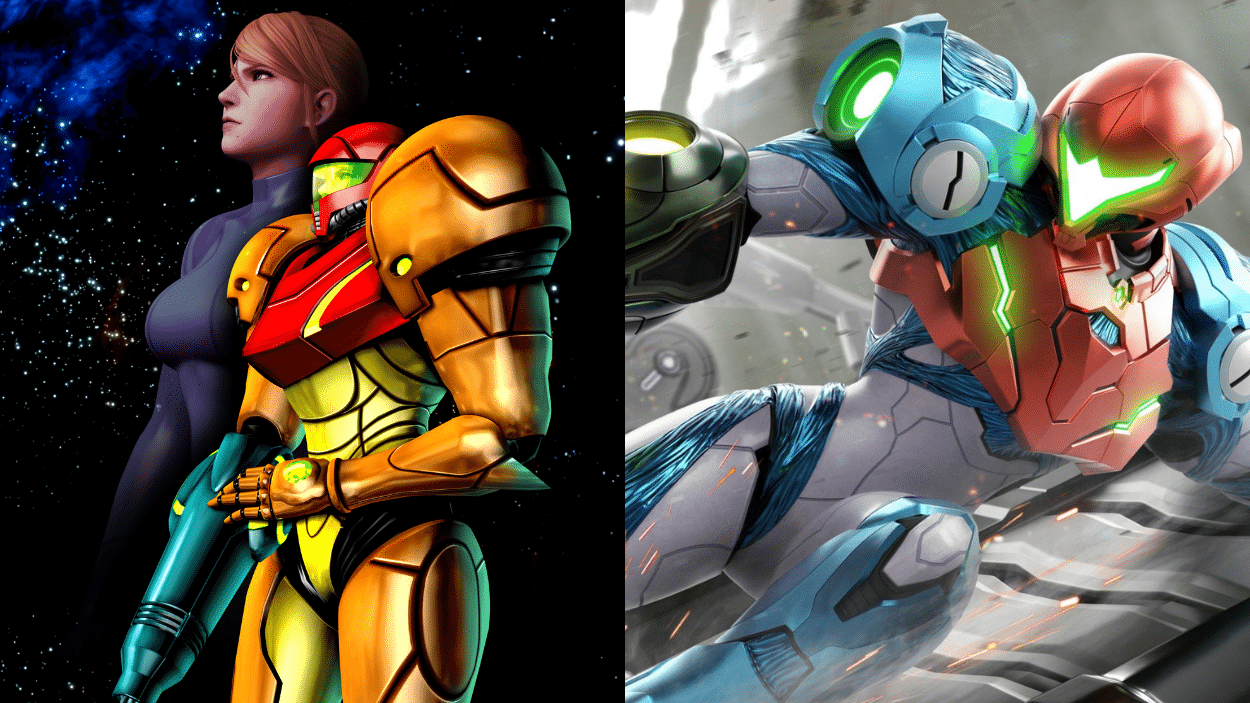
Metroid Dread doesn’t hold your hand. The game throws players into situations that demand quick thinking and even quicker reflexes.
1. Combat System and Controls
The combat feels tight and responsive. Samus moves exactly how you’d expect, with no lag between button presses and on-screen action. Aiming works smoothly in all directions.
Key combat features include:
- Melee counters that open enemies to devastating attacks
- Multiple beam weapons that can be switched instantly
- Missile barrages for tougher foes
- Free aim while running or jumping
Mastering the counter timing changes everything. It turns defensive moments into offensive opportunities.
2. The E.M.M.I. Encounters
These relentless robots create the game’s most tense moments. They patrol specific zones, and you can’t defeat them with standard weapons. Running is your only option.
Each E.M.M.I. encounter feels different:
- Some move faster than others
- Different patrol patterns keep you guessing
- Audio cues warn when they’re nearby
- One-hit kills if they catch you
The anxiety builds as footsteps echo closer. Your palms sweat. Then you spot an exit and make a desperate dash for safety.
3. Expedition and Backtracking
The map sprawls across multiple interconnected zones. New abilities unlock previously blocked paths, encouraging players to revisit old areas. Finding hidden upgrades rewards curious explorers.
Navigation elements:
- Color-coded doors show which weapons open them
- Map markers help track unexplored rooms
- Teleport stations speed up long-distance travel
- Sequence breaks let skilled players skip intended routes
The world design respects player intelligence. It hints at secrets without spelling everything out. You’ll want to check every suspicious wall.
Graphics and Visuals – Stunning on the Switch
The visuals impress from the opening sequence. Samus’s armor gleams with realistic reflections, and environments burst with color. The Switch hardware handles everything smoothly, even during chaotic boss fights.
Each zone has its own visual identity. Lava-filled caverns glow red and orange. Ice regions sparkle with frozen crystals.
Underground labs feel cold and sterile. The variety keeps things fresh throughout the playthrough.
Character animations deserve special mention. Samus moves with fluid grace, doesn’t matter if she’s running, jumping, or firing weapons. Enemy designs range from small creatures to massive bosses that fill the screen.
The frame rate stays consistent at 60 frames per second. This matters during fast-paced E.M.M.I. chases where split-second reactions mean survival.
No stuttering or slowdown interrupts the action.
Audio and Sound Design – Building Tension
Sound plays a crucial role in creating atmosphere. The audio design works hand in hand with visuals to keep players on edge throughout the experience.
- E.M.M.I. Audio Cues: The metallic footsteps of these robots send chills down your spine. You hear them before you see them. The sound grows louder as they get closer, building panic with every step.
- Musical Score: The soundtrack knows when to stay quiet and when to swell. Boss battles get intense orchestral themes.
- Environmental Sounds: Dripping water, crackling fire, and humming machinery bring ZDR to life. Each area has distinct audio that perfectly matches its visual theme.
- Combat Feedback: Weapon sounds pack a punch. The satisfying boom of missiles landing hits just right. Every Metroid Dread review mentions how good the audio design feels during intense fights.
- Silence as a Tool: Sometimes the game goes completely quiet. These moments hit hardest right before something terrible happens. The silence itself becomes a warning sign.
Final Rating
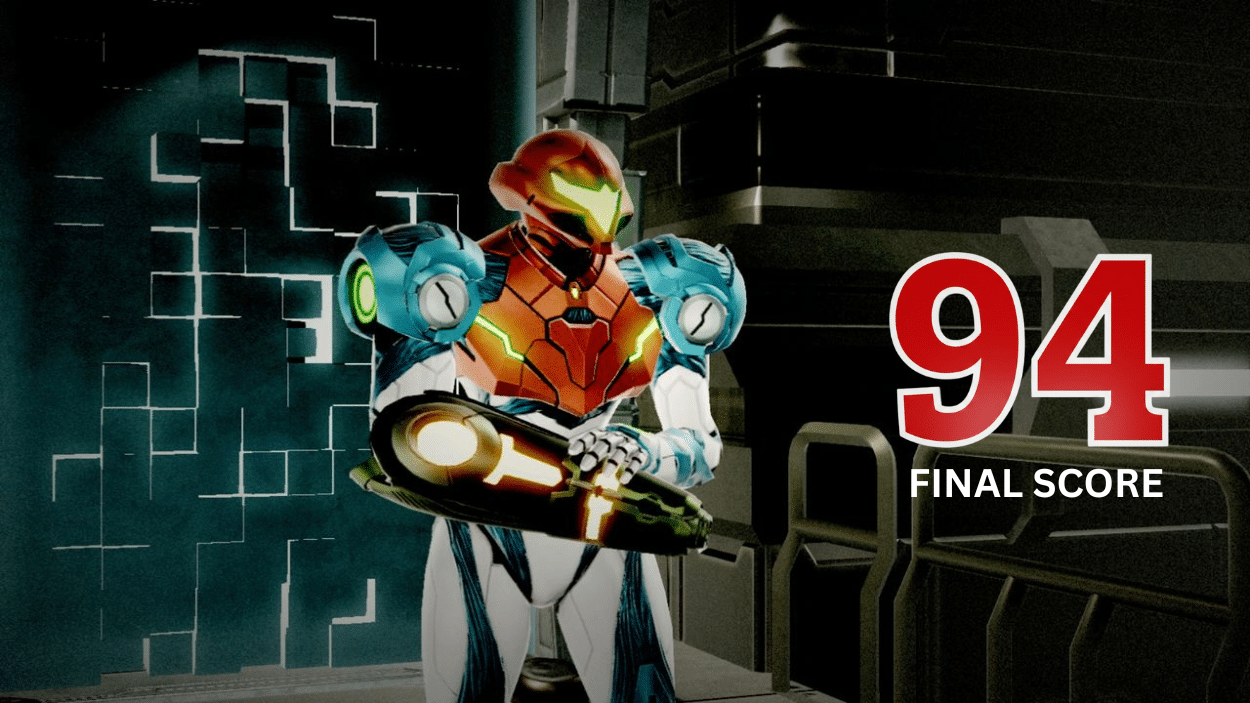
Conclusion – A Must-Play Game
Metroid Dread proves that classic formulas still work when executed well.
The game respects your time while challenging your skills at every turn. Samus’s latest outing delivers white-knuckle moments that stay with you long after the credits roll.
This Metroid Dread review barely scratches the surface of what makes the game special. Boss fights, power-ups, and secret areas all deserve their own discussion. But here’s what matters most: it’s fun.
If you own a Switch and enjoy action games, this one belongs in your library.
Give it a shot. You won’t regret the experience.