
Roguelikes have a reputation for being punishing. Die, lose everything, start over. It sounds like a bad deal until you play one that clicks, and suddenly you’ve lost four hours without noticing.
The genre has exploded in the last few years. There are more options than ever, and that makes choosing harder, not easier.
This list cuts through the noise. It covers the best roguelike games available right now, what makes each one worth your time, who each one is built for, and where you can play it.
I keep a running spreadsheet of everything I finish, so the ranking below comes from actual hours played, not a quick scroll through store pages.
What Makes a Roguelike Worth Your Time (And What to Ignore)
Games that last for hundreds of runs usually get two things right: build variety and run variety.
- Procedural generation and permadeath are only the starting point. Almost every roguelike has them. The difference comes from what the game does with those systems.
- Building diversity means having multiple ways to approach a run. The best games let you win with different strategies, and each attempt teaches you something new.
- Run variance is about how different each attempt feels. If your third run plays the same as your first, the game has already shown you most of what it offers.
Both matter. When a game has strong builds and unpredictable runs, replayability stays high. If one is weaker, the other has to do more work.
Some games make up for fewer build options with excellent combat or movement. A tight gameplay loop can keep you coming back even when the strategy is simpler.
One thing to know before starting: traditional roguelikes usually have turn-based, grid-based movement and no permanent upgrades between runs.
Roguelites use the same run-and-die structure but allow some progress to carry over. This list includes both, and each game is labeled.
The Best Roguelikes and Roguelites Right Now
These aren’t ranked by review score or Steam rating. They’re ranked by how well they hold up across playstyles, experience levels, and the kind of replayability that actually keeps you coming back.
Each entry notes genre (roguelike or roguelite) and where you can play it.
1. Hades II
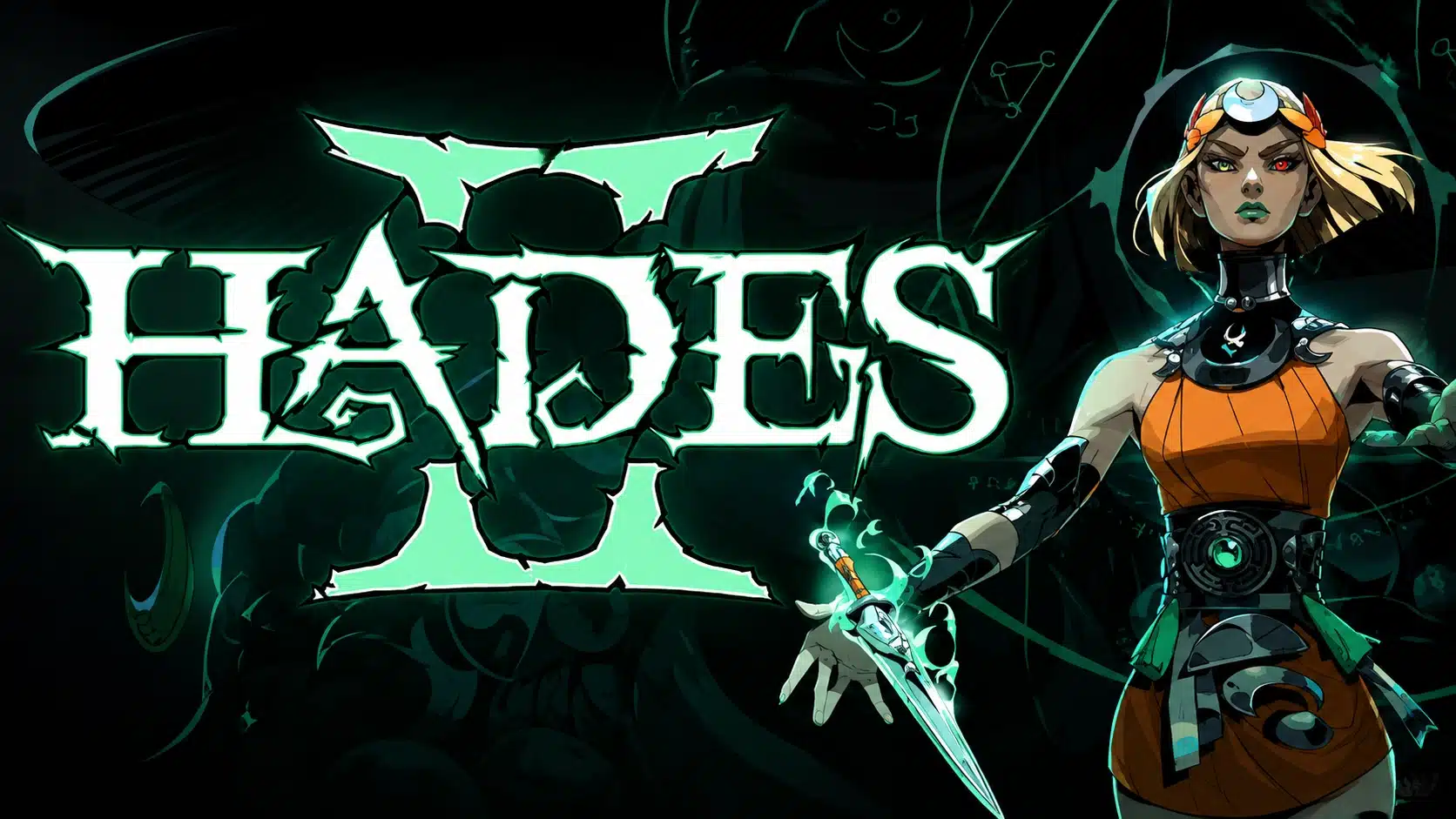
Roguelite | PC, PS5, Xbox
Hades II does something most action roguelites don’t: it makes the story a reason to keep running, not just the gameplay loop.
Every failed run moves a conversation forward. A relationship deepens, a detail shifts. You’re not just grinding for a better build; you’re actually finding out what happens next.
The build variety is exceptional. Boons from different gods interact in ways that take dozens of runs to understand fully. You’ll find combinations that feel broken, then find something better.
Difficulty scales in a way that respects your time. Early runs are forgiving enough to learn. Later runs have enough resistance to stay interesting long after you’ve seen the basics.
If you only play one game from this list, make it this one.
2. Slay the Spire
Roguelike | PC, Switch, PS4/PS5, Xbox, Mobile
Slay the Spire set the template for deckbuilding roguelikes, and nothing since has fully displaced it.
Each run gives you a character, a starting deck, and a branching map of encounters. You draft cards as you go, building toward a strategy that either comes together or collapses under pressure.
The depth comes from tension between consistency and power. A reliable deck beats most things. A synergistic deck beats everything, until it doesn’t, and you learn exactly why.
Four characters, each playing completely differently. Hundreds of cards. The runs never feel identical because the decisions compound in ways that are genuinely hard to predict.
3. Balatro
Roguelite | PC, Switch, PS4/PS5, Xbox, Mobile
Balatro looks like a poker game. It isn’t, really.
You’re building a deck, finding jokers that modify your scoring, and constructing combinations that eventually produce numbers so absurd they feel illegal. The poker framing is just the skeleton.
What makes it work is how quickly a run escalates. Early hands feel measured. By the midpoint, one good joker chain can rewrite the entire strategy you thought you were building.
It’s one of the most accessible games on this list. Short runs, clear feedback, and a loop that clicks within the first hour. It also has one of the highest ceilings once you understand what’s actually possible.
4. Dead Cells
Roguelite | PC, Switch, PS4/PS5, Xbox, Mobile
Dead Cells is a platformer first and a roguelite second, and that order matters.
The movement is precise. Combat has weight. Landing a parry or chaining a kill streak feels good in a way that’s independent of what build you’re running. That execution loop is what keeps runs interesting even when the build isn’t coming together.
Build diversity is real, but not the main draw. Weapons have distinct behaviors, and some combinations create meaningful synergies.
The real hook is mastery, getting good enough that the game’s hardest difficulty stops feeling impossible.
Four paid expansions have grown the game well past its launch state, capped off by Return to Castlevania, a crossover that hands you Richter’s whip and drops you into Dracula’s own castle for a new storyline and two biomes.
Our full Dead Cells review gets into how each expansion changed the way runs play out.
5. The Binding of Isaac: Rebirth
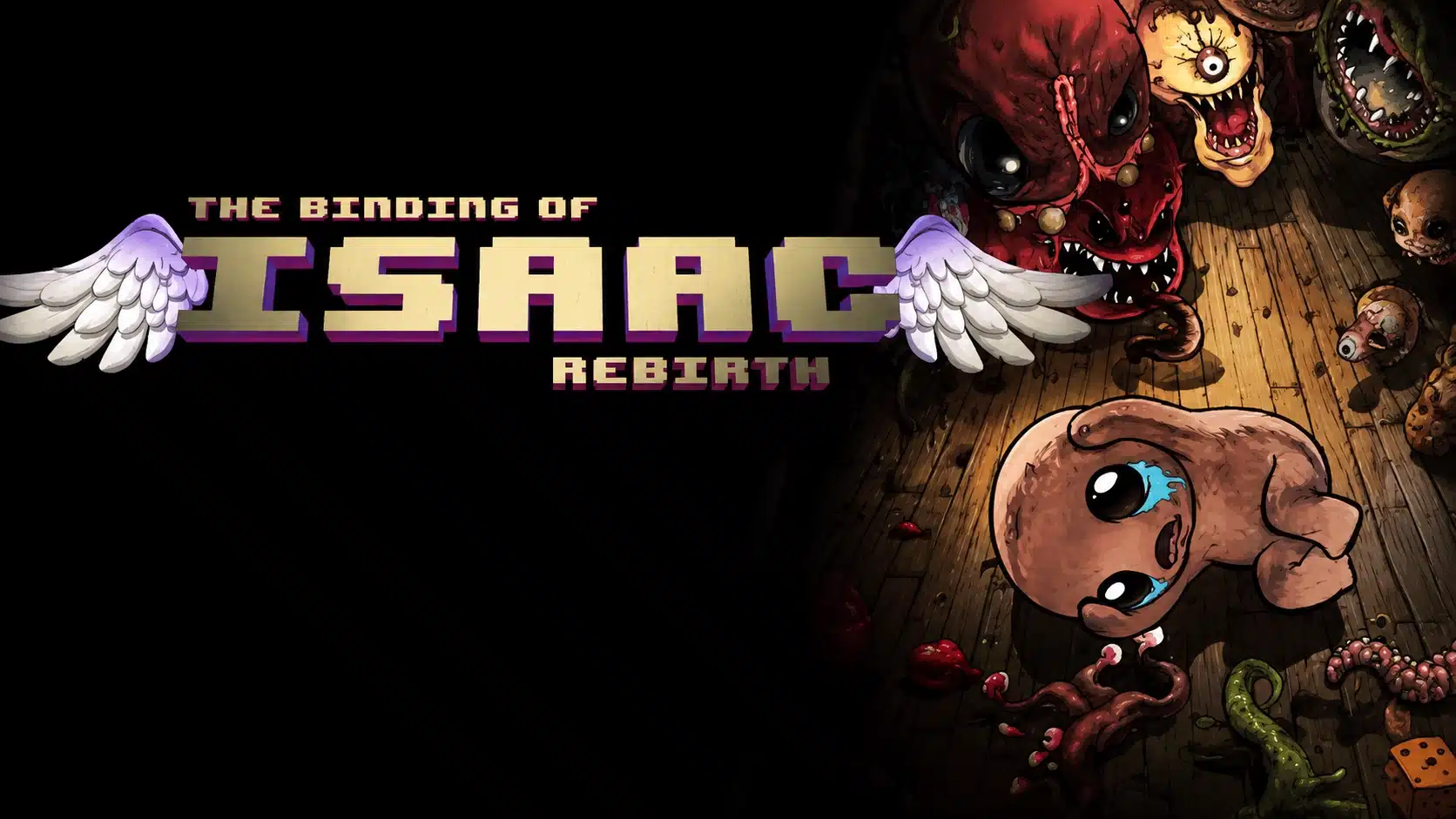
Roguelike | PC, Switch, PS4/PS5, Xbox
Nothing on this list matches The Binding of Isaac for range, strangeness, or depth.
Runs are built from item combinations that interact in ways the game never explains. Finding a combination that transforms your character into something absurd is the entire point.
Some of those combinations take hundreds of hours to encounter. The difficulty is real, and the tone is deliberately unsettling. This is not a gentle entry point.
It rewards players who want to go deep, who are willing to lose repeatedly in exchange for eventually understanding a system of enormous complexity.
6. Vampire Survivors

Roguelite | PC, Switch, PS4/PS5, Xbox, Mobile
Vampire Survivors has almost no build complexity. That’s a deliberate design choice.
You pick a character, choose upgrades as they appear, and survive increasingly overwhelming enemy waves. The decisions are simple.
The execution loop is relentless and satisfying in a way that’s hard to explain until you’ve played it.
It’s the clearest example of an execution-first game on this list: low strategic depth, extremely high moment-to-moment engagement. Runs are short. The feedback loop is immediate.
It’s also the best entry point on this list for someone who has never played a roguelite before.
7. Risk of Rain 2
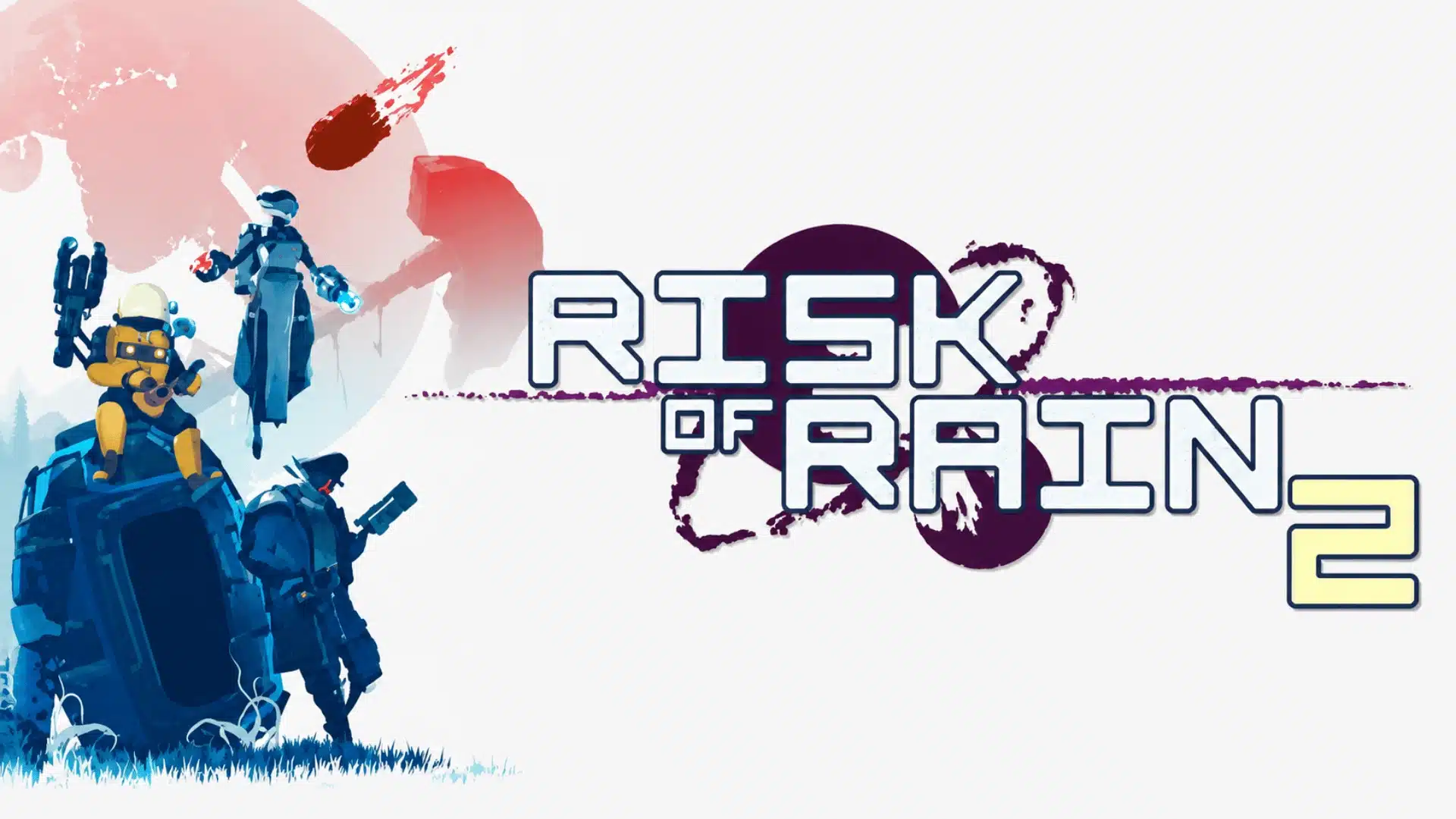
Roguelite | PC, PS4/PS5, Xbox, Switch
Risk of Rain 2 is built around escalation. You start manageable. You end up overwhelmed, or you die trying to get there.
Items stack and interact across a run. A single item that barely moved the needle early becomes a core part of your identity by the final stage.
The scaling is aggressive, and learning to ride it rather than fight it is most of the skill. It plays well solo and exceptionally well in co-op.
The 3D third-person format sets it apart from everything else on this list. If you want something that feels more like an action game than a strategy puzzle, this is the pick.
8. Spelunky 2
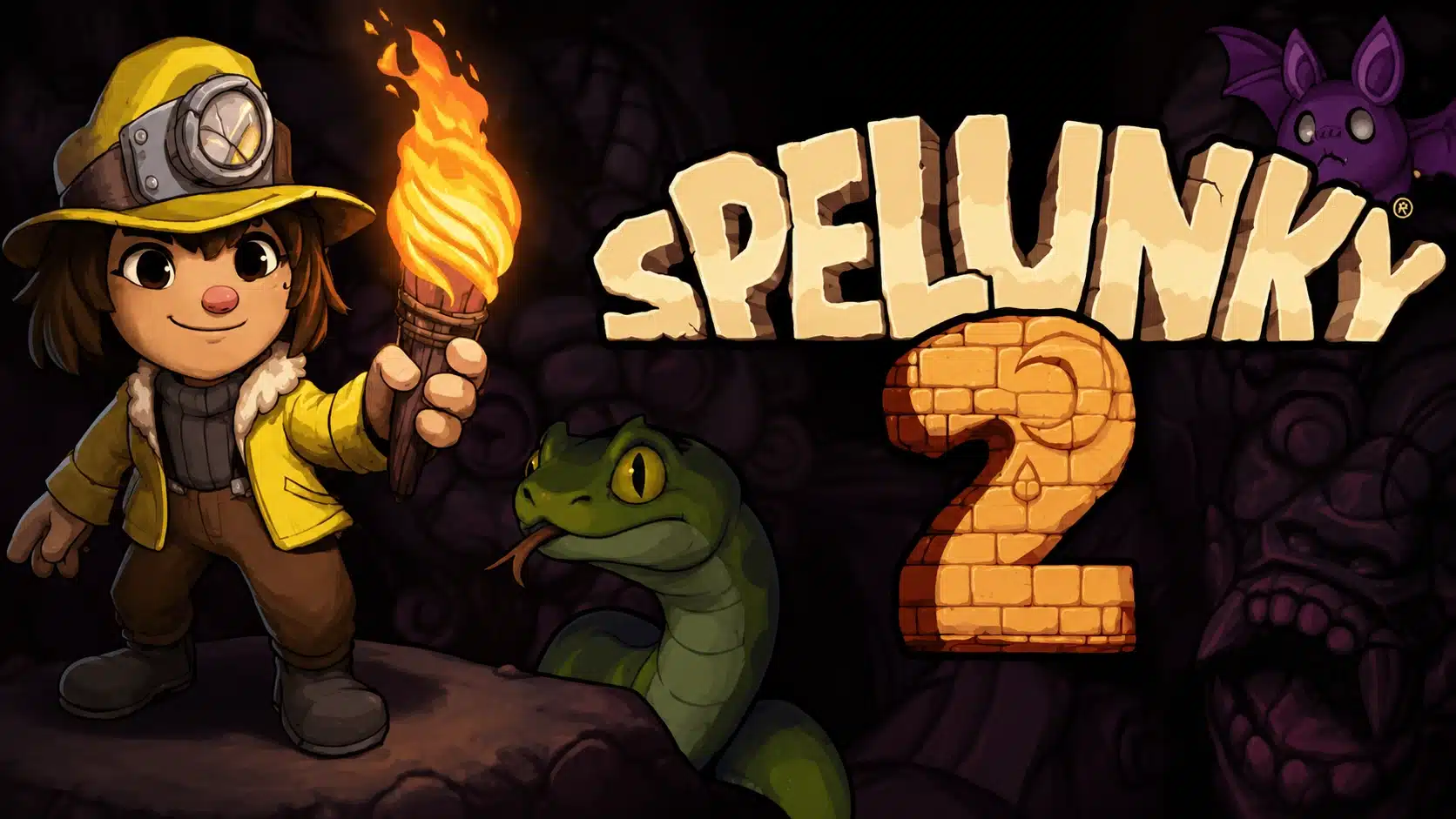
Roguelike | PC, PS4/PS5
Spelunky 2 is a game about learning through repetition, with no build system to fall back on.
There are no persistent upgrades. No permanent unlocks that make future runs easier.
Each run starts from the same place, and progress comes entirely from understanding the game better than you did before. The world is dense with systems that interact in ways that take serious time to uncover.
Hidden paths, secret areas, and emergent interactions between enemies and objects create situations the game never scripted.
It’s the purest roguelike on this list, and the most demanding. If the idea of winning through mastery rather than progression appeals to you, nothing else comes close.
9. Dicey Dungeons
Roguelite | PC, Switch, Mobile
Dicey Dungeons doesn’t get the recognition it deserves.
Each character uses dice differently. The witch spells out words. The inventor builds gadgets from equipment. The jester’s deck changes every episode.
The mechanical variety between characters is wider than most games manage with double the budget.
Runs are short, the difficulty is fair, and the constraint-based design, everything filtered through what your dice allow, creates genuine decision tension without overwhelming complexity.
It goes on sale regularly for a few dollars. At that price, it’s an easy recommendation for anyone who wants something distinct.
10. The Rogue Prince of Persia
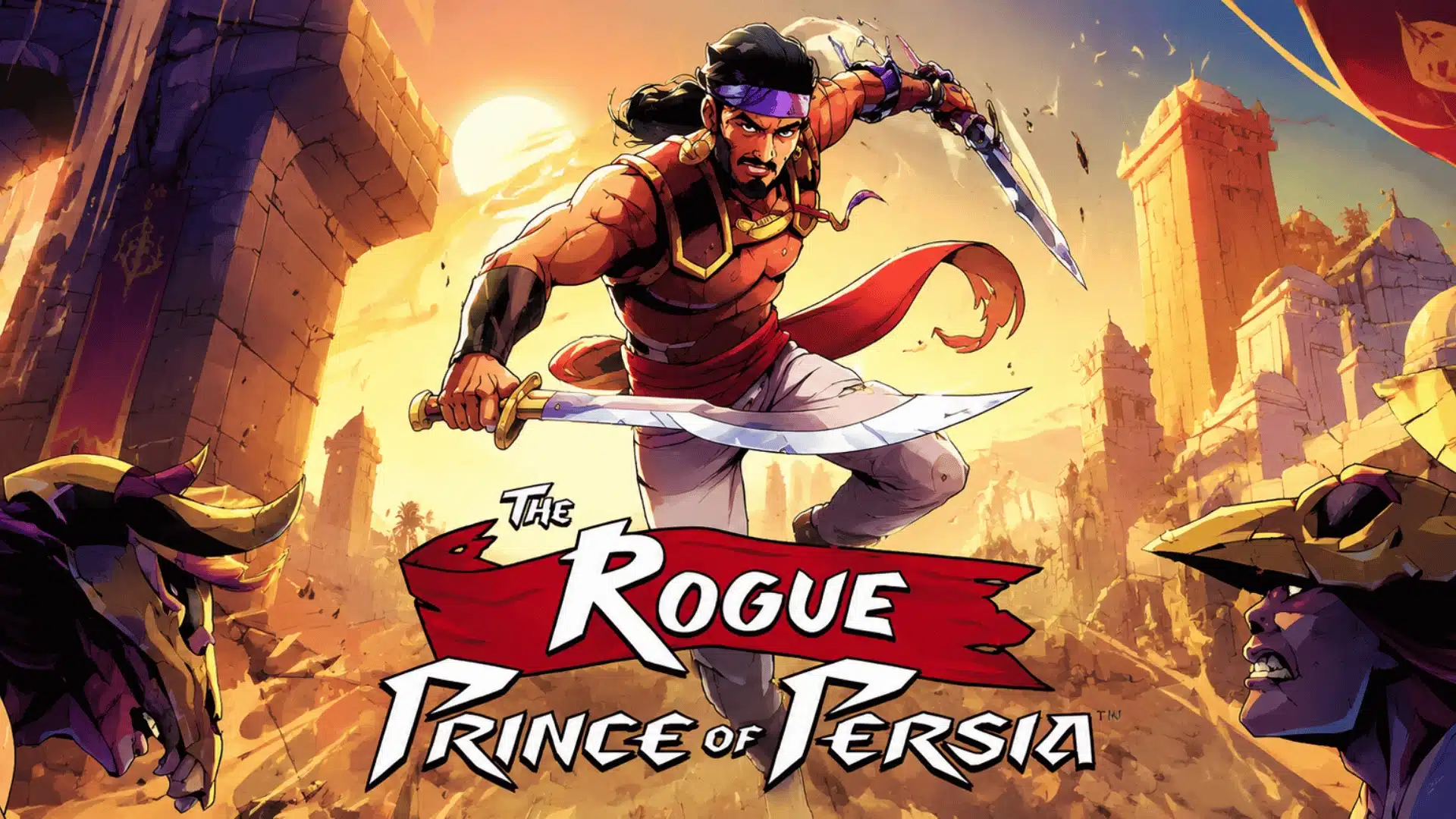
Roguelite | PC (Early Access)
The Rogue Prince of Persia left Early Access in August 2025 with a full 1.0 release on PC, PlayStation, and Xbox, followed by a Nintendo Switch launch that December.
The launch update added two new biomes, a final boss, and the closing story act, so this is a finished game now, not a work in progress.
What’s there is solid. The movement system is fluid, the combat has a rhythm, and the build variety is already deep enough to support meaningfully different runs.
The Prince of Persia aesthetic gives it a visual identity that stands out in a crowded genre.
Evil Empire has confirmed free content updates through 2026, so there’s more coming even though the core game is complete.
11. Enter the Gungeon

Roguelike | PC, Switch, PS4/PS5, Xbox
Learning enemy patterns is most of the game in Enter the Gungeon, and everything else builds from there.
Each attempt sends you through a changing dungeon filled with enemies, traps, and hundreds of weapons. You start with basic gear and build your setup as you go, hoping to survive long enough to reach the end.
The variety comes from its huge mix of guns and items. Some combinations completely change how you play, while others create unpredictable runs that never feel the same.
The combat is the main draw. Dodging bullet patterns, finding openings, and staying calm during chaotic fights make every win feel earned.
Where to Start If You’ve Never Played a Roguelike?
The list above covers the best the genre has to offer. But if you’ve never played a roguelike or roguelite before, “the best” isn’t where you start.
The wrong entry point doesn’t just make the first hour hard; it makes the whole genre feel inaccessible. The right one makes you wonder why you waited.
You want to understand why you died. You want to try again quickly; games that withhold that clarity early on, even brilliant ones, are the wrong door in.
If you prefer action over strategy, Dead Cells is the right call. The movement and combat feel good before you understand the build system, which means you’re having fun while you’re still learning.
Avoid starting with Hades II, Binding of Isaac, or Spelunky 2. All three are exceptional. All three front-load complexity that discourages players before the loop has a chance to click.
Start simple. The deeper games will still be there once the genre makes sense.
Conclusion
The best roguelike games don’t just offer replayability; they offer a different kind of engagement. Every run is a decision tree.
Every loss is information. That’s what keeps players coming back long after other genres have worn out their welcome.
Whether you want deep strategy, tight action, or something you can pick up for twenty minutes, there’s a game on this list for you. The genre is wide enough to fit almost any playstyle.
If you’re new, start with Vampire Survivors or Balatro and work your way up. If you’re already hooked, Hades II and Slay the Spire have more depth than most players ever fully reach.
The only bad move is picking nothing. Start somewhere; the right game is on this list.
Which game are you planning to buy & begin? Tell us in the comments below.
Frequently Asked Questions
What is the Best Roguelike Game Right Now?
Hades II leads the field for most players. It combines deep build variety, strong narrative, and run pacing that stays engaging well past the first dozen hours.
Available on PC, PS5, and Xbox. For deckbuilder fans, Slay the Spire remains the standard despite its age.
What’s the Difference Between a Roguelike and a Roguelite?
Traditional roguelikes use turn-based, grid-based movement with strict permadeath and no persistent upgrades between runs.
Roguelites borrow the run-and-die loop but let you keep some progress. Most popular titles today, Hades II, Dead Cells, and Vampire Survivors, are roguelites.
What are the Best Roguelikes on Switch?
Dead Cells, Slay the Spire, Vampire Survivors, and Dicey Dungeons are all strong Switch picks. The original Hades is also available and remains one of the best games on the platform regardless of genre.
Are Roguelikes Good for Beginners?
Yes, with the right starting point. Vampire Survivors and Balatro have short runs and gentle difficulty curves.
Avoid starting with Binding of Isaac or Spelunky 2; both punish players who haven’t learned their systems, and that learning takes time.