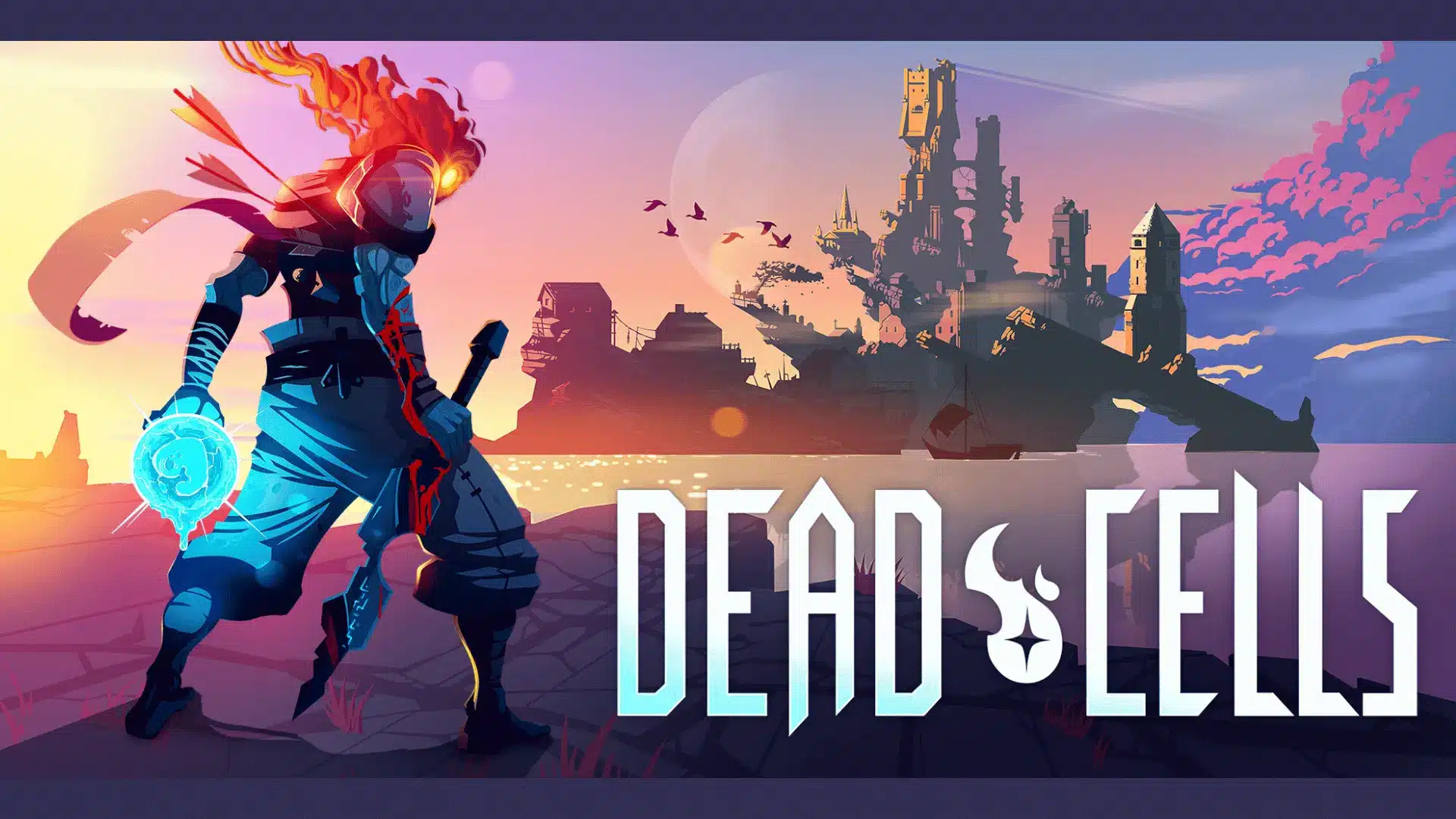
Most games make their first impression quickly, but Dead Cells takes a different path by making players earn every victory. I started my run expecting a simple action game, but soon found a system built around skill, patience, and constant improvement.
This Dead Cells review looks at the combat, progression, difficulty, and replayability to see what makes the game special and where it may test your patience.
With fast fights, evolving builds, and challenging runs, the game creates a unique rhythm that keeps players coming back for another attempt.
I wanted to understand why so many players still recommend it years after its release.
Dead Cells Review: What Kind of Game Is It?
Dead Cells is a roguelite action platformer that combines fast-paced combat with Metroidvania-inspired design. While many players describe it as a “roguevania,” it plays differently from games like Hollow Knight or Metroid.
Instead of exploring one persistent world, each run features procedurally generated layouts, enemy placements, and loot. Permanent runes unlock new areas and paths that become available in future runs, but every death resets the world and starts a fresh attempt.
The Metroidvania influence comes from its interconnected biomes, ability-based progression, and environmental storytelling, while the core gameplay focuses on improving through repeated runs.
I expected a traditional exploration game at first, but once I embraced its roguelite structure, everything clicked.
How Does the Combat and Progression Loop Actually Work?
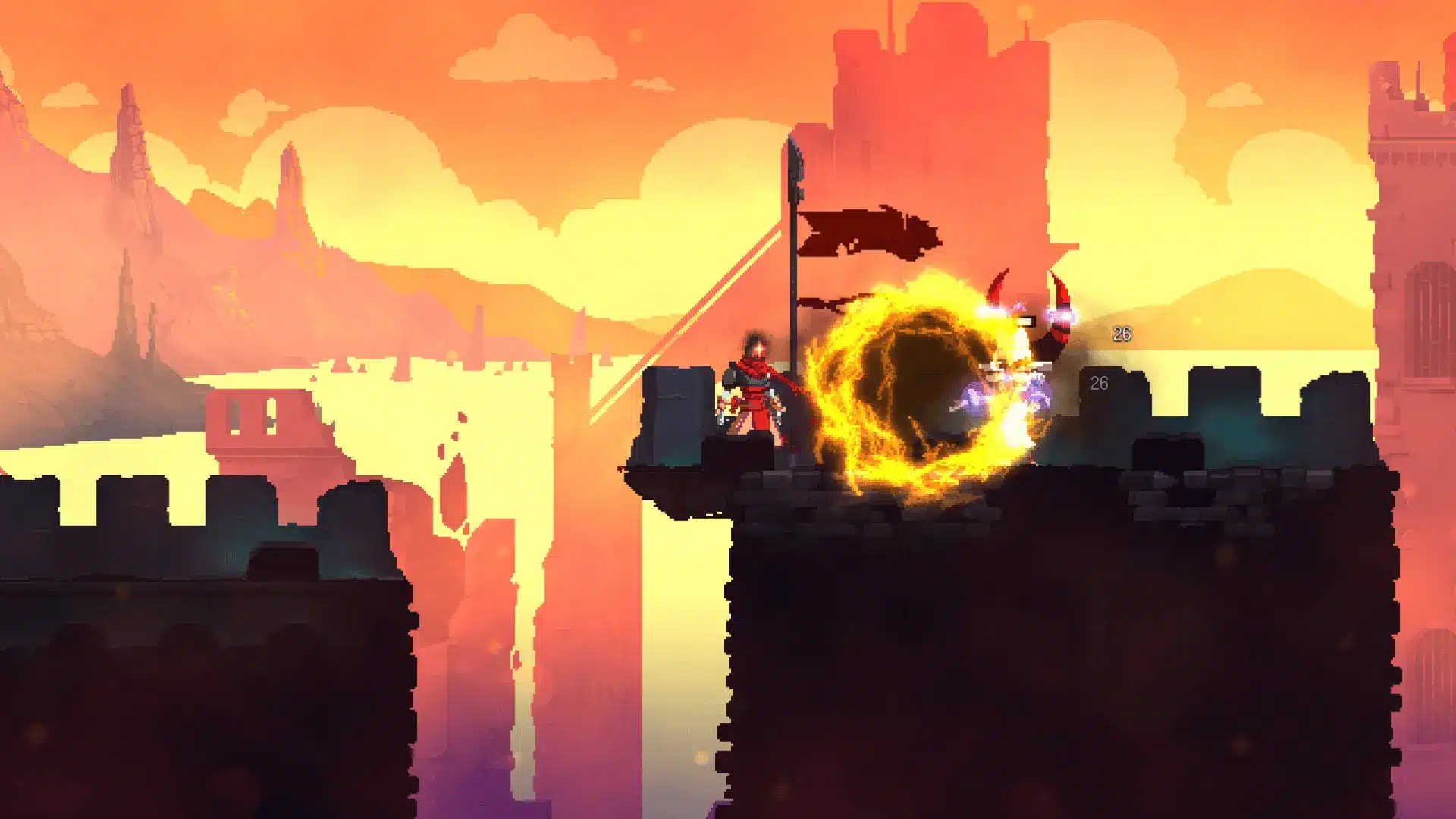
In Dead Cells, combat and progression are designed to work together. Enemies can drop Cells during a run, which are used to unlock permanent upgrades between attempts, while blueprints allow you to unlock new items for future runs.
The combat is fast and real-time. Standing still gets you killed quickly.
The game rewards precise timing through shield parries, a generous roll dodge with invincibility frames, and smart use of weapons and abilities. You are not meant to play passively. Staying mobile and understanding enemy patterns are key to surviving.
Cells collected during runs are spent with the Collector to unlock new weapons, mutations, and permanent upgrades. Scrolls are found throughout each biome and increase your stats during that run.
Blueprints work differently; after unlocking them with the Collector, they become available in future runs. Even a short, failed run leaves something behind.
I spent my first few hours playing cautiously, but once I started taking risks, the system began to make sense.
What Happens When You Die?
Dying in Dead Cells ends your current run. You lose the weapons, gear, gold, Cells you were carrying, and other progress earned during that attempt.
However, permanent rune abilities, upgrades unlocked through the Collector, and blueprints you’ve successfully unlocked stay with you forever. Even if a run ends early, it still contributes to your long-term progress.
That makes every attempt feel worthwhile despite the setbacks.
How do Builds Come Together Mid-Run?
Builds in Dead Cells come together as you find new weapons, scrolls, and mutations during each run. Most weapons scale with Brutality, Tactics, or Survival, so focusing on one stat usually creates the strongest build.
Mutations add passive bonuses that improve damage, healing, parries, or status effects. Since every run offers different gear, adapting your build to what you find is an important part of the experience.
How Difficult is Dead Cells, and is that Difficulty Fair?
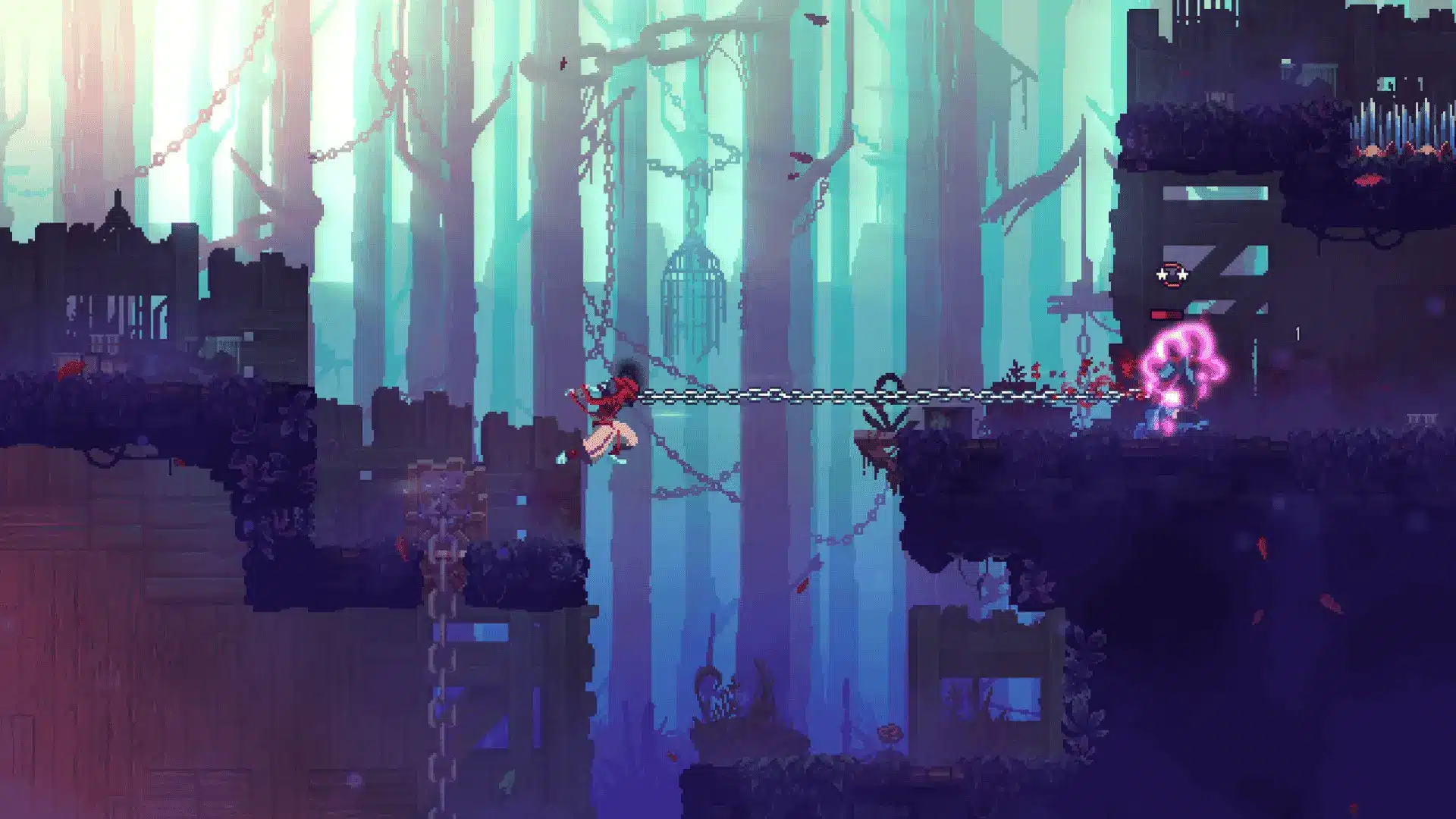
Dead Cells is challenging, but most of its difficulty feels fair because enemies have clear attack patterns and bosses reward learning rather than luck.
Early on, the game offers very little guidance, so repeated deaths can feel frustrating until you begin to recognize enemy behavior and understand how weapons, stats, and mutations work together.
As your knowledge grows, success depends more on smart decisions, timing, and positioning than on quick reflexes alone.
If you enjoyed the fast-paced combat in Hades on Switch, you’ll likely appreciate the challenge here, although Dead Cells places a greater emphasis on mechanical mastery than storytelling.
Higher Boss Stem Cell levels make enemies more punishing and leave far less room for mistakes. These optional challenges are aimed at experienced players.
Who Should Buy Dead Cells?
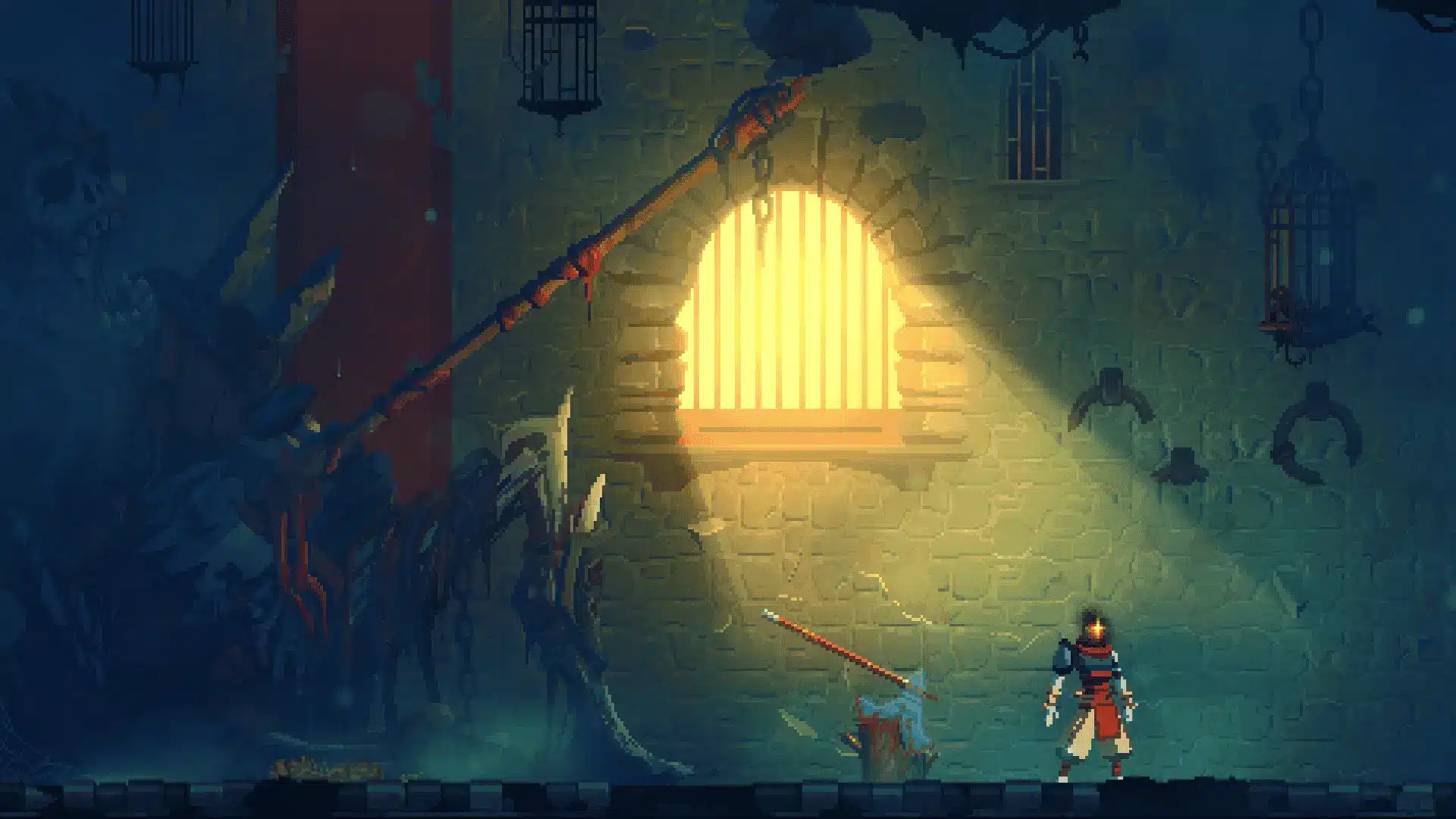
Dead Cells is a great choice for players who enjoy mastering challenging combat through repeated runs instead of following a story-driven adventure.
It rewards patience, experimentation, and learning enemy patterns rather than relying on luck. The game holds a strong 89 Metascore on Metacritic, reflecting its lasting quality and critical acclaim.
The lore is minimal and mostly hidden in item descriptions and environmental details, so the gameplay remains the main focus.
While the base game already offers excellent value, the DLC, including Return to Castlevania, adds new biomes, bosses, and weapons without changing the core roguelite experience.
Wrapping Up
After spending time with the game, I found that Dead Cells succeeds because it rewards learning instead of simply giving players power.
Its fast combat, deep progression, and challenging runs create an experience that feels rewarding for players who enjoy improving over time.
The game may not appeal to everyone, but its strong mechanics and replay value make each attempt meaningful. I think players who enjoy testing their skills will find plenty to enjoy here.
Have you played Dead Cells yet? Share your favorite weapons, builds, or thoughts in the comments below. I would love to know what helped you survive your toughest runs.
Frequently Asked Questions
What makes Dead Cells replayable?
Dead Cells stays replayable because every run varies due to different layouts, weapons, mutations, and build choices. Unlocking new items, reaching new biomes, and increasing Boss Stem Cell difficulty give players new goals even after completing the main path.
How does Dead Cells compare to Hades?
Both are roguelites, but Hades leans on narrative while Dead Cells focuses on mechanical mastery. Dead Cells has a steeper, longer difficulty curve.
How long does a Dead Cells run take?
A single run takes 30–45 minutes. Reaching the first ending takes 10–20 hours. Full completion can push well past 50 hours.
Does Dead Cells have a story?
Minimally. Lore is delivered through environment and item descriptions, not cutscenes. Players who ignore it entirely lose nothing mechanically.