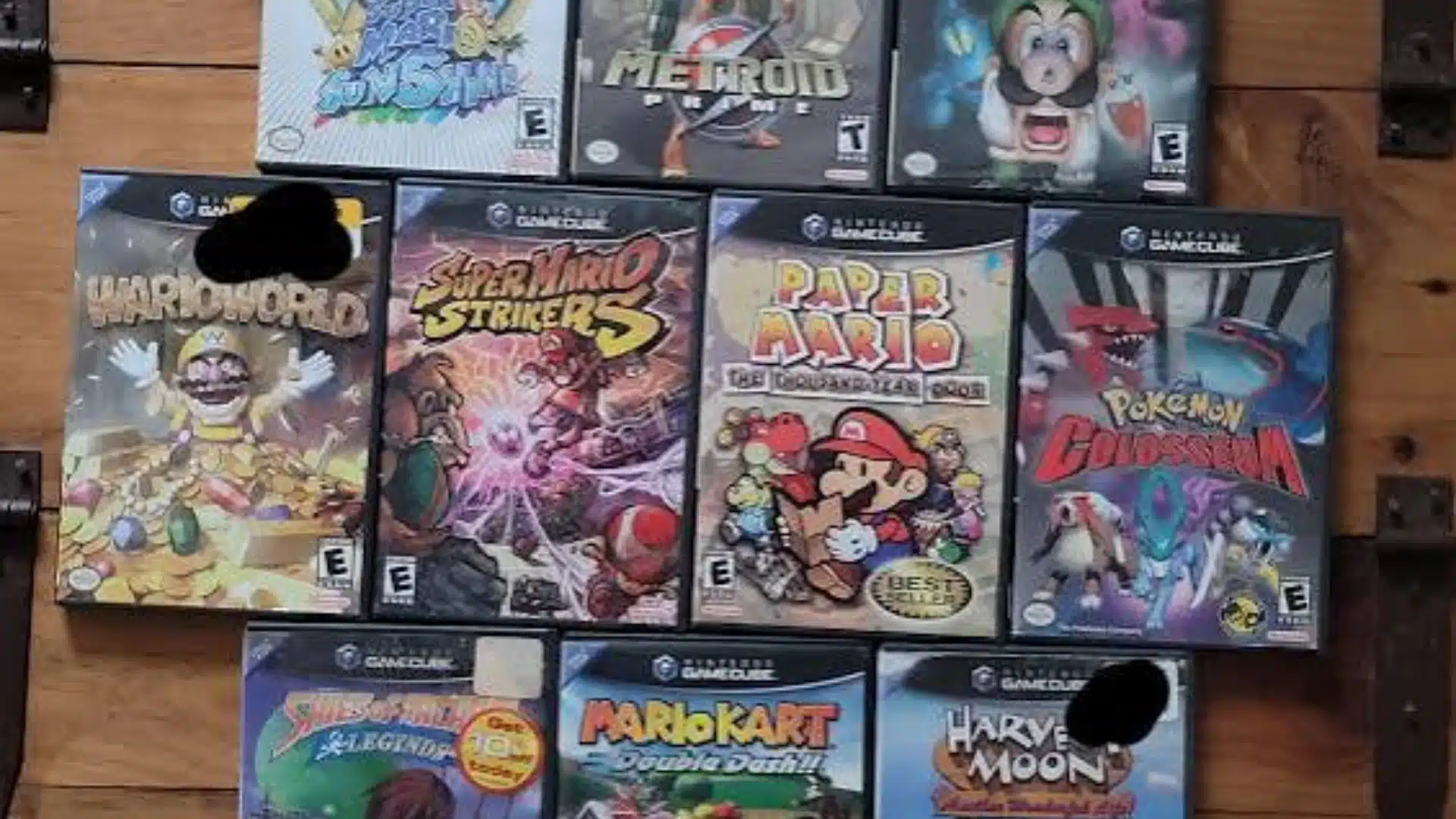
Every console has a reputation. The GameCube’s problem is that it had a small library, and the best of it fits neatly on a top-ten list. That’s only half true.
Unlike Nintendo’s strongest 16-bit games, where the library is defined by sheer depth, the GameCube stands out for having an unusually concentrated lineup of standout titles.
The landmark titles are real, and they’re absolutely worth playing.
But around them sits a wider body of games that most ranked lists never surface; some of which have never been re-released, and some of which are genuinely better than their obscurity suggests.
Here, I will cover the essential titles, the overlooked ones worth finding, and everything you need to know before spending money on a disc, including which games you can already play on your Switch.
What Makes a GameCube Game Worth Playing Today?
The GameCube has one of Nintendo’s strongest game libraries, with plenty of classics that still hold up and several that were never released on other systems.
Not every great game gets the same attention, though. Some are famous landmarks, while others deserve far more recognition.
Availability matters too. A high review score means less if you can already play the game on newer hardware. Twilight Princess, for example, also launched on the Wii, while other GameCube titles remain exclusive.
Every game in this list is judged by how well it holds up on the GameCube and whether you can easily play it elsewhere.
If you want to compare how Nintendo’s earlier console built its legacy, this list of top SNES games shows how deep the 16 bit library became before the GameCube era.
Good GameCube Games (Platform Landmarks)
These are the titles that defined the console, the ones that appear on every credible list for good reason.
But not all of them are GameCube-only anymore, and that matters when you’re deciding whether to hunt down a disc or fire up Dolphin.
1. The Legend of Zelda: The Wind Waker
Released in Japan in 2002 and worldwide in 2003, The Wind Waker introduced a cel-shaded art style that divided opinions at launch but has aged remarkably well over time.
Its vast ocean encourages exploration, while clever dungeons and memorable side quests reward curiosity. The expressive animation and emotional story make it one of Link’s most beloved adventures.
2. Metroid Prime
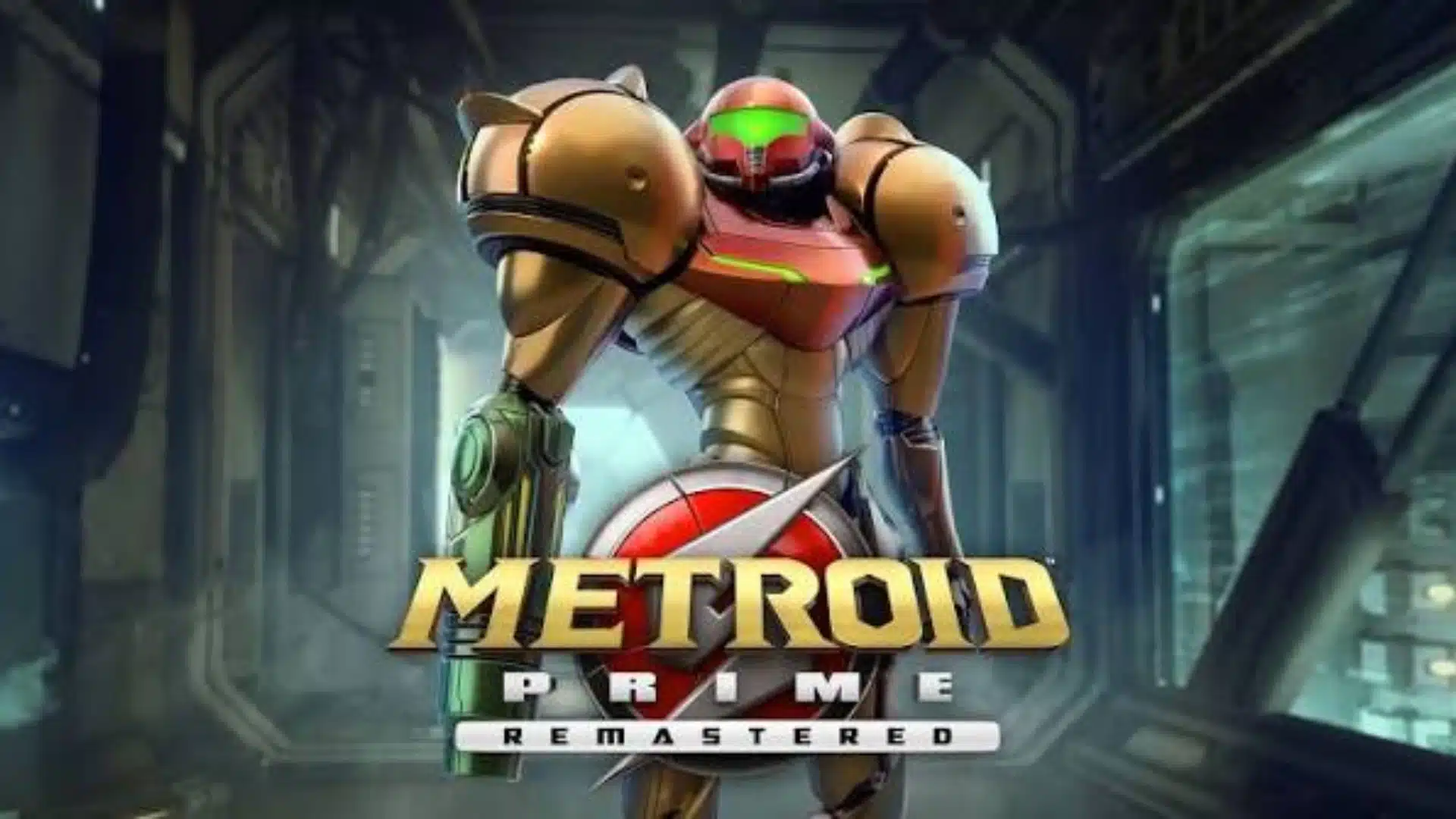
Released in 2002, Metroid Prime successfully transformed Nintendo’s classic side-scrolling series into a first-person adventure without losing its focus on exploration and discovery.
Scanning alien life, uncovering hidden upgrades, and revisiting earlier areas create a rewarding sense of progression. Its atmosphere, music, and level design still rival many modern action-adventure games.
3. Super Smash Bros. Melee
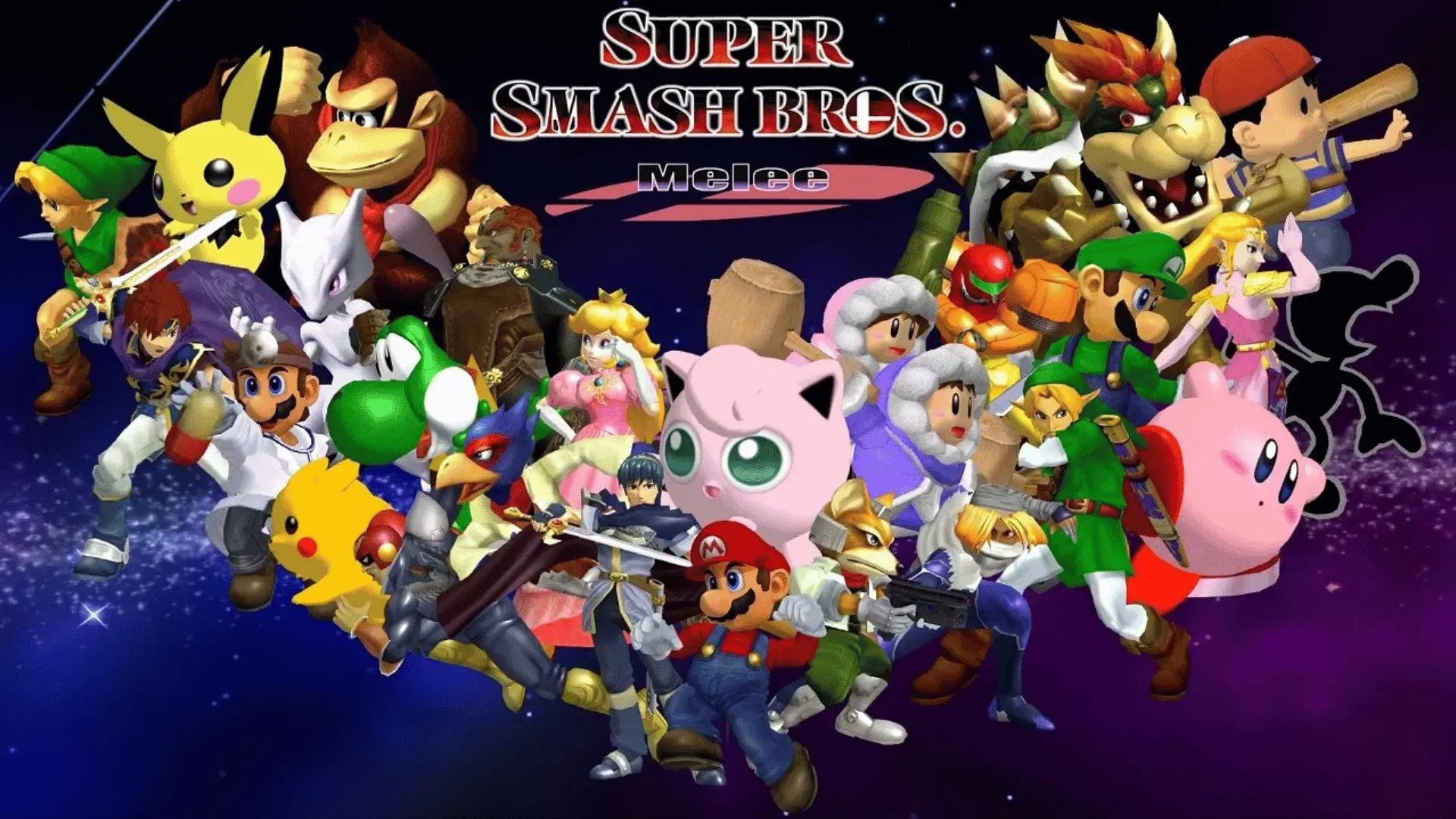
Released in 2001, Super Smash Bros. Melee quickly became one of the GameCube’s biggest hits and remains one of the most influential fighting games ever made.
The fast movement, responsive controls, and varied character roster keep every match exciting. Its deep mechanics continue to support an active competitive community decades after release.
4. Resident Evil 4
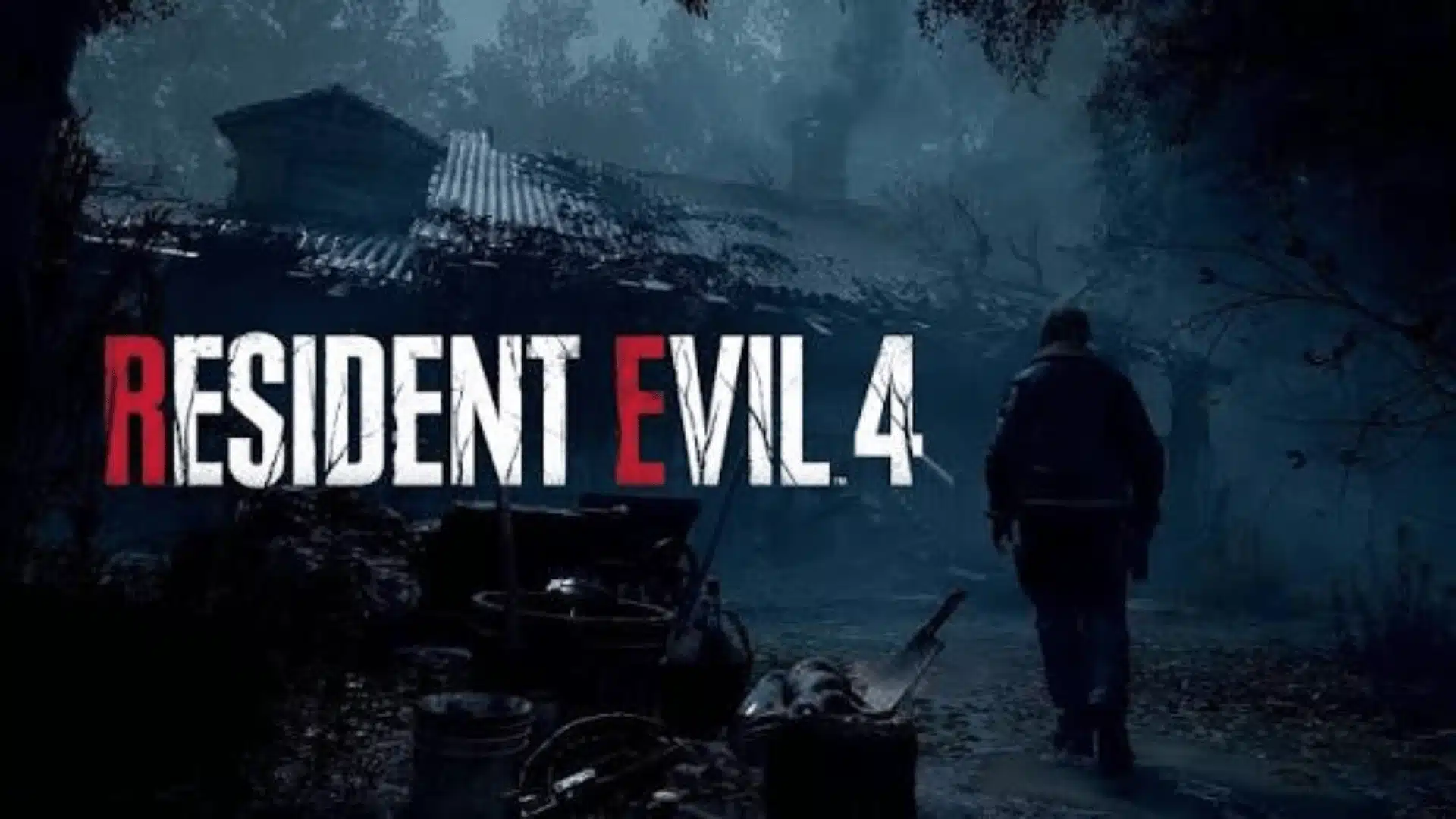
Released on GameCube in 2005, Resident Evil 4 reinvented the survival horror genre with its over-the-shoulder camera and more action-focused gameplay.
Every encounter balances tension with satisfying combat, while memorable enemies and varied locations keep the adventure fresh.
It remains one of the most influential games ever created.
5. Paper Mario: The Thousand-Year Door
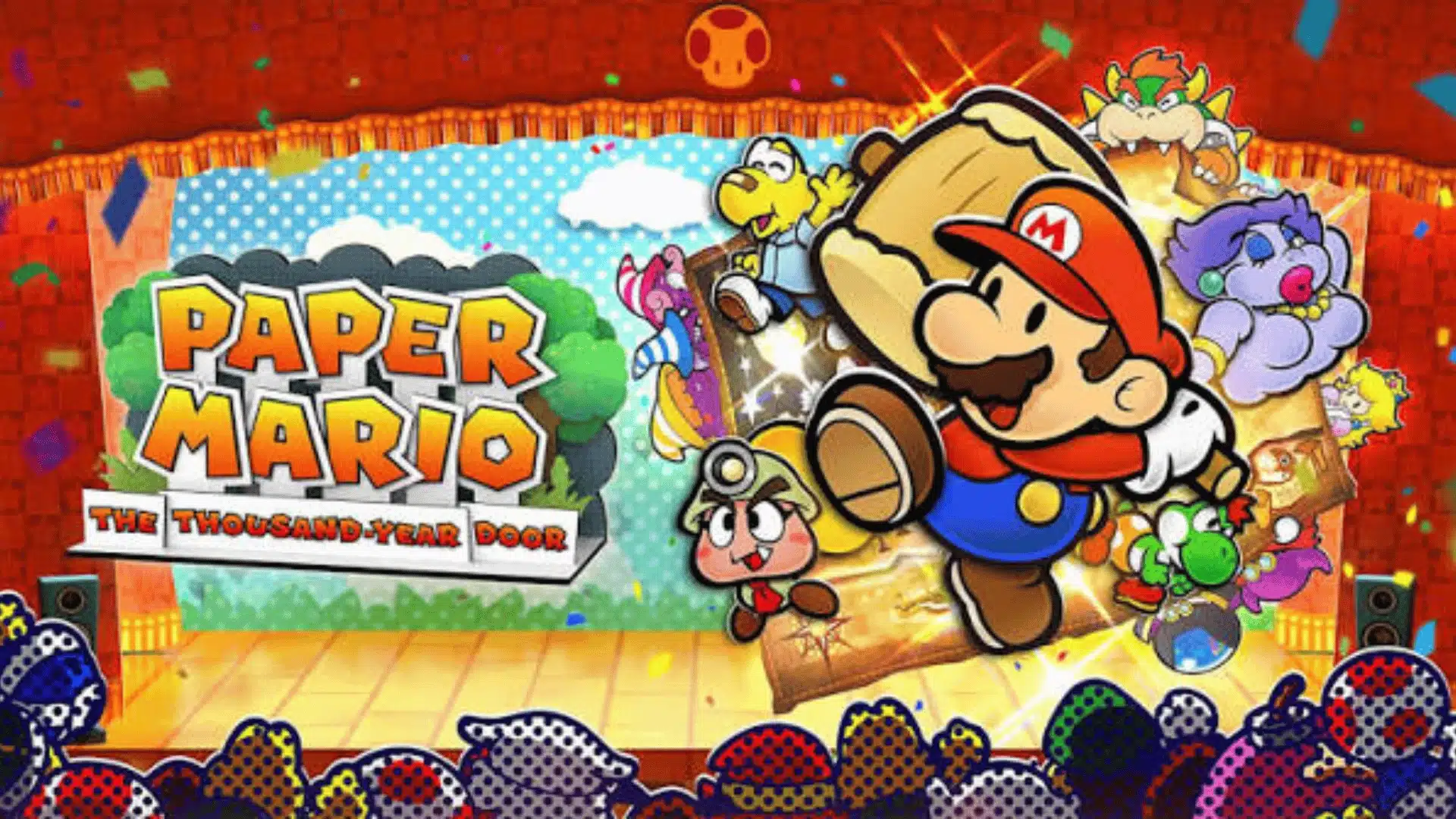
Released in 2004, this role-playing adventure blends turn-based battles with clever writing, colorful characters, and a distinctive paper-inspired visual style.
Timing attacks during battles keeps combat engaging instead of repetitive. Funny dialogue, creative locations, and memorable companions make it one of Nintendo’s finest RPGs.
6. Mario Kart: Double Dash!!
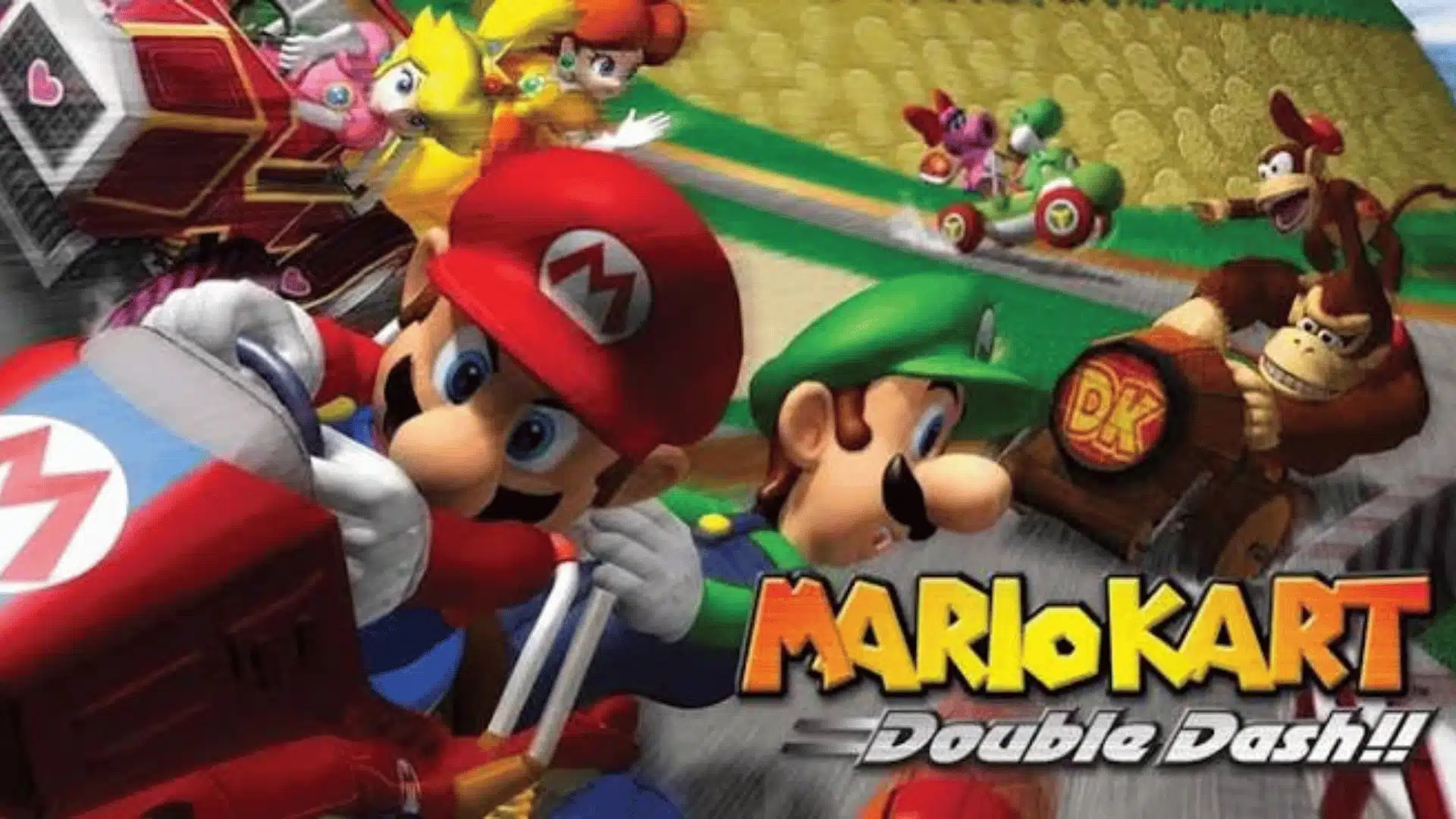
Released in 2003, Mario Kart: Double Dash!! introduced two racers sharing one kart, creating a unique twist that no other Mario Kart has repeated.
Each character has a special item, encouraging different team combinations and strategies. Creative tracks and excellent local multiplayer still make it a favorite for group gaming sessions.
7. Pikmin
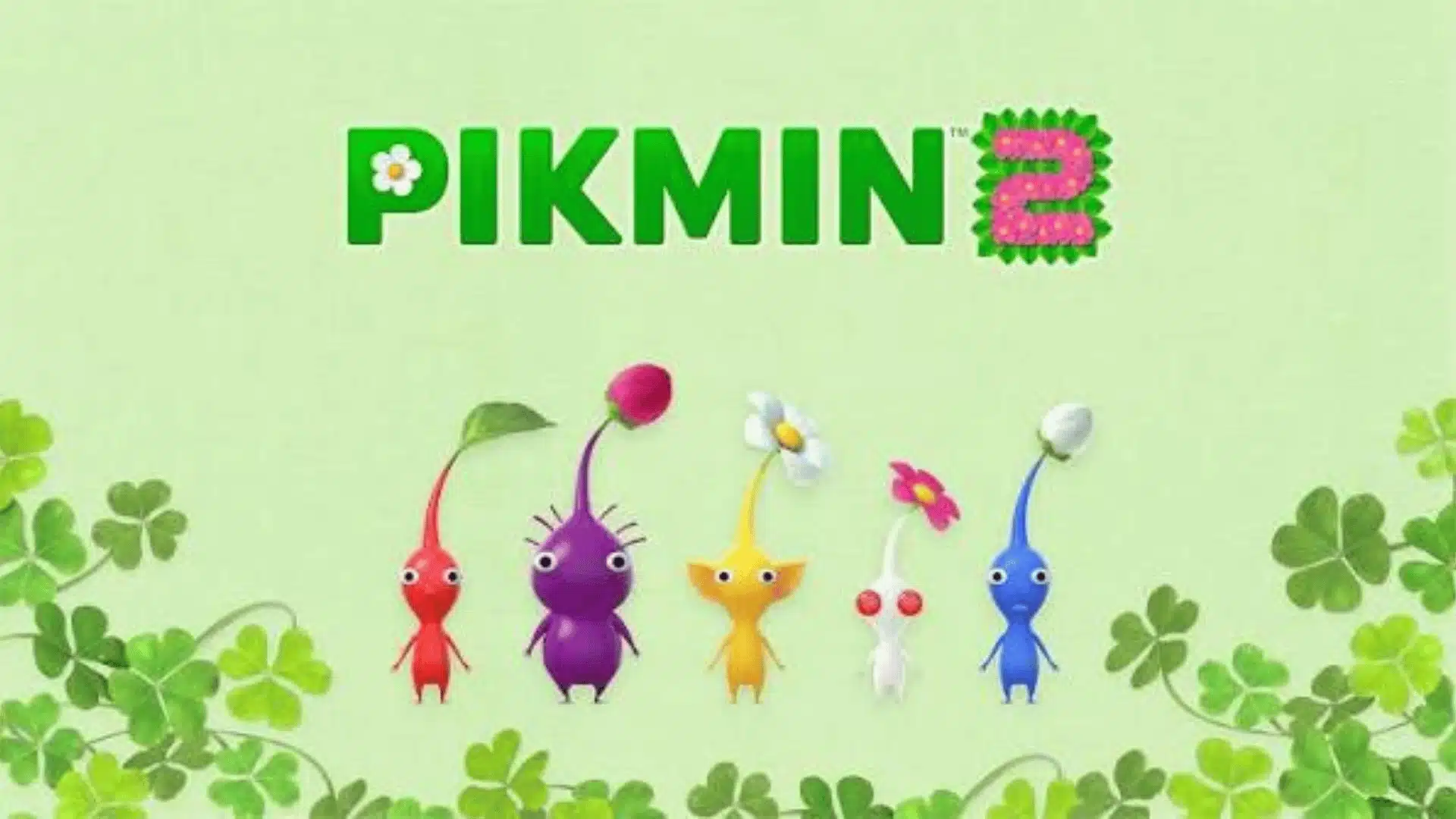
Released in 2001, Pikmin combines exploration, puzzle-solving, and light strategy as Captain Olimar commands tiny plant-like creatures to repair his stranded spaceship.
Managing time wisely while leading different types of Pikmin creates satisfying challenges. The simple controls hide surprising depth, making every successful day feel rewarding.
8. Pikmin 2
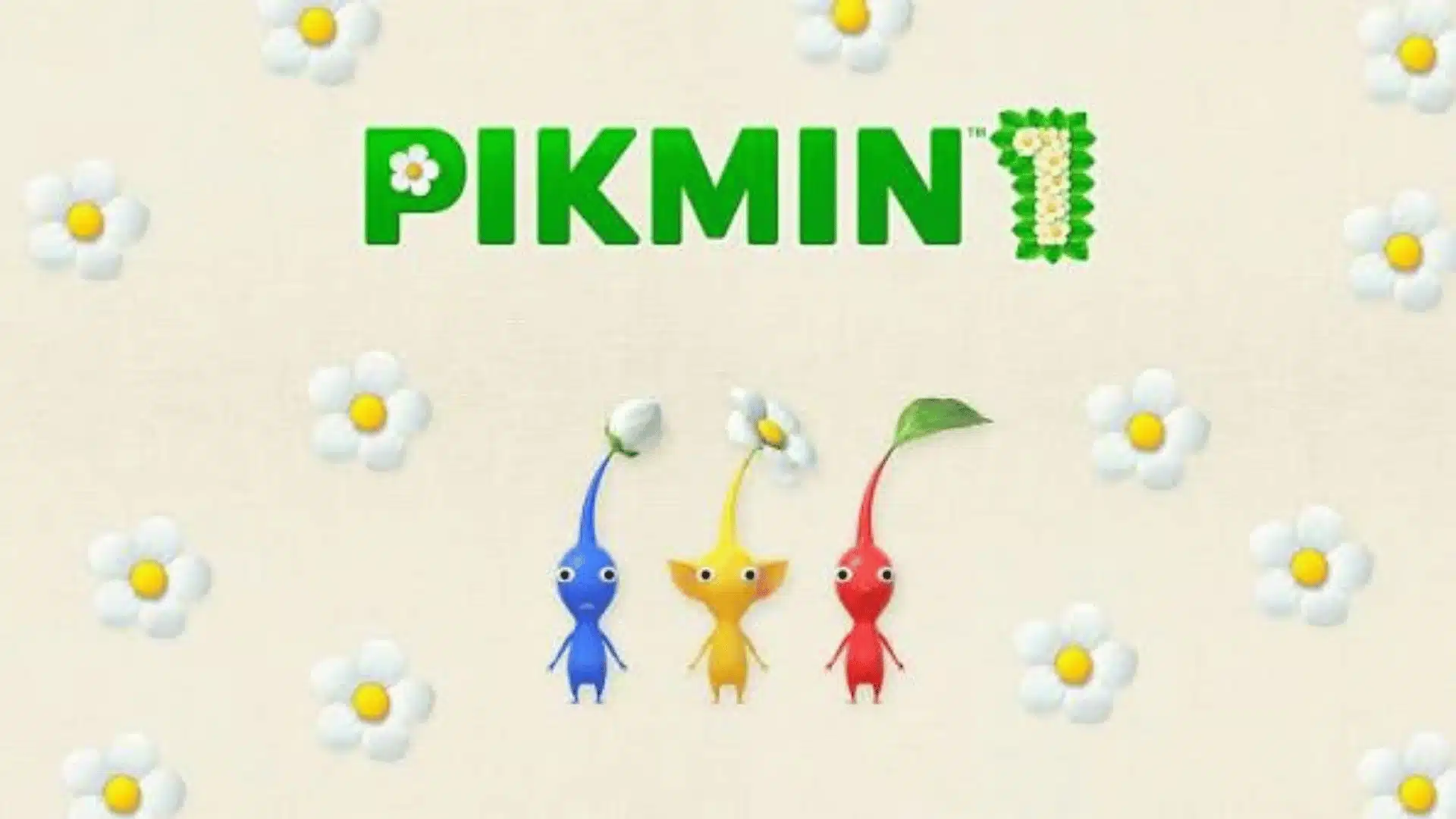
Released in 2004, Pikmin 2 expands on nearly every idea from the original, adding new Pikmin types, underground caves, and hundreds of treasures to collect.
Removing the original game’s strict time limit encourages experimentation and exploration. The added variety and strategic gameplay have made it a favorite among longtime Pikmin fans.
9. Super Mario Sunshine
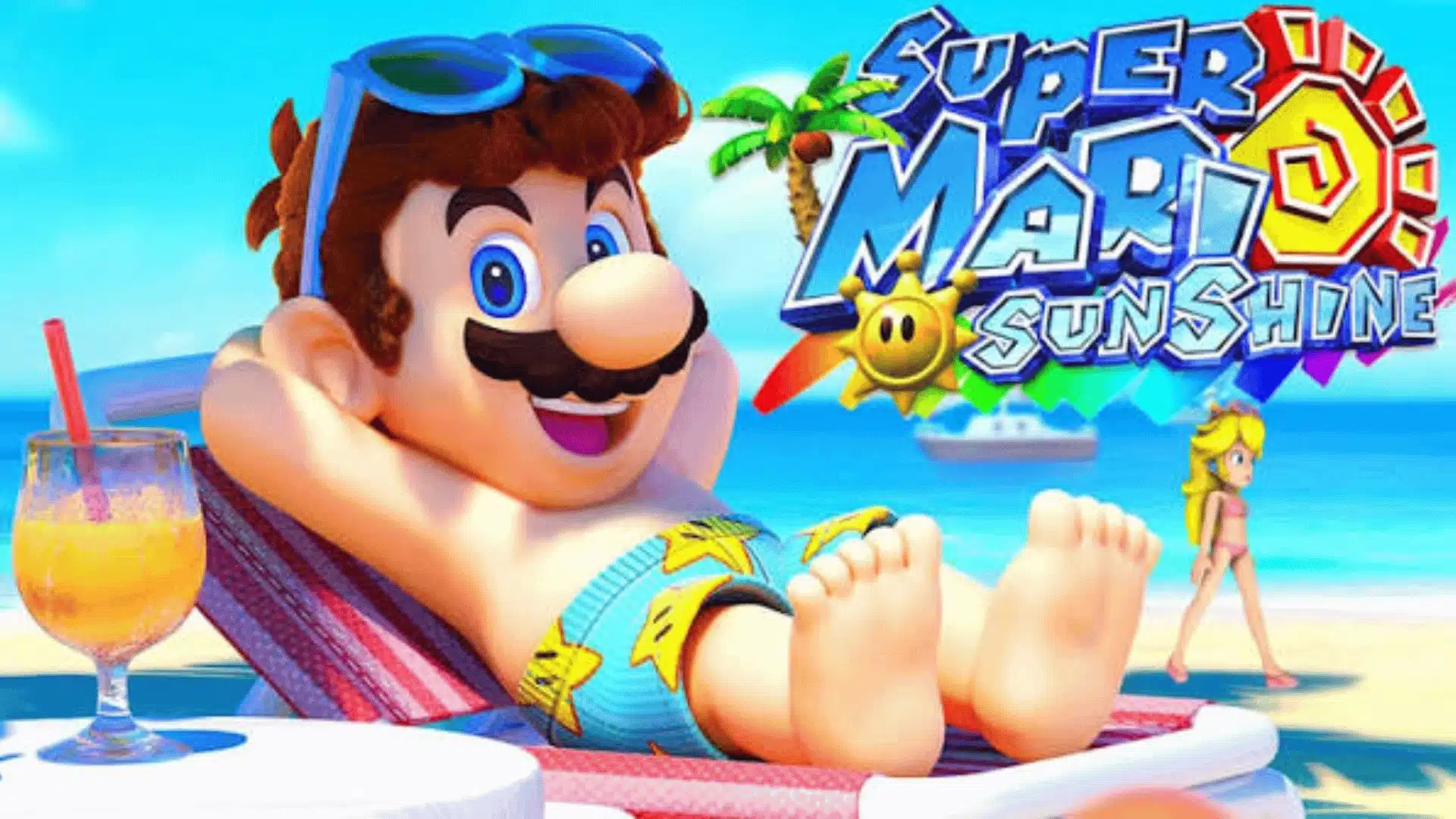
Released in 2002, Super Mario Sunshine sends Mario to the tropical Isle Delfino, where he clears pollution using the versatile FLUDD water pack.
The water-powered movement adds fresh platforming possibilities, while colorful environments and memorable challenges give the game a personality unlike any other 3D Mario adventure.
For a better sense of how Nintendo moved from early 3D experiments to GameCube polish, the best N64 games show where many of these ideas started.
10. Luigi’s Mansion
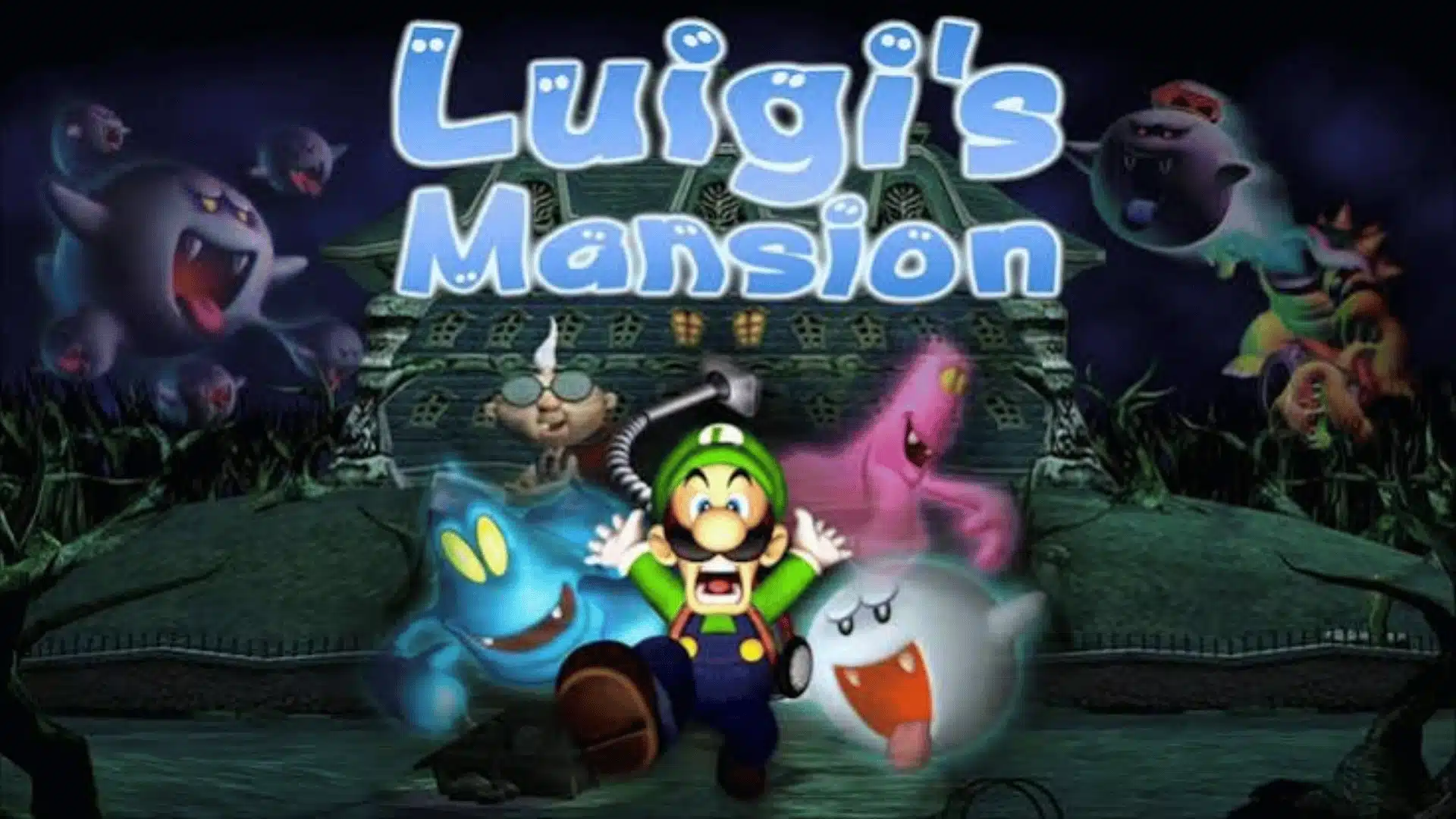
Released in 2001, Luigi’s Mansion launched alongside the GameCube and gave Luigi his first starring role in a full-length adventure.
Using the Poltergust vacuum to capture ghosts creates fun puzzle-like gameplay. The haunted mansion’s atmosphere, charming animation, and clever boss fights still make it enjoyable today.
11. F-Zero GX
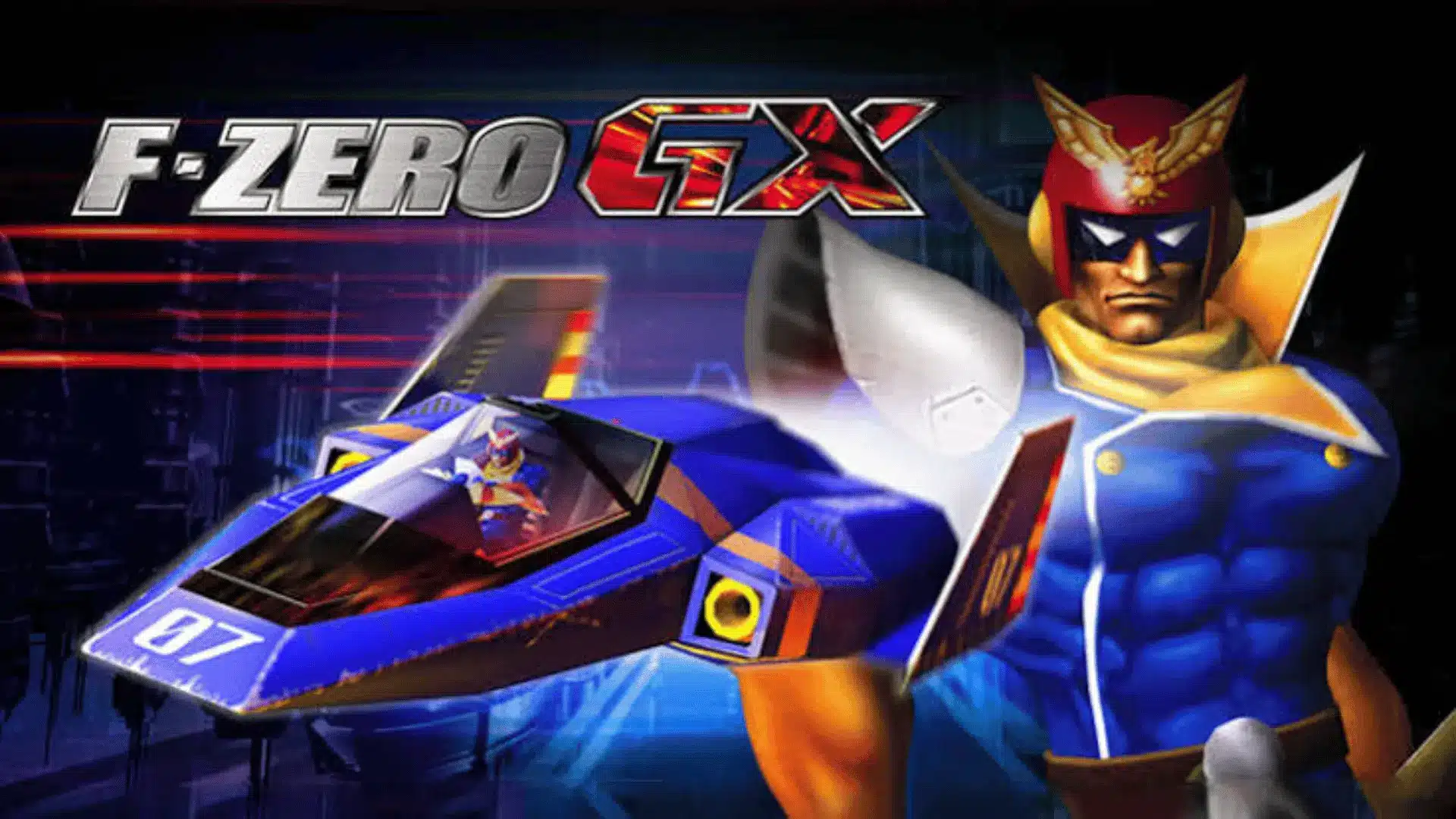
Released in 2003, F-Zero GX is one of the fastest racing games Nintendo has ever published, offering incredible speed and a demanding learning curve.
Every track rewards precise steering and quick reactions. Its polished visuals, challenging AI, and deep vehicle roster continue to impress racing fans years later.
12. Fire Emblem: Path of Radiance
Released in 2005, Fire Emblem: Path of Radiance brought Nintendo’s tactical RPG series to home consoles with an engaging story and memorable characters.
Turn-based battles reward careful planning, while permanent character loss adds meaningful decisions. Its rarity and quality have made it one of the GameCube’s most valuable games.
It’s now only available online; a physical copy is a literal goldmine.
13. Animal Crossing
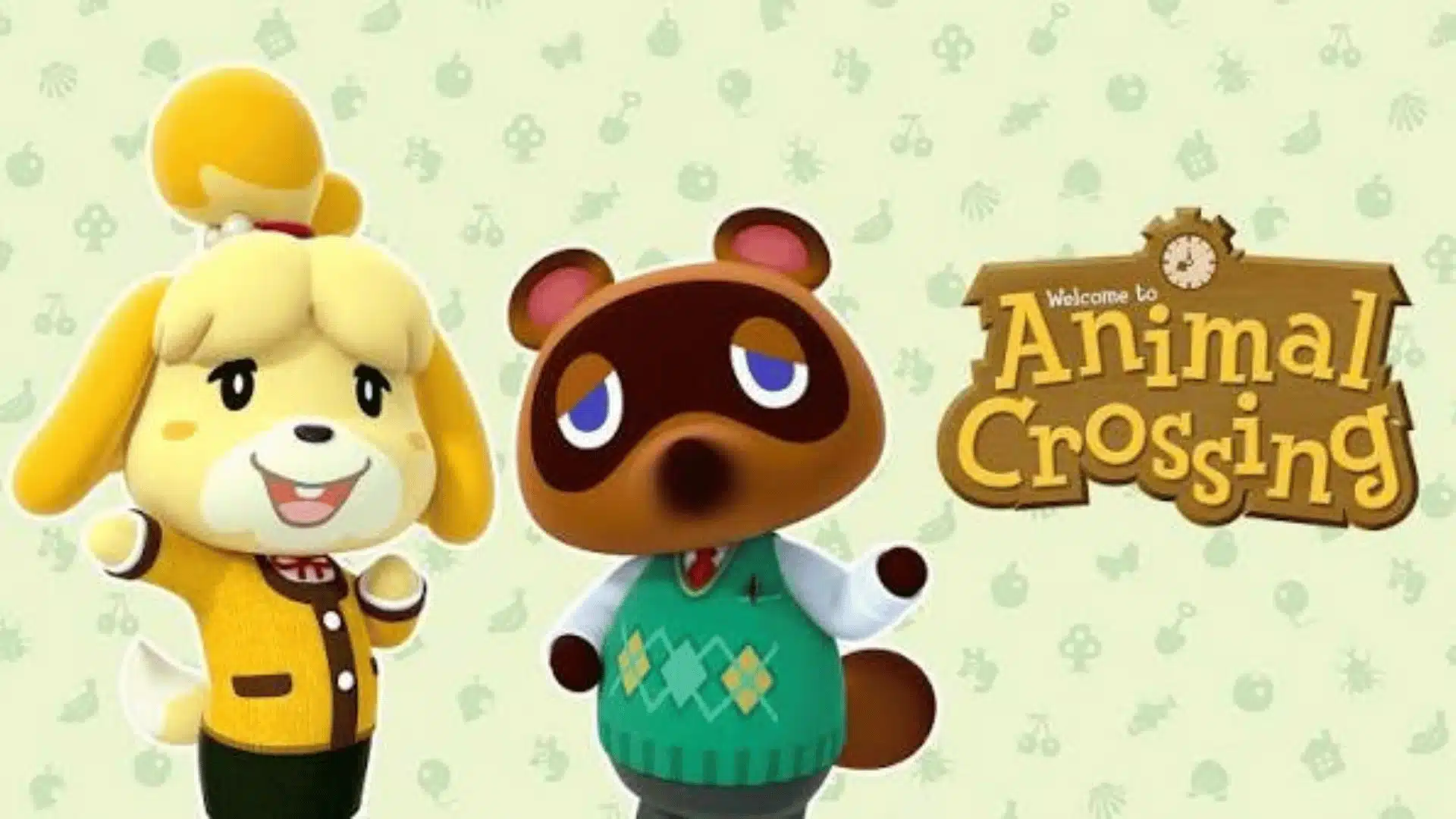
Released in 2002 outside Japan, Animal Crossing lets you build a peaceful life in a village that follows a real-world clock and calendar.
Fishing, decorating, collecting furniture, and chatting with neighbors create a relaxing experience. The open-ended gameplay makes it easy to enjoy in short daily sessions.
14. Eternal Darkness: Sanity’s Requiem
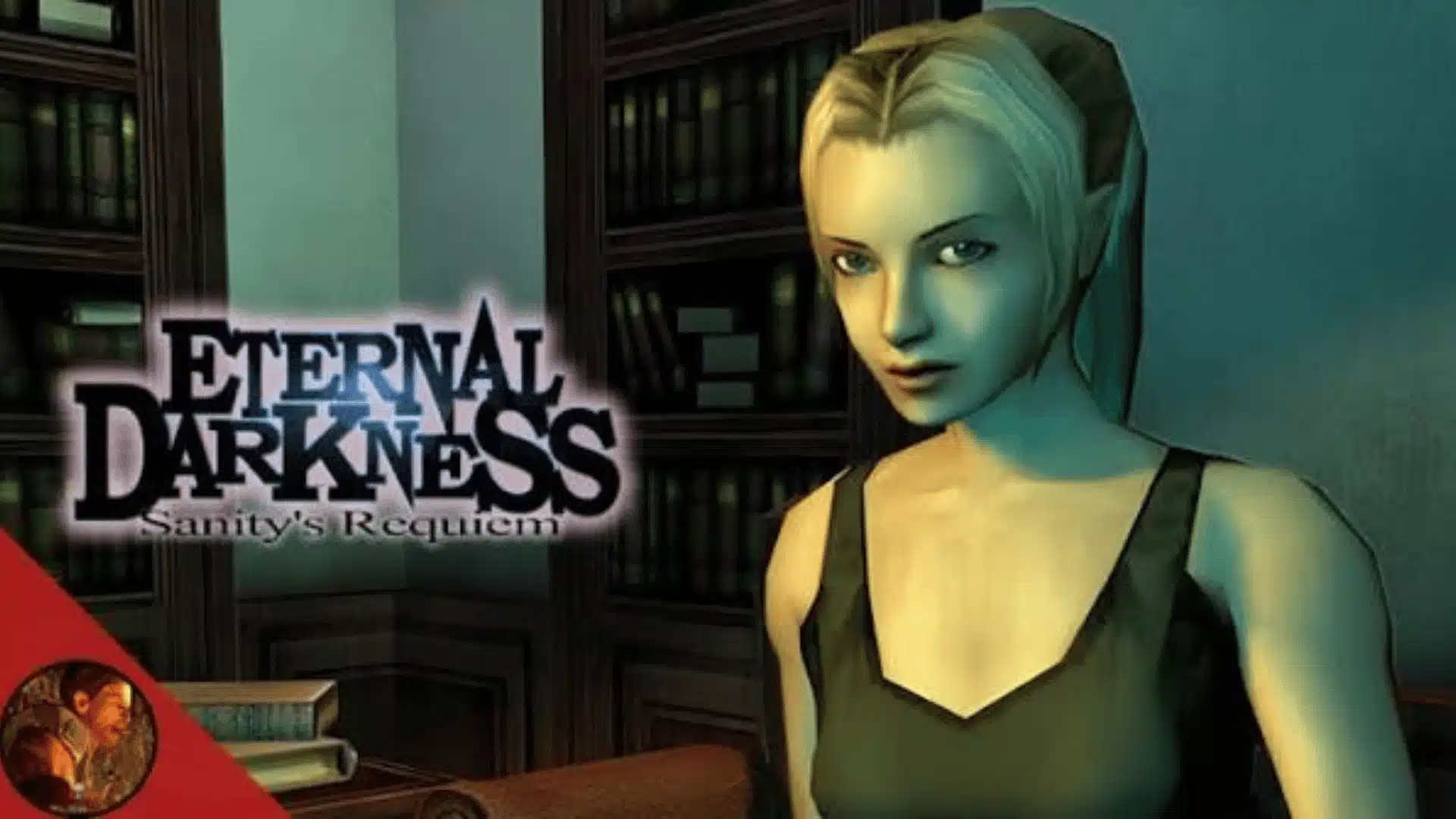
Released in 2002, Eternal Darkness: Sanity’s Requiem became famous for combining psychological horror with an ambitious story spanning multiple historical periods.
Its unique sanity system creates unexpected effects that surprise players throughout the adventure. The atmosphere, storytelling, and puzzle design still feel refreshingly original today.
15. Tales of Symphonia
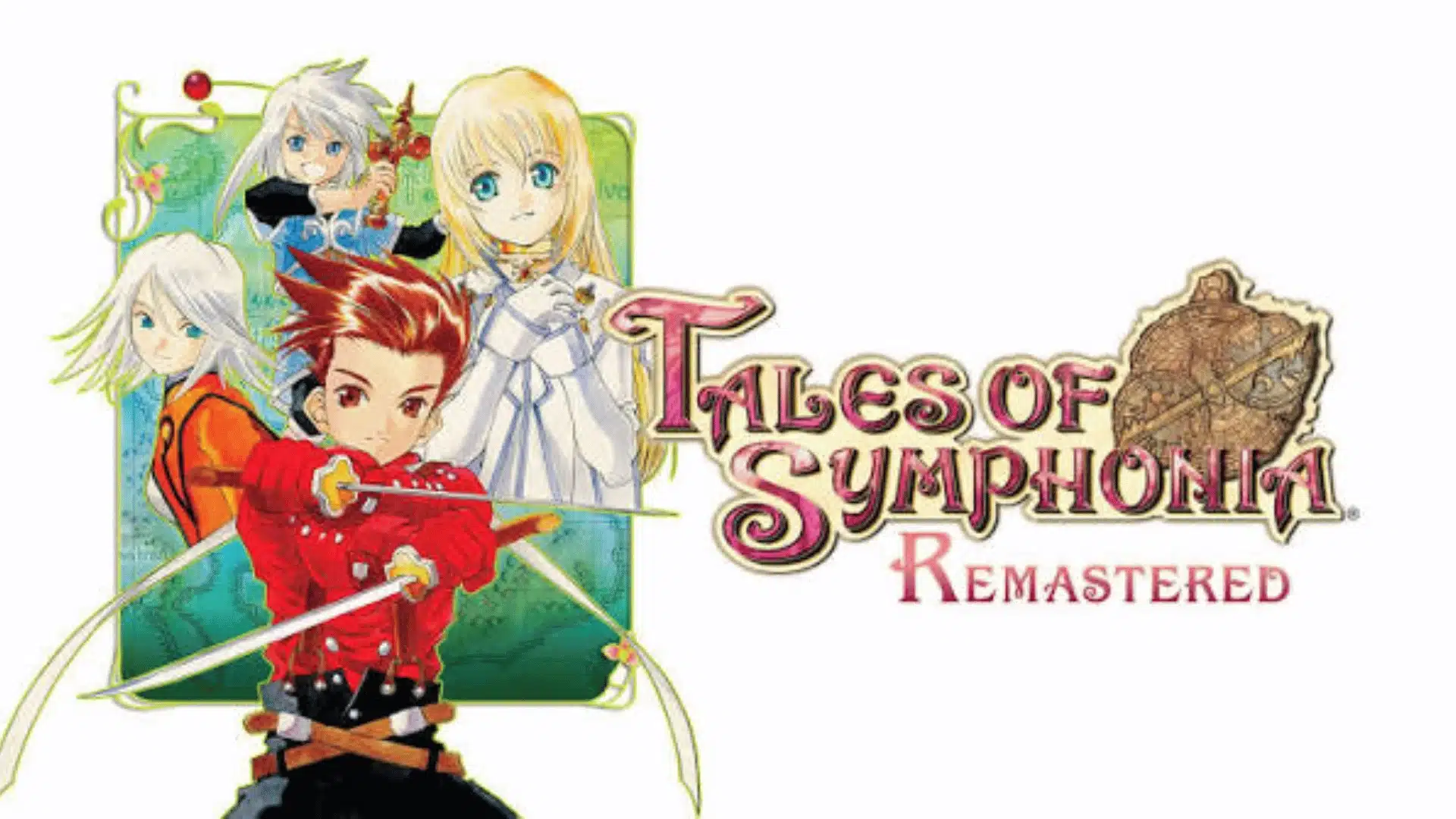
Released in 2003, Tales of Symphonia introduced many players to the long-running RPG series with its large world and character-driven story.
Real-time combat keeps battles fast and engaging, while optional quests and meaningful character development encourage exploring beyond the main storyline.
16. Star Wars Rogue Squadron II: Rogue Leader
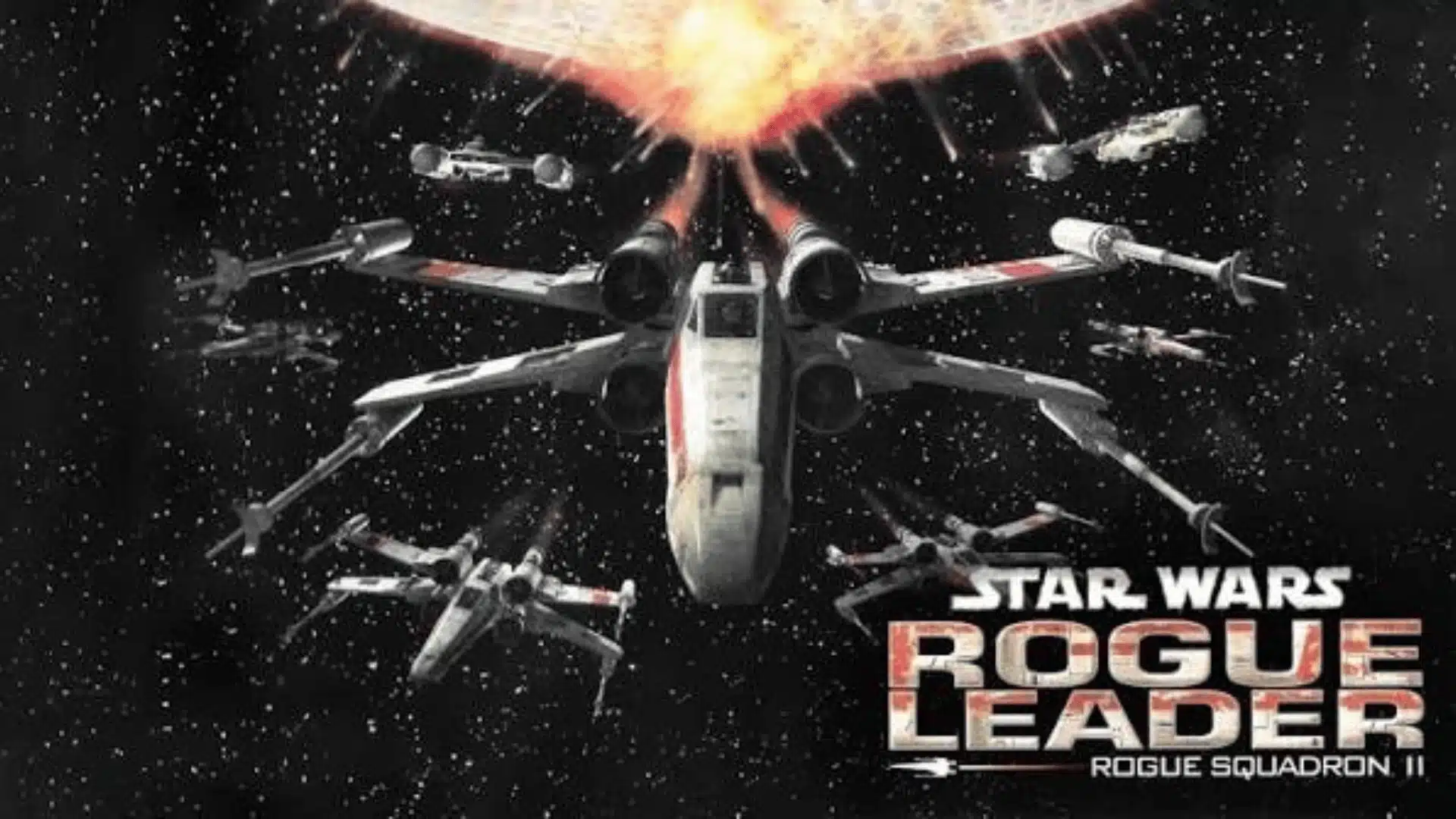
Released in 2001, Rogue Leader showcased the GameCube’s hardware with impressive visuals and authentic recreations of classic Star Wars battles.
Piloting famous starfighters across movie-inspired missions feels exciting from beginning to end. Tight controls and cinematic presentation make it one of the console’s standout action games.
17. Star Fox Assault
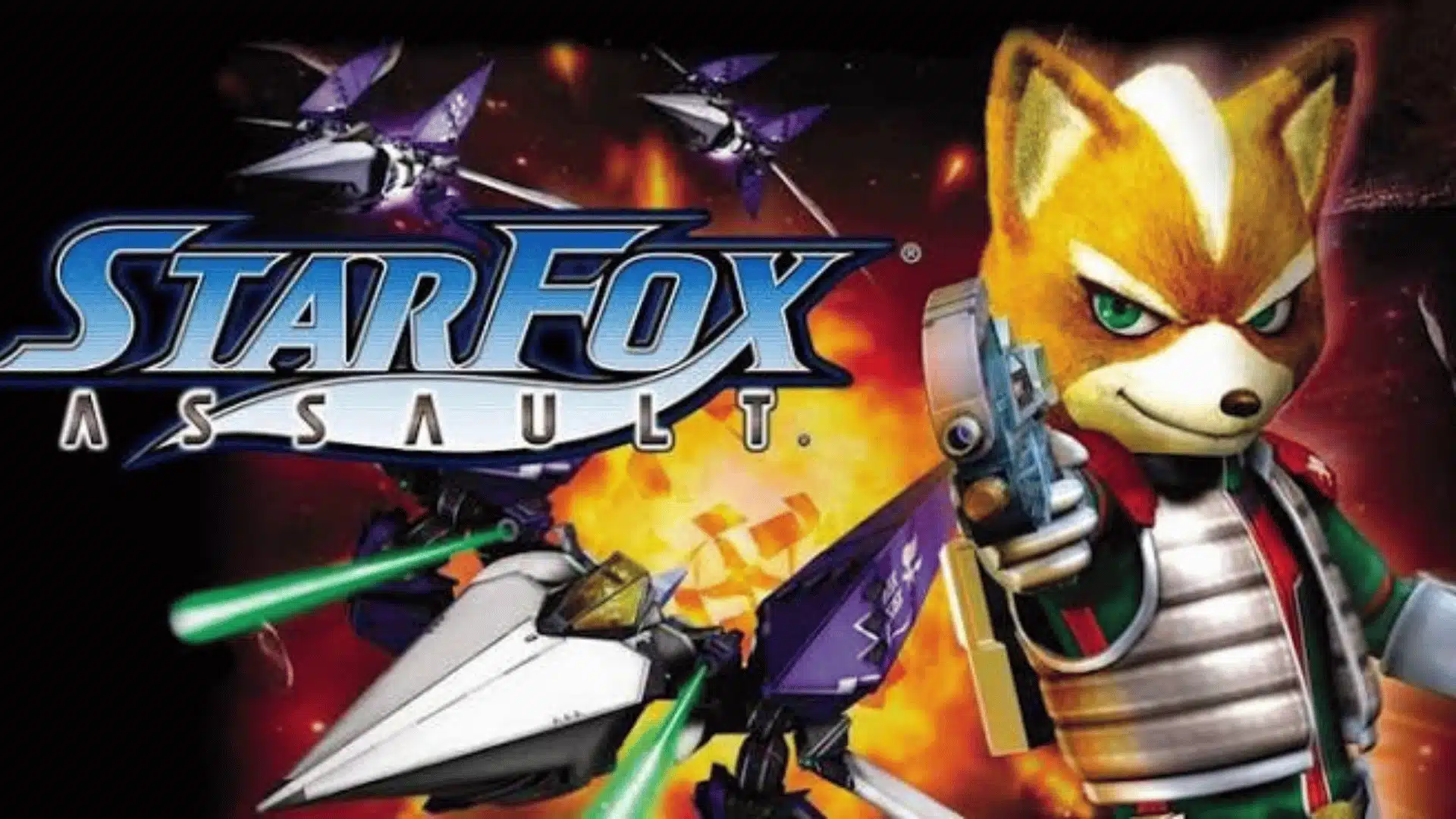
Released in 2005, Star Fox Assault expands the series by combining space combat with on-foot shooting and vehicle-based missions.
The variety keeps gameplay fresh throughout the campaign, while split-screen multiplayer offers plenty of replay value for friends looking for competitive matches.
18. Mario Power Tennis
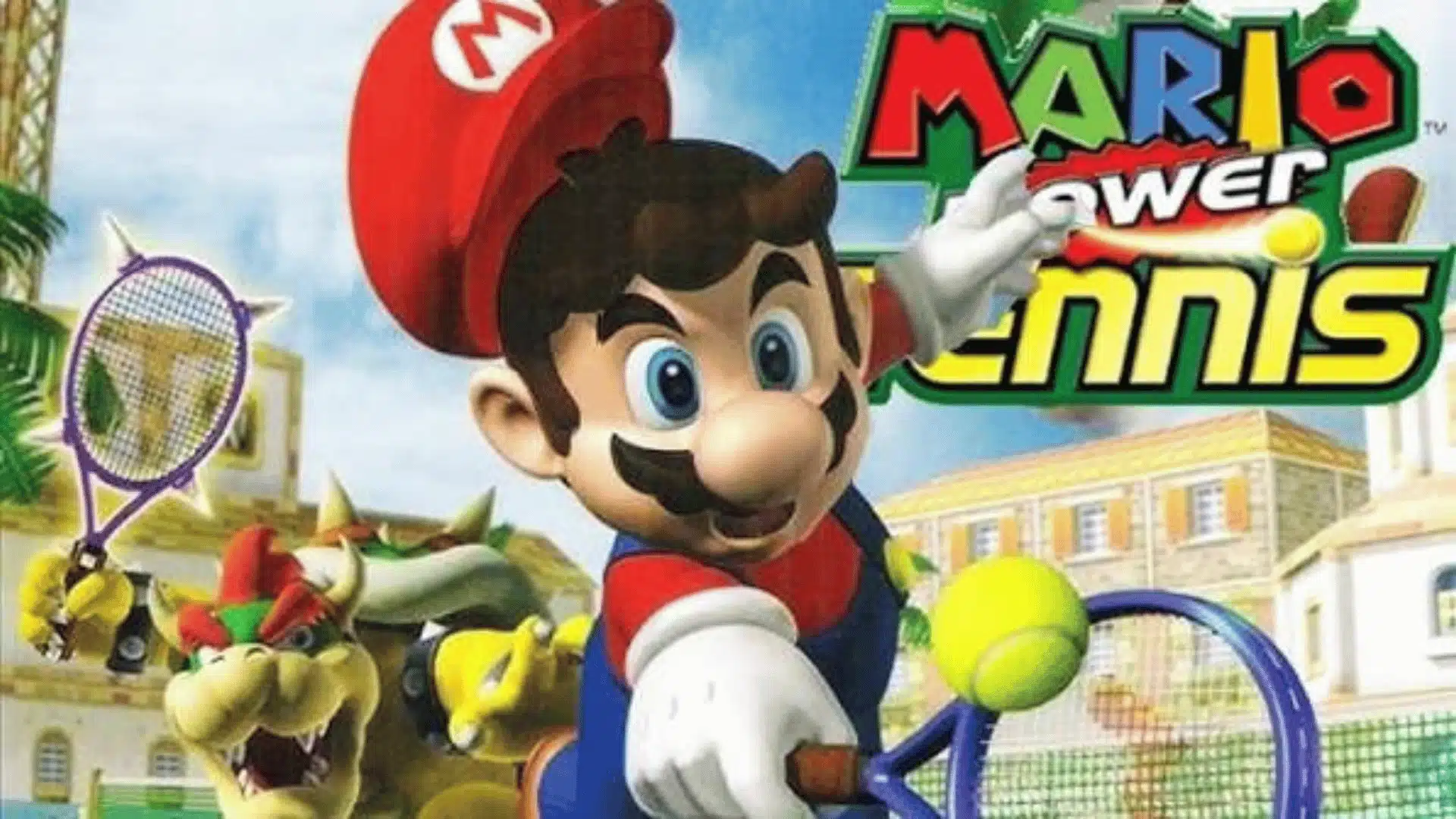
Released in 2004, Mario Power Tennis builds on traditional tennis with colorful courts, special moves, and Nintendo’s familiar cast of characters.
Easy-to-learn controls make it welcoming for beginners, while advanced shots and fast-paced rallies provide enough depth to keep experienced players coming back.
19. Viewtiful Joe
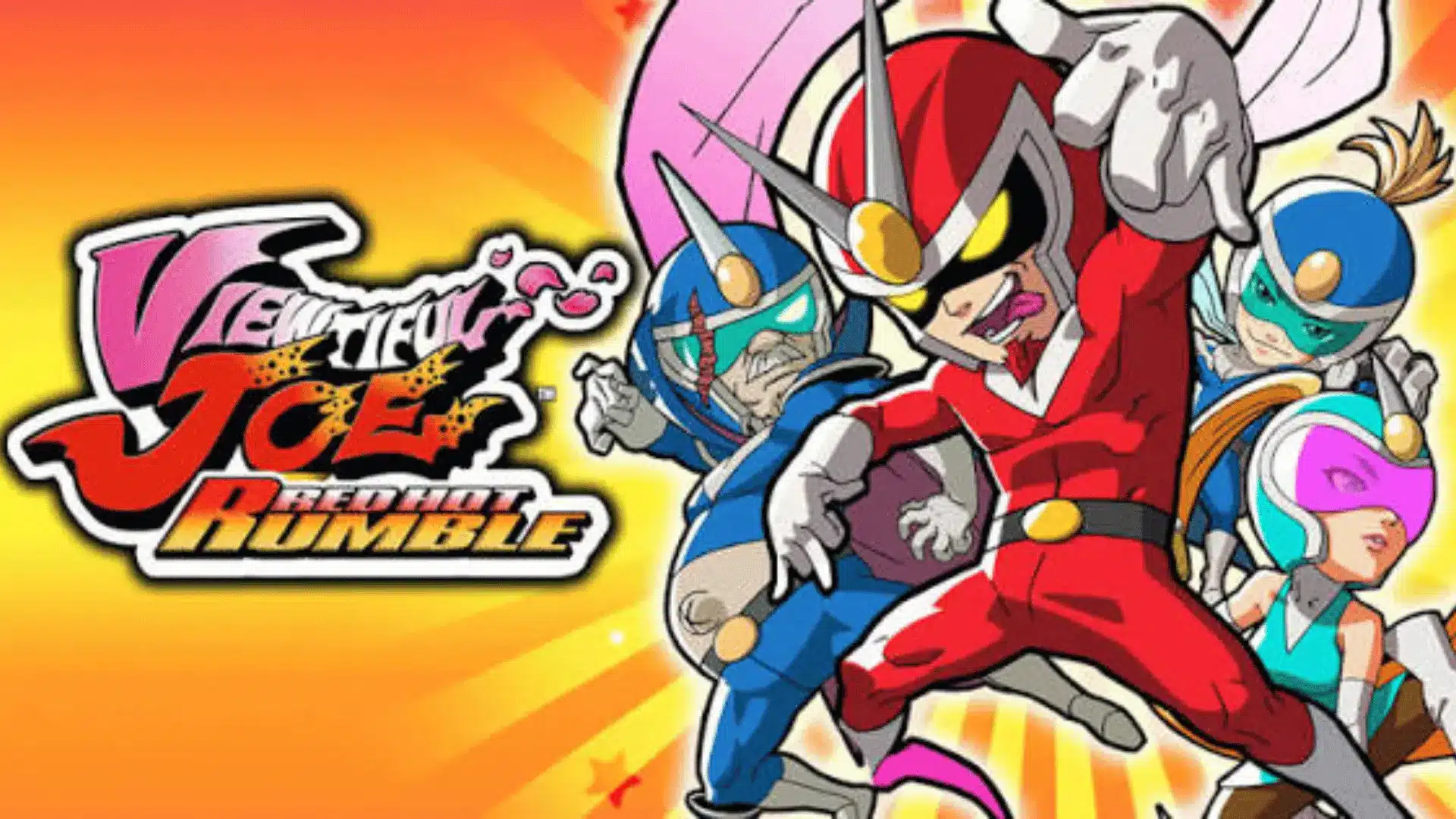
Released in 2003, Viewtiful Joe is a stylish side-scrolling action game inspired by superhero movies and comic books, featuring a distinctive cel-shaded visual style.
Special abilities like slowing, speeding, and zooming time add depth to combat and puzzles. Its creative gameplay and satisfying challenge have earned it cult-classic status.
20. Viewtiful Joe 2
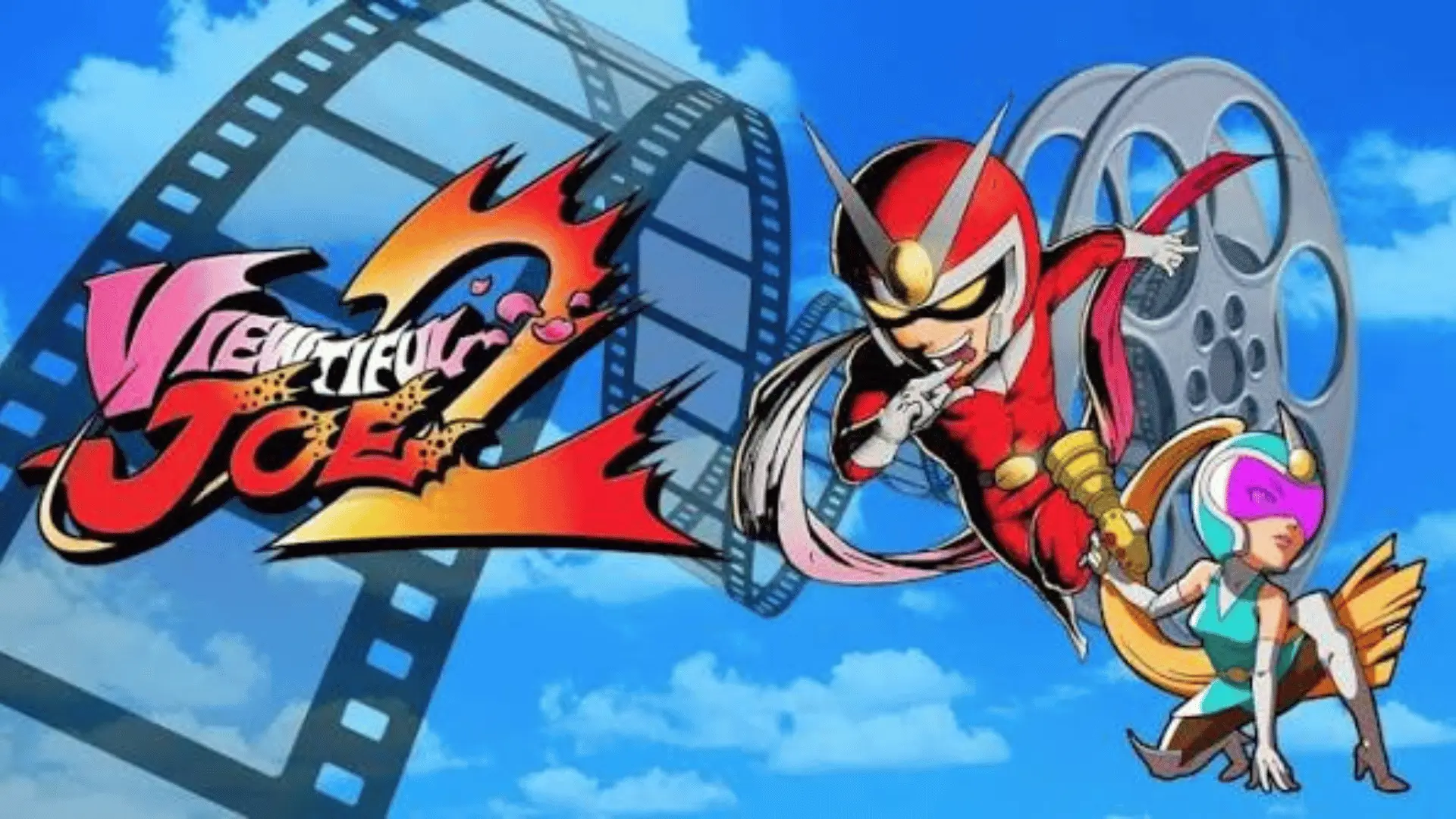
Released in 2004, Viewtiful Joe 2 builds on the original by introducing Silvia as a playable character, each with unique abilities and combat styles.
The sequel expands the action with smarter puzzles, more varied enemies, and refined gameplay. It delivers everything fans enjoyed while adding enough new ideas to stay fresh.
21. SoulCalibur II
Released in 2003, SoulCalibur II is widely considered one of the greatest weapon-based fighting games, featuring smooth combat and an accessible learning curve.
The GameCube version includes Link from The Legend of Zelda as an exclusive playable fighter. Balanced gameplay and varied characters still make it a favorite today.
22. TimeSplitters 2
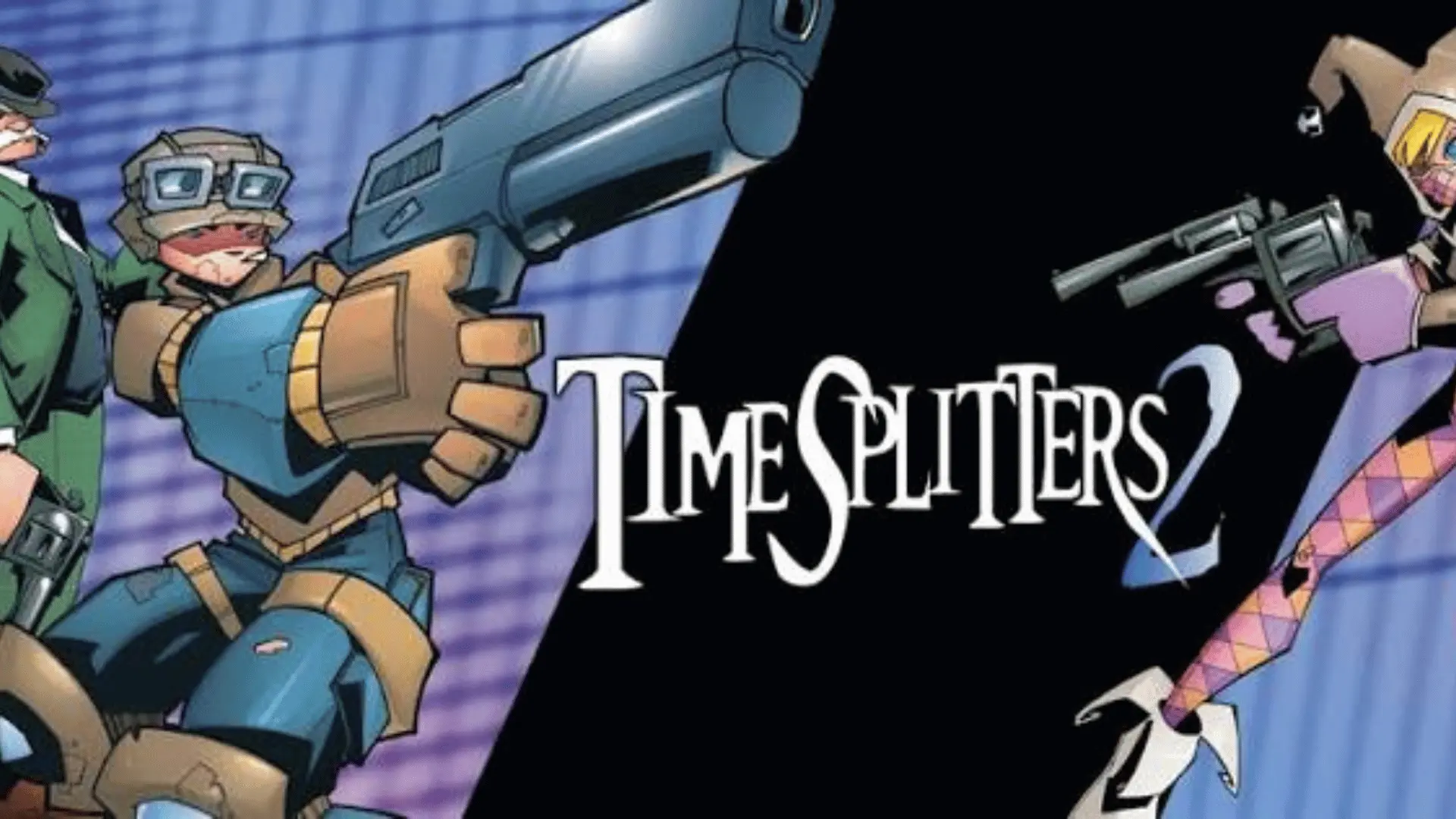
Released in 2002, TimeSplitters 2 is a fast-paced first-person shooter known for its creative missions, varied weapons, and excellent split-screen multiplayer.
A large selection of game modes, unlockable characters, and a built-in map editor provide countless hours of replay value for solo and multiplayer sessions.
23. Baten Kaitos: Eternal Wings and the Lost Ocean
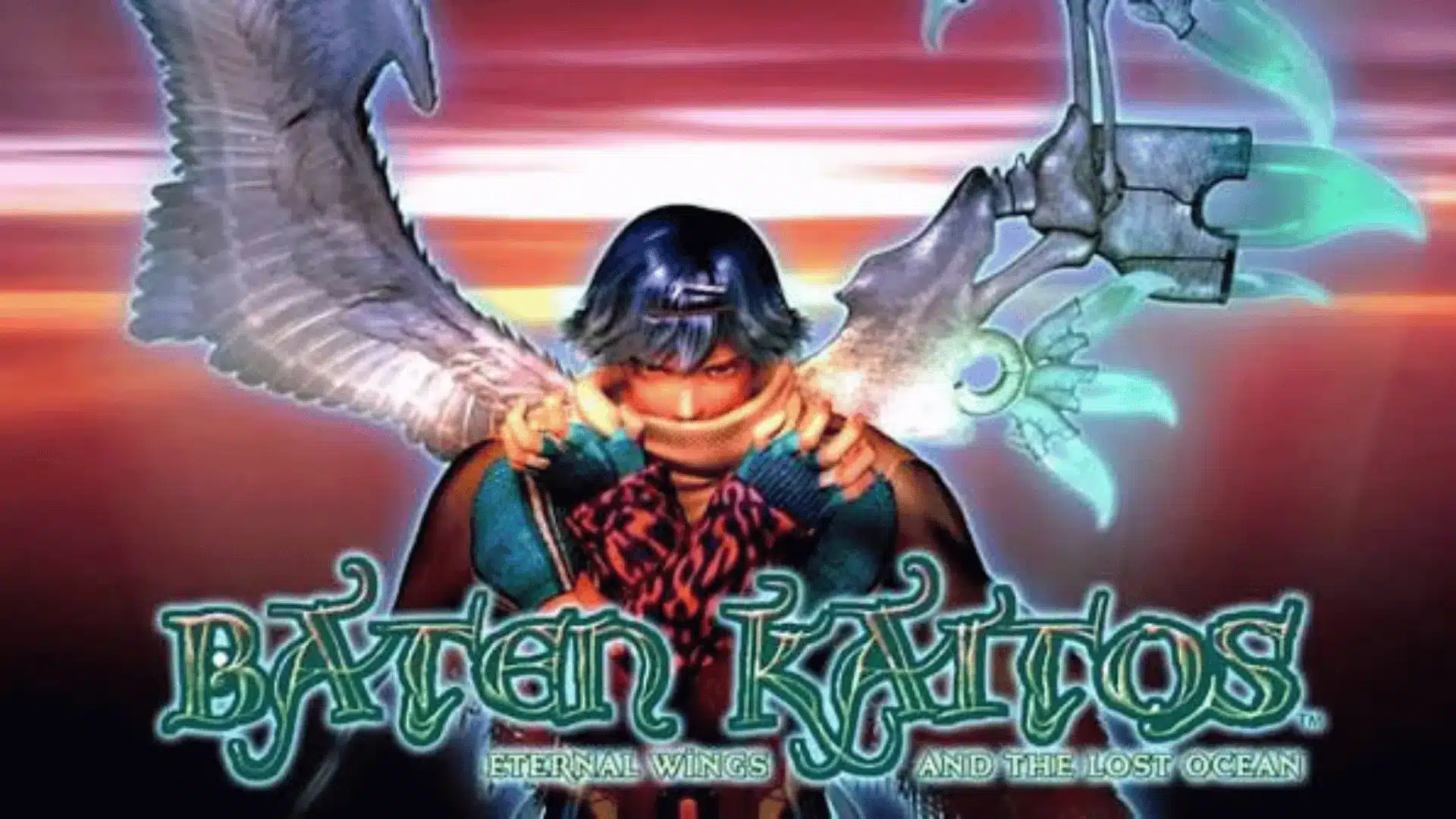
Released in Japan in 2003 and internationally in 2004, Baten Kaitos stands out for its unique card-based battle system and beautifully illustrated fantasy world.
Strategic deck building adds depth to every encounter, while the memorable soundtrack and engaging story make it one of the GameCube’s most distinctive role-playing games.
24. Skies of Arcadia Legends

Released on GameCube in 2003, this enhanced version of the Dreamcast classic includes additional discoveries, side content, and gameplay improvements.
Exploring floating islands in customizable airships creates a strong sense of adventure. Its likable characters and rewarding turn-based combat continue to attract RPG fans.
25. SSX 3
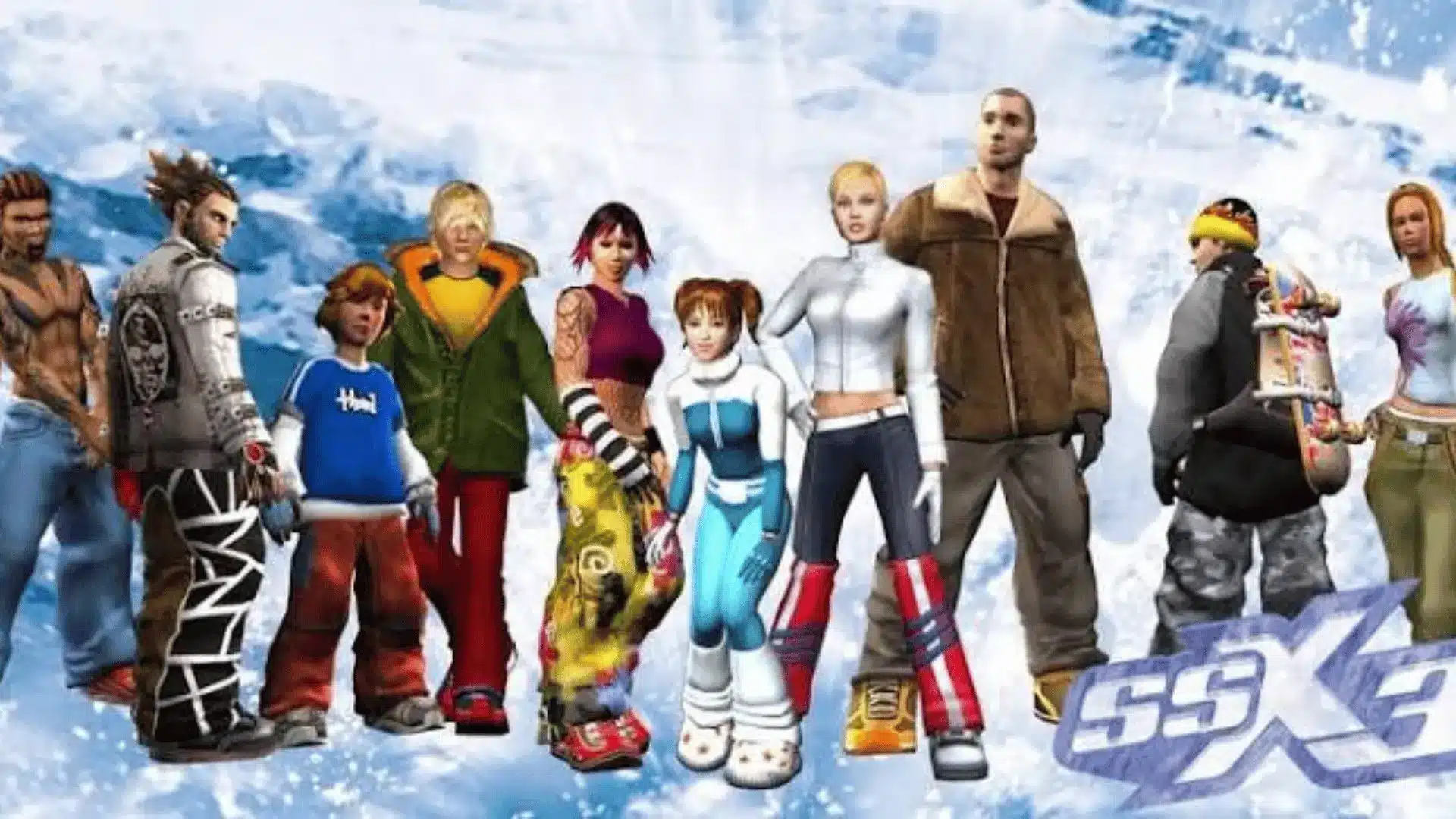
Released in 2003, SSX 3 lets players race, perform tricks, and freely explore a massive mountain without loading screens.
Responsive controls, satisfying progression, and an energetic soundtrack keep every run exciting. It remains one of the highest-rated arcade snowboarding games ever released.
26. Kirby Air Ride
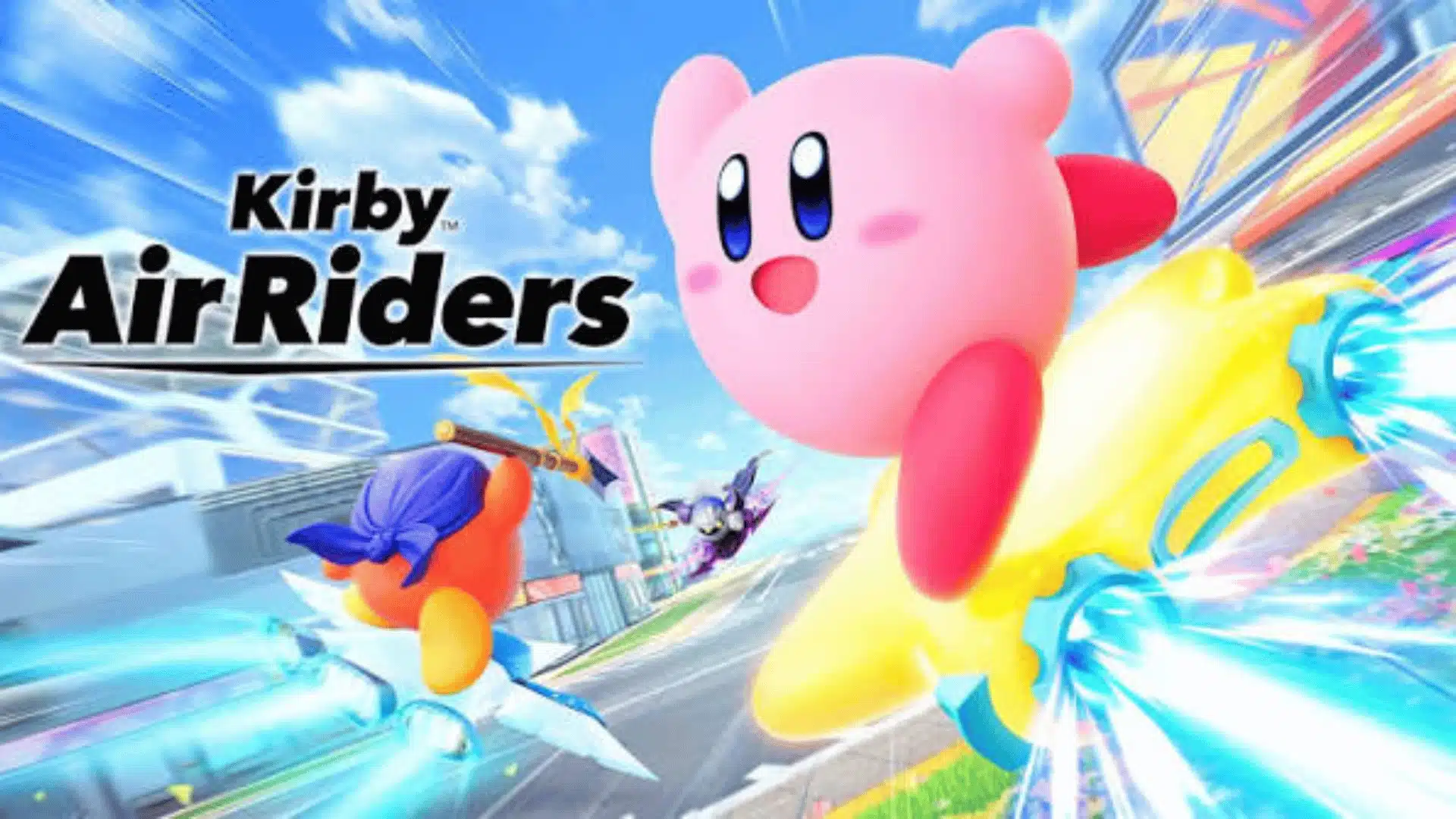
Released in 2003, Kirby Air Ride simplifies racing by using a single primary control button, making it easy for players of all skill levels to enjoy.
The standout City Trial mode blends exploration, upgrades, and competition into unpredictable matches. Its local multiplayer continues to make it a favorite party game.
27. Chibi-Robo!
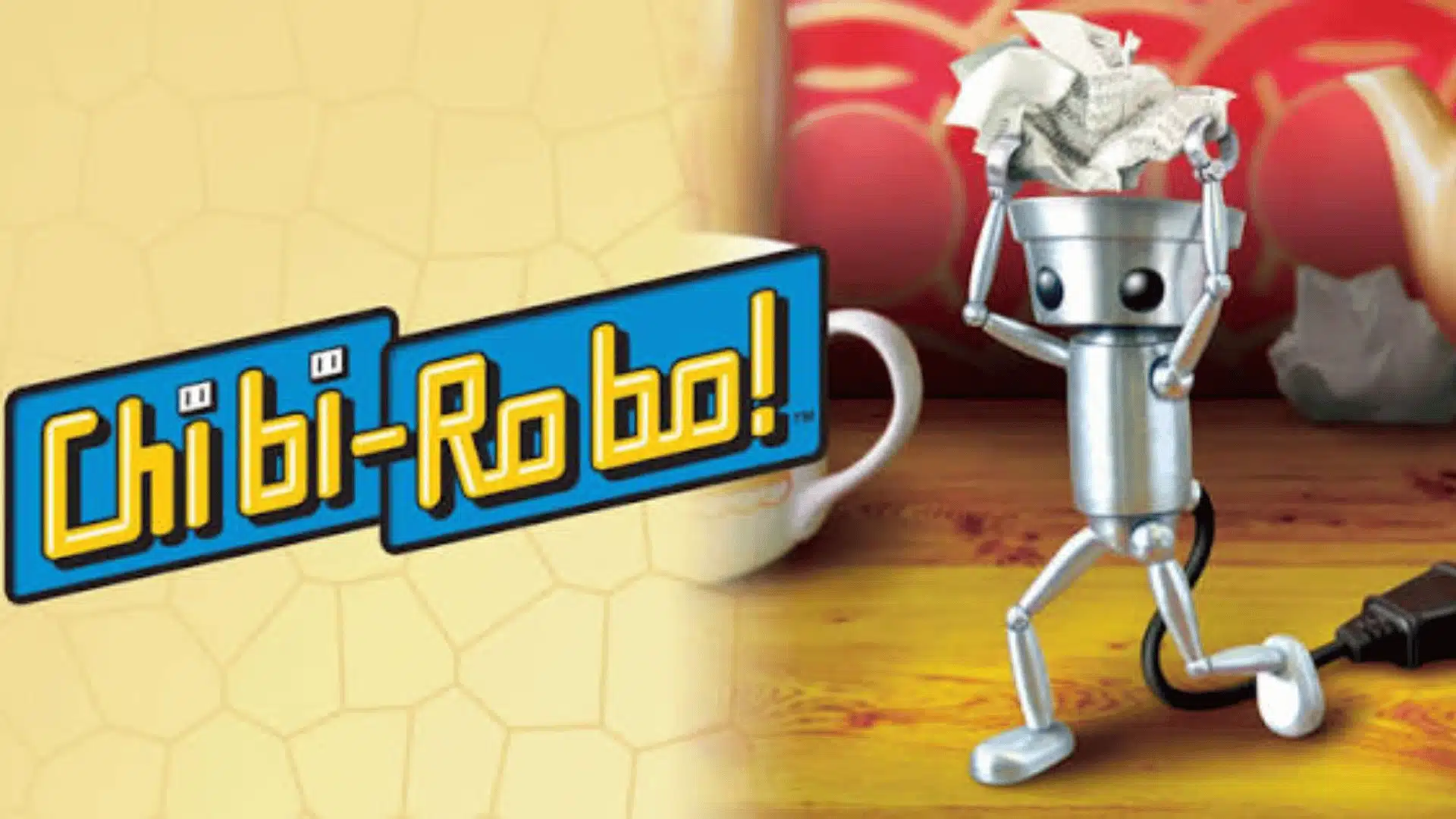
Released in 2005, Chibi-Robo! puts players in control of a tiny household robot performing helpful tasks while uncovering the family’s hidden problems.
Exploring everyday rooms from a miniature perspective feels surprisingly creative. Its charming storytelling, relaxing gameplay, and unique concept have helped it become a beloved cult classic.
What to Know Before Buying GameCube Games
Before buying, check if the game has a modern re-release. Several GameCube classics are available on newer systems for far less than the original discs.
Original GameCube prices generally fall into these ranges:
- Standard games: $15–$60 (loose disc)
- Collectible titles: $60–$100
- Rare games: Fire Emblem: Path of Radiance, Skies of Arcadia Legends, and Chibi-Robo! often sell for well over $100.
Also, keep these points in mind:
- Condition matters. GameCube discs scratch easily, so buy from sellers with clear photos and a return policy.
- Dolphin is a good alternative. The free emulator works well with games you legally own. Downloading ROMs you don’t own is illegal.
Finally, prices change regularly, so check current market values before you buy.
Conclusion
The best GameCube games are not just the famous titles everyone names first; those classics still deserve attention.
You should start with the landmark games if you are new, then move toward the hidden picks that never got modern releases.
I would also check current ports before buying discs, because some games are much cheaper and easier to play elsewhere.
The real value of the GameCube library comes from knowing what is essential, what is rare, and what still feels fun today. Pick one game that fits your mood, platform, and budget, then build your list from there.
Which GameCube game would you play first, and which hidden pick deserves more love? Tell us, share with us in the comments below.
Frequently Asked Questions
What is the Best GameCube Game of All Time?
Metroid Prime frequently tops critic lists for its atmospheric exploration and innovation. Super Smash Bros. Melee rivals it due to its competitive legacy.
Preference depends on action-adventure vs. fighting game tastes. Both define the console.
Which Gamecube Games Have Modern Re-Releases?
Many, like Paper Mario: The Thousand-Year Door, Metroid Prime Remaster, Pikmin 1/2, and Resident Evil 4 remake, are on Switch.
Wind Waker has a Wii U remake version. Path of Radiance is now on NSO. Check current platforms for updates.
Are GameCube Games Worth Collecting Today?
Yes, for most. Prices remain accessible for commons, while rares, such as certain exclusives, climb. Prioritize unported titles for value.
Physical discs hold appeal, but emulators or modern ports offer a cheaper entry point. Condition and legality matter.
What Gamecube Games Remain Platform-Exclusive?
Eternal Darkness, Mario Kart: Double Dash, and Super Smash Bros. Melee lack official modern ports.
Skies of Arcadia Legends and Chibi-Robo! also stay mostly exclusive. Either the original hardware or Dolphin is required for these.