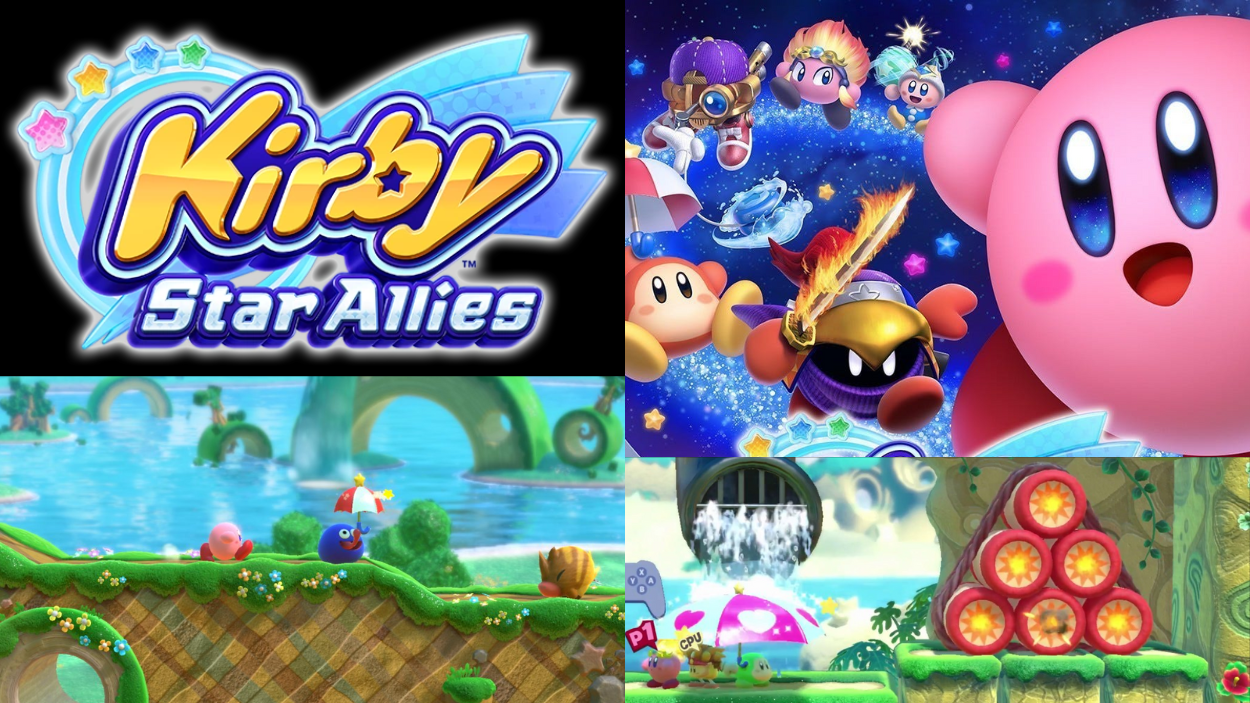
I expected Kirby Star Allies to be another simple platformer that I would finish and forget. After spending time with it, I realized the experience changes depending on how you play.
Local co-op, AI teammates, and post-game content create a very different experience from the first few hours. That is why opinions on the game vary so much.
For this Kirby Star Allies review, I spent time testing its gameplay, co-op features, difficulty, and post-game content. I wanted to see who would enjoy the game the most and where it falls short.
By the end, I had a much clearer picture of what it does well and whether it is worth your time.
Kirby Star Allies Review: What Is the Game About?
Kirby Star Allies is a 2.5D platformer on Nintendo Switch. I expected a solo adventure, copy enemies, and clear worlds. That assumption was wrong from the first level.
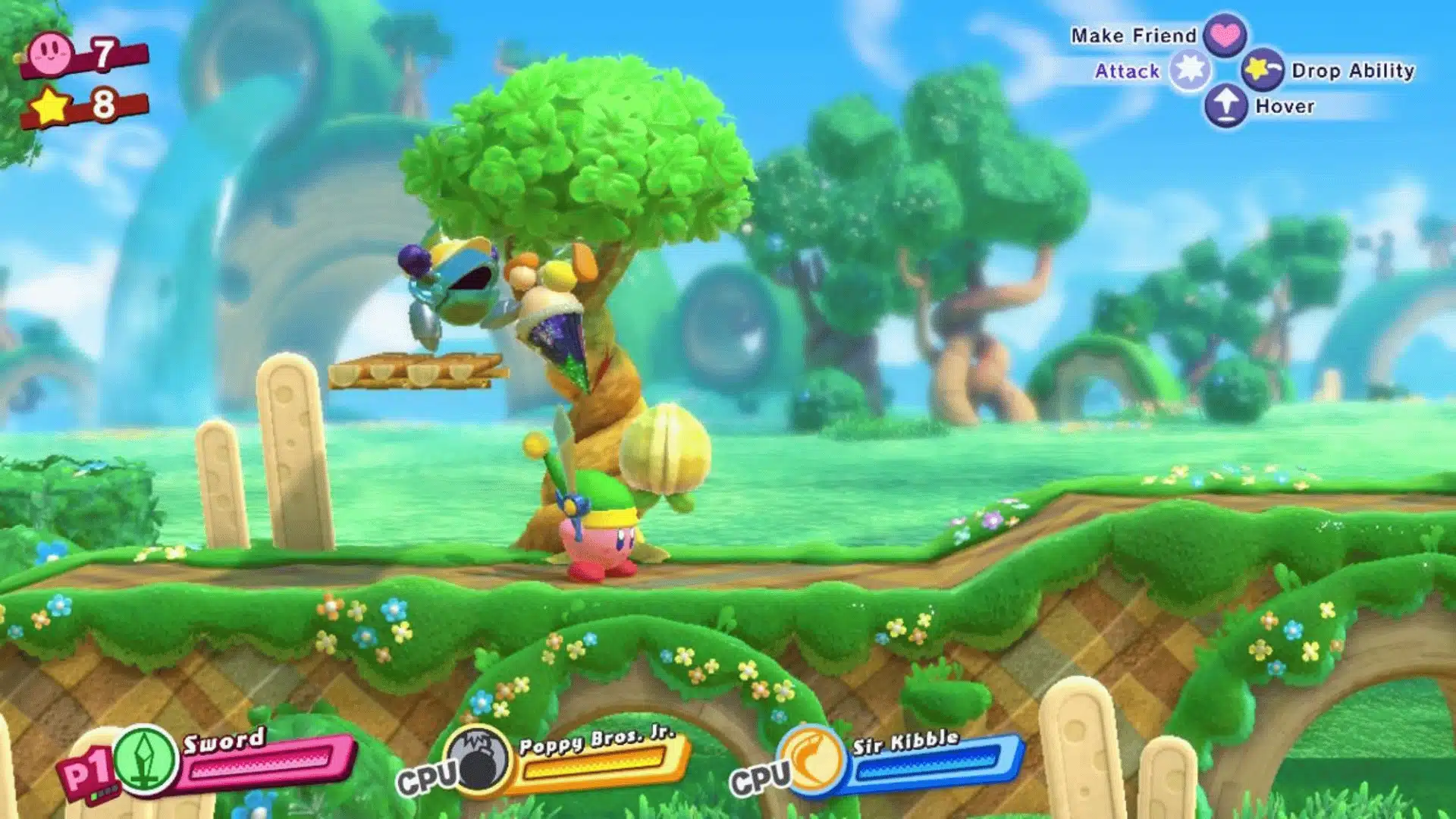
The core mechanic is the Friend Heart. You throw it at enemies to recruit them as allies. Up to three fight alongside you, each with their own moveset.
I thought the allies were just aesthetic padding. They are not. Combining your ability with theirs creates Power Combos, elemental fusions that form the real backbone of the gameplay.
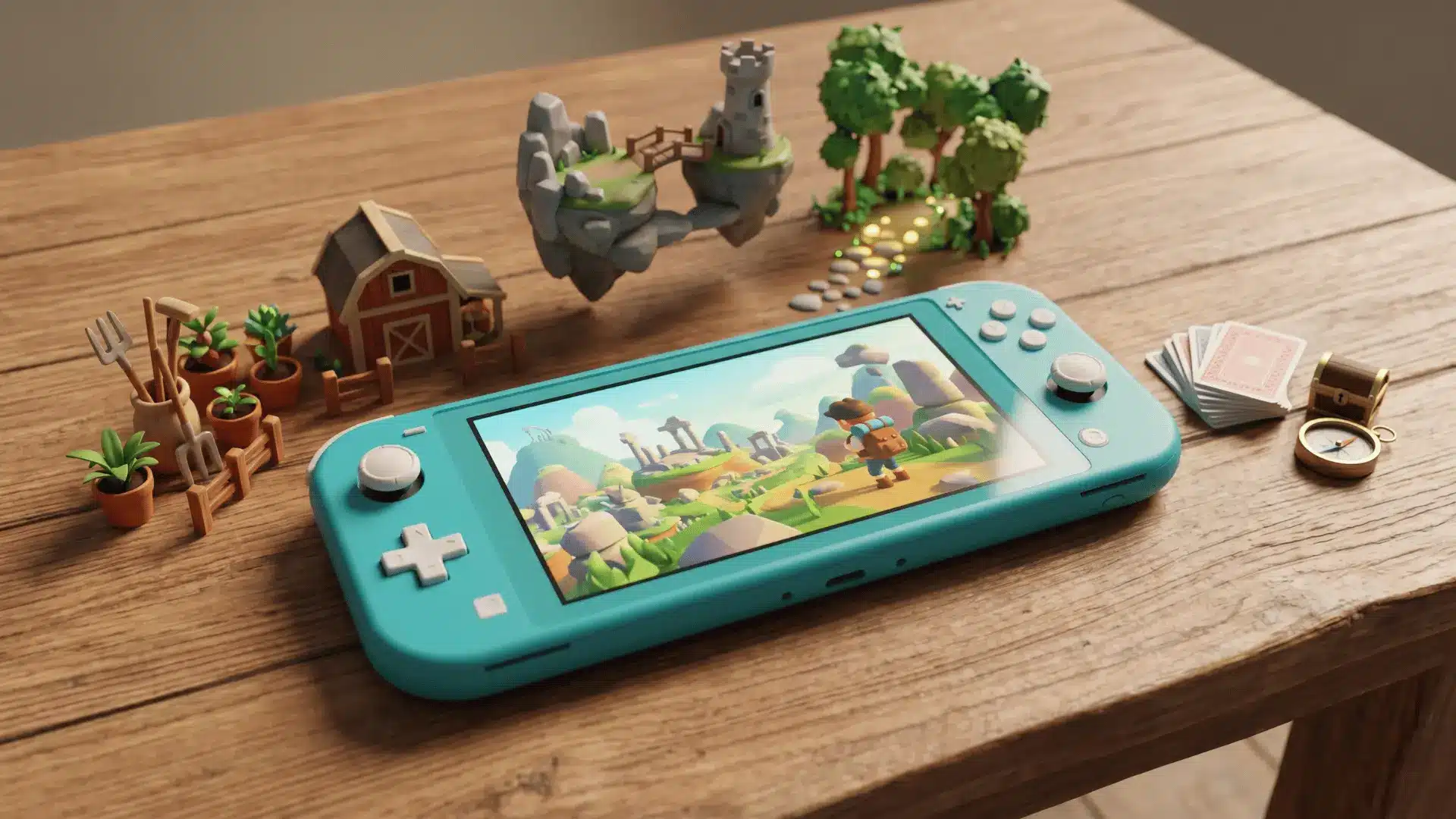
It launched on March 16, 2018, as the first mainline Kirby game in HD and remains one of the great games for Nintendo Switch Lite thanks to its smooth handheld performance.
Free updates added playable Dream Friends through 2019, and every copy now includes that content at no extra cost. What I got wrong going in: this is not a standard Kirby game with co-op added.
The party-building is the entire design philosophy. Solo play and co-op feel like different games.
How the Core Systems Work
I spent the first hour treating the ally system like a bonus. It is not. Once I understood how the three systems connect, the whole game reframed itself.
Friend Hearts: How Does Recruitment Work?
You throw a heart projectile at an enemy. If it connects, they join your party. I expected them to just follow me around. They actually fight using their own move sets.
You hold up to three allies at once. Each keeps whatever ability it had as an enemy:
- An enemy fights with its sword
- A fire enemy attacks with fire
- A water enemy brings water-based moves
That retained moveset feeds directly into Power Combos. I did not realize this at first. I was recruiting allies I liked visually, not thinking about what they were carrying.
Power Combos: What They Are and When They Actually Activate?
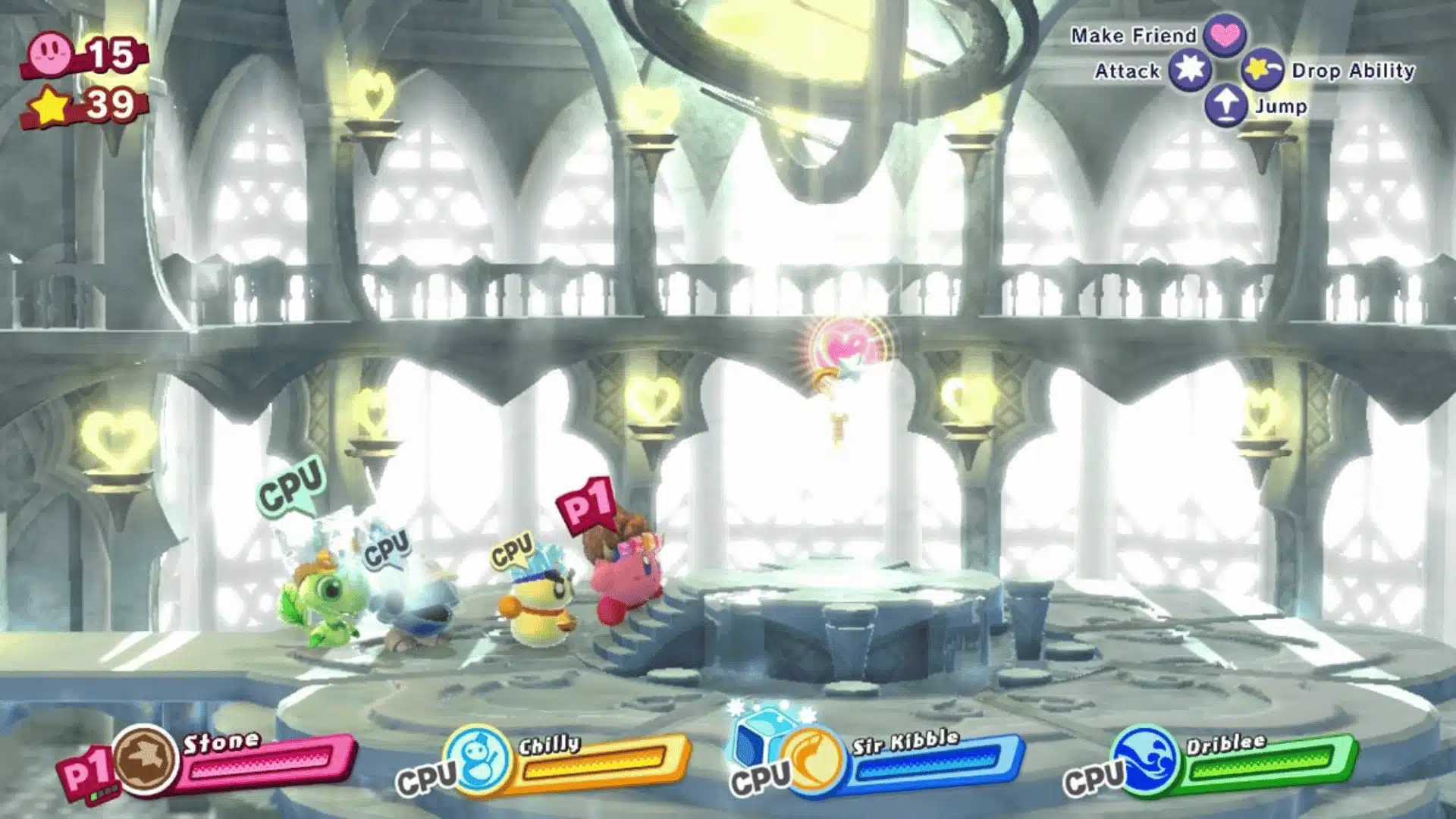
Power Combos activate when Kirby’s Copy Ability receives an elemental enhancement from a nearby ally, such as Fire, Ice, Water, or Electricity. They are temporary and only last while that ally remains available.
In co-op, players can coordinate positions to trigger specific Friend Abilities more reliably, making the system feel more deliberate.
With AI allies, activations are less predictable because you cannot control their positioning.
Team composition affects which elemental enhancements you can access, although the story mode rarely requires any particular combination to progress.
Friend Abilities: Environmental Moments vs. Combat Tools
Friend Abilities are different from Power Combos in one important way. The game initiates them, not you. I kept waiting to trigger them strategically. That moment never came.
At set points, your party merges into a fixed formation:
- Friend Bridge: allies stack horizontally to cross a gap
- Friend Train: a charging formation that breaks through obstacles
- Friend Star: a flying multi-shooter used in aerial segments
They need a minimum number of allies and activate when conditions are met.
I found them visually satisfying every time. What I had to let go of was expecting them to be a combat tool. They are choreographed moments, not player-driven decisions.
Difficulty, Challenge, and Who Gets Left Behind?
I went in expecting the usual Kirby ease. What I did not expect was finishing entire sections without meaningfully pressing a button. That needed a real explanation.
The game is easy for a structural reason. Star Allies was built for drop-in 4-player co-op. The AI fills absent human slots, attacking, solving puzzles, and completing sequences without your input.
The more AI helpers you have active, the more the game plays itself. I tested this deliberately. Three AI allies, standing still, full encounter cleared. That is the accessibility floor working as designed.
It keeps mixed-skill co-op groups moving without humiliating the weakest player. That is a legitimate design goal. The problem is that it does not switch off for solo veterans who do not need it.
Why Does the AI Make the Game Easier the More Helpers You Have?
I assumed I was just playing well early on. Then I dismissed all my allies and noticed immediately how much more the game asked of me.
The relationship is direct:
- 3 AI allies active: game compensates through most encounters automatically
- 1–2 AI allies: you contribute more, but gaps are still covered
- No allies: closest to traditional Kirby, still easy by genre standards
| Party Configuration | Player Input Required | Effective Difficulty |
|---|---|---|
| 3 AI allies | Minimal | Very low |
| 1–2 AI allies | Moderate | Low |
| Solo, no allies | Standard | Low-medium |
| 4 human players | Full | Low-medium, skill-expressive |
What I got wrong was treating difficulty as a fixed setting. It scales with party size. Solo and full-party are measurably different experiences, not because enemies change, but because AI absorbs the workload.
Story Mode vs. Post-Game: Where the Difficulty Curve Actually Is?
I assumed the story mode was the whole game. That was the mistake. The story mode is just the entry point, the easy, accessible front half.
The actual split looks like this:
| Mode | Difficulty | What It Demands |
|---|---|---|
| Story Mode | Very low | Completion only |
| Guest Star Allies Go! | Low-medium | Character mastery |
| The Ultimate Choice (low tiers) | Medium | Pattern recognition |
| Soul Melter EX | Genuinely hard | Precise, deliberate play |
I cleared story mode, feeling underwhelmed. Then Soul Melter EX in The Ultimate Choice arrived. It was a different game entirely, unforgiving, demanding, and worth the wait.
The cascade that hurts this game’s reputation is simple. Players disengage during story mode, never unlock post-game, never find where the difficulty actually lives.
The players most likely to call Star Allies bad are exactly the ones who left before it got hard. I cover the post-game modes fully in the next section.
Kirby Star Allies: Post-Game Content and Dream Friends
Most negative reviews I have read were written by players who stopped at the credits. I almost did the same. The post-game is where the real game starts.
The Reddit threads calling Star Allies bad are full of people who disengaged during story mode. They never unlocked what follows. That gap explains most of the disagreement you will find online.
1. Guest Star Star Allies Go: Replayability Without New Content
I unlocked this expecting new stages. Wrong expectation entirely. It is a full replay of existing stages through completely different character kits, timed, scored, and stripped of your usual Kirby moveset.
Each Dream Friend plays differently enough that familiar stages feel genuinely reframed. I did not expect to care. I ended up running it multiple times just to try different characters.
What it does not offer:
- New stage layouts or level design
- New enemies or environmental challenges
- Any change to the campaign’s structural pacing
If the story mode stages bored you, this will not fix that. The content is the same. The experience of moving through it changes significantly depending on who you are playing.
2. The Ultimate Choice and Soul Melter EX: Where the Real Challenge Lives?
The Ultimate Choice is a boss gauntlet with escalating difficulty tiers. You choose your spice level before entering, then fight through a sequence of bosses with no breaks between rounds.
Soul Melter EX is genuinely hard. I died on runs I thought I had cleaned. That does not happen often in Kirby games, and it surprised me each time.
It requires:
- Pattern recognition across multiple boss phases
- Deliberate ability selection before you enter, no mid-run changes
- Consistent execution with very little margin for error
This is the mode that veterans who dropped the game during story mode never reached. It exists, it is demanding, and it reframes what the game is capable of asking from you.
3. Dream Friends: Fan Service or Meaningful Expansion
Dream Friends were added across three DLC waves between 2018 and 2019. Every copy includes them now. Nothing is locked behind a separate purchase or additional download.
The roster breaks down like this:
- Wave 1: Rick & Kine & Coo, Marx, Gooey
- Wave 2: Adeleine & Ribbon, Dark Meta Knight, Daroach
- Wave 3: Magolor, Taranza, Susie, the Three Mage-Sisters
- Base game: Bandana Waddle Dee and ability-based helpers
I expected reskins. I was wrong. Marx plays nothing like Magolor. Adeleine plays nothing like either. Each character carries a distinct moveset built around their franchise history.
Honestly, they are fan service, but executed with real care. No comparable Kirby title offers this breadth of character. The stages beneath them do not improve, but the characters themselves are the genuine article.
Is Kirby and the Star Allies Worth Buying?
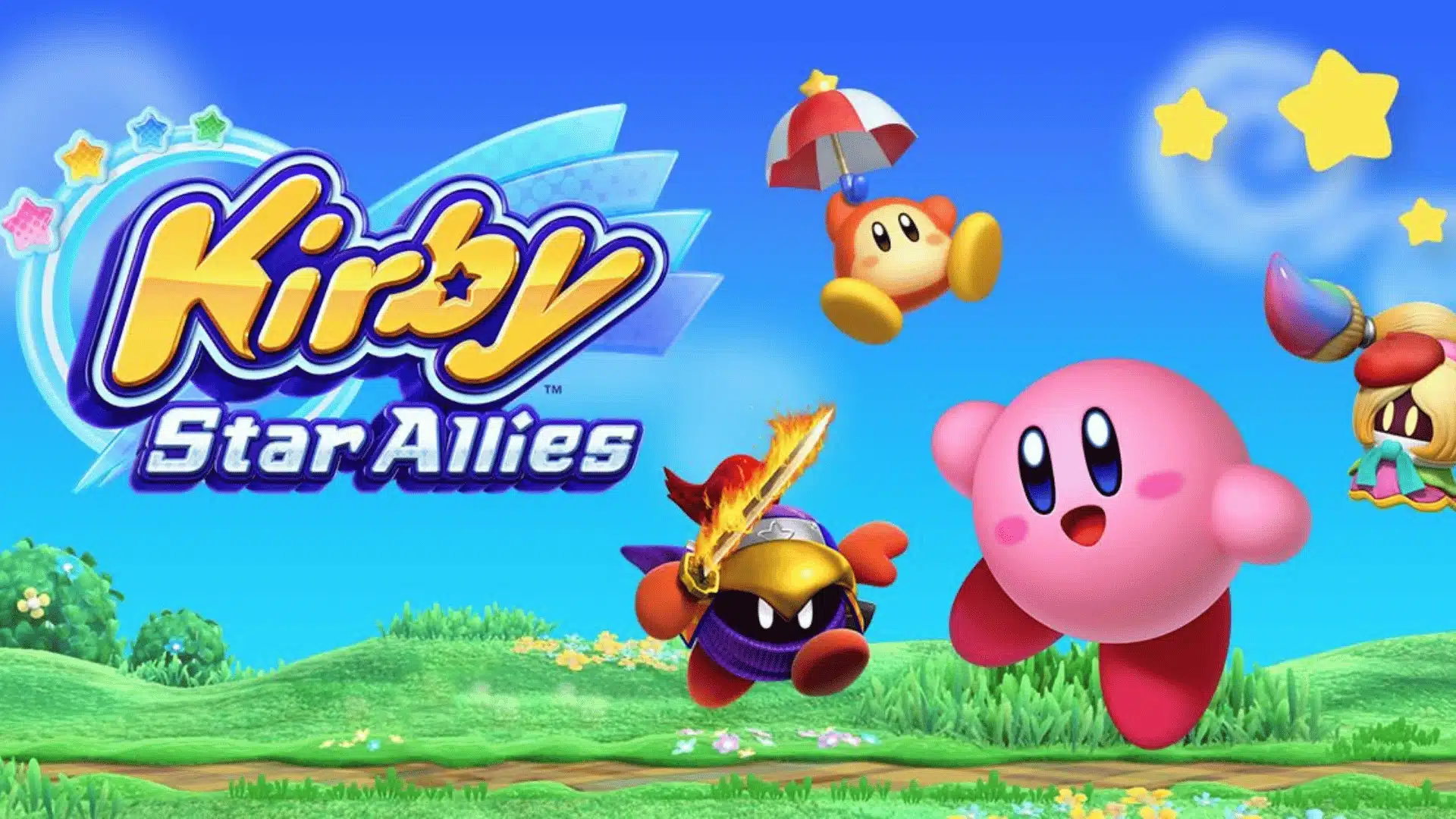
Kirby Star Allies is worth buying for co-op players, families, and longtime Kirby fans who plan to experience its post-game content.
It is a tougher recommendation at full price for solo players expecting a challenging platformer. IGN awarded the game 8.3/10, while it holds a Metacritic score of 73 based on critic reviews.
User scores are generally higher, showing stronger fan appreciation than its mixed critical reception. If you enjoy local co-op, Dream Friends, and replayable post-game modes, it is well worth picking up, especially on sale.
Solo players looking for a deeper and more challenging campaign may prefer Kirby and the Forgotten Land instead.
Conclusion
Kirby Star Allies may not be the strongest solo Kirby game, but it succeeds at what it was designed to do.
Its focus on local co-op, accessible gameplay, and a large roster of Dream Friends creates an experience that stands out in its own way.
The story mode is easy, yet the post-game offers a greater challenge for players willing to keep going.
Looking back on this Kirby Star Allies review, I found the game much stronger than its early hours suggest. If you have played Kirby Star Allies, share your thoughts in the comments and let others know if it is worth buying.
Frequently Asked Questions
Is Kirby and the Star Allies Good for Solo Players?
Yes, but it depends on your expectations. Solo players can complete the entire game with AI companions, though the experience is much easier than playing alone. Players looking for a tougher challenge will likely enjoy the post-game modes more than the main story.
Can You Play Kirby Star Allies With Friends?
Yes. Kirby Star Allies supports local co-op for up to four players on a single Nintendo Switch console. Friends can join at almost any time by taking control of Kirby’s recruited allies, making it a great choice for family or couch co-op sessions.
Is Kirby and the Star Allies Worth Buying on Sale?
Yes. Kirby Star Allies offers much better value when discounted, especially for players who enjoy local co-op, replaying stages with different Dream Friends, and completing the post-game content. At full price, solo players may find that other Kirby games offer a stronger overall experience.
Are the Dream Friends Included in Kirby Star Allies?
Yes. All Dream Friends released through the free updates are included in every current version of the game. You do not need to buy any separate DLC to access characters like Magolor, Marx, Gooey, or Adeleine & Ribbon.