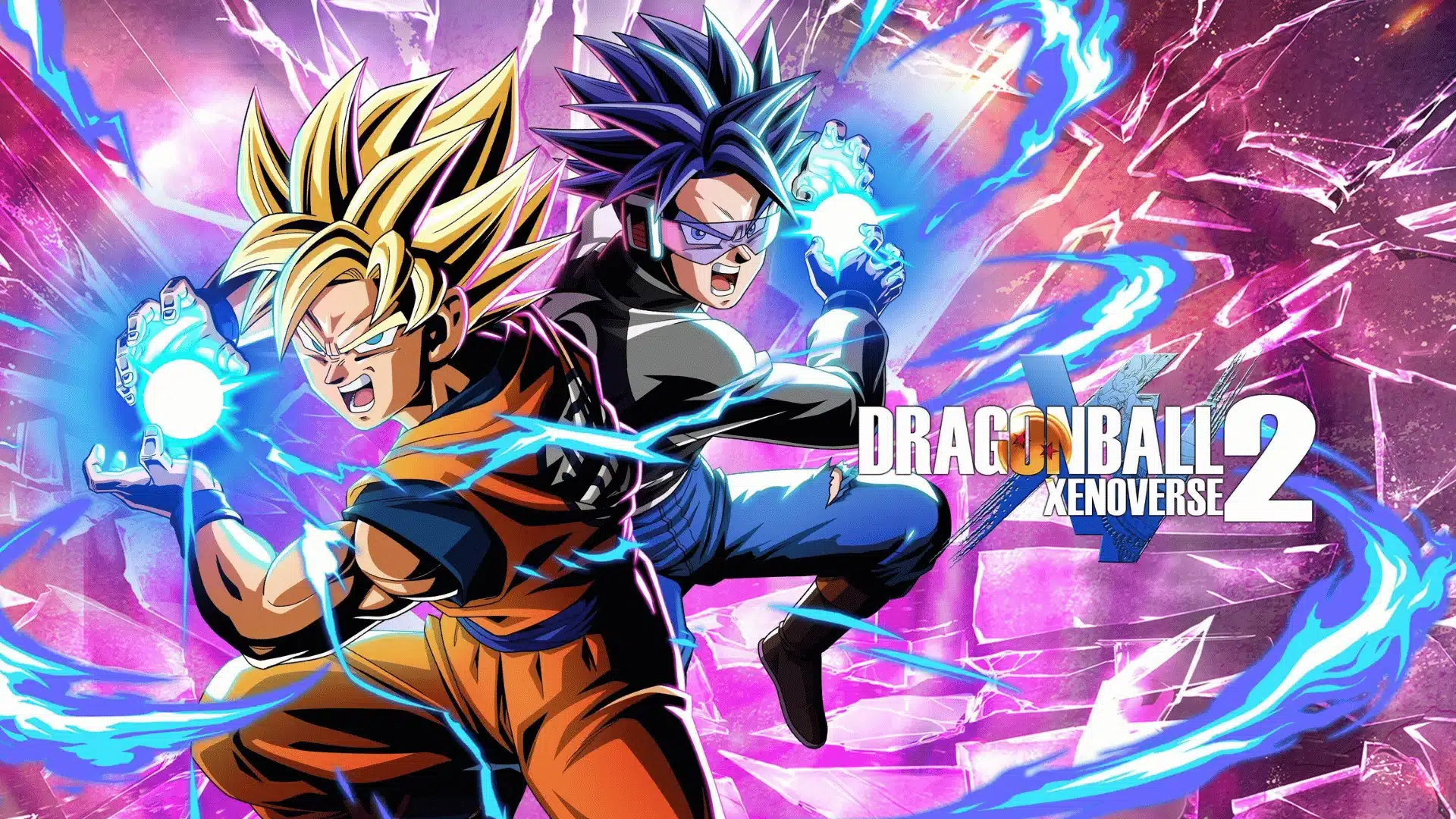
Searching for a Dragon Ball Xenoverse 2 review usually means you want to know one thing: whether the game is still worth your time and money.
I had the same question before starting it. At first, it looked like another fast-paced arena fighter, but after spending many hours with it, I realized it offers much more.
Character builds, online co-op, and long-term progression gave me reasons to keep coming back. It is not perfect, and some parts become frustrating, especially later in the campaign.
Still, there is a lot to enjoy if you know what to expect before jumping in.
Dragon Ball Xenoverse 2 Review: Combat, Story, & Progression
Combat in Xenoverse 2 runs on stamina management and punish windows. Every fight is a read-and-react exchange, not a combo memorization test.
I spent my first few hours mashing supers. It worked until it didn’t. The game never explains its own depth. You find it by getting hit.
Your stamina bar depletes when you block, dash, or absorb hits. When it empties, you’re broken, frozen, and completely exposed to whatever comes next.
That frozen moment is where real damage lands. The opponent gets a clean punish window. I learned what that felt like before I learned how to create it.
The vanish counter escalates things further. Both players teleport through each other’s attacks in rapid succession, trading stamina until one bar cracks completely. That’s the anime feeling. Not polish, but a stamina auction resolving in half a second.
Depth scales with how much you invest:
- Casual players running standard supers will find the combat satisfying and complete
- Build-focused players who layer Super Soul bonuses onto stamina recovery find a second game underneath
- Competitive players who learn vanish timing and stamina break windows find the system genuinely rewarding
One real limitation worth naming: the camera in enclosed mission areas. It clips, loses tracking, and sometimes makes you fight the angle more than the enemy.
I’ve lost missions to it. The camera can become unreliable in enclosed areas, especially during fights with multiple enemies.
1. Stamina and the Vanish System
| Element | What It Does | Why It Matters |
|---|---|---|
| Stamina Bar | Depletes on blocks, dashes, and absorbed hits | Creates a resource you manage, not just a health buffer |
| Stamina Break | Triggers when the bar empties, causing a brief stun | Punishes passive or reckless play and rewards reading opponents |
| Vanish Counter | Teleport-trade during an opponent’s attack | Produces the rapid exchanges that define the game’s feel |
| Recovery | Refills passively when you stop spending it | Forces rhythm. Aggressive players have to breathe |
I got broken constantly early on from dashing too much. The stamina bar isn’t a stamina meter in the traditional sense. It’s your aggression budget.
Once I understood that, I stopped treating every opening as a reason to dash in. The game slowed down mentally, even as it stayed fast visually.
2. AI Partner Reliability
- Partners deal damage and draw aggro. When functional, they genuinely contribute
- Against single enemies in open spaces, they hold up reasonably well
- Against multiple enemies or fast bosses, they clump, lose track, and often die early
- The problem compounds in harder campaign missions, covered in depth in the next section
I stopped relying on partners after the third time they stood still while I got surrounded. Treating them as support rather than backup fixed most of the frustration.
3. Online Co-op and Raids
Expert Missions and raids are where the combat earns its strongest praise. Fighting alongside real players greatly reduces the AI issues found in solo play.
Raids pit a group against one powerful enemy. The stamina and vanish mechanics matter more here than anywhere in solo play.
I’ll cover both systems in full when we get to the progression section. For now, if multiplayer is part of your decision, it holds up well.
Story Campaign: What to Expect and Where It Stalls?
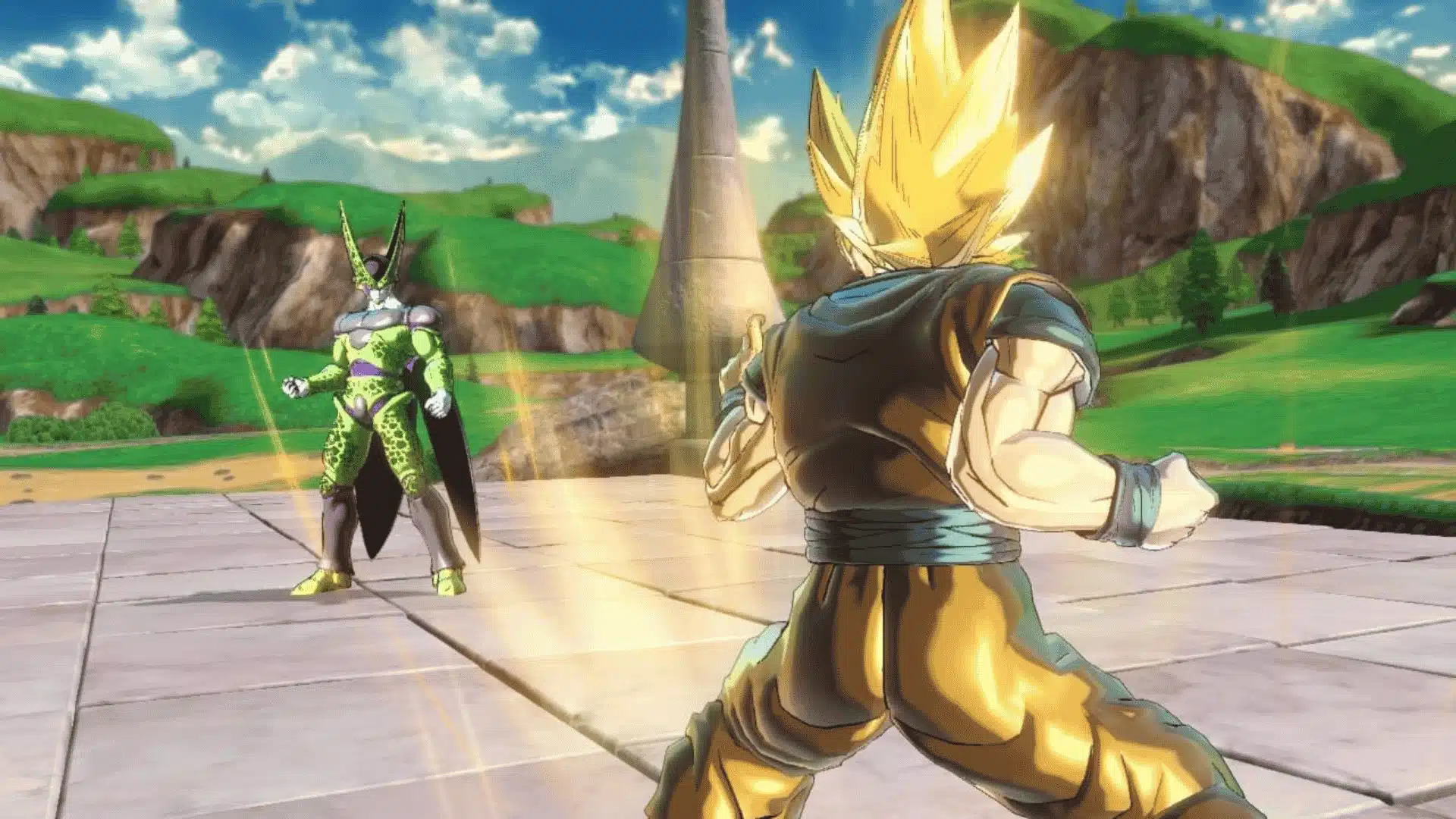
In Xenoverse 2, you play as a Time Patroller tasked with fixing corrupted versions of Dragon Ball history. The story is a framing device, not a narrative. Manage that expectation early.
I went in hoping for something story-driven. What I got was a mission structure dressed in canon clothing. Once I stopped expecting plot, I started enjoying what it actually was.
Story Premise and How It Uses the Dragon Ball Canon?
The campaign walks you through altered versions of Z and Super arcs, including Frieza’s defeat, the Cell Games, and Buu’s saga. History keeps breaking, and you keep fixing it. That’s the loop.
What it does well is fan service. Seeing these moments remixed, sometimes with your character standing next to Goku, lands better than I expected. The framing earns its place.
Where it runs thin is between missions. There’s no real character investment outside your own created fighter. The story doesn’t build toward anything. It resolves and resets arc by arc.
If you played Xenoverse 1, some cutscenes and story beats will feel familiar. The structure is similar. A returning player will notice the overlap. A new player won’t register it at all.
The criticism of reused assets is fair but overstated. What’s been added, including new arcs, the redesigned hub in Conton City, and expanded RPG systems, makes it a materially different game underneath the familiar surface.
Difficulty Spikes and the Grind Requirement
Here’s what the campaign doesn’t tell you: difficulty isn’t tuned to story progress. It’s tuned to your stat level. Those two things don’t move together.
Before a hard gate, your AI partners are carrying more than you realize. They absorb hits and deal damage quietly. You only notice when they stop working.
That’s the cascade. You hit a wall, partners break down against multiple enemies, and the game never signals you need to grind. Parallel Quests are the fix.
Character Creation, RPG Progression, and Long-Term Content
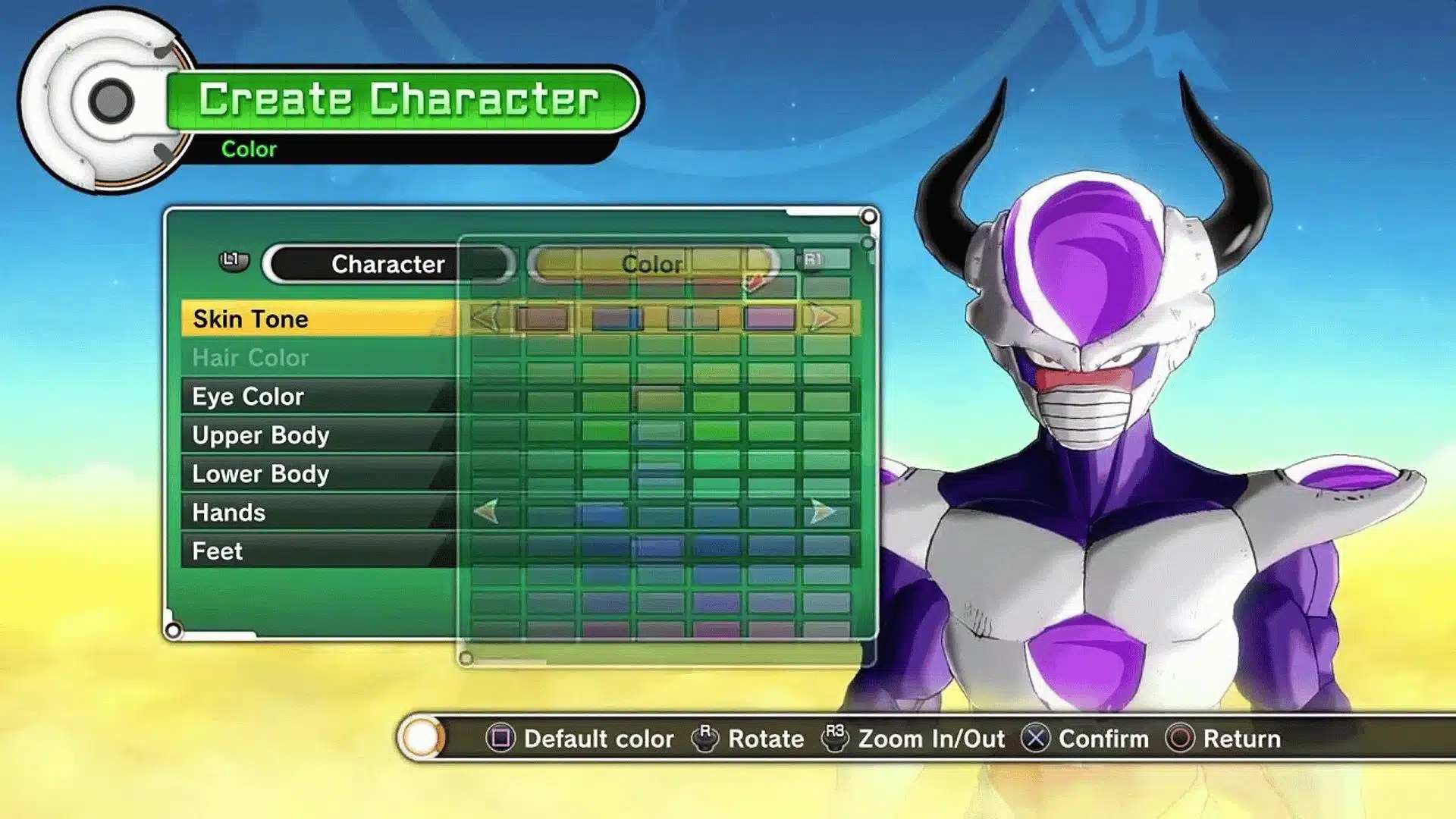
Character customization runs deeper than it looks. Race determines your stat distribution and skill ceiling. I picked based on looks and felt those gaps thirty hours later.
Here’s what most reviews miss: As you progress through the story, Expert Missions, Parallel Quests, and online activities expand the endgame.
1. Race and Build Selection
Each race plays differently in ways that affect your entire run:
- Saiyan: strong offensive scaling and powerful transformations, but less focused on defensive stats
- Namekian: strong health and stamina recovery, slower damage output
- Majin: high defense and stamina, unique transformation access
- Frieza Race: fast, ki-focused, strong at range, low health pool
- Earthling: balanced stats with passive Ki recovery and strong all-around builds
I played Saiyan first because it felt obvious. The transform bonuses are real, but the defense gap punished me more than I expected in later missions.
The decision matters more than it looks at character creation. Rerolling means starting over. Choose based on how you want to fight, not how you want to look.
2. Parallel Quests and the Progression Loop
Parallel Quests are side missions that drop moves, items, and experience. They’re also the grind mechanism the campaign quietly depends on but never explains.
Super Souls are the layer most players discover late. They’re equippable modifiers that change how specific moves behave, boosting damage, altering stamina recovery, and triggering bonuses on ki charge.
- Complete Parallel Quests to farm move drops and level up
- Equip Super Souls to modify how your build performs under specific conditions
- Stack complementary skills around a Super Soul’s trigger condition
- Return to harder quests as your build matures to test the optimization
I didn’t touch Super Souls seriously until I hit an Expert Mission I couldn’t clear. Swapping in the right one and rebuilding around it made an immediate difference. That’s when the RPG layer became real.
3. DLC Scope and Whether It Matters
The base game is complete without DLC. The campaign, Parallel Quests, Expert Missions, and online raids are all fully accessible from launch content alone.
What DLC adds is roster depth and additional moves, including more characters from later Super arcs, expanded skill sets, new Parallel Quests, extra missions, new transformations, and additional story episodes. It doesn’t unlock new systems.
- Base game: Full campaign, full progression loop, online access
- DLC: Additional fighters, moves, and story content, meaningful for long-term players but not essential early
I’d recommend finishing the base game before deciding on DLC. By the time you’ve exhausted the base content, you’ll know whether you want more, most players do.
How Does It Compare to Other Dragon Ball Games?
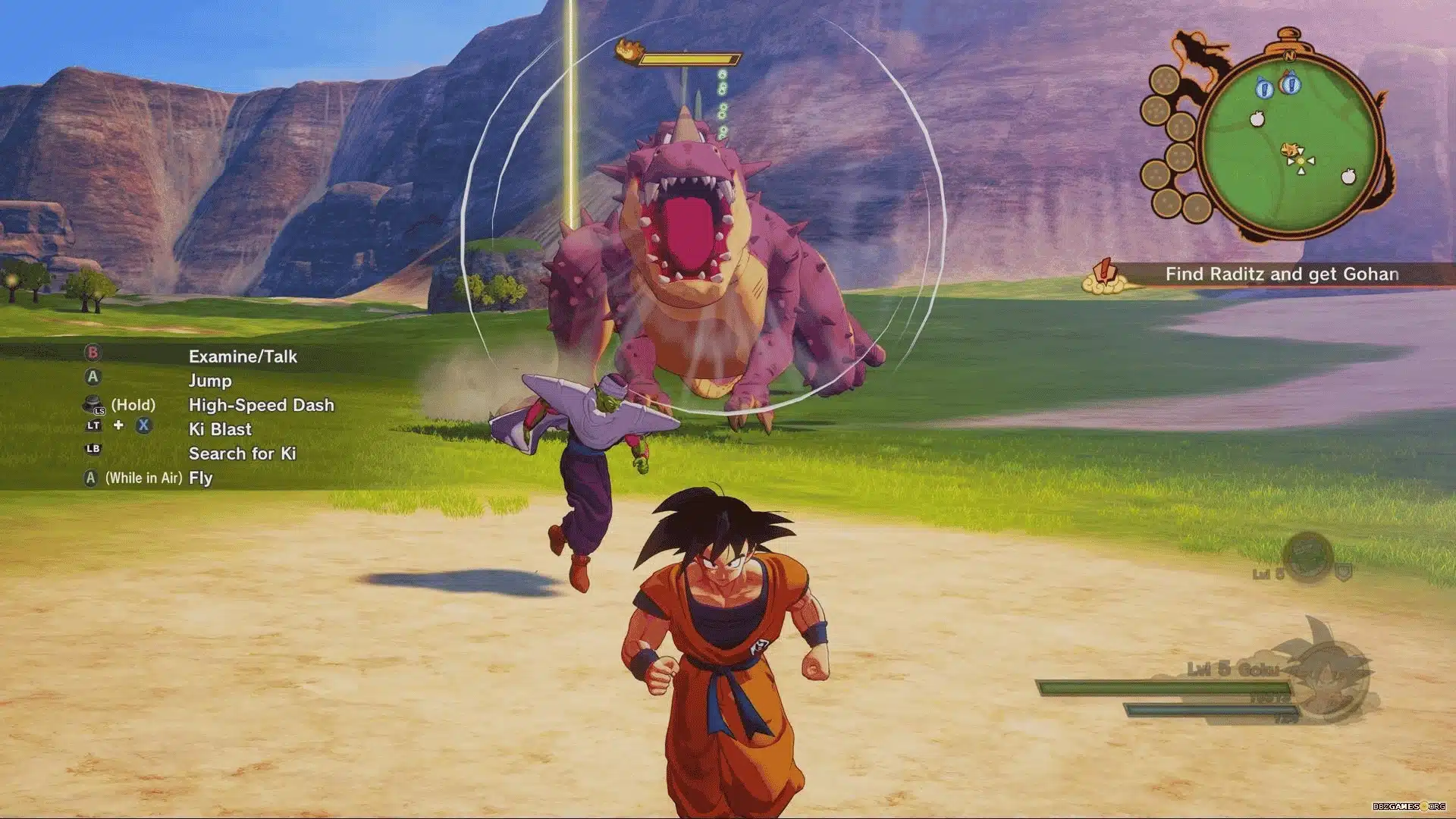
These games are constantly compared, but they’re not competing for the same player. I’ve spent time with all three. The question was never which is best. It was always which one matched what I wanted that week.
1. Xenoverse 2 vs. Dragon Ball Z: Kakarot
Kakarot is the better choice if story fidelity matters most. Xenoverse 2 is the better choice if you want long-term replayability and a custom character build.
I went into Kakarot expecting it to feel similar. It doesn’t. Kakarot is a story JRPG that follows Goku’s journey beat by beat. Xenoverse 2 uses canon as a backdrop, not a destination.
| Factor | Xenoverse 2 | Kakarot |
|---|---|---|
| Story depth | Framing device | Full narrative arc |
| RPG progression | Build-focused, replayable | Linear, story-driven |
| Custom character | Yes | No |
| Content ceiling | High, extends with DLC and raids | Completes with the story |
Where Xenoverse 2 pulls ahead is post-campaign depth. Kakarot’s content ceiling arrives when the story ends. Xenoverse 2’s opens up at that same point.
If you want to live inside the Dragon Ball story, Kakarot delivers that cleanly. If you want to build something and keep playing past the credits, Xenoverse 2 holds up longer.
2. Xenoverse 2 vs. Sparking Zero
Sparking Zero is the better choice for competitive 1v1 combat. Xenoverse 2 is the better choice for co-op, custom characters, and a long-term progression loop.
I loaded Sparking Zero expecting it to feel faster than Xenoverse. It’s a completely different game. The combat is tighter, more execution-focused, and built around known characters rather than custom ones.
| Factor | Xenoverse 2 | Sparking Zero |
|---|---|---|
| Combat style | RPG brawler, stamina-based | Arcade fighter, execution-based |
| Character | Custom-built | Roster selection |
| Multiplayer focus | Co-op raids | Competitive 1v1 |
| Progression | Deep RPG loop | Match-based |
Sparking Zero rewards mechanical skill with existing fighters. Xenoverse 2 rewards investment in building with a character you created. Those are genuinely different satisfactions.
Neither is objectively better. The wrong answer is buying one while wanting what the other delivers. I’ve made that mistake. It’s an avoidable one.
3. Xenoverse 2 vs. Xenoverse 1
Xenoverse 2 is the better game structurally. For returning players, the overlap is real, but the additions make it a materially different experience.
I played Xenoverse 1 before moving to 2. Some story beats felt familiar immediately. Certain cutscenes land in similar places. A new player won’t register any of this.
| Factor | Xenoverse 2 | Xenoverse 1 |
|---|---|---|
| Hub world | Conton City, open and cohesive | Toki Toki City, smaller and loading-heavy |
| Content volume | Significantly expanded | Foundation layer |
| RPG depth | Deeper build systems | More limited |
| Loading screens | Reduced substantially | Frequent and disruptive |
Conton City alone justifies the upgrade for returning players. The hub in Xenoverse 1 was functional. Conton City feels like a world. The difference is noticeable within the first hour.
If you’ve never played Xenoverse 1, start with 2. There’s no meaningful reason to go backward. If you’ve played 1 extensively, the overlap exists, but the additions outweigh it.
Platform Versions: Does It Matter Which You Buy?
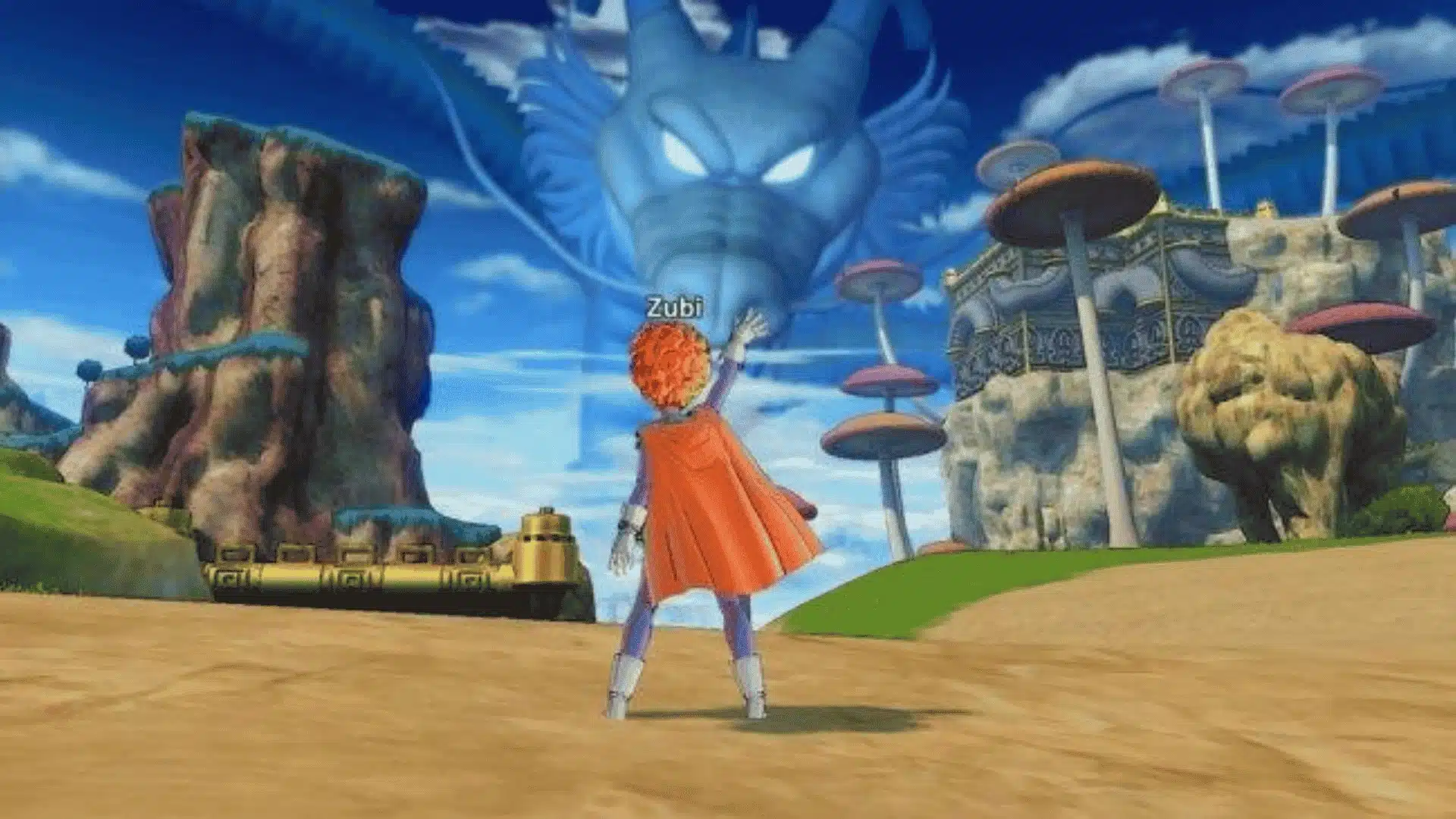
The Switch version of Xenoverse 2 is worth buying. The visual downgrades are real, but the game runs well in both handheld and docked modes, and the core experience stays intact.
The base game is consistent across all platforms. What are the changes in performance, resolution, and portability? The game you’re playing is the same. The conditions around it differ.
I played on PS4 first, then revisited on Switch. The difference in visual sharpness is noticeable side by side. In isolation, the Switch version holds up better than the scores suggest.
Here’s how the platforms break down:
- PS4/PS5: higher frame rate, sharper resolution, better performance in demanding combat sequences
- Switch (docked): lower resolution and occasional performance drops during heavier battles, but the full game experience is available.
- Switch (handheld): portable, slight further resolution drop, still fully playable and content-complete
- PS5: native PS5 version available with improved performance and faster loading
The Switch version scored slightly lower across reviews due to the visual trade-off. That’s fair in a direct comparison. As a standalone portable experience, those scores undersell it.
For casual players and Dragon Ball fans without a strong platform preference, any version works. The game’s strengths, including combat, customization, and content depth, carry over cleanly to the hardware difference.
If visual fidelity or competitive online performance matters to you, PS4 or PS5 is the cleaner choice. If portability is the priority, the Switch version delivers without meaningful content loss.
Who Should Buy It and Who Should Wait?
Dragon Ball Xenoverse 2 is still worth buying, especially if you enjoy action RPGs with character customization and long-term progression.
It currently holds a 72 Metascore on Metacritic and has remained popular thanks to years of updates and DLC.
New players will find plenty of content in the base game, while returning Xenoverse 1 players should consider waiting for a sale because of some familiar story elements.
If you already own Kakarot or Sparking Zero, Xenoverse 2 offers a different experience built around custom characters, co-op, and replayability. DLC is optional and best considered after finishing the base game.
Conclusion
After spending plenty of time with the game, I can say this Dragon Ball Xenoverse 2 review comes down to one simple answer: it is still worth playing for the right audience.
The story is average, but the combat, character creation, and progression system keep the experience enjoyable long after the campaign ends.
It has a few rough edges, including some grinding and camera issues, yet they never outweighed the fun for me.
If you enjoy building your own fighter and taking on challenging battles, this game is easy to recommend. Have you played it? Share your thoughts and favorite build in the comments below.
Frequently Asked Questions
Is Dragon Ball Xenoverse 2 a Good Game?
Dragon Ball Xenoverse 2 is a strong game for its target audience. Its character creation, combat depth, and post-campaign content loop give it staying power most franchise titles don’t have.
Is Xenoverse 2 Better Than Sparking Zero?
It depends on what you want. Sparking Zero suits competitive 1v1 players. Xenoverse 2 suits players who want a custom character, RPG progression, and co-op content. They serve different intentions entirely.
Is Dragon Ball Xenoverse 2 Better Than Kakarot?
For story fidelity, Kakarot is the stronger choice. For long-term replayability and character customization, Xenoverse 2 wins. The right answer depends on whether narrative or build-based gameplay matters more to you.
Is Xenoverse 2 a Long Game?
The main campaign runs roughly 15 to 20 hours. Total content, including Parallel Quests, Expert Missions, and DLC, extends well past 100 hours for players who go deep into the progression systems.