
I went into Astral Chain expecting another stylish action game from PlatinumGames. What I found was something far more creative, thanks to its unique Legion system and fast-paced combat.
At the same time, I also ran into slower investigation sections that didn’t always match the excitement of the battles.
That mix of strengths and weaknesses makes it a game that’s easy to admire but harder to judge at first.
If you’re looking for an honest Astral Chain review, you’ll find everything you need to know about the combat, story, pacing, performance, and whether it’s still worth playing today.
What is Astral Chain?
Astral Chain is a Nintendo Switch exclusive action game developed by PlatinumGames and published by Nintendo.
You play as a rookie officer in the special police task force Neuron, fighting alien creatures called Chimeras that invade from another dimension.
The game stands out for its dual-character combat, where you fight alongside a captured Chimera known as a Legion.
It isn’t just a hack-and-slash game, either. Between battles, you’ll investigate crime scenes, solve simple puzzles, and complete detective-style missions.
If you’ve played Bayonetta or NieR: Automata, you’ll recognize PlatinumGames’ fast-paced action, but Astral Chain builds its own identity through the unique Legion system.
How the Combat System Actually Works
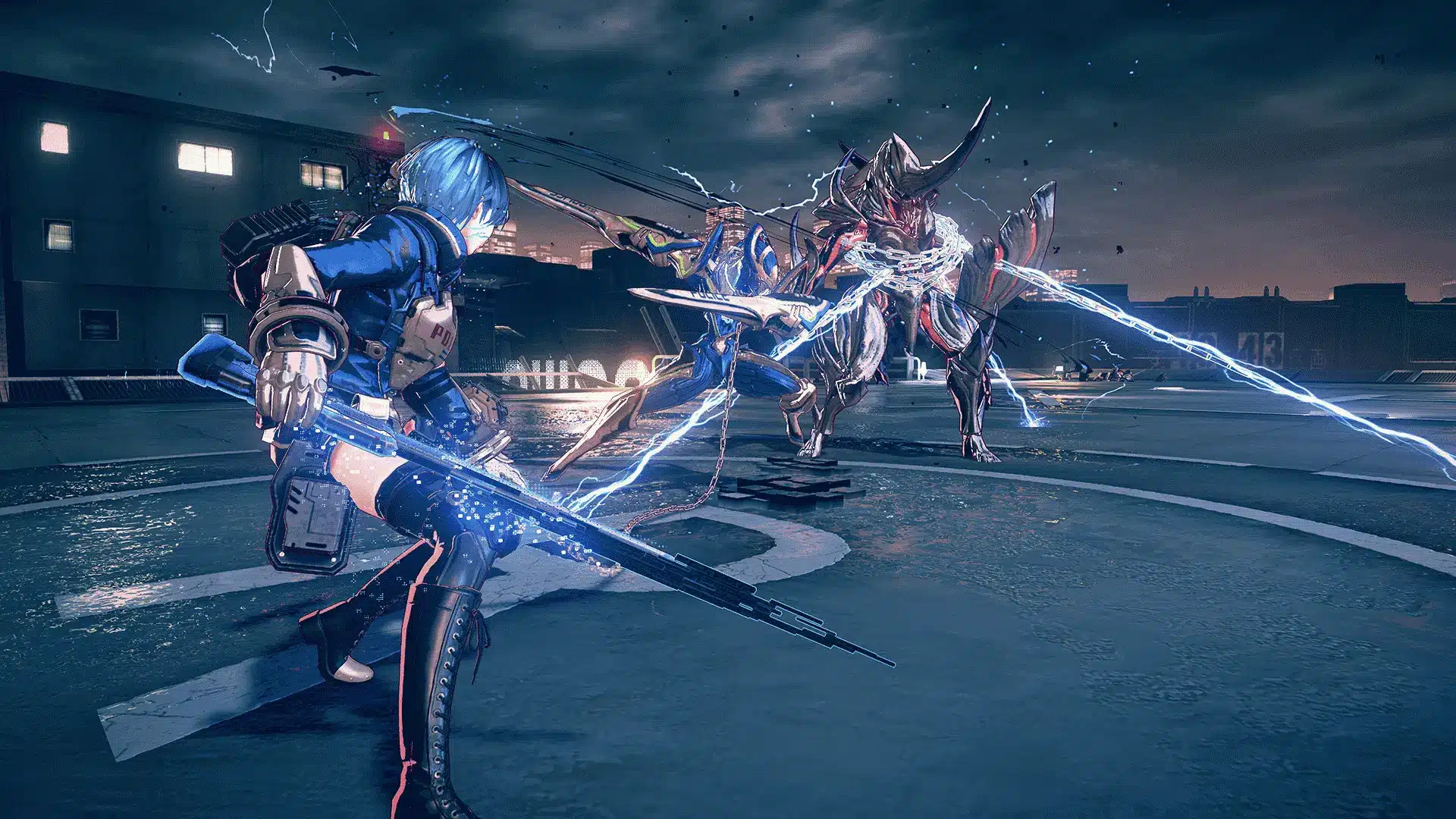
The astral chain connects you to a controlled Chimera called a Legion, and the chain itself, not just the Legion, is your primary tactical tool.
Most people assume the Legion fights for you while you stay back. That’s not how it works. You’re managing both characters at once, and the chain connecting them is where the real decisions happen.
Your human character carries three weapon types: a baton, a blaster, and a heavy weapon.
Each combo differs from your active Legion. The layering between weapons and Legion abilities is what gives the system its depth; it rarely feels like you’ve seen everything.
The Legion Types and What They Change?
Five Legions unlock across the campaign, and each one genuinely shifts how you approach a fight.
What each brings to the table:
- Sword Legion: Fast, close-range strikes, best for aggressive, high-pressure combat
- Arrow Legion: Ranged attacks and enemy lock-on, useful when you need distance
- Arm Legion: Heavy hits and shield-break capability, built for armored enemies
- Beast Legion: Traversal and pursuit, closes gaps, and chases fast-moving targets
- Axe Legion: Defensive support and powerful strikes, excellent for blocking attacks and dealing heavy damage during tougher encounters
These aren’t stat upgrades. Swapping Legions changes your entire approach to an encounter. Each Legion also has unique field abilities used during exploration and puzzles, so they affect both combat and progression through the world.
Chain Tactics Beyond Basic Combat
The chain between you and your Legion does more than connect you. GodisaGeek noted the combat opens up significantly once you start using the chain as a tool rather than a visual indicator.
You can clothesline enemies by running the chain across them.
You can bind them in place, pull yourself across gaps, or lasso a target to reposition mid-fight. Once this clicked for me, fights stopped feeling like button combos and started feeling like puzzles I was solving in real time.
Where Does the Game Slow Down?
Roughly a third of Astral Chain shifts the focus from combat to investigation sequences, and this is where the pacing started to slow down for me.
Between battles, I spent time scanning crime scenes with the IRIS system, gathering clues, questioning witnesses, and completing objectives in hub areas. These sections felt fresh at first, but they changed very little as the story progressed.
The stealth and platforming segments worked well enough, though they lacked the depth of the combat system. I also noticed occasional camera issues during larger battles.
Even so, the combat remained strong enough to make the slower stretches worthwhile.
Astral Chain Story, World, and Soundtrack
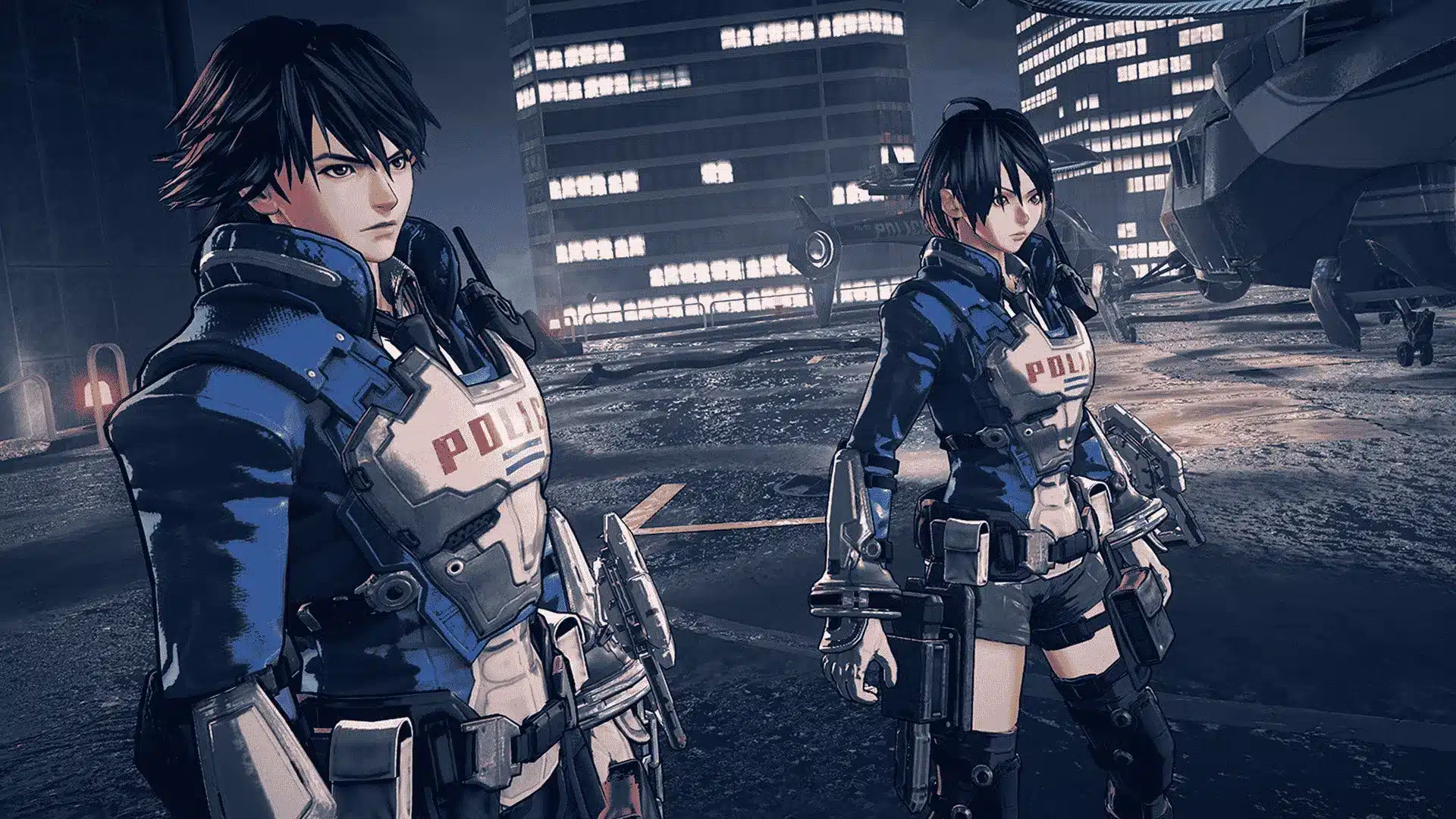
Astral Chain’s cyberpunk setting and anime aesthetic are consistently the most praised non-combat elements across professional reviews.
The game splits its world between two distinct environments. Each one looks and feels completely different from the other.
Here’s what stands out across the non-combat side of the experience:
- The Ark: A dense, neon-lit cyberpunk city with a strong anime visual identity; vibrant, detailed, and genuinely fun to move through
- The Astral Plane: A bleak, otherworldly dimension that contrasts sharply with the Ark; darker in tone and visually unsettling in the right way
- The Story: Tropes-heavy but entertaining, with enough twists to stay engaging; don’t expect subtlety, but it holds together
- The Protagonist: Silent and expressionless, while the supporting cast is loud and full of personality; the tonal gap is noticeable and a little jarring
- The Soundtrack: The soundtrack is a consistent highlight, with energetic electronic tracks that fit the game’s futuristic tone perfectly.
The presentation is where Astral Chain makes its strongest first impression. Even when the story leans on familiar anime beats, the world it’s set in makes you want to keep exploring it.
What Critics Scored It and Why?
Astral Chain currently holds a Metascore of 87 on Metacritic, based on more than 92 critic reviews. That’s a strong consensus, but the score range tells a more interesting story than the average does.
Where the major outlets landed:
- IGN – 9/10: Combat depth and overall presentation carried the score
- Nintendo Life– 8.6/10: Praised the visuals and rewarding combat system
- RPG Site– 7/10: Cited structural unevenness as a systemic issue, not a footnote
- GameSpot– 8/10: Praised the combat and variety but criticized some story and pacing issues
The split isn’t random. Critics who weighed the combat ceiling heavily scored it near the top. Critics who weighed the investigation segments as a structural problem scored it lower. Neither reading is wrong.
The variance just tells you what kind of player you need to be to land on the higher end of that scale.
Is Astral Chain Worth Buying in 2026?
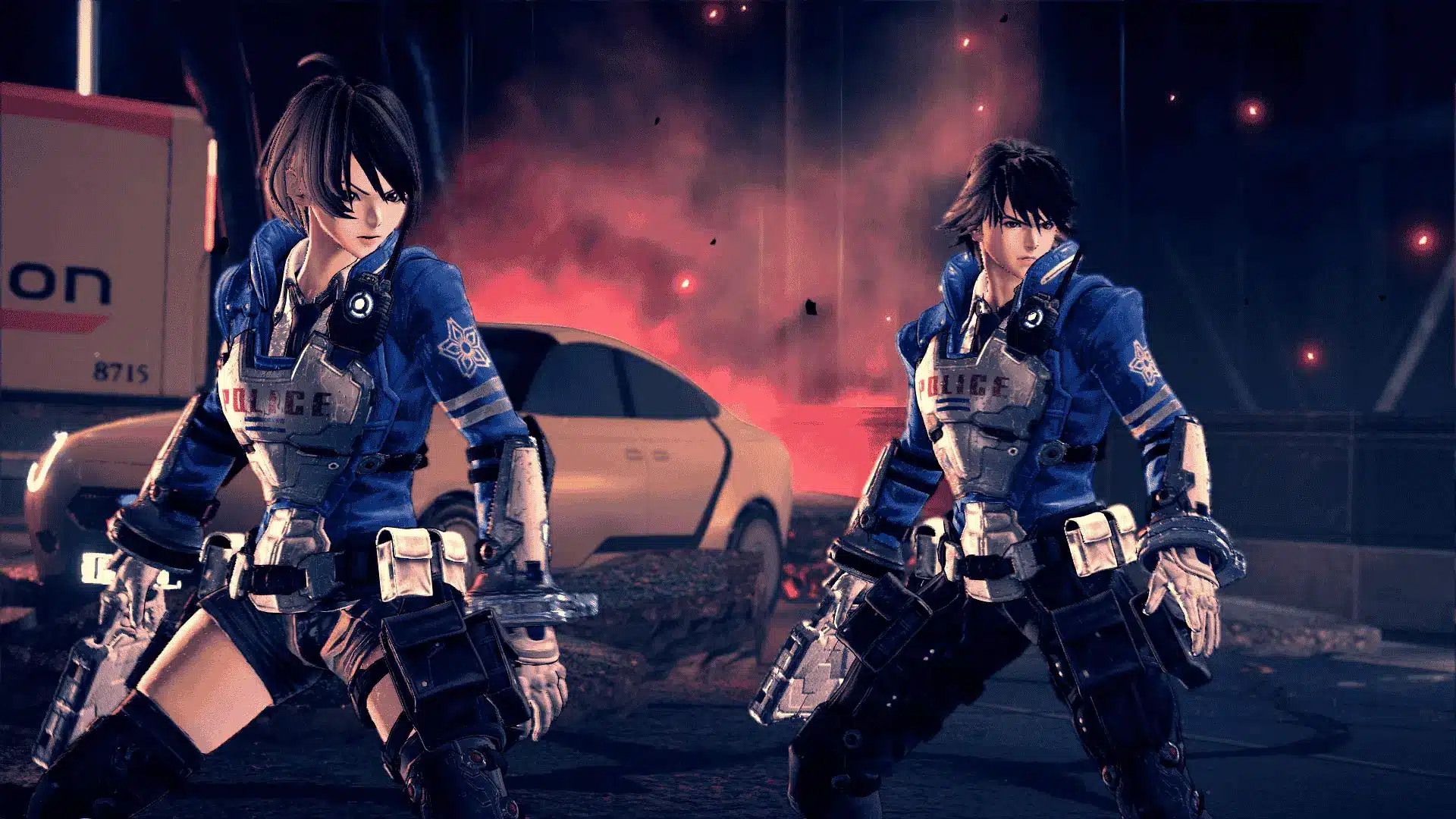
If stylish character action games are your genre, Astral Chain is one of the Nintendo Switch’s essential action titles. If you’re also looking for a family-friendly co-op experience, check out Kirby Star Allies for a very different take on multiplayer action.
For fans of Bayonetta, NieR: Automata, or Devil May Cry, this is an easy recommendation thanks to its deep combat and unique Legion system.
I finished the game feeling that the action more than justified the slower investigation segments.
If detective-style gameplay usually isn’t your thing, those sections may test your patience. Still, the combat, presentation, and replay value make Astral Chain well worth playing.
Wrapping Up
After spending time with it, I think this Astral Chain review shows why the game continues to stand out on the Nintendo Switch.
Its combat system is one of the best PlatinumGames has created, even if the investigation segments slow the pace at times. If fast action, rewarding mechanics, and stylish battles matter most to you, it’s an easy game to recommend.
If you’ve already played Astral Chain, I’d love to hear your thoughts. Did you enjoy the Legion system, or did the slower detective sections hold it back? Share your opinion in the comments below.
Frequently Asked Questions
Is Astral Chain a hack-and-slash game?
Not exactly. It blends character-action combat with JRPG investigation segments, pushing it closer to an action-adventure hybrid than a pure hack-and-slash.
How long does it take to beat Astral Chain?
The main campaign runs 15 to 20 hours. Completionists tackling all side content will push closer to 25 hours.
Is Astral Chain owned by Nintendo or PlatinumGames?
Nintendo owns the IP. PlatinumGames developed it, but publishing and intellectual property rights sit entirely with Nintendo.
Is Astral Chain good for players new to action games?
It has an accessible entry point but rewards players who invest in mastering the Legion system. Newcomers to the genre may find the combat depth overwhelming