The assumption that GBA games are purely nostalgic items tends to fall apart the moment you actually sit with the best ones and notice how little padding there is anywhere.
The best GameBoy Advance games were built under constraints that forced immediate mechanical clarity.
That pressure produced something home consoles of the same era rarely matched: a Zero Mission or a WarioWare gets to the point in minutes, with none of the padded tutorials or filler stages that PS2 and GameCube games of the same years leaned on.
I got this wrong early on by treating ports and originals as equivalent. The difference becomes obvious fast, and it reframes how you approach the entire library.
The genre breakdowns below reflect what actually holds up across action, RPG, and strategy titles, as well as the overlooked titles that rarely make it onto any standard list.
What Makes a GBA Game Stand the Test of Time?
I’ve played through a lot of this library, and the pattern I kept noticing was simple. The games built for the GBA outlasted the ones borrowed from bigger consoles.
The handheld-native titles like Zero Mission, Advance Wars, and Wario Land 4 fit how you actually play. Short sessions, natural stopping points, no punishment for putting it down.
I got this wrong early on. I assumed the highest-rated game meant the best GBA experience. It doesn’t. A 95 on Metacritic can still feel like homework on a small screen.
What I look for now is whether the game knows you’re holding it. The ones that do, regardless of IP or studio, are still worth your time today.
The Best GBA Action and Adventure Games
The action-and-adventure genre is where the GBA library made its clearest argument. These are the games that showed what the hardware could do when developers stopped porting and started building.
1. Metroid: Zero Mission
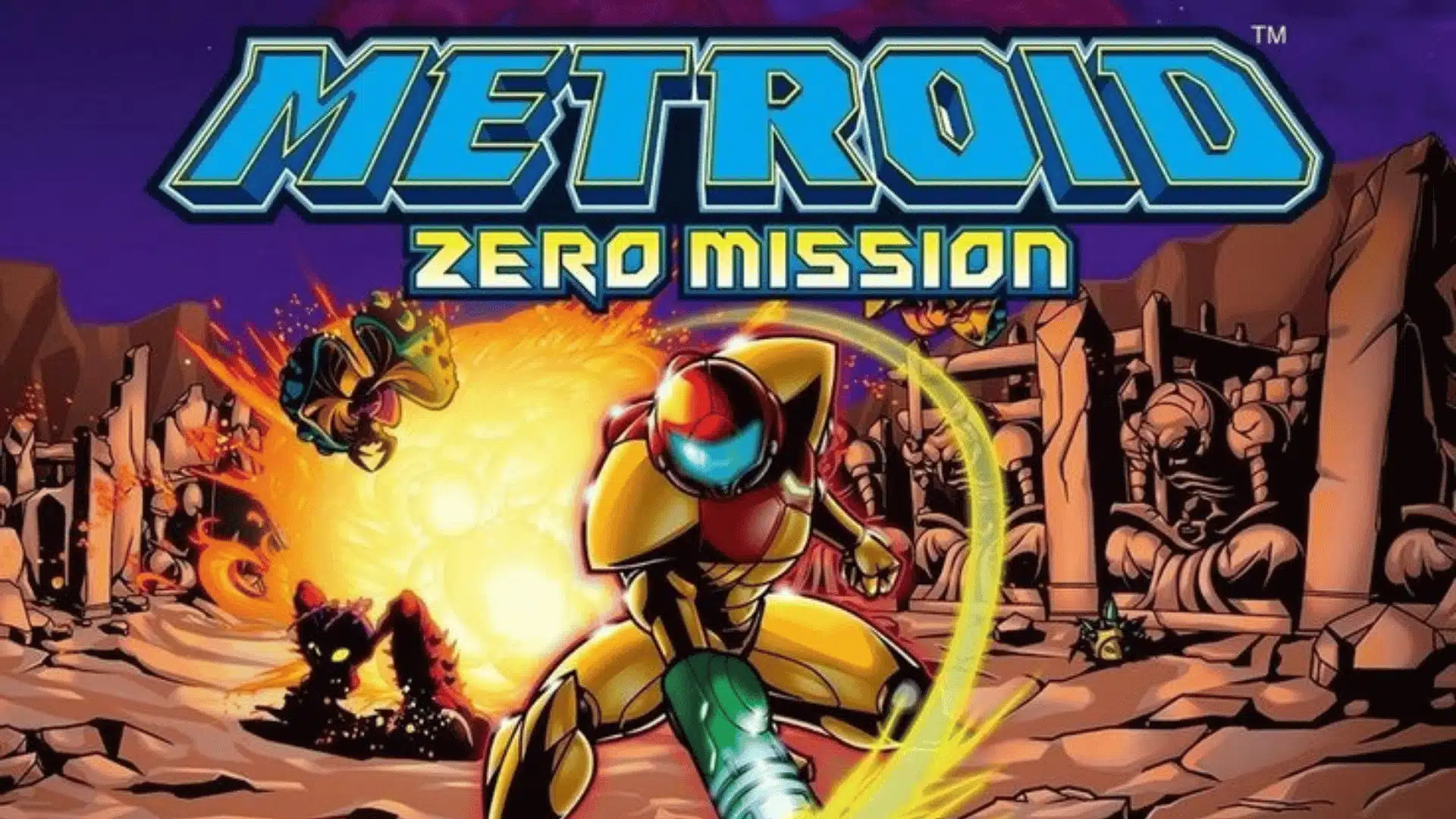
I came to Zero Mission expecting a simple remake. What I got was one of the most thoughtfully designed handheld games I’ve played. Every room is a self-contained problem.
The session structure is the part that stayed with me. You can put it down after ten minutes and feel like you actually got somewhere. That’s intentional design.
2. The Legend of Zelda: The Minish Cap
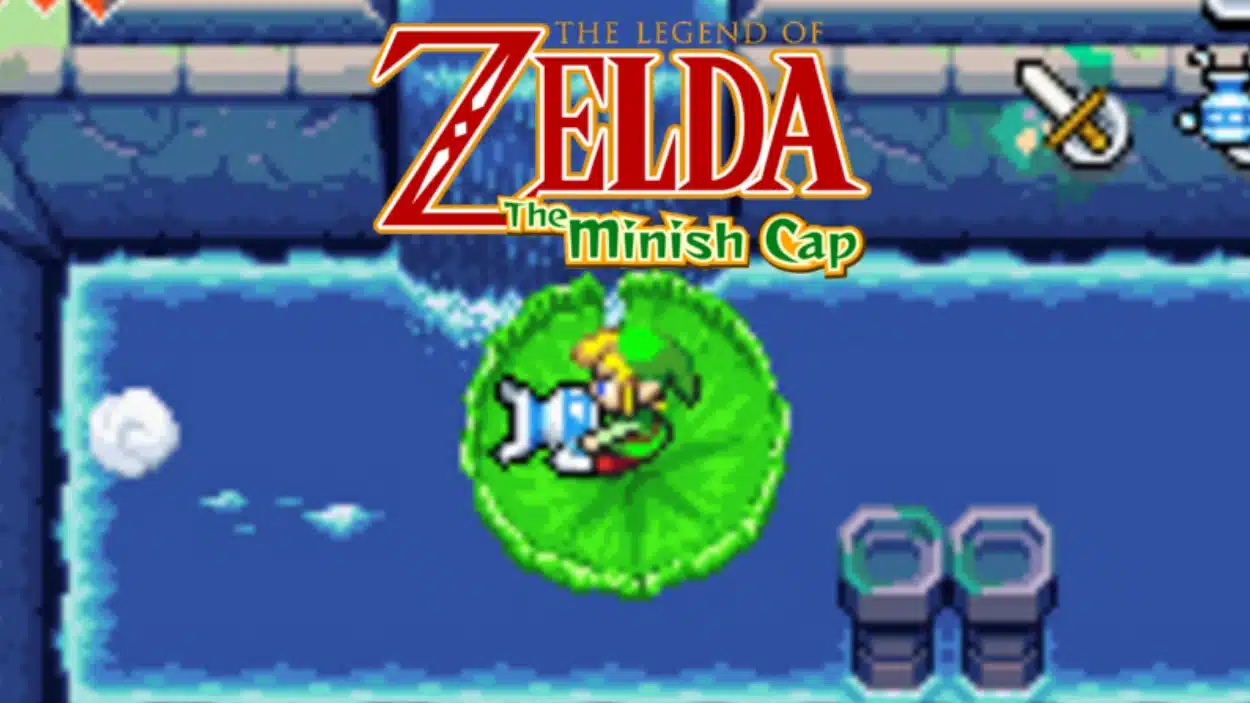
I assumed a handheld Zelda would feel compromised. Minish Cap proved me wrong immediately. The shrinking mechanic builds real puzzles around itself rather than existing purely as a visual idea.
It’s the shortest GBA Zelda, and that works in its favor. Every dungeon earns its place. If you want tight and inventive over long, this is the right one.
3. Castlevania: Aria of Sorrow
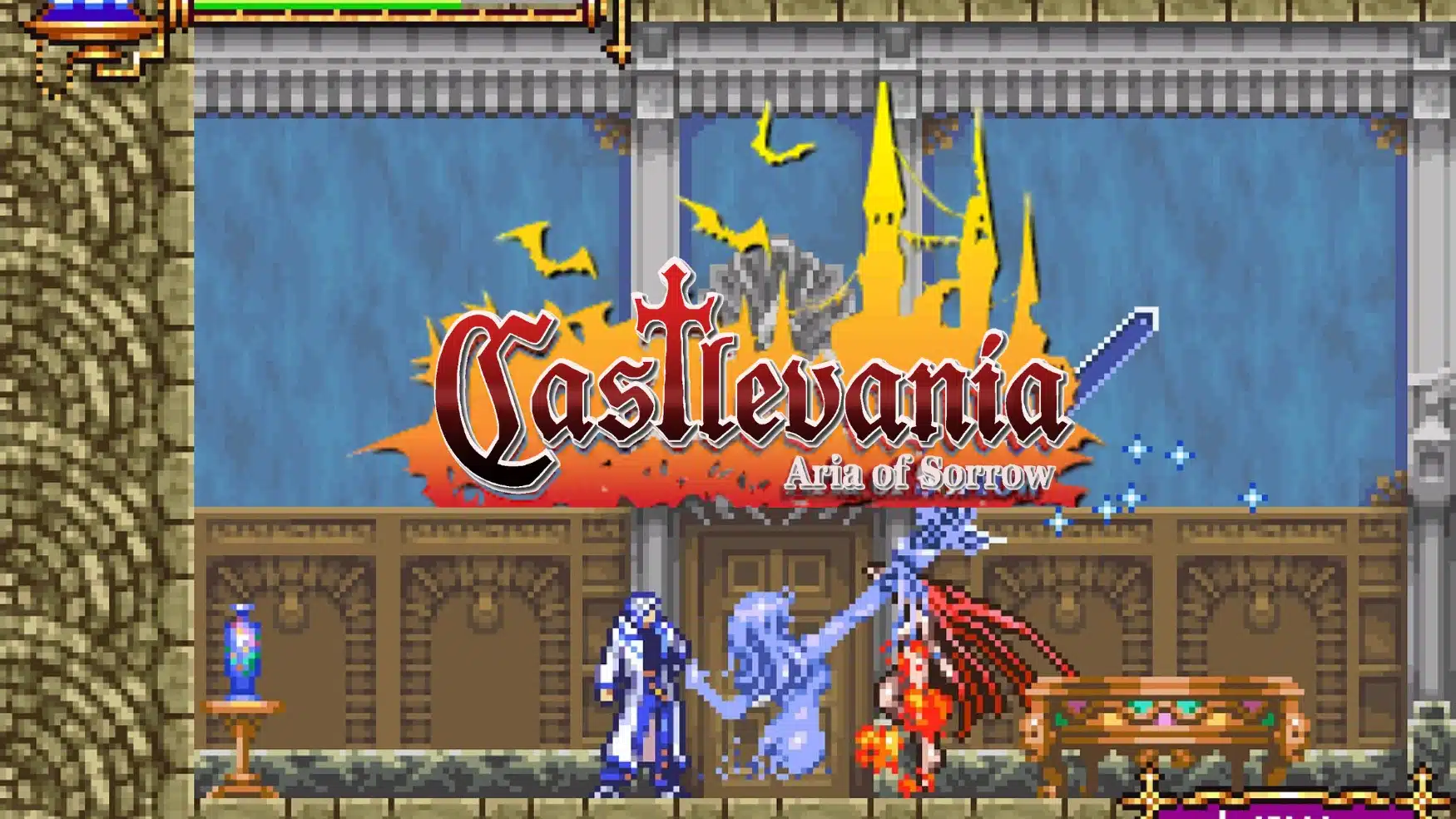
I played Circle of the Moon first and thought I understood GBA Castlevania. Aria of Sorrow changed that. The soul system turns every enemy encounter into part of a collection loop.
I was ignoring the soul drops early on. Once I started building around them intentionally, the game opened up completely. You can start here without playing the earlier entries.
4. Metroid Fusion
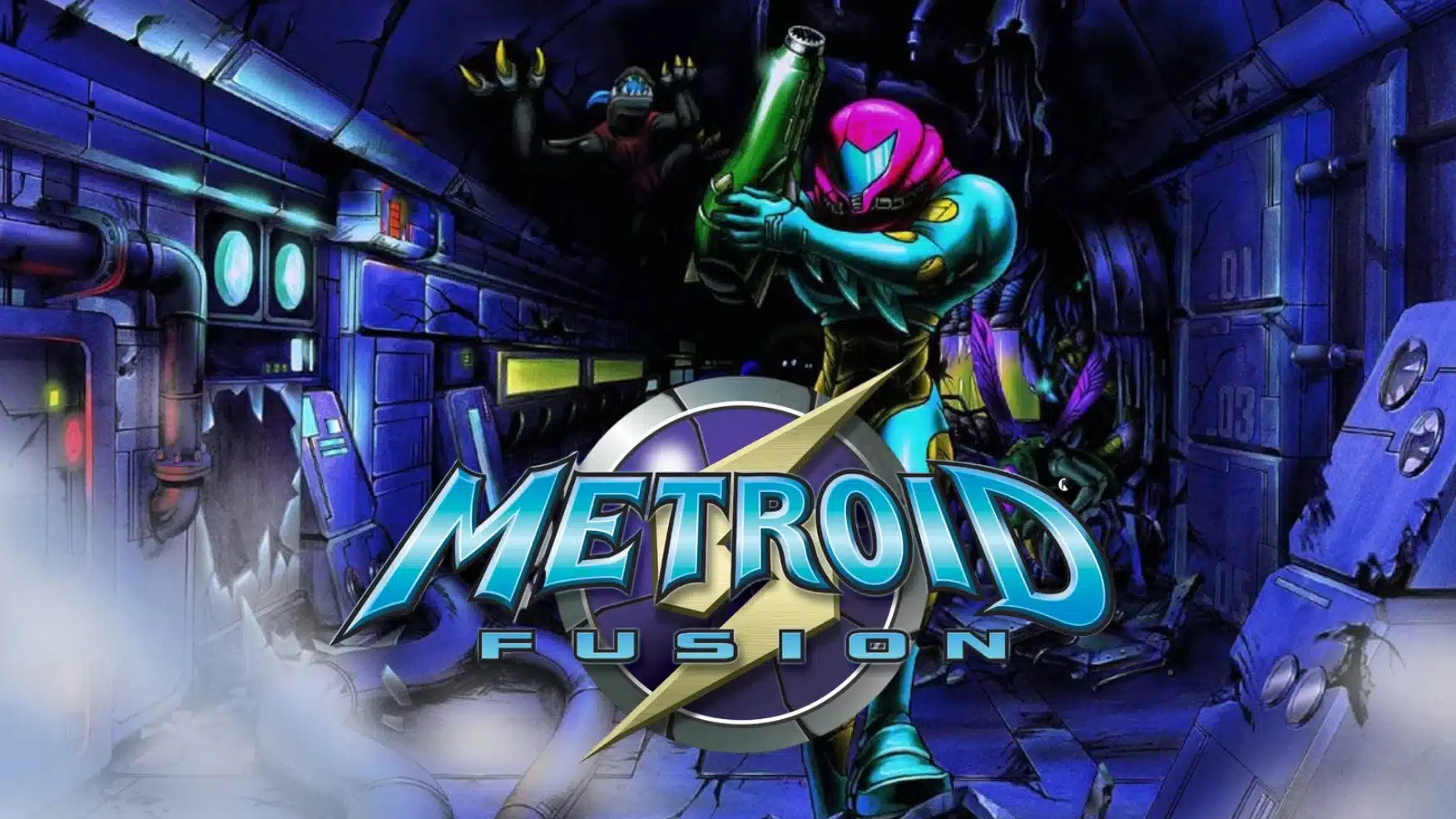
The first thing I noticed in Fusion was how different it felt. Zero Mission lets you roam freely. Fusion funnels you forward deliberately, and the SA-X genuinely unsettled me the first time it appeared.
Play Zero Mission first, not because Fusion is lesser, but because they’re different experiences. Fusion is atmospheric and story-driven. It earns that approach fully.
5. Castlevania: Harmony of Dissonance
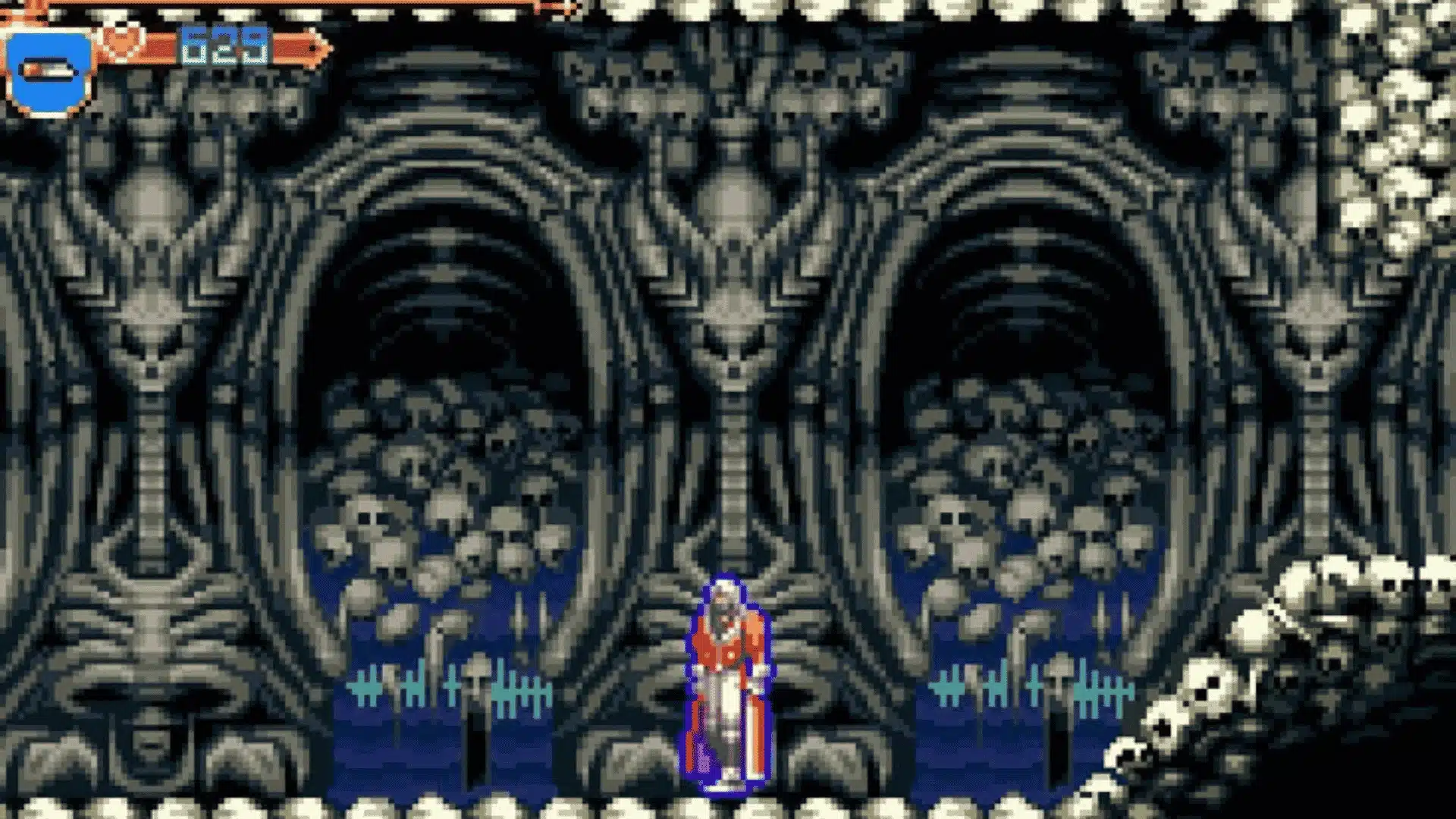
Harmony of Dissonance is the GBA Castlevania I feel most conflicted about. The dual-castle structure is a clever idea that starts feeling repetitive before the game ends. The visual design is impressive though.
Play this after Aria of Sorrow, not before. The soundtrack is noticeably muted by series standards. Worth your time as a follow-up, not as a first entry.
6. Castlevania: Circle of the Moon
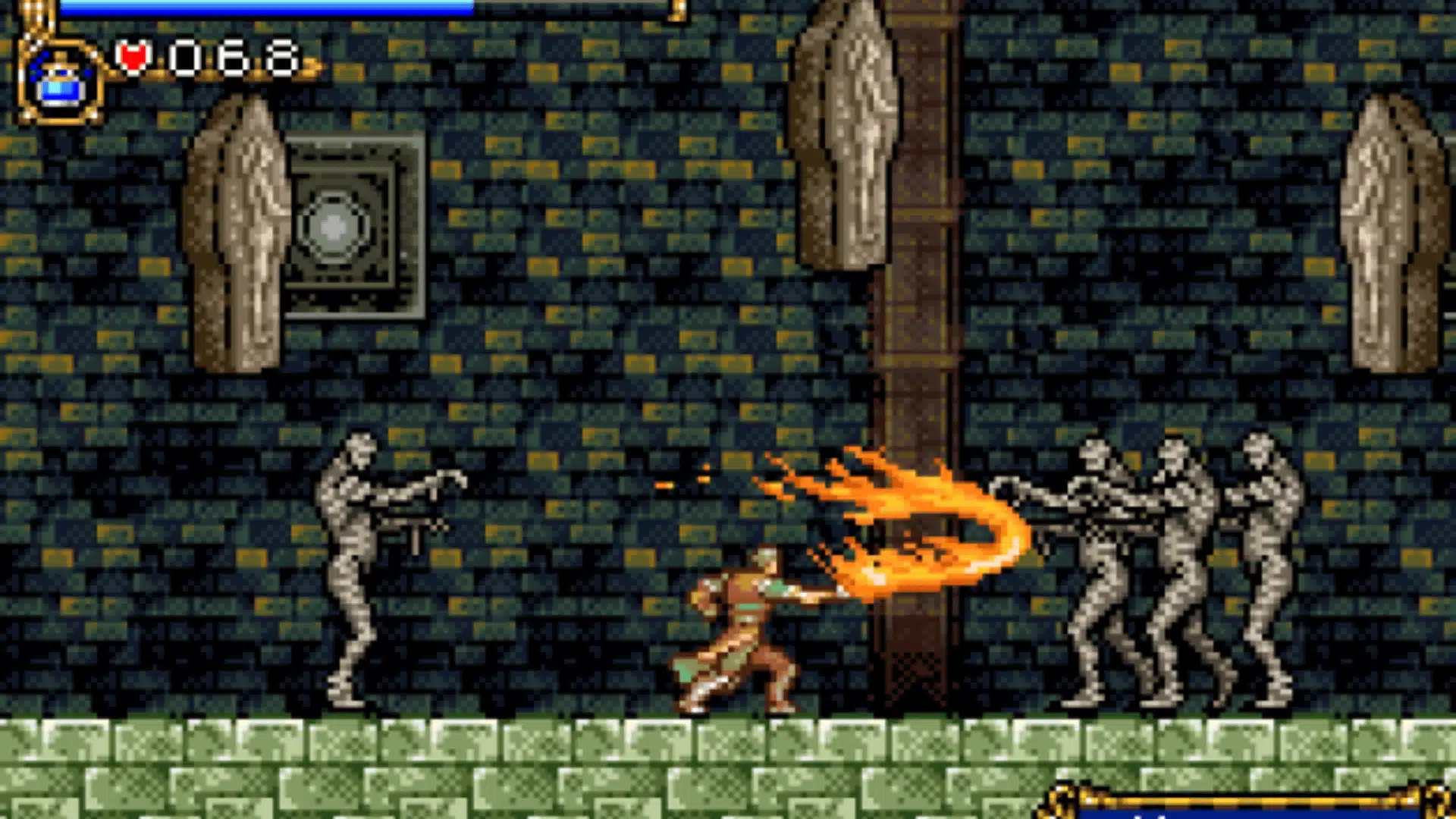
Circle of the Moon was a launch title, and it shows. The screen is darker than it should be, the difficulty spikes hard, and the DSS card system takes longer to click than Aria’s mechanics.
I’d only send someone here after they’ve finished Aria of Sorrow. Not a bad game, but playing it first will set the wrong expectations for what this series can do.
7. Astro Boy: Omega Factor
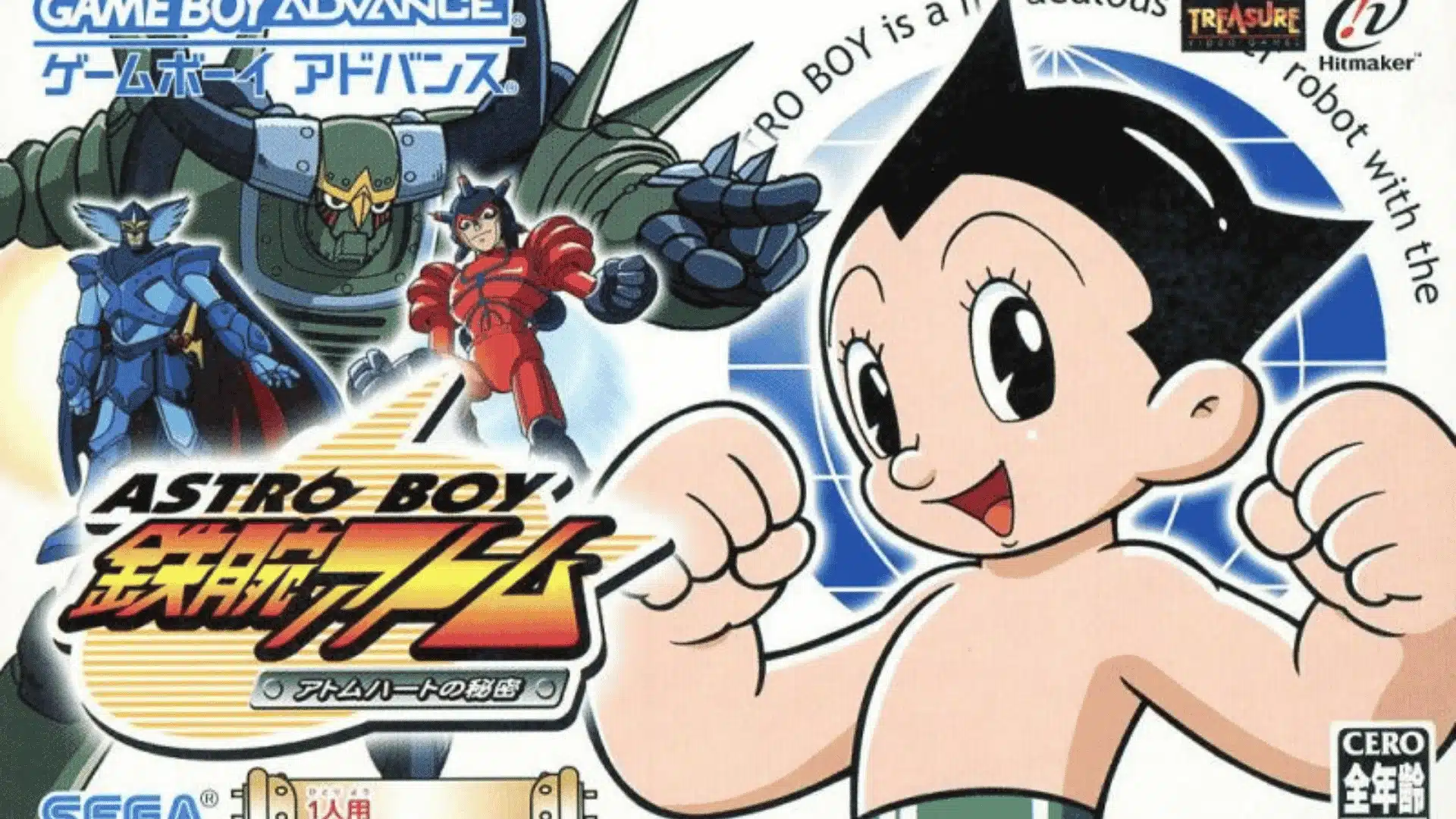
I skipped this for years because of the IP. A licensed Astro Boy game didn’t register as worth my time. That was a genuine mistake. Treasure made this, and the combat reflects that.
The second playthrough recontextualizes the first in a way I wasn’t expecting. Don’t let the licensed label put you off. This is one of the platform’s best action games.
8. Golden Sun
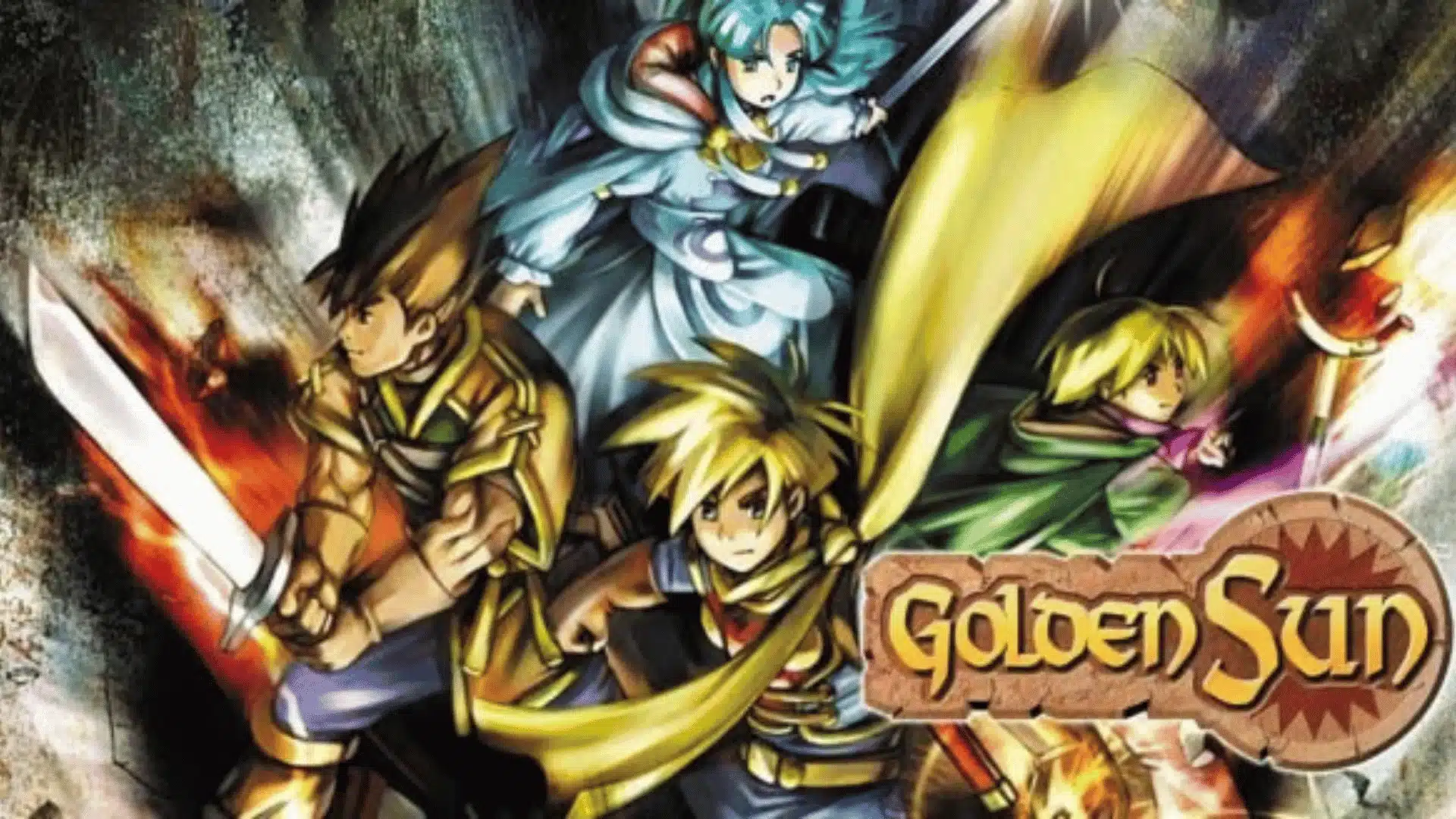
I made the mistake of starting with The Lost Age because someone told me it was the better game. Don’t do that. The save transfer carries context. The Lost Age assumes you already have.
The Djinn system assigns elemental spirits to characters, shifting their class and summoning abilities. Understand it before you start. This is the GBA’s best JRPG and the correct starting point.
9. Golden Sun: The Lost Age
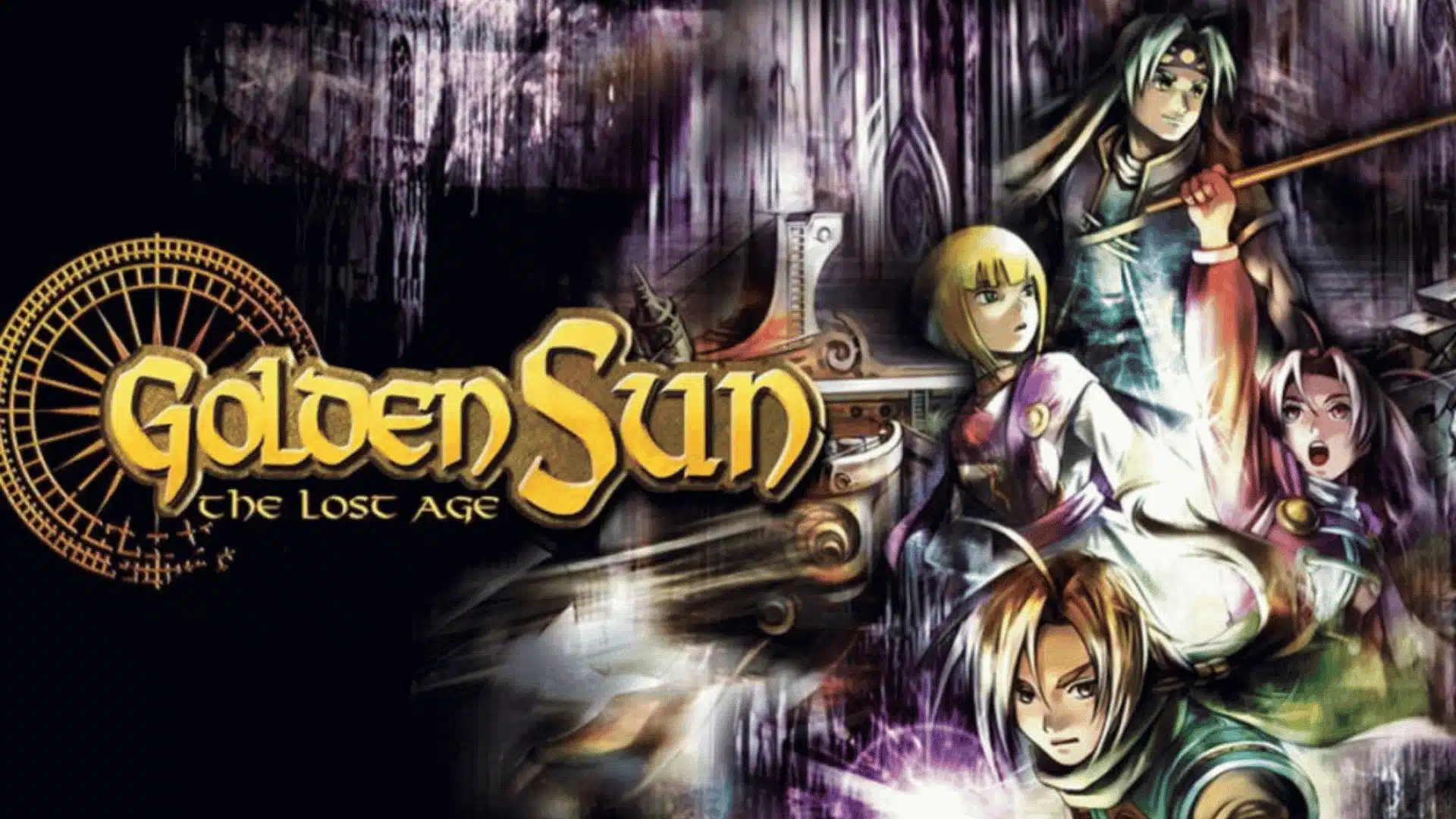
The Lost Age gives you a ship early and opens the world considerably. The exploration feels bigger here, and the full eight-character party from a transferred save creates depth neither game achieves alone.
Starting here without the transferred save is a noticeably worse experience. The story drops you mid-conversation. Play Golden Sun first. This is the payoff, not the starting point.
10. Advance Wars
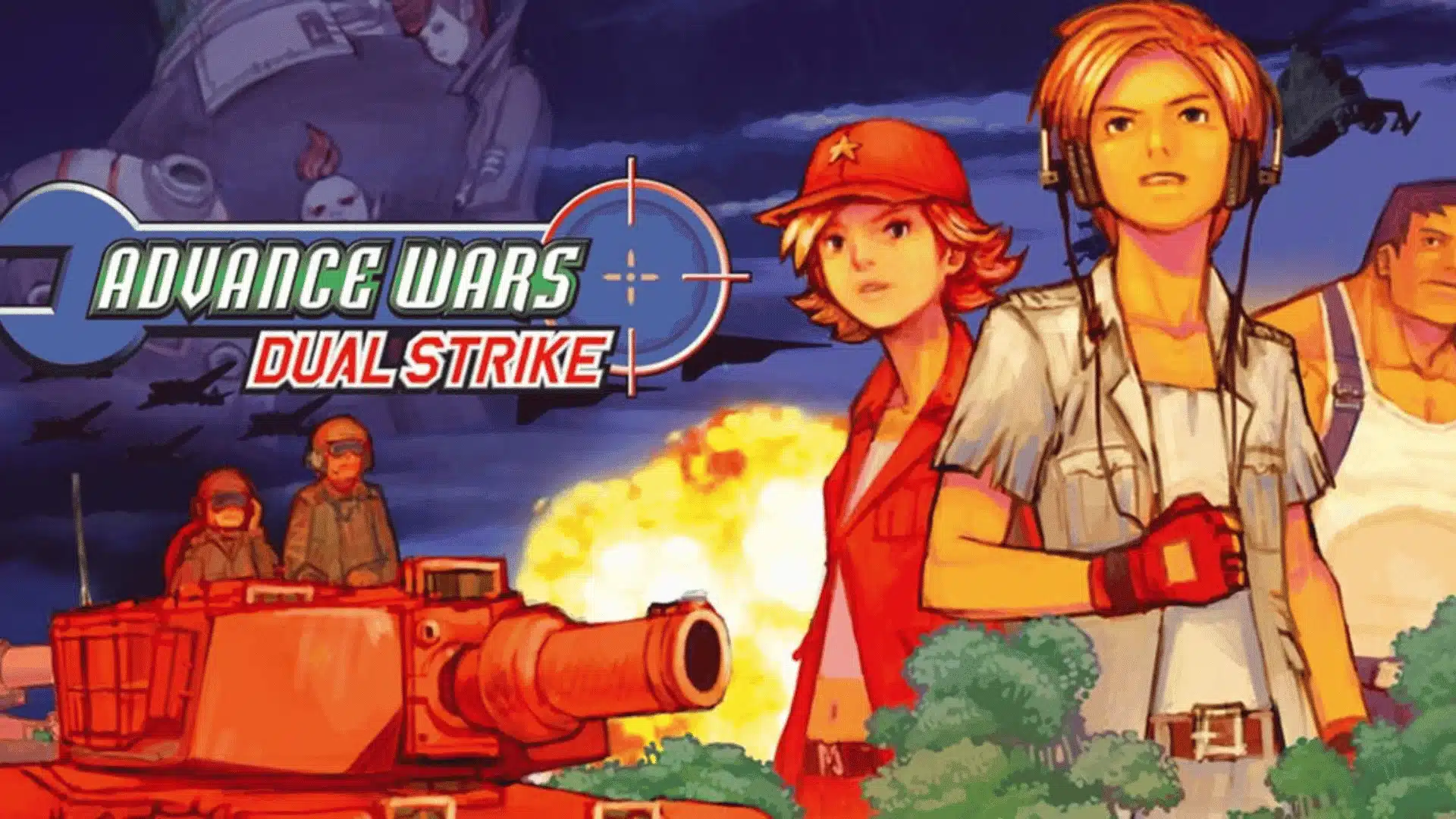
What I appreciate about Advance Wars is the honesty of it. No story overhead, no class systems. You move units and win or lose on the quality of your decisions. The tutorial is thorough.
The CO Power system introduces variance without randomness. That’s a harder design problem than it looks, and Advance Wars solves it cleanly. The best first strategy game on the platform.
11. Final Fantasy Tactics Advance

I went in expecting something close to Advance Wars and found something completely different. The job system compounds over 30+ hours, keeping me thinking about my party between sessions.
The Law system is what I’d warn anyone about. Judges enforce changing battle rules per map. It’s divisive and occasionally frustrating. Know it’s there before you start. Worth it overall.
12. Fire Emblem: The Sacred Stones
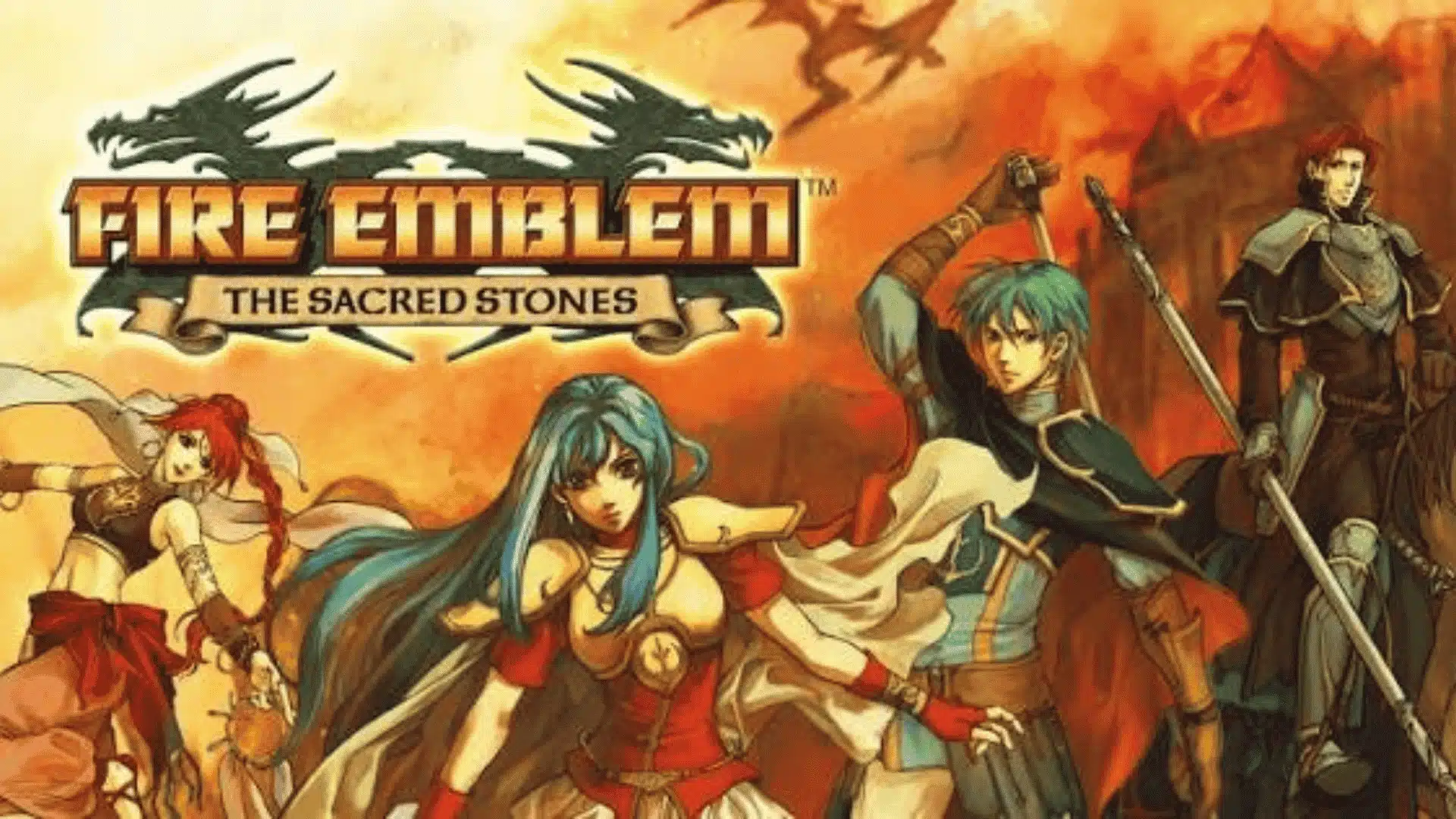
Sacred Stones was my entry point to Fire Emblem, and I think it was the right choice. The Tower of Valni gives you optional grinding outside the main campaign. That safety net matters early.
Permadeath is permanent here. A unit that dies in battle is gone for the rest of the game. I lost one I’d invested in early and almost quit. Plan accordingly.
13. Fire Emblem (2003)
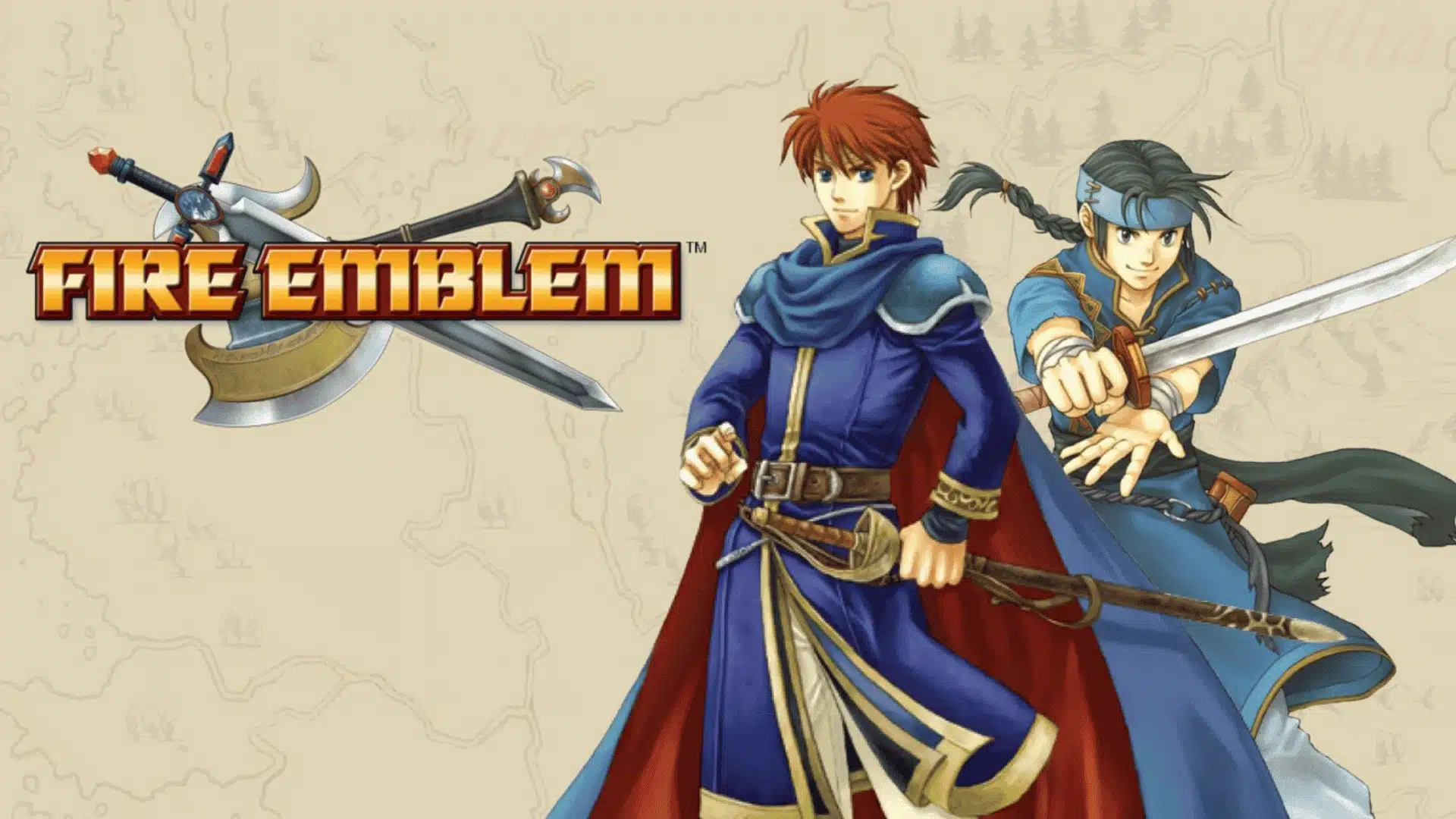
This was the first Fire Emblem released in the West. The Lyn prologue eases you in before the main story begins. I played Sacred Stones first and found this noticeably harder returning to it.
There’s no grinding option here. Experienced strategy players often rate it higher than Sacred Stones for exactly that reason.
Play Sacred Stones first, then come here for the harder version.
14. Mother 3
Mother 3 was never officially released outside Japan. I played it through a fan-produced English translation and wasn’t prepared for how emotionally direct it is. Most bigger-budget games don’t attempt what this does.
The rhythm battle system rewards you for tapping in time with the music to chain hits. I ignored it for hours before engaging properly. It changes every encounter once you commit to it.
15. Final Fantasy VI Advance
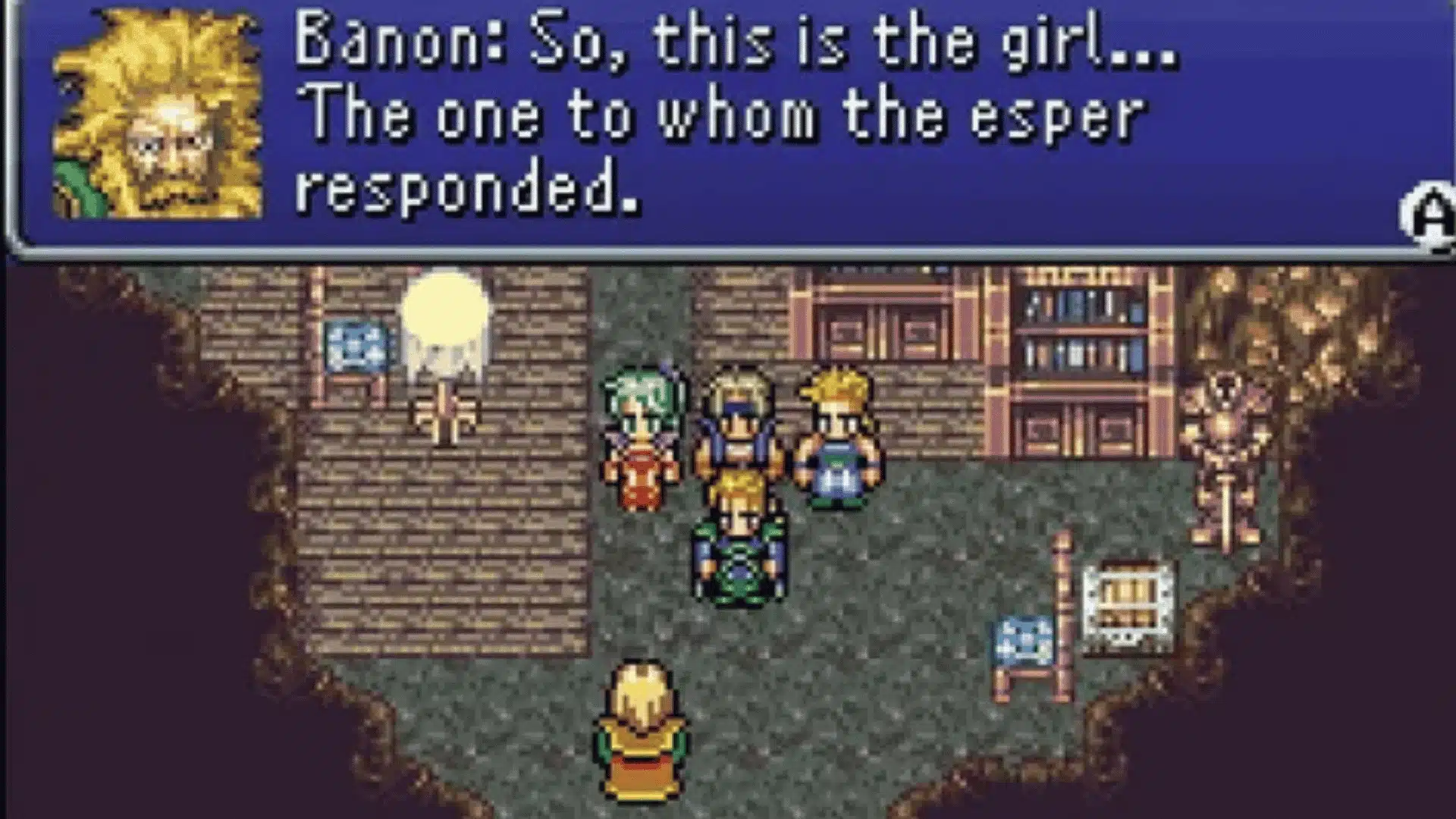
Final Fantasy VI Advance adds new Espers, a new dungeon, and a re-translated script to the 1994 SNES original. The soundtrack is slightly compressed. It never bothered me enough to matter much.
Fourteen playable characters, each with a distinct mechanic and a story reason to be there. That ambition still holds up.
This is the most complete version of one of the greatest RPGs made.
16. Advance Wars 2: Black Hole Rising
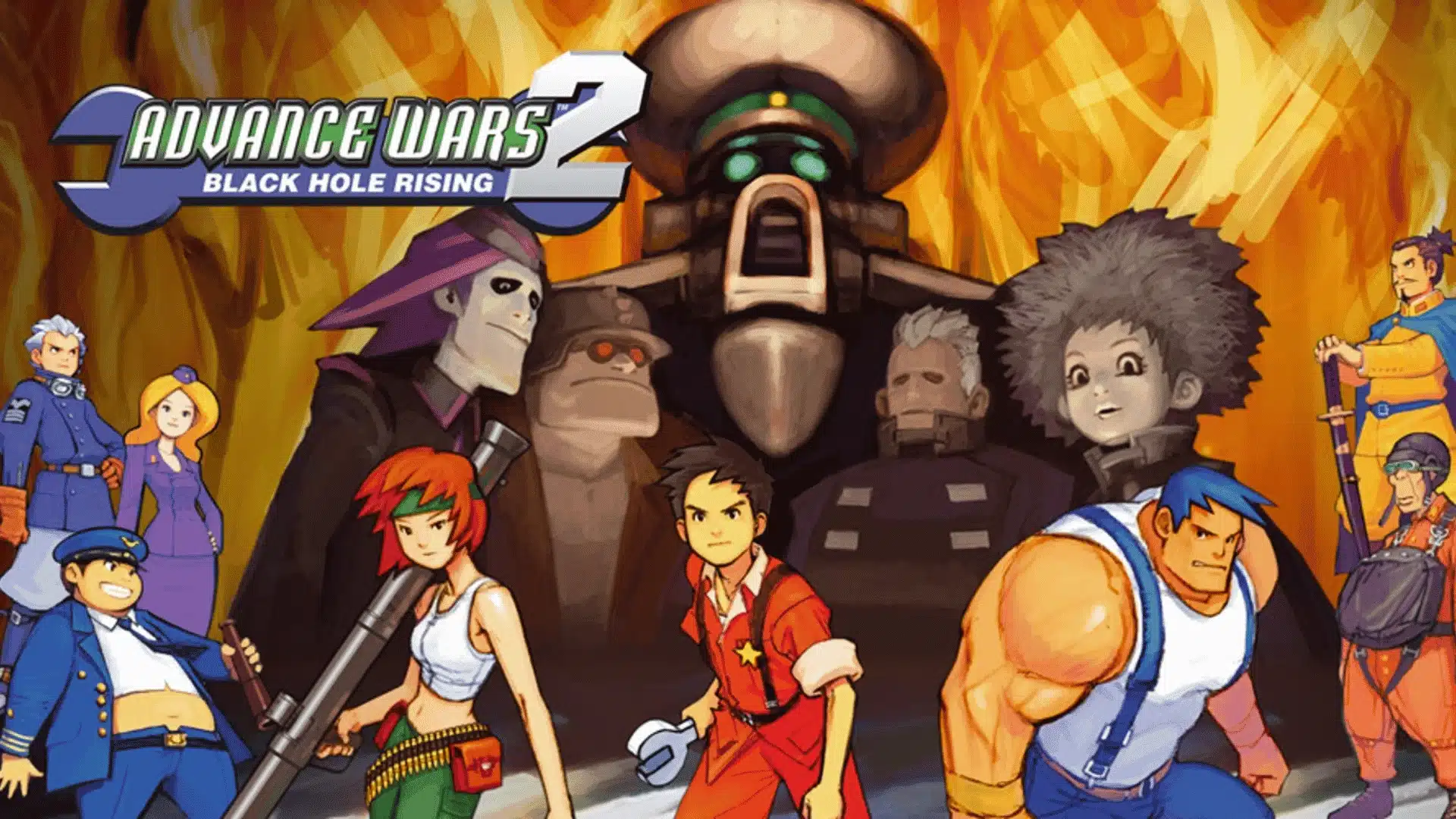
Advance Wars 2 assumes you’ve finished the first game. I hadn’t and felt the difficulty jump immediately. The Black Hole units require tactical responses you won’t have developed coming in cold.
Expanded CO abilities and Neotanks add real vocabulary to an already strong system. Finish Advance Wars first. This isn’t a reinvention. It’s the same game with the ceiling raised considerably.
17. Tactics Ogre: The Knight of Lodis
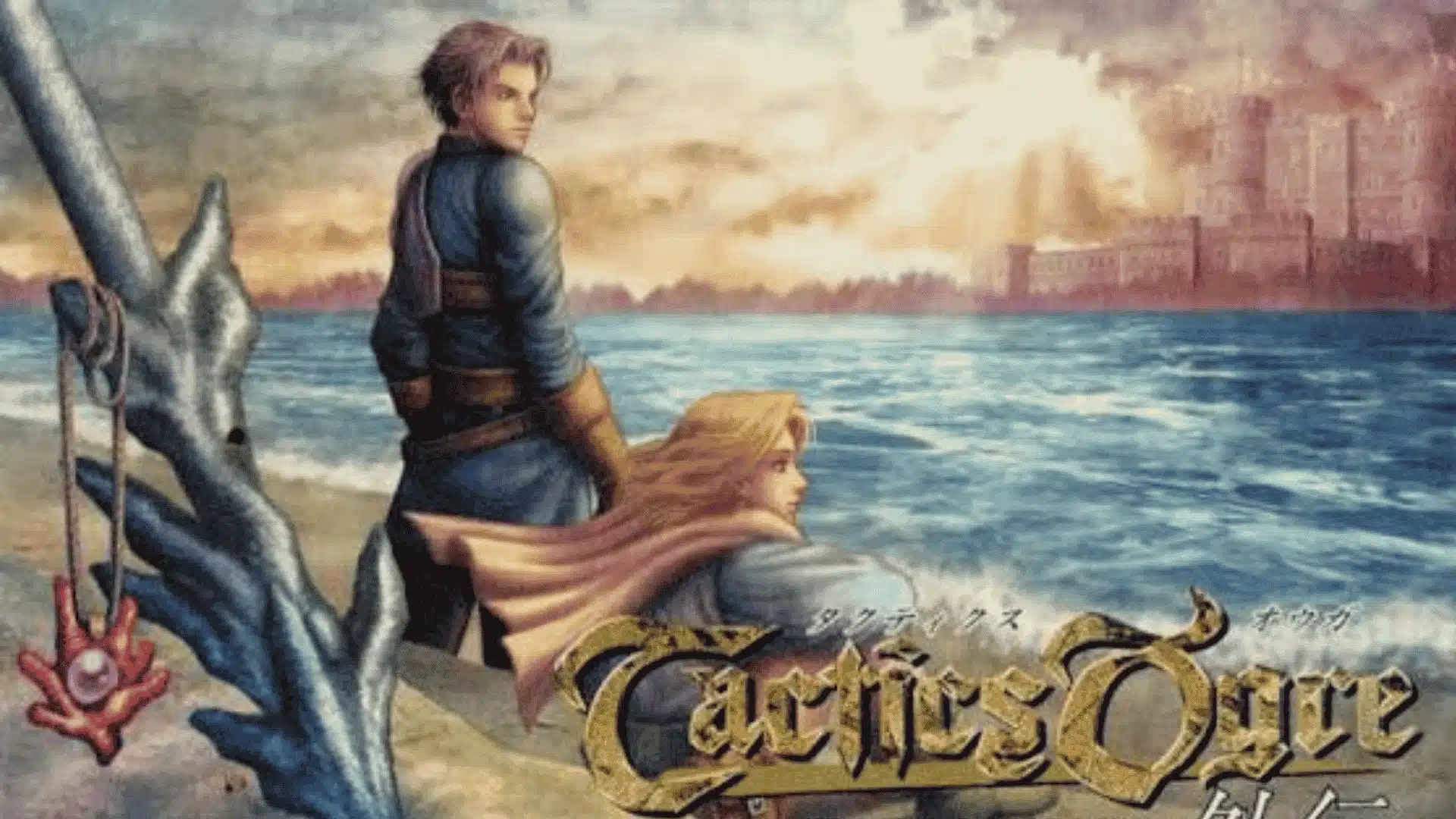
This one almost never appears on mainstream GBA lists.
The unit recruitment and morale systems are more complex than in Fire Emblem, and the Emblem mechanic immediately forces you to think about long-term development.
I’d only point someone here after real time with Fire Emblem or FFTA. The depth is genuinely impressive. It doesn’t hold your hand, and it doesn’t apologize for that at all.
18. Pokémon Emerald
I’ve played most of the GBA Pokémon titles, and Emerald is the one I’d recommend if you only have time for one. It combines Ruby and Sapphire’s content and includes both version legendaries.
The Battle Frontier is what sets it apart. It’s the most demanding post-game structure in Generation 3 and the real reason Emerald is the correct choice rather than just a third version.
19. Pokémon FireRed and LeafGreen
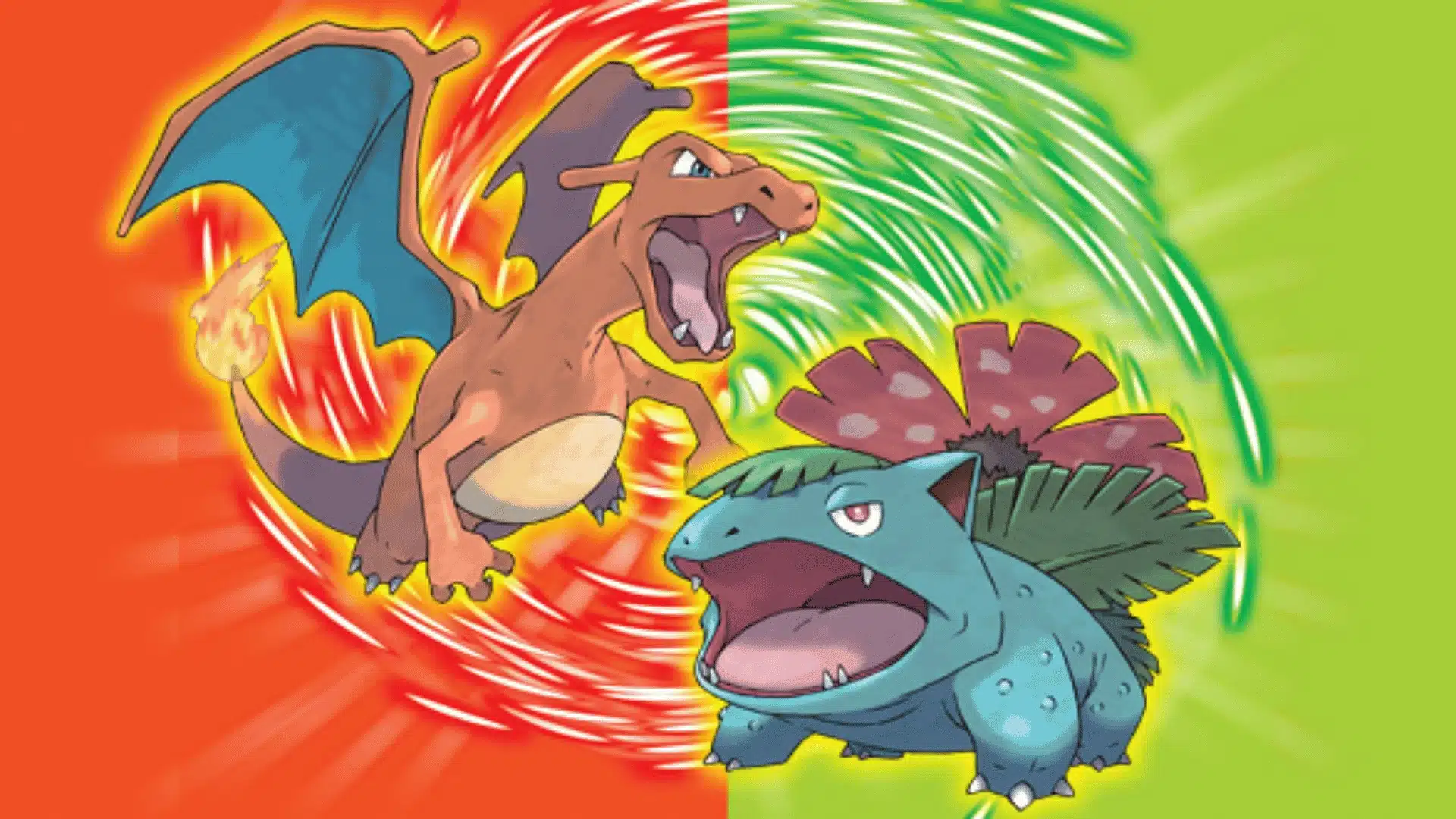
I played FireRed mostly to experience the Kanto story in a version that felt properly playable. It delivers that. The GBA mechanics and updated visuals make a real difference over the originals.
The practical reason to own one alongside Emerald is trade compatibility. Certain Pokémon require FireRed or LeafGreen to obtain.
If you’re a completionist, that matters. Otherwise, Emerald remains the primary recommendation.
20. Wario Land 4
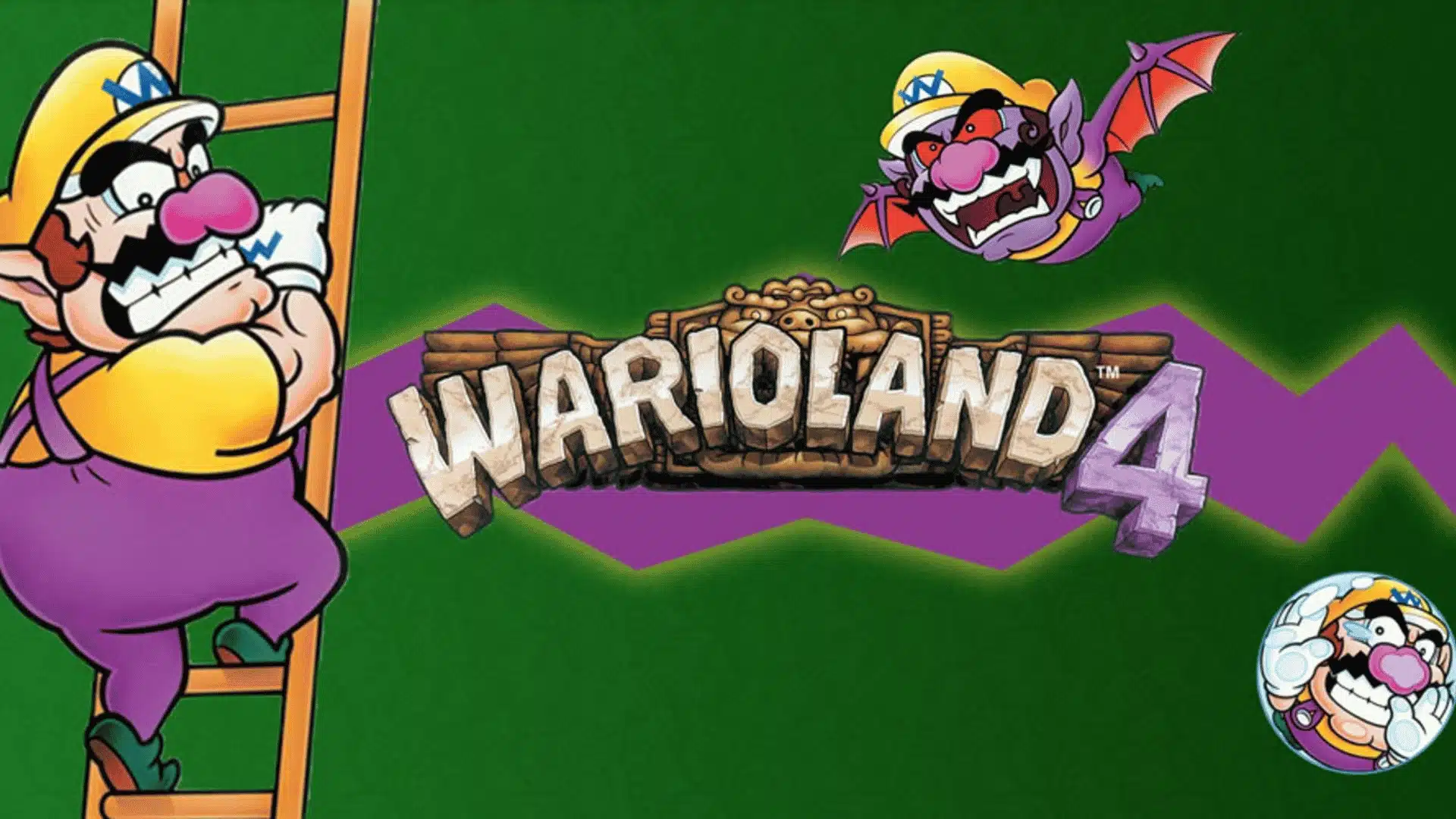
I approached Wario Land 4 as a reflex platformer and found it frustrating.
Once I treated each level as a route optimization puzzle, planning the path back to the exit before time ran out, everything changed.
The boss fights escalate in creativity across the four worlds in a way that feels genuinely designed. This is the best original platformer on the GBA and consistently underrated because of its packaging.
21. WarioWare, Inc.: Mega Microgames!
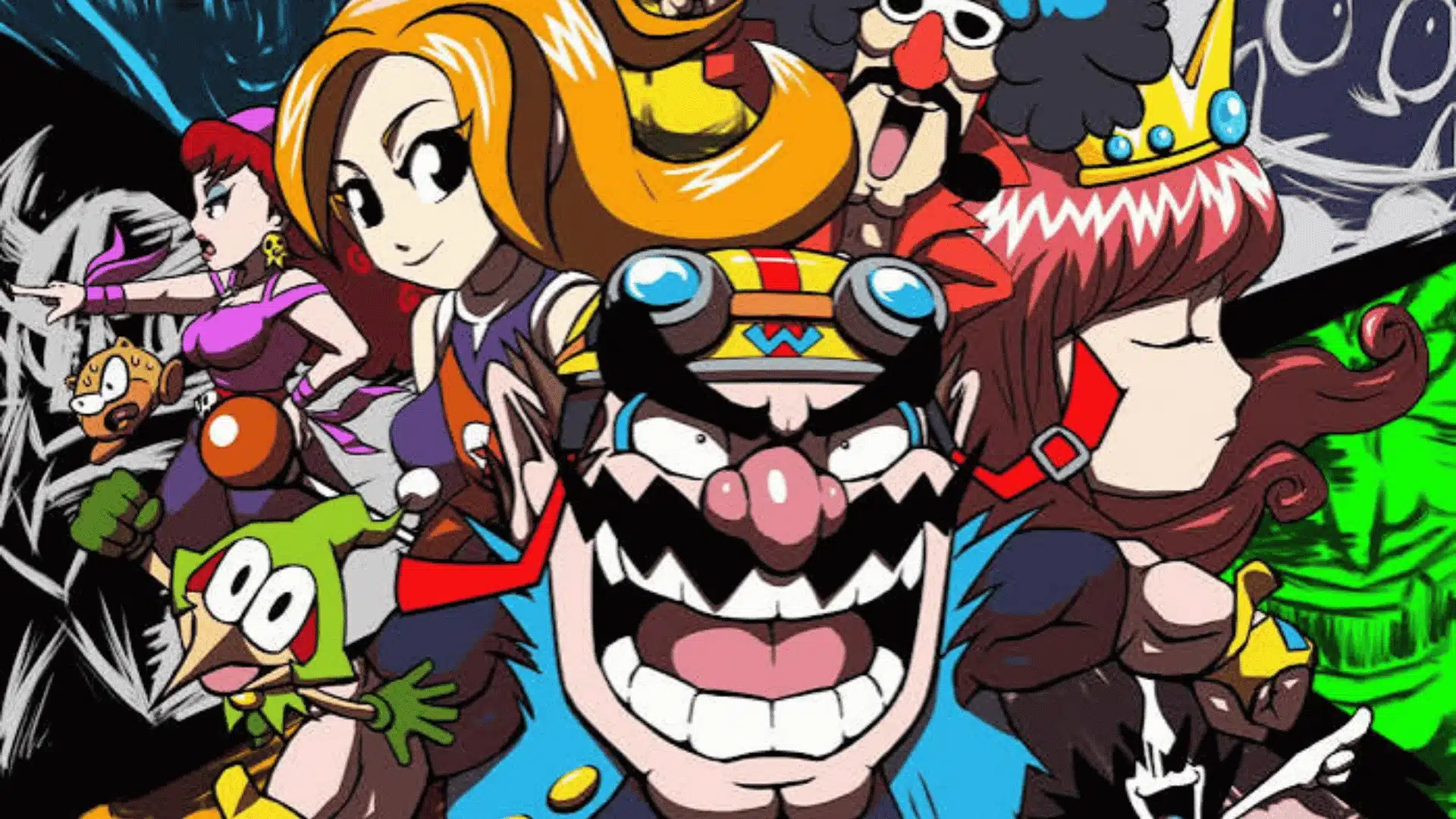
WarioWare is not a platformer. The Wario name sets the wrong expectation.
It’s over 200 microgames, each lasting about 5 seconds, delivered in escalating waves. The whole thing runs on reflex and visual reading.
It works in almost any session length. Ten minutes or an hour, the structure accommodates both equally. Nothing else on the GBA operates this way. The only way to understand it is to play it.
22. Super Mario Advance 4: Super Mario Bros. 3
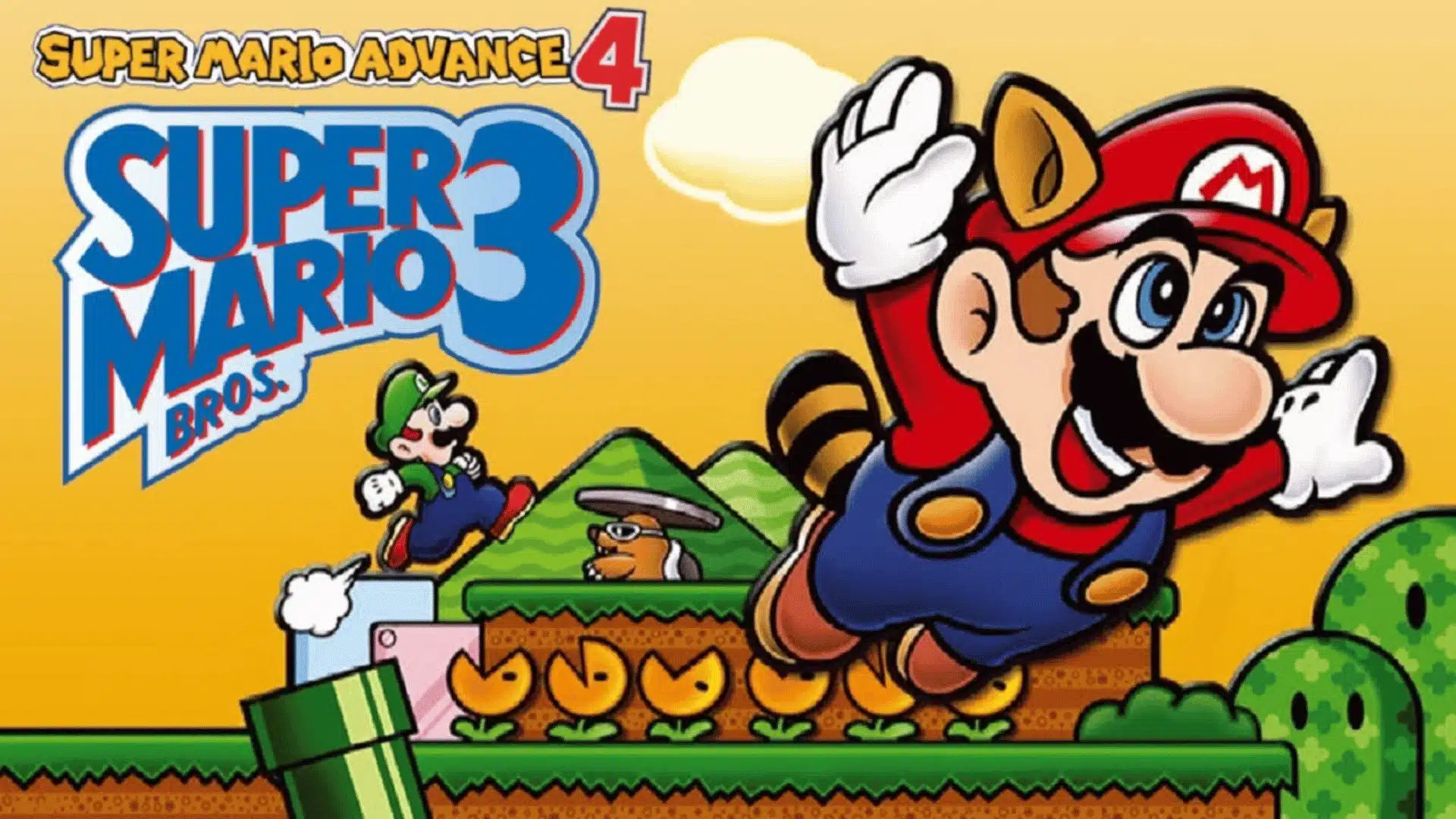
Super Mario Bros. 3 is one of the most praised platformers ever made, and this is its most complete version. Updated sprites, voice acting, and e-Reader levels exclusive to this release.
It’s a port of a 1988 NES game, and the design reflects that. If you want something built natively for the GBA, look at Wario Land 4 first. If you want a perfected classic, this is it.
If you want to see why this Mario port still carries so much weight, our top SNES games list gives more context on the original era it came from.
23. Kirby and the Amazing Mirror
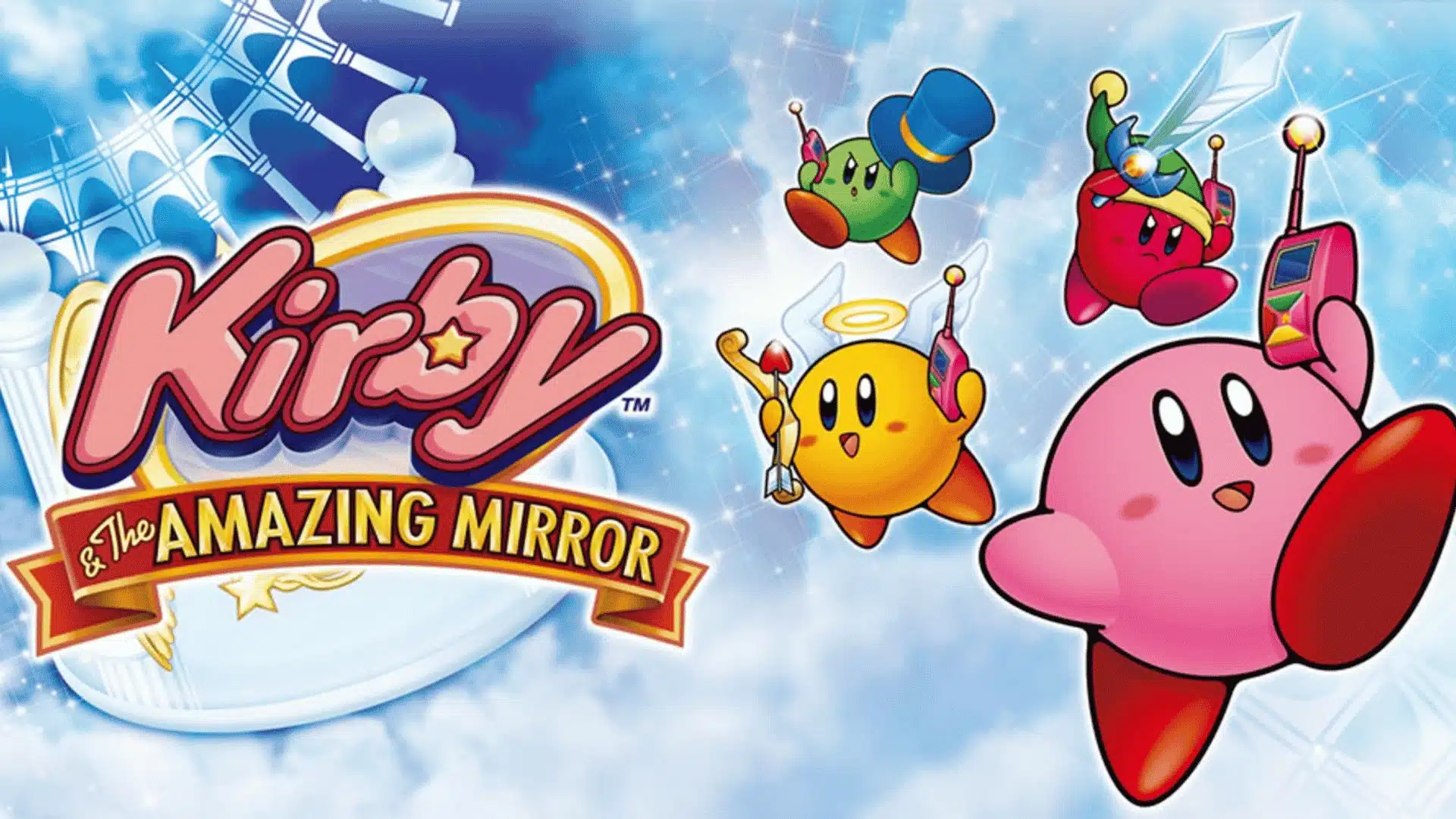
I expected a traditional Kirby game and got something closer to a Metroidvania.
Amazing Mirror is structured as a large interconnected maze that opens up as you progress rather than presenting levels in sequence.
I’d recommend this to anyone who liked the structure of Metroid Zero Mission and wants something lighter in tone. It’s fully completable solo, and the exploration loop is satisfying once the map clicks.
24. Kirby: Nightmare in Dream Land
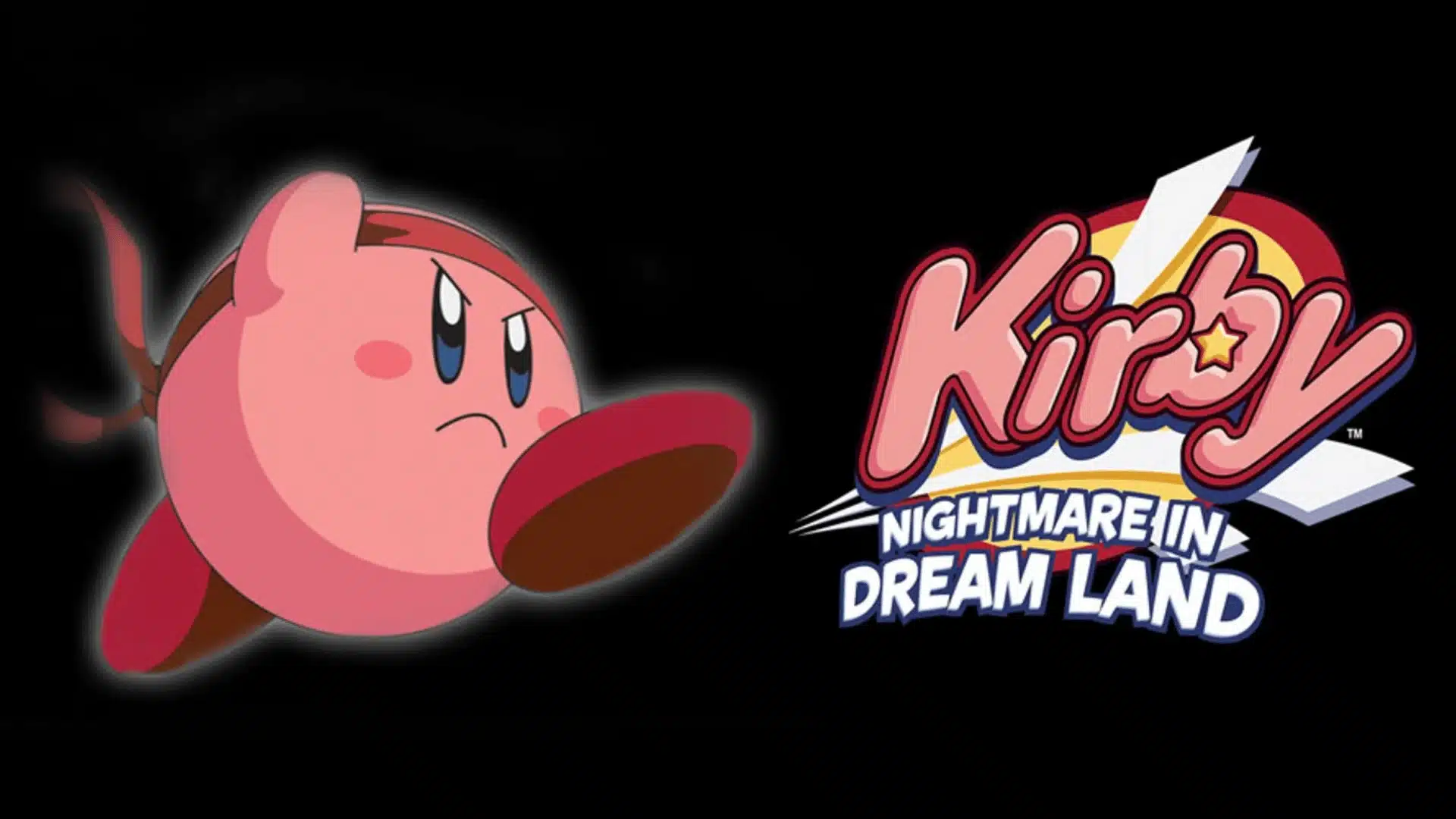
Nightmare in Dream Land is a remake of Kirby’s Adventure from 1993. Updated visuals, GBA copy abilities, clean level design.
I played it after Amazing Mirror and appreciated how straightforward it felt by comparison.
This is the right Kirby for someone who wants a relaxed, polished platformer rather than an exploration game. It’s not trying to do anything unusual. It just does the traditional format very well.
25. Mario vs. Donkey Kong

I almost stopped playing after the first world because I thought I understood what the game was. The early levels are standard action-platformer stages.
Then the second half switches to Mini-Mario puzzle solving.
That structural shift is what makes it interesting and why it gets overlooked. People leave before the puzzle half appears.
It rewards methodical thinking over reflexes. One of the most underrated titles on the platform.
26. Harvest Moon: Friends of Mineral Town
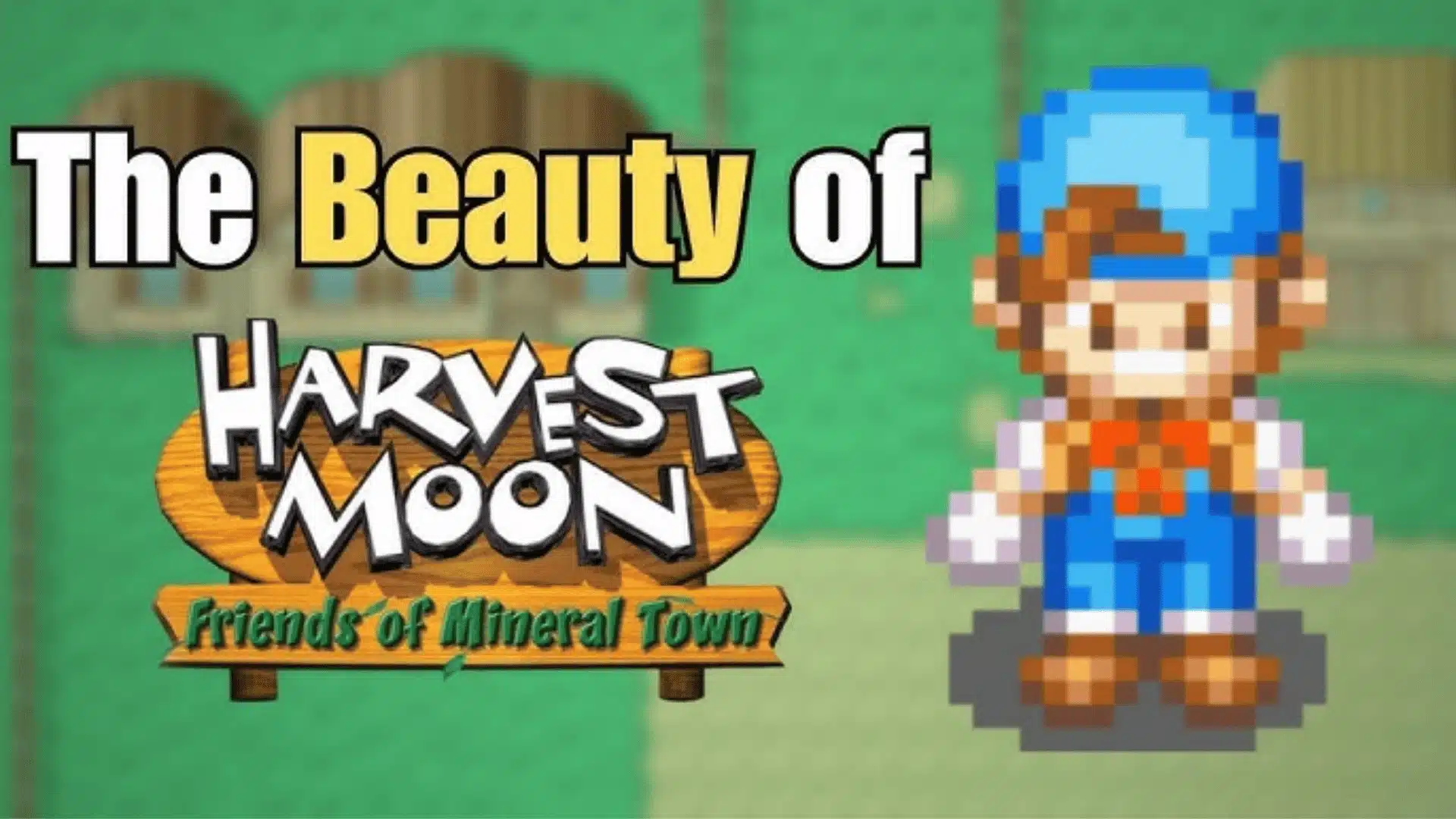
I played this before Stardew Valley, and going back after was a strange experience. Almost every Stardew system has a direct ancestor here.
Each in-game day takes 10-15 minutes of real time. It’s easy to pick up and put down. No failure state, no defined ending. Either exactly what you want or it isn’t.
27. Mario Kart: Super Circuit
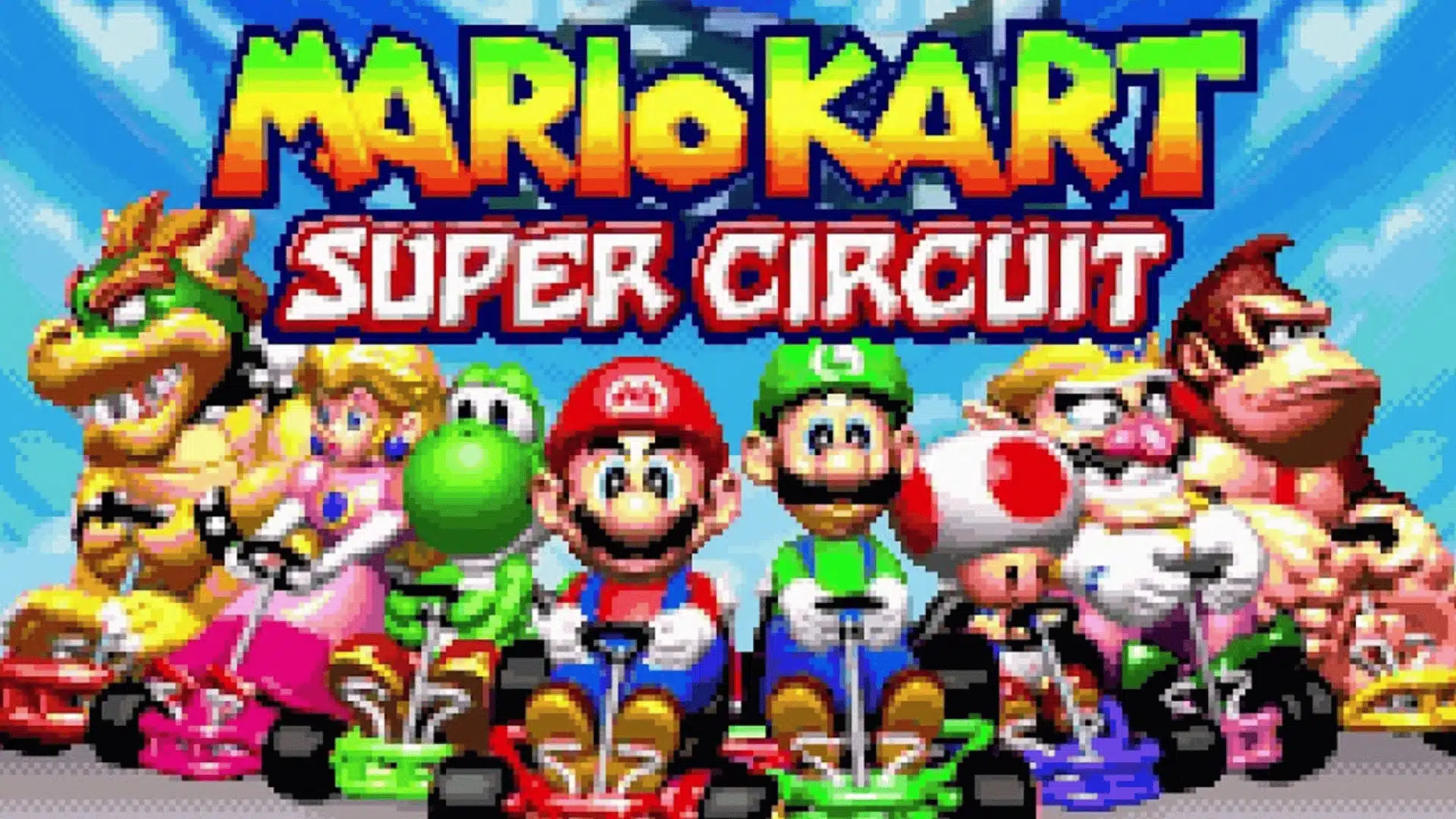
Super Circuit is harder than the franchise’s modern reputation suggests.
The rubber-band AI is aggressive, the drift mechanics are less forgiving than later entries, and the difficulty scales faster than I expected it to.
Forty tracks total, including all twenty from the original Super Mario Kart as unlockable content. Four-player racing runs on a single cartridge with a link cable. That made it essential for a long time.
28. Tony Hawk’s Pro Skater 2

Tony Hawk’s Pro Skater 2 has a Metacritic score of 95 on GBA, higher than most games on this list. I wasn’t expecting the port to work as well as it does. It genuinely surprised me.
The trick system and level design from the PS1 original translate better to the isometric format than they should. If you’ve avoided it because it seems like an odd fit, the score says otherwise.
29. The Legend of Zelda: A Link to the Past / Four Swords

The Legend of Zelda: A Link to the Past shares the highest Metacritic score of any GBA game, tied with Tony Hawk’s Pro Skater 2 at 95.
I want to be honest about why it sits at the bottom here. It’s a port of a 1991 SNES design.
The Four Swords multiplayer needs a link cable and extra cartridges. That’s not the reason to own this. A Link to the Past is a masterpiece. This is simply its best available version
How to Pick the Right GBA Games for You?
If you only have time for one GBA game, start with Metroid: Zero Mission. It’s the most complete expression of what the platform did best, and short enough to finish before committing further.
With so many entries on this list, picking where to start can feel overwhelming. Sorting by session length and experience level narrows things down fast without rereading every description.
- Short sessions favor pick-up-and-play titles like WarioWare, Mario Kart, and Pokémon, fitting easily into commutes or spare minutes.
- Longer sessions favor immersive titles like Golden Sun, Castlevania, and Fire Emblem, rewarding extended playtime with deeper systems and pacing.
- New players should start with Zero Mission and Minish Cap, both forgiving and self-contained entry points into the library.
- Experienced players already familiar with the genre should skip primers and choose Aria of Sorrow or FFTA directly instead.
At the end of the day, session length and experience level matter more than genre alone. Match those two factors first, and the right game becomes obvious.
If you want to compare handheld design with Nintendo’s early 3D console era, these best N64 games of all time show how differently that library aged.
GBA Games to Avoid (What Not to Buy)?
The GBA library has over 1,000 titles. A significant portion exists purely to fill shelf space. Knowing what to skip saves as much time as knowing what to play.
I learned this the hard way, buying games based on recognizable names. The IP on the label meant nothing. What mattered was whether anyone who understood the hardware made it.
Not every bad GBA game is obvious. Some are poorly handled ports. Others are clones that replicate the surface without understanding what made the original worth playing in the first place.
- Licensed Movie and TV Tie-Ins: These sold on brand recognition and were built with minimal design investment. The gameplay is usually shallow, the controls underdeveloped, and there is nothing to return to once the credits roll.
- Poorly Handled Ports: Not every SNES or NES port received the care that SMB3 or Link to the Past did. Bad ports arrive with reduced frame rates, missing content, or aspect ratios that are never corrected for the GBA screen.
- Pokémon-Style Clones: The GBA has dozens of monster-collection RPGs that copy Pokémon’s surface structure without the balance or polish. If you’re expecting a Pokémon-quality experience from these, you will be disappointed consistently.
- Annual Sports Titles: Most yearly sports releases have no lasting design and no replay value once the licensed season ends. They were shelf products. Mario Kart: Super Circuit is the explicit exception to this category.
The GBA library rewards patience and research. Spend your time on the top games above, and you won’t need to learn these lessons the hard way.
Conclusion
The best GameBoy Advance games are not only the famous names; many of those classics still deserve attention.
You should start with a genre you already enjoy, because the GBA library works best when you follow your taste first.
I would begin with short, focused games like Zero Mission or WarioWare before moving into longer RPGs and strategy titles.
The overlooked picks matter too, especially when they show ideas that bigger console games from the same era often missed.
Take your time, check availability, and avoid buying based only on a familiar name or old review score.
Which GBA game would you play first, and which hidden pick deserves more attention today? Tell us, share with us in the comments below.
Frequently Asked Questions
What is the Single Best GBA Game for a First-Time Player?
Metroid: Zero Mission is the most accessible starting point it is self-contained, relatively short (6–8 hours), and demonstrates what makes GBA action games exceptional: tight controls, exploration reward, and a satisfying arc with no prior franchise knowledge required.
Which Fire Emblem Game Should I Start with on GBA?
Start with Fire Emblem: The Blazing Blade (released simply as “Fire Emblem” in the West).
It was designed as a series introduction, features a tutorial structure, and has a slightly lower difficulty ceiling than The Sacred Stones while still delivering the full permadeath strategic experience.
Is Golden Sun Worth Playing if I Have Never Heard of It?
Yes. Golden Sun is one of the few wholly original RPGs built for the GBA rather than ported from another platform.
Its Djinn-based puzzle and combat system is designed around the hardware, and the story continues directly in the sequel, The Lost Age, making both games worth playing as a single experience.
What Are Some Underrated GBA Games Beyond the Obvious List?
Riviera: The Promised Land, Summon Night: Swordcraft Story, and Tactics Ogre: The Knight of Lodis are consistently cited in enthusiast communities as overlooked.
Each offers deep mechanics: Riviera with its limited-use item system, Summon Night with its crafting loop, and Tactics Ogre with its grid-based strategy, without appearing on most mainstream best-of lists.