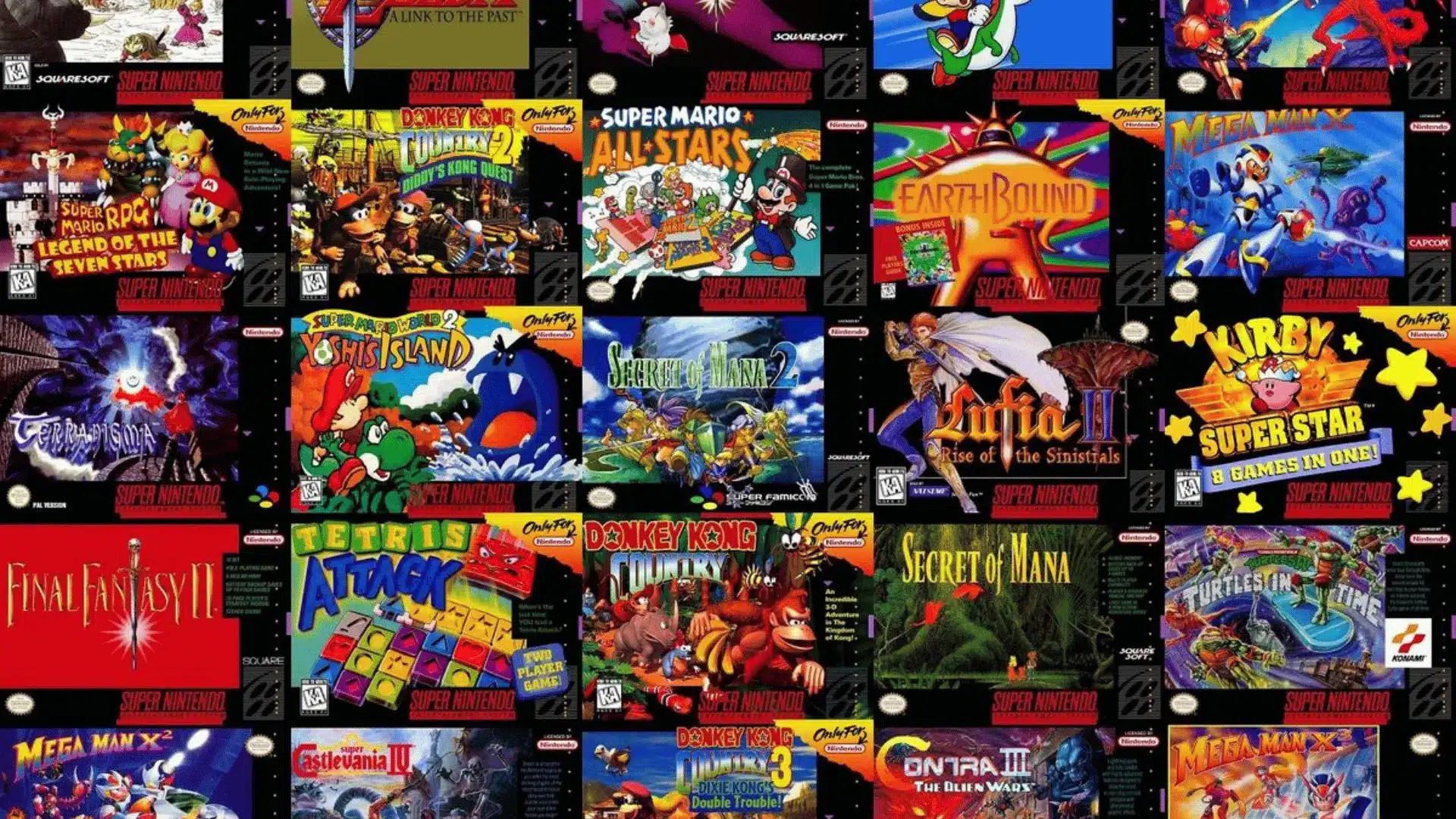
Some SNES games still feel sharp today, while others mostly survive because people remember playing them as kids.
You may want to know which classics are truly worth your time now, not just which names keep appearing on old lists.
The best SNES games still work because they control well, teach clearly, and give you a reason to keep playing. I used to treat every famous title as untouchable, but replaying them showed which ones actually hold up.
I will explain the top SNES games, why they still matter, which genres stand out, and how you can play them today.
You will also see which titles fit beginners, RPG fans, platformer lovers, fighting fans, and players who want something different.
Before ranking anything, let us first look at what makes an old SNES game still worth playing now.
What Makes an SNES Game Worth Playing Today?
The best SNES games hold up because of input responsiveness, complete mechanical loops, and self-contained level design, not because people remember them fondly today.
I used to think the high rankings were just nostalgia. Then I played A Link to the Past as an adult and couldn’t put it down.
Here’s what I eventually understood: SNES hardware constraints, no load screens, limited RAM, forced developers to earn your attention through mechanics alone. That discipline is why these games still work.
The Best SNES Games of All Time, Ranked
Based on various sources and public opinion, here are the top games I have found across all platform discussions.
1. The Legend of Zelda: A Link to the Past
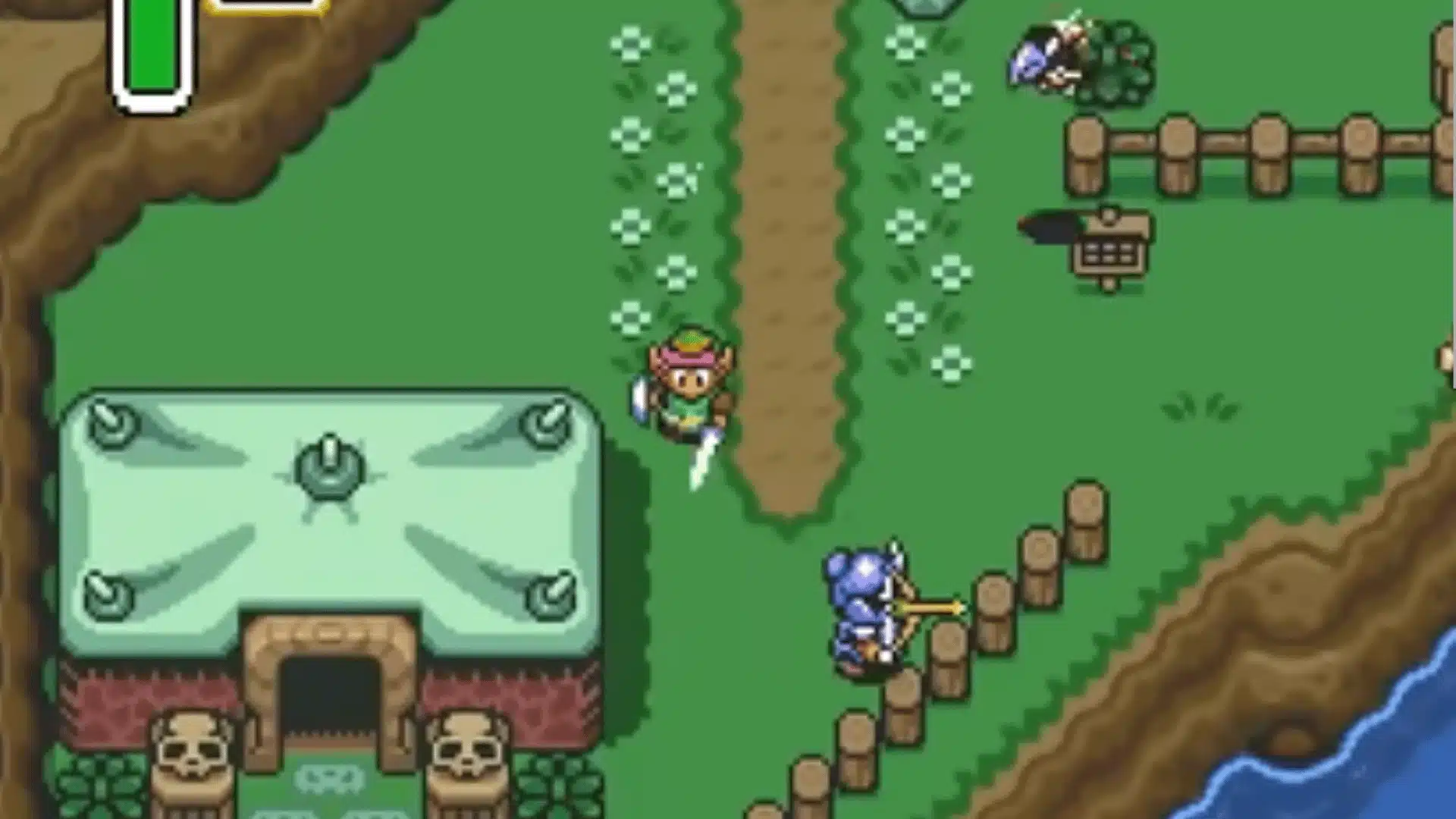
Genre: Action-Adventure
The Dark World recontextualizes your entire map knowledge using the same geography with opposite logic, making it the most structurally reused and rewarding design on the console.
- Best for: Anyone. New players get a self-teaching world. Returning players find new routing every run.
2. Chrono Trigger
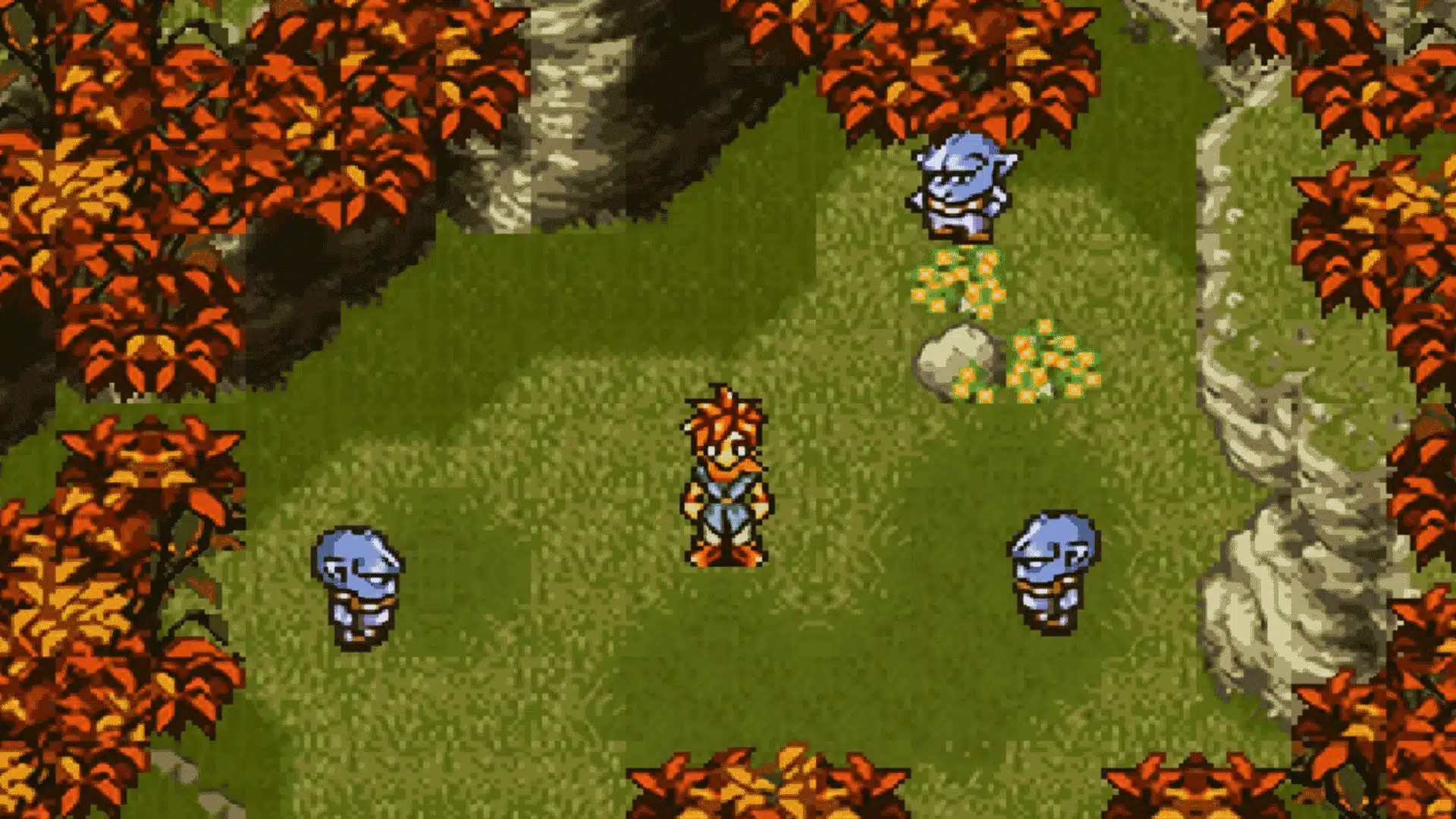
Genre: JRPG
Dual- and triple-tech combos mean party composition entirely changes how fights play out, removing the grind friction I had accepted as standard in every other JRPG I played before it.
- Best for: Players who bounced off other JRPGs. The pacing difference is immediately noticeable.
3. Super Mario World
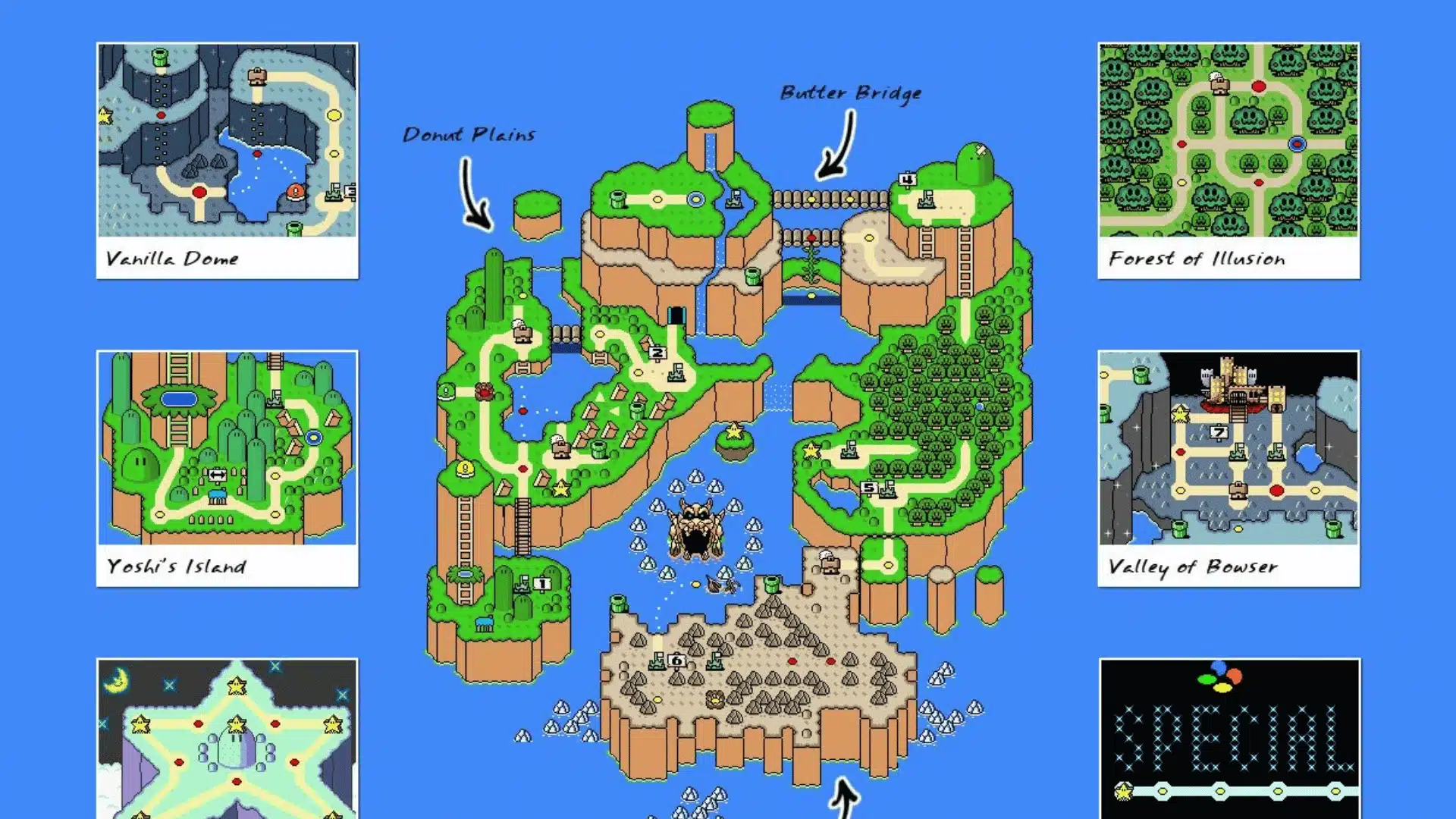
Genre: Action-Platformer
Secret exits restructure the world map in ways most first-time players never discover, meaning I finished my first run having missed roughly half the game without realizing it at all.
- Best for: New players first. Rewards a second run with exit hunting or self-imposed constraints.
4. Super Metroid
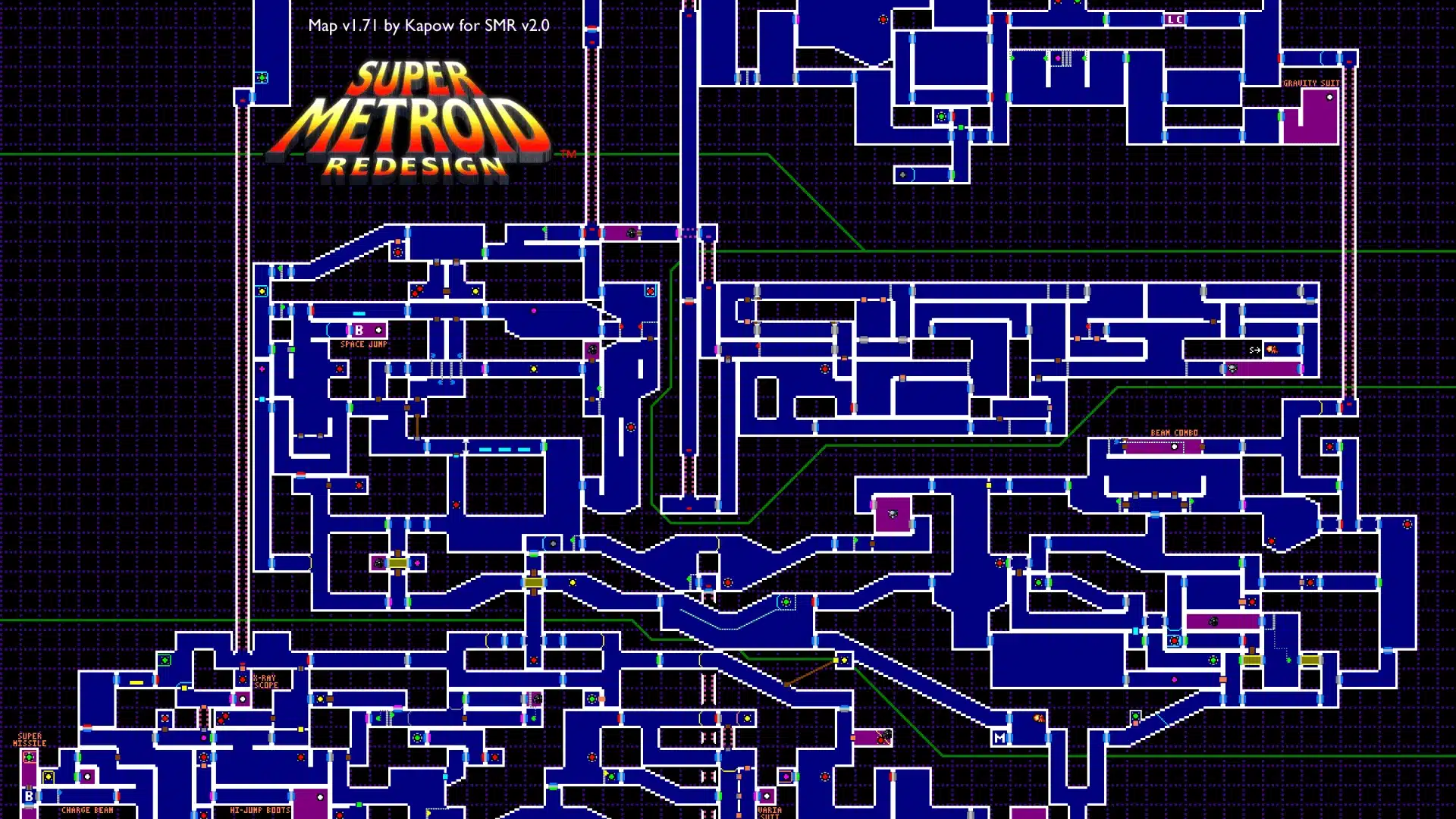
Genre: Action-Adventure
The map marks visited rooms but withholds their contents, so you build spatial memory through movement rather than through UI prompts that tell you exactly where you need to go next.
- Best for: Patient players comfortable with ambiguity. Essential, eventually, not ideal as a first pick.
5. Mega Man X
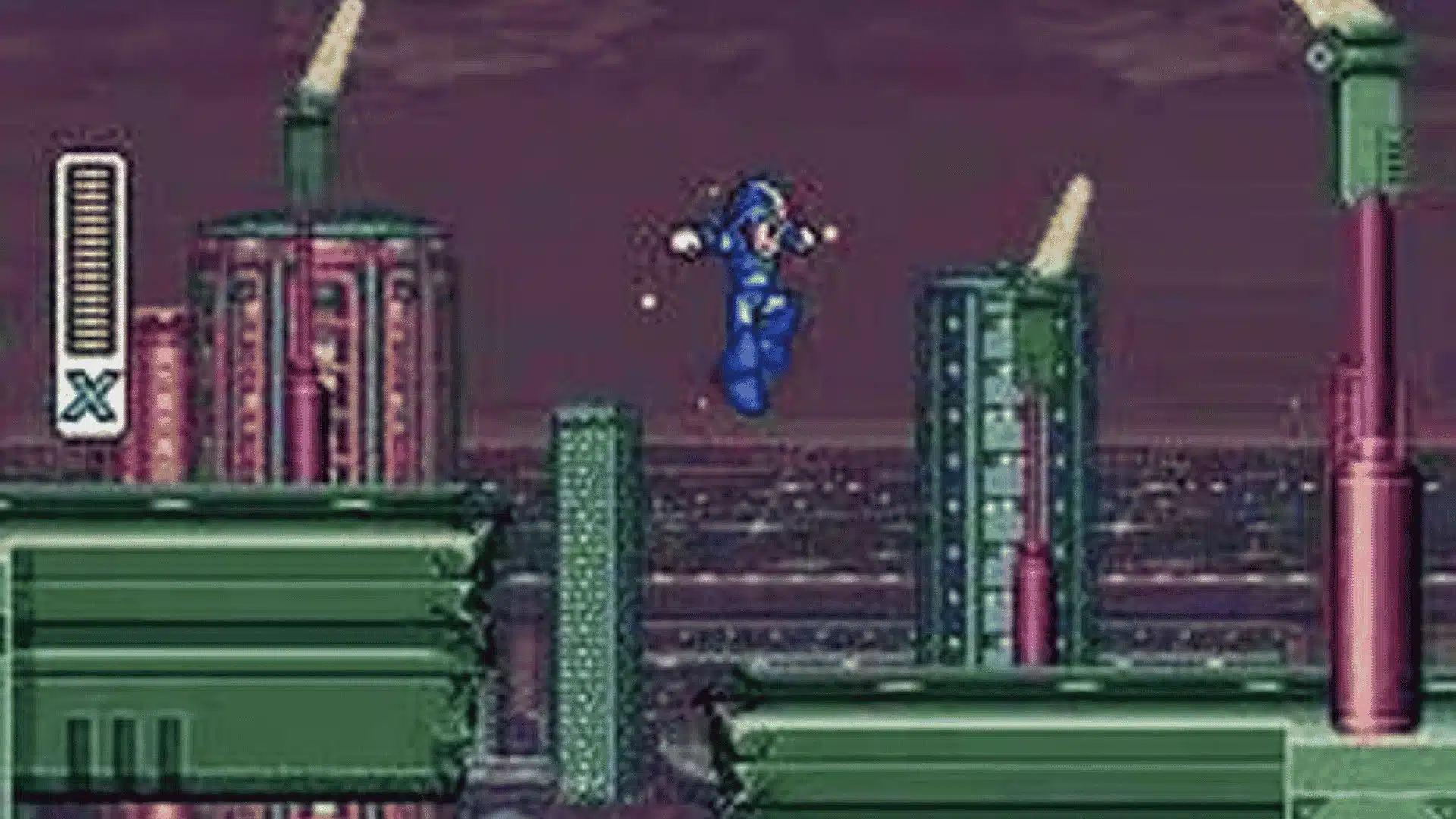
Genre: Action-Platformer
The intro stage communicates every core mechanic without a single tutorial prompt, assuming you are paying attention and then immediately rewarding you when you prove that you are.
- Best for: Players wanting a short, high-skill game that can be completed in under three hours once learned.
If you’re only playing one from this tier, start with Super Mario World because it asks the least of you upfront.
Other Top SNES Games of All Time
These titles didn’t crack the top five not because they’re flawed, but because the competition at the very top is exceptionally strong.
Each of them still stands out by doing one specific thing better than most games on any console.
6. Donkey Kong Country
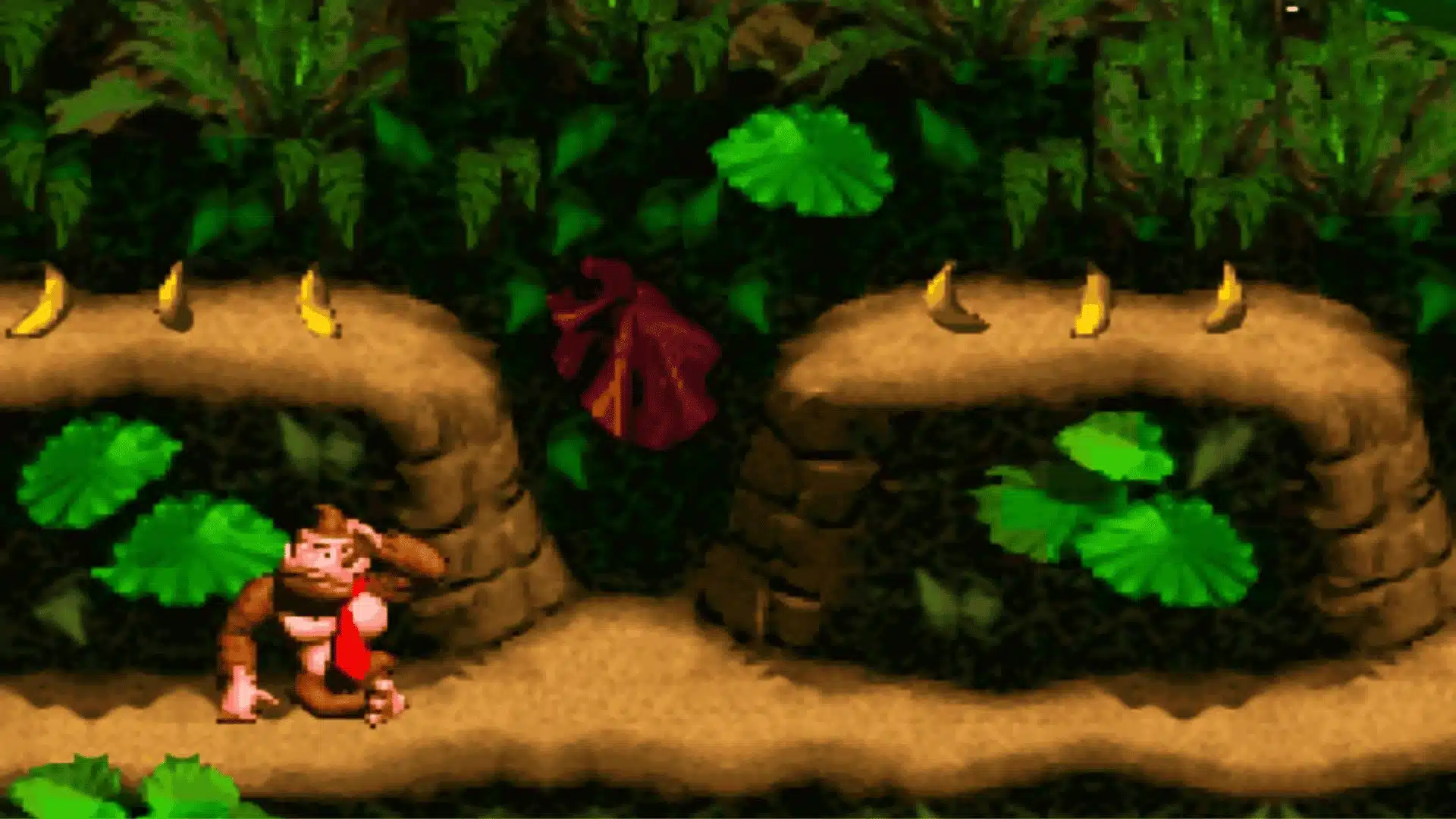
Genre: Platformer
Momentum-based movement punishes button-mashing in a way most platformers avoid, and once the physics clicked for me, the game became something I couldn’t put down between sessions.
- Best for: Platformer fans who want physicality over pure precision.
7. Yoshi’s Island
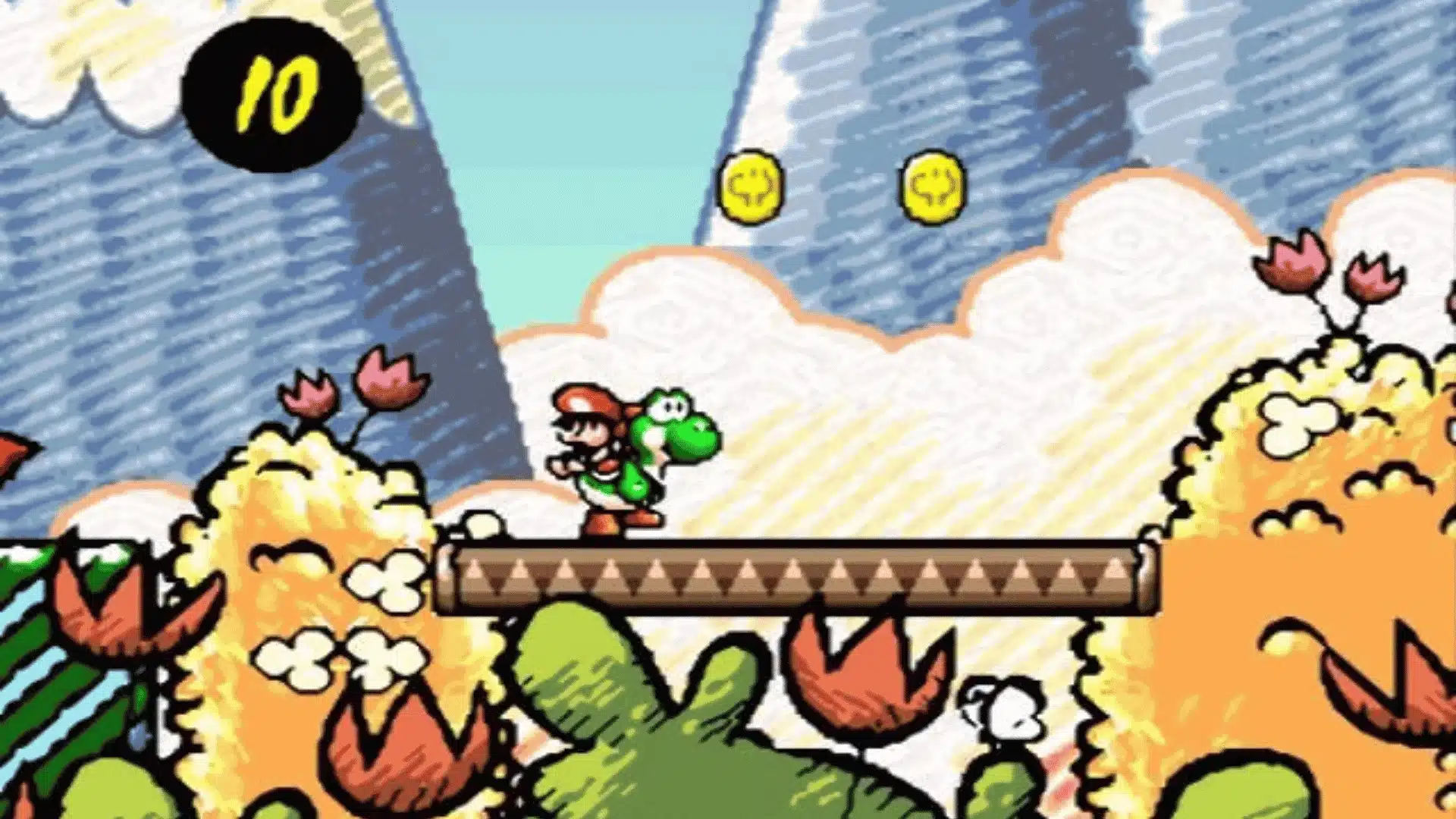
Genre: Platformer
The level of creativity is the most inventive in the entire system, though the Baby Mario crying mechanic is divisive enough that I almost stopped playing before the design fully revealed itself.
- Best for: Patient players willing to push past one genuinely frustrating audio choice.
8. Final Fantasy VI
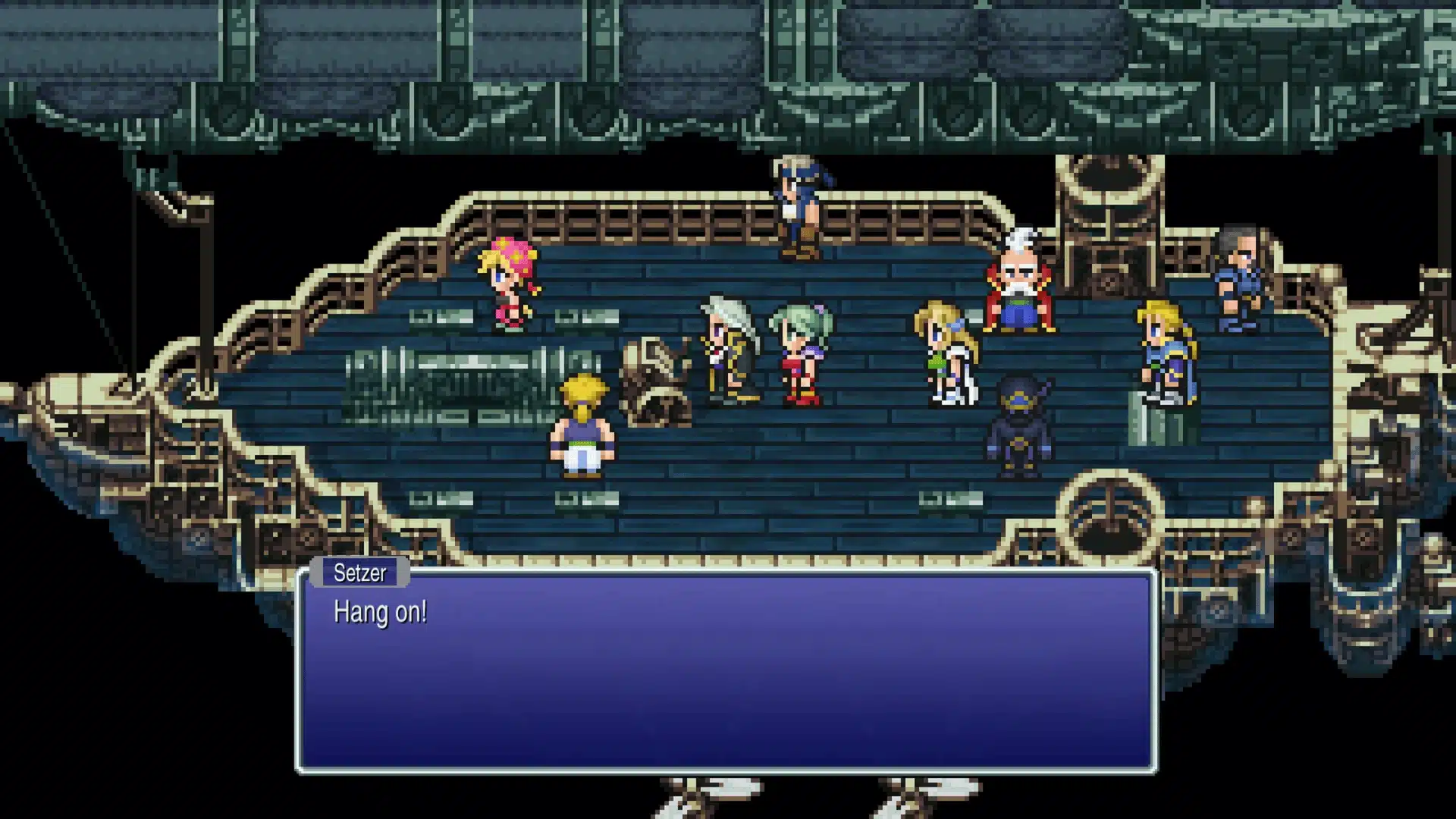
Genre: JRPG
Fourteen characters, no single protagonist, and a villain who wins at the midpoint, doing things structurally in 1994 that the RPG genre still rarely attempts with the same commitment today.
- Best for: Players who want JRPG storytelling at its absolute ceiling on this console.
9. Earthbound
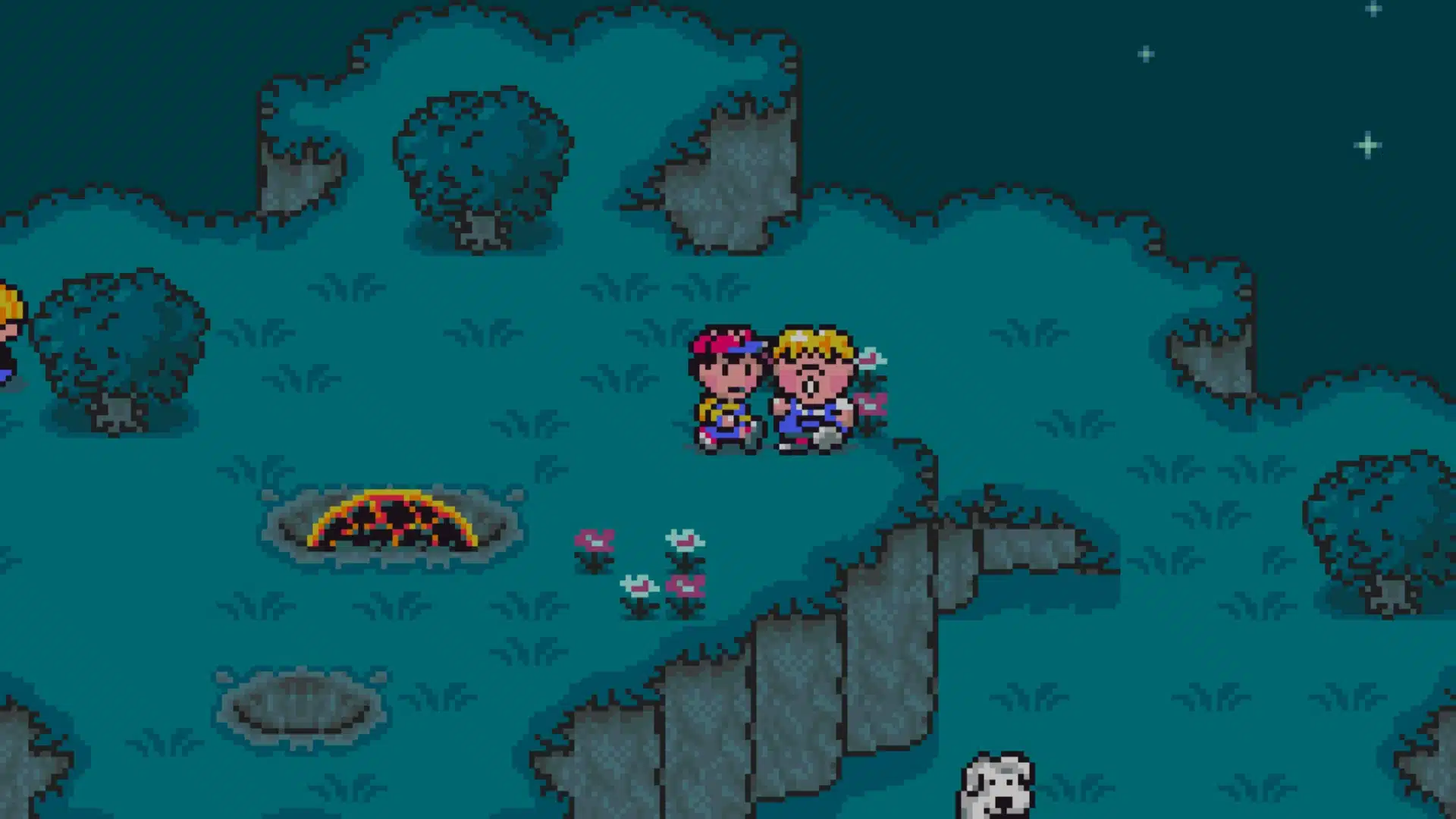
Genre:JRPG
Combat ends automatically when your level guarantees a win, eliminating random battle fatigue entirely, and I didn’t fully appreciate how much that changed my relationship with the game until it was gone.
- Best for: Players who found other JRPGs repetitive or mechanically tedious.
10. Street Fighter II Turbo
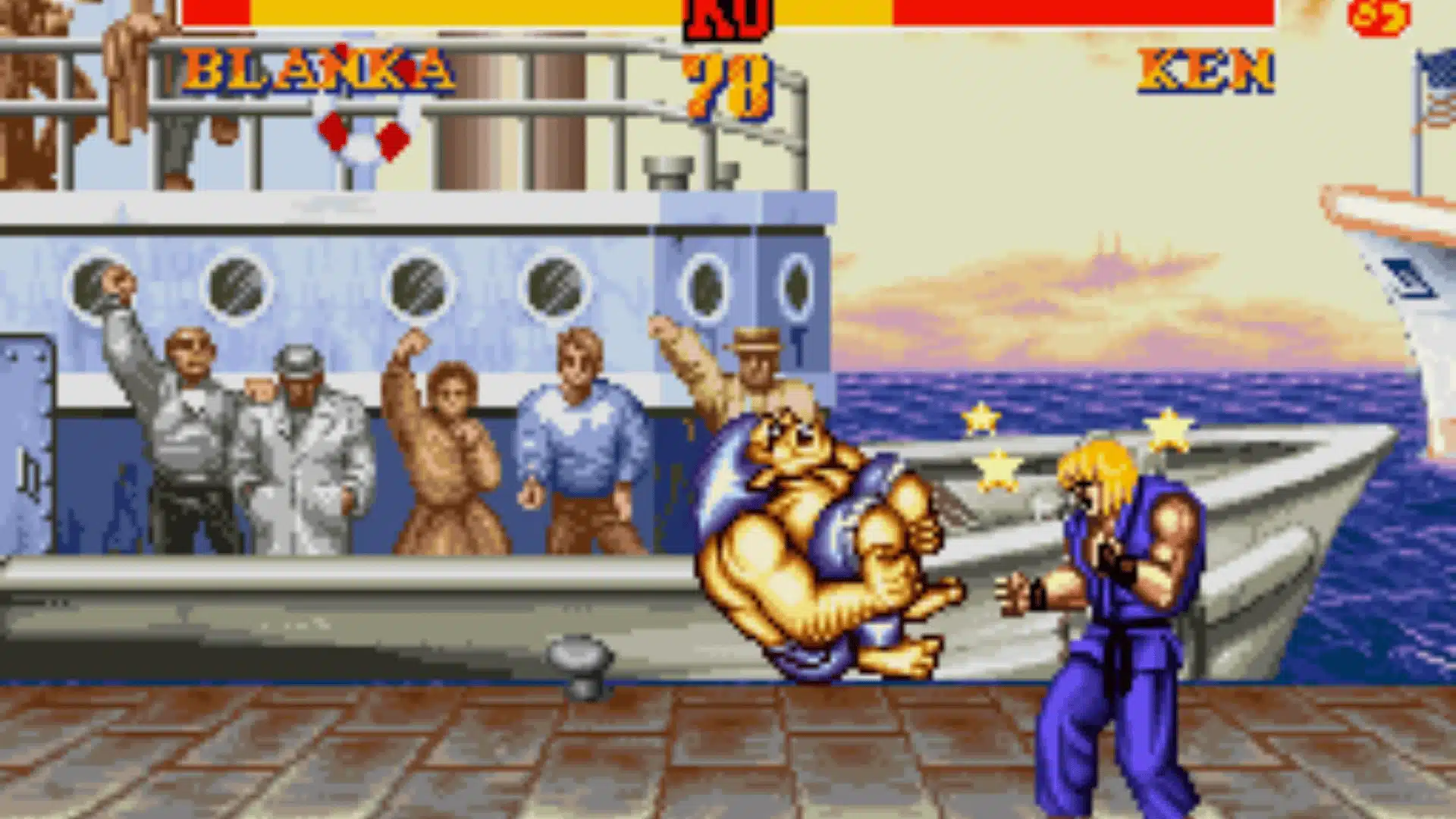
Genre: Fighting
The speed toggle effectively creates two different competitive games inside one cartridge, with slow speed rewarding reads and patience while high speed rewards pure reaction and execution instead.
- Best for: Players with someone to compete against locally.
11. Killer Instinct
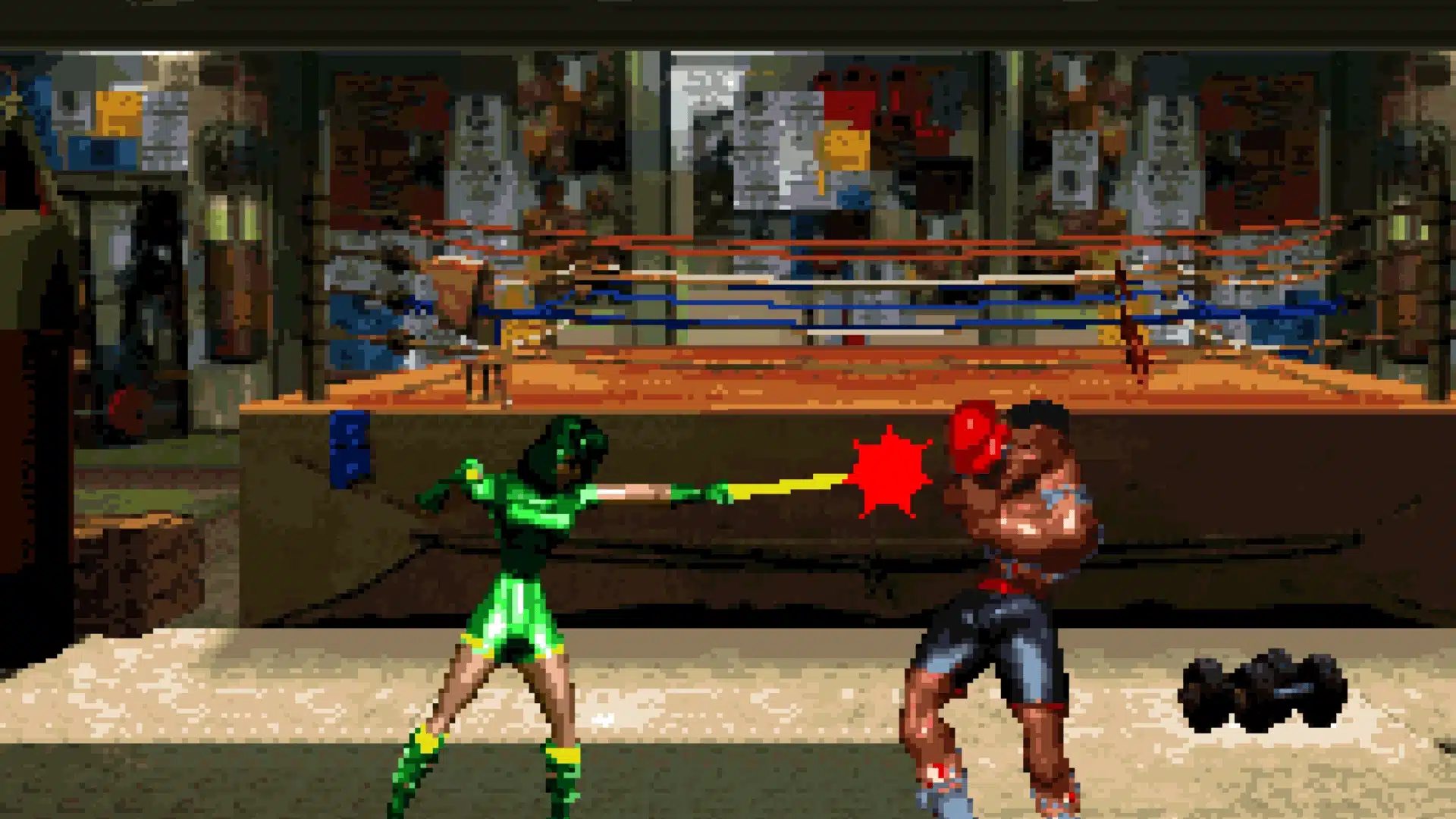
Genre: Fighting
The combo system has a rhythm that takes longer to learn than Street Fighter II but expresses more at the top end, which I badly underestimated the first time I played it.
- Best for: Fighting game enthusiasts who want mechanical depth over immediate accessibility.
12. Turtles in Time
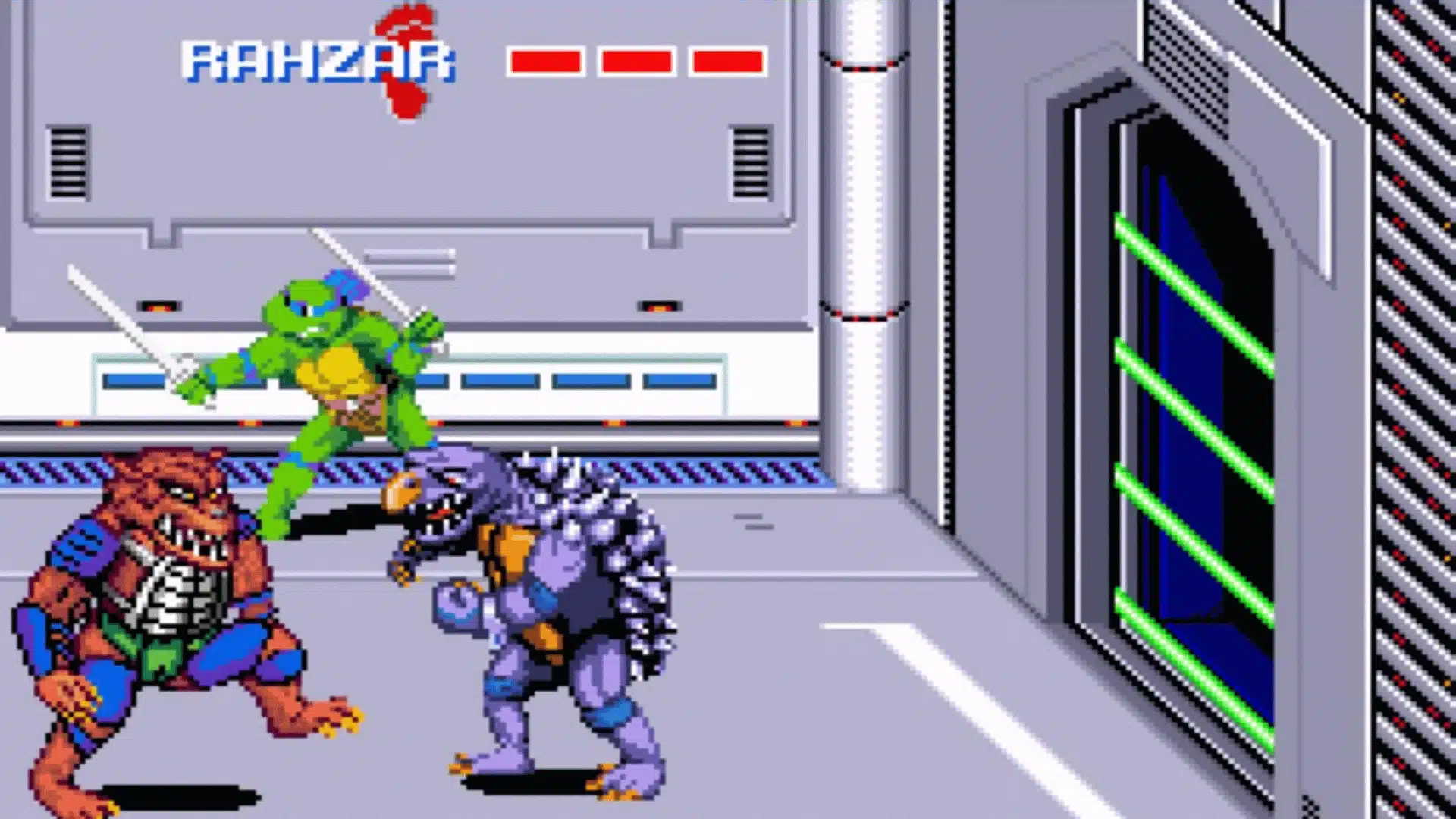
Genre: Beat-Em-Up
The screen-throw mechanic gives every fight a physical satisfaction most beat-em-ups never find, and what sounds like a small addition completely changes how combat feels from moment to moment.
- Best for: Two players. Co-op makes it the best beat-em-up on the console.
13. Super Mario Kart
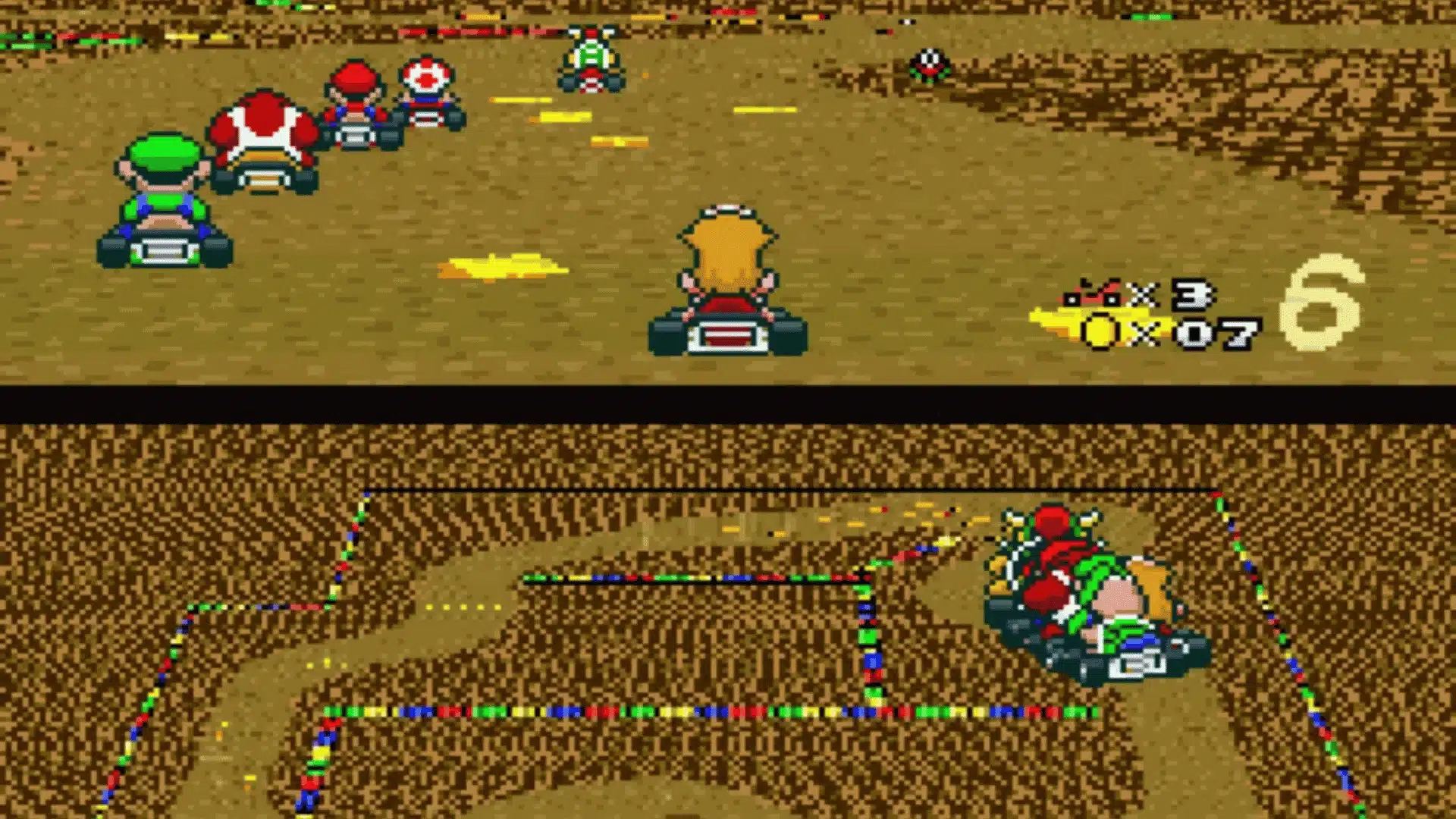
Genre: Racing
The item system and race structure produce genuinely competitive sessions despite Mode 7 visuals that haven’t aged well, because the design underneath the graphics is tighter than it first appears.
- Best for: Groups. Single-player modes are noticeably thin compared to what the series became later.
14. F-Zero
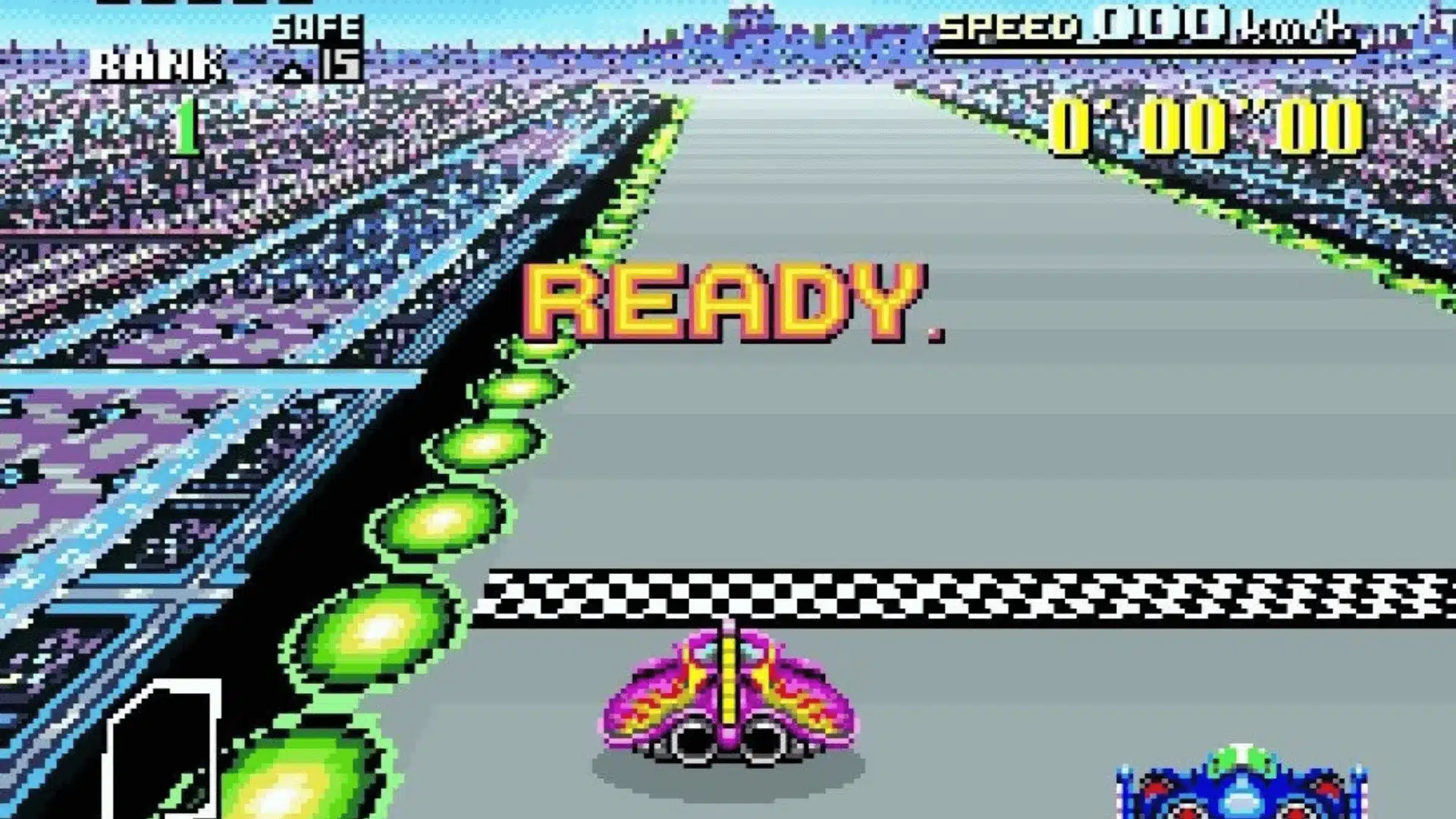
Genre: Racing
No weapons, no rubber-banding, pure speed and track memorization mean every mistake is yours alone, which I found refreshing after racing games that soften consequences with catch-up mechanics.
- Best for: Players who want a racing game with real consequences and no safety net.
15. Contra III: The Alien Wars
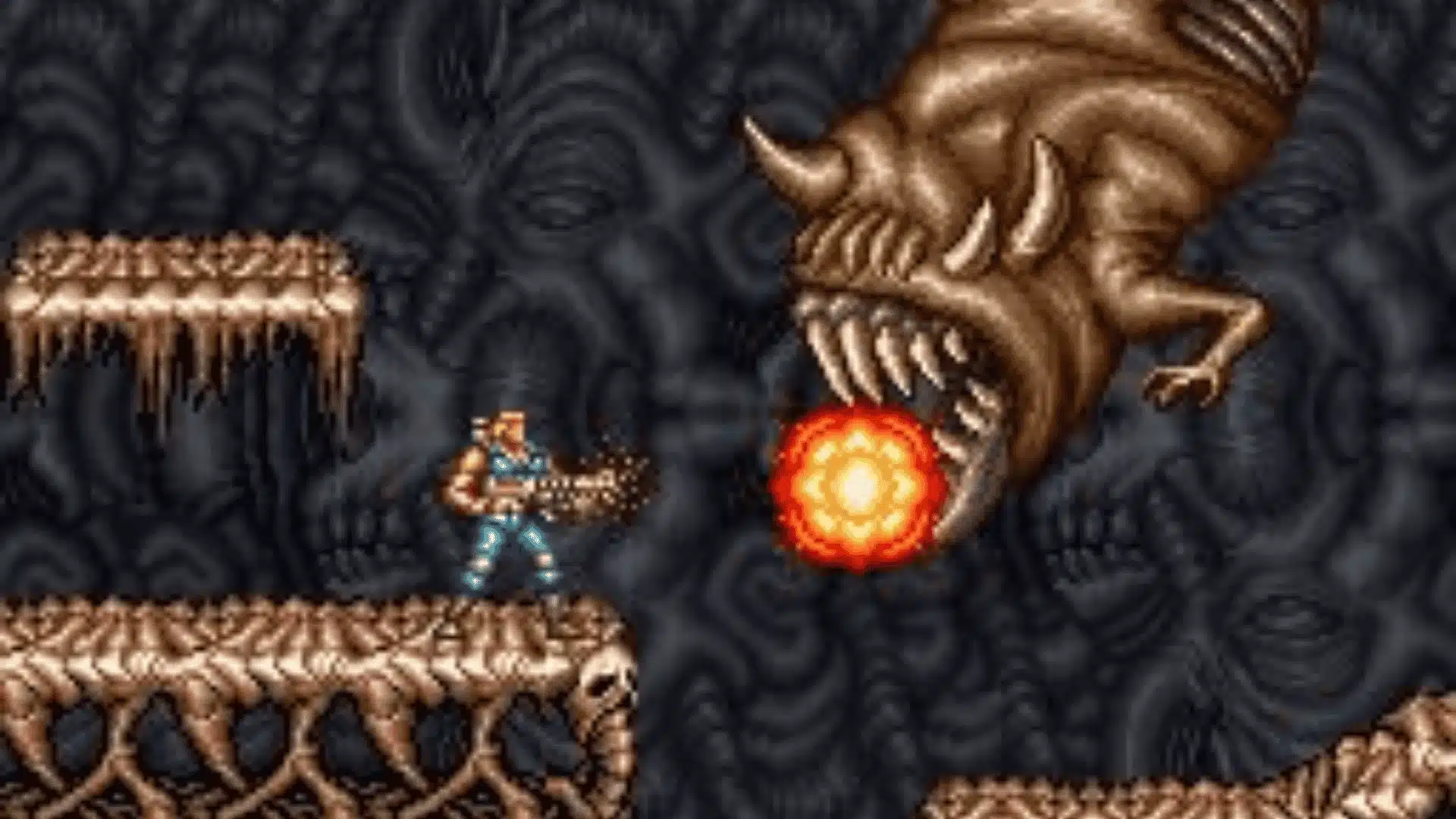
Genre: Run-and-Gun
The side-scrolling levels are as precise and punishing as the series ever gets, and the shorter overhead stages are manageable enough that the stronger levels carry the full experience cleanly.
- Best for: Action veterans comfortable with difficulty that doesn’t adjust itself for you.
If you’re only playing one from this tier, start with Final Fantasy VI because it’s the most complete single-player experience in the group.
Top SNES Games Worth Playing If You Haven’t
These five don’t compete for all-time status, but each does something specific enough to deserve an hour of your time, especially after working through the tiers above.
16. Wild Guns
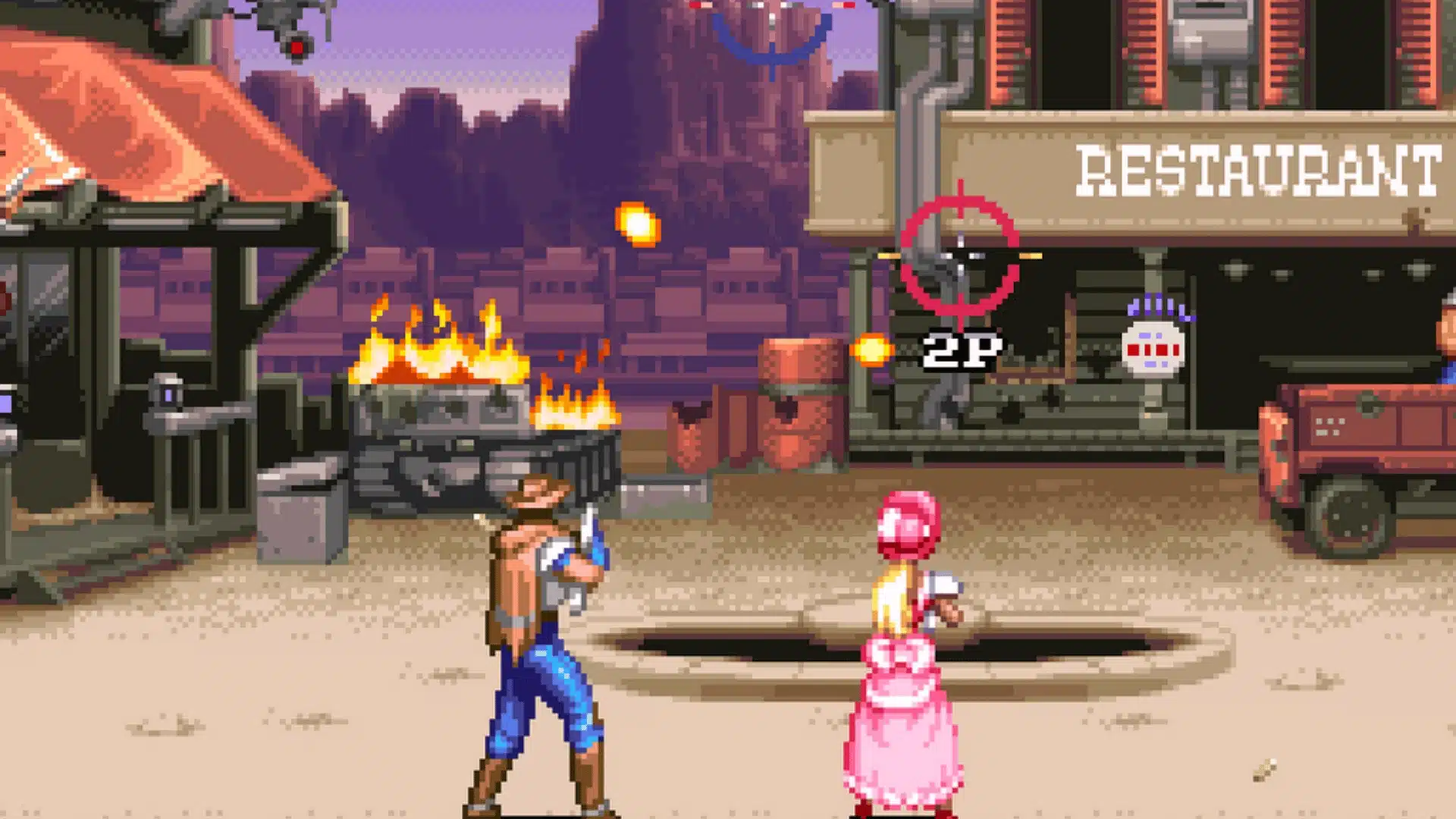
Genre: Gallery Shooter
Two-player arcade shooting with a hybrid movement system nothing else on the console replicates, and that specific niche is exactly what makes it worth trying if shooters interest you at all.
17. Shadowrun
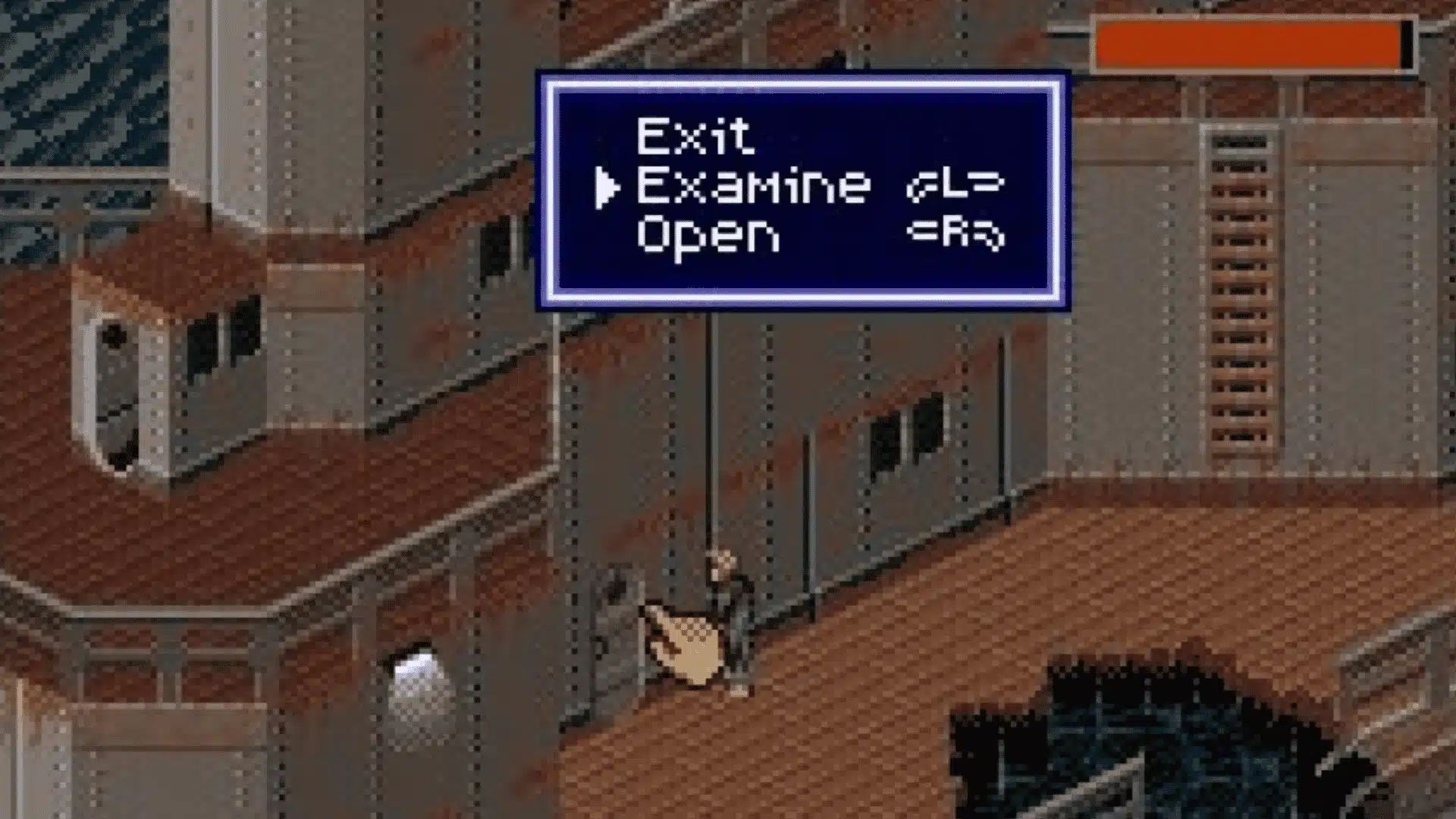
Genre: Action-RPG
Cyberpunk setting in 1993 with dialogue depth and a stat system most action games ignored for another decade, dated in places but ahead of its time in ways that still genuinely surprised me.
18. Lufia and the Fortress of Doom
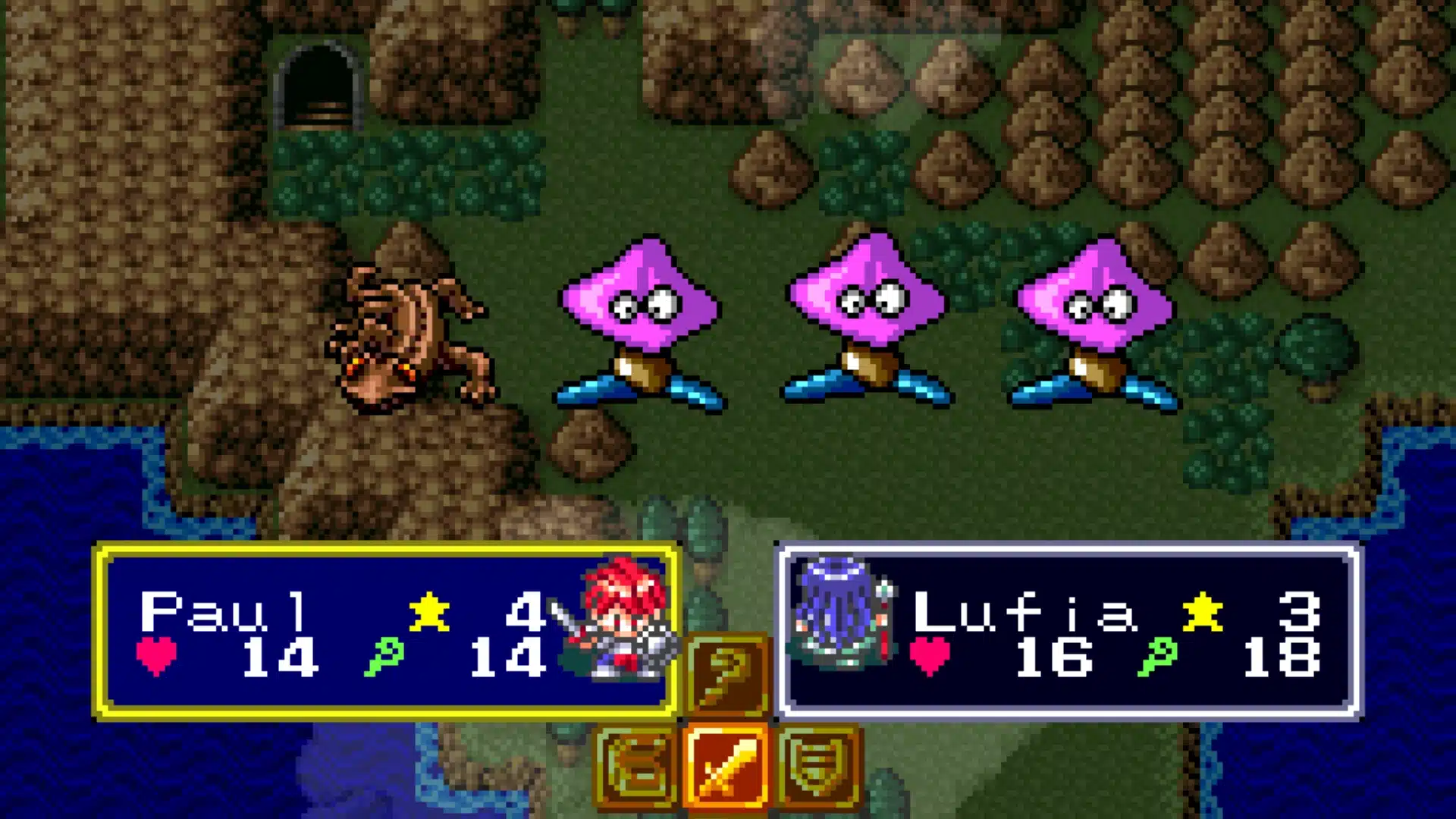
Genre: JRPG
Opens with its own ending and works backward, and while the puzzle design gets stronger in the sequel, the structural ambition here earns its place in the library on concept alone.
19. U.N. Squadron
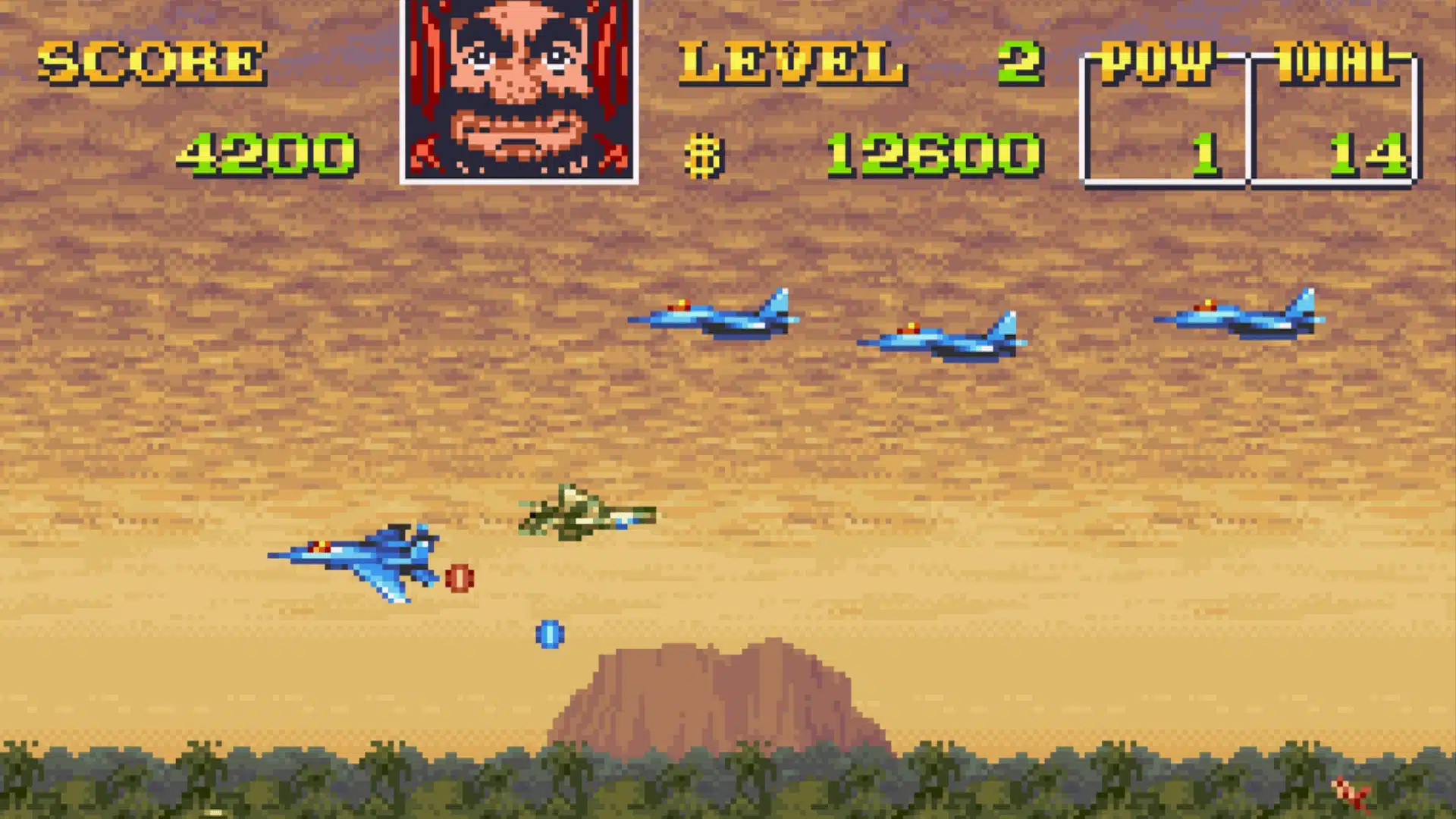
Genre: Shoot-Em-Up
Pilot selection and weapon purchasing add light strategy to a tight aerial shooter, overlooked because the genre has stronger console entries elsewhere, but worth your time if shooters are your preference.
20. Actraiser
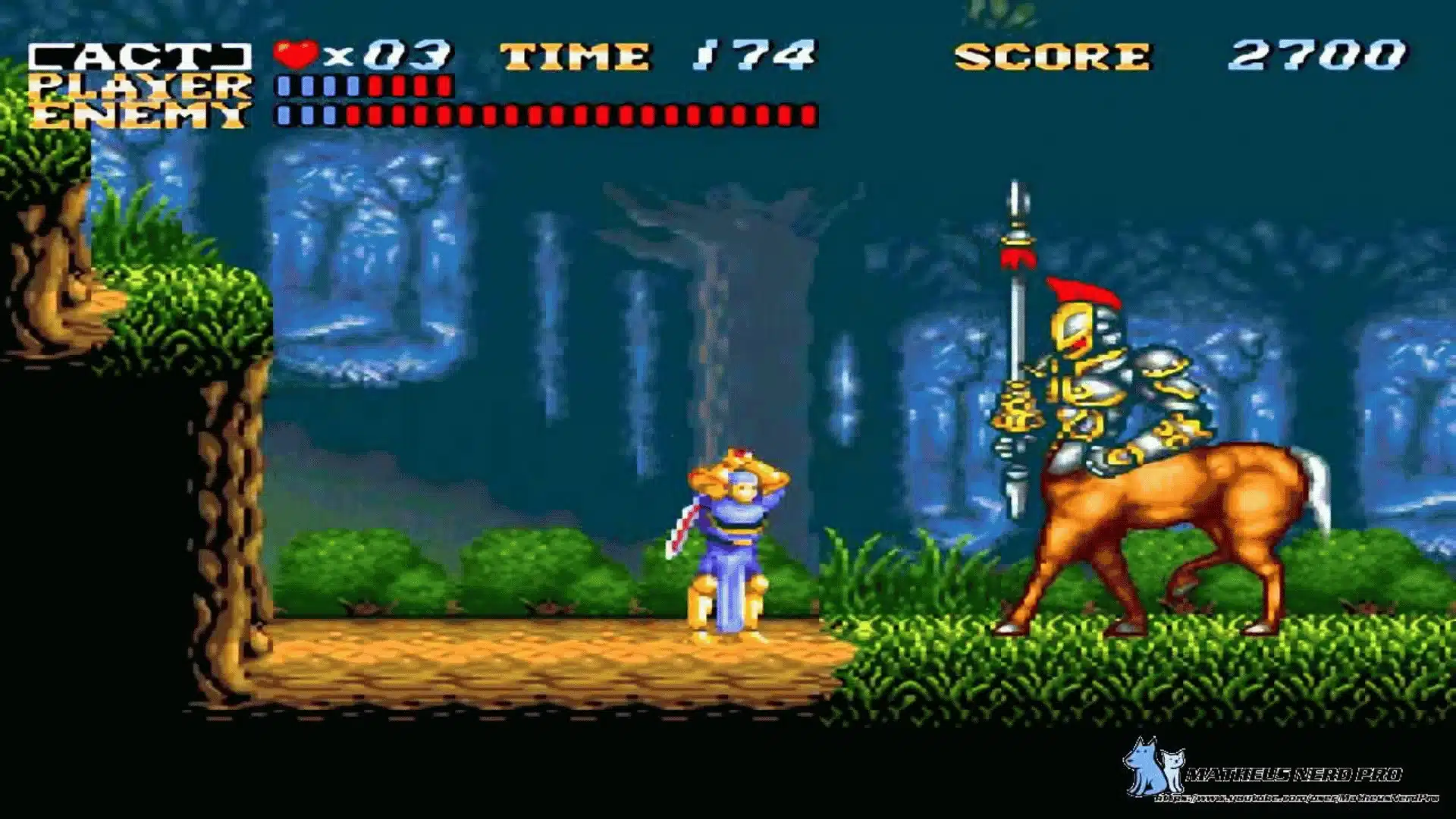
Genre: Action-Sim Hybrid
Half action-platformer, half city-builder, with neither half being the strongest on the console, but the combination is unlike anything else in the library, and that alone makes it worth trying.
If you’re only playing one from this tier, try Shadowrun because it’s the most surprising game in the entire library for players coming in without prior expectations.
These titles cover the library’s real range. I got more out of this list once I stopped treating it as a ranking and started treating it as a menu pick by mood rather than by number.
Why SNES Games Still Hold Up: The Design Reason?
SNES games hold up because hardware constraints forced mechanical discipline over visual spectacle. That discipline is structural, not sentimental, and it doesn’t age the way graphics do.
I assumed the praise was nostalgia until I noticed players who never owned an SNES rating these games just as highly. Nostalgia couldn’t explain that.
Beat 1: The Constraint
Cartridge limits, no load screens, and fixed sprite layers meant developers couldn’t pad engagement with production value. Every second of attention had to be earned through mechanics alone.
There was no cutscene to carry a slow moment. The game had to hold you entirely through what it asked your hands to do, nothing else.
Beat 2: The Discipline It Forced
That constraint produced complete mechanical loops, tight input-to-feedback cycles, and level layouts that taught rules through play rather than written tutorials or onboarding prompts.
I noticed this most in Mega Man X, where the intro stage demonstrates every core mechanic before asking you to use any of them. No text box required.
Beat 3: Why That Produces Durability
Technical spectacle ages. Pre-rendered graphics, early 3D, digitized audio all date badly. SNES games never relied on spectacle, so they have nothing to lose when hardware moves on.
What remains is just the loop: input, feedback, adjust, repeat. That transaction doesn’t expire. It worked in 1993 and works now for exactly the same structural reason.
This applies most strongly to action-platformers and RPGs. F-Zero shows it with hardware tricks, too. Mode 7 looks dated, but track design and speed mechanics hold up independently of it.
Where it breaks down is in late-era titles like Stunt Race FX, which spent its design budget on the Super FX chip rather than on mechanics.
The ones that treated hardware as the main attraction didn’t survive it.
Best SNES Games by Genre
Not everyone comes to the SNES wanting the same thing. Genre sorting makes the library navigable without requiring you to read every ranking to find your entry point.
1. Action-Platformer
The best SNES action-platformers are Super Mario World, Mega Man X, and Donkey Kong Country. I didn’t realize how differently each handled movement until I played all three consecutively.
One is floaty and exploratory, one precise and punishing, one momentum-driven and physical.
The console defined this genre more completely than anything before or after it did.
2. JRPG
The best SNES JRPGs are Chrono Trigger, Final Fantasy VI, and Earthbound. I assumed Final Fantasy dominated this category completely and almost missed two stronger starting points as a result.
Each title solves a different genre problem.
Chrono Trigger removes grind friction, Final Fantasy VI pushes narrative structure, and Earthbound eliminates random battle fatigue entirely.
3. Beat-Em-Up
The best SNES beat-em-ups are Turtles in Time and Final Fight. The genre isn’t deep here, but these two cover the full range between arcade energy and demanding single-player design.
I played Turtles in Time solo first, then co-op, and understood immediately what it was actually built for. Final Fight is the reach when you want something tighter and less forgiving.
The genre never grew much deeper than these two on SNES, so once you’ve played both, you’ve effectively seen what the console had to offer here.
4. Action-Adventure
The best SNES action-adventure games are A Link to the Past and Super Metroid.
If you search by modern vocabulary, Super Metroid is what we now call a Metroidvania, though that label didn’t exist then.
A Link to the Past is more structured; Super Metroid is more open. Both reward players who read their environment rather than wait to be directed to a specific location.
The same discipline defines the best GBA games, where both franchises continued under tighter constraints.
5. Fighting
The best SNES fighting games are Street Fighter II Turbo and Killer Instinct. I underestimated Killer Instinct by comparing it directly to Street Fighter II, which was completely the wrong frame of reference.
Street Fighter II Turbo holds up thanks to its mechanical purity.
Killer Instinct has a deeper combo rhythm that takes longer to learn but expresses considerably more once you have it.
6. Racing and Arcade
The best SNES racing games are F-Zero and Super Mario Kart. Outside these two, the genre thins quickly.
I tried finding a third honest recommendation here and genuinely couldn’t make the case.
F-Zero is pure speed and consequence. Super Mario Kart is item-driven and competitive. Sports and other racing titles from this era represent the library’s weakest category overall.
These six genres cover most of what the SNES library does well. Knowing your preference saves you from scanning the full ranked list just to find your entry point.
How to Play SNES Games Today?
You can play SNES games today through Nintendo Switch Online, original hardware, or an SNES Classic Mini. Each path offers something different at varying costs and levels of commitment.
Nintendo Switch Online + Expansion Pack
This is the lowest friction starting point. The Expansion Pack tier includes a growing SNES library you can access immediately without tracking down any physical hardware at all.
I started here because the barrier was the lowest.
It’s the right first step before committing to anything physical or spending money on hardware you might not regularly use.
Original Hardware and Cartridges
You can still buy SNES cartridges through the secondary market. Prices have appreciated steadily over the years, so I’d avoid anchoring to any specific figure, as they shift regularly.
Input handling on a CRT with original controllers is what these games were designed around.
That difference is genuinely hard to describe until you’ve actually felt it yourself.
SNES Classic Mini
The SNES Classic Mini came preloaded with 21 games and is no longer in production. Stock is available only through secondary-market sellers, so availability and pricing vary considerably by timing.
I got mine later than I should have and paid more than I wanted to. Found at a reasonable price, it’s a self-contained option with a strong default library included.
The right path depends on how much you want to invest upfront. Start with Switch Online if you’re unsure. Move to hardware once you know these games have your attention.
Conclusion
The top SNES games still matter because they feel good to play, not because people refuse to let them go.
You can see it in the tight controls, smart levels, simple goals, and the way each game teaches without slowing you down.
I used to think old rankings were mostly nostalgia, but replaying these games made the stronger pattern much easier to see.
Some titles are better for beginners, while others fit RPG fans, platformer fans, racing fans, or players who enjoy harder action.
Pick one genre first, then try a game for an hour before judging the whole console library.
Which SNES game still holds up best for you, and which one deserves more attention today? Tell us, share with us in the comments below.
Frequently Asked Questions
What is the #1 SNES game of all time?
According to community polls and aggregated critic rankings, The Legend of Zelda: A Link to the Past and Chrono Trigger consistently trade the top position.
Both titles are worth playing, and which one ranks higher depends on whether design depth or narrative innovation is weighted more.
How Many Games Were Released for the SNES?
Estimates vary by source, but roughly 1,750 games were officially released for the SNES across all regions, with the North American library landing around 717 to 721 licensed titles depending on how championship and promotional cartridges are counted.
Are SNES Games Good for Kids Today?
Many SNES games are well-suited for children; titles like Super Mario World, Donkey Kong Country, and Yoshi’s Island have approachable difficulty curves and no mature content.
The genre breakdown in this article identifies which titles are best suited for younger players versus those aimed at older audiences.