
I first tried Remnant: From the Ashes expecting another Soulslike with guns, but it quickly proved to be much more than that.
The tough fights, clever world design, and rewarding co-op kept pulling me back, even after plenty of defeats. At the same time, a few systems took longer to understand than they should have.
In this Remnant: From the Ashes review, I share what stood out after spending time with the game, including what it does well, where it struggles, and who will get the most value from playing it today.
Remnant: From the Ashes Review – What Kind of Game Is It?
Remnant: From the Ashes is a third-person shooter built on a Soulslike skeleton. Developed by Gunfire Games, it puts guns at the center of a punishment-and-progression loop.
When I first loaded it up, I assumed I already understood it. Fog gates, checkpoint crystals, dodge-or-die combat. The shooting caught me completely off guard.
What the guns actually do is rewire encounter design entirely. Range becomes a resource, and sightlines matter. You’re managing stamina and mod cooldowns in parallel while reading enemy patterns.
The expectation gap is where most players stumble. Shooter fans get blindsided by death loops. Souls veterans get surprised by the pace. It clicks when you accept it’s genuinely both.
How Does the Combat and Build System Actually Work?

The combat runs on two layers: a shooting feel that rewards positioning and timing, and a mod-driven build system that determines whether damage scales late.
1. Shooting Feel and Melee
The gunplay lands because enemies actually react to it. Stagger on a leg shot, distinct feedback on a weak spot. Weapons feel genuinely different from each other.
What makes it work:
- Weapon weight differentiation: Shotguns punish poor spacing, rifles reward patience, and hand cannons demand accuracy. Each has a distinct use case, not just different numbers.
- Dodge iframes: Timing a roll through an attack works exactly like in Souls-like games. The window is learnable but punishing if you panic-roll.
- Mod cooldowns: Your weapon mod runs independently of ammo on its own cooldown. It’s a second rotation you manage in parallel.
Melee never worked as a damage path for me. I tried building around it early and kept dying. Once I treated it as an interrupt tool, break an animation, create distance, and get back to shooting, fights clicked.
2. The Trait and Weapon Mod System
There is no skill tree. That surprised me more than almost anything else about this game.
Builds are expressed almost entirely through weapon mod selection, a meaningfully different system than most RPG players walk in expecting.
How the loop works:
- Kill a boss: Receive a crafting material unique to that encounter.
- Craft the material into a mod: Unlock a new active ability.
- Pair mods intentionally: Create synergies that define your playstyle.
Trait points sit underneath as permanent passive upgrades: stamina, damage, cooldown reduction. They’re wide in variety but shallow in depth.
Mods do the real expressive work. Traits support the build; they don’t define it.
3. Where Do Builds Break Down?
This is what the game never explains. Solo players hit a wall that feels like unfair difficulty but is actually a gear-expression check the game never flags as one.
Mid-to-late-game boss encounters are load-bearing for mod synergy. A healing-on-kill mod paired with a damage-amplification window creates a sustain loop that base weapon stats alone cannot replicate.
No prompt reviews your loadout. No NPC explains synergy windows. No difficulty curve eases you toward the concept. If you’ve hit that wall, review your mod pairings first.
I initially thought some bosses were simply unfair. Looking back, my build was the real problem. Once I started using weapon mods that worked well together, the difficulty felt much more balanced.
The Procedural World: What Actually Randomizes and What Doesn’t
Procedural generation in Remnant means curated, handcrafted content is arranged differently each campaign. Biome tiles are fixed. What changes is dungeon selection, side encounters, and loot table outputs per run.
Two players in the same biome can have entirely different dungeons, side quests, and boss encounters. The critical path stays fixed. Replayability means meaningful per-run variation, not infinite variety.
1. What Changes Between Playthroughs?
The variance between runs is real, and it goes beyond surface layout. Here’s what actually shifts:
- Biome arrangement: The order and layout of zones within a world change per seed.
- Dungeon selection: Each biome has a pool of optional dungeons; your campaign draws from that pool, not all of them.
- Side encounters and events: NPCs, quests, and world events are seeded per run. Some simply won’t appear in a given campaign.
- Loot table outputs: Which mods and gear surfaces in a run are tied to the seed.
I didn’t realize how deep this went until I watched a friend play the same biome and encounter a dungeon I’d never seen. Same game, same area, completely different content.
That moment reframed the whole system for me.
2. What Stays Fixed?
Not everything randomizes, and knowing the boundaries matters as much as knowing the variance.
What stays the same across every campaign:
- Critical path bosses: The main story encounters are fixed and appear in every run.
- Biome identities: Each world has a consistent tone, enemy faction, and aesthetic regardless of seed.
- Story beats: The narrative spine doesn’t shift; only the optional content around it does.
The fixed backbone is actually what makes the randomized layer feel meaningful. Without it, there’d be no reference point for what’s different.
Going in expecting a roguelike, where nothing is guaranteed, sets the wrong expectation entirely.
3. Adventure Mode and the Reroll System
Adventure Mode is the feature that turns the procedural system from a novelty into an actual replay hook. It works like this:
- Reroll a Single Biome: Select one biome to reroll independently without affecting your main campaign.
- Keep Your Progress: Your traits, weapons, armor, mods, and other character progression carry over.
- Discover New Content: The new seed generates different dungeons, world events, bosses, and loot to encourage replayability
This is how completionists realistically collect all weapon mods. Most mods are tied to randomized encounters, and a single campaign won’t surface them all. Adventure Mode is essentially mandatory.
Your first campaign can lock you out of certain content simply by seed. Some dungeons, events, and mods won’t appear. That’s a real constraint worth knowing before you start, not a feature.
Remnant 2 substantially expanded this architecture, adding more biome variety and deeper procedural layers. The original’s system is still distinctive enough to warrant its own playthrough rather than a skip.
Solo vs. Co-op: How Multiplayer Changes the Game?
Remnant: From the Ashes is fully completable solo. But it’s tuned around co-op scaling, and knowing where that creates friction makes the solo experience significantly more manageable.
Enemy Scaling and Difficulty
Enemy health and damage scale with player count in real time. This isn’t a difficulty toggle. It’s a live system that adjusts to whoever is in the session.
In co-op, the trade-off balances out naturally:
- Combined DPS offsets the increased enemy health: What takes one player eight seconds takes two players four.
- Role splitting becomes possible: One player applies interrupts or healing support while the other maintains damage output.
- Pressure distributes: Aggro splits, which reduces the solo problem of every enemy targeting one person.
Solo concentrates all of that pressure onto you with no offset. The scaling doesn’t reduce. The enemies hit just as hard.
I ran my first twenty hours solo and assumed I was just bad. The difficulty felt inconsistent in ways I couldn’t explain. The scaling system was the explanation.
There are no difficulty modes. What you’re playing is what everyone plays. The variance comes from player count, build quality, and encounter seed.
| Factor | Solo | Co-op (2–3 Players) |
|---|---|---|
| Enemy health | Base scaled to 1 player | Increases with each player added |
| Enemy damage | Full pressure on one player | Distributed across the group |
| DPS output | Single damage source | Combined, the gap closes fast |
| Role flexibility | None; you cover everything | Interrupt, heal, and damage can split |
| Build failure exposure | Fully exposed | Partially masked by partner DPS |
| Recommended for | Experienced Soulslike players | Any player type |
Joining a Friend’s World Mid-Campaign
This is the most misread system in the game, and it catches people badly when they don’t know how it works.
When you join a friend’s world mid-campaign:
- Sync to Their World: You join your friend’s campaign, including their world layout, dungeon progress, and current story state for that session.
- Fight Their Encounters: You’ll face the bosses and enemies based on your friend’s campaign progression, regardless of where you are in your own game.
- Keep Your Own Gear: Your equipment and upgrades don’t scale automatically, so joining a much farther-progressed world can leave you under-geared.
I watched a friend join my session and get deleted by a boss she had no business fighting at her gear level. She assumed the game was broken, but it wasn’t.
She had simply entered my progression point with starter weapons. This is a feature with a real mechanical consequence, not a bug. Know your gear tier before you join someone else’s world.
Where the Game Falls Short?

Remnant has real weaknesses. None of them disqualify it, but they affect different players in different ways. Knowing which ones apply to you sets the right expectations before you buy.
A Story That Doesn’t Deliver
The Root invades Earth, humanity is nearly gone, and you fight back across fractured dimensions. That premise has genuine potential. The execution doesn’t follow through on it.
The narrative structure follows Soulslike tradition:
- Lore Lives in Item Descriptions: Backstory, faction history, and world context are buried in equipment text.
- Environmental Storytelling Carries Most of The Weight: The world communicates tone better than the dialogue does.
- The Main Thread Offers Little Payoff: The critical path resolves without the emotional or narrative weight the setup implies.
This is a genre convention, not a unique failure. FromSoftware games handle narrative the same way. Players who’ve internalized that expectation won’t be bothered.
Story-driven players will be. If narrative payoff is why you finish games, this one will feel hollow by the end. That’s an honest limitation worth naming before purchase.
Loot Variety and the Base Game Ceiling
The build system promises more depth than the base game content pool can fully deliver. That gap is real, and it shows in longer playthroughs.
Where the ceiling appears:
- Weapon Variety is Narrower than The Mod System Implies: The crafting loop is expressive, but the number of distinct weapons limits how many genuinely different builds there are.
- Armor Sets Have Limited Mechanical Differentiation: Most sets are stat variations rather than playstyle-defining choices.
- Post-Launch DLC Content Partially Addresses This: Additional weapons and encounters expand the pool without fully resolving the base game limitation.
I hit the ceiling around my second full campaign. Not a wall exactly, more a feeling that I’d seen most of what the system could produce. The mod crafting stayed interesting. The underlying variety ran thin.
The system architecture is better than the content it contains. That’s a real criticism.
Platform Considerations
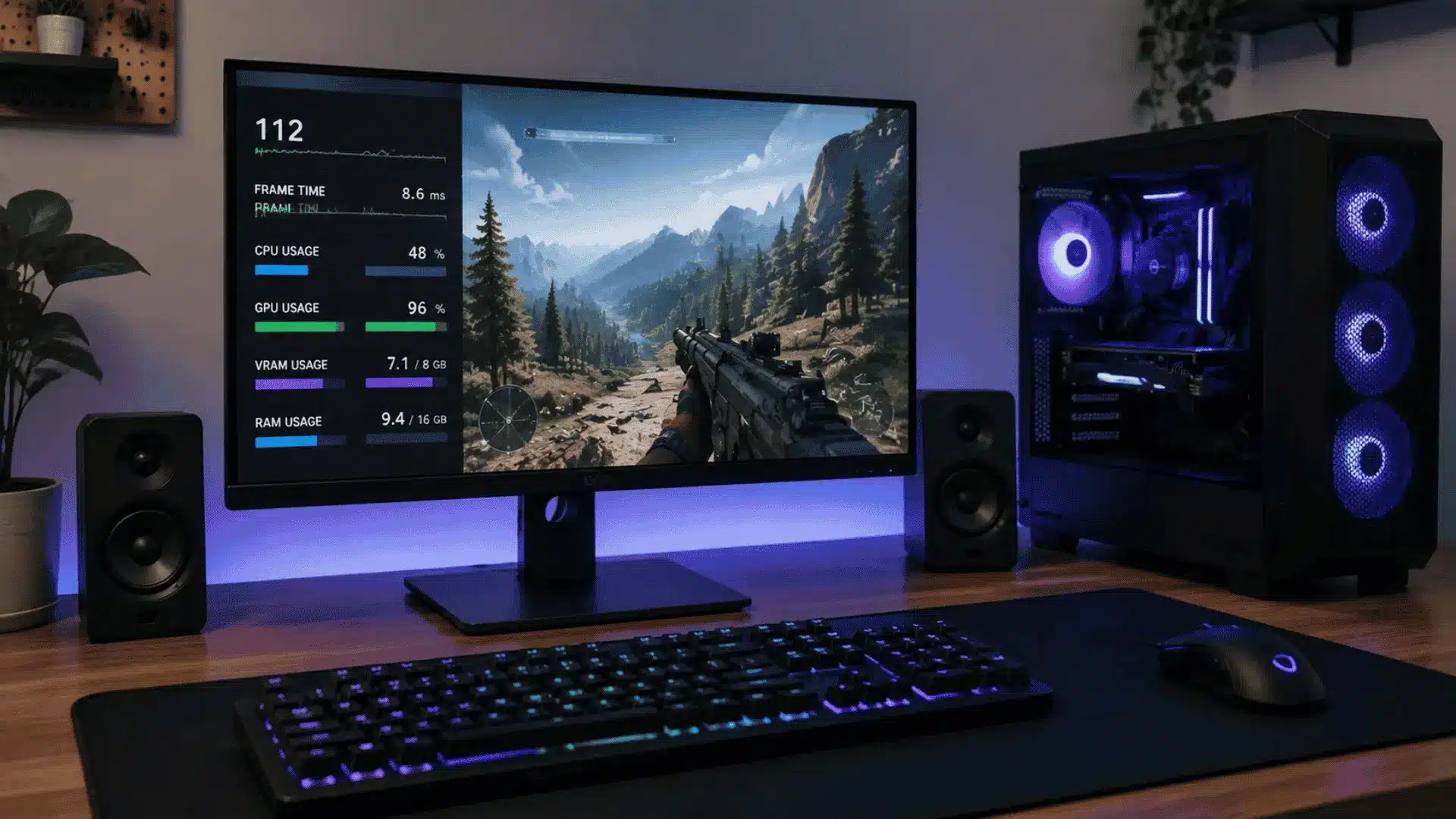
The experience varies depending on the platform you choose. While Remnant: From the Ashes plays well on most systems, performance and visual quality can differ enough to affect the overall experience.
| Platform | Performance | Visual Fidelity | Recommended? |
|---|---|---|---|
| PC (Steam) | Highest framerate and graphics settings | Best overall | Yes, best choice |
| PS5/Xbox Series X|S | Smooth performance with backward compatibility | Excellent | Yes |
| PS4/Xbox One | Mostly stable with occasional frame drops | Good | Yes, a reliable option |
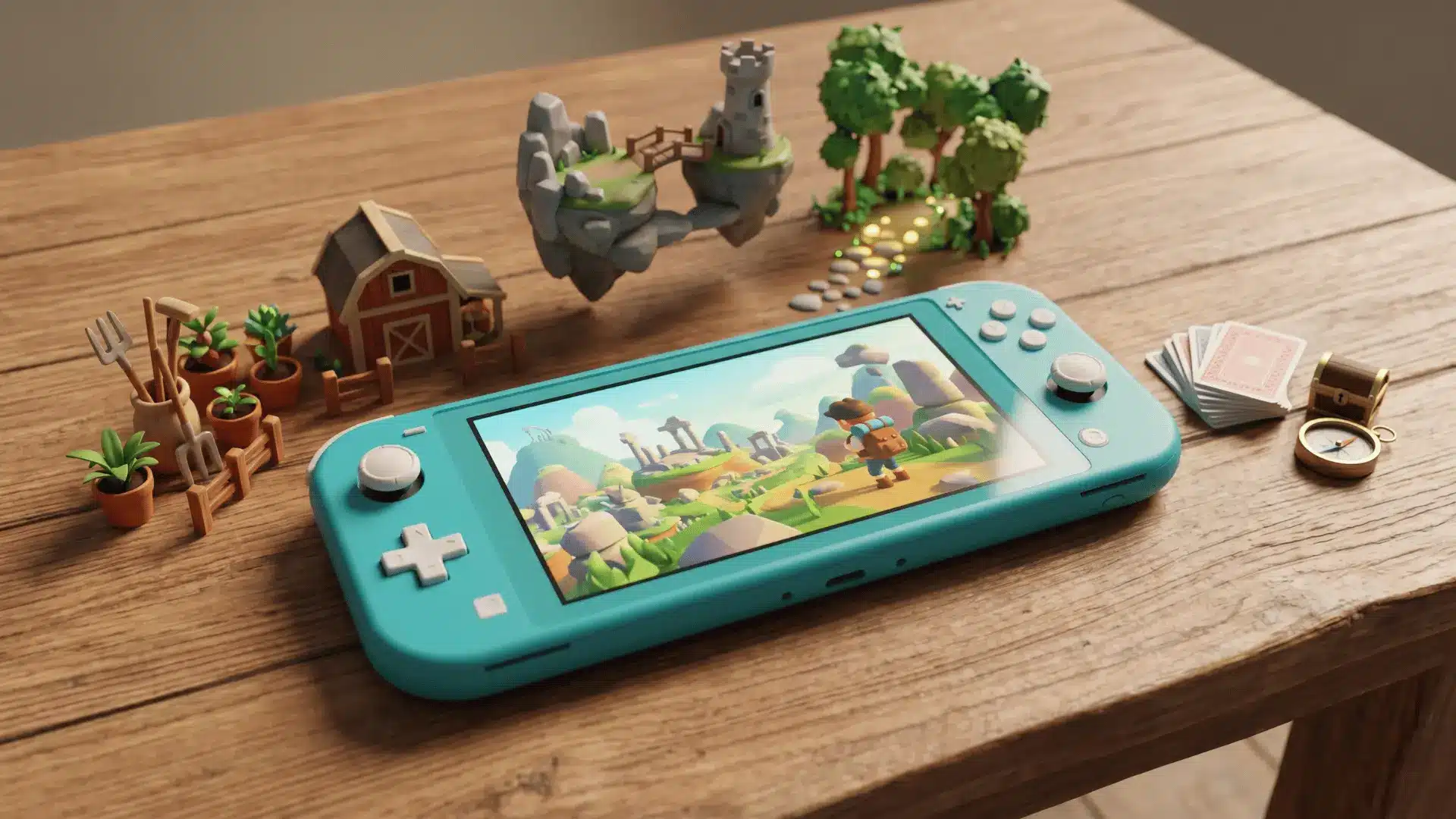
| Nintendo Switch | Playable with noticeable performance compromises | Reduced resolution and visual quality | Only if no alternative |
- PC (Steam): The best way to play, thanks to higher frame rates, better graphics options, and community mod support that adds replay value.
- PS5 / Xbox Series X|S: The game benefits from backward compatibility, delivering smoother performance and faster loading times than last-generation consoles.
- PS4 / Xbox One: A solid experience overall, with only occasional frame drops during busier combat encounters.
- Nintendo Switch: Playable, but lower resolution and inconsistent frame rates make fast-paced combat less smooth than on other platforms.
The Nintendo Switch version launched in 2023, and post-launch updates improved stability. Even so, if you have access to a PC or another console, those versions provide a noticeably better experience.
Since combat depends on reading enemy animations and timing your dodges correctly, smoother performance can make difficult encounters feel more consistent.
Is Remnant: From the Ashes Still Worth Playing in 2026?
Even in 2026, Remnant: From the Ashes remains an easy recommendation for players who enjoy challenging combat, rewarding progression, and co-op gameplay.
Its gunplay, memorable boss fights, and replayable world design still hold up well, though the story and build onboarding feel dated. The game has a 78 Metascore on Metacritic for PC, which still accurately reflects its strengths and weaknesses today.
If you’re new to the series, I’d recommend starting with Remnant 2 because it’s the more polished experience. But if you’ve already played the sequel or find the original at a good price, it’s absolutely still worth your time
Conclusion
After finishing my Remnant: From the Ashes review, I can confidently say the game still earns a place among the best action RPG shooters.
Its combat, replay value, and satisfying progression make it easy to recommend, even though the story and some mechanics have rough edges.
If you enjoy challenging battles and experimenting with different builds, it’s still worth playing today.
I hope my experience helps you decide if it’s the right game for you. Have you played it already? Share your thoughts or favorite build in the comments below!
Frequently Asked Questions
Does Remnant: From the Ashes Have Replay Value?
Yes. Every campaign randomizes dungeon layouts, events, bosses, and loot, so no two playthroughs are exactly the same. Adventure Mode also lets you reroll individual biomes to find missed gear, mods, and encounters.
Can You Play Remnant: From the Ashes Offline?
Yes. The game can be played entirely offline in single-player. However, you’ll need an internet connection if you want to join friends or use online co-op features.
Is Remnant: From the Ashes Too Hard for Beginners?
It can feel challenging at first, especially if you’re unfamiliar with Soulslike games. Once you understand dodging, weapon mods, and character builds, the difficulty becomes much more manageable.
How Many Players Can Play Remnant: From the Ashes Together?
Remnant: From the Ashes supports up to three players in online co-op. Playing with friends can make difficult boss fights easier while still keeping the combat engaging.