
I went into Breath of the Wild expecting a great Zelda game, but I was not ready for how different it felt. The first hours were full of surprises: fragile weapons, open fields, and a world that refused to tell me where to go next.
This Legend of Zelda: Breath of the Wild review looks at what makes Nintendo’s open-world design special, where it falls short, and why so many players still praise it years later.
I initially questioned the hype, but the systems behind Hyrule slowly changed my opinion. From combat and exploration to story and performance, I still cover the parts that make Breath of the Wild memorable.
Legend of Zelda: Breath of the Wild Review: Do Scores Hold Up?
The Legend of Zelda: Breath of the Wild holds a 97 on Metacritic, with IGN and Game Informer both awarding it a perfect 10/10 at launch.
I assumed the scores were inflated. New console, beloved franchise, Nintendo riding on goodwill. That combination has produced generous reviews before, and I went in skeptical.
What reviewers actually cited changed my mind. Not the Zelda name, but specific decisions: open-air design, world coherence, discovery as a system. Those reasons have held up for eight years.
How the Open World Actually Works: The Design Contract?
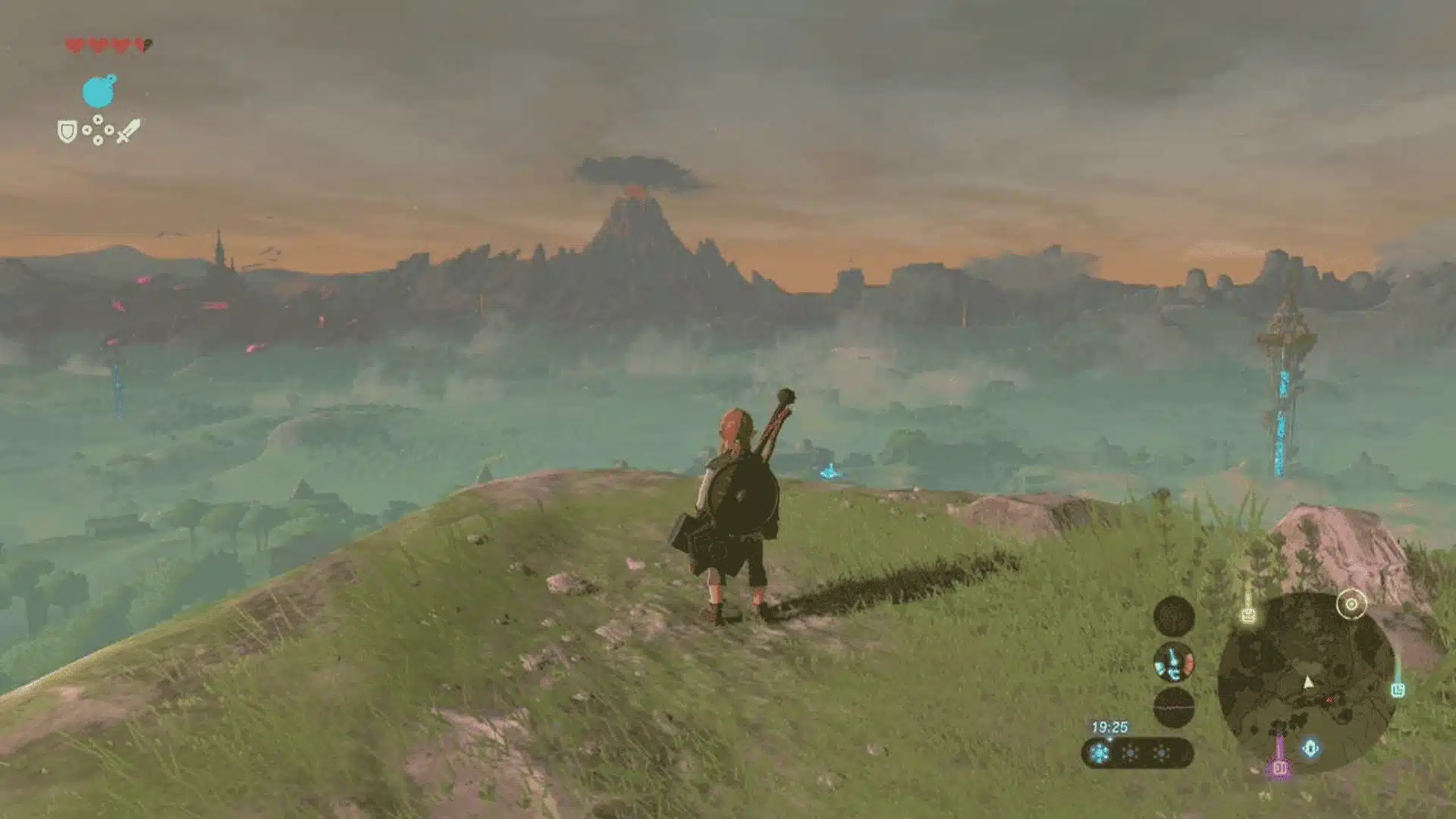
Breath of the Wild is an open-world game, but that label undersells what makes it distinct. The world does not just give you space. It gives you a ruleset.
I did not notice this immediately. Nintendo built Hyrule on physics and elemental logic that mirrors reality. Metal attracts lightning. Fire spreads through dry grass. It applies everywhere.
That consistency is the design contract. I kept waiting for the rules to change between combat and puzzles. They never did. Most open worlds are mechanically siloed. This one is not.
The Great Plateau teaches this before you realize it is happening. Each shrine introduces one major ability: Magnesis, Remote Bombs, Stasis, or Cryonis.
By the time you leave, you understand the basic rules that guide the world.
1. Climbing, the Paraglider, and Traversal as Gameplay
I spent the first hour looking for paths. There are none, not in the traditional sense. If you can see a surface, you can climb it. That took adjustment.
The paraglider reframed everything. Reach any high point, and the map opens beneath you. I stopped navigating and started playing with the terrain itself.
2. The Sheikah Slate and Ability Design
I assumed the Slate’s abilities were magic systems I would need to learn separately. They are not. Magnesis, Stasis, Cryonis, and remote bombs are physics tools, nothing more.
Each one extends the same ruleset rather than overriding it. Once I understood that, I stopped treating them as special cases and started folding them into how I already thought.
3. Environmental Storytelling and World Density
I found a collapsed Guardian near a stable early on and stopped moving for a moment. Nobody told me what happened there. The placement did that work entirely on its own.
Korok Seeds rewarded every instinct I had to investigate something odd. That misplaced rock, that lone clifftop flower. Nine hundred of them, all quietly confirming that curiosity pays off.
The design contract is what separates Breath of the Wild from open worlds that are wide but hollow.
Shrines, Divine Beasts, and the Dungeon Question
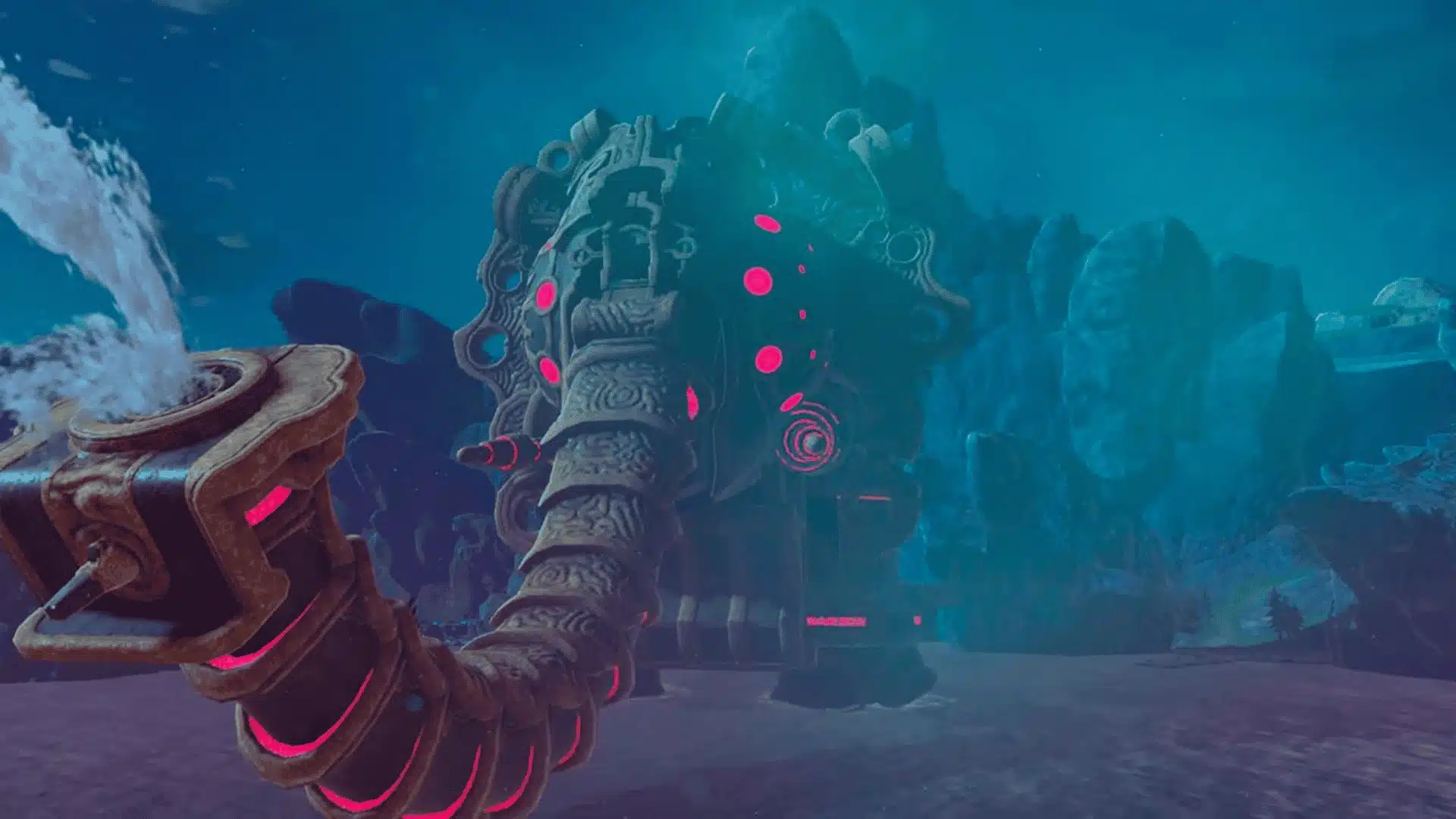
Breath of the Wild does not have traditional dungeons. It replaced them with 120 Shrines across the open world and four Divine Beasts. I missed classic dungeons immediately. What I did not expect was how well the Shrine system actually works.
No item-gating, no prerequisites, just Sheikah Slate abilities you carry from the start. Any order, any time.
What Shrines Do Well?
Each Shrine isolates a single puzzle idea and executes it cleanly. I kept expecting repetition across 120 rooms. It largely never came, which surprised me more than anything else.
Completing a Shrine awards a Spirit Orb. Four convert into a Heart Container or a stamina upgrade. The loop is simple and consistent, which makes detours feel worthwhile rather than obligatory.
Where Divine Beasts Fall Short
The four Divine Beasts, Vah Medoh, Vah Rudania, Vah Ruta, and Vah Naboris, are interesting. But they do not replace what Ocarina of Time or Majora’s Mask dungeons actually delivered structurally.
Veteran fans are not being precious about this. Something specific is missing: thematic identity, mechanical escalation, that sense of a complete arc. Tears of the Kingdom later responded to exactly this criticism.
Whether the Shrine system satisfies you depends almost entirely on your history with the franchise.
The Weapon Durability System, Frustration by Design
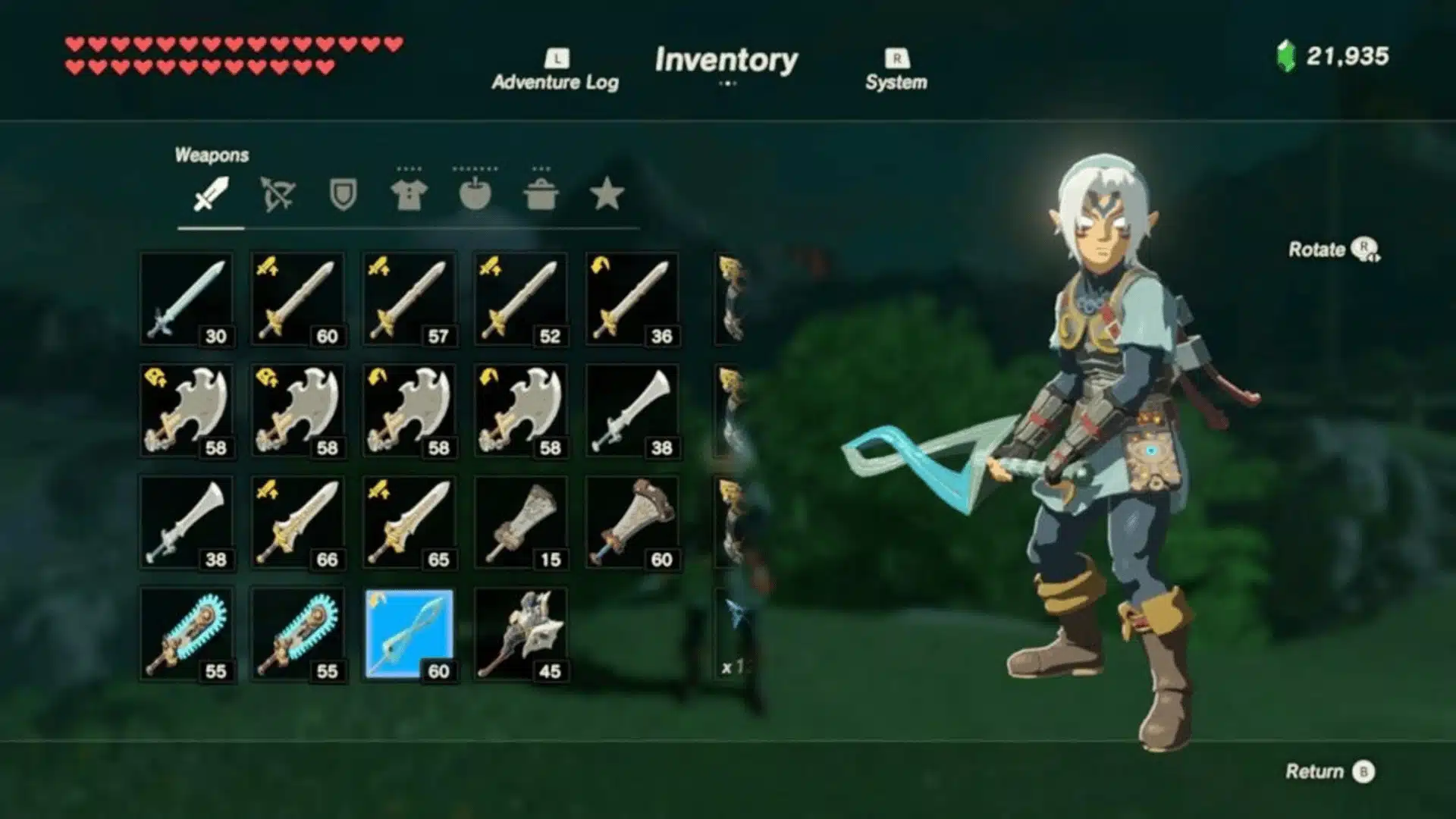
Weapons break in Breath of the Wild because the game is built around constantly finding and using new gear rather than relying on a single favorite weapon. I struggled with this for my first several hours.
I saved my strongest weapons, used weaker ones instead, and thought the system was unfair. Once I started using every weapon freely, combat felt much smoother because enemies regularly drop replacements.
The frustration is usually strongest early on, before you learn where to find better equipment.
The Master Sword eventually helps, but it is not completely unbreakable. It loses energy after heavy use and becomes available again after about 10 minutes.
How Combat Feels in Breath of the Wild
Combat felt basic to me at first, but it became much more interesting once I stopped treating every fight the same way. A well-timed dodge triggers a Flurry Rush, while a perfect shield parry can block powerful attacks, including Guardian lasers.
Fire, ice, and electricity also affect enemies and the environment, giving you multiple ways to win a fight. Enemy types like Bokoblins, Moblins, Lizalfos, Lynels, and Guardians each require different tactics.
I found that combat rewards creativity more than button mashing, even if weapon durability remains divisive
How Breath of the Wild Tells Its Story
Breath of the Wild tells its story differently from earlier Zelda games. Instead of following a mostly linear path, much of the story comes through 18 optional memories that you uncover while exploring Hyrule.
I ignored several of them at first and thought the story felt too light. After finding more memories, I appreciated the emotional backstory between Link, Zelda, and the Champions.
The quiet piano soundtrack also matches the game’s reflective tone.
Players who skip the memory quests may find the narrative less satisfying, and the final battle with Calamity Ganon feels less dramatic than many expected, a criticism shared by many reviewers
Is Breath of the Wild Still Worth Playing in 2026?
I still recommend Breath of the Wild in 2026 because its open-world design remains unique, even after the release of Tears of the Kingdom.
New players should start with the Nintendo Switch 2 Edition if possible, as it includes smoother performance, faster loading times, improved resolution, HDR support, and other upgrades.
The game can feel difficult early on, but the challenge comes from learning its physics, combat, and resource systems rather than unfair difficulty.
Returning Zelda fans should know that the lack of traditional dungeons is still noticeable, but the freedom and exploration make the experience worth playing.
Conclusion
After spending more time with the game, my Legend of Zelda: Breath of the Wild review comes down to one thing: it rewards patience and curiosity.
Breath of the Wild may not fix every issue fans have with Zelda, but its world, systems, and freedom remain special.
I understand why some players dislike the weapon durability and missing dungeons, yet the overall experience still feels memorable. If you played it, share your thoughts in the comments below.
I would love to know what you enjoyed most or what changes you would make after all these years.
Frequently Asked Questions
How many hours does it take to beat Breath of the Wild?
Focused players finish the main story in roughly 30 to 35 hours. A completionist run covering all 120 Shrines and 900 Korok Seeds typically reaches 80 to 120 hours.
Is Breath of the Wild appropriate for kids?
The game is rated E10 and up. Combat is present but not graphic. The open-ended structure may frustrate younger children, but there is no mature content anywhere in the game.
Do I need to play previous Zelda games before Breath of the Wild?
No prior Zelda knowledge is needed. The game is a standalone story. Returning fans will recognize callbacks, but new players miss nothing essential and lose no context whatsoever.
Is Breath of the Wild better on Switch or Wii U?
The Switch version is meaningfully superior in resolution and frame rate. The Nintendo Switch 2 Edition, released June 2025, improves things further and is the recommended version for new buyers.