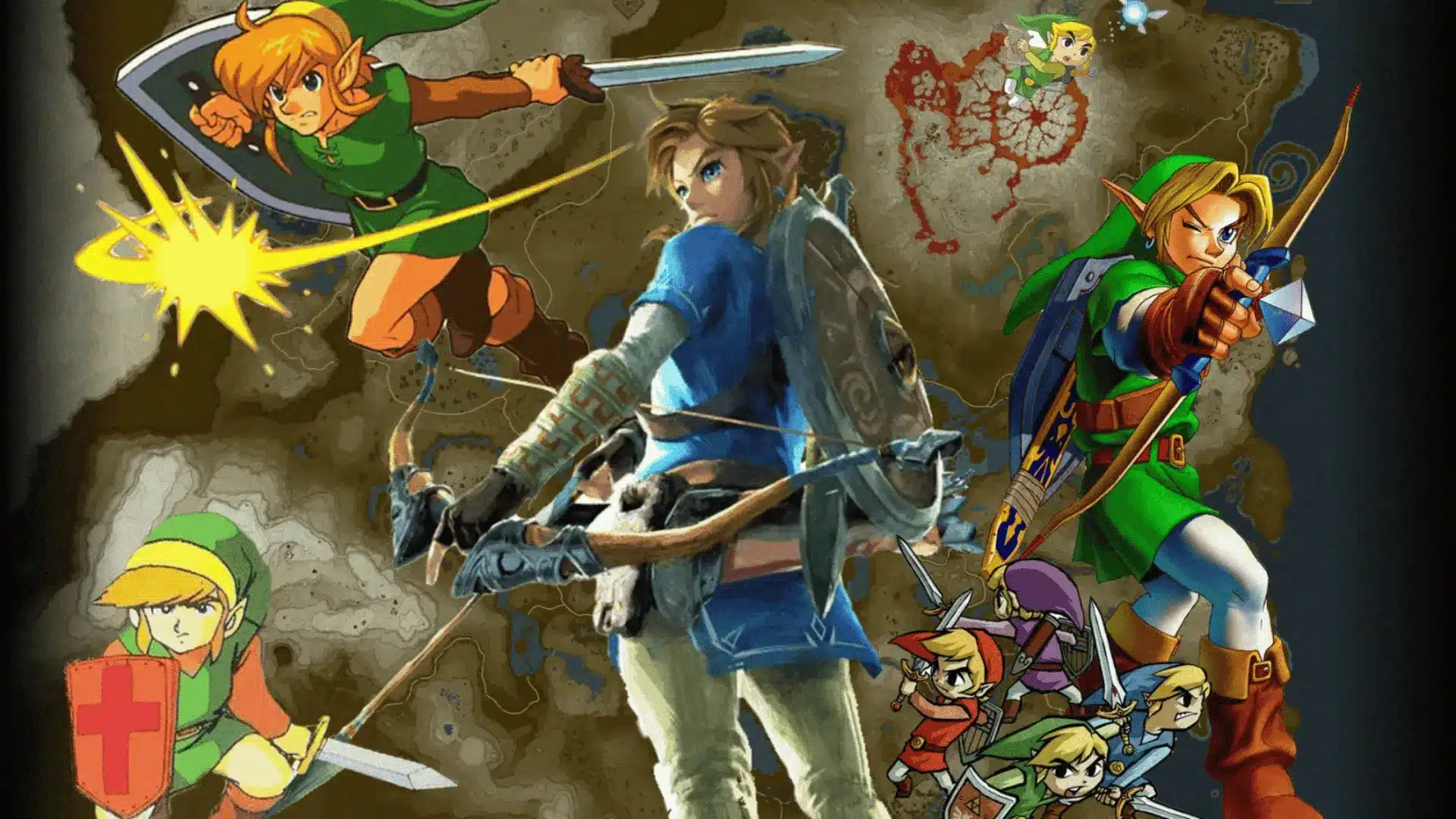
Every Zelda player seems to have one favorite game they will defend harder than the rest of the series.
Some love classic dungeons, some want open freedom, and others care most about story, puzzles, or replay value. That is why Zelda game rankings can never be judged by a single score or a single old memory.
This list looks at how each mainline entry holds up today, not just how important it felt at release. You will see which games still feel strong, which ones have clear flaws, and which entry fits a new player best.
Before ranking the strongest adventures, let us first look at how each Zelda game was judged.
How are Zelda Games Ranked Here?
Every Zelda game here is judged on four things: how much it pushed mechanics forward at release, how cohesive its world and dungeons feel, how strong its narrative and tone are, and how well it holds up on replay.
Review scores are not part of the ranking. That matters especially with Ocarina of Time.
Its near-perfect Metacritic score reflects how groundbreaking it was in 1998, but it mainly captures impact at the time, not how it compares against everything that came after.
The same applies to modern entries like Breath of the Wild and Tears of the Kingdom.
They aren’t judged on traditional dungeon structure but on whether their open-world design actually works and whether exploration feels rewarding under those rules.
Best Zelda Games Ranked
These three games changed what Zelda could be without losing the structure, curiosity, and problem-solving that define the series.
1. Ocarina of Time
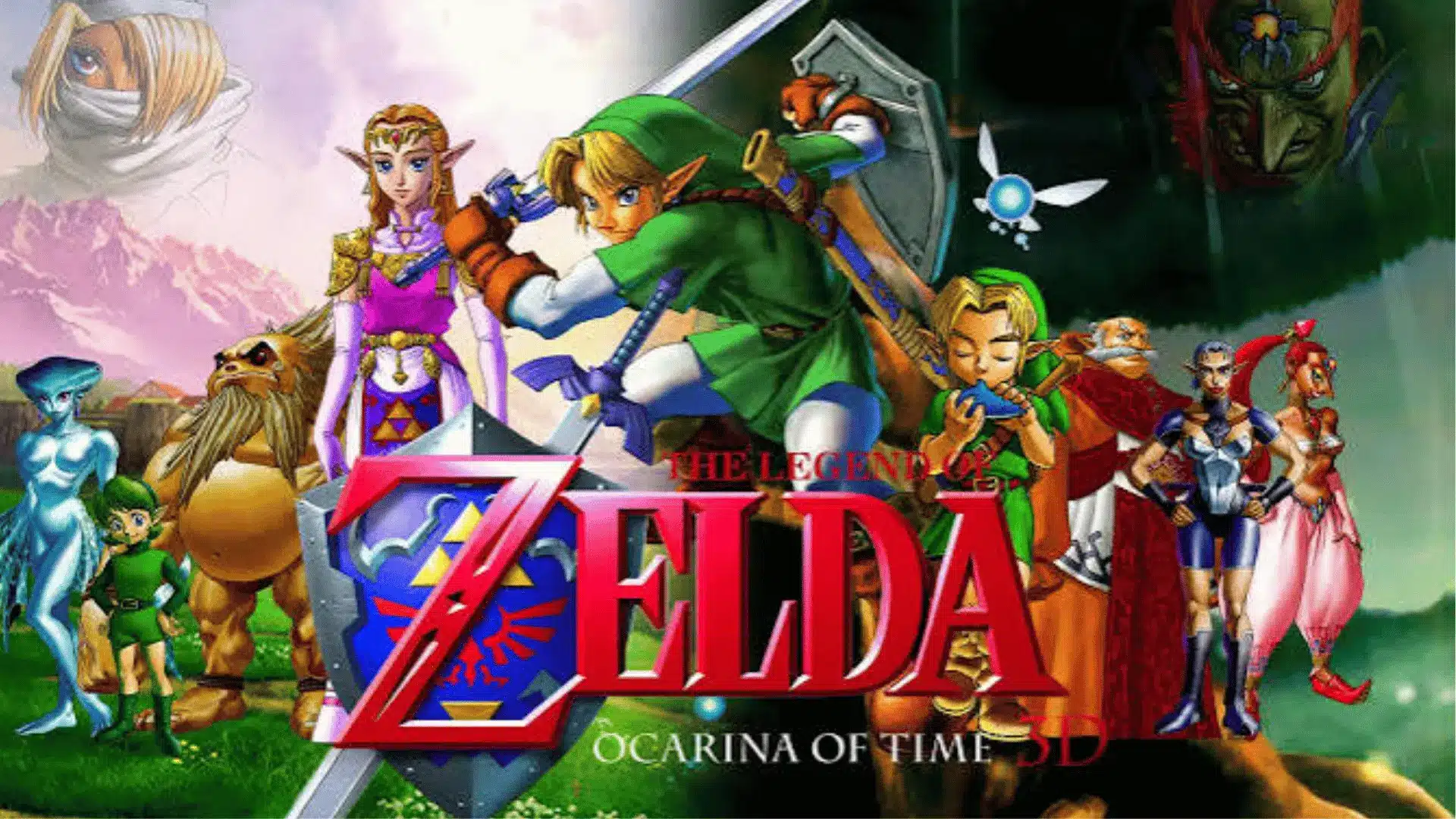
Ocarina of Time made 3D combat readable through Z-targeting.
Players gained a clear way to manage movement, camera control, and enemy distance. Its influence is enormous, but its structure earns it first place.
The dungeons are built around memorable spatial ideas, while the child-and-adult timeline gives Hyrule a strong sense of consequence.
Some movement feels dated, yet the adventure remains focused, understandable, and rewarding on replay.
For a broader look at the console-era Ocarina-shaped, these are the best N64 games of all time, showing how 3D design evolved across Nintendo’s biggest classics.
2. Breath of the Wild
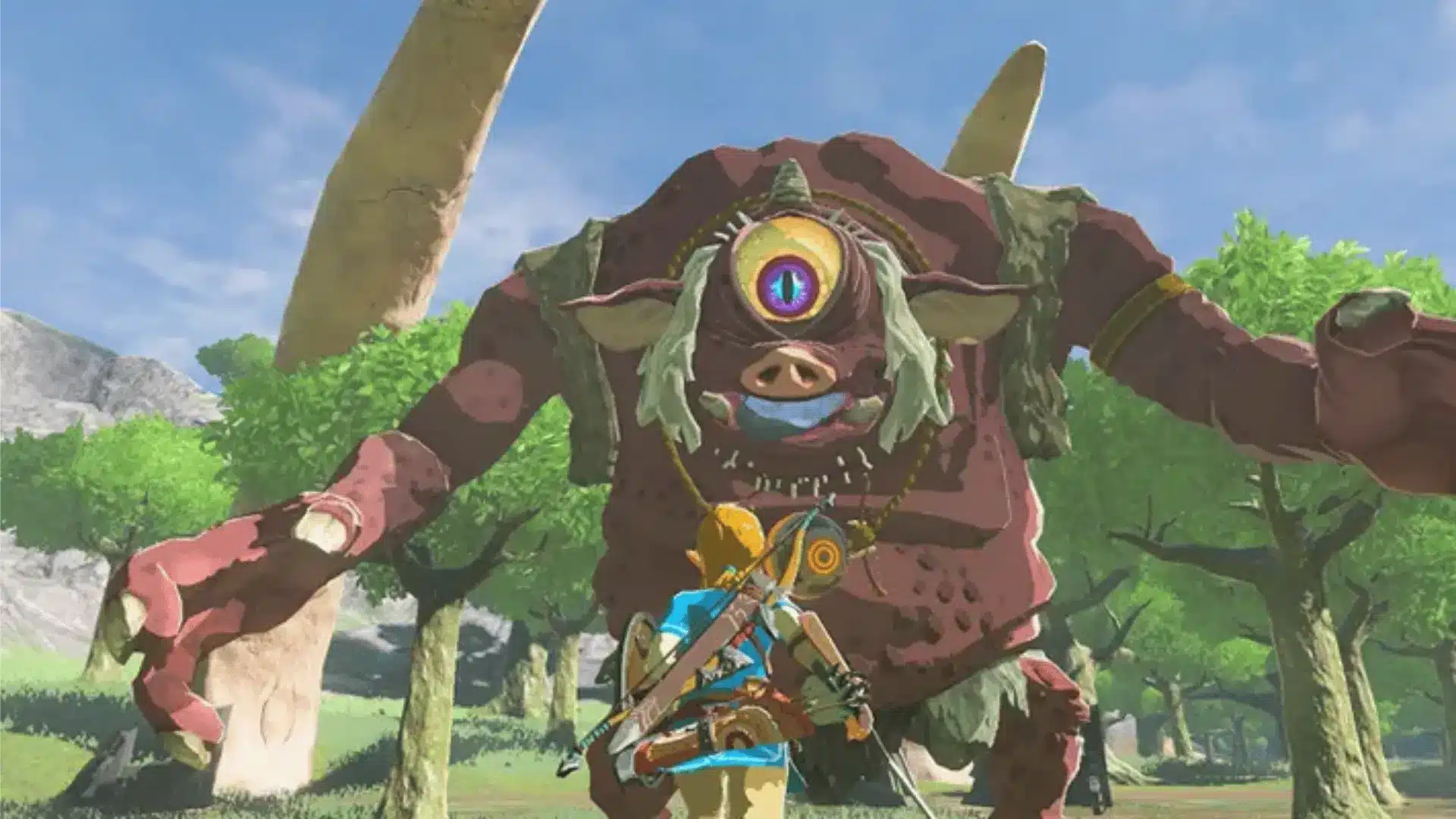
Breath of the Wild rebuilt Zelda around freedom rather than a fixed dungeon order.
Fire spreads, metal conducts electricity, weather affects movement, and climbing turns nearly every surface into a possible route.
That freedom makes each playthrough feel personal because discoveries rarely arrive in the same order.
Repeated shrines and weak enemy variety hold it back slightly, but few Zelda games create a stronger sense of curiosity.
3. A Link to the Past
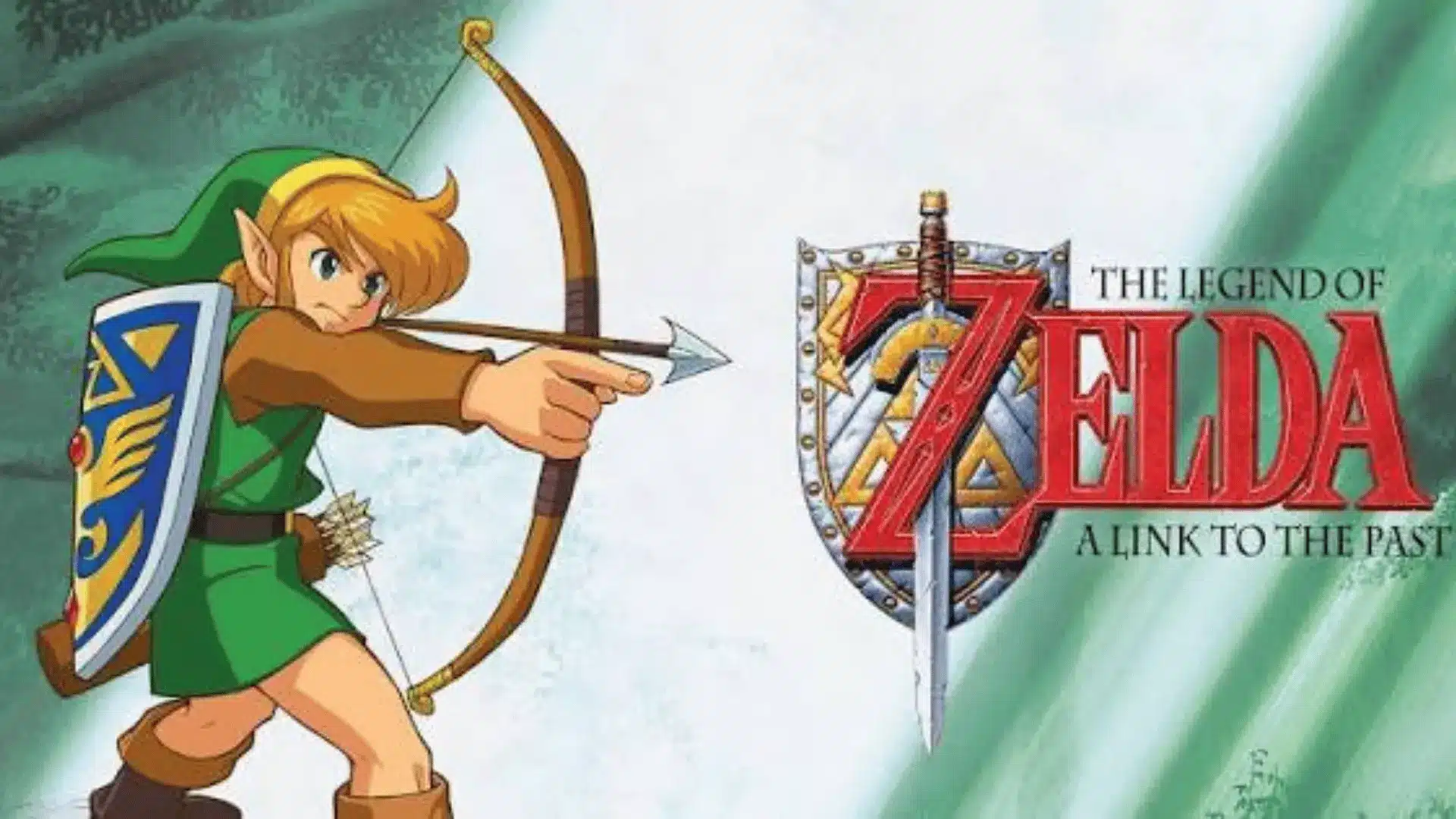
A Link to the Past established the structure most traditional Zelda games still follow. Its overworld is compact, its items stay useful, and its dungeons introduce ideas without long explanations.
The Light World and Dark World remain its greatest achievements.
Both maps mirror each other, but small differences turn travel into a constant puzzle. It feels carefully planned from beginning to end, with almost no wasted space.
If you want to see why A Link to the Past still carries so much weight, our top SNES games list gives more context on the era it helped define.
The Excellent Tier: Deeply Good Games With One Honest Flaw
These three games don’t miss the mark; they just make deliberate choices that shift how they feel to different players.
4. Tears of the Kingdom
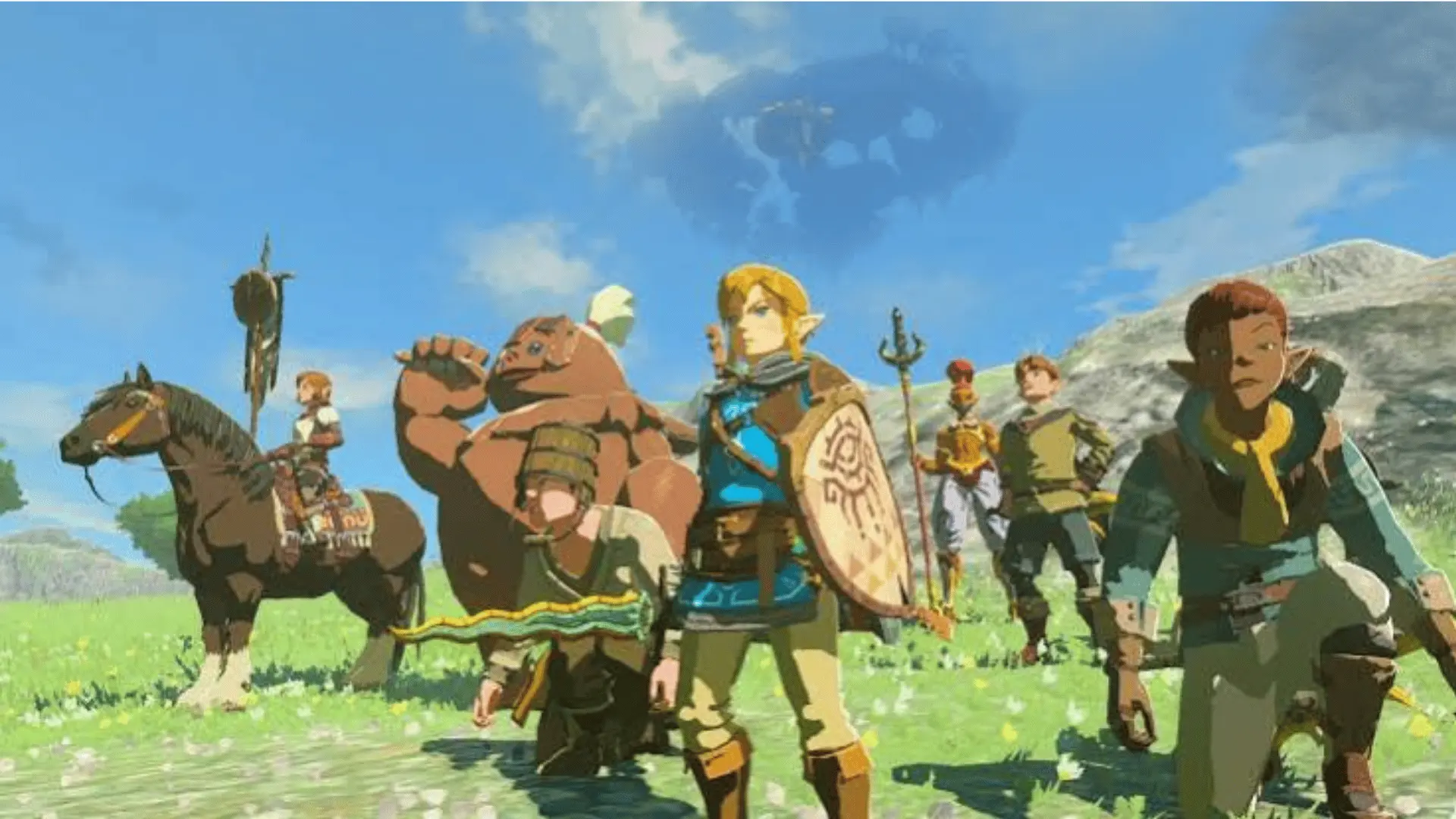
Tears of the Kingdom expands Breath of the Wild through Ultrahand, Fuse, Ascend, and Recall.
These abilities let you build vehicles, reshape weapons, and solve problems with far more control.
The creativity is remarkable, though the reused surface map reduces the surprise of returning to Hyrule. The sky and Depths add scale, but not equal variety. It is mechanically richer than Breath of the Wild, yet slightly less fresh.
5. Majora’s Mask
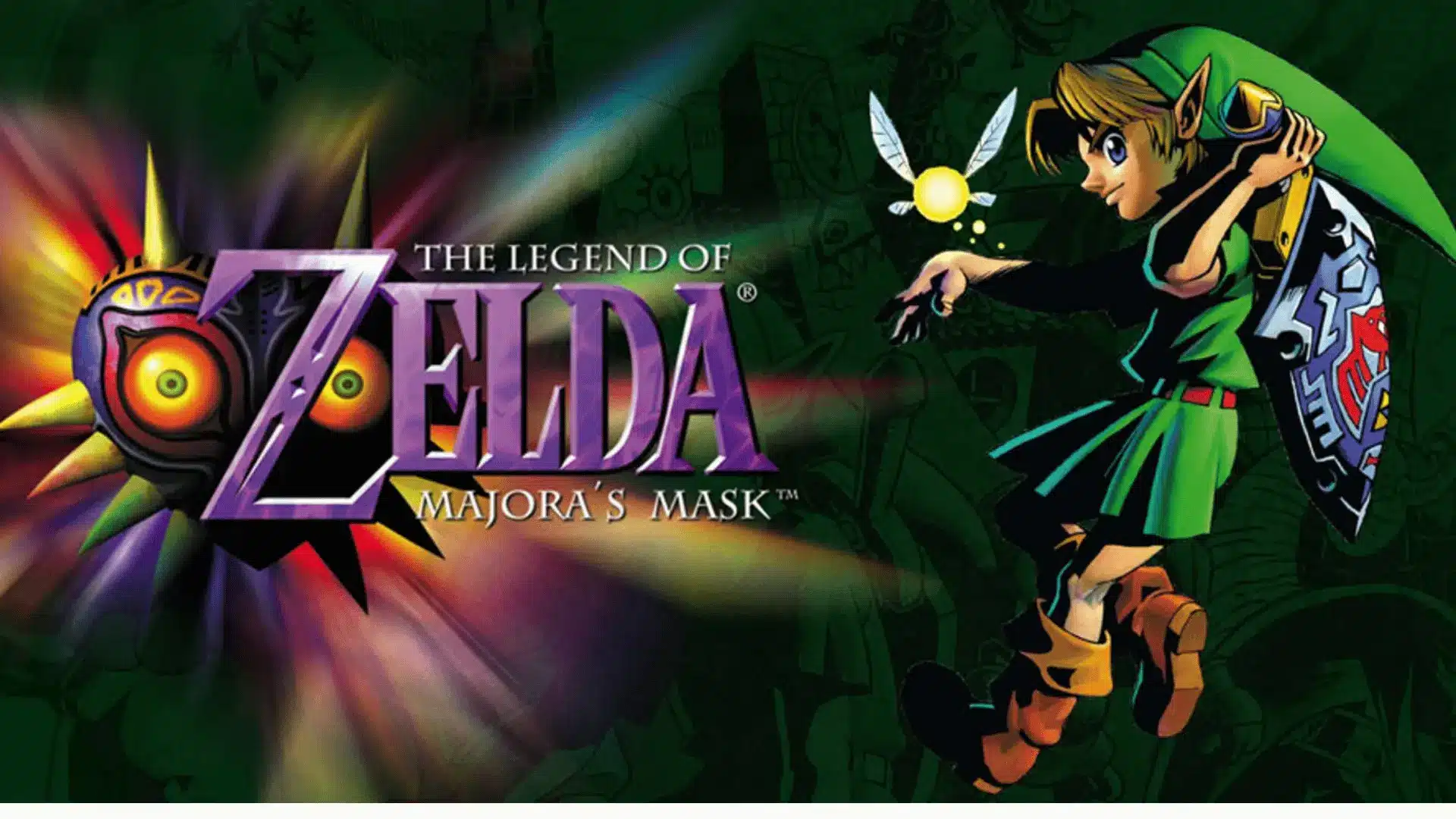
Majora’s Mask turns a repeating three-day cycle into the foundation for its world, quests, and emotional tone.
Characters follow routines, disasters unfold on schedules, and timing becomes part of every decision.
The structure creates unusually personal side stories, but it also adds pressure that some players never enjoy. When the loop clicks, the game feels connected and deeply human.
When it does not, progress can feel restrictive.
6. Twilight Princess
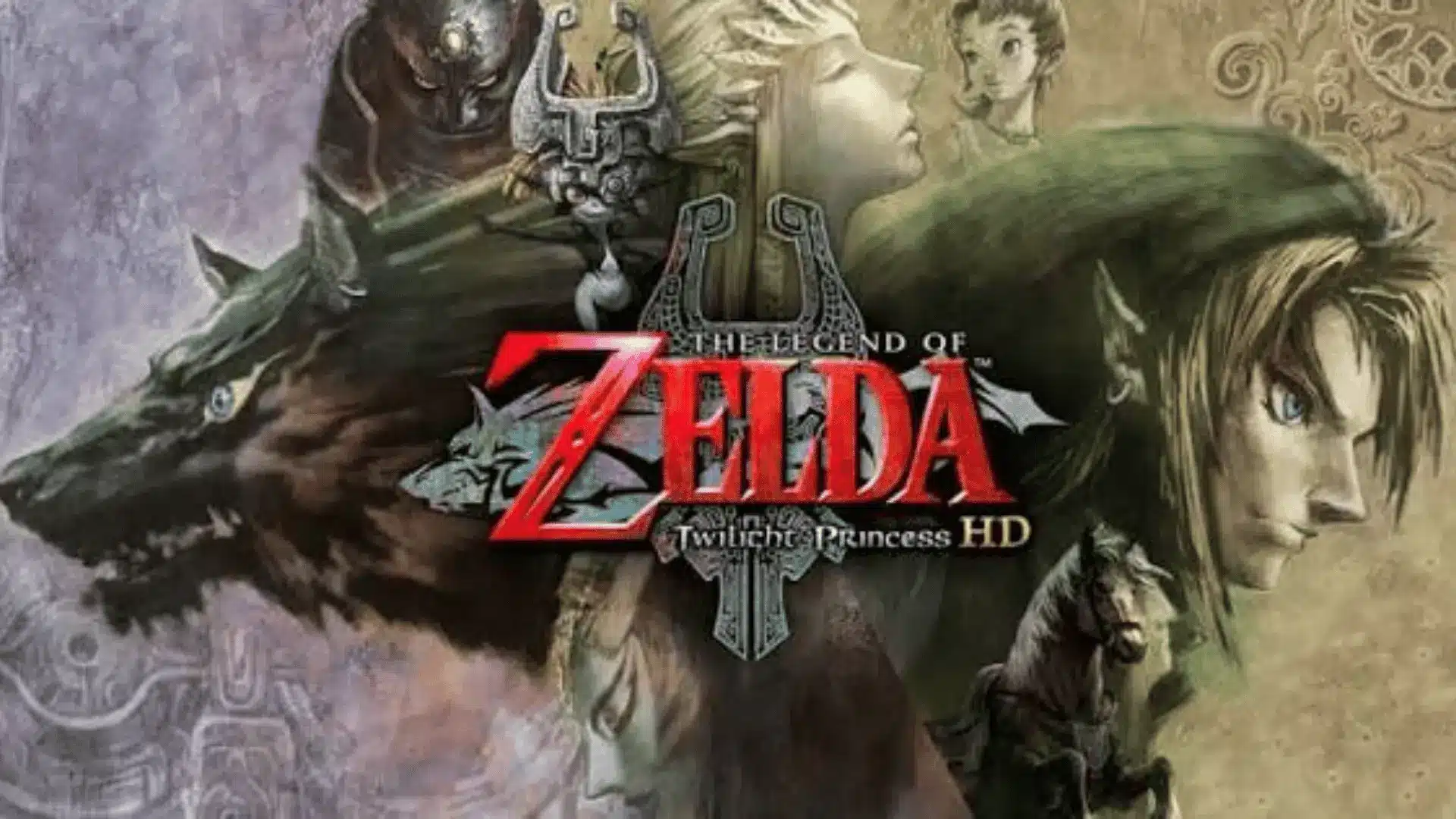
Twilight Princess delivers one of the strongest dungeon lineups in the series. Snowpeak Ruins, Arbiter’s Grounds, and City in the Sky each have a clear identity and a memorable central idea.
Its main weakness is the slow opening, which spends too long on village routines before the larger adventure begins. The wolf sections also vary in quality.
Once the game finds momentum, though, it becomes a confident and substantial Zelda adventure.
7. Wind Waker
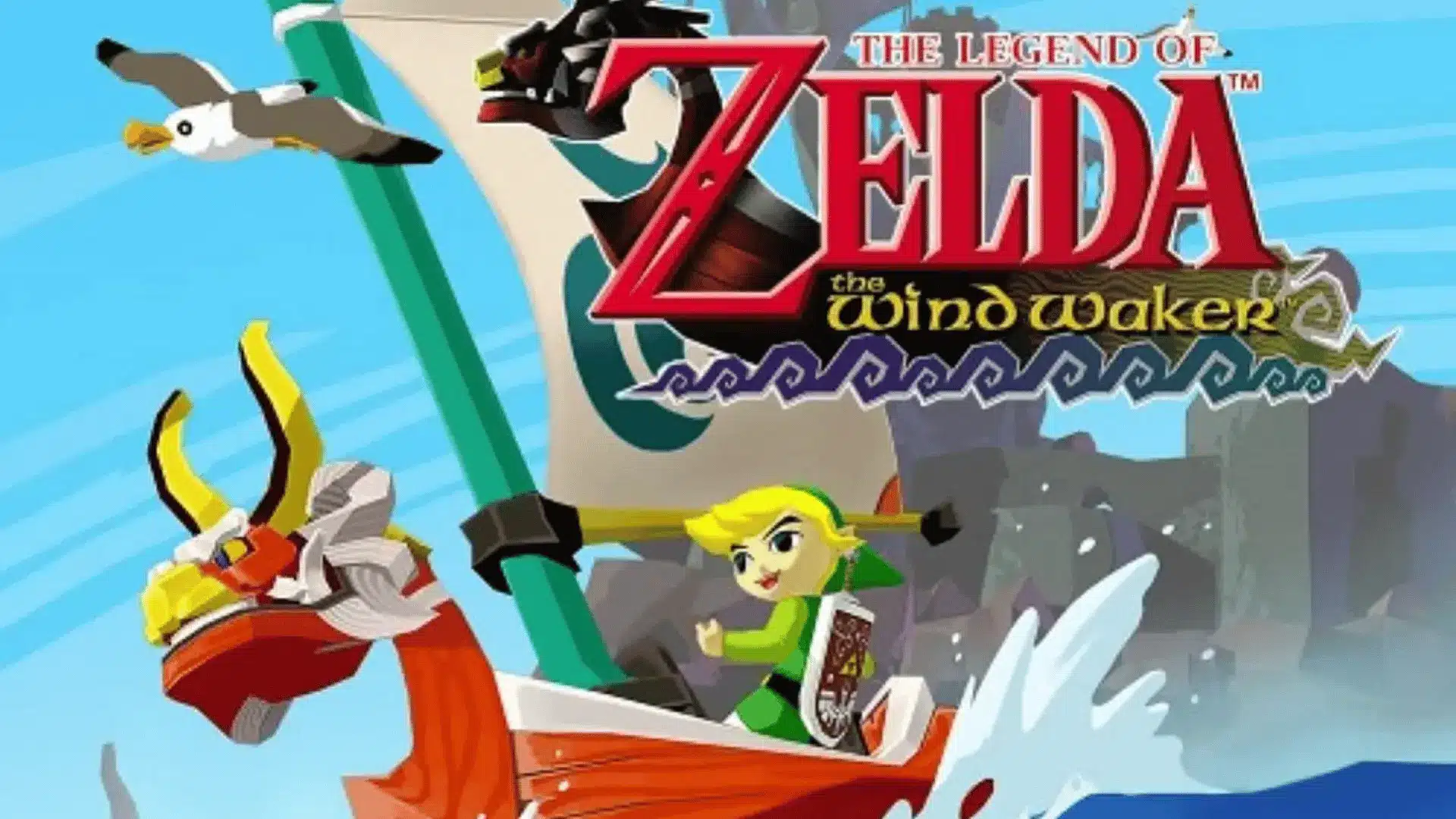
The Wind Waker still looks clean because its cel-shaded art depends on shape, movement, and expression rather than realistic detail. Its characters feel alive, and sailing gives the world unusual scale.
The ocean can feel empty, especially before faster sailing becomes available.
The late Triforce hunt interrupts the story with repeated chart work and travel. Even with that pacing problem, its personality and sense of adventure remain difficult to match.
Very Good Zelda Games
These entries have strong identities and are easy to recommend. A few structural or pacing issues stop them from reaching the highest categories.
8. A Link Between Worlds
A Link Between Worlds revisits the map of A Link to the Past without simply repeating it. Wall merging changes how you read rooms, cliffs, and pathways, turning flat surfaces into routes.
Its item-rental system allows most dungeons to be tackled in different orders.
That freedom works well, although it limits how much later dungeons can build on earlier tools. The result is fast, flexible, and consistently inventive.
9. Link’s Awakening
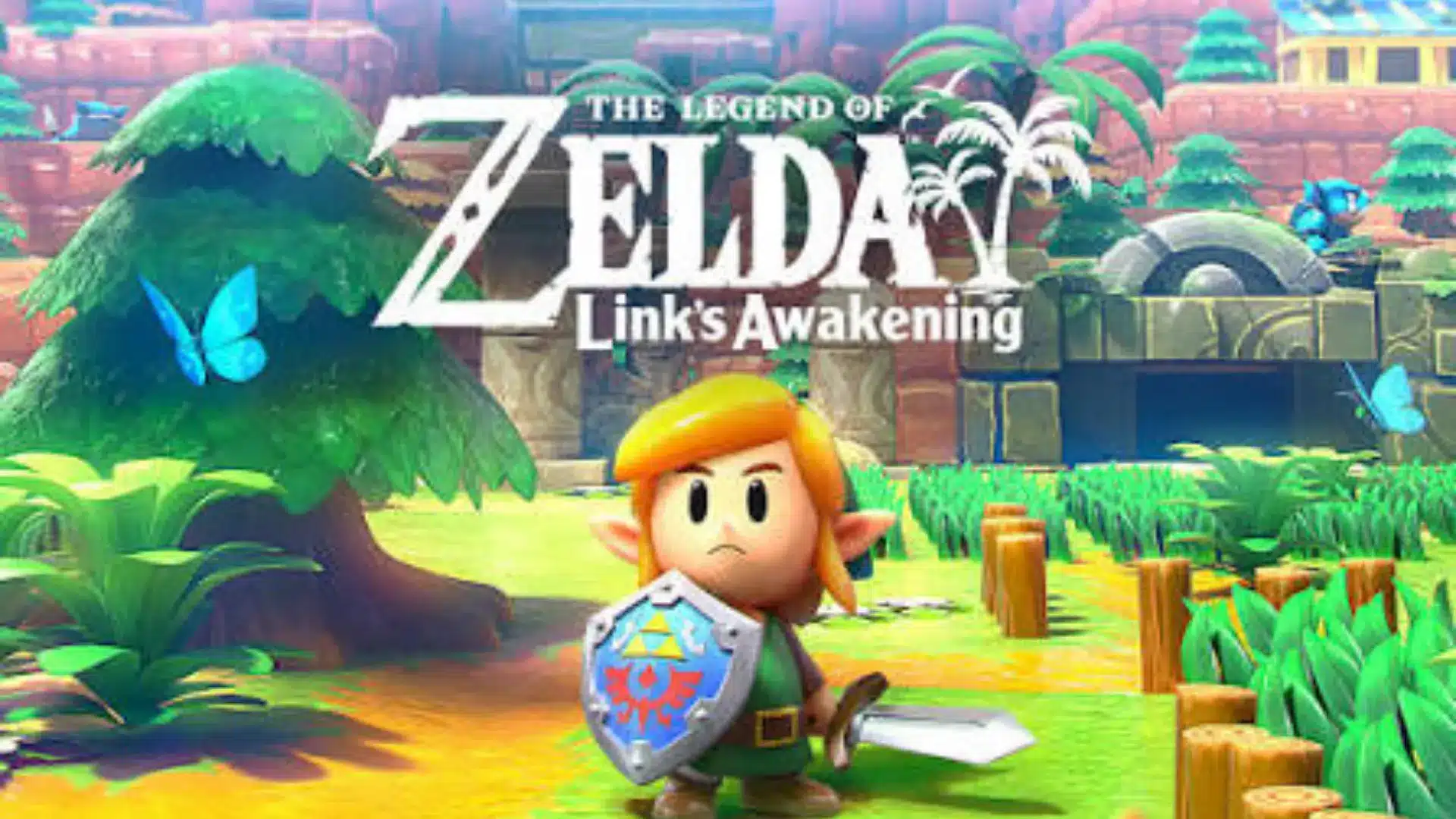
Link’s Awakening packs a strange, complete world into a short adventure. Koholint Island mixes familiar Zelda structure with dream logic, Nintendo cameos, and a story that slowly becomes melancholy.
The dungeons are compact and satisfying, while the ending gives the adventure unexpected weight.
Older item-switching habits can feel awkward outside the remake, but the core design remains focused. It ends before its ideas start repeating.
10. Skyward Sword
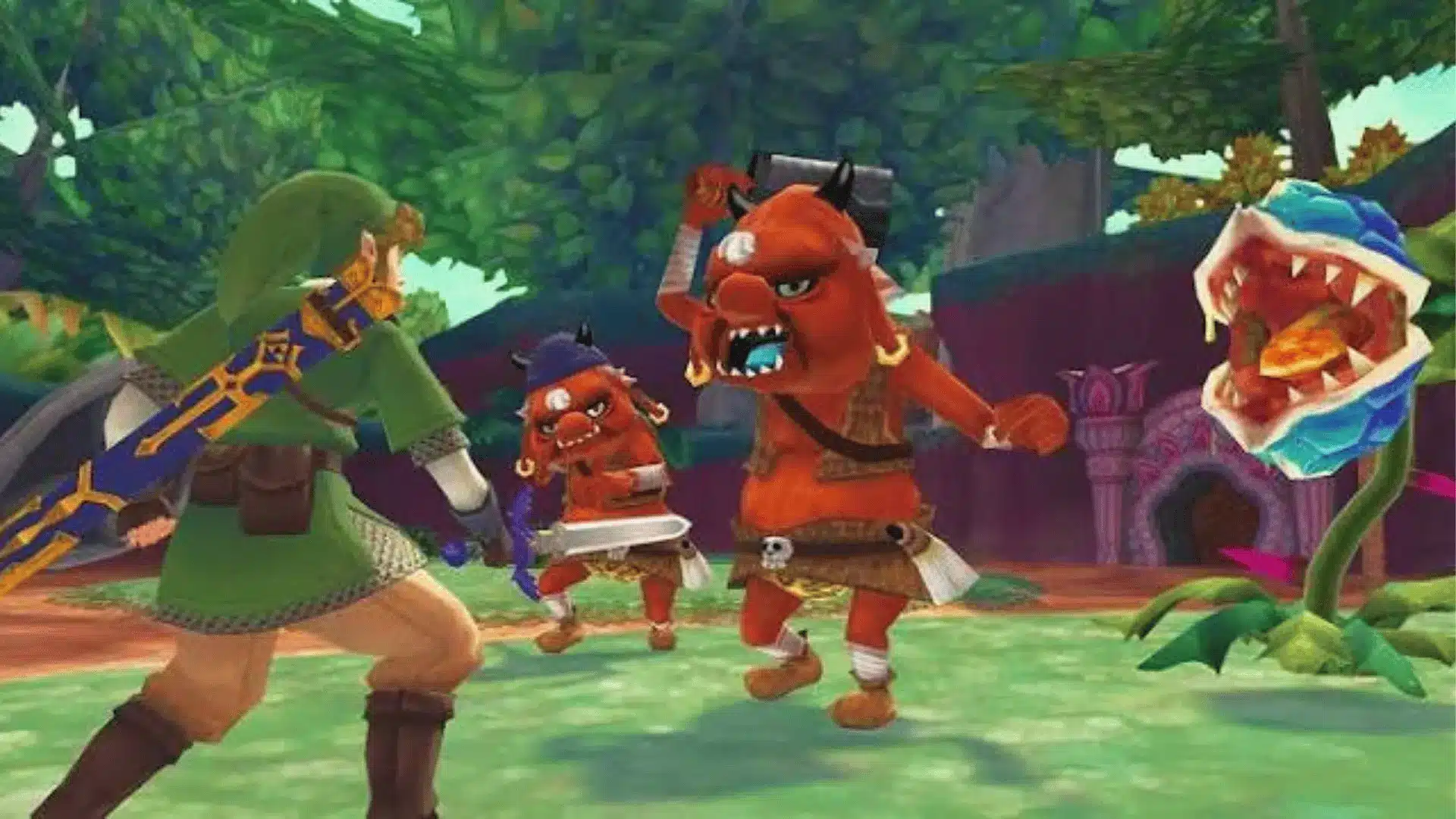
Skyward Sword contains some of Zelda’s most carefully built dungeons. Combat asks you to read enemy positions, while tools such as the Beetle and Gust Bellows stay useful.
The problem is pacing. Repeated visits, lengthy explanations, and the Imprisoned battles interrupt an otherwise strong adventure.
The HD version reduces some friction and adds button controls, but it cannot fully remove the original structure’s stop-start rhythm.
11. The Minish Cap
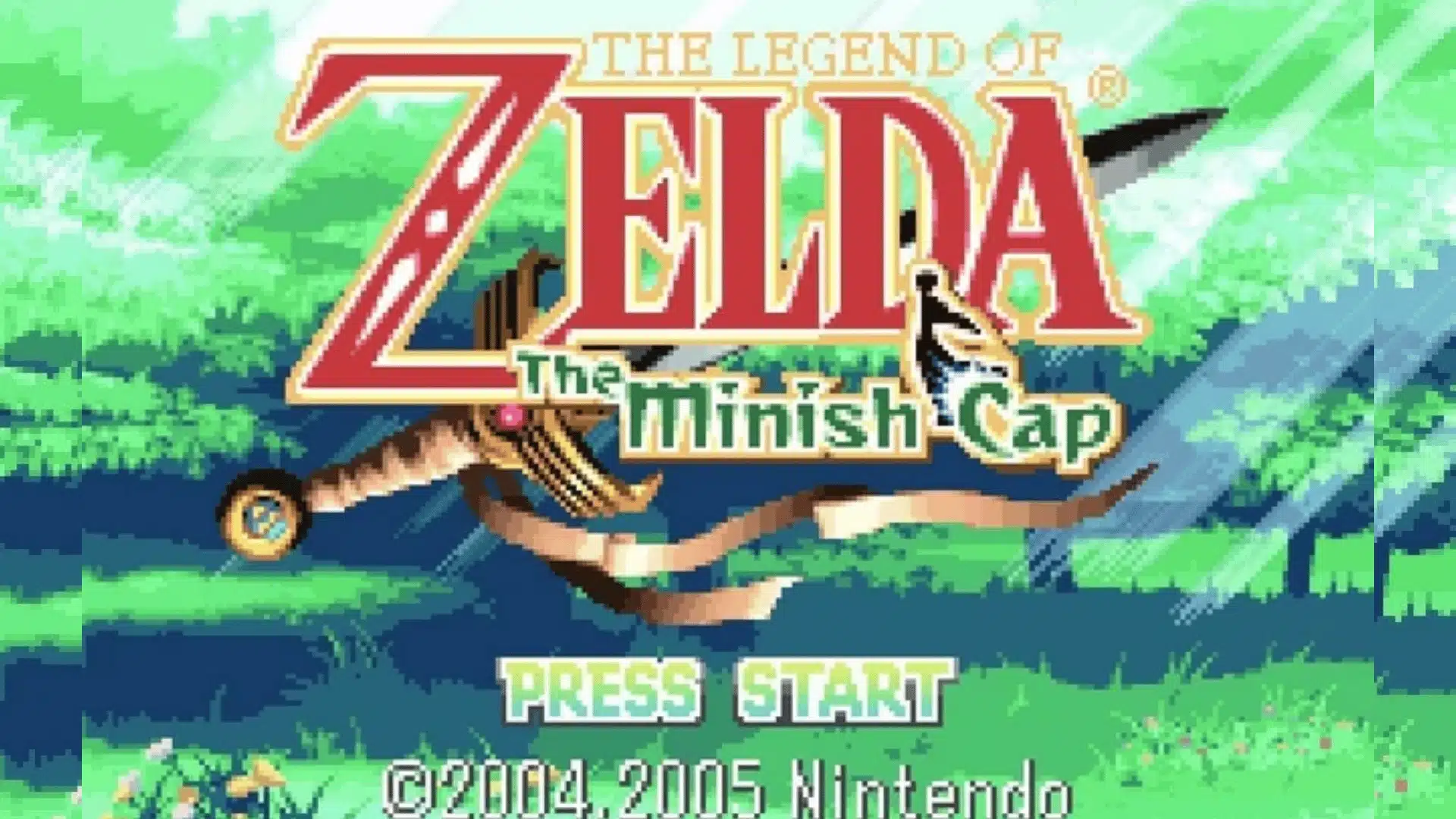
The Minish Cap uses shrinking as more than a visual trick. Tiny entrances, oversized objects, and altered paths make familiar places feel different depending on Link’s size.
It is shorter and less demanding than the highest-ranked games, and its Kinstone system can become repetitive.
Still, the bright presentation, quick pacing, and strong central mechanic make it one of the easiest handheld Zelda games to recommend.
12. Echoes of Wisdom
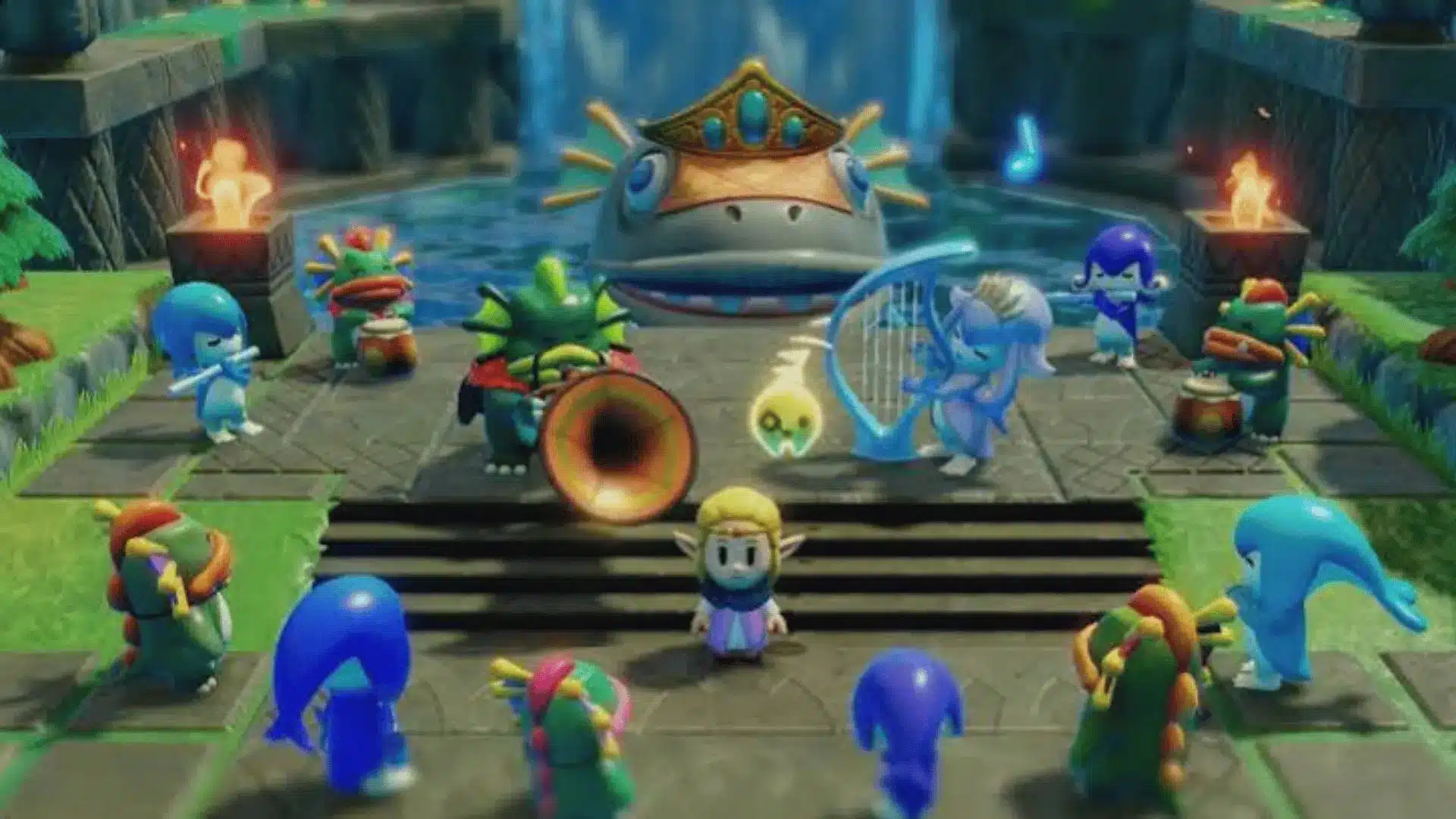
Echoes of Wisdom gives Zelda the lead role and builds the adventure around copying objects and enemies. Beds become bridges, monsters become helpers, and simple items solve problems in several ways.
That freedom encourages experimentation, though managing a growing echo list can slow the pace.
Combat also feels less direct when summoned creatures do most of the work. Even so, the game finds a fresh identity without abandoning classic dungeons.
Zelda Games Worth Playing
These games may not represent the series at its very best, but each one offers a mechanic or structure worth experiencing.
13. Oracle of Ages
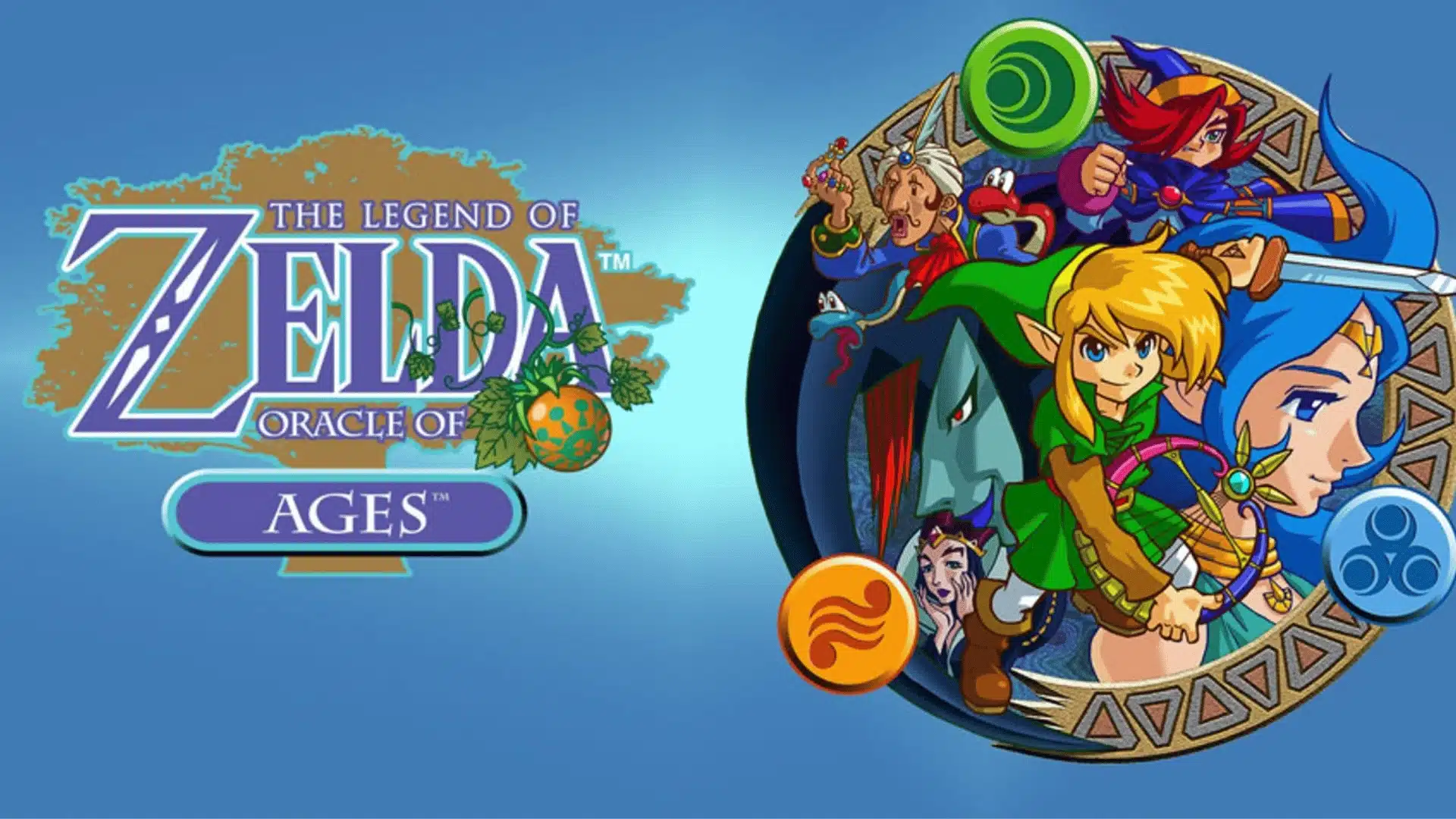
Oracle of Ages focuses on puzzles, time travel, and closely structured dungeons. Moving between past and present changes routes, buildings, and environmental conditions, creating demanding puzzle sequences.
Its complexity can make progress feel obscure, especially when the next step depends on a small change across two eras.
The story ties in well with A Link to the Past, but the game still works on its own. It rewards patient players more than casual ones.
14. Oracle of Seasons
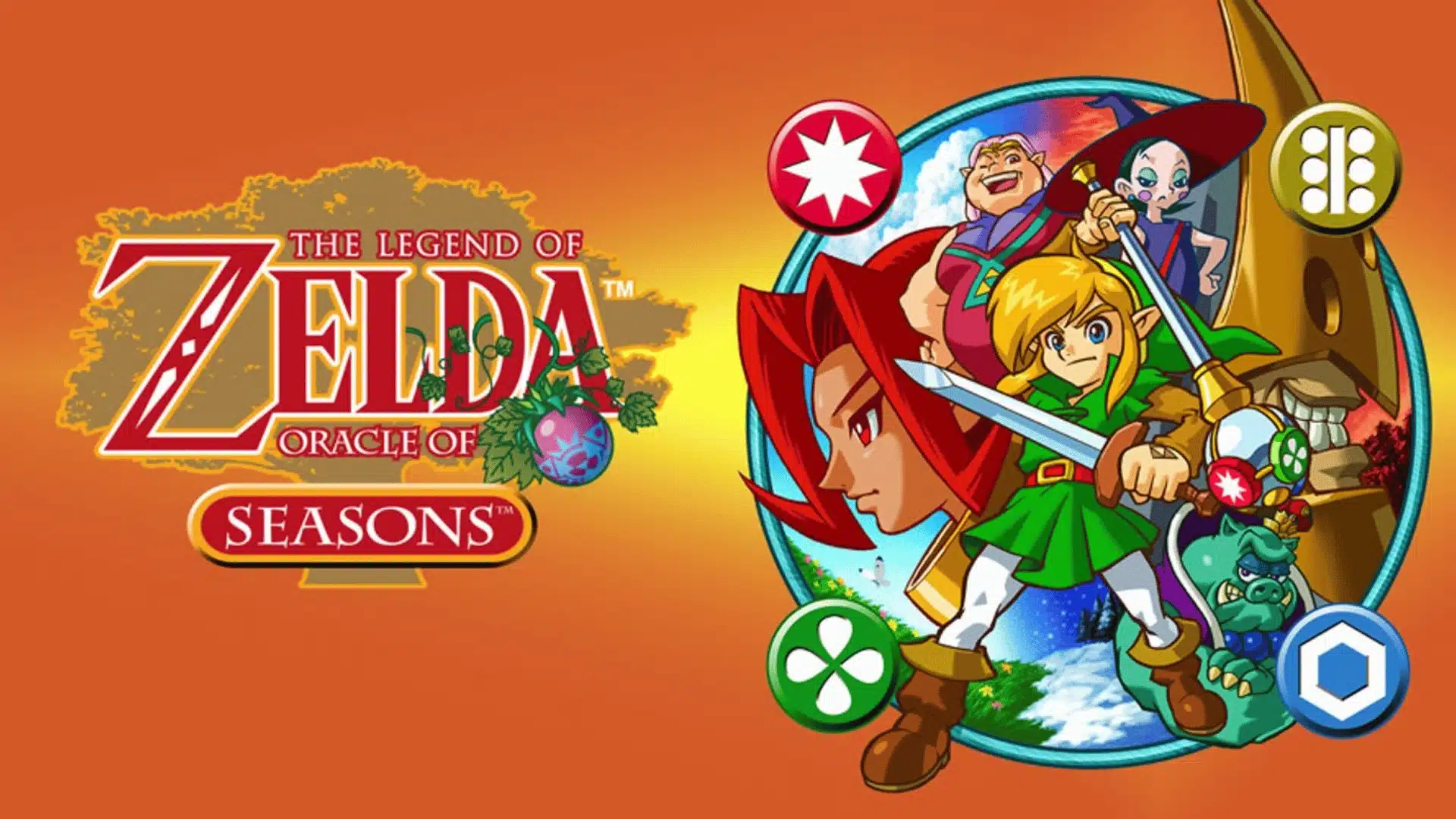
Oracle of Seasons places more weight on action and overworld changes than its companion game. The Rod of
Seasons opens frozen water, moves obstacles, and reveals routes through seasonal shifts. The idea is easy to understand and satisfying to use, though repeated changes sometimes feel like extra steps.
Combat is lively, dungeon pacing is strong, and the linked ending with Oracle of Ages adds value to both games.
15. The Legend of Zelda
The original Legend of Zelda still communicates freedom better than many games that followed it. Hyrule opens with almost no direction, asking you to test paths, burn bushes, and bomb walls.
That openness also creates its biggest problem today. Several secrets are too obscure without a map or outside help, and repeated screens can blur together.
Its design is historically important, but the sense of discovery still feels genuine.
16. Four Swords Adventures
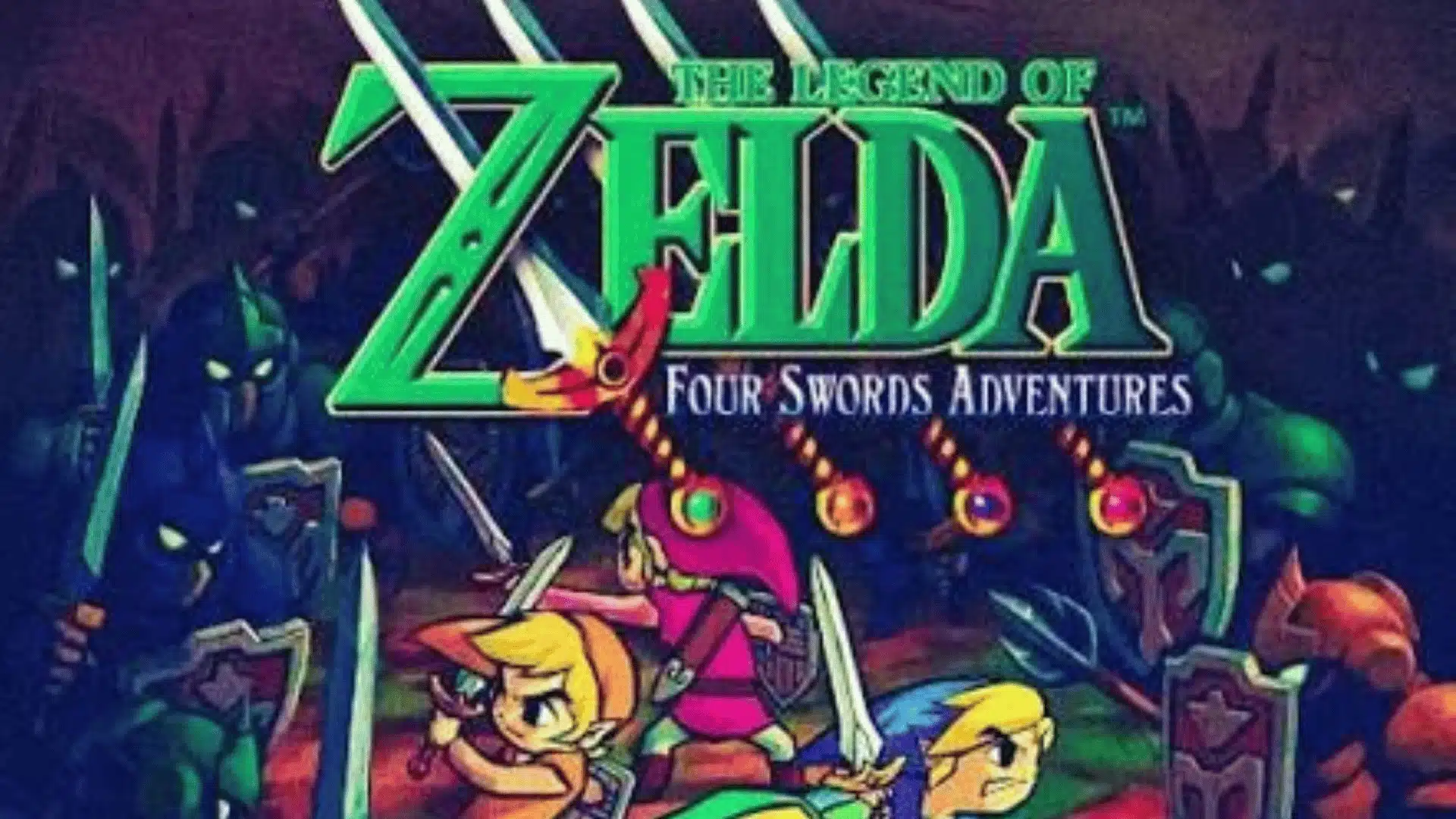
Four Swords Adventures combines top-down Zelda combat with stages built around controlling four Links. Formations help solve puzzles, surround enemies, and move through areas designed for coordinated action.
The stage-based structure makes the world feel less connected than a normal Zelda adventure. Multiplayer also required specific hardware in its original form.
Played under the right conditions, though, it is energetic, clever, and stronger than its reputation suggests.
Uneven Zelda Games
Good ideas are present throughout these games. The problem is that one major system repeatedly gets in the way of the player and those strengths.
17. Spirit Tracks
Spirit Tracks improves several ideas from Phantom Hourglass.
Zelda becomes an active companion inside dungeons, and controlling her armored form creates cooperative puzzles that connect story and mechanics.
Train travel is the main limitation. Fixed routes turn overworld movement into a scheduled process rather than open travel.
The Tower of Spirits is better handled than the Ocean King Temple, but repeated returns still affect pacing.
18. Phantom Hourglass
Phantom Hourglass adapts Wind Waker’s ocean setting to the Nintendo DS with touch controls that work better than expected.
Drawing routes, guiding the boomerang, and writing map notes suit the hardware.
The Temple of the Ocean King remains the major problem. Returning to the timed dungeon creates familiarity, but also fatigue.
Outside that structure, the game is inventive and approachable. Its central idea simply occupies too much of the experience.
19. Zelda II: The Adventure of Link
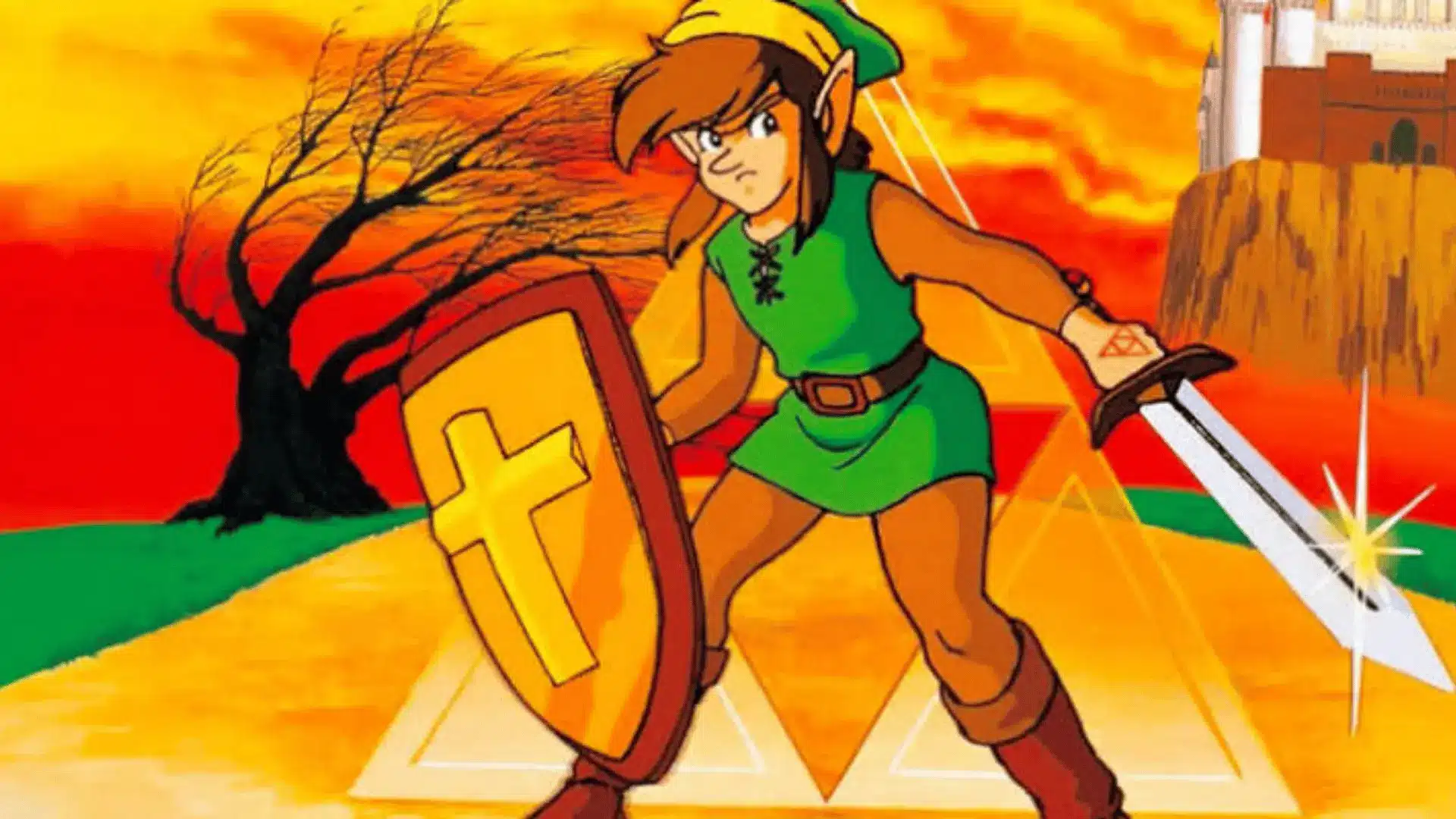
Zelda II is the series’ boldest early experiment, mixing side-scrolling combat, towns, experience points, and a larger overworld. Its swordplay gains depth once you learn spacing and blocking.
The difficulty curve is far less successful. Limited lives, long returns after failure, and unclear progression turn learning into punishment.
Strong palace layouts and unusual combat keep it interesting, but most players will need patience or modern save features.
20. Four Swords
Four Swords was designed around cooperative play, with players working together while competing for rupees. Carrying teammates, splitting tasks, and coordinating attacks create a lively version of Zelda.
Its limits are hard to ignore. The original release required multiple systems, cartridges, and link cables, while the adventure itself is brief and stage-based.
It serves as a multiplayer experiment but offers little to players seeking a connected world.
Zelda Games for Completionists
The lowest category does not mean the game lacks quality. It means the experience depends on conditions most Zelda players are unlikely to meet.
21. Tri Force Heroes
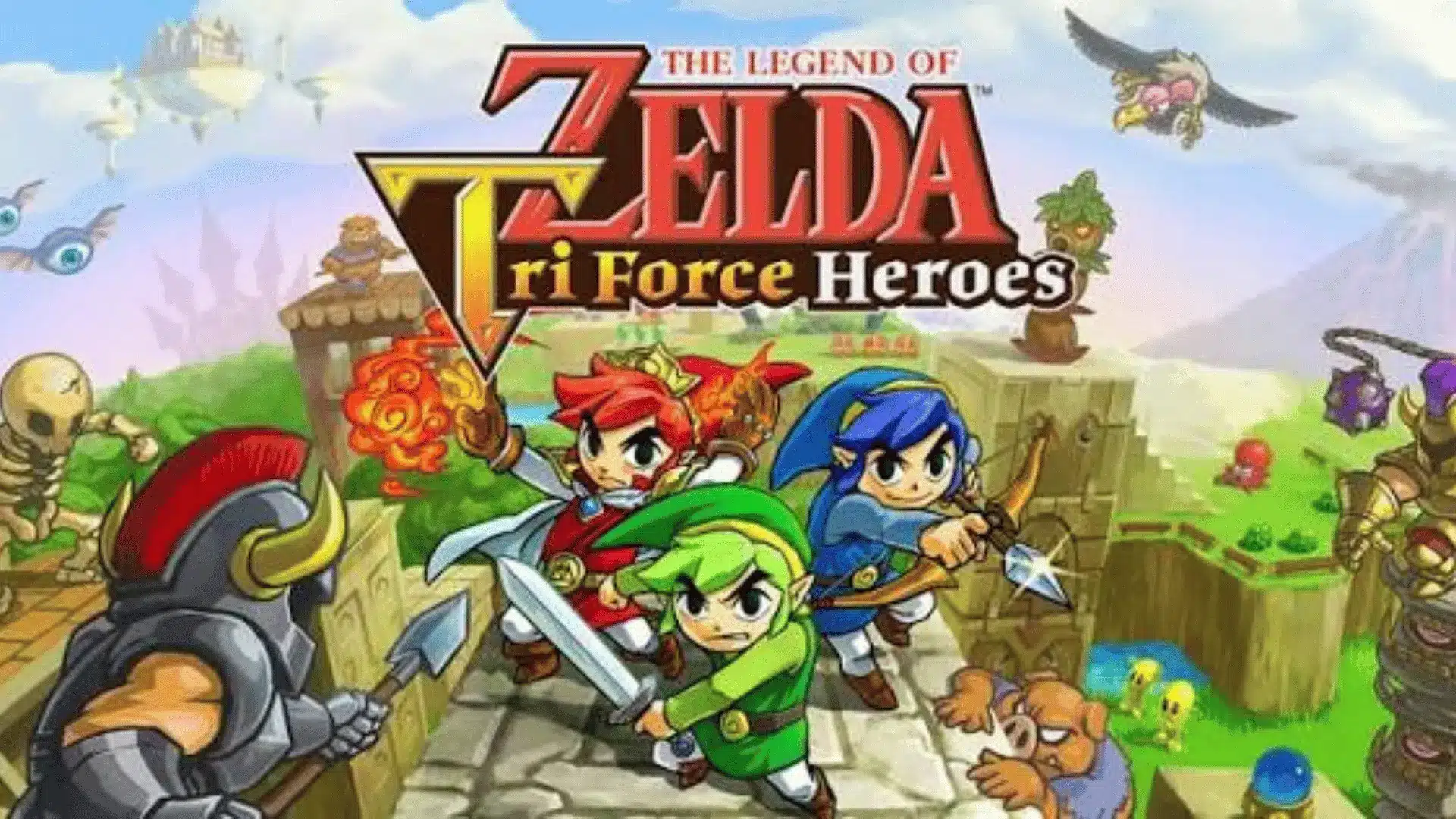
Tri Force Heroes builds its puzzles around three players stacking, sharing items, and coordinating actions. With a reliable group, the teamwork can be funny and satisfying.
The problem is that solo play feels like a substitute instead of a complete mode. Switching between three Links slows simple actions, while online play depends on communication and active partners.
For most players, the setup demands more than the adventure returns.
Which Zelda Game Should You Play First?
Breath of the Wild is the easiest recommendation for someone who wants a modern, flexible game. You can move at your own pace, follow the main story, or spend hours testing the world.
Ocarina of Time is the better starting point for understanding traditional Zelda. Its dungeons, item progression, bosses, and story structure shaped much of what followed.
A Link to the Past offers the clearest middle ground. It has traditional dungeons and progression, but its shorter length makes it easier to finish than many 3D entries.
Conclusion
Zelda games ranked against each other show how much the series has changed while still keeping its main spirit alive.
You may prefer tight dungeons, open worlds, strange side stories, or puzzles that make every room feel important.
I would start with the entry that matches your play style, not only the one with the highest reputation. Ocarina of Time, Breath of the Wild, and A Link to the Past each show a different version of why Zelda works.
The lower-ranked games still matter too, because their risks helped shape better ideas later.
Which Zelda game would you rank first, and which placement would you change? Tell us, share with us in the comments below.
Frequently Asked Questions
What is the Best Zelda Game for a First-Time Player?
Breath of the Wild is the most accessible starting point; it requires no prior knowledge of the series, rewards exploration at any pace, and represents the franchise at its most modern.
Ocarina of Time remains the best entry if a player wants to understand the series’ foundational structure.
Is Tears of the Kingdom Better than Breath of the Wild?
It depends on what you weigh: Tears of the Kingdom adds building mechanics and a denser vertical world, but reuses much of the same map.
Players who prioritized exploration novelty often rank BotW higher; those who want more mechanical depth tend to prefer TotK.
Why Do Majora’s Mask Rankings Vary so Much Between Critics and Fans?
Critics weigh accessibility and moment-to-moment design, with the time loop creating friction.
Fans tend to weigh emotional impact and creative ambition, where Majora’s Mask has few rivals. Both are defensible; the ranking reflects the design ceiling the loop imposes.
Are Handheld Zelda Games Worth Playing?
Yes, selectively. Link Between Worlds is essential regardless of platform preference. Minish Cap is underrated and short enough to complete in a weekend.
Phantom Hourglass and Spirit Tracks are worthwhile for series completionists but not priority entries.