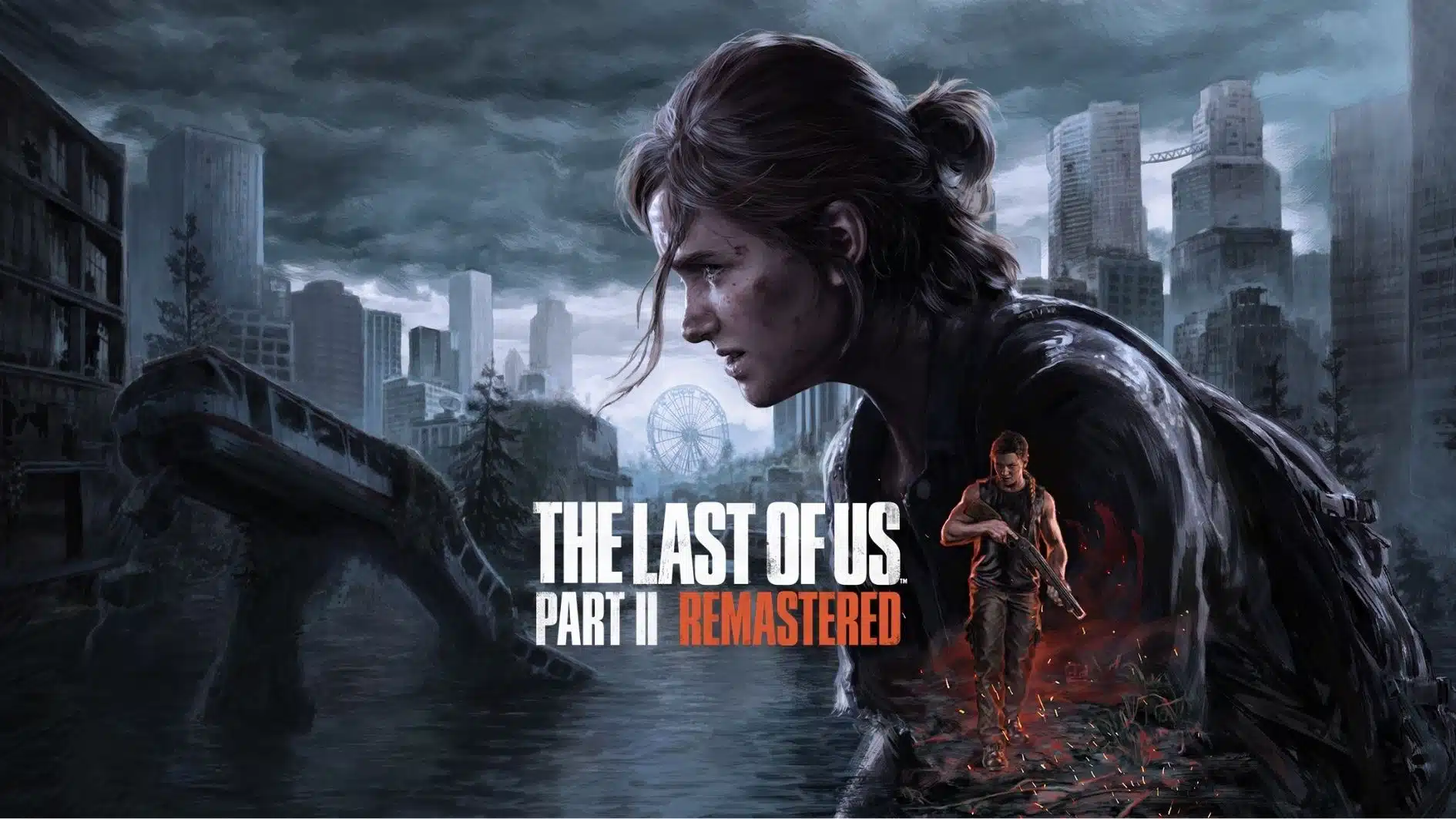
You finish The Last of Us Part I and expect a sequel that continues the emotional connection built by the first game.
Instead, Part II takes a direction that left players debating its choices long after release.
The game sits in a rare position. Critics praised it heavily, while a section of players reacted strongly against its story decisions.
Looking at a score alone does not explain why reactions became so divided. A big part of the discussion comes down to expectations.
Some players wanted a continuation of Joel and Ellie’s relationship, while others appreciated a story that challenged their attachment to familiar characters.
In The Last of Us 2 review, I’ll look at what makes the game work, why the story divides players, which version to buy today, and what type of player will enjoy the experience.
The Last of Us Part II Review: What the Score Gap Actually Means
The Last of Us Part II has one of the widest gaps between critic and user reactions in modern gaming.
The game earned a 93 Metacritic critic score while the user score sat far lower, and understanding why that split happened gives a clearer picture than looking at either number alone.
The game also topped 300 Game of the Year awards according to industry trackers, becoming one of the most awarded titles ever released.
At the same time, it became the center of one of gaming’s biggest debates because of its narrative choices.
The disagreement was not mainly about technical quality. Combat, visuals, animation, and sound design were widely praised.
The divide came from the direction of the story and how the game asked players to engage with its characters.
A fair The Last of Us 2 review needs to consider both reactions. The criticism and praise come from different expectations, and both reveal something important about the experience.
What Does The Last of Us Part II Get Absolutely Right?
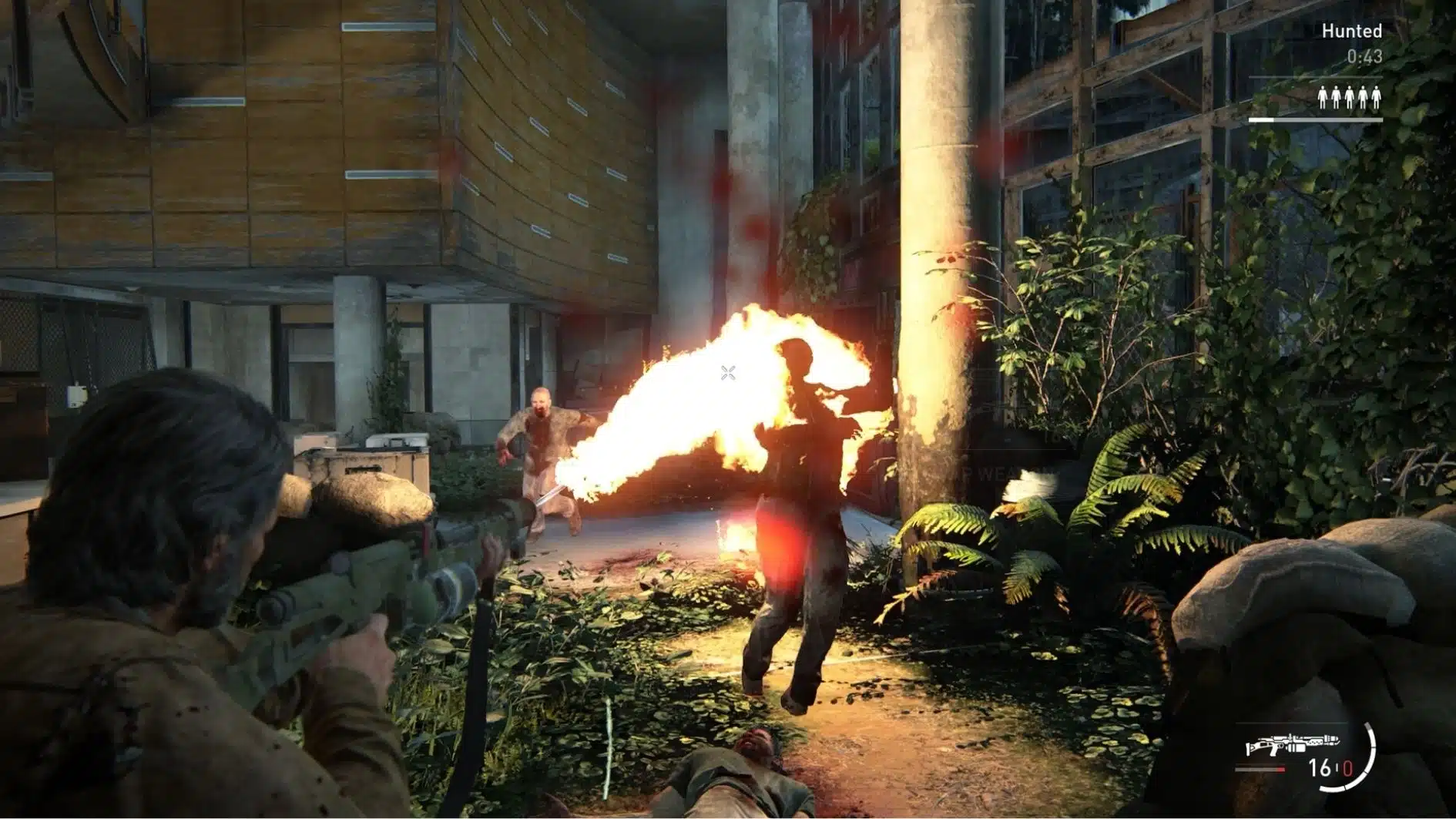
The Last of Us Part II succeeds most clearly in its gameplay, presentation, and attention to detail. The game improves many systems from the original while creating a more intense and physical experience.
The combat feels heavier because every encounter requires planning.
Enemies communicate, search areas intelligently, and force players to think about movement instead of simply attacking.
The technical presentation also remains impressive. Character animation, environmental detail, and sound design create a world that feels grounded and tense.
I can say few titles ask this much patience from a player, and even fewer earn it back the way this one does. The strongest achievement is how these systems work together.
The game does not treat violence as simple action. It creates tension by making every encounter feel risky and exhausting.
Combat and Stealth
The combat system builds on the original by giving players more freedom during encounters. Enemies react differently depending on the situation, making stealth and direct combat both useful approaches.
Players can crawl through grass, hide behind objects, distract enemies, and move through spaces in different ways.
Human enemies communicate with each other, making encounters feel less predictable. The improved movement system also changes combat.
Dodging, crawling, and using the environment create more options during fights, especially when surrounded by multiple enemies.
The result is a system that feels less like clearing rooms and more like surviving dangerous situations where every choice matters.
Technical Achievement
The Last of Us Part II remains one of the strongest technical showcases from its generation. Facial animation, lighting, environments, and character movement create a level of detail that supports the story.
Our God of War Ragnarok review covers another PS5 exclusive built to this same standard, if you want a point of comparison.
The PS5 Remastered version improves the experience further with visual upgrades, faster loading, and additional features. Even the original release still holds up because of the quality of its design.
The sound design deserves special attention. Enemy voices, environmental sounds, and the physical impact of combat make encounters feel uncomfortable rather than rewarding in a traditional action-game way.
Why the Story Divides Players and Which Side You’ll Land On
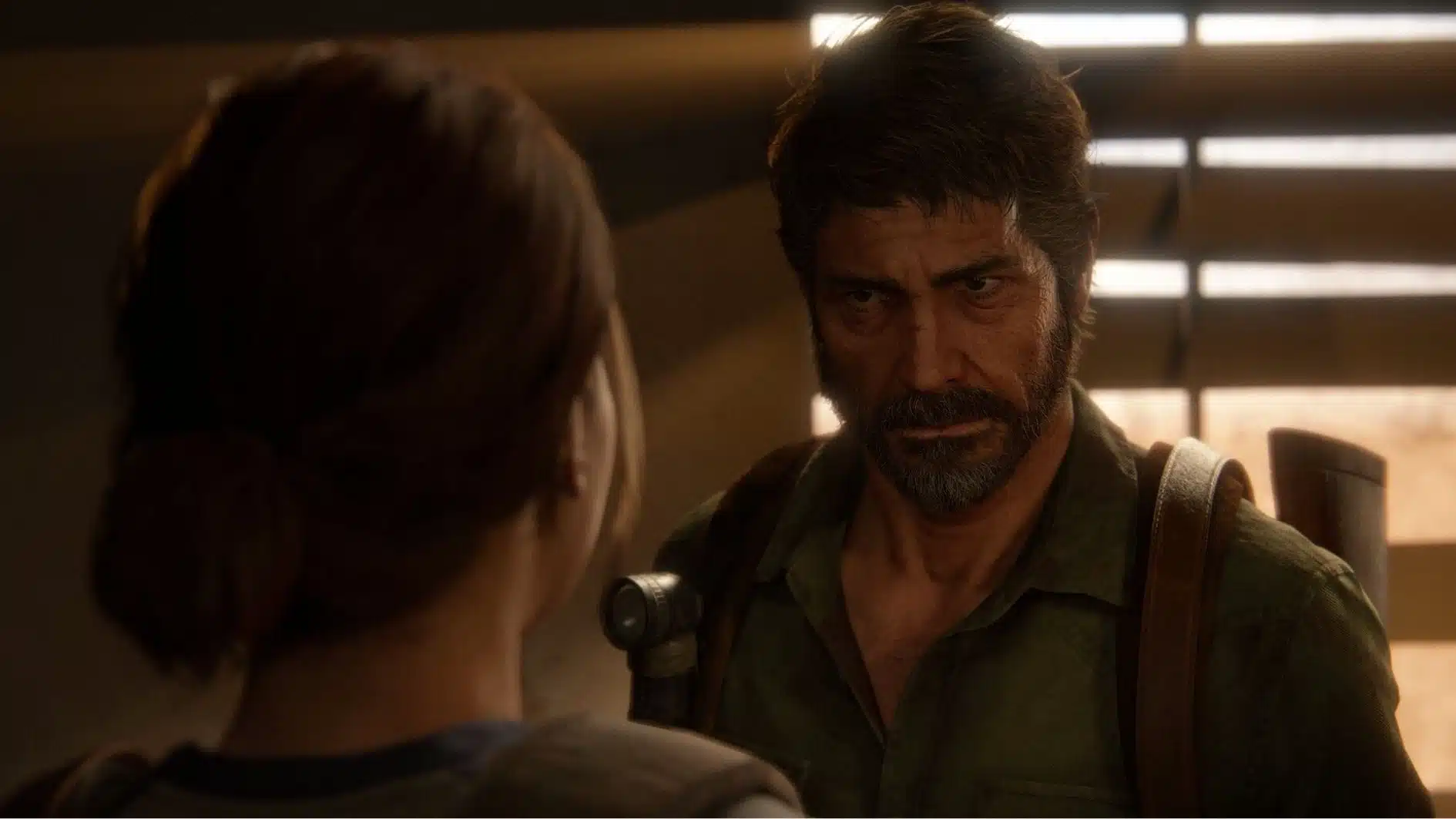
The Last of Us Part II’s story divides players because it asks them to experience a perspective they may not want.
The reaction depends less on whether the story is technically well made and more on whether the structure works for that player.
The game builds emotional investment around Ellie while also asking players to understand another character whose goals conflict with their existing attachment.
That shift is the foundation of the entire narrative approach.
The structure is intentional. Instead of providing a simple continuation of the first game’s emotional journey, Part II focuses on consequences, perspective, and how different characters understand the same events.
For some players, that creates a more meaningful story because it challenges their assumptions. For others, the shift feels like a disruption because the relationship that defined the first game no longer works the same way.
What the Game is Actually Trying to Do?

The Last of Us Part II is built around changing perspective. The story asks players to spend time understanding characters they may initially reject, creating discomfort as part of the experience.
That approach is the reason reactions vary so much. Players who appreciate morally complicated stories often see the structure as the game’s biggest strength.
Players who wanted a direct continuation of Joel and Ellie’s relationship may find the direction difficult to accept. The game intentionally moves away from simple emotional satisfaction.
The story is not designed to give every player the same feeling. It asks for patience and willingness to experience events from different viewpoints.
Our Ghost of Tsushima review is worth a look if a steadier pace matters more to you.
The Pacing Problem and Whether It Matters
The biggest story criticism is pacing. The campaign is long, and the middle section changes momentum by shifting focus at a point where some players are already emotionally invested elsewhere.
Supporters see that structure as necessary because it gives additional context. Critics feel that it slows the story and makes the experience harder to maintain.
The pacing issue depends on what you want from the game.
Players who enjoy slower character-focused stories may appreciate the approach, while others may find the length challenging.
Original vs. Remastered: Which Version Should You Play?

If you are playing The Last of Us Part II for the first time on PS5, the Remastered version is the better choice because it adds meaningful features beyond visual improvements.
The original PS4 release is still a complete experience, but the Remastered edition adds extra modes and improvements that make it more appealing for new and returning players.
Our Avatar Frontiers of Pandora review covers a similar tech showcase if you are deciding what to play next.
| Feature | Original Version | Remastered Version |
|---|---|---|
| Platform | PS4 | PS5 |
| Visual Improvements | Original graphics | Improved visuals and performance options |
| Loading Times | Standard PS4 loading | Faster PS5 loading |
| No Return Mode | Not included | Roguelike survival mode included |
| Developer Commentary | Not included | Included |
| Guitar Free Play | Not included | Included |
The biggest addition is No Return mode. It gives the combat system a reason to stay engaging after the main story by creating shorter runs with different challenges.
For first-time players, Remastered is the version to choose.
PS4 owners who already own the original still get a complete story experience, but the added modes make the upgrade more valuable for players who want more gameplay after finishing the campaign.
Should You Play The Last of Us Part II?
Whether Part II works for you depends on what you expect from a story-driven action game.
The experience is strongest for players who value gameplay depth, emotional complexity, and a willingness to follow an unconventional narrative direction.
Play It If You Want
Part II fits players who enjoy games that focus on atmosphere, detailed worlds, and stories that do not always provide simple answers.
- A Challenging Story: The narrative focuses on consequences, conflicting viewpoints, and difficult choices instead of clear heroes and villains.
- Strong Gameplay: Combat, stealth, enemy behavior, and level design create some of the most engaging encounters from its generation.
- A Technical Showcase: Detailed environments, character animation, performances, and sound design create a highly polished experience.
- A Story That Takes Risks: Players who enjoy narratives that challenge expectations will find more value in its direction.
Consider Skipping or Waiting If You Prefer
Some players may connect less with Part II because of its pacing, emotional direction, or approach to familiar characters.
- A Direct Continuation of Part I: Players mainly attached to Joel and Ellie’s relationship may find the sequel’s direction difficult to accept.
- A Faster Story Pace: The long runtime and slower sections may feel demanding for players who prefer a quicker campaign.
- Simple Emotional Closure: The story intentionally avoids easy resolution and leaves several themes open to interpretation.
Part II works best when you accept it on its own terms, since it never tries to repeat the first game’s exact experience; instead, it takes its themes in a new direction.
Conclusion
The Last of Us Part II stays memorable because it puts familiar characters inside a story built on hard emotions and conflicting points of view.
Its gameplay quality is easy to appreciate no matter how you feel about the narrative, with combat, stealth, sound design, and presentation that still hold up years later.
This The Last of Us 2 review comes down to personal preference. Players drawn to challenging stories and complex themes tend to find more value here, while those wanting the same comfort as Part I may connect less.
If you have not played it yet, check the Remastered version first for the fullest experience.
Frequently Asked Questions
Is The Last of Us Part II Worth Playing Today?
Yes, the gameplay, technical presentation, and sound design hold up exceptionally well years after release, and the story remains one of the most discussed in gaming. Whether you love or hate the narrative depends on your tolerance for emotionally demanding, morally unresolved storytelling. Most players still find it a strong recommendation at its current price today.
Why Was The Last of Us Part II So Controversial?
The game makes a structural narrative choice that requires players to invest in a second protagonist whose arc directly conflicts with the first game’s emotional payoff. Fans who came for closure on Joel and Ellie’s relationship found that disorienting. Critics who valued the thematic ambition called the same choice courageous instead of divisive.
Is The Last of Us Part II Better Than the First Game?
As a technical achievement, yes. Combat, animation, and sound design all surpass the original game in nearly every category. As a narrative experience, the answer depends on what you valued in Part I. Critics broadly say yes, while a vocal share of the fanbase disagrees and still prefers the first game’s tighter story.
Do You Need to Play The Last of Us Part I Before Part II?
Yes. Part II assumes complete familiarity with the first game’s characters, relationships, and ending before the story even begins. Playing them out of order would significantly reduce the emotional impact, since much of what the sequel does only registers once you already know what it is working against.