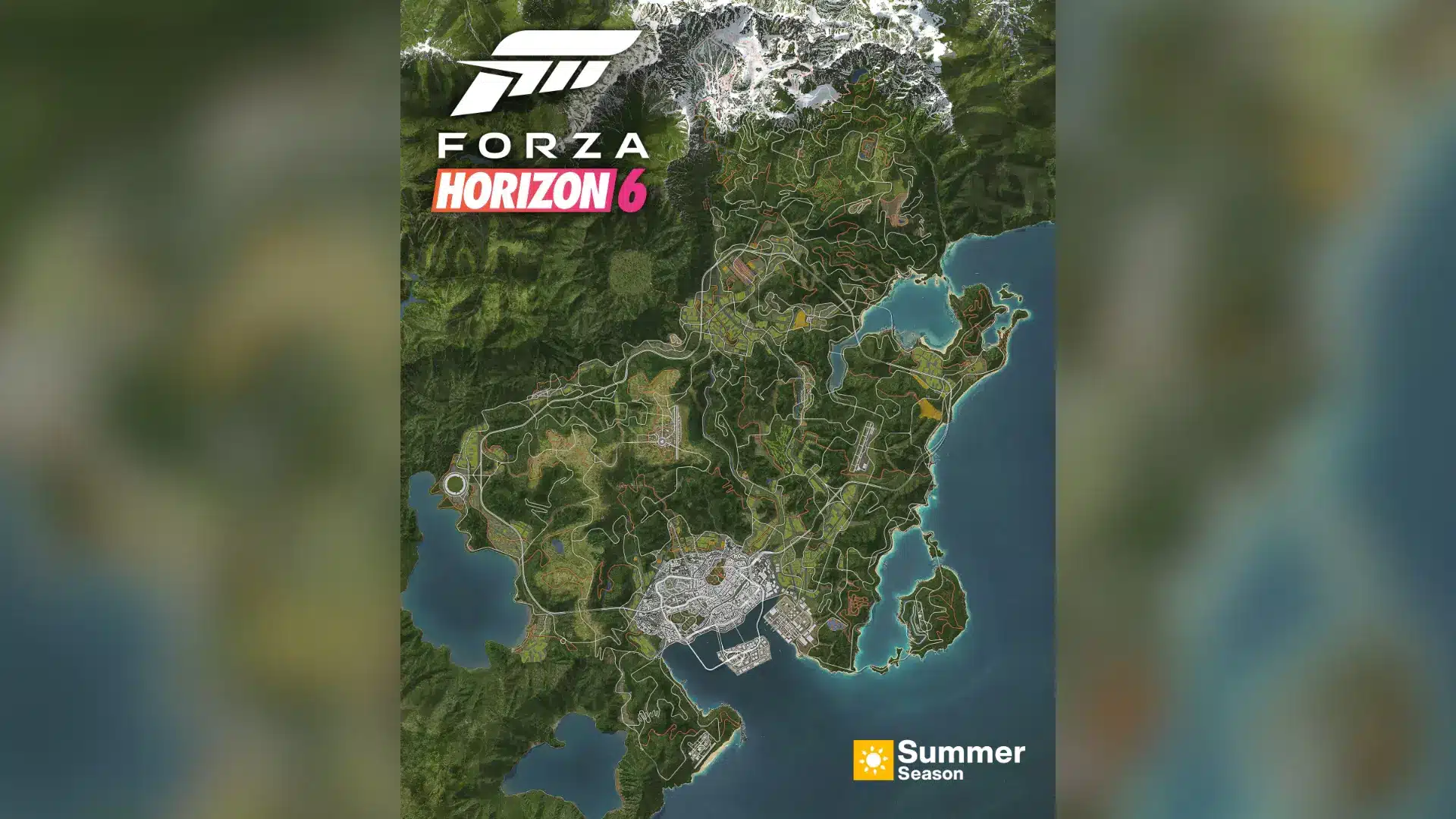
The Forza Horizon 6 map changed how I think about what a Horizon world can feel like. It doesn’t need space to seem big.
Japan gives Playground Games room to build tighter roads and sharper elevation changes. Routes overlap in ways I haven’t seen before in this series.
That’s the part that actually matters to me. Map quality isn’t about mileage. It’s about how often driving feels different.
In this post, I’m walking through the setting, the road design, the activities, and the scale claims. I’ll also share what I think the layout means for normal play.
Along the way, I’ll clear up a few assumptions I had wrong myself about size and real-world accuracy. First, let’s get clear on what kind of map FH6 is actually using.
What is the Forza Horizon 6 Map?
Forza Horizon 6 takes place on a brand new map. It’s set in Japan, and it’s the densest, most vertical world the series has built.
This isn’t a returning location pulled from an older game. Playground Games built it from scratch for this title. I don’t think that verticality is just a marketing line. It’s baked into the actual design goals behind the map.
Roads stack, climb, and layer over each other in ways I haven’t seen past Horizon maps attempt.
One thing I’d flag: this map won’t look the same all year. Snow rolls in with the seasons, and it changes how roads handle.
Before getting into what’s actually built into that world, it’s worth knowing how to actually find your way around it, since that’s usually the first thing new players go looking for.
What Does the Forza Horizon 6 Map Include?
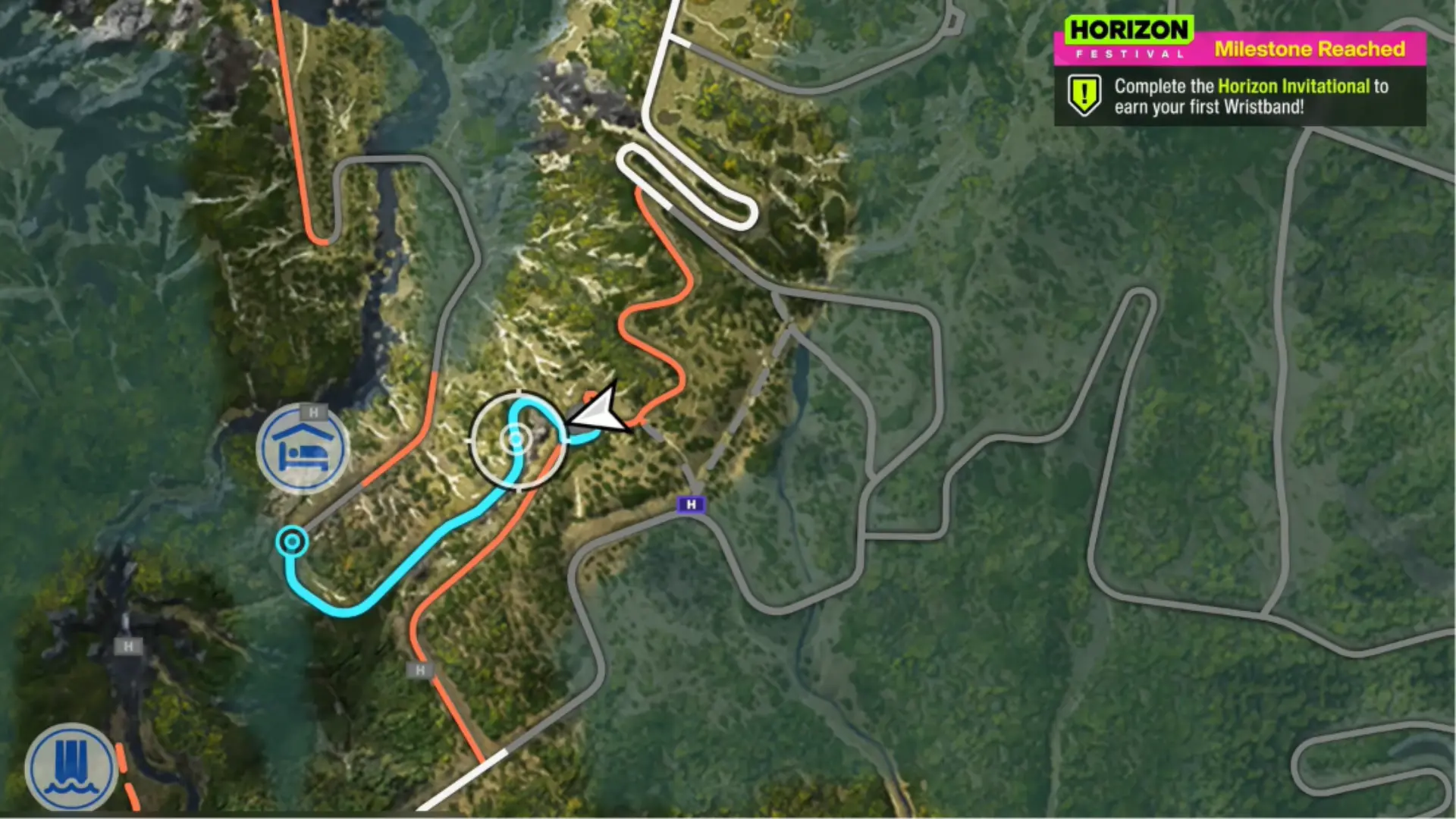
The map blends real Japanese landmarks with a dense spread of in-game activities. It’s not just scenery to me. Every layer of it is built to be driven, raced, and explored.
Setting and Real-World Inspiration
The map’s Japan setting draws from named real-world routes, not a generic backdrop. The C1 loop and Gingko Avenue both inspired actual roads you drive on.
Playground Games has also named mountain passes like Mt. Haruna and Bandai Azuma as reference points for the game’s elevation changes.
But it’s not a direct copy, and I think that’s the interesting part. These locations got compressed and stacked on top of each other.
That’s what gives the map its layered, vertical feel. A real drive across Tokyo would sprawl for miles.
Here, that same energy gets folded into a tighter, taller space. Roads climb over roads. Districts sit closer than they would in real life.
I’ve come to see that compression as the whole point. It’s why the map feels dense instead of just big.
Things to Find and Do
The map is built around several distinct activity types, not one continuous route. I’ve spent hours chasing barn finds tucked into hidden corners. Bonus boards show up along roadsides. Mascots hide in odd spots I wouldn’t have thought to check.
PR stunts test specific driving skills. Treasure cars reward exploration. Car meets pop up as social hubs. Together, these give you layers of things to chase beyond just racing. I found myself getting pulled off course constantly, in a good way.
If you’re aiming for full completion, dedicated interactive trackers can help you find everything. I’d recommend keeping one bookmarked, even if you’re not using it yet.
Using an Interactive Map for Forza Horizon 6
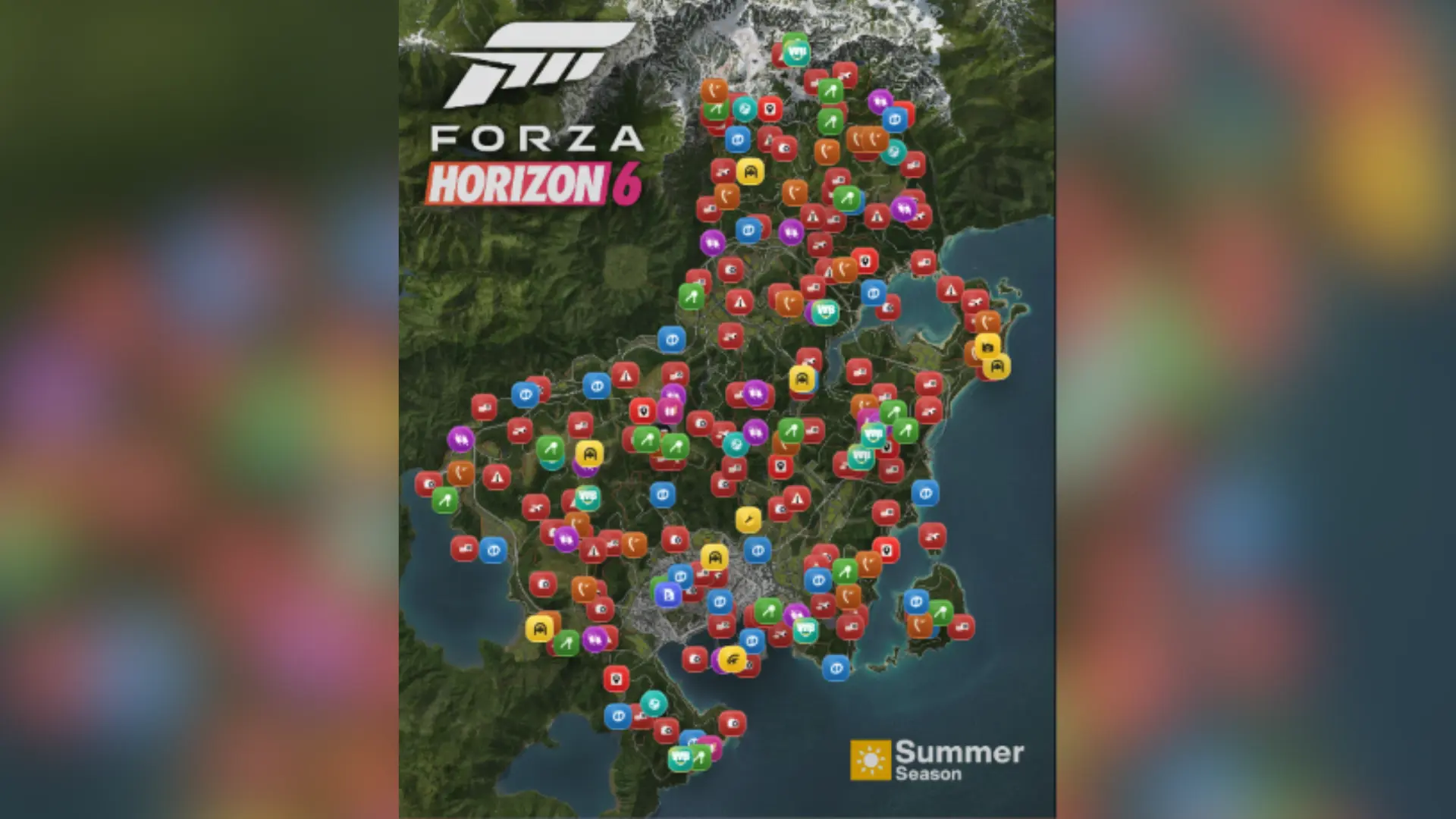
Image Courtesy: Forza Labs
I don’t try to memorize a map this dense. I use a tool for that, and ForzaLabs’ interactive map is the one I keep open in a second tab.
It lets you search and filter by category. Stories, races, PR stunts, bonus boards, car meets, collectibles, roads, and discovery locations all show up as separate layers.
That matters because a map this vertical hides things. Without filters, I’d be scrolling past markers I don’t even care about yet.
I usually filter down to one category at a time. On the first pass, I chase bonus boards. On the second pass, I switch to barn finds.
It keeps me from feeling overwhelmed by everything stacked into one view. I’d rather clear one type fully than scatter my attention across all of them.
If you’re chasing 100% completion, I’d treat this less like a map and more like a checklist. Toggle a category, clear it, move to the next.
What the Forza Horizon 6 Map is Not
The phrase“biggest map yet” sounds simple, but it can create the wrong impression. Here’s what it actually means for Forza Horizon 6 and what is still worth treating cautiously.
| Claim | What It Actually Means |
|---|---|
| “Biggest map yet” | This compares FH6 with earlier Horizon games, such as FH5 and FH4. It does not mean Japan is recreated at real-world scale. |
| Japan is recreated at full size. | No. Japan is far too large for a practical open-world racing map. The game uses a compressed version designed around enjoyable driving. |
| FH6 reuses an older map | It does not appear to be a reskin. The map is being built specifically for FH6, with new roads, terrain, and layouts. |
| The design still feels like Horizon. | Yes. It follows the same general open-world design approach, but the actual road network and terrain are new. |
| Current size claims are final. | Not necessarily. Early comparisons and numbers can change once Playground Games confirms more technical details. |
| “Biggest ever” is a fixed measurement | It is better treated as a relative claim for now, especially until official map dimensions or direct comparisons are available. |
Hype ahead of confirmed detail isn’t unique to Forza, either. Players ran into the same pattern with early GTA 6 system requirements chatter long before anything official existed.
For now, the safest way to read“biggest ever” is as a comparison with previous Horizon maps, not proof of a full-scale Japan or a final confirmed measurement.
Why the Forza Horizon 6 Map Matters?
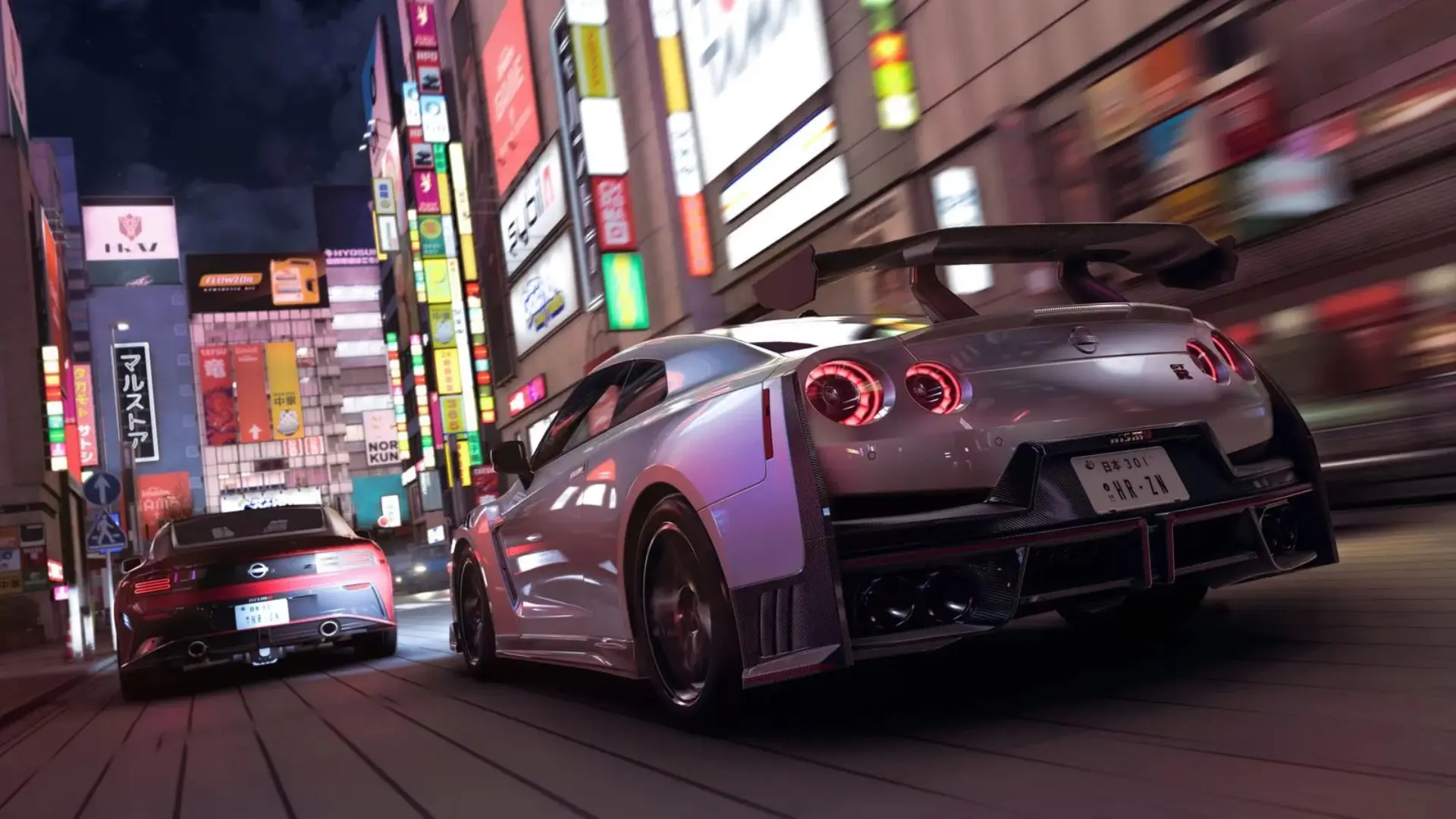
To me, the real impact of this map isn’t its size. It’s how routes and discovery actually feel while you’re driving.
- More Route Choices: A dense, layered map gives you more ways to reach the same destination. Two players heading to the same event can take completely different paths based on the roads they choose.
- Different Driving Experiences: One player might take elevated roads and climb through higher sections, while another might stay on lower streets and find a completely different route.
- Better Sense of Discovery: Verticality changes how you see the world. Instead of spotting everything ahead from a distance, roads can curve upward and reveal new areas unexpectedly.
- Less Predictable Exploration: The value of density is not just having more roads. It is making each drive feel less familiar because the layout keeps changing around you.
- Quality Over Distance: A larger map matters less than what each section offers. The important part is how much variety and surprise the roads provide during normal play.
So when people talk about this map being “the biggest,” I don’t think the size is the real story. The story is what that layout lets a driving session do that a flatter map couldn’t.
Conclusion
The Forza Horizon 6 map looks important because it changes what a Horizon world can feel like.
Japan gives the game tighter roads, sharper climbs, stacked routes, and seasonal changes that should make each drive feel less predictable.
Size still matters, but it is not the main point. A map only holds up if its roads, events, and hidden spots keep giving players reasons to return.
That is the real test for FH6 once more gameplay details arrive. If the final layout makes short drives feel fresh, this could be one of the series’ strongest worlds yet.
Which Japan-inspired route do you want to drive first? Tell us in the comments below.
Frequently Asked Questions
Does Forza Horizon 6 have a new map?
Yes. Forza Horizon 6 introduces a newly built map rather than reusing a setting from an earlier Horizon game. It’s set in Japan and designed to be the series’ most dense and vertical map so far, built around real-world-inspired routes layered together rather than a single flat, sprawling layout like previous entries.
Where is Forza Horizon 6 located?
Forza Horizon 6 is set in Japan, featuring routes inspired by real locations such as the C1 loop and Gingko Avenue. Rather than recreating the country at a literal scale, the map compresses and stacks these real-world touchpoints into a compact, layered world built for driving variety rather than geographic accuracy.
Is Forza Horizon 6 the biggest map yet?
It’s described as the largest and most vertical map the series has built so far, but “biggest” refers to scale relative to earlier Horizon titles, not a literal, to-scale recreation of Japan. The added size comes largely from verticality and layered routes rather than sheer flat land area.
What cities does Forza Horizon 6 have?
Rather than a single named city, the map blends multiple Japan-inspired areas built around real routes like the C1 loop and Gingko Avenue, spread across a dense, vertical world. Specific city names haven’t been consistently confirmed across sources, so treat any named locations as inspiration points rather than exact in-game regions.