Ever wonder if a life simulator about digital dolls could actually be funny? Nintendo just brought its weirdest island experiment back, and the chaos runs wilder than before.
I filled my island with coworkers, an ex, and a few celebrities, and within a week, two of them started dating while one became obsessed with rap.
I never planned any of that. The game did it on its own.
This Tomodachi Life: Living the Dream review covers what changed since the 3DS days, how the creation tools hold up, and whether the constant surprises are worth your time.
Here is what actually happens once you press play.
What is Tomodachi Life: Living the Dream?
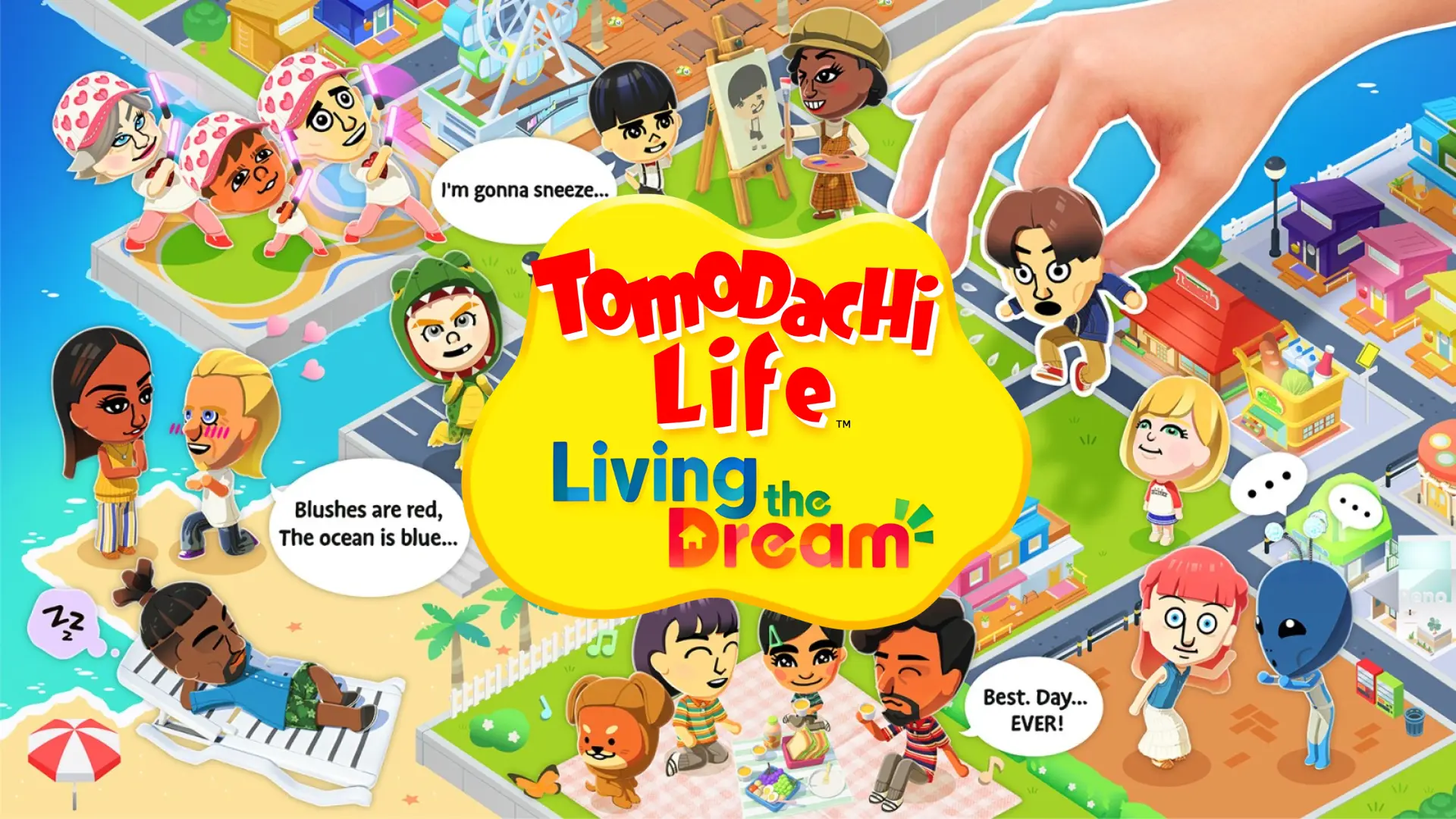
Tomodachi Life: Living the Dream is an absurdist life simulator on Nintendo Switch built around watching, not playing. You set things up, then you sit back and let chaos happen.
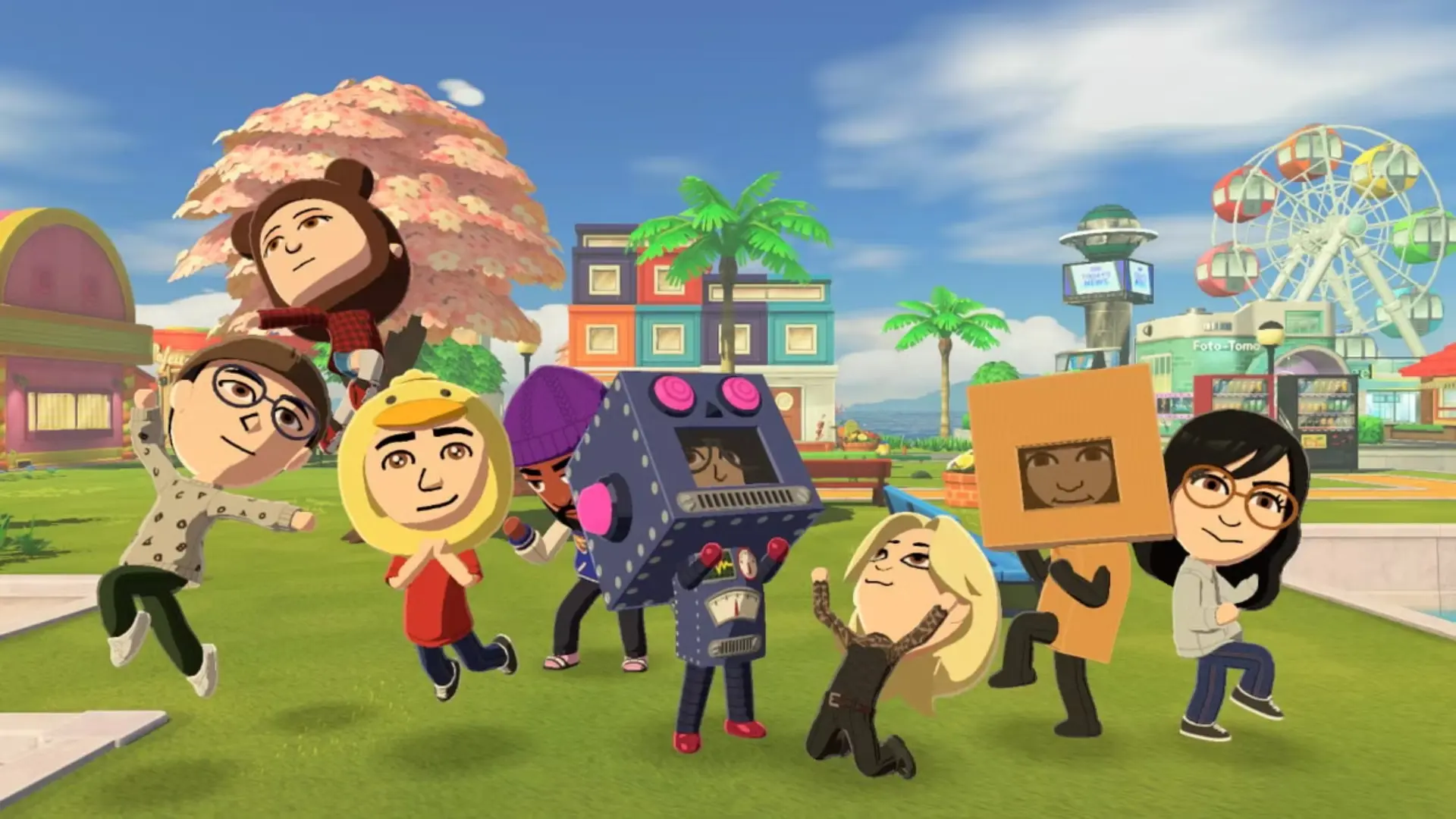
You populate an island with Miis, little cartoon avatars, and the game takes over from there. They make friends, and they argue. Most life sims make you earn affection through deliberate actions.
Metacritic’s aggregate score sits at 77 out of 100 across more than one hundred reviews, landing in the “Generally Favorable” range, with roughly eighty percent of critics rating it positively and none rating it negatively.
Tomodachi Life does not work that way. Your Miis fall in love with people you would never expect, and you never script any of it.
This isn’t a game built around progression. The point is the unexpected moments between Miis you made to resemble people you know.
I added coworkers, my ex, and celebrities to the island. Within a week, two were dating and one became obsessed with rap. I didn’t create that. The game did.
If your Miis are strangers, the comedy lands flat. If they’re people you know, you won’t be able to put it down.
How Does the Gameplay Actually Work?

Tomodachi Life doesn’t really work like a traditional game. There’s no quest log telling you what to do, no big objective waiting at the end, and no checklist of things to complete.
For me, that was the biggest adjustment. You open the game, check what your Miis are doing, solve a few problems, and then leave.
The idea is that you come back later and see what has changed. Your island keeps moving without you.
One Mii might be craving a certain food, another might need help choosing an outfit, and someone else might have a problem with a friend.
You step in when you want to, then let the island handle the rest.
The Switch version changes that feeling noticeably. Compared to the 3DS version, Miis now move around the island instead of staying mostly inside their apartments.
I found myself stopping just to watch random conversations happen.
Seeing two Miis interact in a place I didn’t expect made the island feel more like a living space rather than a collection of menus, the same low-key pull that keeps a lot of our favorite fun Switch games in rotation long after launch week.
Understanding the Limits of The Daily Loop
The first few weeks bring something unexpected every time you check in. By month two, patterns appear. Events remix, reactions repeat, and that is simply how the genre works.
If you know that going in, it won’t bother you. If you’re expecting constant fresh content forever, you’ll hit a wall and feel cheated. The game isn’t hiding anything from you it’s just not that kind of game.
Creation Tools: What Can You Actually Build?
Tomodachi Life: Living the Dream lets you customize faces, clothing, food, interiors, and island terrain, and the creation tools are a big reason this game gets the reviews it does. For a life sim, the depth here is genuinely surprising.
Here’s what the character and world creator lets you do:
- Facial customization lets you adjust individual features instead of choosing from simple presets
- You can fine-tune details until a Mii looks closer to the person you imagine
- The customization is detailed enough that creating a Mii can take a lot of time
- You can design outfits, decorate homes, shape terrain, and create custom food items
- Non-binary pronoun options add more flexibility to character creation
On a device built around touch input, navigating creation menus with buttons and sticks feels slow and clunky, and this is worth knowing for anyone researching Switch Lite game picks that work well on the smaller screen.
I genuinely thought I was doing something wrong.
But the bigger frustration isn’t the touchscreen. It’s that you can’t share what you create.
No QR codes or online Mii importing means most of what you make stays on your own island, though you can still hand off a single Mii to someone else over local wireless if you’re in the same room.
The 3DS version had shared celebrity Miis, characters, and custom casts. Now, the creation tools feel stuck in their own little bubble.
Tomodachi Life: Living the Dream vs the 3DS Original: What’s Actually Different?
If you played the 3DS version, you already know the core loop. The question you actually want answered is whether this is worth buying again and the honest answer is: mostly yes, but not completely.
| Feature | Living the Dream | 3DS Original | Main Difference |
|---|---|---|---|
| Mii movement | Miis roam the island and interact freely. | Miis stayed mainly in apartments. | The island feels more alive with unexpected moments. |
| Interactions | Random conversations and events happen naturally. | Most events require visiting Miis. | Daily life feels more spontaneous. |
| Creation tools | Better visuals, deeper options, and pronoun choices. | Basic character creation tools. | Creating Miis feels more flexible. |
| QR code sharing | QR code and online sharing are removed; local wireless sharing remains. | Players could scan and share custom Miis easily. | You can no longer import creations from other players. |
| Community features | Your island experience is mostly limited to your own creations. | Players shared celebrity, anime, and custom Miis through QR codes. | The remake feels more personal but loses the original community connection. |
| Overall experience | More polished but more private. | Less advanced but more connected. | Living the Dream improves the island experience but loses some of the original community charm. |
For a new player, this is the better starting point no question. For someone coming back from the 3DS version, the upgrade is real, but you’ll notice the gap where the sharing used to be.
How Long Does Tomodachi Life: Living the Dream Last?
The honest answer is: it depends almost entirely on who’s living on your island.
I’ve seen people clock 60 hours and still find reasons to check in daily. I’ve also seen people hit 20 hours, shrug, and move on. The difference was the Miis they built.
When your island is full of people you actually know, the comedy stays personal. Every weird interaction lands differently because you know the real versions of those people.
My coworker Mii started dating my best friend’s Mii on week two.
I sent him a screenshot. We talked about it for three days. That kind of thing doesn’t happen with generic Miis you made up on the spot.
When the Daily Loop Starts to Feel Repetitive
Around the 30 to 40 hour mark, most players start seeing the patterns repeat. The events remix. The reactions recycle. It’s not a flaw it’s just the ceiling of how the game is built.
The daily check-in format helps stretch things out. This isn’t a game you sit with for four hours straight.
It’s 10 minutes in the morning, maybe fifteen at night. Played that way, it stays fresh much longer than a binge session would.
Go in expecting a game you return to, not one you finish. Set that expectation early and the longevity question basically answers itself.
Is Tomodachi Life: Living the Dream Worth It?
Short answer: yes, but not for everyone.
Here’s how that breaks down, and if you want a sense of how another cozy life-sim review holds up by comparison, that’s worth a look too:
- A game built around personal moments: I’ve spent real time with it and found that the funniest moments come from unexpected situations you create yourself. They are the kind of memories that are hard to explain unless you experienced them.
- Not everyone will connect with it: Some players will love the freedom and randomness, while others may find it empty. The game is not broken, it simply focuses on a different type of experience.
- Perfect for creative and social-minded players: If you enjoy creating detailed characters, imagining funny scenarios, or watching your Miis interact in strange ways, this game is built for you.
- Less appealing if you need constant progression: Players looking for a strong story, clear goals, or traditional rewards may struggle to stay interested because the game relies more on personal moments than structured challenges.
- Missing sharing features hold it back: The biggest disappointment is the lack of ways to share creations and moments with others. The creative tools are there, but they feel limited by keeping everything on your own island.
- Worth buying at the right price: If the concept already appeals to you, it is an easy recommendation. If you are unsure, waiting for a sale makes more sense.
Conclusion
This tomodachi life living the dream review comes down to one thing: your island is only as fun as the people living on it.
Add real friends, family, or even a rival from work, and the strange moments write themselves. Skip that step and the game feels empty fast.
The creation tools are deeper than before, the island finally feels alive, and the missing sharing options are the one real letdown.
If chaotic, unscripted comedy sounds fun to you, grab the demo first and see how your own Miis behave.
Once you are hooked, the full game on Nintendo Switch is worth adding to your library.
Frequently Asked Questions
What Review Score Did Tomodachi Life: Living the Dream Get?
Tomodachi Life: Living the Dream holds a 77 on Metacritic, landing in the “Generally Favorable” range across more than one hundred critic reviews. It is an absurdist life simulator on Nintendo Switch where you build an island of Miis and watch chaotic, unscripted relationships unfold. Critics praised the humor and creation tools, with the removal of online Mii sharing as the main complaint.
Is Tomodachi Life: Living the Dream LGBTQ-Inclusive?
Yes. The Switch version includes non-binary pronoun options for Miis, a first for the series. Same-sex relationships were limited in the 3DS original. The current version is more inclusive, though it’s worth checking Nintendo’s official page for the full scope of relationship options available today.
How is Tomodachi Life: Living the Dream Different From Animal Crossing?
They’re completely different games. Animal Crossing is player-directed: you build, craft, and shape your island actively. Tomodachi Life is passive, since you watch your Miis live their lives and react to what happens. Go in expecting Animal Crossing and you’ll be confused. Go in expecting a weird reality show you cast yourself, and you’ll love it.
Does Tomodachi Life: Living the Dream Have Multiplayer?
Not in the traditional sense. Online multiplayer and QR code sharing from the 3DS version are both gone. Local wireless sharing still works if you and a friend are in the same room. Beyond that, it’s a solo experience: just you, your island, and whatever chaos your Miis create today. Check Nintendo’s support page for updates after the April 2026 launch.