
I expected Disney Dreamlight Valley to be a simple cozy game where I could relax for hours without much thought. That idea lasted only a few days. The more I played, the more I realized it rewards patience, daily progress, and smart planning instead of long weekend sessions.
The Disney characters and colorful world pulled me in, but the live-service systems changed how I looked at the experience.
My Disney Dreamlight Valley review looks beyond the familiar faces to show what playing the game really feels like. If you’re thinking about buying it, knowing what to expect can save you from early disappointment.
What Is Disney Dreamlight Valley?
Disney Dreamlight Valley is a life sim where you restore a magical valley alongside Disney and Pixar characters. I’d call it part cozy sim, part Disney fan service.
You complete quests, gather resources, cook meals, and decorate your space. The Disney IP isn’t cosmetic. It drives every quest, unlock, and progression beat.
The valley itself has a reason for being in ruins. An event called The Forgetting swept through, and it left the place covered in Night Thorns, dark, tangled growths that block paths and lock away resources.
Clearing them with your Royal Tools and magic is how you physically open up new ground, not just a flavor detail layered on top of quests.
It launched in paid early access in 2022, and Gameloft originally planned to make it free-to-play once early access ended. That plan got scrapped in October 2023.
The game left early access that December as a paid release, and it’s stayed that way ever since, so older previews promising a free download don’t reflect what you’re actually buying today.
Progress happens through Realms, themed biomes tied to specific Disney franchises. I went in expecting Animal Crossing and had to reset my expectations fairly quickly.
The base game is a one-time purchase, currently around $30, covering the full story, every character, and every Realm. Paid expansions like A Rift in Time and Storybook Vale add whole new regions on top of that, and cosmetic extras like the Star Path run on Moonstones.
So it’s not a single purchase with a clean finish line, even after you’ve paid for it once.
If you’re on Nintendo hardware, the Switch 2 Edition is a separate release with real performance improvements. Coming from Animal Crossing or Stardew Valley, know this is a live-service game. That changes everything.
Gameplay and Core Mechanics
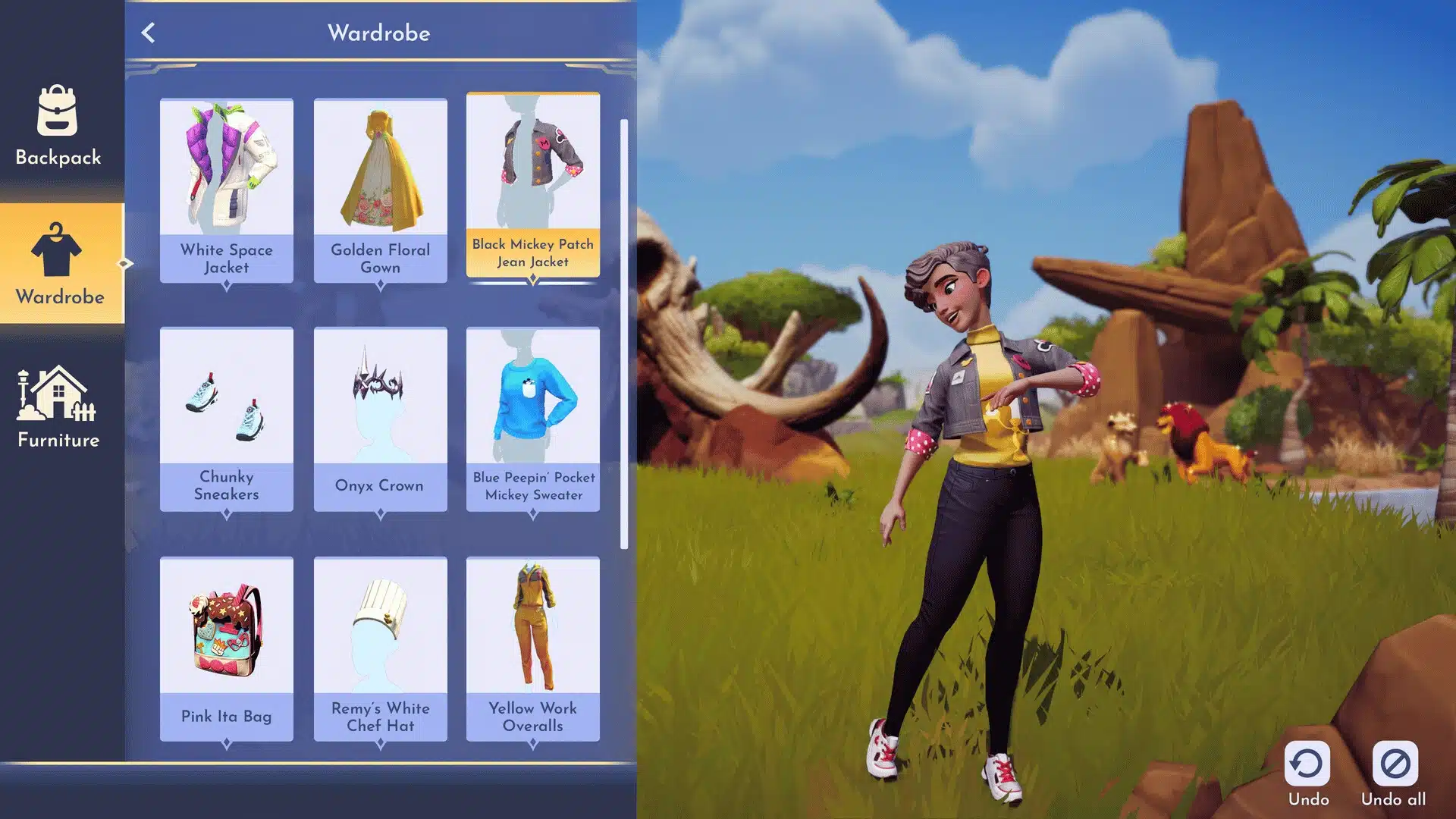
The core loop is straightforward: gather resources, complete quests, unlock new characters and biomes, then customize your valley. But it’s more directed than it looks.
This isn’t a passive sandbox. The valley only evolves if you’re actively pursuing quests, which surprised me when I first started playing.
Activities and Resource Loop
Every activity in the game feeds into something larger. Fishing, cooking, gardening, and mining aren’t minigames. They’re the engine behind your entire progression.
Here’s what you’ll spend most of your time doing:
- Fishing: Catches ingredients and unlocks character quests tied to specific fish
- Cooking: Combines gathered ingredients to complete friendship tasks and restore energy
- Gardening: Grows crops needed for quests and character unlock conditions
- Mining: Supplies crafting materials used across builds, quests, and valley upgrades
- Decorating: Customizes your valley layout and fulfills specific character requests
None of these feels isolated. Every activity connects back to the friendship system, which is what actually drives progress forward.
Character Questlines
Disney characters don’t just wander your valley. Each one comes with a scripted storyline tied to their franchise. I found this more engaging than I expected.
These aren’t random daily tasks. Each questline has a beginning, middle, and payoff moment tied directly to the character’s Disney arc.
That said, it’s a different experience from Animal Crossing’s villager system. AC generates emergent, personality-driven moments. Dreamlight Valley delivers curated, story-driven ones. Neither is wrong, just structurally different.
The game has no fail states and naturally forgives slow play. But it’s built for daily short sessions. Players who binge will feel the pacing resistance sooner than they expect.
Progression, Grind, and the Friendship System
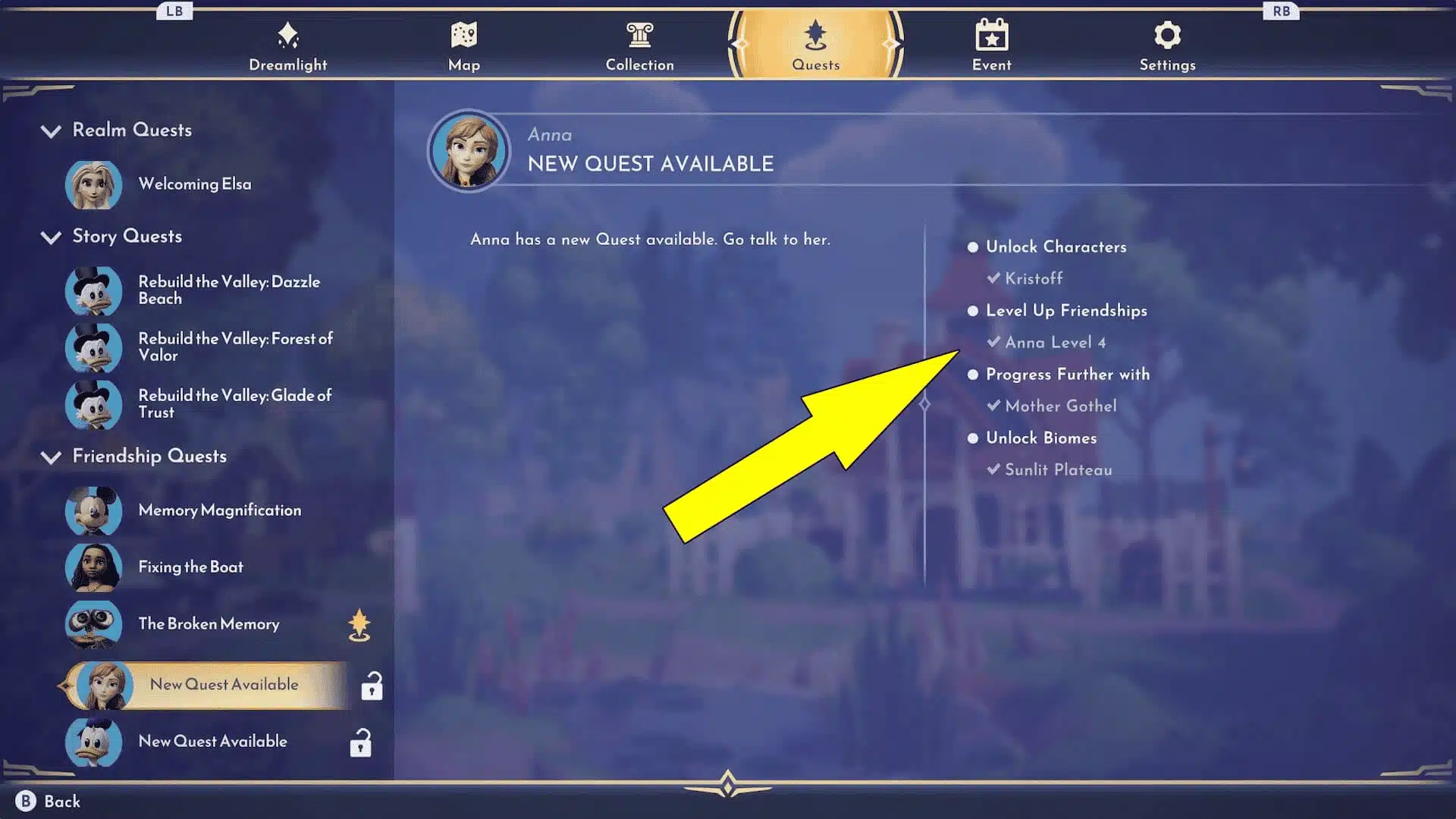
Yes, there’s a grind, but it’s intentional pacing, not poor design. Understanding that distinction genuinely changes how the whole game feels to play.
Friendship XP is your core progression currency, earned through daily character tasks: fetch quests, cooking specific meals, and doing activities alongside characters you’re building relationships with.
Story quests are gated behind friendship levels, not total playtime. You can sit for six hours straight and still not unlock the next beat if you haven’t done the daily work.
That’s where most players get blindsided. I spent a long weekend playing and wondered why nothing moved. Turns out the game rewards consistency, not marathon sessions.
How the Friendship System Works?
The grind gates your story, not just your cosmetics. It’s the reason two players with the same number of hours logged can be at completely different points in the story.
Each character has friendship levels unlocked through XP. Hitting those thresholds opens new story missions, not just decorative rewards or flavor dialogue.
Elsa’s storyline is a good example. Her early friendship levels mostly hand you outfits and extra dialogue, but a specific mid-tier threshold is what unlocks the quest into her ice palace backstory.
Skip her daily tasks for a week, and that beat just doesn’t trigger, no matter how much time you’ve put in elsewhere.
Who the Grind Works For (and Who It Doesn’t)?
If you play in short daily sessions, the pacing feels surprisingly natural. I settled into 30–45 minutes a day, and the game genuinely started clicking that way.
Binge players will hit resistance fast. Weekend-only sessions break the friendship curve, and once momentum stalls, the whole experience starts to feel like an obligation rather than a source of enjoyment.
The grind in Dreamlight Valley isn’t a flaw you push through. It’s the structure you either play with or constantly fight against.
Monetization and Live-Service Model
Disney Dreamlight Valley has microtransactions, but they don’t touch the core game. Once you own the base game, story content, characters, and biomes come at no extra cost.
The model runs on four tiers, and knowing where each sits helps you decide how much it’ll actually affect your experience.
Here’s how the monetization breaks down:
- Base game (one-time purchase, ~$30): Full story access, all core characters, every Realm included
- Moonstones: Premium currency used for cosmetics and passes; earnable in small amounts through free play
- Star Path: Seasonal paid pass with exclusive cosmetic rewards; expires each season, creating mild FOMO pressure
- Premium cosmetics: Furniture sets, outfits, and decorative items available for direct Moonstone purchase
None of the paid content affects gameplay progression. I ignored the Star Path entirely for my first two seasons and never felt behind.
GameSpot’s6/10 actually leaned heavily on the grindy, confusing progression system rather than monetization. Their reviewer said flat out that microtransactions weren’t the problem. That confusion has aged better than the pricing debate ever did.
It’s cleaner now. Less aggressive than mobile F2P, but more visible than a standard premium console release. That middle ground will bother some players more than others.
Dreamlight, the in-game currency you earn through play, covers basic progression needs once you’ve bought the game. Moonstones are where real money enters, but spending them is never forced on you.
If seasonal FOMO doesn’t bother you, the monetization is easy to ignore. If it does, the Star Path cycle will create low-level friction throughout your playthrough.
It’s not predatory. It’s the trade-off that comes with a live-service model built around a single paid purchase rather than a subscription, worth knowing before you form an opinion based on older reviews.
Visuals, Characters, and Disney Fan Appeal
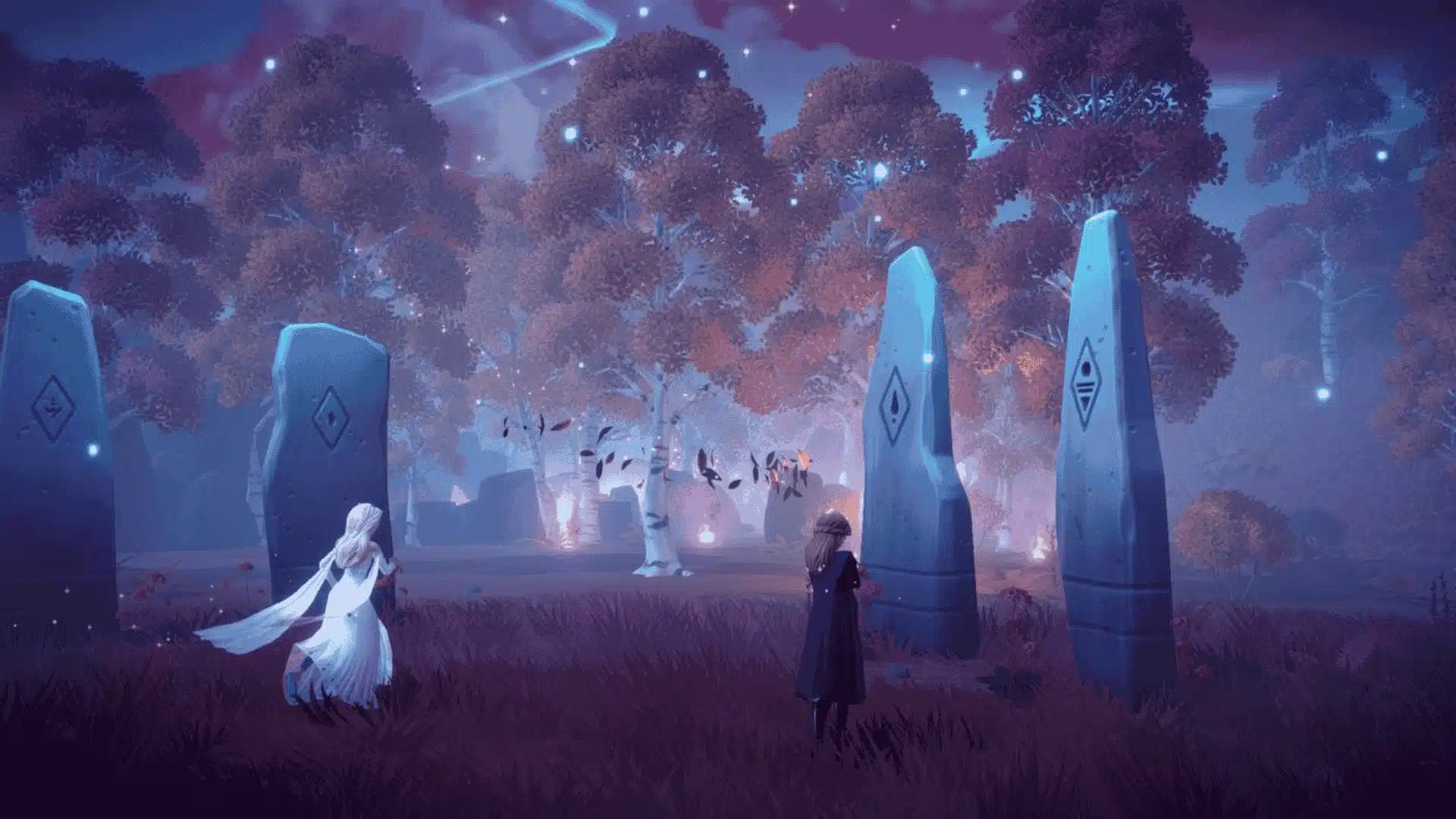
Disney Dreamlight Valley is genuinely good for adults, especially if you grew up with the IP. The mechanics aren’t shallow; the Disney aesthetic just makes them feel approachable.
I’ll be honest: I assumed it would feel like a kids’ game with a coat of paint. The sim mechanics surprised me once I actually got into them.
Each Realm is styled around its franchise, and the art direction holds up throughout. Frozen’s biome feels cold and expansive, with Arendelle’s castle visible from nearly every angle.
Toy Story feels bright and familiar in exactly the right way, right down to an oversized backyard scale that makes you feel toy-sized as you walk through it.
The character writing is charming but scripted. I noticed pretty quickly that interactions don’t evolve the way Animal Crossing villagers do, but the dialogue respects the source material, and that counts for something.
Franchises represented include:
- Frozen: Elsa and Anna with biome and questlines tied to Arendelle
- Lion King: Simba and Nala integrated into savanna-themed Realm content
- Toy Story: Buzz and Woody with quests rooted in familiar story beats
- And a rotating cast across Pixar and classic Disney properties as updates roll out
If a franchise you love is in the game, that pull is real. I found myself pushing through slower stretches just to unlock the next character I actually cared about.
Platform Performance Note
Performance varies depending on where you play, and I wish someone had told me this before I started on the wrong version.
Here’s where each version stands:
- PC and current-gen console: Smooth performance, faster load times, most stable overall experience
- Base Switch: Frame drops during busy scenes; playable, but rough enough to notice regularly
- Switch 2 Edition (released March 2026): Runs at 60 FPS with improved loading and fixes most of what made the base Switch version frustrating
If you’re on Nintendo hardware, the Switch 2 Edition is worth the switch. The base version works, but the gap between them is bigger than I expected.
Verdict: Who Should Buy Disney Dreamlight Valley?
Disney Dreamlight Valley is worth it, but only for the right type of player. The game itself is good; the question is whether your habits match how it’s built.
IGN’s8/10 score makes sense to me. How much you enjoy Disney Dreamlight Valley depends largely on your patience with its daily progression and live-service structure.
The base game is a one-time purchase with no subscription. Get comfortable with it before you spend anything on DLC or Storybook Vale. That’s genuinely the smartest way to approach it.
Here’s who should buy, wait, or skip:
Buy if you:
- Play daily or in consistent short sessions
- Have a real attachment to Disney or Pixar franchises
- Enjoy cozy sims with a directed story rather than a pure sandbox
- Don’t mind a live-service model with optional seasonal content
Wait, if you:
- Play casually or only on weekends
- Get frustrated by grind that blocks story progress
- Find Star Path-style seasonal FOMO annoying rather than motivating
Skip if you:
- Want an open sandbox with no progression pressure
- Have no connection to the Disney or Pixar IP
- Prefer a complete, finished story available from day one
The score you assign to this game will depend almost entirely on how you play and how much the IP means to you. A daily Disney fan will land closer to that 8. A weekend binge player might feel the 6.
If Animal Crossing scratched the itch before, this will too, but it asks more of your schedule.
Conclusion
After spending plenty of time in the valley, I came away with a better understanding of why opinions about the game can differ so much.
This Disney Dreamlight Valley review shows that the experience depends less on skill and more on how you like to play. Players who enjoy short, regular sessions will likely have more fun than those who prefer long gaming marathons.
The Disney charm is strong, but the live-service design will not suit everyone. If you’ve already played Disney Dreamlight Valley, share your thoughts in the comments.
I’d love to know if your experience matched mine or felt completely different.
Frequently Asked Questions
Is Disney Dreamlight Valley Free To Play?
No. Disney Dreamlight Valley requires a one-time purchase of the base game, currently around $30. It was originally planned to go free-to-play, but Gameloft scrapped that plan in 2023. Once you’ve bought it, core story content, characters, and biomes cost nothing extra. Premium content like the Star Path and cosmetic bundles is paid for with Moonstones.
Is Disney Dreamlight Valley Pay-to-Win?
No. Moonstones buy cosmetics and seasonal rewards only, nothing that affects story progress or gameplay. The grind is time-based, not money-based. You can complete the full storyline without spending anything.
How Many Hours Does It Take To Beat Disney Dreamlight Valley?
The main story takes roughly 40–60 hours, but it’s gated by daily sessions, not continuous play. Completionist runs, including Storybook Vale, extend well beyond 100 hours.
Is Disney Dreamlight Valley Better Than Animal Crossing?
They’re structurally different games. Animal Crossing is an open sandbox with no story pressure. Dreamlight Valley has a directed narrative and live-service layer. Which suits you depends on whether you want a story or pure freedom.