Every big remake asks the same question: stick with what worked, or take a swing at something new.
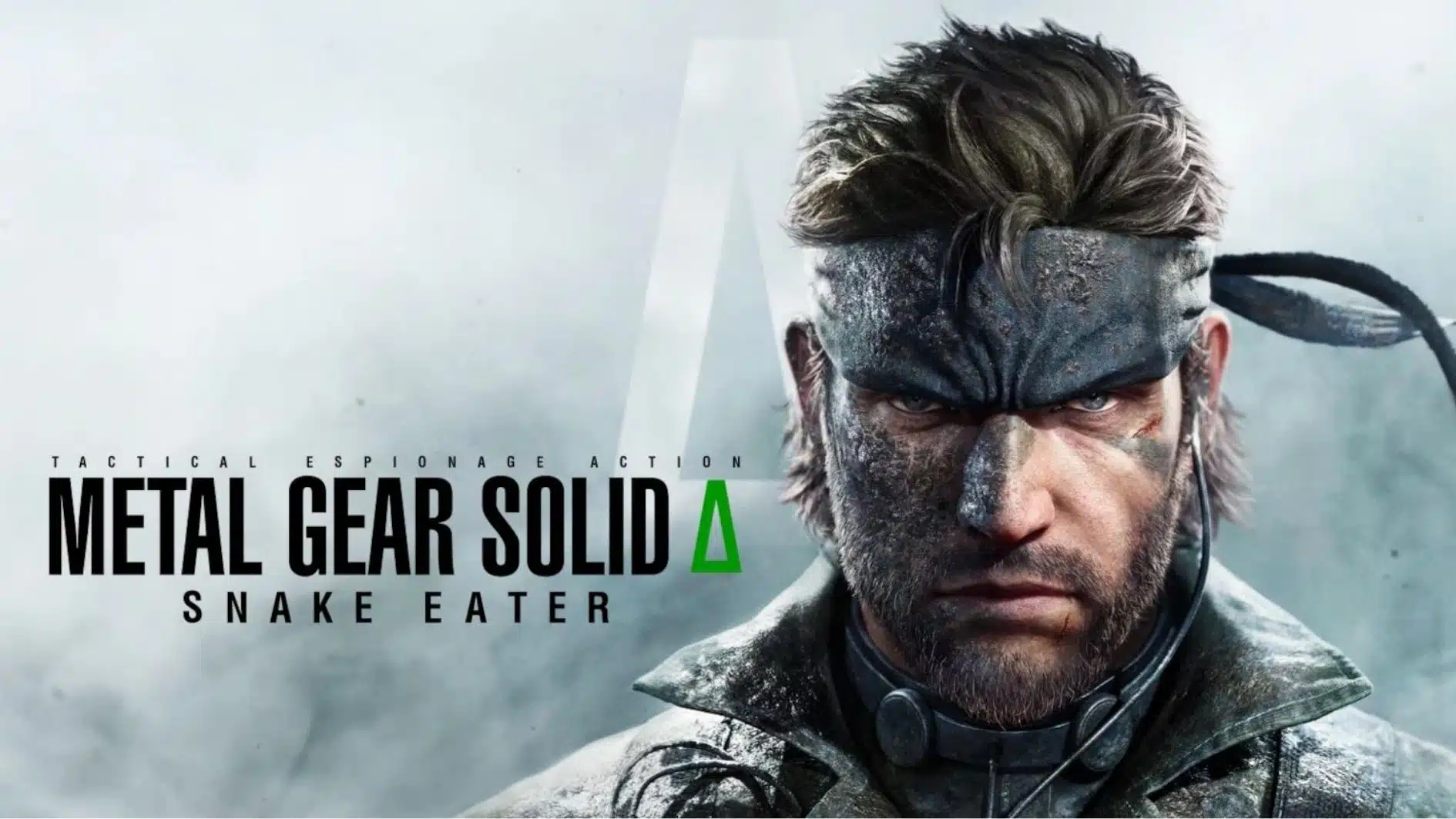
Metal Gear Solid Delta: Snake Eater picks the first option, rebuilding a stealth classic in Unreal Engine 5 without touching the story or design that made it a legend.
That choice sounds simple, but it splits players into two camps almost instantly.
New fans get one of the smoothest ways into a beloved series, while longtime players may wonder if a faithful rebuild offers enough beyond nostalgia.
This Metal Gear Solid Delta review weighs preservation against modernization to find out who Delta is actually built for.
First, here is exactly what the remake is and how it rebuilds the original game.
About Metal Gear Solid Delta: Snake Eater
Metal Gear Solid Delta: Snake Eater is a ground-up remake of the 2004 PlayStation 2 classic built using Unreal Engine 5.
It recreates the original game while keeping its story, voice performances, cutscene structure, and level design intact.
The remake brings the original experience to modern hardware while keeping its identity intact, rather than reinterpreting Snake Eater’s story or structure.
The question is not simply what Delta changes, but what those changes add to a game many players already know. That difference shapes the entire Metal Gear Solid Delta review discussion.
| Area | Original MGS3 | Metal Gear Solid Delta |
|---|---|---|
| Story | Original script and events | Preserved without major changes |
| Visuals | PS2-era graphics | Unreal Engine 5 rebuild |
| Controls | Classic movement system | Modern third-person controls |
| Level design | Original layouts | Maintained with minimal changes |
What Has Actually Changed: Graphics, Controls, and New Systems
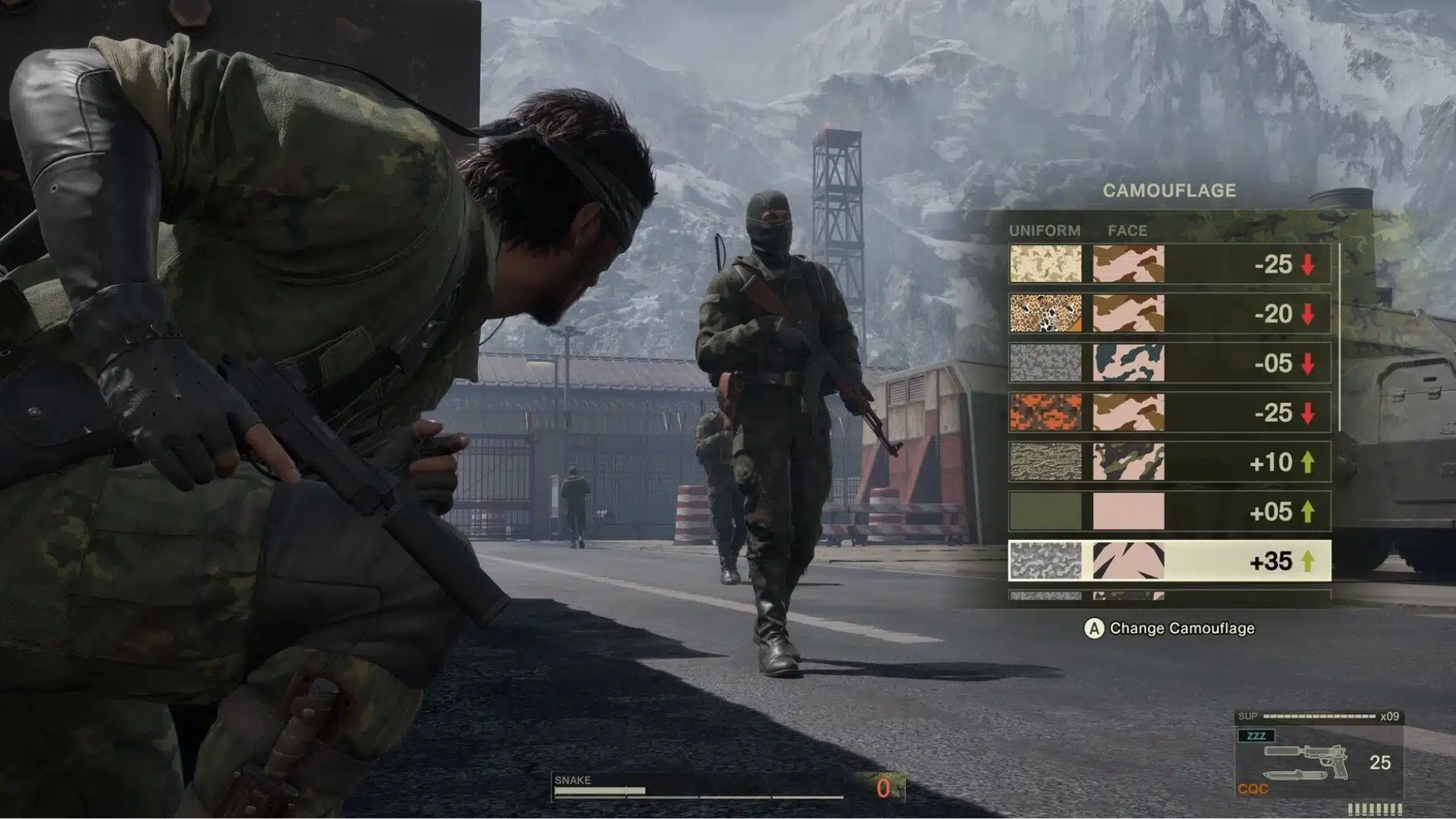
The changes in Delta are split between visual improvements and gameplay adjustments. The first is immediately noticeable, while the second changes how players approach stealth.
1. What the Unreal Engine 5 Overhaul Looks Like in Practice
The Unreal Engine 5 rebuild transforms the jungle environment, character models, lighting, and overall atmosphere.
The world has more environmental detail, with improved textures, realistic shadows, and updated animations that make the survival setting feel more physical.
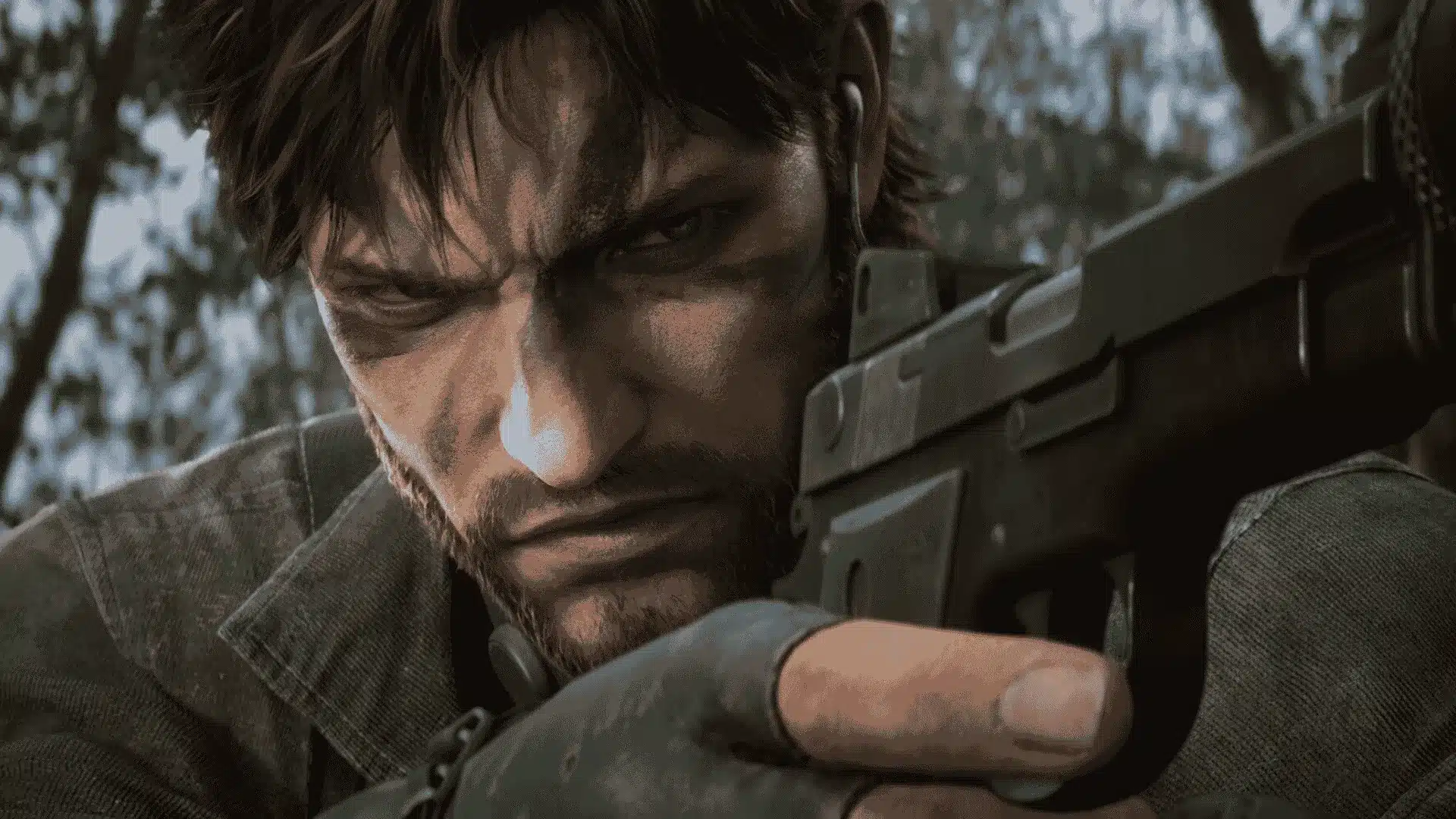
Snake also reacts visually to the environment. Dirt, injuries, and damage can remain visible during gameplay, adding more connection between actions and appearance.
Players who prefer the original atmosphere can also use legacy presentation options that bring back elements of the classic look.
The visual upgrade gives Snake Eater a modern presentation without removing the tone that defined the original.
2. Fox Hunt: The New Multiplayer Mode
Delta also adds Fox Hunt, an online multiplayer mode built on the same jungle environments as the campaign.
Players take on infiltrator or pursuer roles in a competitive cat-and-mouse format that borrows Metal Gear’s stealth mechanics rather than turning the series into a straight shooter.
It’s a bonus mode layered on top of the single-player remake, not a replacement for it, and it gives Delta something the 2004 original never had.
3. How the Modern Controls Change the Feel of Stealth and Boss Encounters
The control update is the change that most affects gameplay.
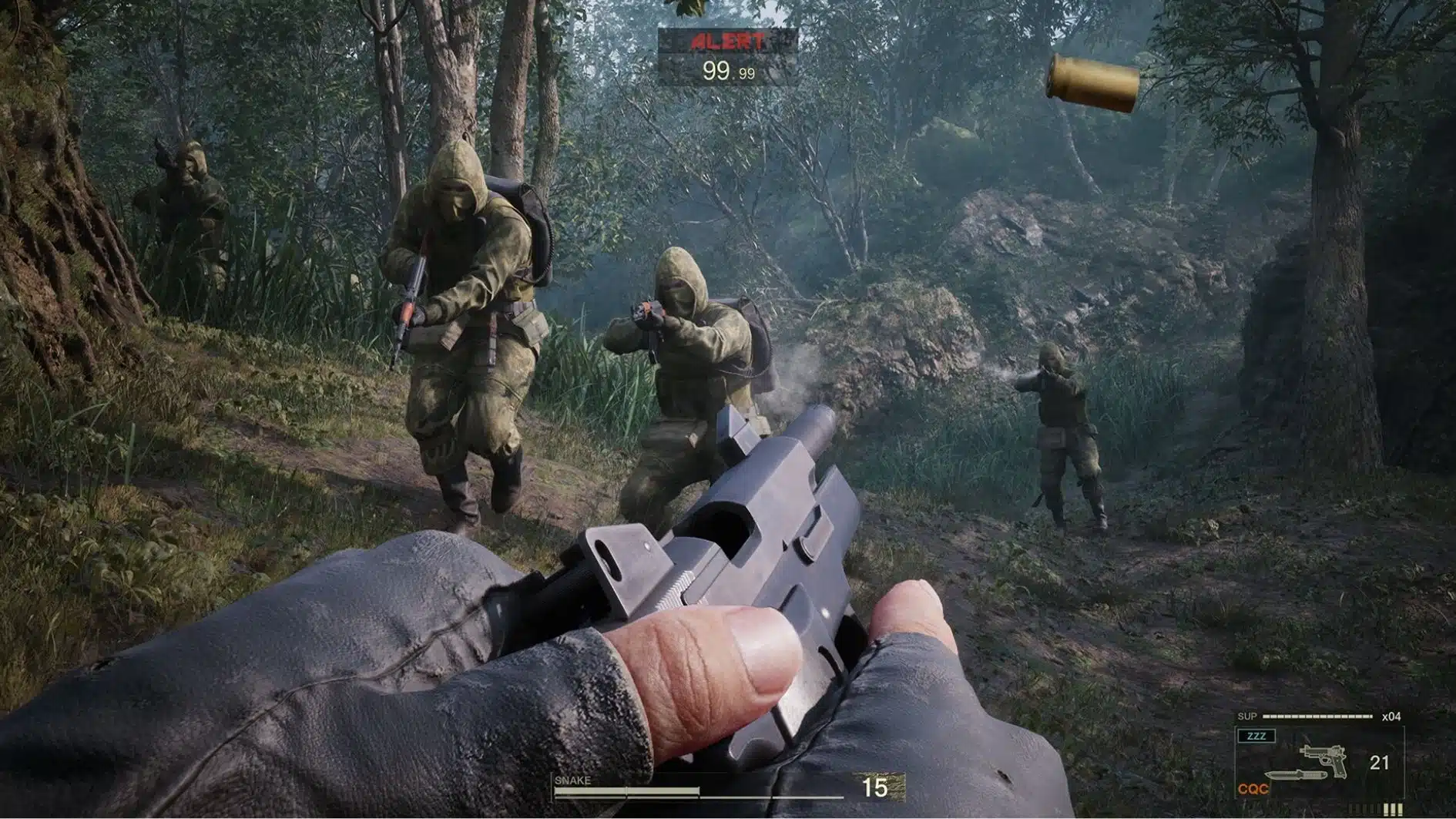
Delta introduces smoother movement and over-the-shoulder aiming similar to Metal Gear Solid V. Snake feels more responsive, making aiming, movement, and positioning easier.
That improvement changes stealth encounters because the original game used slower movement and less precise controls to create tension.
In MGS3, difficulty often came from managing those limitations. Players had to carefully plan movement because mistakes were harder to recover from.
With modern controls, some encounters feel less restrictive. Boss fights and stealth sections remain intact, but players have more control over how they approach them.
The remake improves accessibility, though it also changes part of what made the original feel tense.
Does the 1:1 Approach Work and Where Does It Create Problems?
Metal Gear Solid Delta’s faithful approach is both its biggest strength and limitation. It preserves the original experience while keeping many older design decisions intact.
Snake Eater’s original tension came from slower movement, careful positioning, and limited controls.
Those restrictions shaped how players handled stealth, enemies, and dangerous situations.
Some of that tension came from the control limitations themselves, so smoothing those controls out changes the challenge even though nothing was cut on purpose.
It’s a trade-off worth weighing against how another faithful 2025 remake handled the same balance between preservation and modern feel.
The issue is not that the remake removes difficulty intentionally. The challenge changes because some tension originally came from the control limitations themselves.
The approach works best with story, atmosphere, and boss encounters. Those elements remain powerful because they were never dependent on the older control system.
Performance and Technical State: What to Know Before You Buy
Metal Gear Solid Delta delivers a major visual upgrade, but its Unreal Engine 5 foundation brings some technical concerns.
Some players have reported occasional frame drops and traversal stutters across platforms, with PC performance varying depending on hardware and settings.
Anyone weighing an upgrade before diving in can check how a 3070 stacks up against a 4060 for this kind of workload.
The issues aren’t constant for every player, but they appear often enough to consider before buying.
- PC performance: More dependent on hardware configuration and optimization settings.
- PS5 and Xbox Series X/S: More consistent overall but still affected by occasional drops.
- Steam Deck: Less suitable due to performance limitations.
The visual improvements are impressive, but players sensitive to unstable frame rates should consider the current technical state before purchasing.
Is Metal Gear Solid Delta Worth It and for Whom?
Metal Gear Solid Delta offers different value depending on your history with Snake Eater.
The remake does not try to replace the original with a new interpretation. It focuses on making the same experience easier to access and more visually impressive.
1. Buy It if You are New to MGS3
For first-time players, Delta is the easiest way to experience Snake Eater today.
- You want a modern entry point: Updated controls remove much of the friction from the original release.
- You enjoy story-driven stealth games: The narrative, boss encounters, and survival mechanics remain strong.
- You want the definitive presentation: The Unreal Engine 5 rebuild makes the world feel much more alive.
New players get the biggest upgrade because they can experience the classic design without adjusting to older controls.
2. Consider It if You are Returning to the Series
Returning fans will find a familiar adventure with a completely different presentation.
- You want to revisit the story: The original script and performances remain intact.
- You appreciate visual upgrades: The environments and characters receive a major transformation.
- You want smoother gameplay: Modern controls make replaying more comfortable.
For fans who have not touched MGS3 in years, Delta offers a strong reason to return.
3. Think Twice If You Already Own MGS3
Existing owners face the hardest decision because Delta doesn’t add major new content.
- You regularly replay the original: The remake may not offer enough beyond visuals and controls.
- You want a redesigned experience: Missions, story structure, and level layouts remain familiar.
- You prefer the original difficulty: Modern controls change how stealth encounters feel.
The remake is easier to recommend for newcomers than longtime owners who already know Snake Eater inside out.
Conclusion
This Metal Gear Solid Delta review comes down to one simple trade-off: how much preservation is worth to you.
Konami rebuilt Snake Eater with sharper visuals, smoother controls, and every story beat fans already love, without changing the bones of the original game.
New players get one of the easiest ways into a legendary stealth series, and returning fans get a real reason to jump back into the jungle.
Owners who already know every patrol route may find less to wait for beyond the visual upgrade. Wherever you land, Delta is worth seeing for yourself.
Planning to replay the game with new graphics & style? Tell us in the comments below.
Frequently Asked Questions
Is Metal Gear Solid Delta Good for Someone Who Has Never Played MGS3?
Yes, it is one of the best entry points into the story and one of the strongest stealth-action games available right now. The modern controls remove the barrier of the PS2 original’s stiff movement, and the Unreal Engine 5 presentation means new players aren’t asked to overlook dated visuals to appreciate the game.
Does Metal Gear Solid Delta Change the Story or Add New Content?
No. The script, voice performances, and cutscene framing are preserved exactly from the 2004 original, with no expanded lore or reinterpreted narrative beats. The remake’s changes are entirely presentational and mechanical, plus the added Fox Hunt multiplayer mode, so the core story experience is identical to the source.
Is Metal Gear Solid Delta Better than the Original MGS3?
As a playable experience, most reviewers and players consider it the stronger version, since the visual rebuild and modern controls are substantial improvements. Whether it’s “better” as a design artifact is more contested, since the original’s deliberate control friction was intentional and some argue the remake softens that challenge by removing it.
How Long is Metal Gear Solid Delta: Snake Eater?
Playtime mirrors the 2004 original, typically running 15 to 20 hours for a first playthrough, depending on how much time you spend on optional survival mechanics, exploration, and cutscenes. There’s no added campaign content that extends this, since the remake’s length is set by the source game’s structure.