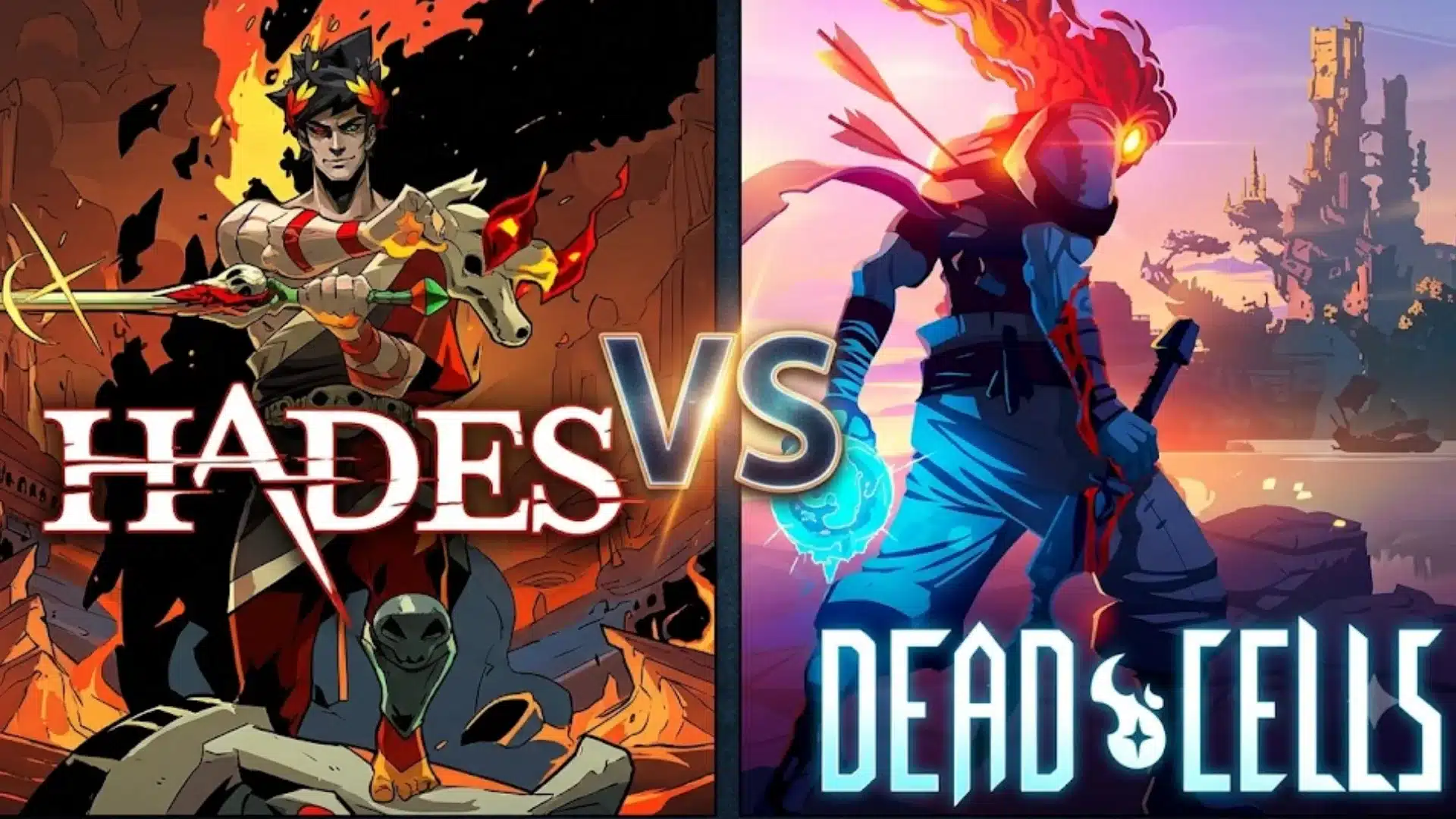
If you play indie games often, you have probably seen players argue over these two labels. I understand why the confusion happens, because many modern games borrow ideas from both sides.
The roguelike vs roguelite difference usually comes down to one thing: what happens after you die.
Some games reset nearly everything and ask you to improve through skill and knowledge.
Others let upgrades, weapons, resources, or unlocks carry into future runs. That one design choice changes how failure feels and how progress works.
Here, I will explain both genres simply, compare their key traits, and help you tell which label fits a game.
What is a Roguelike vs a Roguelite?
The main difference is simple: what happens after you die.
A roguelike usually resets almost everything. Your gear, currency, map progress, and upgrades disappear when the run ends. You start again from scratch, carrying only the knowledge and skill you gained.
The genre traces back to Rogue, the 1980 dungeon crawler known for turn-based movement, grid-based levels, procedural generation, and permadeath.
A roguelite keeps the repeated-run structure but allows some permanent progress. You may unlock weapons, improve starting equipment, spend persistent currency, or upgrade abilities between runs.
Both genres rely heavily on procedural generation and failure.
The real dividing line is progression: roguelikes reset your character, while roguelites usually give you something permanent to build on.
What Actually Separates Them?
Saved progress is the clearest clue, but pacing, structure, and system depth also reveal whether a game behaves more like a roguelike or roguelite overall.
1. Meta-Progression is the Main Divider
If upgrades, currency, weapons, or stats survive a failed run, the game usually belongs on the roguelite side of the line.
If everything resets completely and only your knowledge improves, that stronger reset structure points much more clearly toward traditional roguelike design.
2. Combat Pace Helps Confirm the Label
Traditional roguelikes often use turn-based movement and grid layouts, while roguelites commonly favor real-time combat with quicker reactions and faster pacing.
These traits don’t decide the genre alone, but they can support the classification when permanent progression leaves room for debate.
3. System Depth Changes With Progression
Roguelikes usually demand deeper knowledge of resources, positioning, items, and interactions because player understanding becomes the main form of lasting progression.
Roguelites can simplify some of those systems because permanent unlocks, stronger gear, and upgrades give players another way to advance.
Start with what survives death, then use combat pace and system depth as supporting evidence when a game’s genre label still feels uncertain to you.
How Does the Difference Play out in Practice?
The difference becomes much clearer during actual runs, where each genre changes how failure, improvement, decision-making, and long-term progress feel to players overall.
| Area | Roguelike | Roguelite |
|---|---|---|
| Failure | A failed run usually means starting from zero. | A failed run can still contribute to future progress. |
| Improvement | Progress depends mainly on player skill and knowledge. | Progress comes from skill plus permanent upgrades. |
| Pressure | Every fight, item, and decision carries more weight. | Persistent rewards make failed runs feel less punishing. |
| Progress | Success mostly depends on completing the current run. | Progress continues across multiple attempts. |
| Next Run | You return with knowledge, but no stronger character. | You may return with better gear, stats, or unlocks. |
Once that pattern clicks, spotting the label on a brand-new game takes only a few quick checks.
How to Tell Whether a Game Is Roguelike or Roguelite?
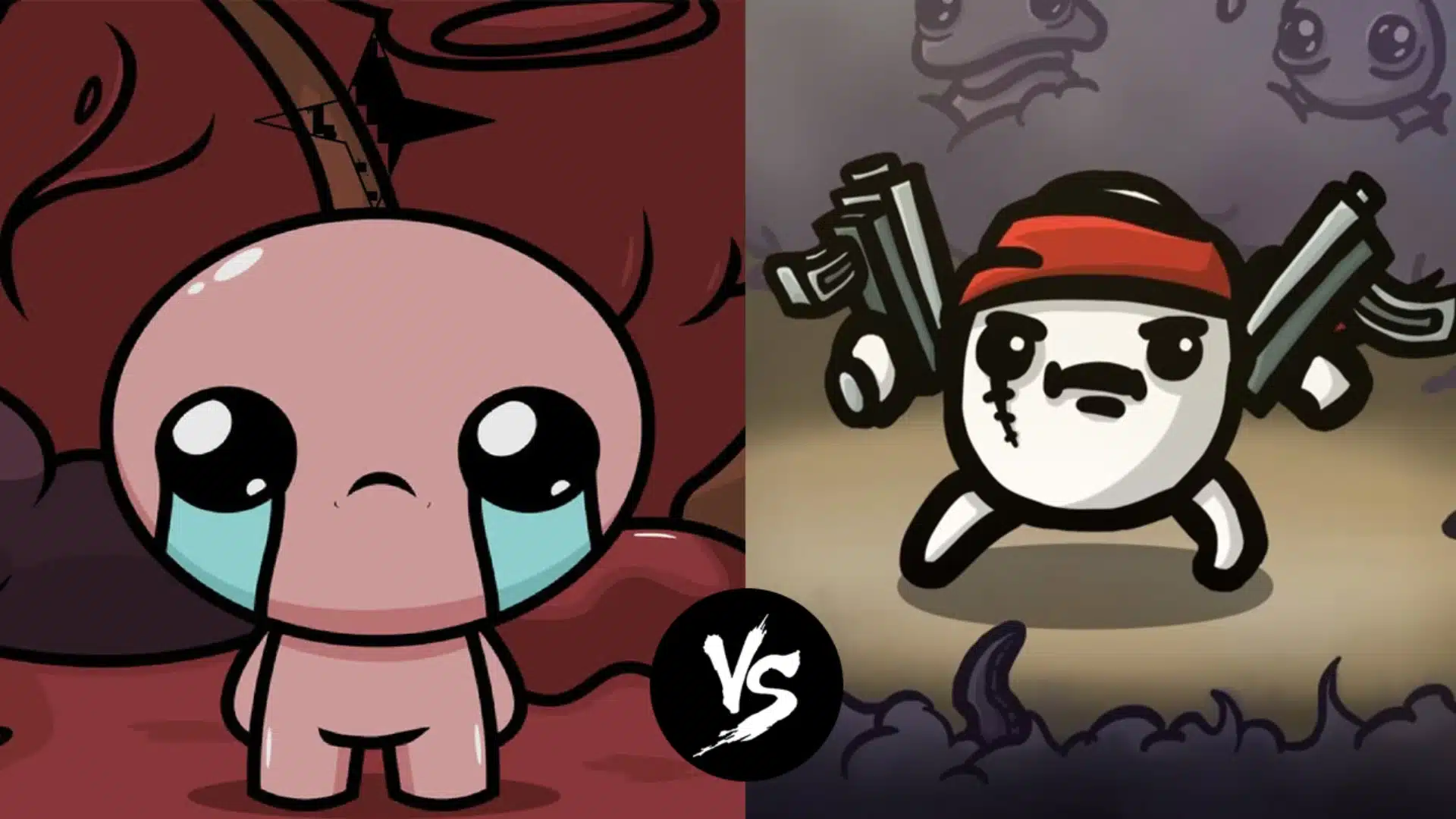
You can usually classify a game by checking what survives death, how combat works, and whether each run begins from roughly the same baseline.
- Check what carries over: Permanent weapons, stat boosts, currencies, or upgrades usually point toward roguelite design rather than a full reset.
- Look at the restart: If death sends you back with no mechanical advantage, the game leans more strongly toward traditional roguelike structure.
- Check the combat style: Turn-based, grid-based play often supports a roguelike label, while real-time action appears more often in roguelites.
- Watch how progression works: If improvement mainly comes from player knowledge, think roguelike. If the character also grows permanently, think roguelite.
- Use multiple traits together: Borderline games can mix both styles, so avoid judging the entire genre label from one mechanic alone.
Why Store Tags Can Mislead You?
Storefronts often slap both labels on the same game at once, since a wider net catches more buyers searching either term.
I have gotten burned by trusting tags alone more than once. A better move is reading the developer’s own description of what happens after you die.
If the store page mentions permanent upgrades, unlocked gear, or persistent currency anywhere in the first few lines, treat that as your answer before any tag settles it for you.
Roguelike vs Roguelite Examples
Examples make the difference easier to spot.
Traditional roguelikes such as NetHack, ADOM, and Caves of Qud focus on deep systems, procedural levels, permadeath, and runs where knowledge matters more than permanent upgrades.
Roguelites take the same run-based structure but let some progress survive. Hades lets you spend resources on lasting upgrades between escape attempts.
Dead Cells unlocks weapons and abilities that expand future runs. Rogue Legacy 2 goes even further by letting each new heir benefit from permanent improvements.
If you want more picks that lean into that same risk and reward loop, our best roguelike games list rounds up several favorites worth trying.
Some games sit near the line, so labels can still vary. That is why two players may classify the same title differently.
The easiest test is simple: check whether death sends you back to a true reset or leaves behind meaningful progression for the next attempt.
Which Genre Matches Your Playstyle?
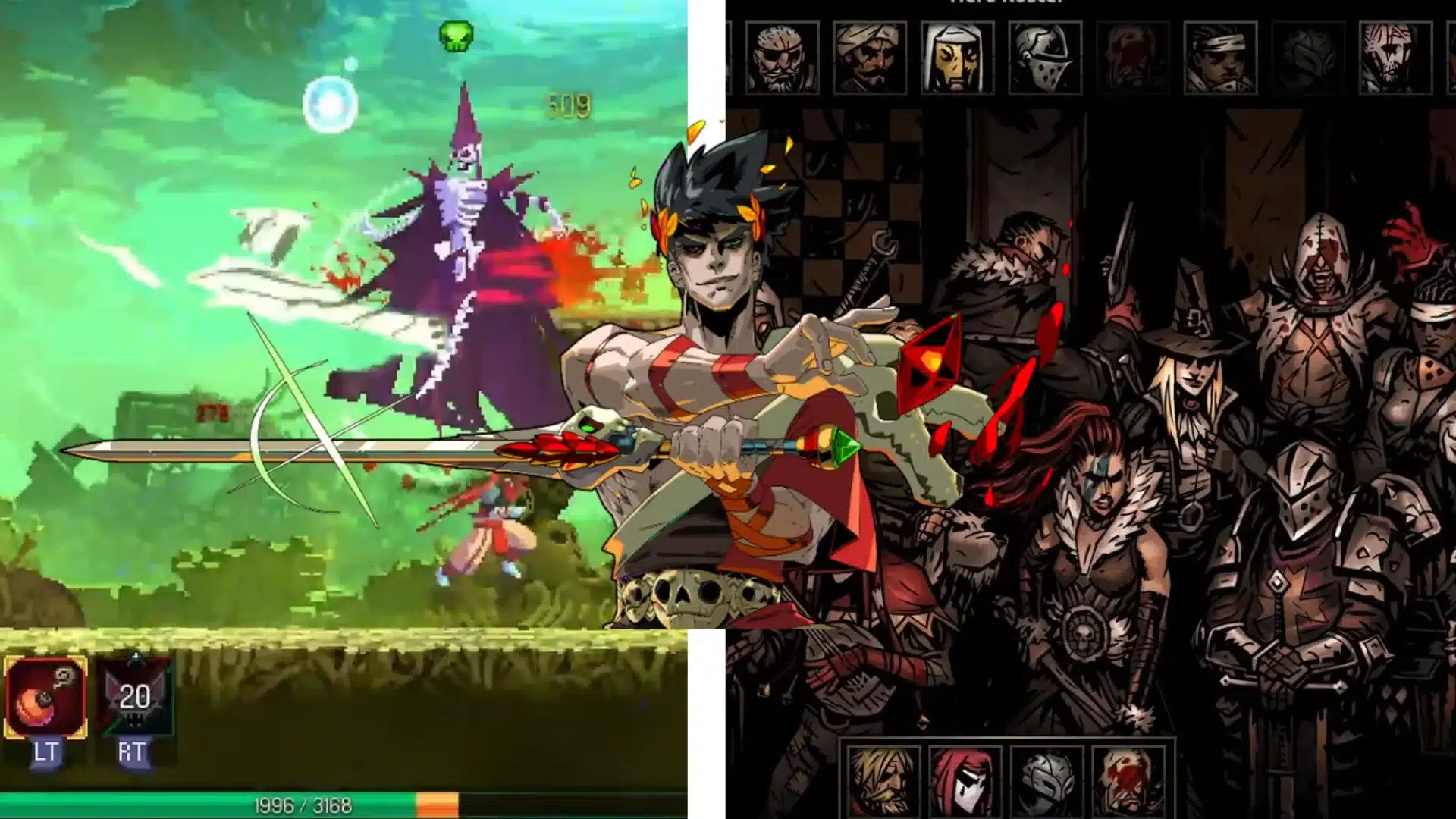
Your choice depends on whether you enjoy steady progression, complete resets, fast action, or slower decisions where knowledge matters more than permanent upgrades between runs.
- Want steady progress: Choose roguelites if you like earning upgrades, weapons, or resources that make later attempts feel more rewarding.
- Prefer pure mastery: Roguelikes suit players who want success to depend mainly on knowledge, planning, positioning, and better decisions.
- Enjoy faster combat: Many roguelites favor quick, reactive action, making them a stronger fit for players who prefer constant movement.
- Like slower decisions: Traditional roguelikes often use turn-based systems where careful planning matters more than reaction speed.
- Hate losing everything: Roguelites soften failed runs by preserving some progress, while roguelikes usually expect you to restart from scratch.
There is no wrong answer here, only the one that matches how you want to feel five minutes after a brutal death.
Conclusion
The roguelike vs roguelite difference is easier to understand once you look at what survives death.
If a game resets almost everything and progress depends mainly on your knowledge, skill, and choices, it leans roguelike.
If permanent upgrades, currency, weapons, or unlocks carry into future runs, it leans roguelite. Both styles can be rewarding, but they create very different feelings after failure.
Roguelikes make each run feel sharper and more demanding, while roguelites make failed attempts feel like part of a longer climb.
Which style do you enjoy more? Share your favorite roguelike or roguelite game in the comments.
Frequently Asked Questions
Is Hades a Roguelite or a Roguelike?
Hades is a roguelite. Runs are procedurally generated, and death sends you back to the start. You keep permanent upgrades between attempts, though, including Mirror of Night boons, relationship progress, and weapon aspects. That persistent progression is exactly what separates a roguelite from a strict roguelike.
Is Elden Ring a Roguelike?
No. Elden Ring lacks the core roguelike traits: it has a fixed, non-procedural world, full save persistence, and no permadeath, since a death only sends you back to the last checkpoint. Its brutal difficulty invites the comparison constantly, but structurally it shares almost nothing with Rogue-style games or their run-based design.
Is Diablo a Roguelite?
Not traditionally. Diablo has procedural loot drops and shifting dungeon layouts, which is exactly why players lump it in with the genre, but dying never ends your run or resets your gear. It gets grouped with roguelites informally in casual conversation, but without permadeath on the line, it falls outside the strict definition most players use.
Is Balatro a Roguelike or Roguelite?
Balatro is a roguelite. Each run still ends permanently the moment you fail a blind, with no continuing that specific attempt. New jokers, vouchers, and decks you have unlocked persist afterward, though, gradually expanding what shows up in future runs and shaping which builds are even possible. That carryover is the defining trait of a roguelite.