High on Life 2 is not trying to be a normal shooter, and that is exactly what makes it interesting.
The sequel brings back the talking weapons, strange alien worlds, crude comedy, and chaotic bounty hunting that defined the first game.
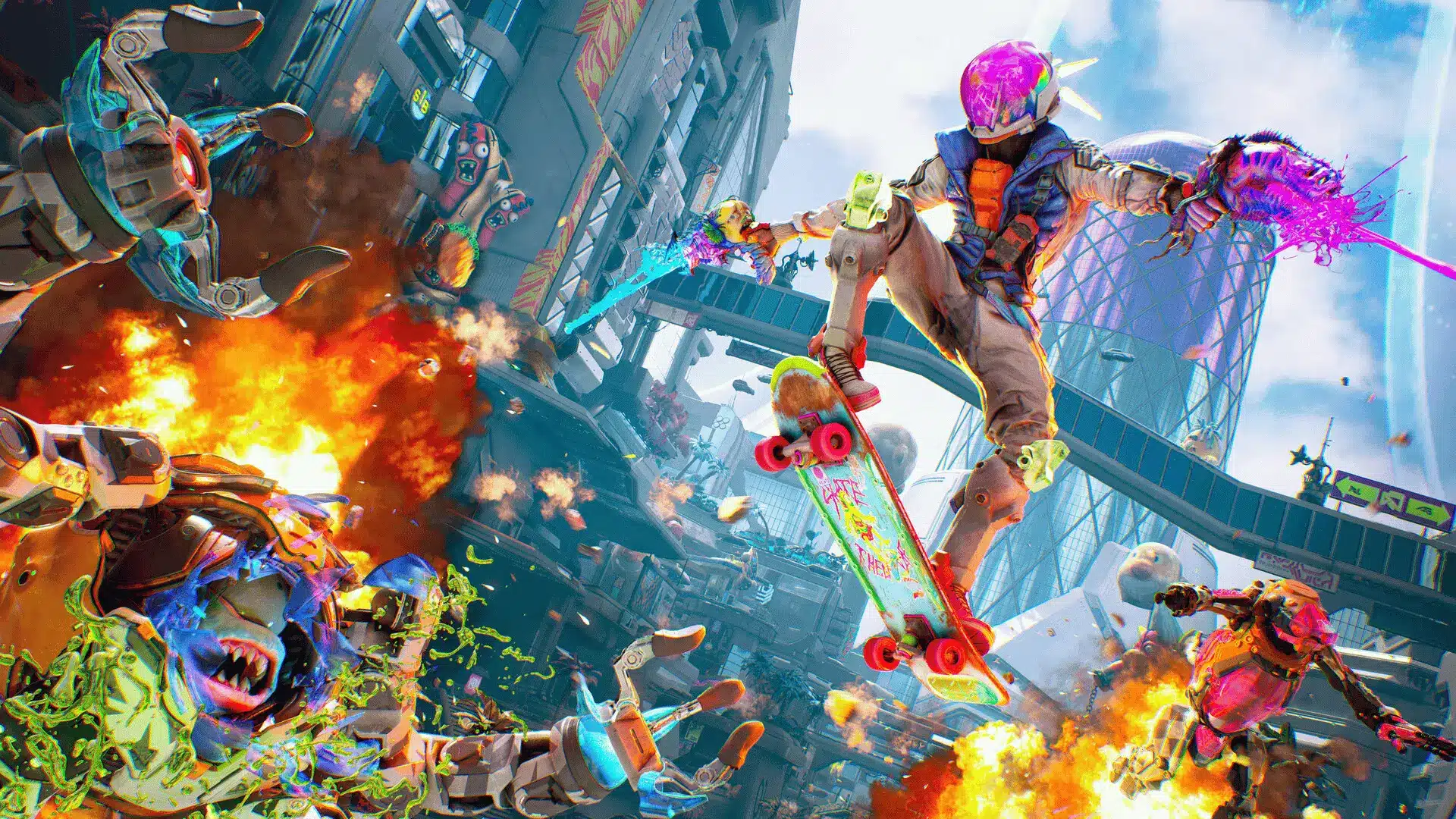
This time, though, the experience moves faster thanks to skateboard traversal, larger areas, and more room to mess around between fights.
In this High on Life 2 review, I will be looking at the story, combat, characters, movement, humor, performance, and expert reactions to see whether the sequel actually improves the original or only makes it louder, and to help you decide if this game is worth buying or not.
What Is High on Life 2?
High on Life 2 is the follow-up first-person shooter from Squanch Games, returning players to its bizarre sci-fi universe filled with talking guns, alien bounties, and absurd humor.
It continues the same chaotic formula with a larger scope. You still hunt bounties across strange planets controlled by unpredictable characters and living weapons.
The basic concept remains familiar, but the sequel feels faster, bigger, and more ambitious in its approach it combat and exploration.
The game launched in February 2026 for PC and consoles, with Game Pass availability from day one.
This gives players an easier way to experience the sequel without buying it immediately. At its core, High on Life 2 remains a comedy-driven shooter rather than a traditional FPS.
Every weapon has a personality, comments on your actions, and creates a more interactive experience during fights.
Returning players will quickly recognize the original game’s style and humor.
New players can also jump in without much background knowledge, as the sequel provides enough context to follow its story.
Story and Characters in High on Life 2
High on Life 2 continues after the first game’s events, but the story quickly explains what you need to know. You can follow the plot without remembering every detail from the original.
You’re still working with the Gatlians, the talking weapons who turn bounty hunting into a chaotic personal adventure.
Their arguments, jokes, and reactions remain a major part of the game’s personality.
Key character highlights:
- The Gatlians return as the main attraction, with each weapon bringing a different personality, attitude, and style of humor to every mission.
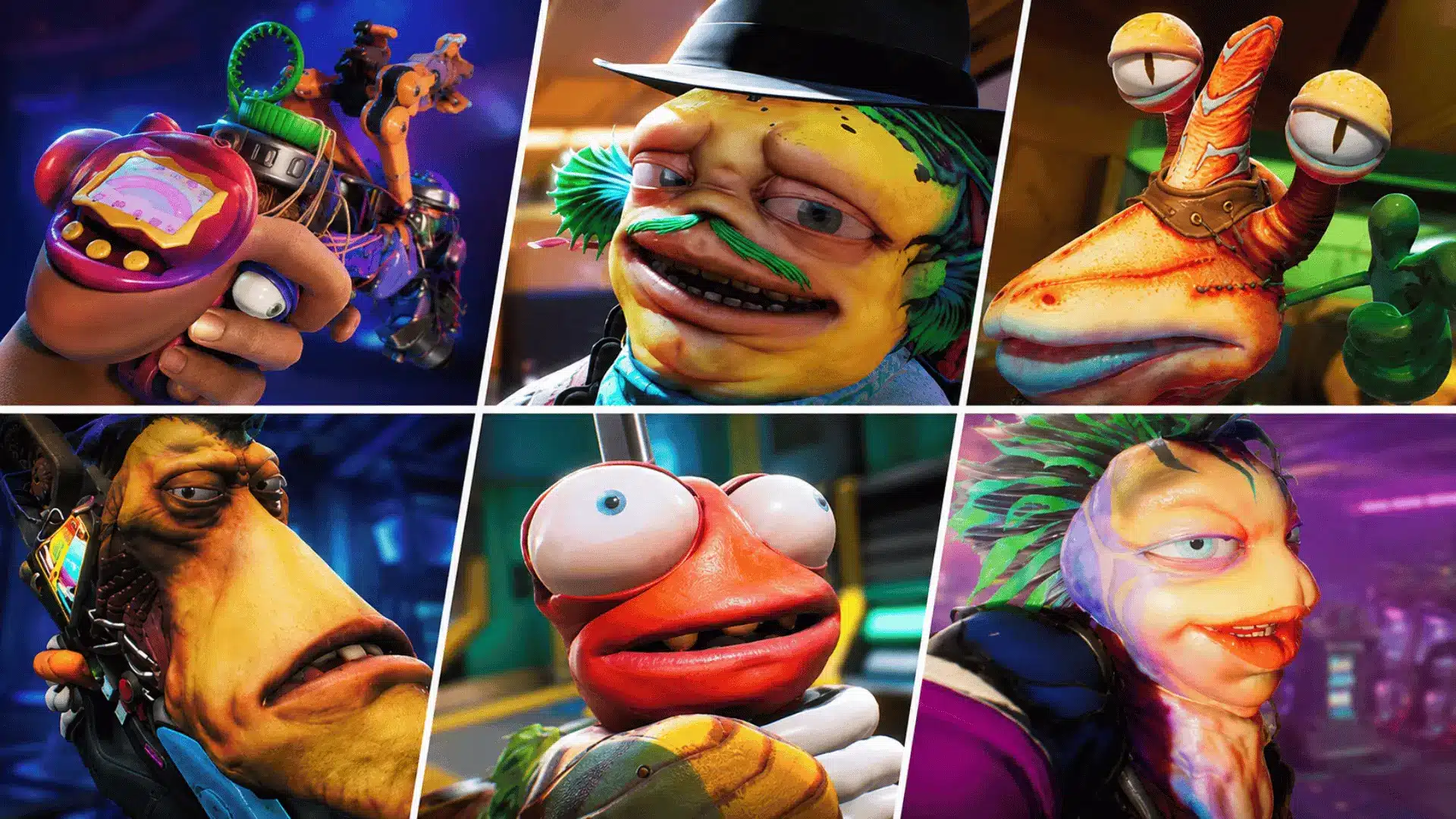
- Familiar characters like Gene and members of Kenny’s crew return, while new faces join the story with their own goals and motivations.
- Voice performances remain one of the game’s strongest parts, delivering fast jokes, sarcastic comments, and constant reactions during gameplay.
What stands out most about the cast is how much personality each weapon adds to combat.
Every Gatlian feels like a companion rather than just another tool, which is what kept fights entertaining for me even during longer sessions.
The biggest strength of the characters is how much personality they add to combat.
Every weapon feels like a companion rather than just another tool, keeping fights entertaining even during longer sessions.
New players can also start here without feeling lost. The writing provides enough background to understand the world while letting the sequel build its own story.
High on Life 2 Review: Characteristics
High on Life 2 builds on the original with new movement options, expanded combat systems, and more ways to interact with its strange sci-fi world.
1. Combat and Talking Weapons
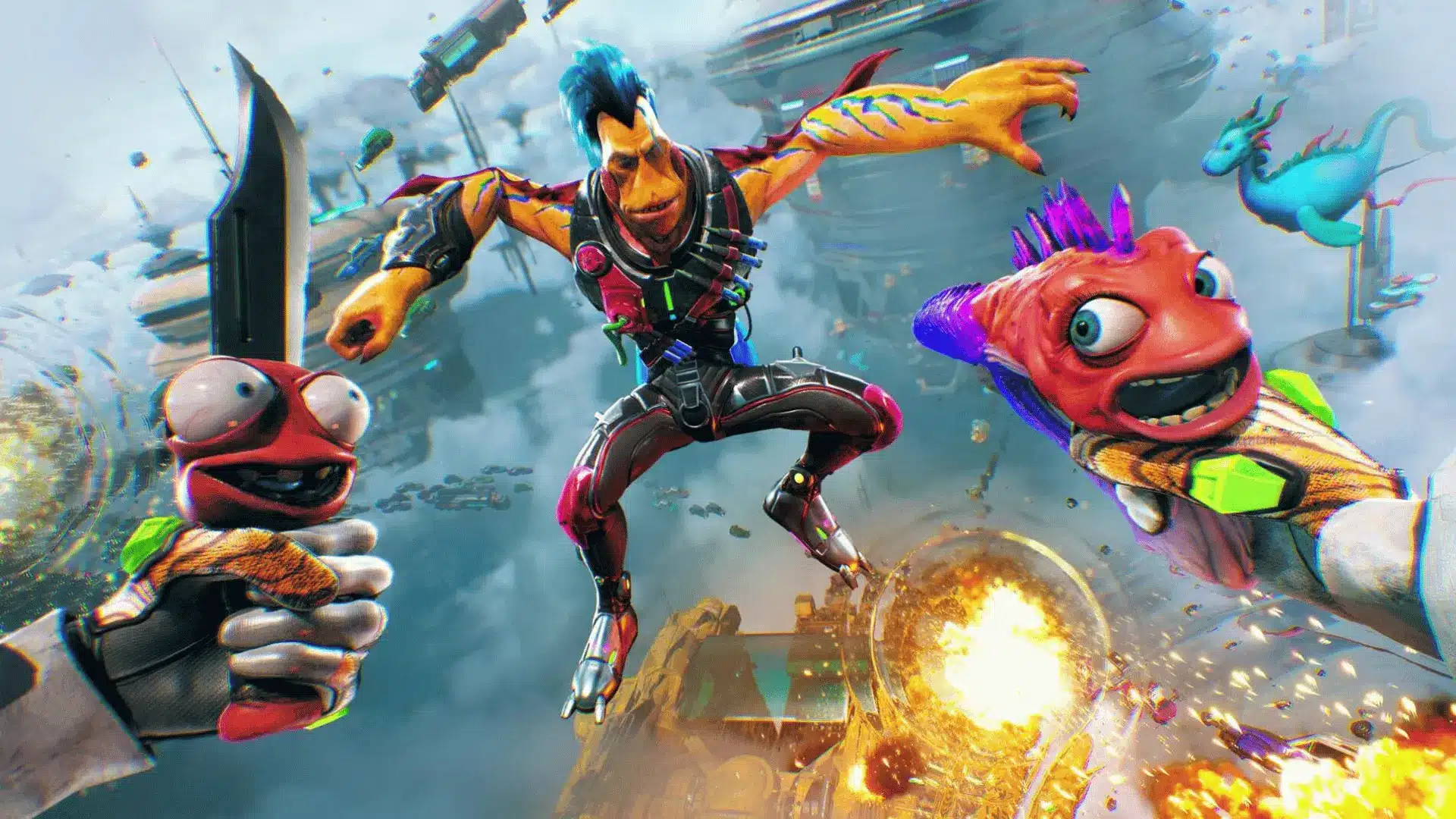
The Gatlians return as living weapons, bringing the same personality-driven combat style from the first game.
Each gun still talks, reacts, and adds humor during fights, while new abilities create more ways to approach encounters.
Combat feels more varied but not always more polished.
Some weapons feel powerful and satisfying, while others lack impact. Boss fights focus more on spectacle and personality than demanding mechanical skill.
2. Skateboard Movement and Exploration
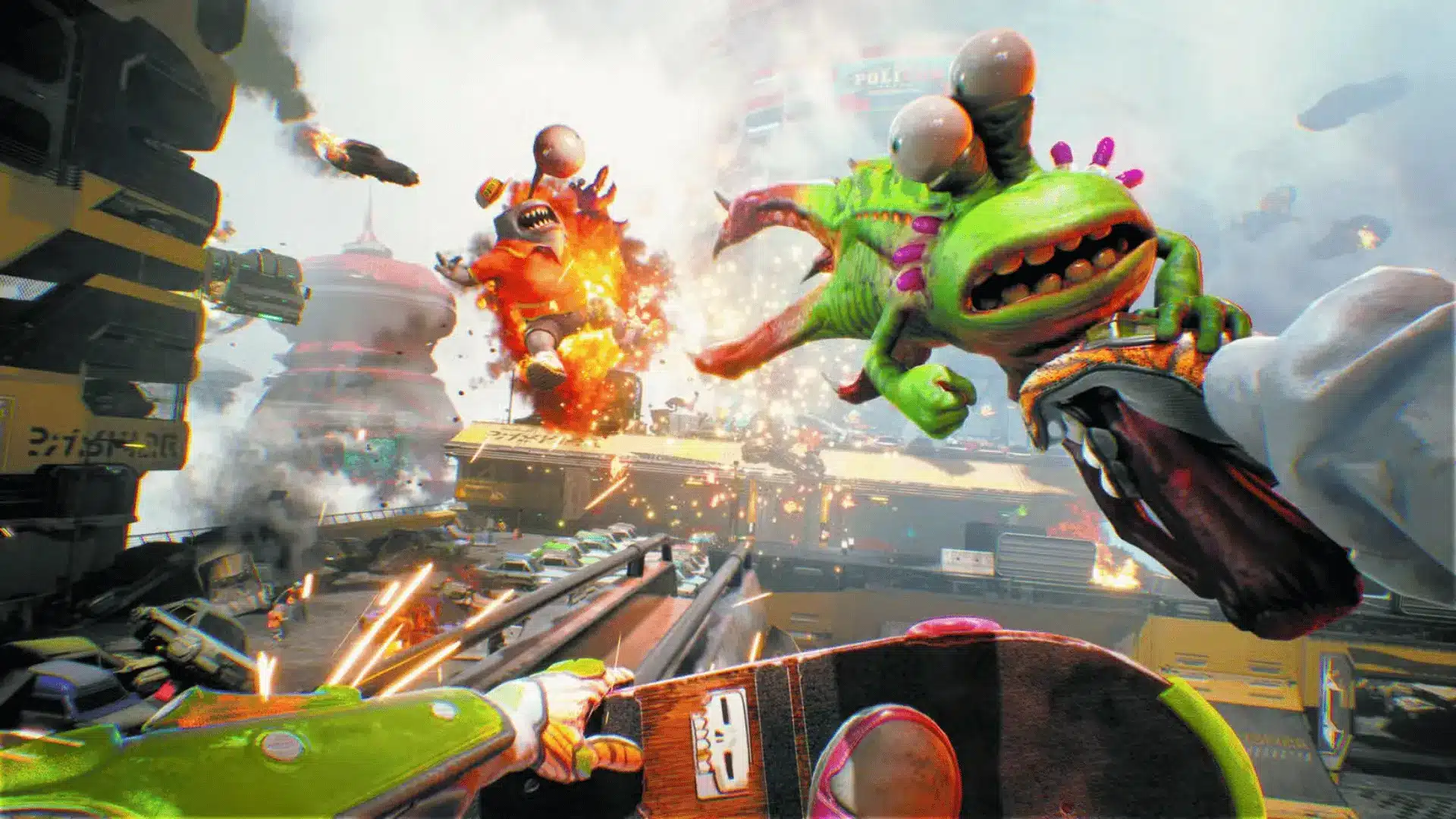
The skateboard is the biggest gameplay addition, replacing traditional sprinting with faster movement built around momentum.
You can grind rails, wall-ride, and move through open areas with a more active flow.
Exploration benefits the most from this change. Reaching hidden locations feels quicker, while platforming sections add variety.
However, movement physics can sometimes feel inconsistent, especially during precise jumps and landings.
3. Humor and Interactive Comedy
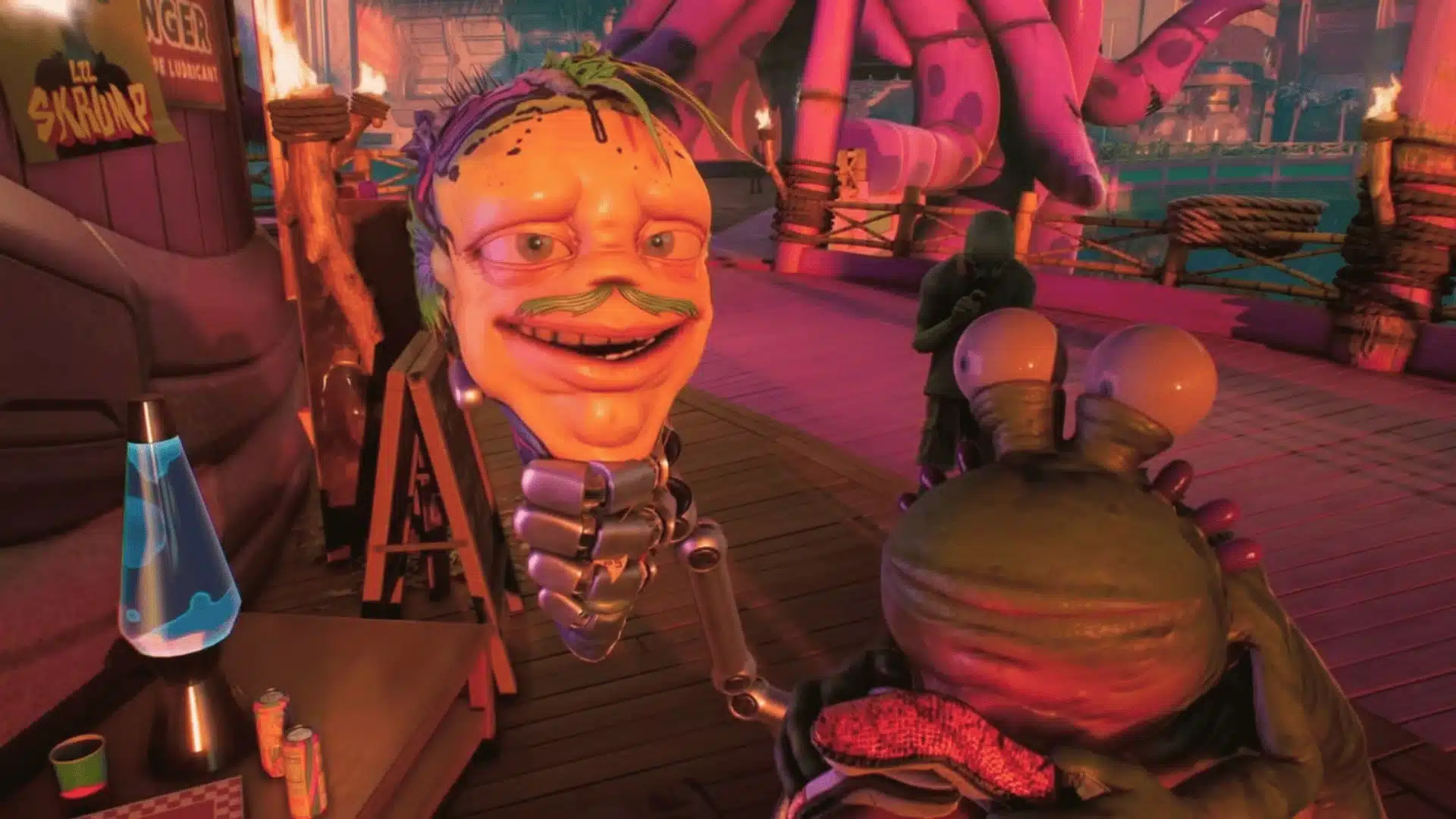
The comedy remains the heart of High on Life 2, with talking weapons, unpredictable characters, and constant dialogue shaping the experience.
Most jokes come through quick conversations rather than long scripted scenes.
The humor works best when mixed with gameplay, keeping fights and exploration lively.
However, the style remains similar to the first game, so players who disliked the original’s comedy may still feel the same way.
4. Graphics, Performance, and Technical Issues
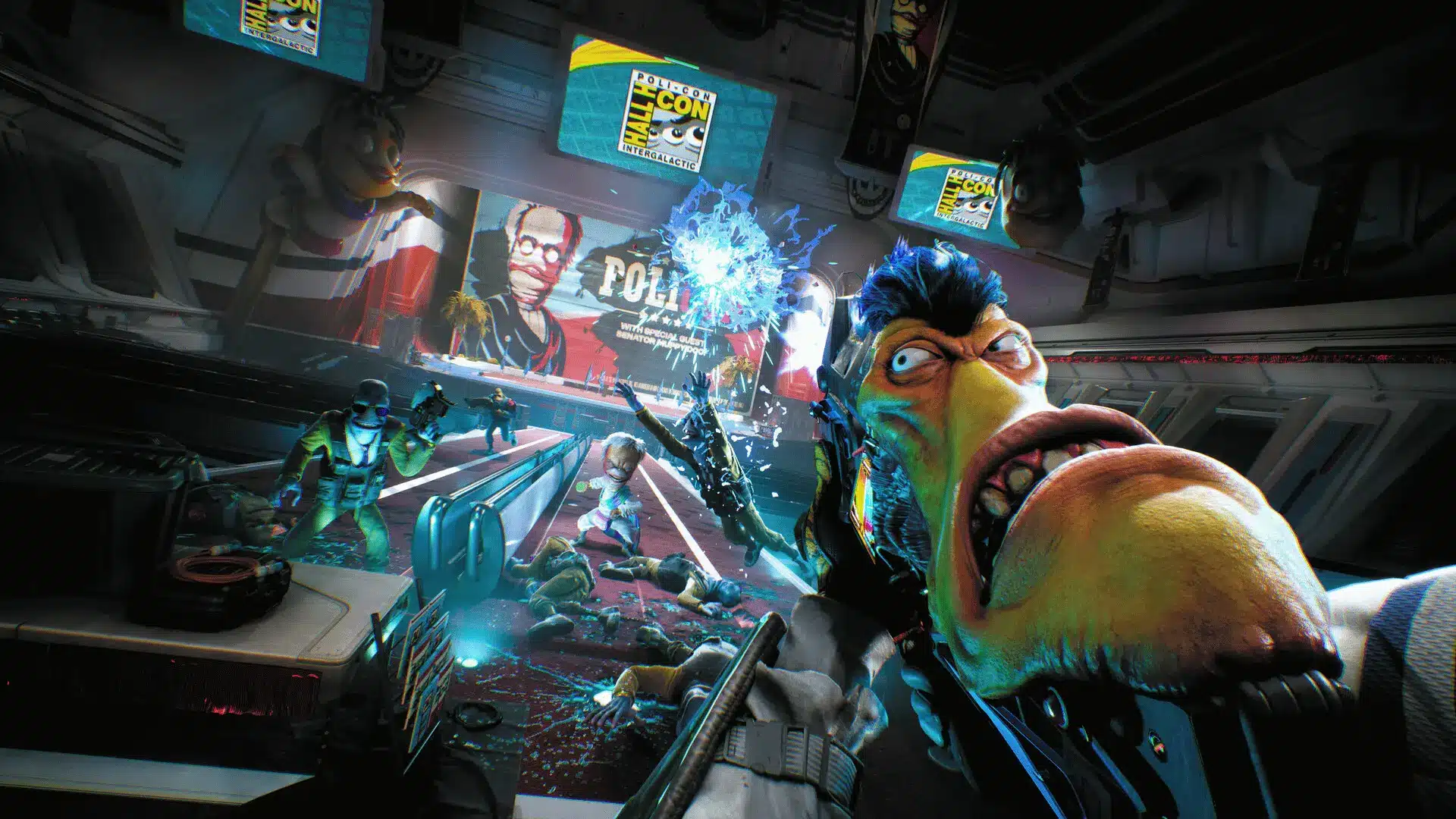
The visual design matches the game’s colorful sci-fi personality, with exaggerated alien environments and creative world layouts.
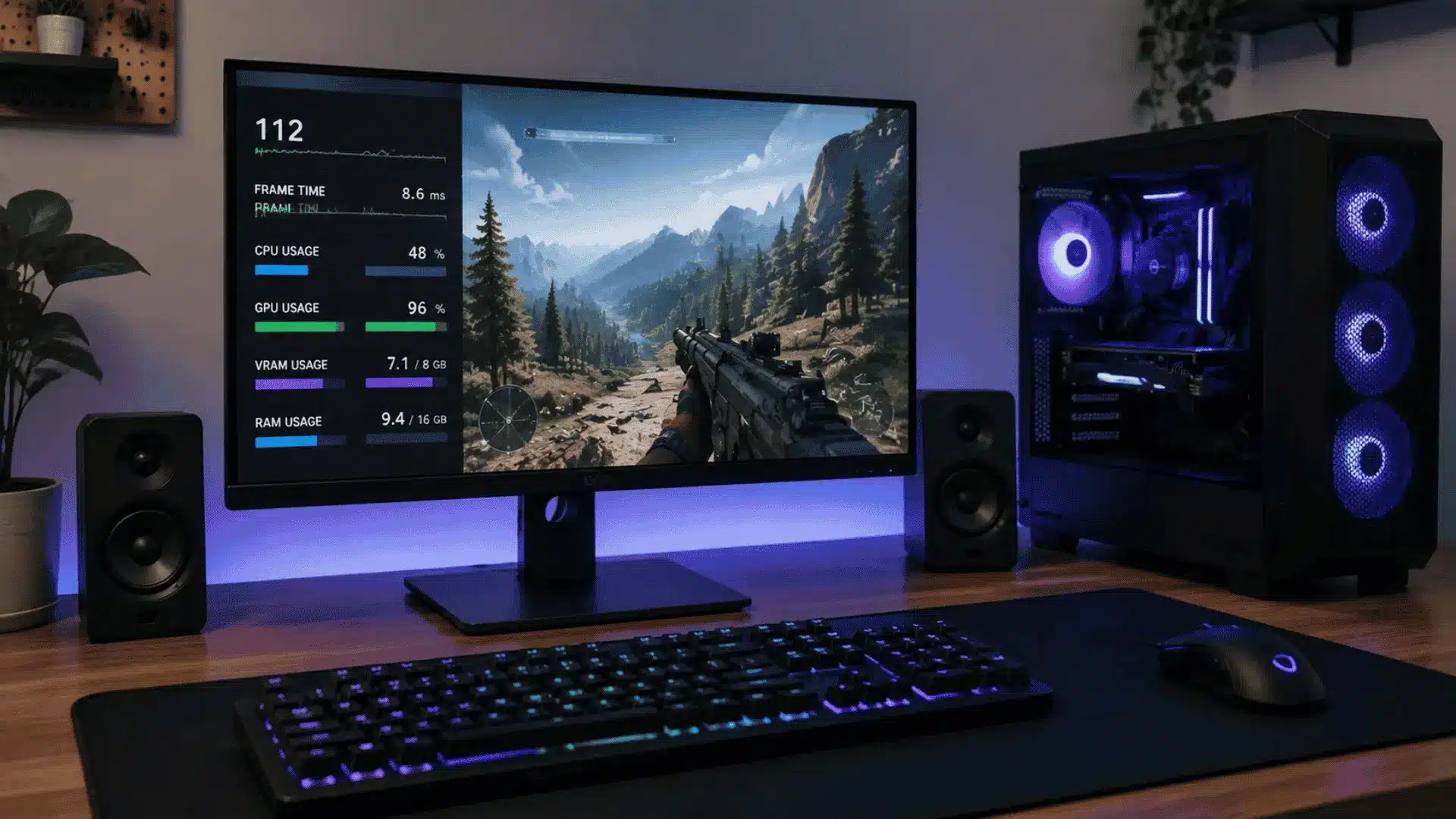
The art direction helps the sequel stand out even when other areas feel less refined. Performance remains a concern, especially in larger areas with heavy effects.
Players have reported frame drops, pop-in, and occasional bugs, including issues that can interrupt progress during certain sections.
5. Side Activities and Replay Value
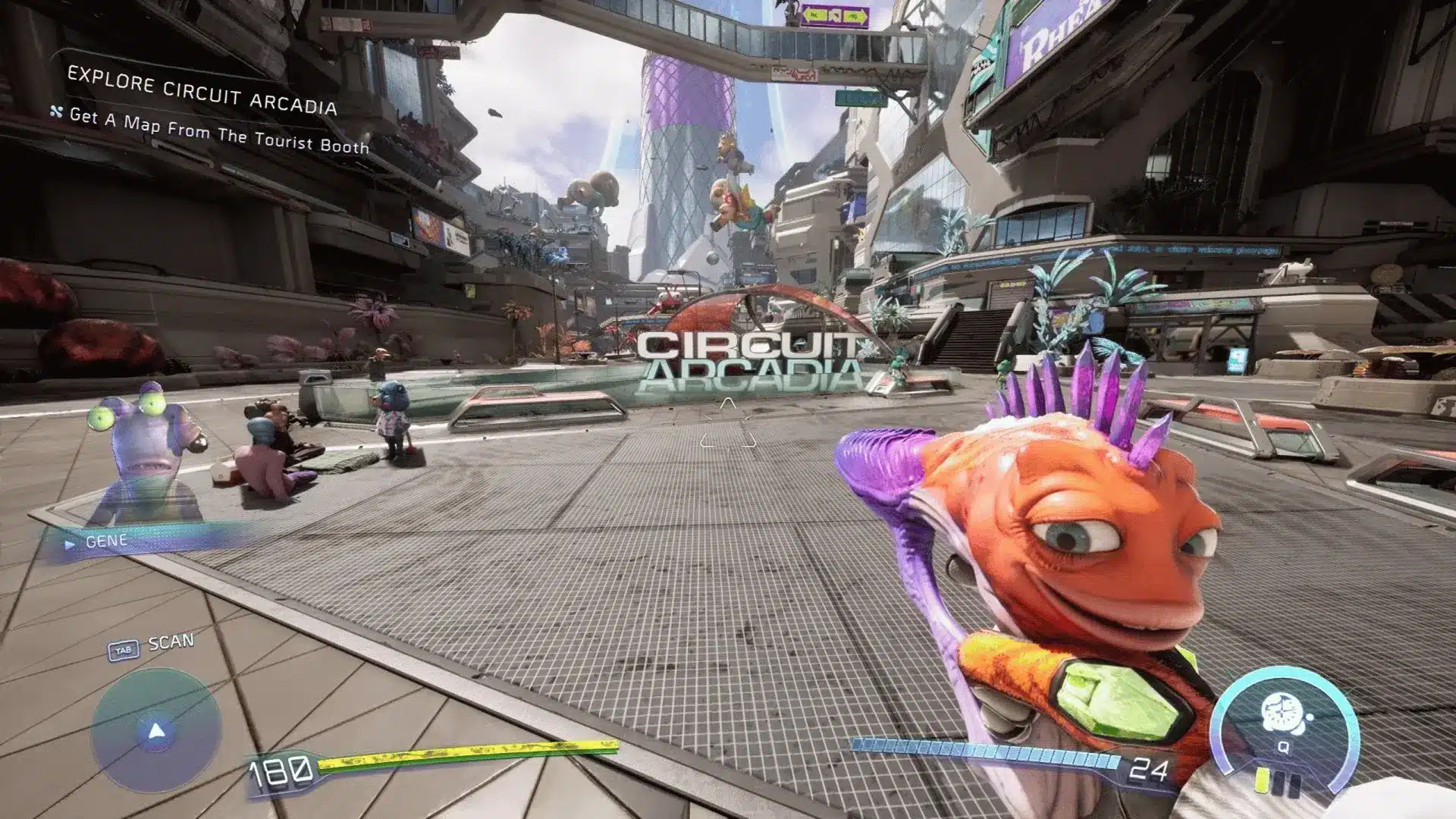
The optional content adds extra reasons to explore beyond the main story.
Side quests, collectibles, and hidden areas provide additional jokes, small rewards, and world-building details. Replay value depends on how much you enjoy the core experience.
Players who like the humor and movement will find more reasons to return, while story-focused players may have fewer incentives after finishing the main campaign.
What Do Experts Say About High on Life 2?
Critics generally view High on Life 2 as a fun but flawed sequel.
On OpenCritic’s critic aggregate, it holds a Top Critic Average of 73 from 87 reviews, with 57% of critics recommending it, which puts it toward the middle of the mixed-to-positive range rather than a runaway hit.
The strongest praise focuses on the skateboard movement, colorful world design, and returning humor. GamesRadar+’s review gave it 3.5/5 stars.
They called the game “far better than the original” while still flagging distinctly average combat, and other reviewers have echoed that the new traversal system is what makes the sequel feel distinct.
The biggest criticism targets technical issues and inconsistent combat.
IGN’s Travis Northup specifically pointed to an underwhelming story and sloppier gunplay, while PC Gamer’s review, which gave it a 75 out of 100, praised the game’s creativity but still described it as held back by nagging problems.
Overall, experts describe High on Life 2 as a solid follow-up rather than a must-play masterpiece.
Reviewers agree it delivers the series’ strange charm but doesn’t fully fix the problems carried over from the original.
For buyers, the general recommendation is consistent: High on Life 2 works best for fans of the first game who enjoy its comedy style and can accept some technical roughness.
High on Life 2 vs High on Life: What Changed?
High on Life 2 keeps the original’s identity but changes several gameplay systems, especially movement, exploration, and combat options.
| Category | High on Life 2 | High on Life |
|---|---|---|
| Combat | More weapon abilities, but results feel uneven | Simpler and more consistent gunplay |
| Weapons | Larger Gatlian roster with new personalities | Smaller weapon lineup with tighter balance |
| Movement | Skateboard-based movement with faster traversal | Standard sprinting and jumping |
| Exploration | Open hubs designed around skating and vertical movement | More linear areas with fewer exploration rewards |
| Humor | Faster delivery with the same chaotic style | More focused jokes and consistent tone |
| Story | Larger cast with more side content | Simpler and more focused narrative |
| Performance | More frame drops, pop-in, and occasional bugs | More stable overall experience |
The biggest upgrade is theskateboard movement system. It changes exploration and combat flow, making the world feel faster and encouraging players to move through areas differently.
The biggest downgrade is technical performance. While the sequel expands the experience with new ideas, it struggles with polish in areas where the original felt more stable.
What Does High on Life 2 Lack?
High on Life 2 improves several parts of the original, but it still leaves some areas underdeveloped. The clearest gaps show up in combat depth, enemy variety, technical polish, and progression systems.
Main areas where the sequel falls short:
- Combat depth remains limited: Fights look energetic and feel chaotic, but the core mechanics do not evolve far beyond what the first game already introduced.
- Enemy variety feels repetitive: New locations don’t always bring new challenges, and familiar enemy types appear often throughout the campaign.
- Technical polish needs improvement: Frame drops, pop-in, and occasional bugs affect the experience. Some progression issues are more frustrating because they can interrupt your playthrough.
- Progression lacks meaningful impact: Upgrades are available, but many do not noticeably change how you approach combat or missions.
- World design favors style over structure: The environments are colorful and creative, but some areas feel designed more for appearance than meaningful exploration.
These issues do not make High on Life 2 a poor game.
They show that the sequel expands its personality and movement systems while leaving some gameplay foundations mostly unchanged.
Who Should Buy High on Life 2?
High on Life 2 is best suited for players who enjoy comedy, exploration, and personality-driven adventures. Your experience depends on what you expect from a shooter.
| Buy It If | Skip It If |
|---|---|
| You enjoyed the first game’s humor and want more talking weapons, jokes, and chaos. | You dislike crude or exaggerated comedy styles that dominate the experience. |
| You prefer creative single-player shooters over serious tactical FPS games. | You want deep, competitive-style combat with advanced mechanics. |
| You enjoy exploring colorful worlds with hidden areas and optional content. | You prioritize polished performance and technical stability above everything else. |
| You like character-focused games with unusual ideas and a strong personality. | You did not enjoy the original’s tone, pacing, or gameplay approach. |
The best way to approach High on Life 2 is to match it with your preferences. Game Pass is the safer choice if you are unsure whether its style fits your taste.
Final Thoughts
This High on Life 2 review comes down to how much you enjoy the series’ strange personality.
The sequel is funnier, faster, and more open than the first game in several ways, especially when the skateboard movement makes exploration feel more active.
The talking weapons still give combat its identity, and the colorful worlds keep the adventure memorable.
At the same time, uneven gunplay, technical issues, and limited combat depth stop it from feeling like a clean upgrade in every area.
If you liked the original, this is worth trying. If you are unsure, Game Pass is the safest starting point.
What did you enjoy most in High on Life 2? Share your thoughts in the comments.
Frequently Asked Questions
Is High on Life 2 Better Than the First Game?
Gameplay-wise, yes. The skateboard mechanic and larger hub worlds are clear upgrades over the original’s tighter, more linear structure. Combat is more varied but not always more polished, and gunplay feels slightly less consistent than the original’s tighter shooting. The humor is a closer call, still funny and chaotic, but a notch less sharp for some longtime fans.
Do You Need to Play High on Life Before High on Life 2?
No. The story recaps enough in its opening hours to follow the plot without prior knowledge. New players will miss some returning jokes and character history with the Gatlians and Kenny’s crew, but nothing blocks understanding or enjoying the sequel as a first playthrough.
How Long Does High on Life 2 Take to Beat?
Most players finish the main story in roughly 10 to 12 hours, according to GameSpot’s playtime breakdown. That number grows toward 20 to 25 hours for anyone chasing side content, collectibles, and every optional Luglox scattered across its three hub worlds.
Is High on Life 2 Worth Buying?
Yes, if you enjoyed the original’s humor and want a faster, more mobile sequel. The skateboard alone makes exploration more fun than before. If frame drops and rough gunplay bother you more than jokes and personality excite you, try it on Game Pass first before committing to a full purchase.