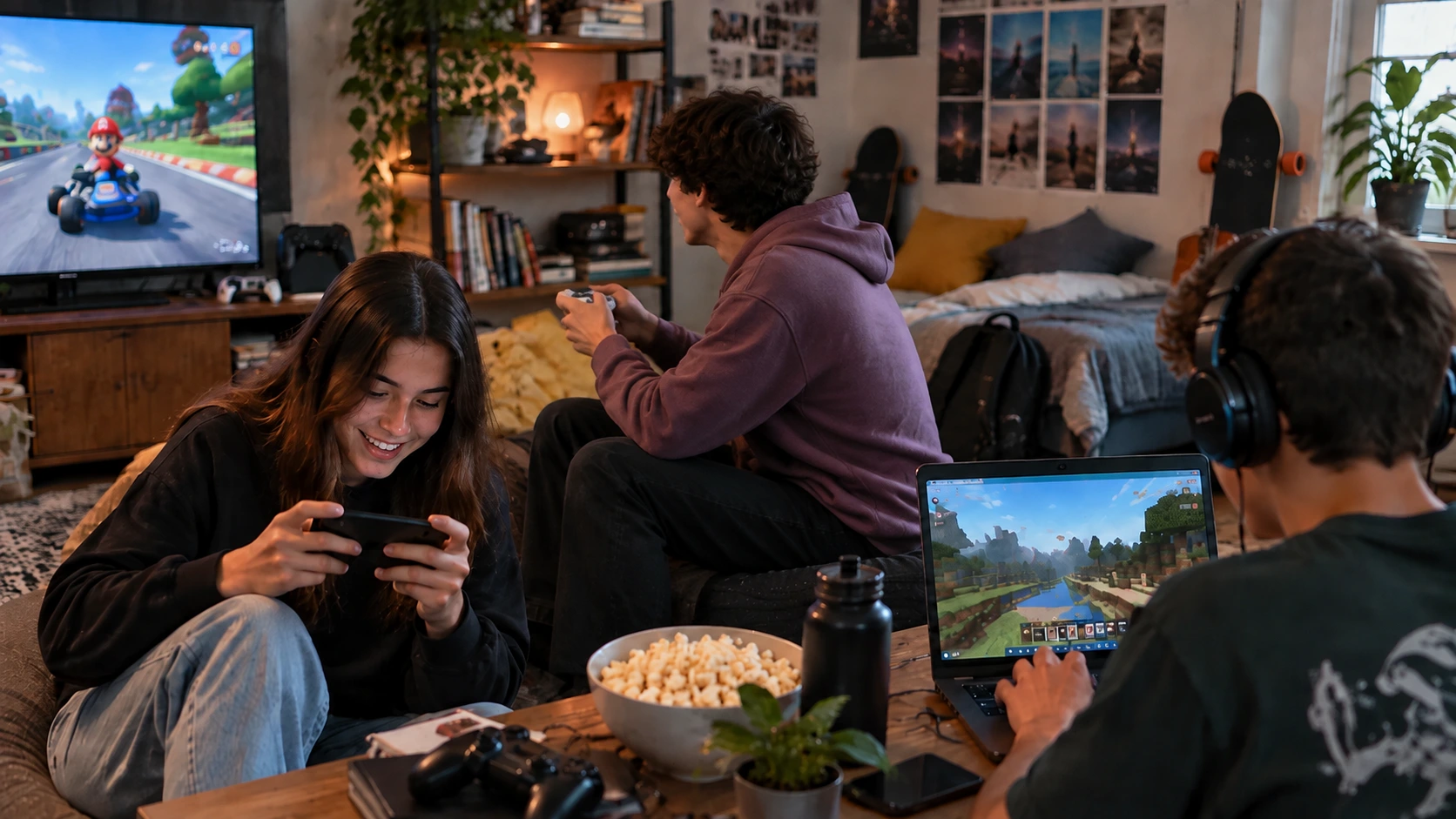
Every teenager who games has hit the same wall: too many options and not enough time to test them all. Some want a quick match between classes.
Others want a weekend disappearing into a console world, or a browser game they can jump into without downloading anything.
The right pick depends less on hype and more on how a teen actually likes to play, and picking blind usually means an app deleted within a week.
This list breaks down top solid games for teenagers across phone, console, and browser, chosen for what they actually deliver instead of what is simply trending.
Each one earns its spot for a clear reason, whether that is teamwork, creativity, competition, or just a calm way to unwind after a long day.
Before jumping into the picks, it helps to know what separates a good choice from a wasted download.
What to Consider Before Choosing a Game?
Gaming is not a niche hobby anymore. According to Pew Research Center, 85% of U.S. teens say they play video games, so the question for most families is not whether to allow it but which titles are actually worth the time.
Before picking one, it helps to think about interests, age, available device, and preferred way to play. Some teens enjoy fast competition, while others prefer creativity, puzzles, exploration, or teamwork.
It also helps to check a game’s age rating, online chat features, privacy settings, and in-game purchases.
If the game includes multiplayer modes, look at whether players can interact with strangers or stick to a private group of friends.
Cost matters too, especially when a title includes subscriptions, add-ons, or optional purchases, and so does how long a typical session runs.
Mobile Games Teens Can Play Anywhere
Mobile gaming works well for teens who want short sessions, easy access, and multiplayer play without sitting in front of a TV.
These games for teenagers cover different moods, from quick social rounds to creative building and competitive matches, so it is easy to switch between casual play and a focused challenge.
In my time reviewing mobile titles, the ones that actually hold a teen’s attention past the first week are the ones with a real skill ceiling, not just a slot machine reward loop.
1. Sky: Children of the Light
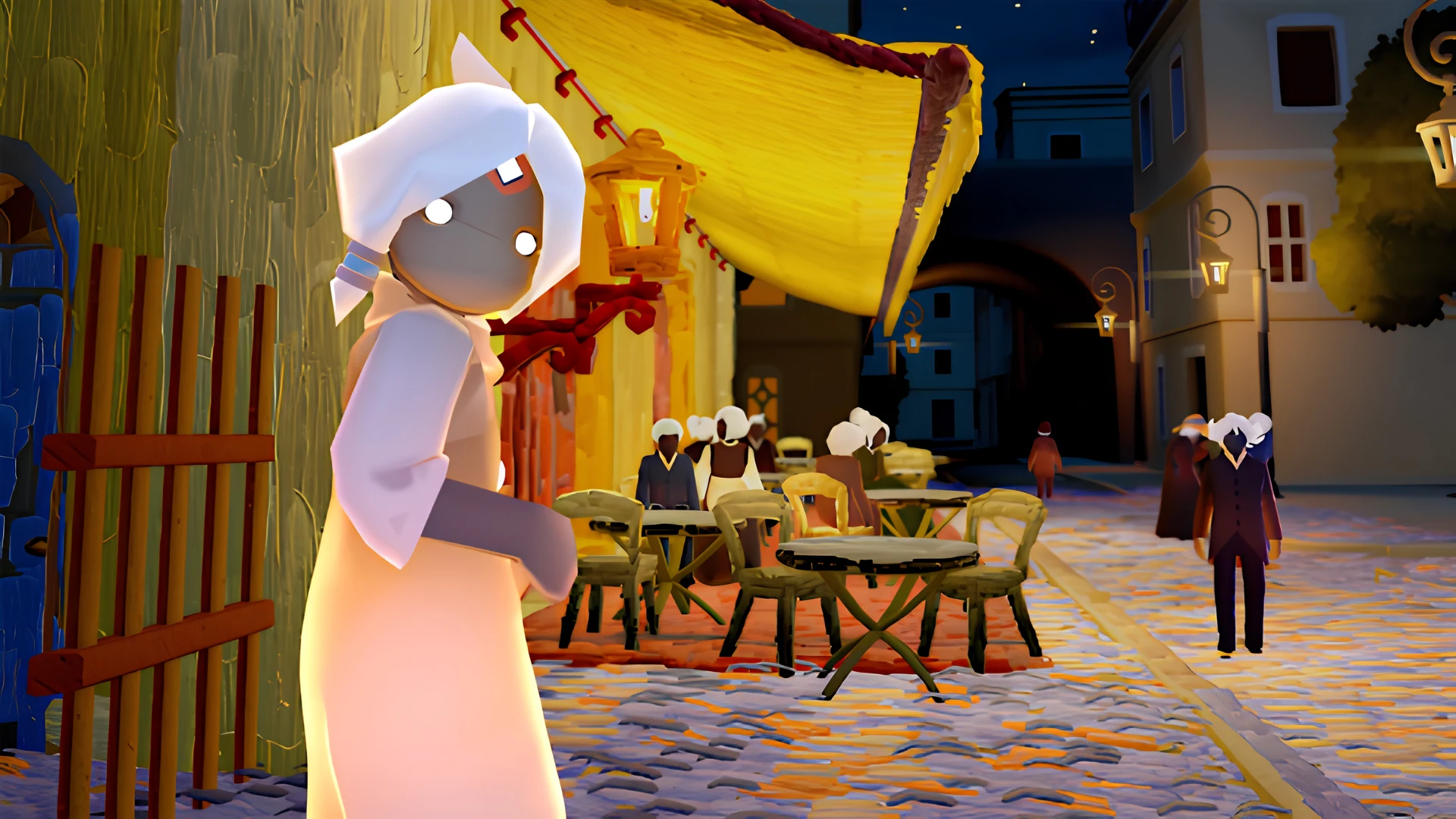
Sky: Children of the Light is an exploration game built around peaceful environments, social interaction, and shared adventures. Players travel through different kingdoms, solve simple challenges, collect items, and meet other players along the way.
Its slower pace makes it a good fit for teens who prefer atmospheric experiences and cooperation instead of constant competition or fast combat.
2. Pokémon UNITE

Pokémon UNITE gives teens a team-based strategy experience built around short multiplayer matches. Two teams compete to score points while controlling familiar Pokémon with different strengths and roles.
Players need to decide when to attack, defend, support teammates, or move toward objectives. It suits teens who enjoy competition but also like planning and coordinating with a group.
3. Good Pizza, Great Pizza

Good Pizza, Great Pizza turns running a small pizza shop into a light simulation game. Players take customer orders, prepare pizzas, manage ingredients, and use earnings to improve their restaurant.
Different requests add small challenges along the way. Teens who enjoy management games may like balancing speed, accuracy, and spending while gradually building a more successful virtual business.
4. Alto’s Odyssey

Alto’s Odyssey offers a calm endless-running experience set across deserts, canyons, temples, and other scenic environments. Players perform jumps, tricks, and wall rides while trying to travel farther and complete goals.
Simple controls make it easy to start, while optional challenges add depth. It works well for teens who want relaxing gameplay without complicated rules or heavy multiplayer features.
5. Monument Valley 2
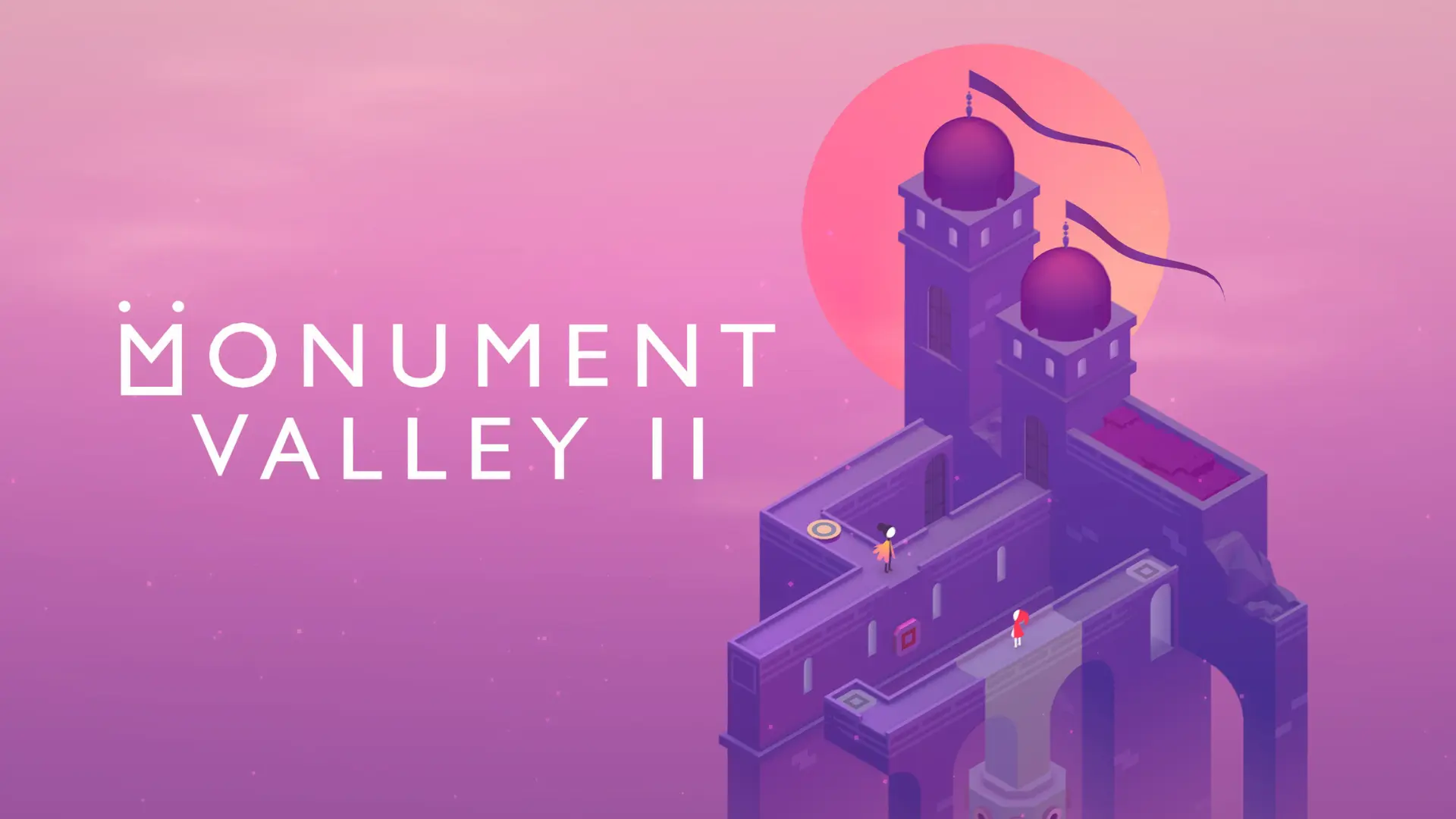
Monument Valley 2 centers on visual puzzles that use perspective, architecture, and optical illusions. Players guide characters through unusual structures by rotating or moving parts of each environment.
The puzzles encourage observation rather than quick reactions. Teens who enjoy art, design, and problem-solving may appreciate its slower style, especially when they want something different from action-based mobile games.
6. Stumble Guys
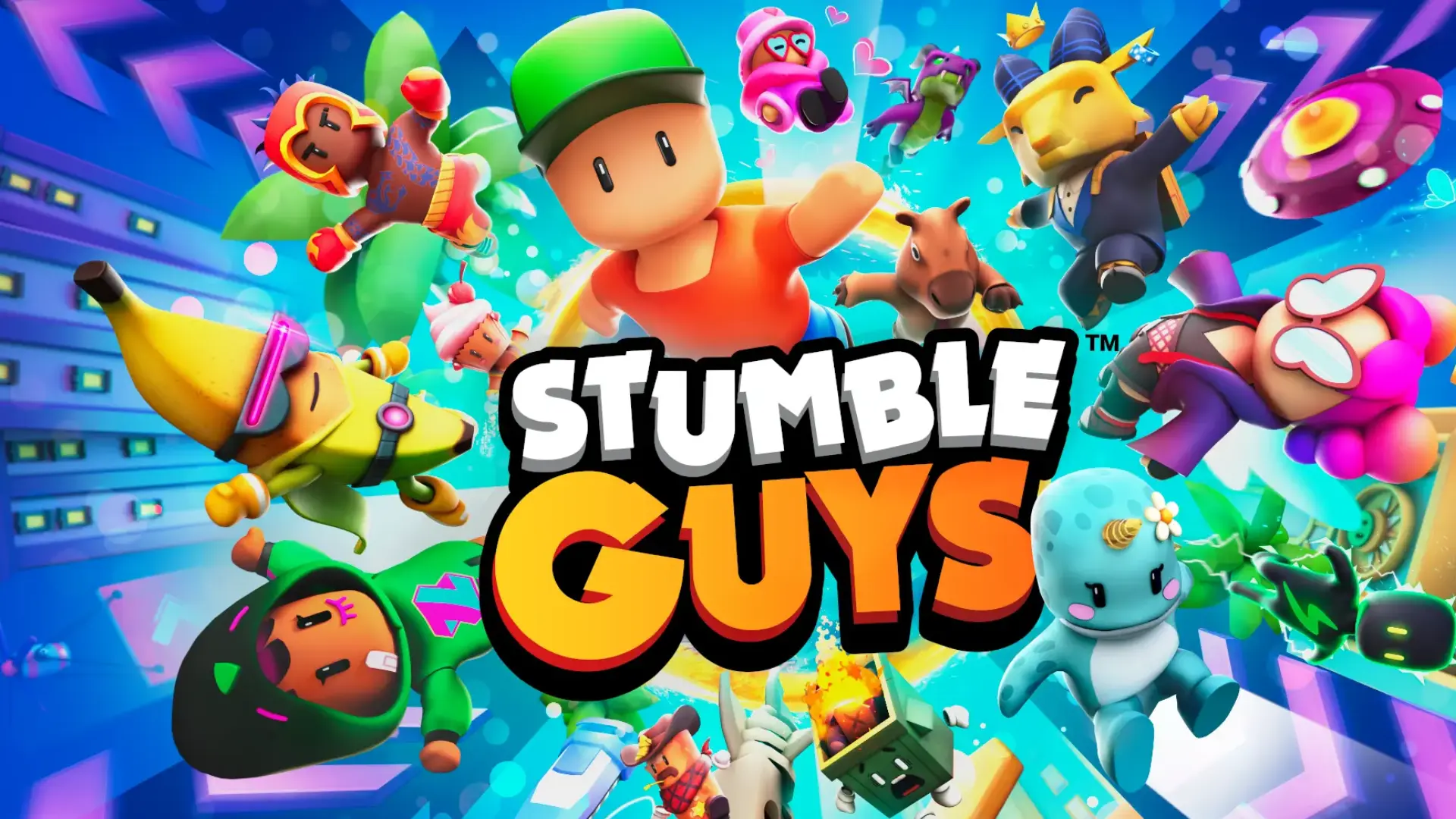
Stumble Guys brings large groups of players into colorful obstacle courses where the goal is to survive each round and reach the finish. Courses include moving platforms, spinning barriers, narrow paths, and other unpredictable challenges.
The controls are simple, but timing still matters. It suits teens looking for light competition that feels playful rather than highly serious or demanding.
Teens who like the chaos of Stumble Guys tend to enjoy Roblox’s party-style titles too. The Grow a Garden tier list is worth a look for anyone chasing a similar large-group, low-stakes vibe on a different platform.
Console Games for Longer and Shared Play
Console games are a good fit when teens want deeper sessions, local multiplayer, or a larger screen for shared play.
These picks can offer racing, competition, creativity, and teamwork, giving families clear choices between solo play, couch multiplayer, and online matches with friends.
The co-op titles below are the ones I keep recommending, because a shared screen forces real communication in a way solo grinding never does.
Teens who want more narrative depth once they finish this list should check the best story games ranking for titles built around character and plot rather than pure mechanics.
7. Unravel Two

Unravel Two is a puzzle-platform game where two small yarn characters move through environments while connected by a thread. Players use that connection to swing, climb, cross gaps, and solve environmental problems.
It is especially suited to local cooperative play, making it a thoughtful choice for teens who enjoy working with a sibling or friend rather than competing against them.
8. Sackboy: A Big Adventure
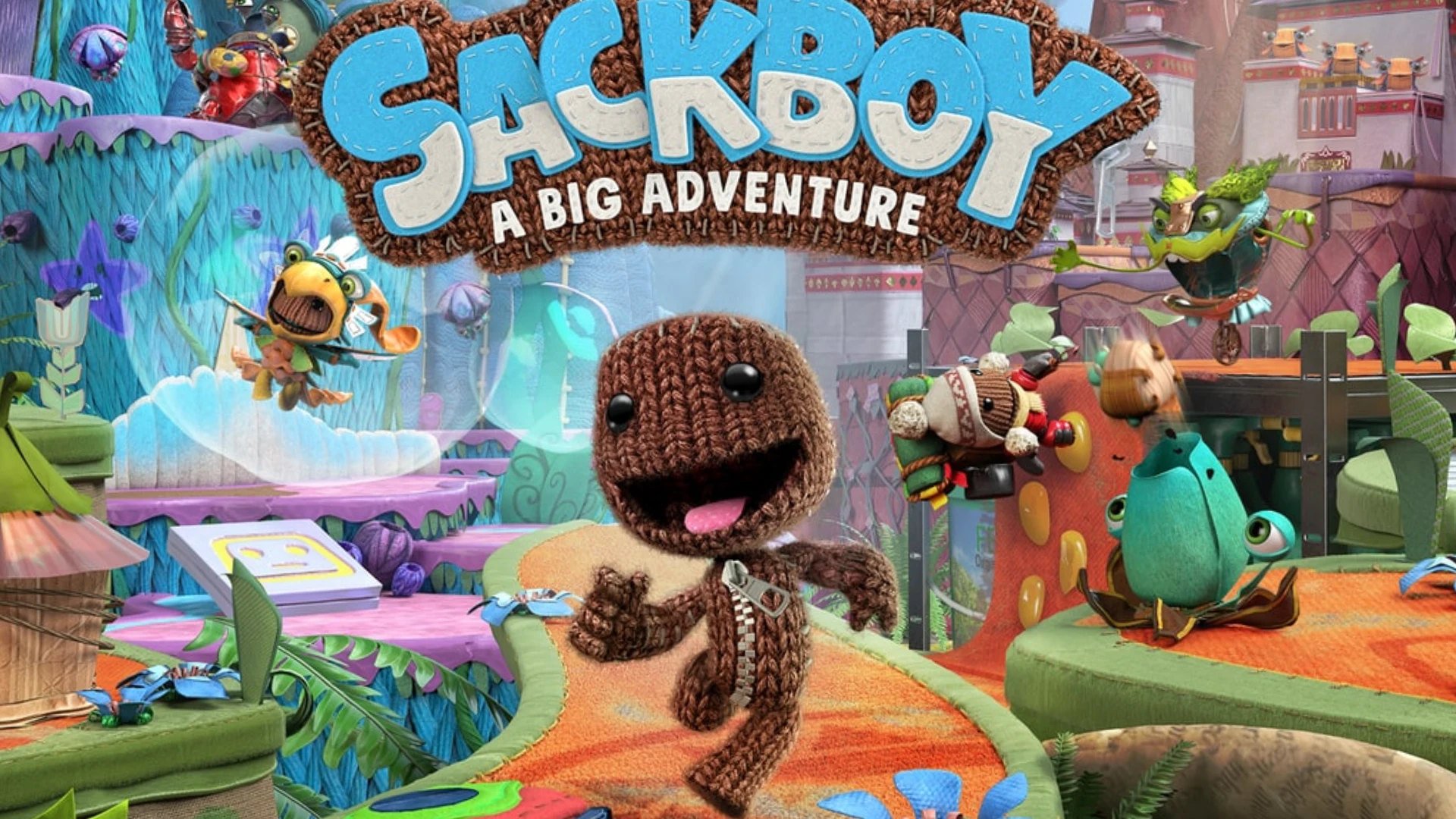
Sackboy: A Big Adventure combines platforming with colorful stages, creative obstacles, and cooperative play.
Players jump, move across hazards, collect items, and complete varied challenges as they progress.
Some stages reward coordination between multiple players. It works well for teens who enjoy upbeat adventures and want a console game that can be played either independently or alongside friends.
9. It Takes Two
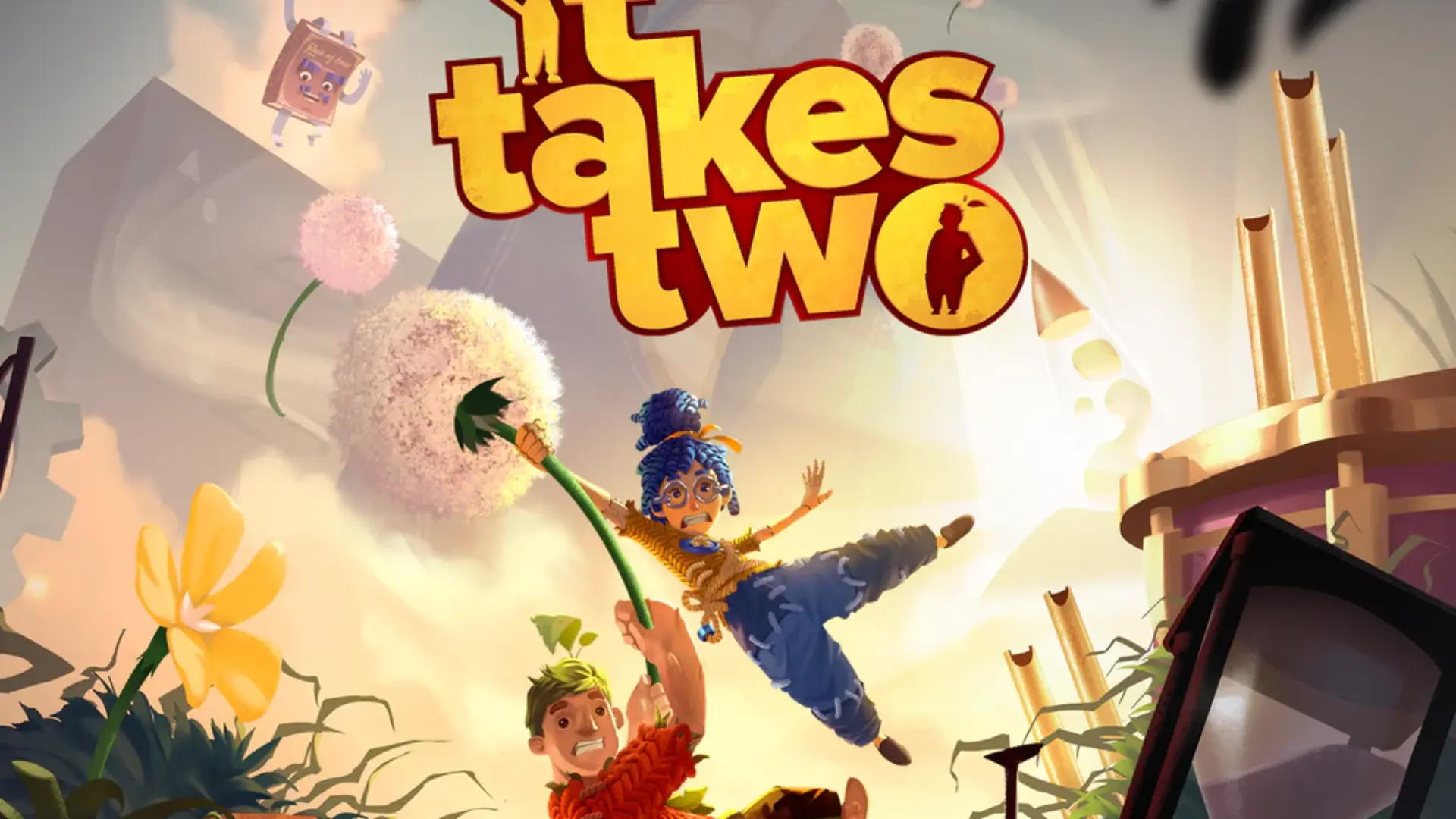
It Takes Two is designed specifically around two-player cooperation. Each player controls a different character, and both must work together to solve puzzles, complete platforming sections, and use changing abilities.
The gameplay regularly introduces new mechanics, so the experience rarely stays the same for long. It suits teens who enjoy teamwork, communication, and solving problems with another player.
10. Untitled Goose Game
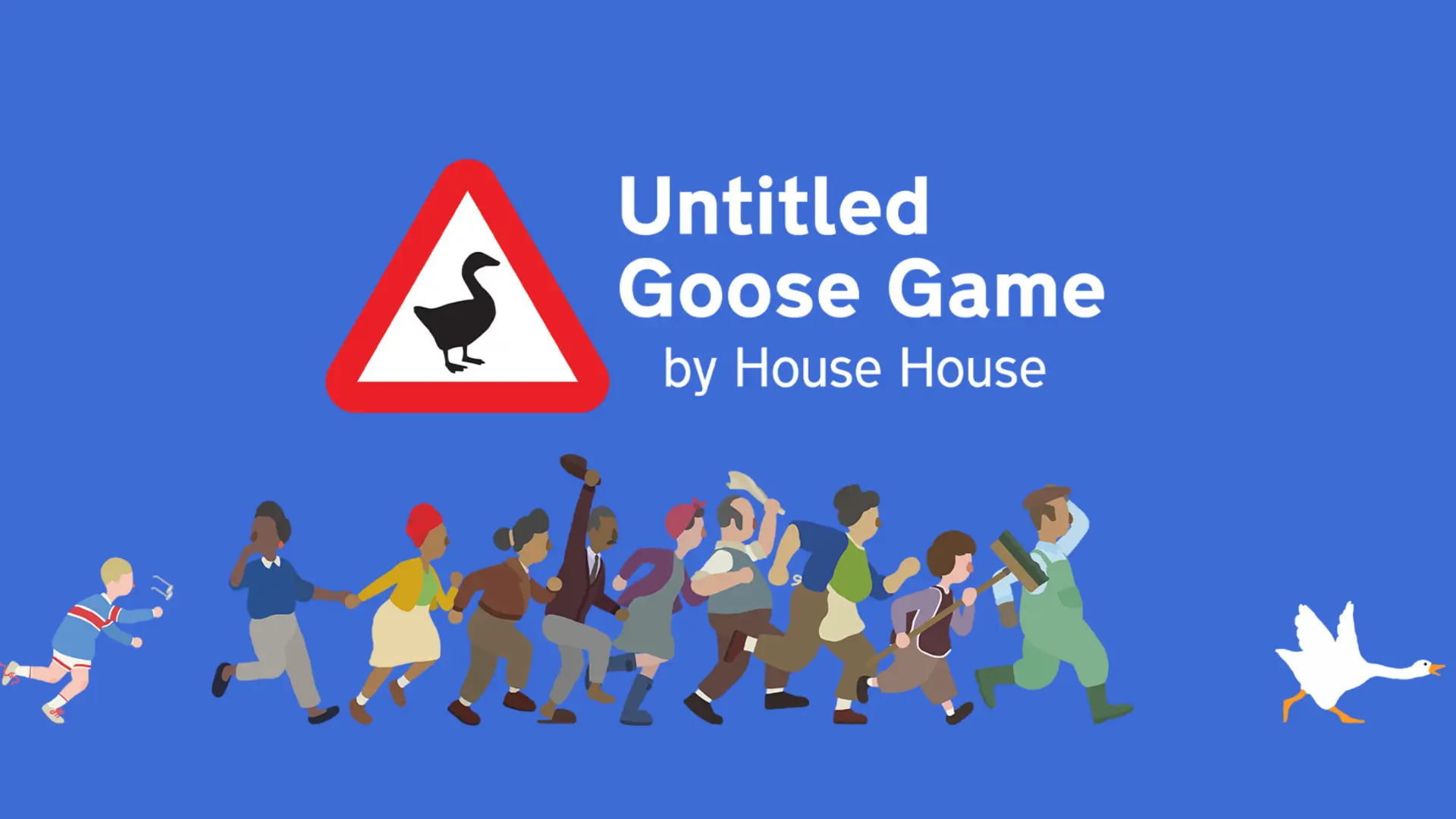
Untitled Goose Game puts players in control of a mischievous goose causing trouble around a quiet village. Instead of traditional battles, the game focuses on sneaking, stealing objects, distracting characters, and completing humorous tasks.
Its unusual idea gives it a different feel from standard adventure titles. Teens who enjoy comedy and puzzle-solving may find its playful challenges especially entertaining.
11. Tetris Effect: Connected
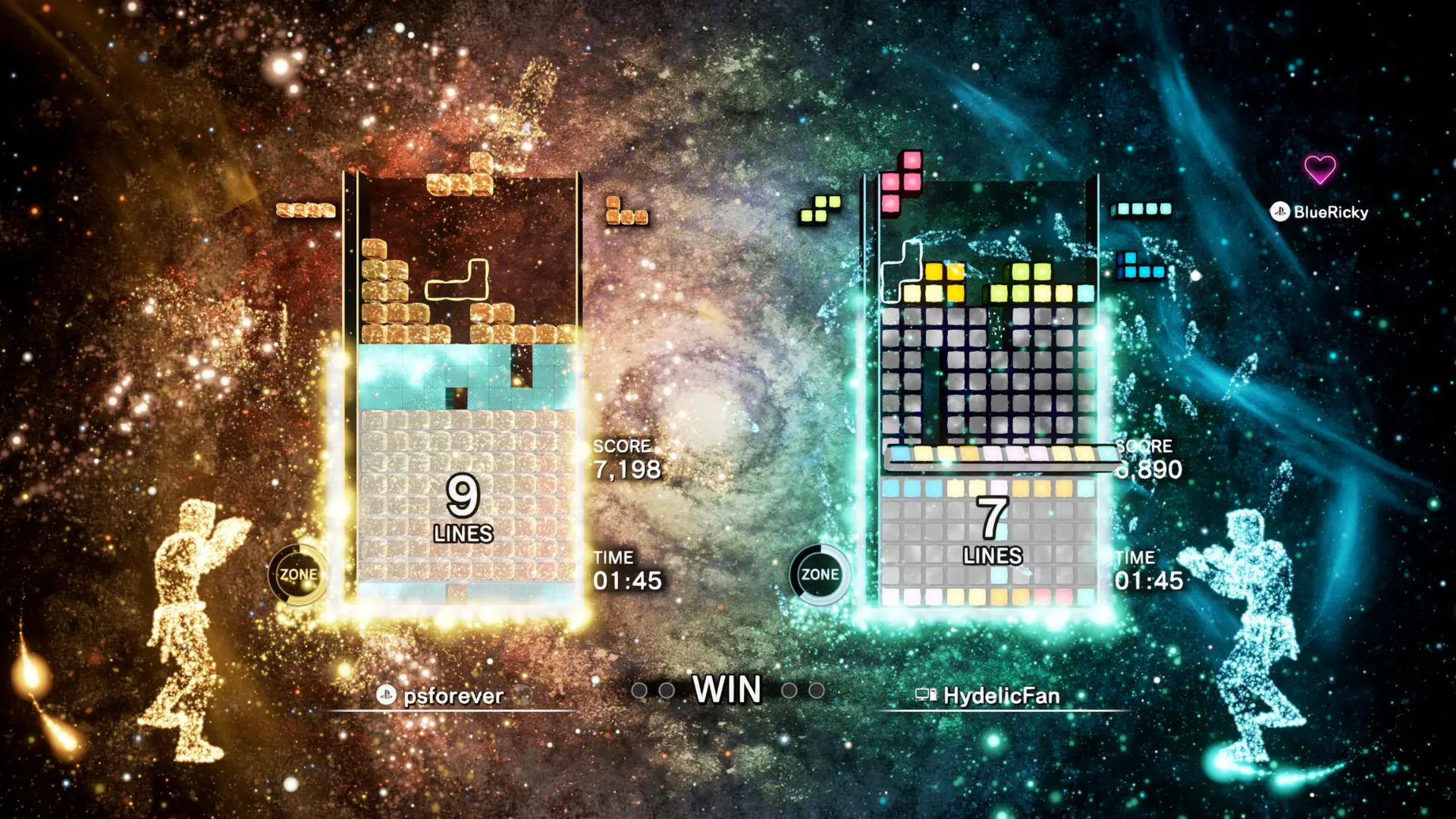
Tetris Effect: Connected takes the familiar block-matching format and adds music, visual effects, and several ways to play. Players can focus on solo puzzles or enter cooperative and competitive modes depending on their mood.
Success depends on quick decisions, pattern recognition, and planning ahead. It is a strong option for players who prefer skill-based puzzles over story-driven adventures.
12. Moving Out 2
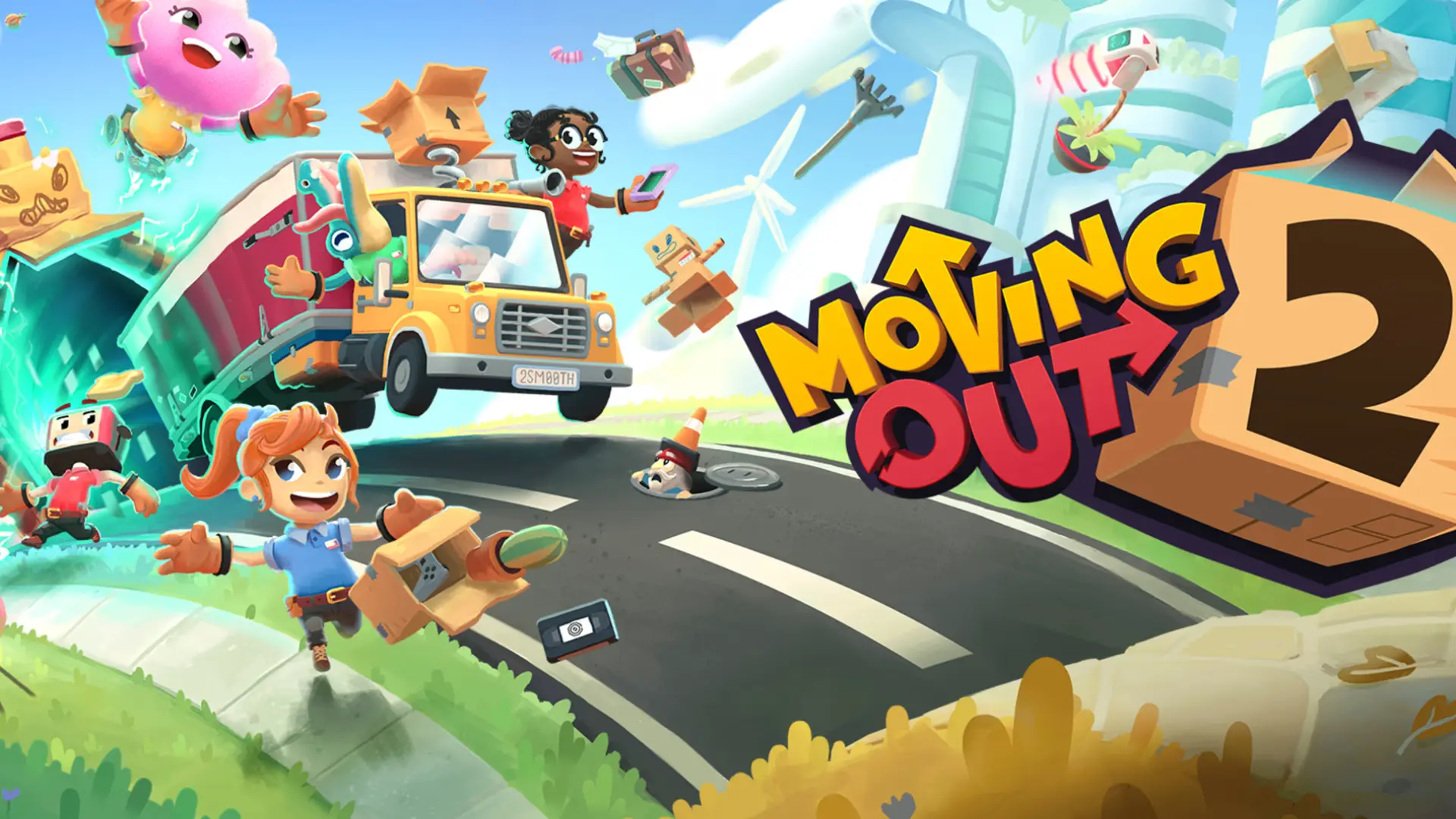
Moving Out 2 turns furniture removal into a chaotic cooperative challenge. Players carry sofas, appliances, boxes, and other objects through unusual locations while dealing with narrow spaces and unexpected obstacles.
Working quickly helps, but coordination is often more important than speed. It suits teen groups that enjoy funny shared challenges where mistakes can become part of the entertainment.
Browser-Based Teen Games With Simple Setup
Browser games are useful when a teen wants to play without installing a large app or buying a console title.
These games for teenagers cover geography, drawing, wordplay, and strategy, making them handy for quick sessions on a computer with friends or for solo practice.
13. Little Alchemy 2

Little Alchemy 2 starts with a small set of basic elements and asks players to combine them to create new objects, materials, and ideas. Each successful combination opens more possibilities, encouraging experimentation and curiosity.
No fast reactions or complex controls are required. Teens who like testing ideas and figuring out unusual connections may enjoy its simple browser-based format.
14. Codenames Online
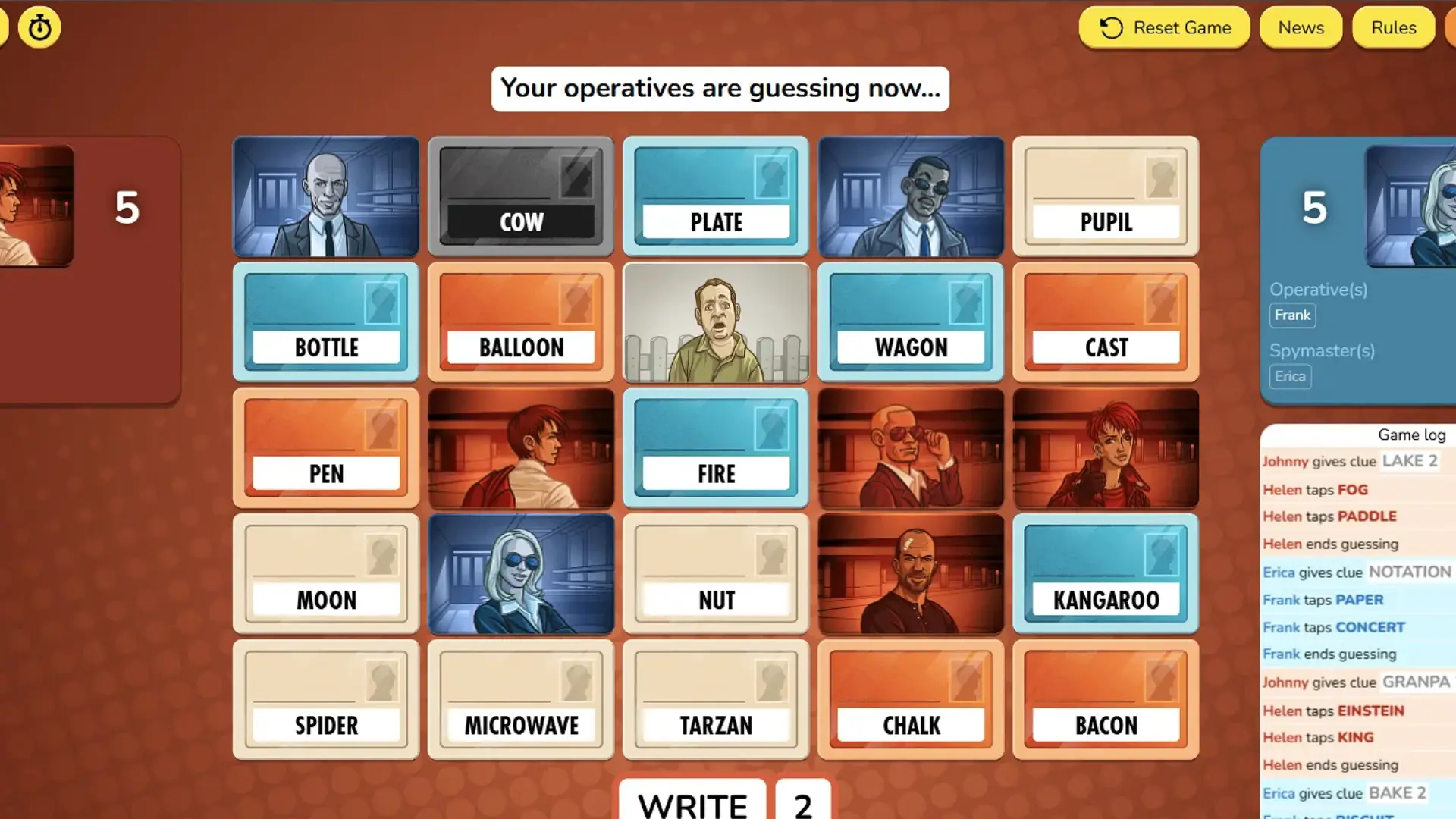
Codenames Online adapts the team word game into a browser-friendly format. Players divide into groups, and clue-givers try to connect several words using a single clue without leading teammates toward the wrong choices.
The challenge comes from thinking about how other people interpret language. It works particularly well for teens who enjoy communication, wordplay, and friendly group competition.
15. TETR.IO
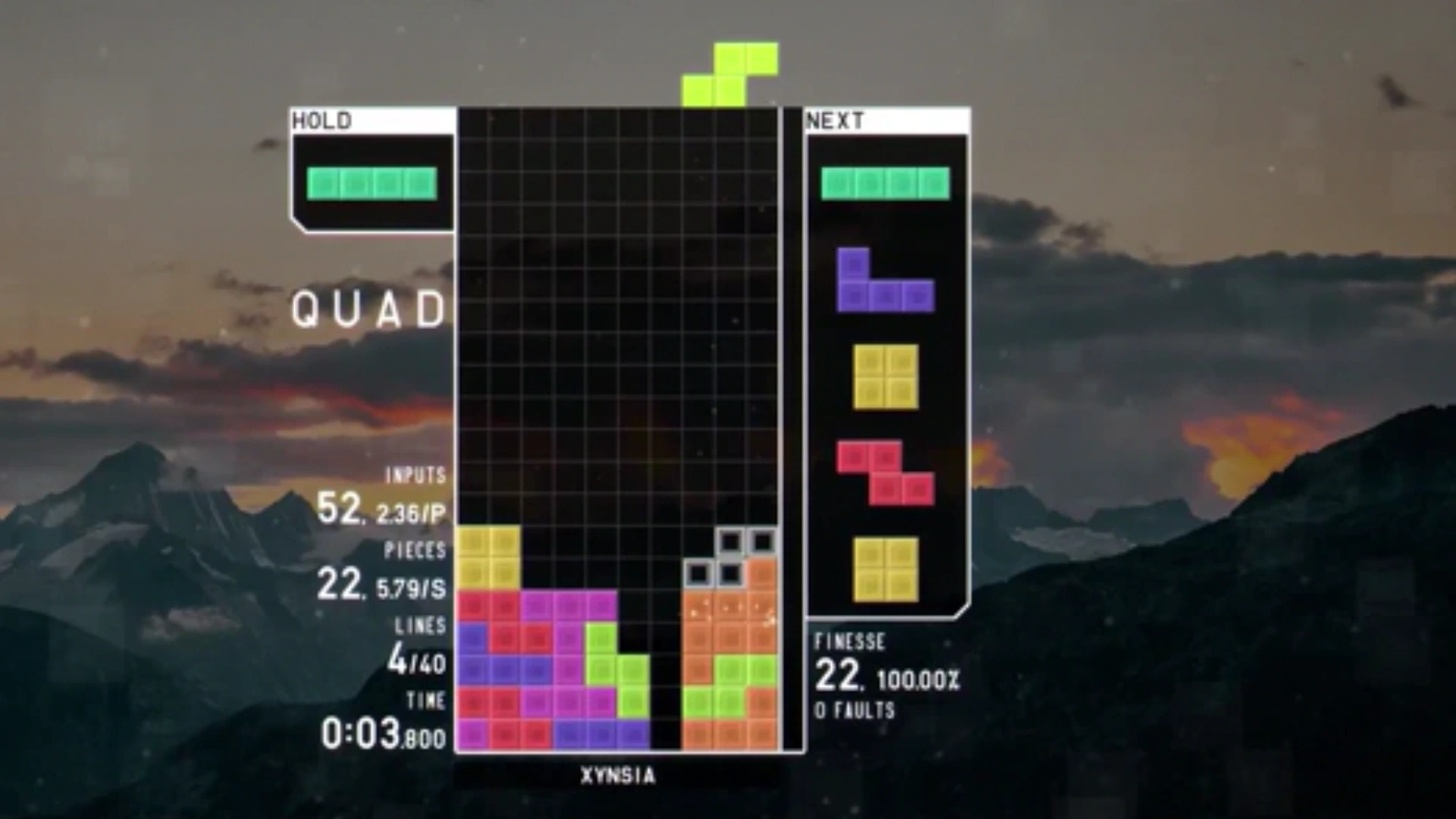
TETR.IO offers fast block-stacking matches for players who enjoy competitive puzzle games. Teens can practice alone or play against others while improving speed, placement, and decision-making.
The basic idea is easy to understand, but advanced play can become highly technical. It suits players who like seeing clear improvement over time and want a browser game with a strong skill-based focus.
16. Akinator
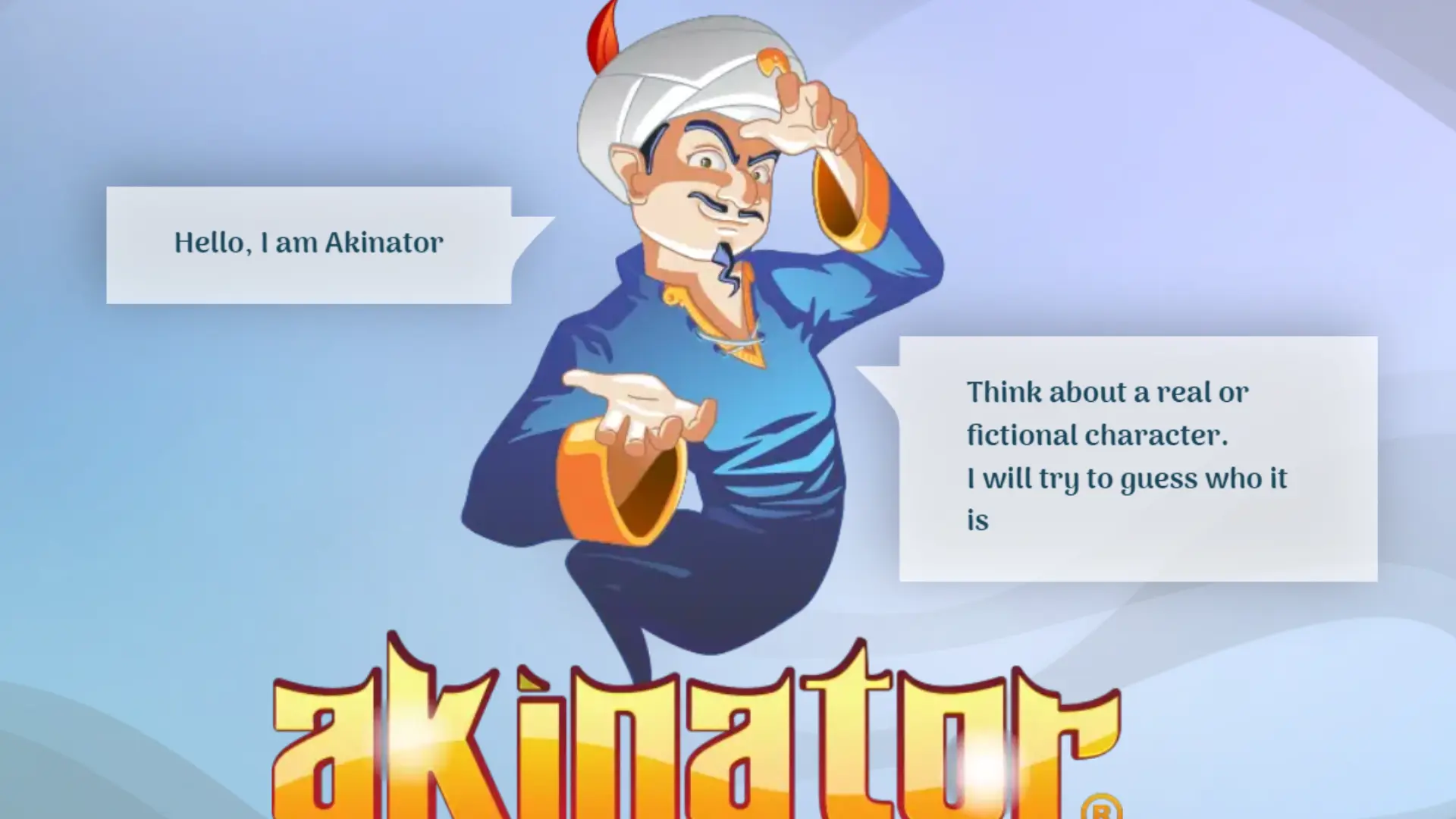
Akinator is a guessing game where players think of a real or fictional character and answer a series of questions.
The game then tries to work out who they selected. Part of the fun comes from choosing unusual characters and seeing whether the system can identify them. It is a casual option for teens who want short sessions without complicated controls.
17. Neal.fun Games

Neal.fun offers a collection of interactive browser experiences rather than one traditional game. The activities cover topics such as drawing, geography, numbers, decisions, simulations, and unusual challenges.
Because each experience works differently, teens can move between ideas without committing to a long session. It is a good choice for curious players who enjoy experimenting with simple interactive concepts.
18. Board Game Arena
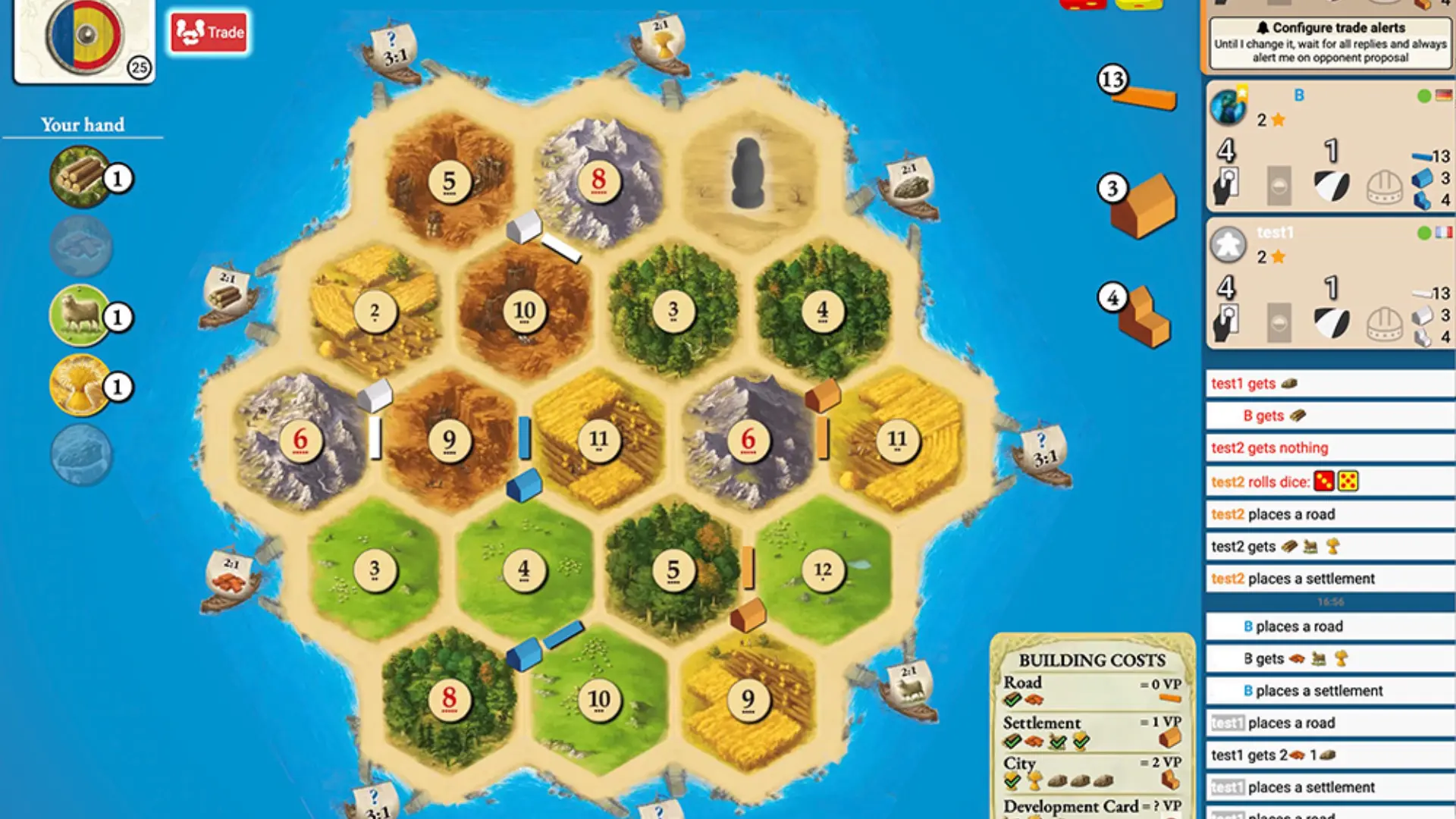
Board Game Arena brings a large selection of tabletop-style games into an online browser format. Teens can play turn-based or real-time games against friends or other users, depending on the title selected.
The variety ranges from simple card games to deeper strategy experiences. It suits teens who enjoy traditional board games but want the convenience of playing digitally from different locations.
Why Digital Games Appeal to Teenagers
Digital games appeal to teens because they combine entertainment with choice. A teen can compete, build, solve problems, race, draw, explore, or simply spend time with friends depending on the game they choose.
Mobile titles are easy to access, console games can offer deeper sessions, and browser games often require very little setup. Online play also gives teens ways to connect with friends even when they are not in the same place.
Another advantage is variety. A strategy fan may enjoy chess, while a creative teen may prefer Minecraft or Gartic Phone.
Teens who want to game on the go without paying full console prices have more room to explore too, especially once they look into a handheld emulator that fits their budget.
Because interests can change quickly during the teenage years, having different game styles available makes it easier to find something that stays interesting without relying on the same type of play every time.
How to Choose the Right Digital Game for a Teenager?
Start with the device already on hand, then think about how a teen actually prefers to play. A social player may enjoy party games or team matches, while a creative player may prefer building or drawing.
Strategy fans often want puzzles, rankings, or skill-based competition.
It also helps to check a game’s age rating, online communication features, in-game purchases, privacy settings, and parental controls before downloading or buying anything.
For online multiplayer, it is worth agreeing in advance on who can be added as a friend, how to handle messages from strangers, spending limits, and play times.
When possible, try free modes or demos first.
A good match should fit a teen’s actual interests, the household’s rules, and the amount of time realistically available to play.
Final Thoughts
Picking a game for a teenager really comes down to matching the game to how they actually like to play, not chasing whatever is trending that week.
A quick mobile round, a deep console session, or a browser game with friends can all fill that need depending on the mood.
The strongest games for teenagers are the ones that get replayed, not just downloaded once and forgotten. Start with one pick from each category on this list and see what actually sticks.
Ratings, chat settings, and playtime habits are worth a quick look before anything goes live on a shared device.
What game has your teen kept coming back to? Drop it in the comments.
Frequently Asked Questions
What are the best online games for teenagers?
Popular options include Fortnite, Minecraft, Rocket League, Among Us, GeoGuessr, and Gartic Phone.
The best choice depends on whether a teen prefers action, strategy, creativity, racing, drawing, or social play with friends.
What are some good mobile games for teenagers?
Minecraft, Brawl Stars, Among Us, and Fortnite are strong mobile options for teens.
They offer different styles, from building and strategy to social deduction and competitive matches, so teens can choose based on their interests.
What browser games can teenagers play online?
GeoGuessr, Gartic Phone, Skribbl.io, and Chess.com work well in a browser.
They cover geography, drawing, guessing, and strategy, giving teens simple options that do not require a traditional gaming console.
Are multiplayer games safe for teenagers?
They can be, but safety depends on the platform and settings. Check chat controls, friend requests, privacy options, reporting tools, and parental settings.
Teens should also avoid sharing personal information with unfamiliar players.
What is the Difference Between Mobile and Console Gaming for Teens?
Mobile games for teenagers focus on short sessions, easy access, and social play from almost any location, while console games offer deeper stories, stronger graphics, and shared local play on a bigger screen.
Mobile suits a quick break between classes or homework. Console fits a longer weekend session or a co-op night with friends. Most teens end up using both, depending on the day.