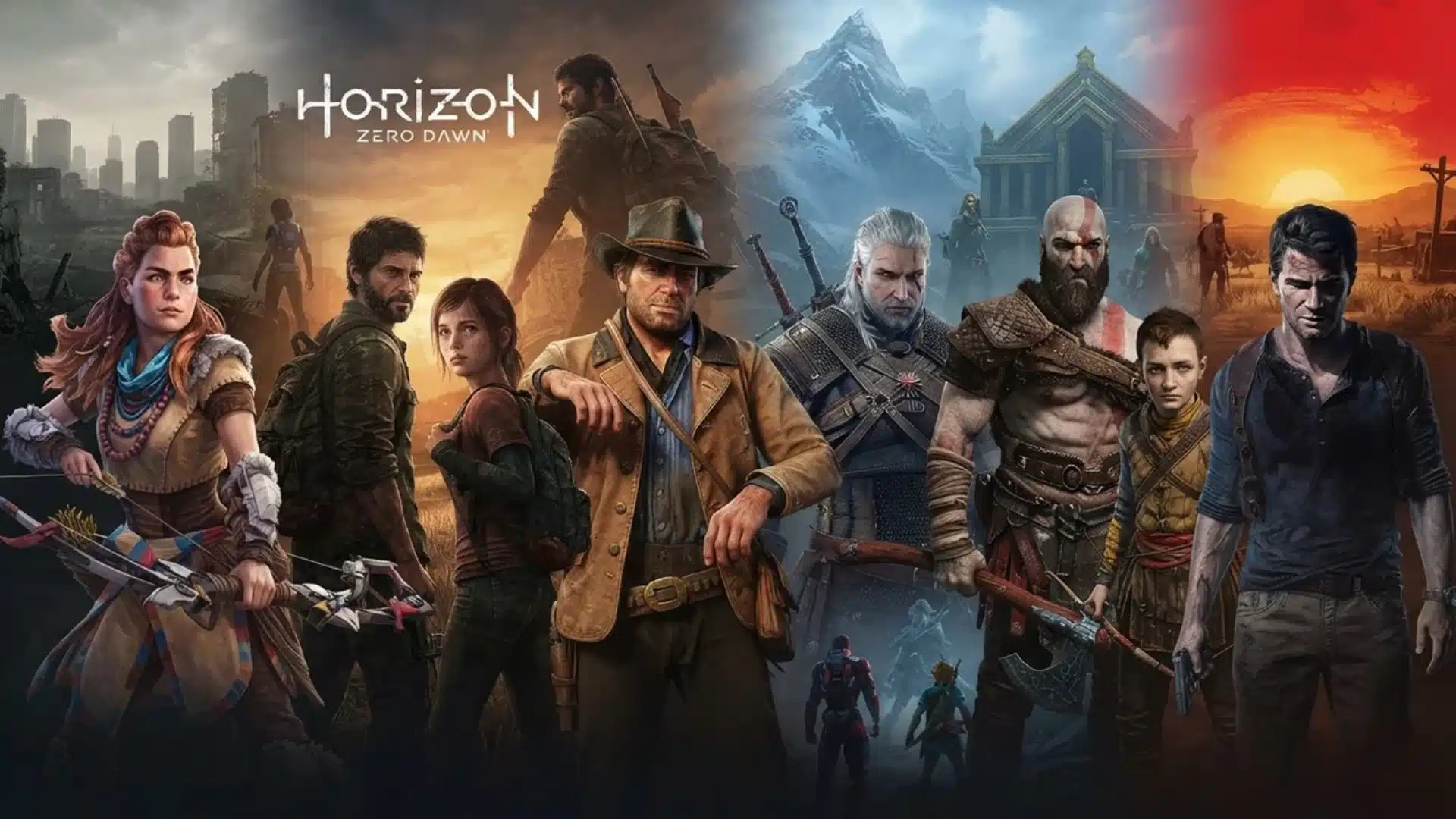
Some games are fun while you play them. A few stay in your head long after you turn the screen off.
The best story games of all time do more than tell you what happened. They make you care about the people, the choices, and the world around you.
A great story game can make a quiet talk feel as strong as a huge fight. I have played enough of them to know that strong writing alone is not enough.
The gameplay has to make the story feel personal too.
Here, I will help you see which games hit hardest, why they work, and which one you should try first.
What Makes These Games Better Stories Than Other Great Games?
Strong story games usually work because every part of the experience supports the same emotional goal.
- Writing supports the gameplay: Great dialogue and twists matter, but they work best when the gameplay helps the story feel stronger.
- Characters feel believable: Strong motivation makes each choice, conflict, and emotional moment easier to care about.
- World details matter: The best story games use places, objects, and small details to make the world feel meaningful.
- Player actions fit the story: What you do during gameplay should feel connected to what the story is trying to say.
- Linear stories can still hit hard: A focused story with strong pacing can be more powerful than a huge branching plot.
- Choices need real weight: Lots of options do not matter much if they barely change the story or how you feel.
- Time inside the story builds attachment: Protecting characters, making decisions, and living with the results can create a stronger bond than just watching events happen.
That is what separates a story you simply finish from one you keep thinking about later.
What are the Best Story Games of All Time?
These games are not ranked by popularity alone. Character writing, emotional payoff, pacing, and how naturally the story connects with gameplay matter much more.
Some lean heavily on cinematic drama, while others make choices or quieter moments do the work.
Coming up is a lineup of games that earned their place through memorable storytelling, strong characters, and narratives worth sticking with until the end.
1. The Last of Us (Best Overall Story Game)
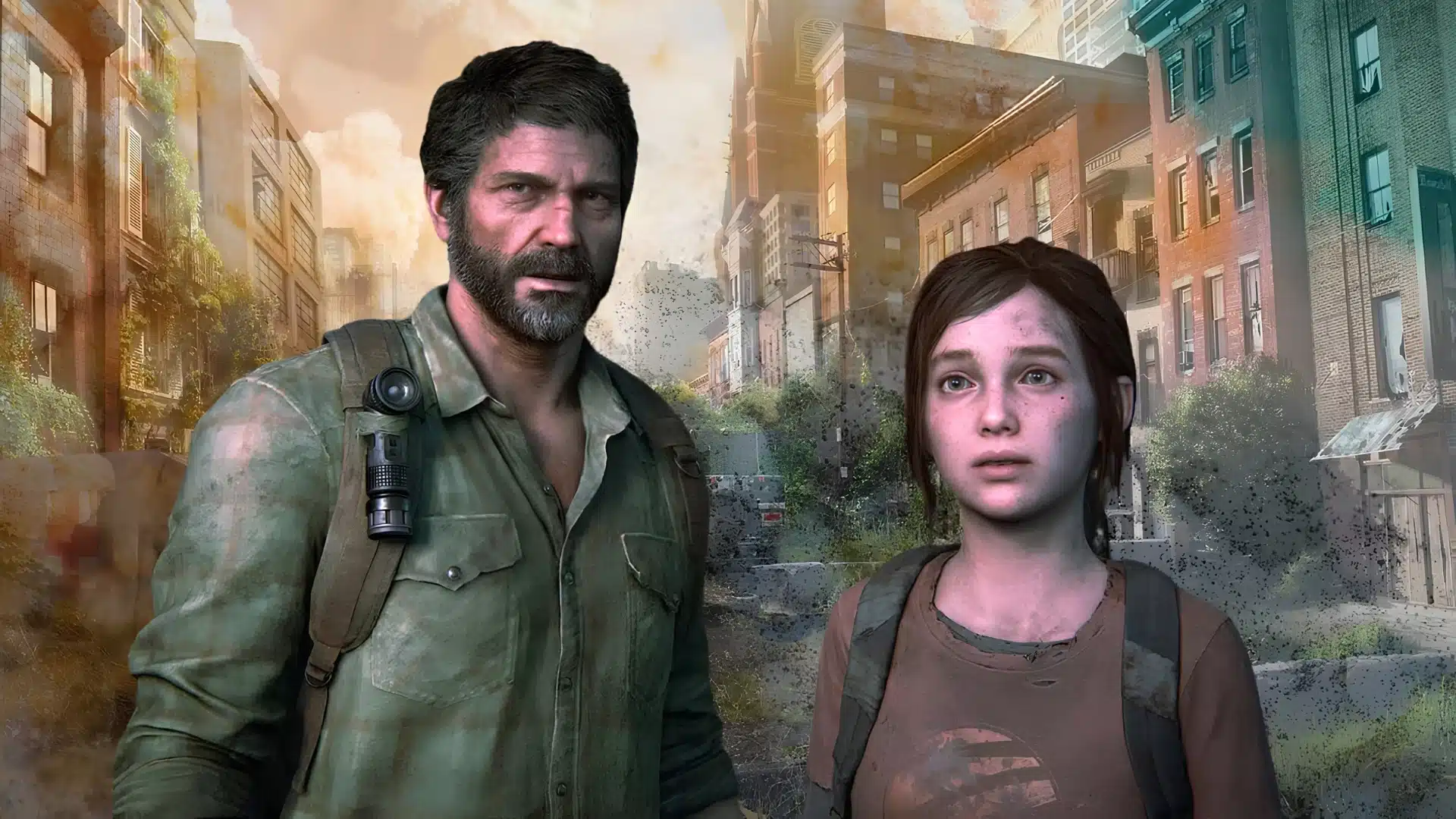
Joel and Ellie’s relationship works because you watch trust build slowly as you survive alongside them.
Their bond never feels rushed, and even small conversations reveal how much both characters are changing.
The game also knows when to stay quiet. Because you handle every dangerous encounter yourself, the emotional moments carry extra weight when they finally arrive.
I finished this one twice within the same year, and the second run only made Joel’s choices sting more.
2. Red Dead Redemption 2 (Best Character-Driven Story)
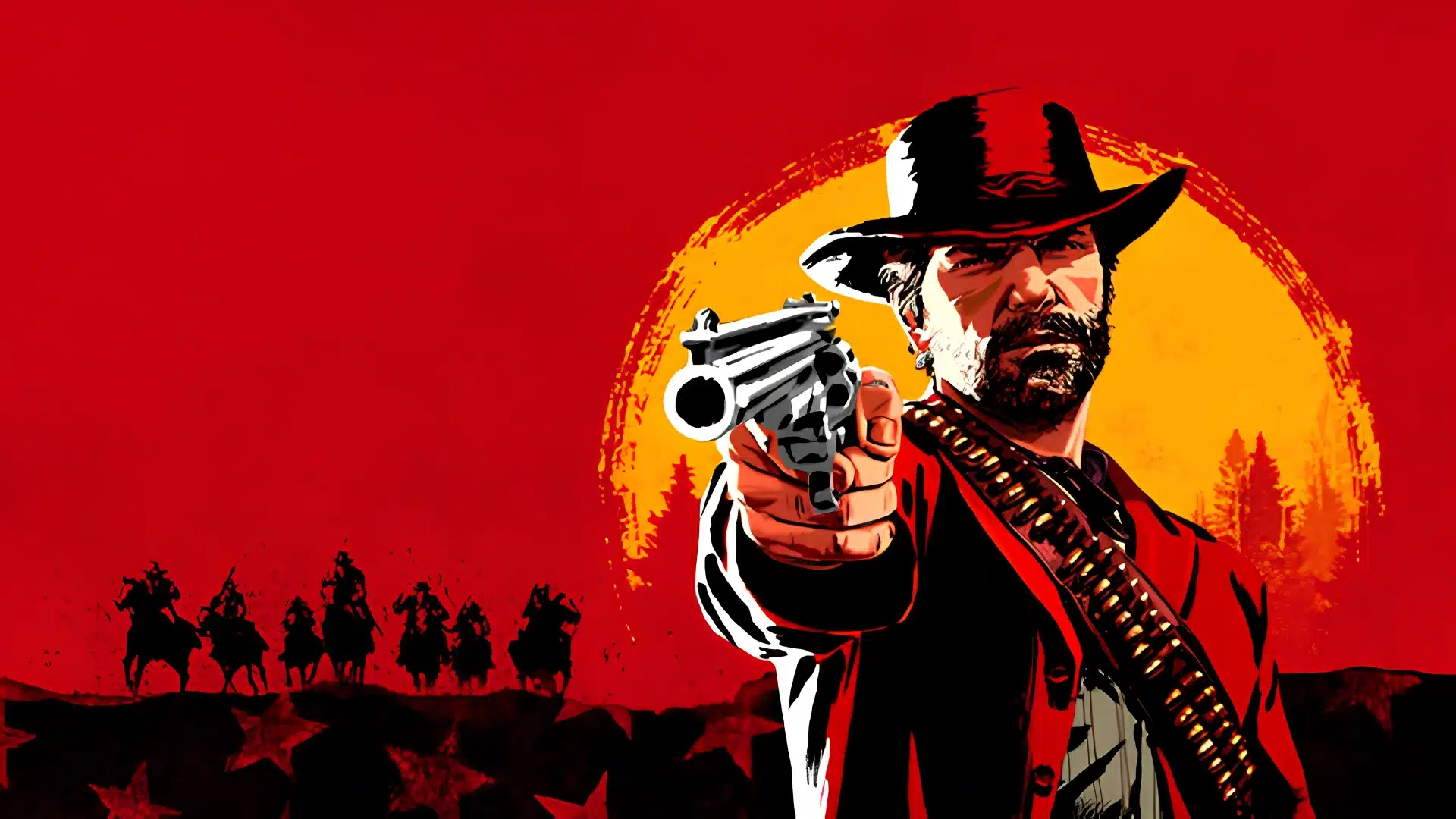
Arthur Morgan feels believable because his growth happens gradually.
You hear doubts during camp conversations, notice relationships changing, and watch the Van der Linde gang slowly lose the loyalty that once held everyone together.
That slower pace gives Arthur’s story room to land. By the final stretch, his decisions feel like the result of everything you have lived through with him.
3. The Witcher 3: Wild Hunt (Best Fantasy Story)
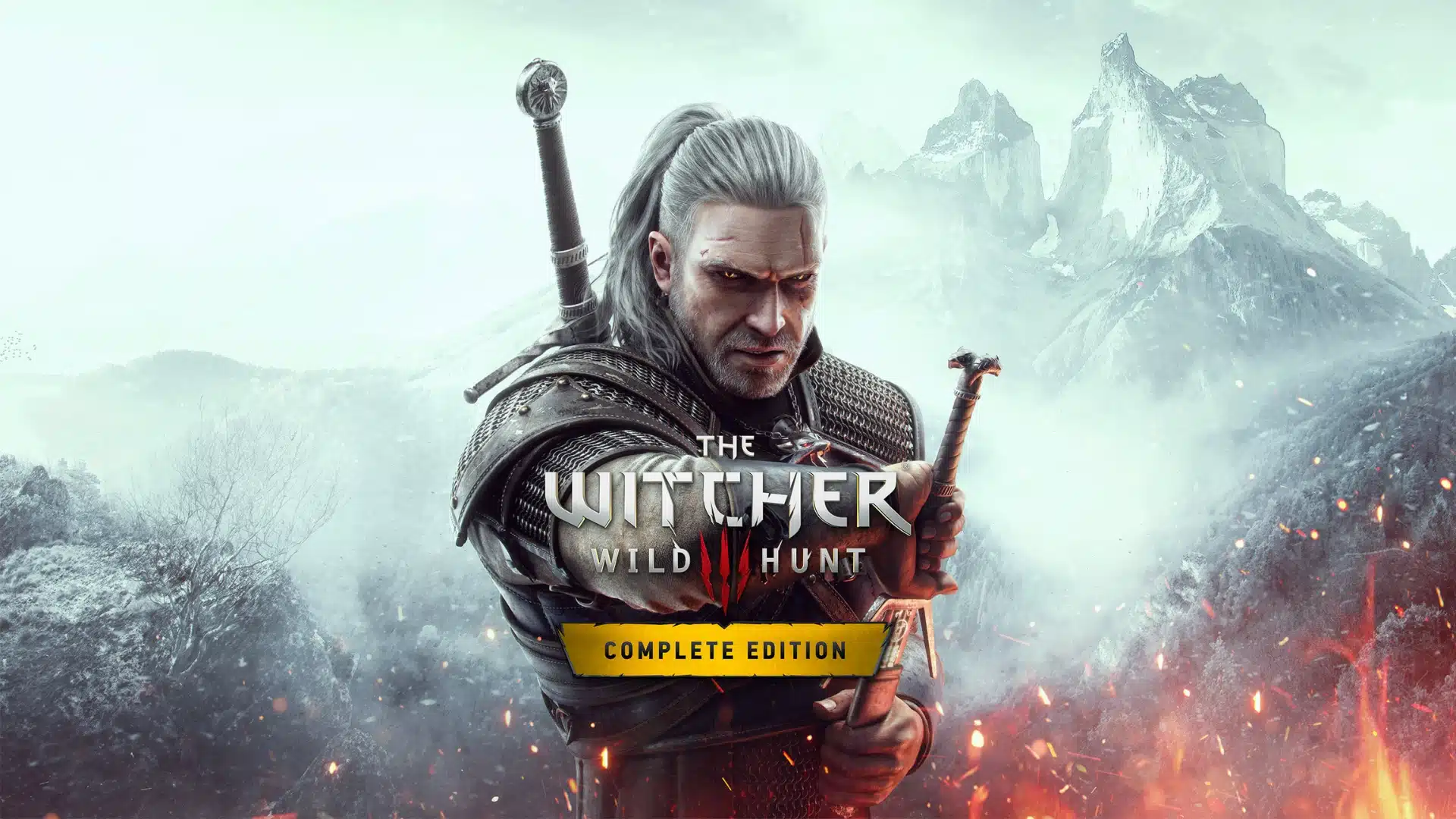
Geralt’s search for Ciri gives The Witcher 3 a personal thread even when the world becomes enormous.
Side quests rarely feel like distractions because many carry their own conflicts, consequences, and difficult decisions. You are constantly choosing between imperfect outcomes.
That moral uncertainty gives even smaller stories weight and makes Geralt’s world feel connected, not filled with unrelated tasks.
4. Mass Effect Trilogy (Best Long-Form Sci-Fi Story)
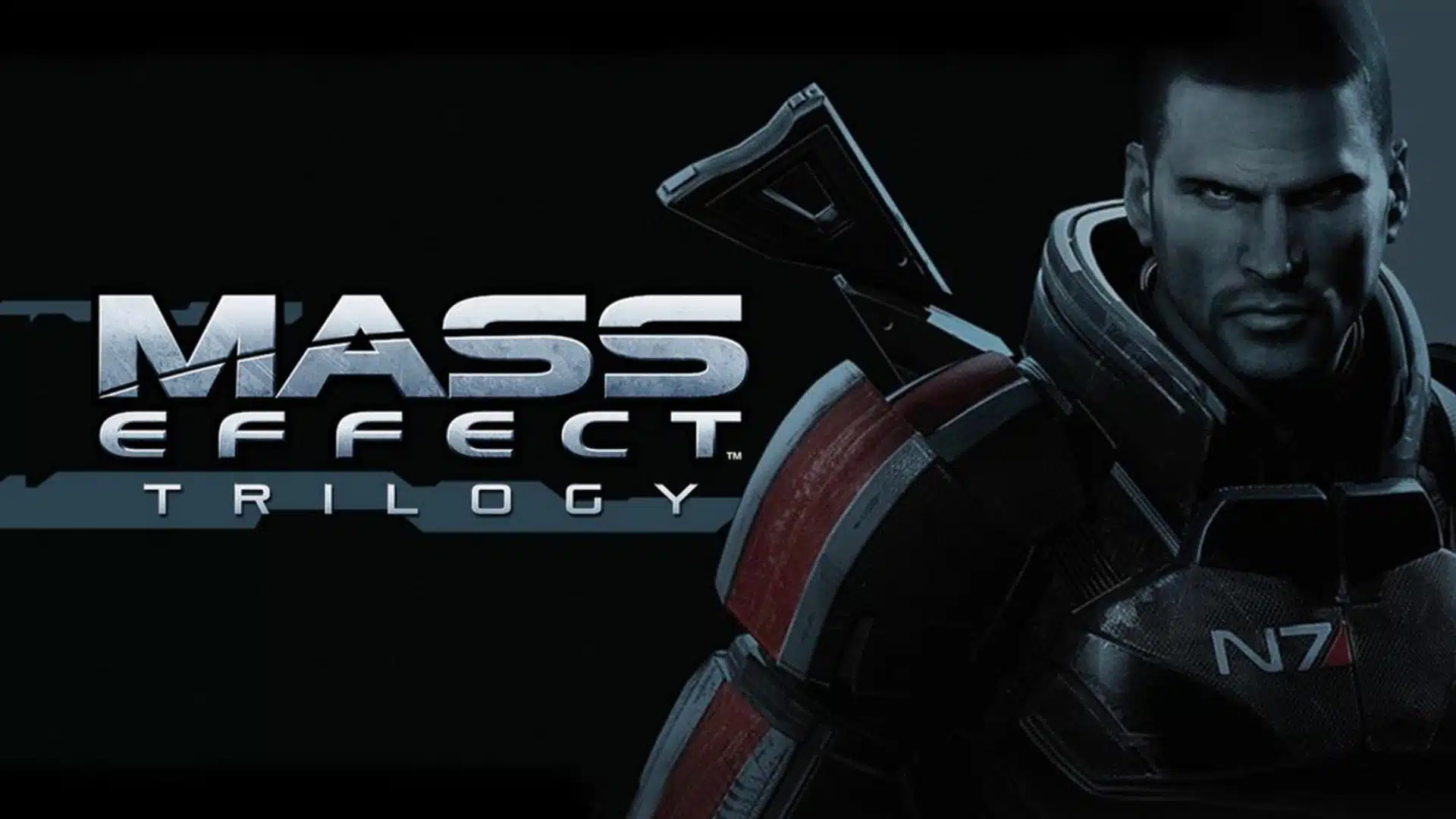
Mass Effect makes decisions matter by refusing to forget them when one game ends.
Relationships, political choices, deaths, and loyalties can follow Shepard across the entire trilogy. That continuity changes how you approach even ordinary conversations.
A decision made today might return much later, giving the trilogy a sense of history that few role-playing games manage across such a long story.
5. God of War (2018): Best Father-Son Story
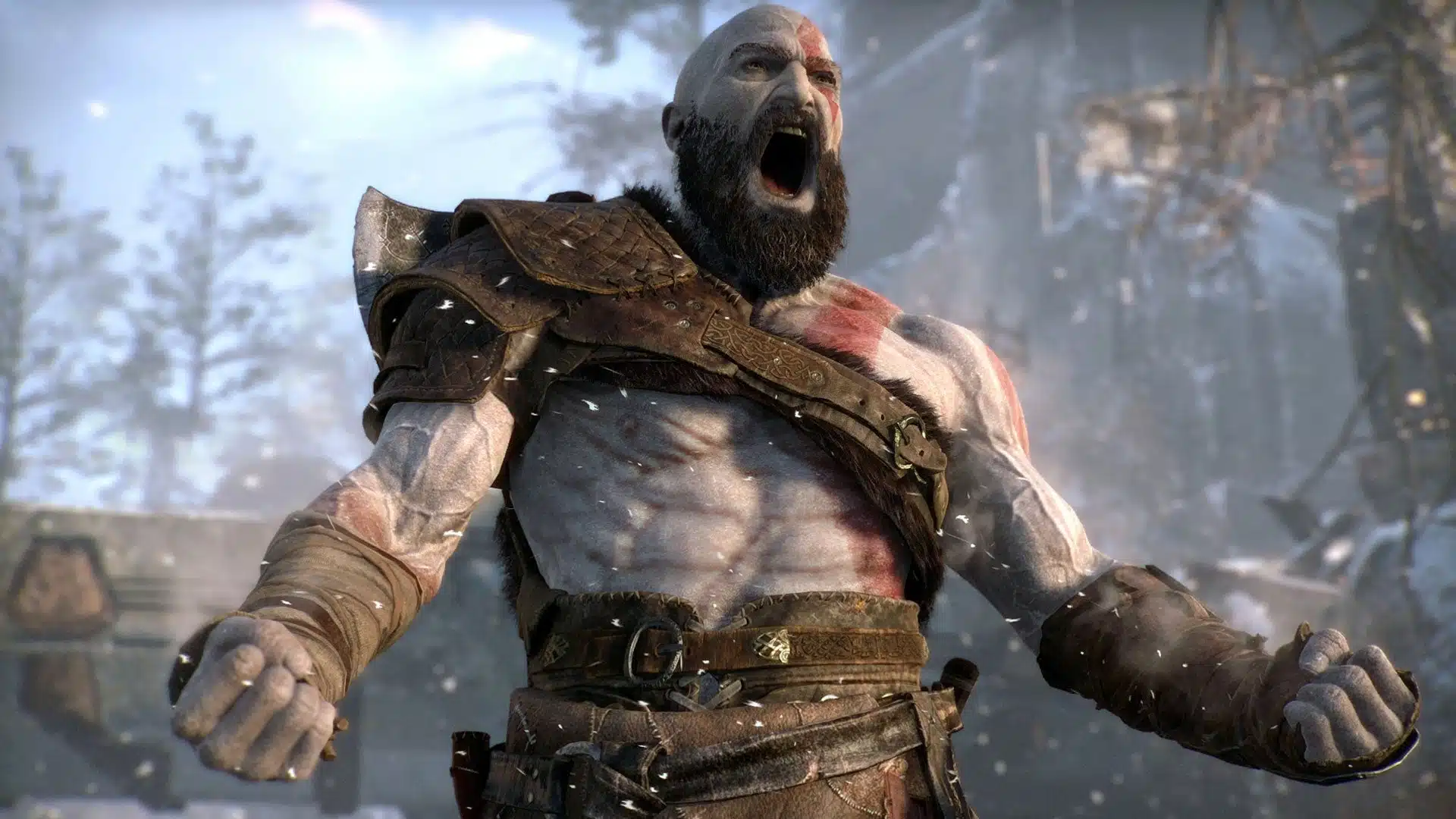
Kratos and Atreus begin their journey with plenty of emotional distance between them.
Instead of fixing that through a few dramatic scenes, the game lets their relationship change through travel, combat, arguments, and quieter conversations.
Norse mythology provides the scale, but family keeps everything grounded.
Watching them slowly understand each other is what gives the larger events their emotional punch.
6. Disco Elysium (Best Written Story)
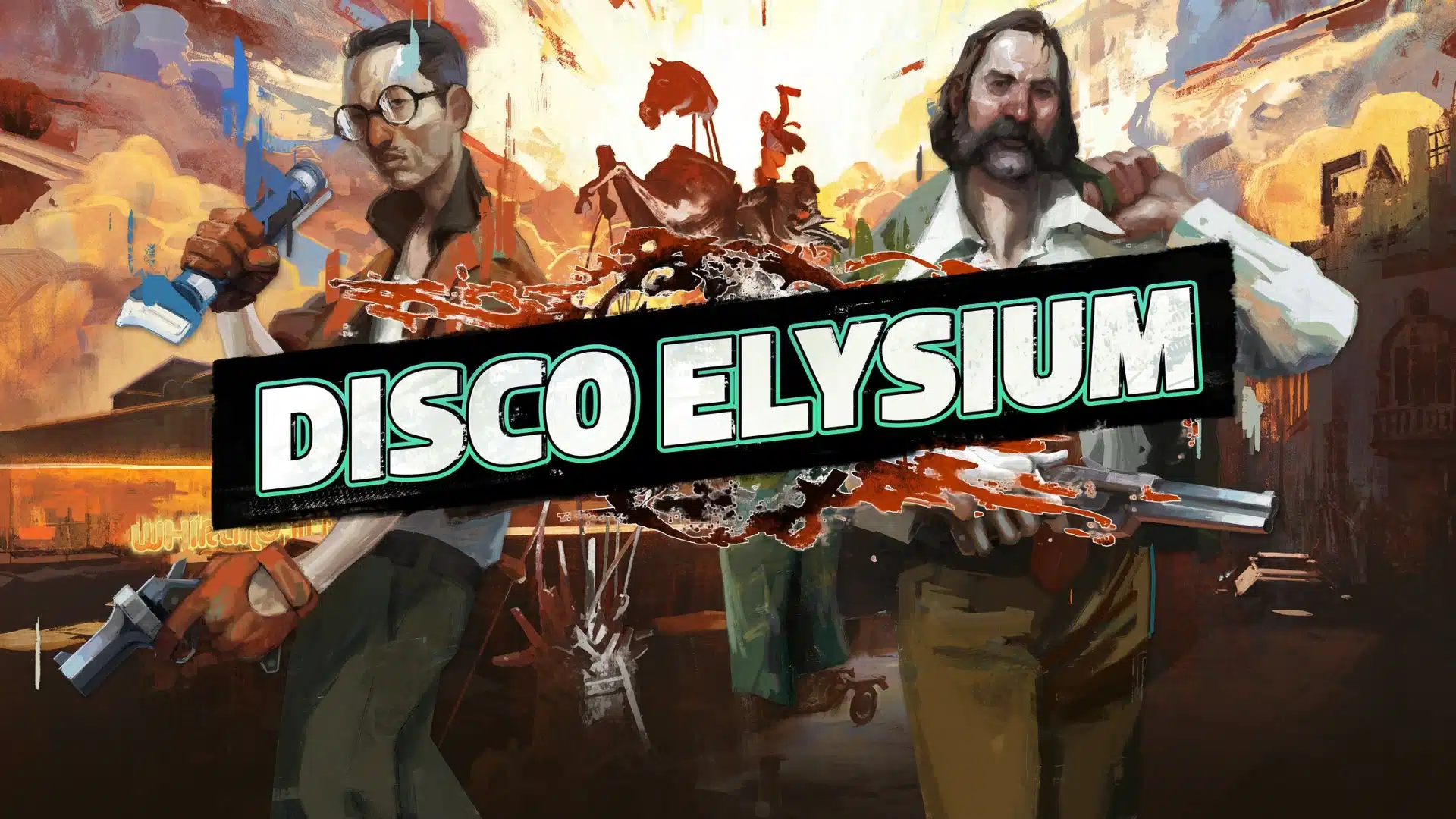
Disco Elysium turns your character’s own mind into part of the conversation.
Different thoughts interrupt, argue, encourage terrible ideas, and sometimes completely reshape how you understand a situation.
Even failed skill checks can create memorable outcomes instead of simple punishment.
Writing and role-playing are so closely connected that conversations never feel like something happening between the important parts. They are the important parts.
7. Baldur’s Gate 3 (Best Choice-Driven RPG Story)
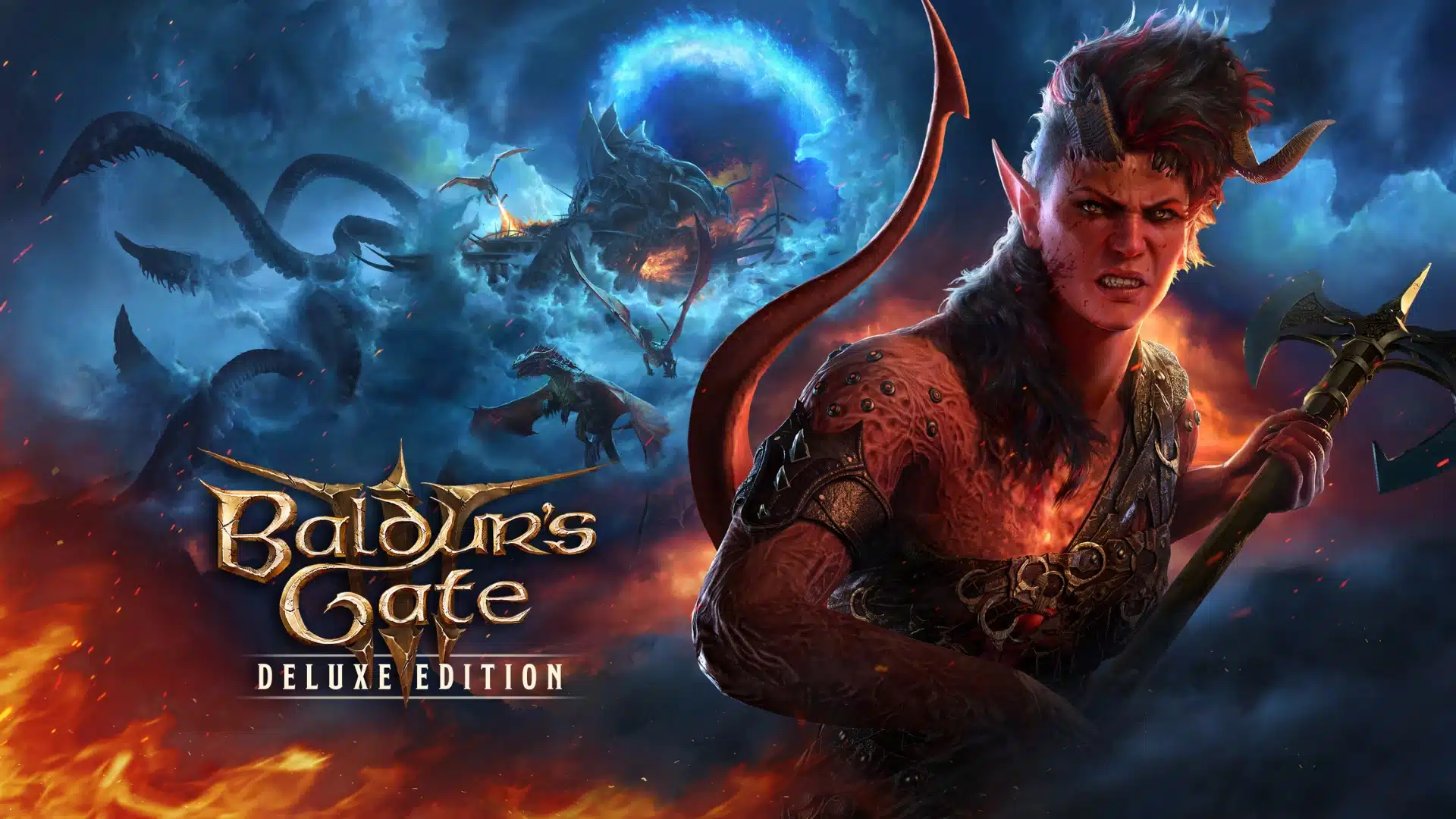
Baldur’s Gate 3 rarely makes a decision feel isolated, as our Baldur’s Gate 3 review found when we tracked how far a single early choice can travel.
What you say or do can affect companions, close off quests, change alliances, and completely alter situations you expected to play out differently.
The uncertainty makes choices exciting because the consequences aren’t always obvious.
When a companion leaves, someone dies, or an alliance collapses, it feels connected to your actions rather than a scripted checkpoint.
8. Detroit: Become Human (Best Branching Narrative)
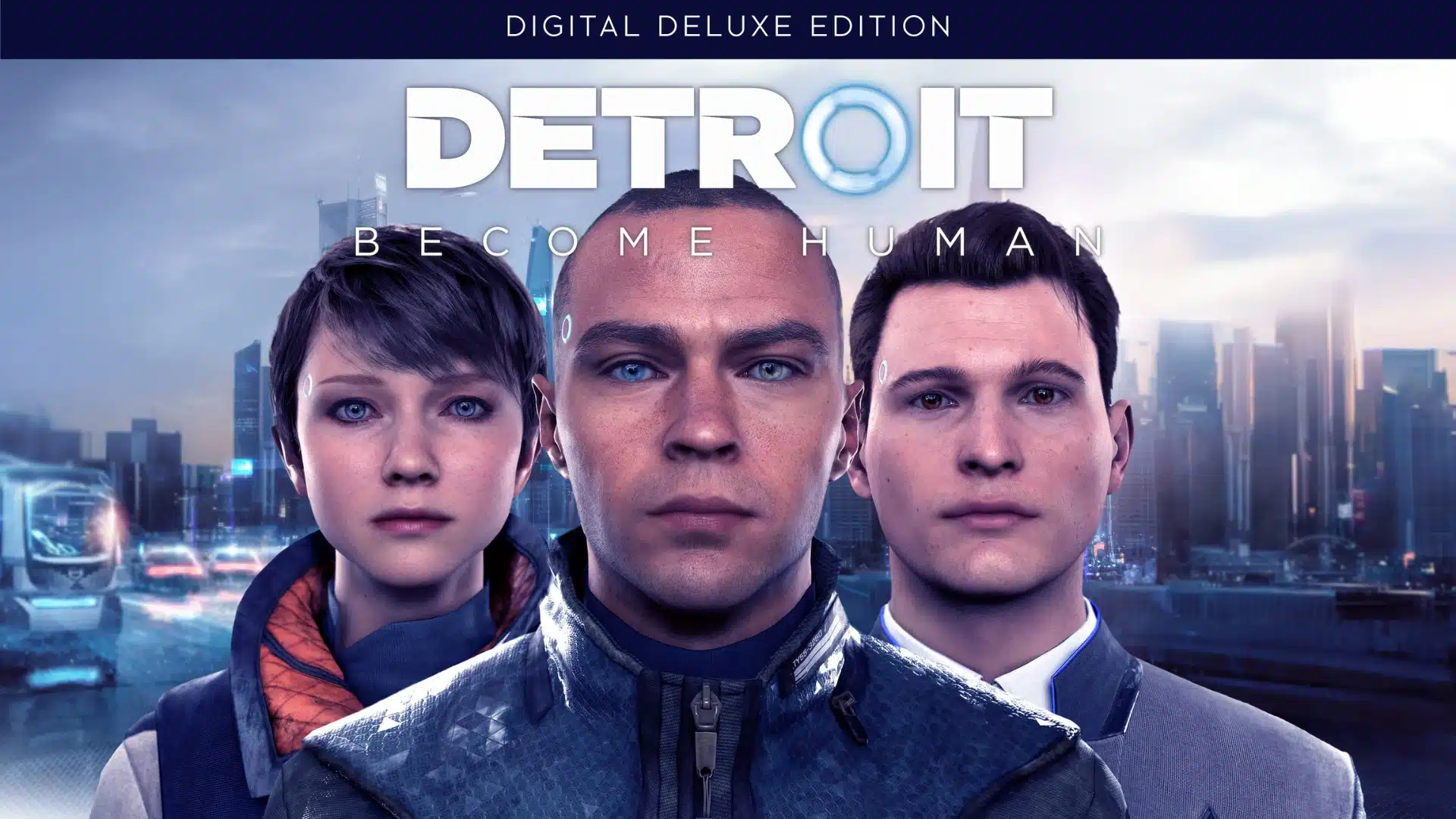
Detroit: Become Human puts player choice directly at the center of its story.
Decisions can change relationships, remove characters permanently, or send entire chapters toward outcomes you might never see on another playthrough.
What makes it satisfying is how clearly the game shows those branches afterward.
You can actually see where another decision might have changed events, which makes every missed path tempting.
9. Cyberpunk 2077 (Best Dystopian Story)
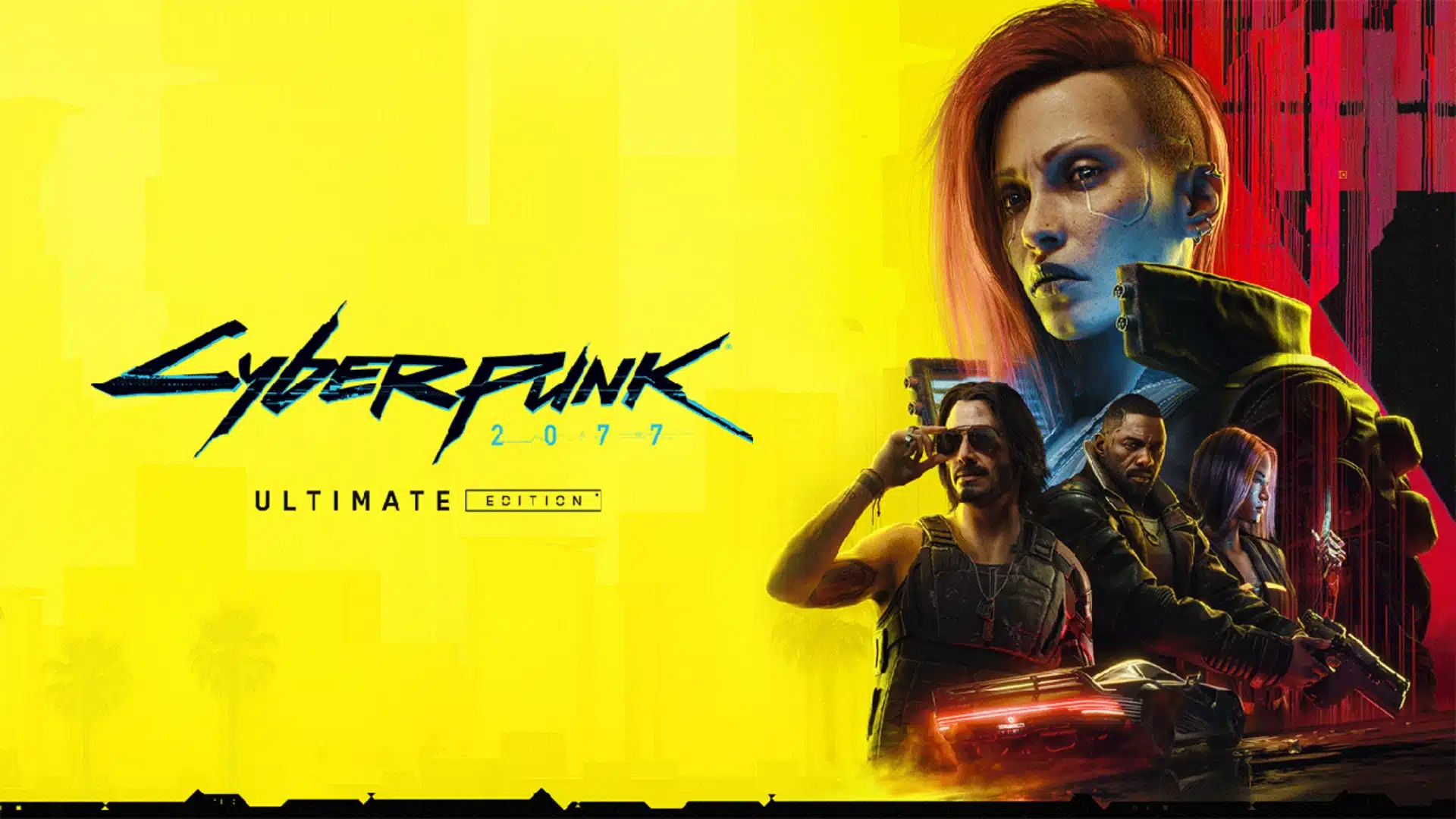
Night City is loud, excessive, and constantly trying to pull your attention somewhere new, but V’s situation keeps the story personal.
The ticking clock hanging over their life gives even flashy moments an uncomfortable edge. Johnny Silverhand adds another layer by questioning your decisions and motives.
Their uneasy relationship keeps the story grounded in identity, mortality, and what someone is willing to leave behind.
10. BioShock (Best Story Twist and Environmental Narrative)
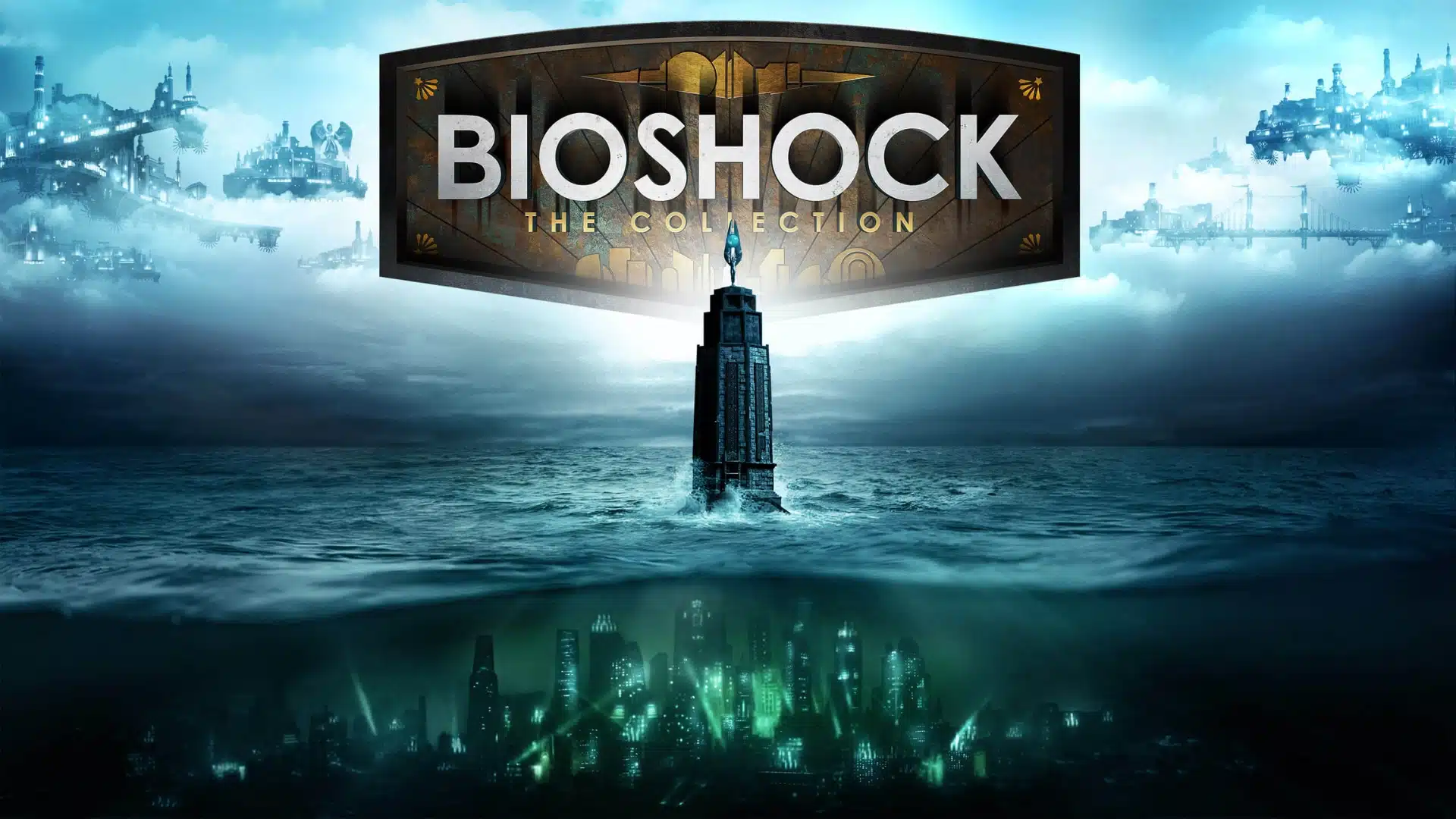
BioShock does not need constant cutscenes to explain Rapture.
Broken rooms, propaganda, abandoned spaces, and audio recordings gradually tell you what happened to this supposedly perfect underwater society.
Its famous twist works because it connects directly to how you have been playing.
Suddenly, familiar actions mean something different, forcing you to reconsider how much control you actually had throughout the game.
11. Life is Strange (Best Choice-and-Consequence Teen Drama)
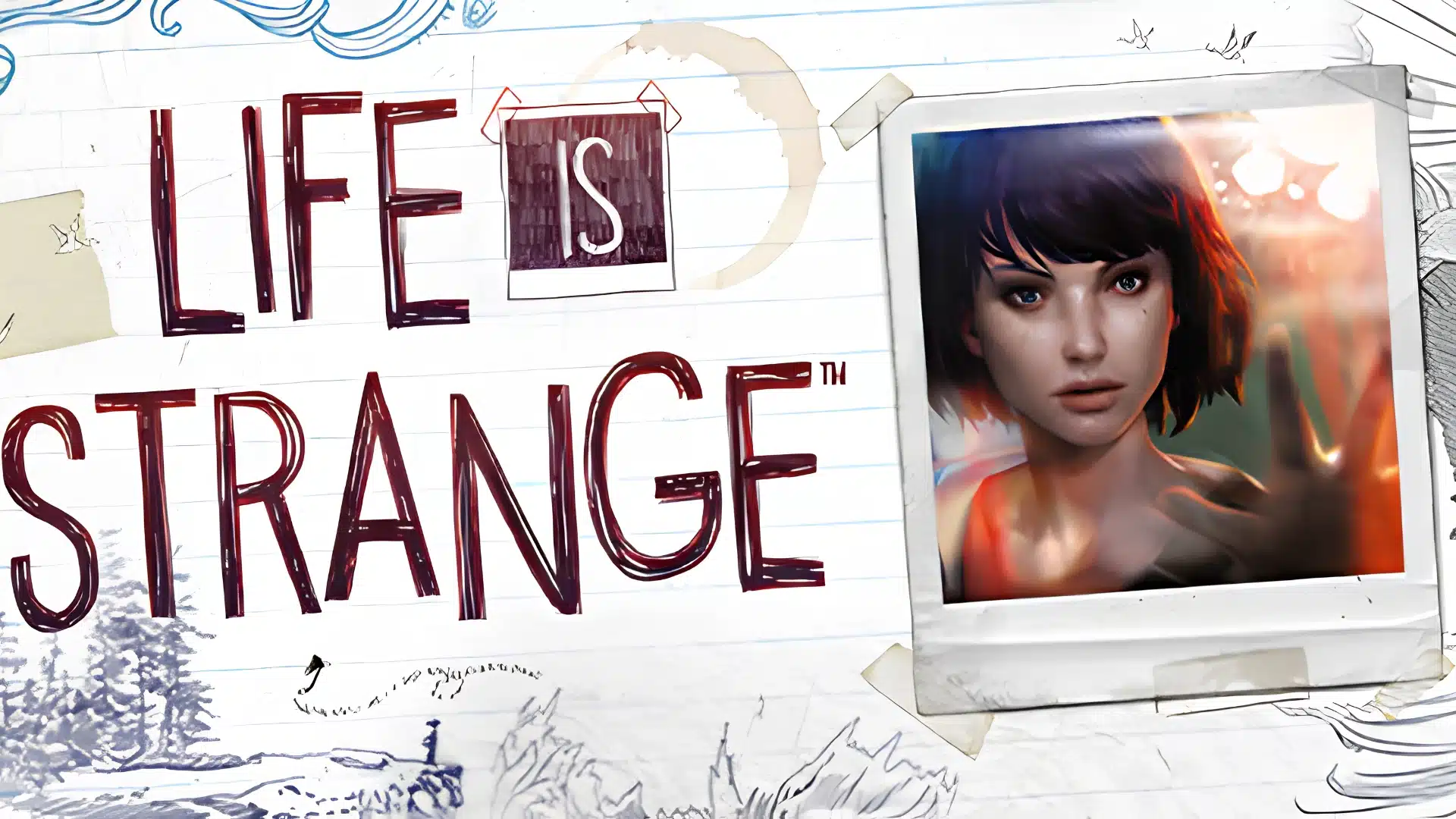
Max’s ability to rewind time makes ordinary conversations feel more important than they normally would.
You can change an answer, test another response, and still wonder whether you actually improved anything. That mechanic fits perfectly with a story about friendship, regret, guilt, and loss.
The strongest moments often come from realizing that another chance doesn’t guarantee a painless outcome.
12. Final Fantasy VII Remake (Best Reimagined Classic Story)
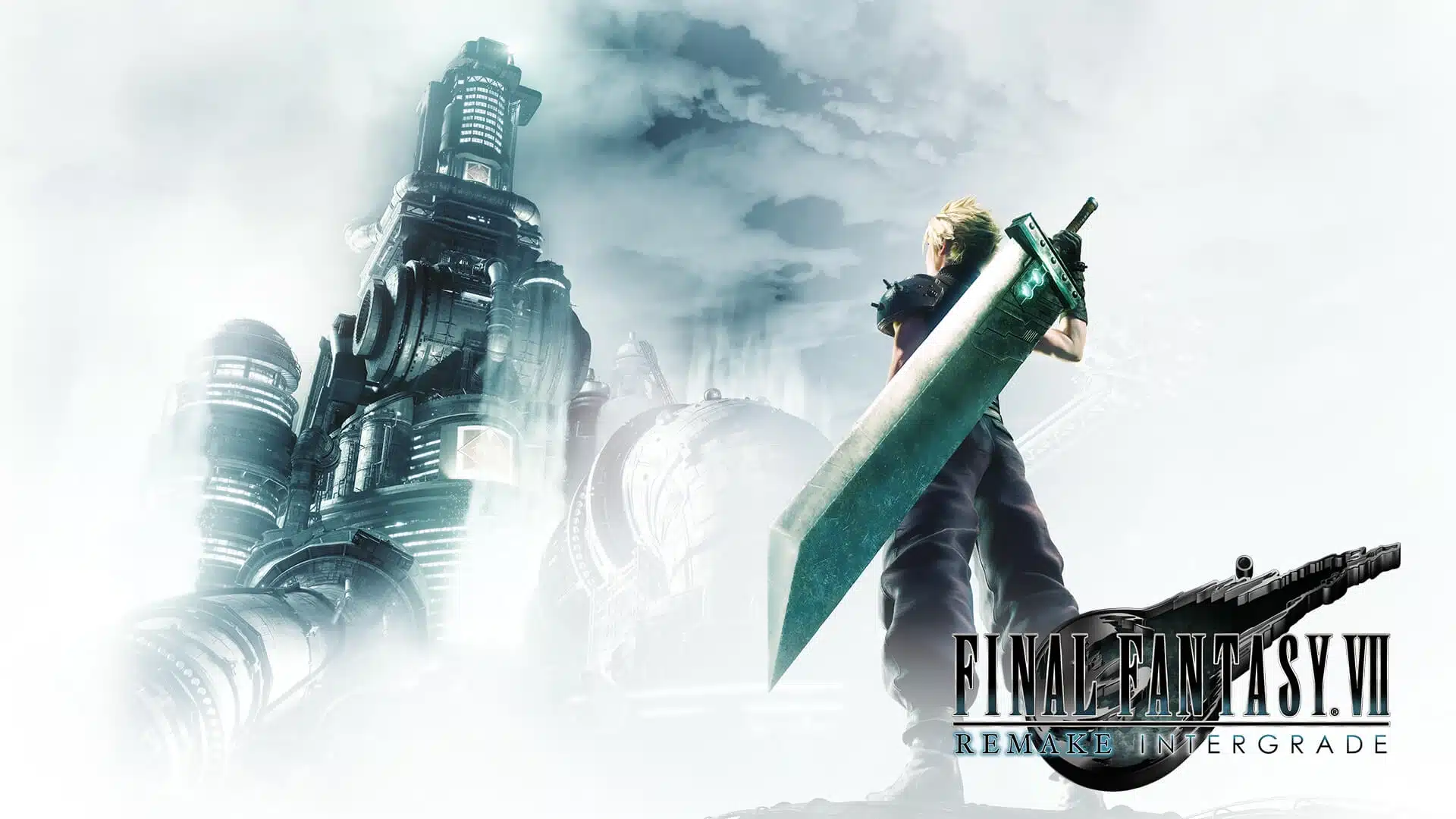
Final Fantasy VII Remake gives Cloud, Tifa, Aerith, Barret, and the rest of its cast far more time to exist together, a strength worth comparing against our full list of ranked Final Fantasy games.
Small conversations and added scenes make their relationships feel warmer and more believable. It also avoids feeling like a straightforward recreation.
Familiar moments remain important, but changes create enough uncertainty to keep longtime fans invested while giving newcomers an emotional entry point.
13. Metal Gear Solid 3: Snake Eater (Best Espionage Story)
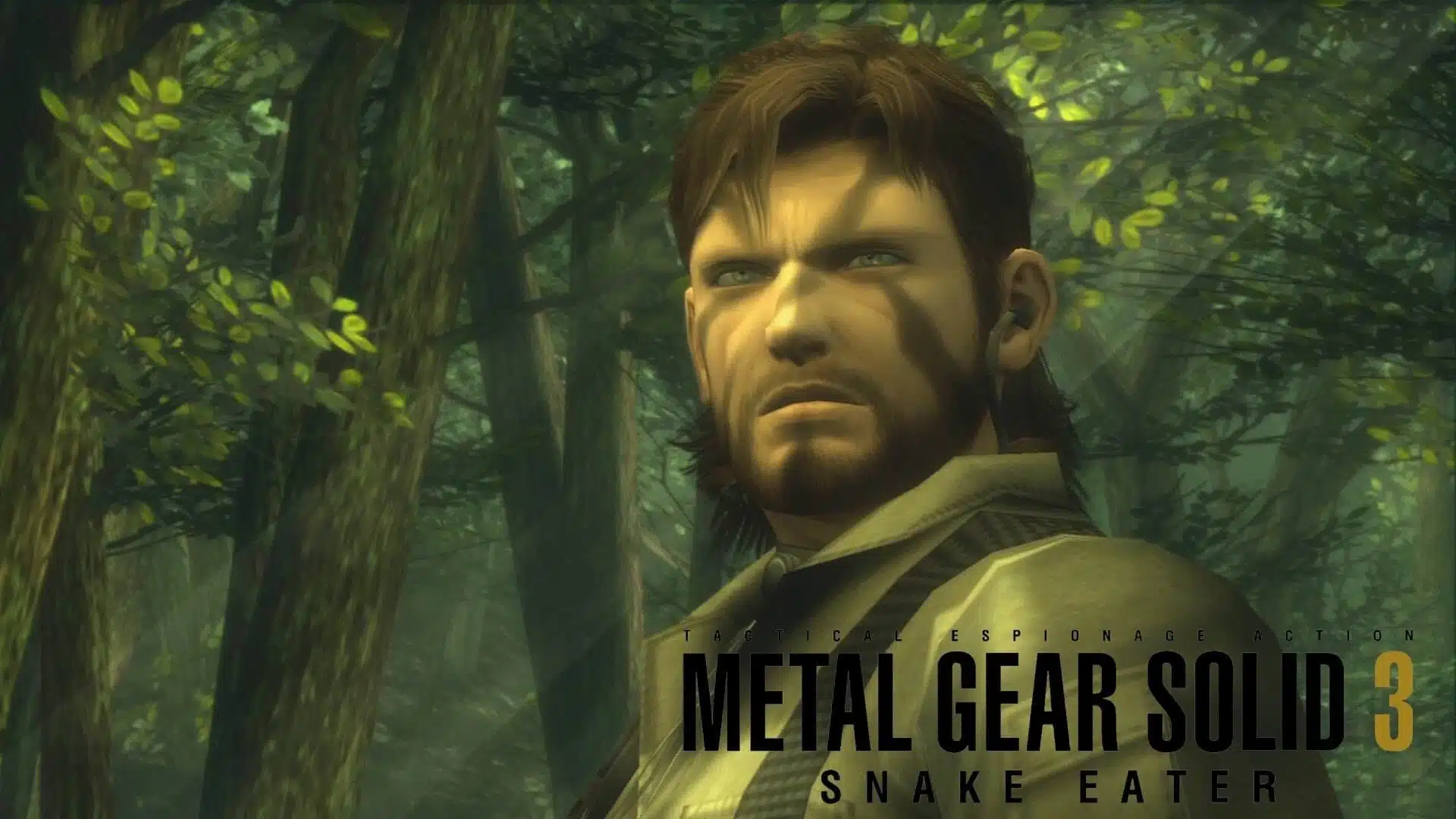
Snake Eater begins like a classic Cold War spy mission, but its real strength comes from the relationship between Snake and The Boss.
Every mission objective becomes more complicated once loyalty and personal history enter the picture.
The slower, survival-focused gameplay helps build tension before the final confrontation. By then, the mission no longer feels political. It feels painfully personal.
14. Persona 5 Royal (Best Coming of Age Story)
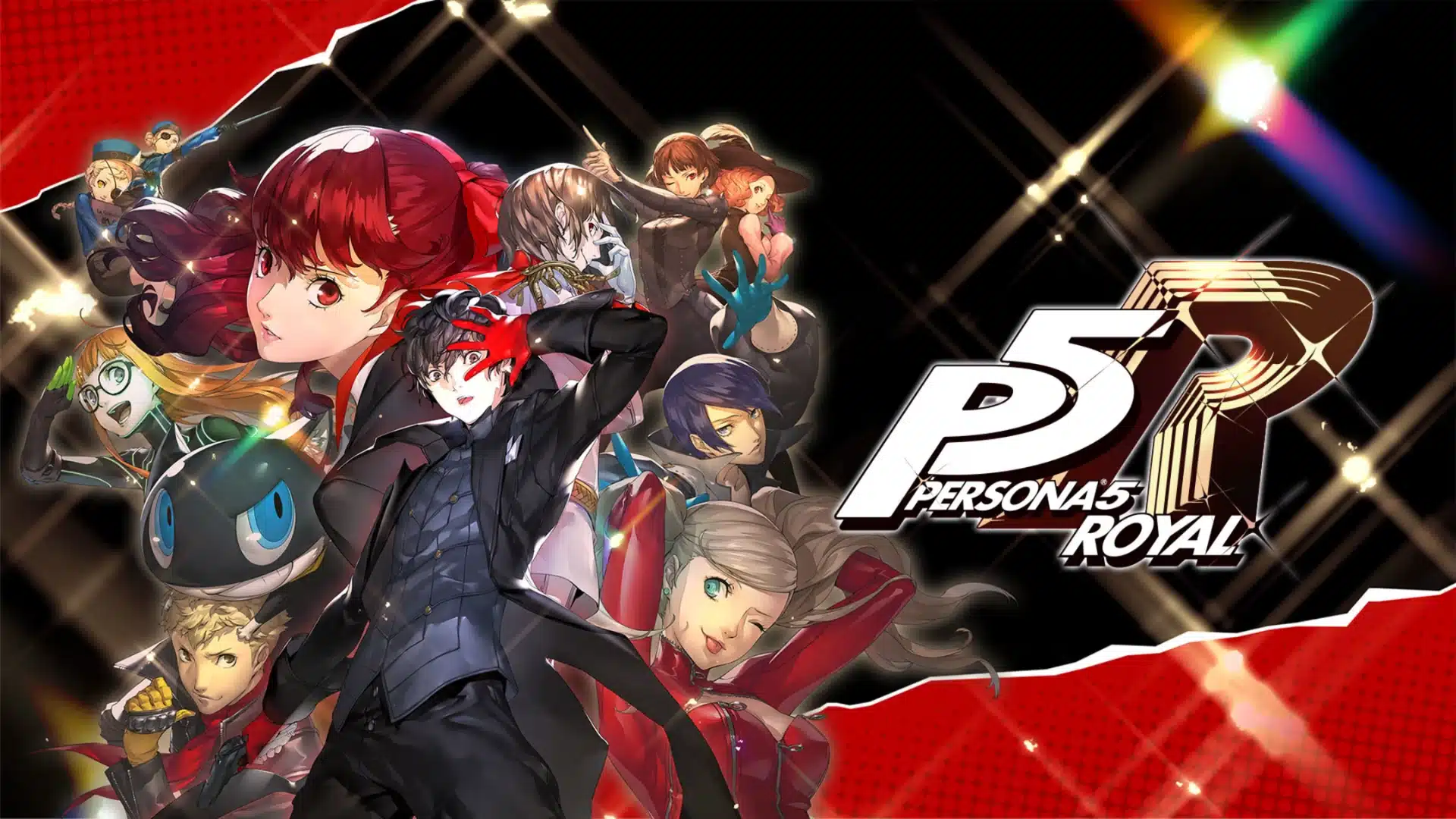
Persona 5 Royal takes its time building the Phantom Thieves into a group you genuinely care about.
School days, meals, conversations, friendships, and ordinary routines matter just as much as the larger conflicts. That long calendar works in the story’s favor.
You spend enough time with these characters that later changes feel earned, making the emotional payoff stronger than a quicker story could manage.
15. Nier: Automata (Best Philosophical Sci-Fi Story)
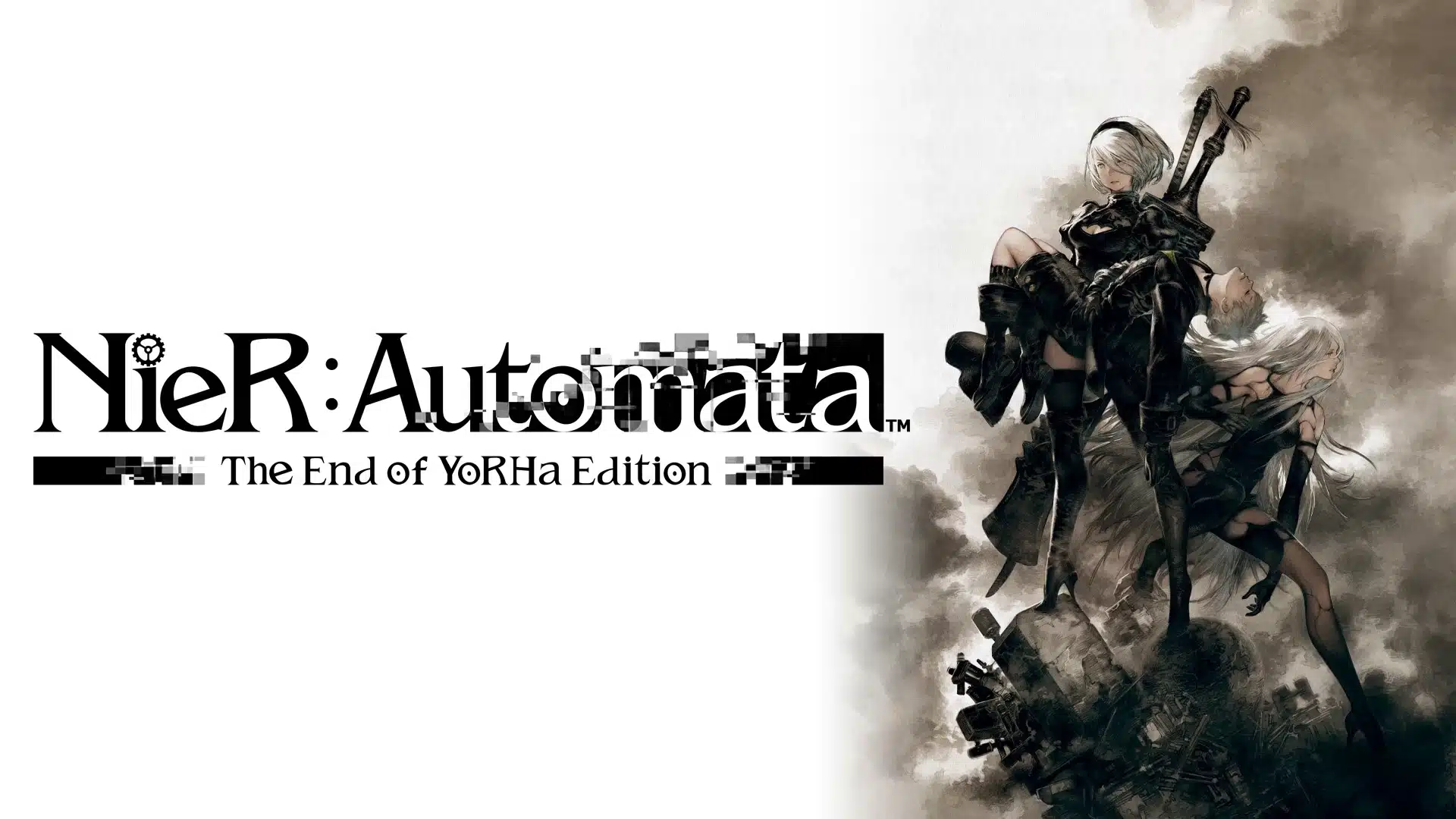
Nier: Automata starts with familiar science-fiction questions about machines and humanity, then keeps pulling those ideas apart.
2B and 9S become increasingly personal ways of examining identity, purpose, memory, and grief. Its structure is especially important.
Replaying sections from different viewpoints is not filler.
New information changes what earlier events meant, turning repeated gameplay into part of understanding the complete story.
16. Horizon Zero Dawn (Best Mystery-Driven World)
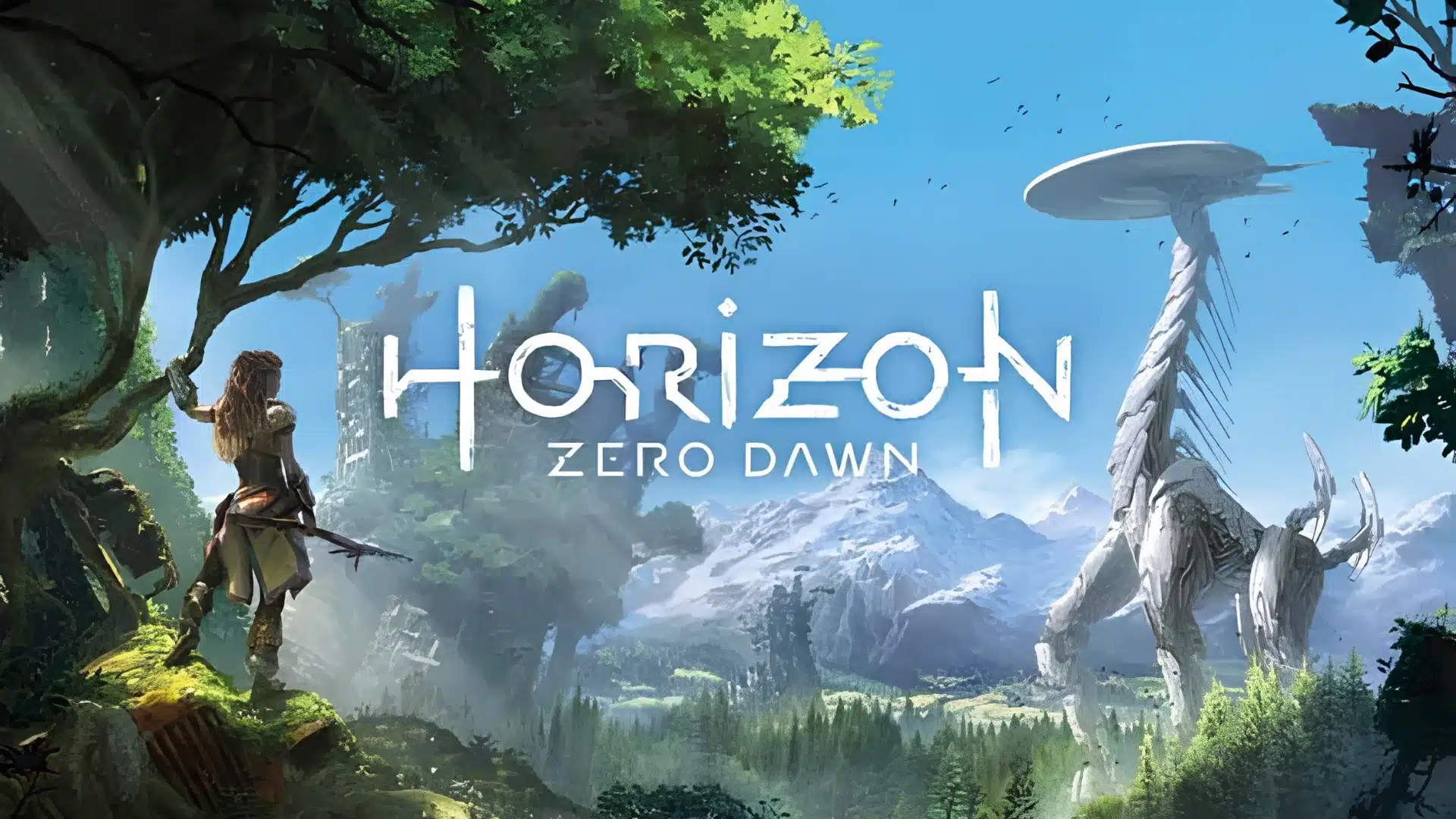
Aloy’s search for answers about her own past runs alongside a much larger question about what happened to the civilization that came before her.
Those two mysteries gradually connect in satisfying ways. The world helps tell that story without constantly explaining itself.
Ruins, machines, recordings, and forgotten technology give you pieces first, letting the bigger truth form naturally as Aloy gets closer to it.
17. Uncharted 4: A Thief’s End (Best Series Send-Off)
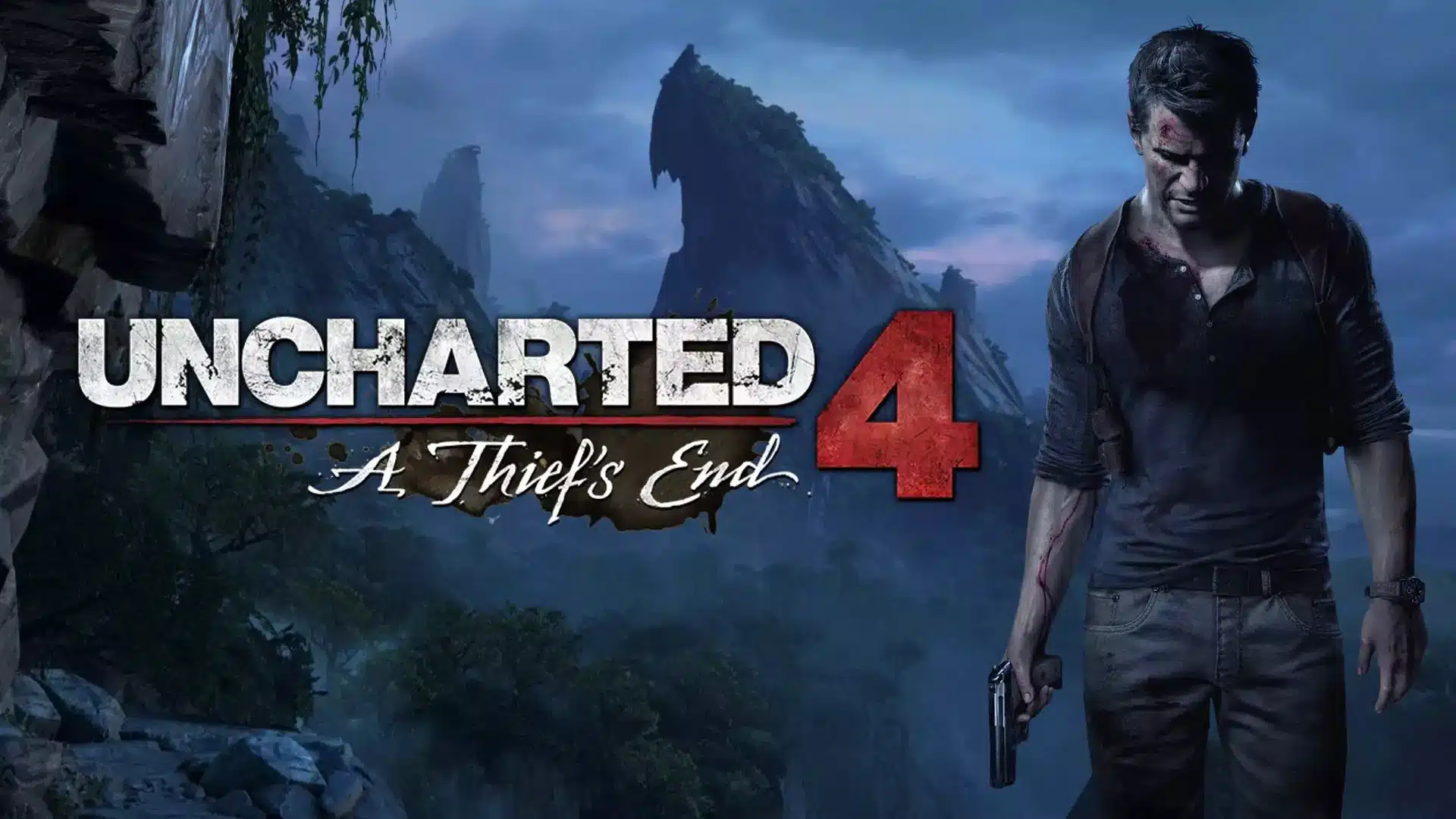
Uncharted 4 still has huge action scenes, but its strongest moments often happen when Nathan Drake is simply talking with the people closest to him.
Marriage, family, responsibility, and old habits finally catch up with him. That quieter focus makes the ending work.
Instead of chasing spectacle until the credits, the game gives Nathan’s long-running story a conclusion that feels personal and properly earned.
18. Ghost of Tsushima (Best Honor-and-Identity Story)
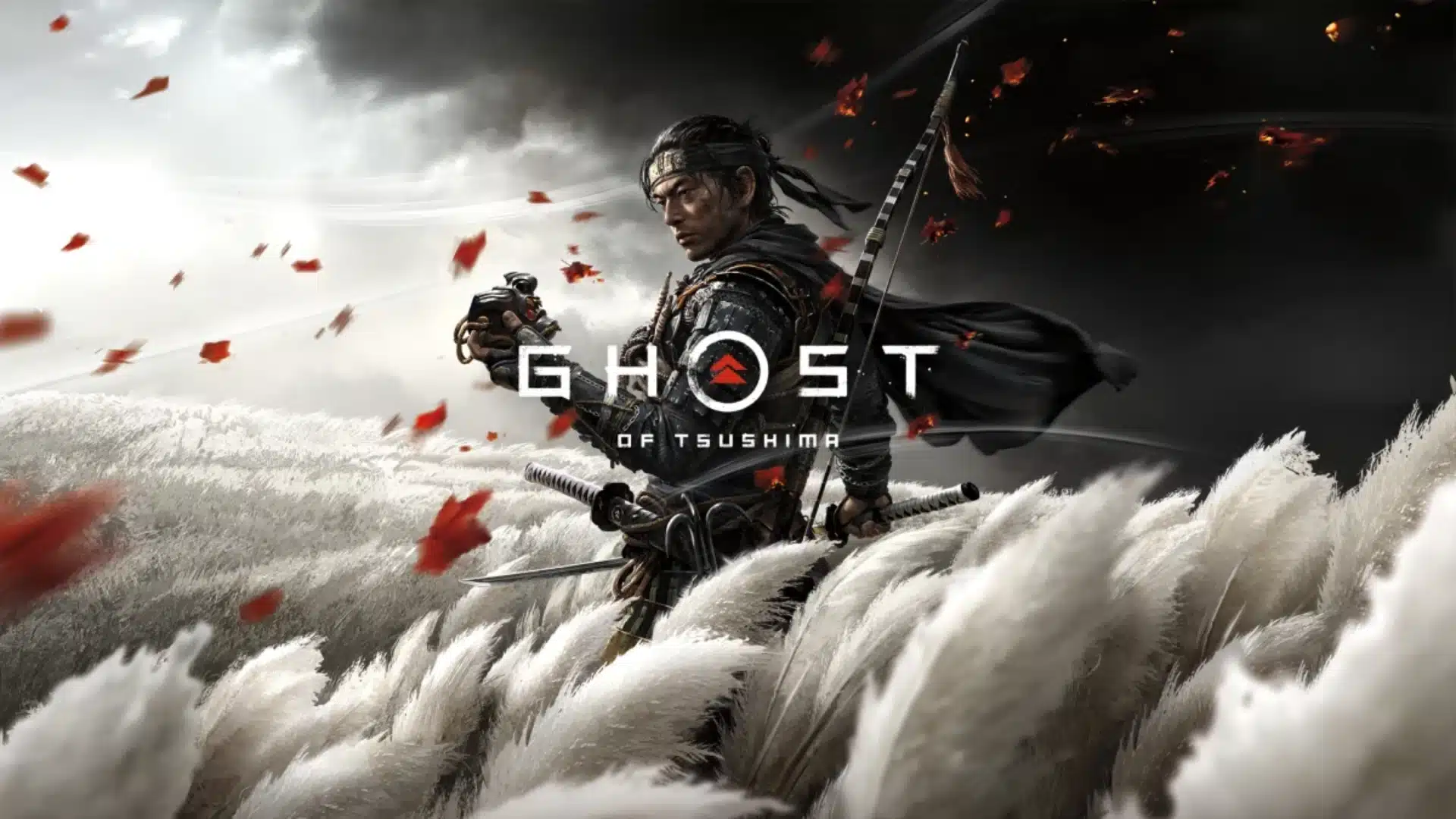
Jin Sakai spends much of Ghost of Tsushima caught between the code he was raised to follow and the methods he believes are necessary to save his home, a tension our Ghost of Tsushima review breaks down scene by scene.
Neither side feels completely comfortable. That conflict follows him through missions and relationships rather than appearing only in major scenes.
As Jin changes his methods, you can feel the personal cost building alongside his growing effectiveness.
19. What Remains of Edith Finch (Best Anthology Story)
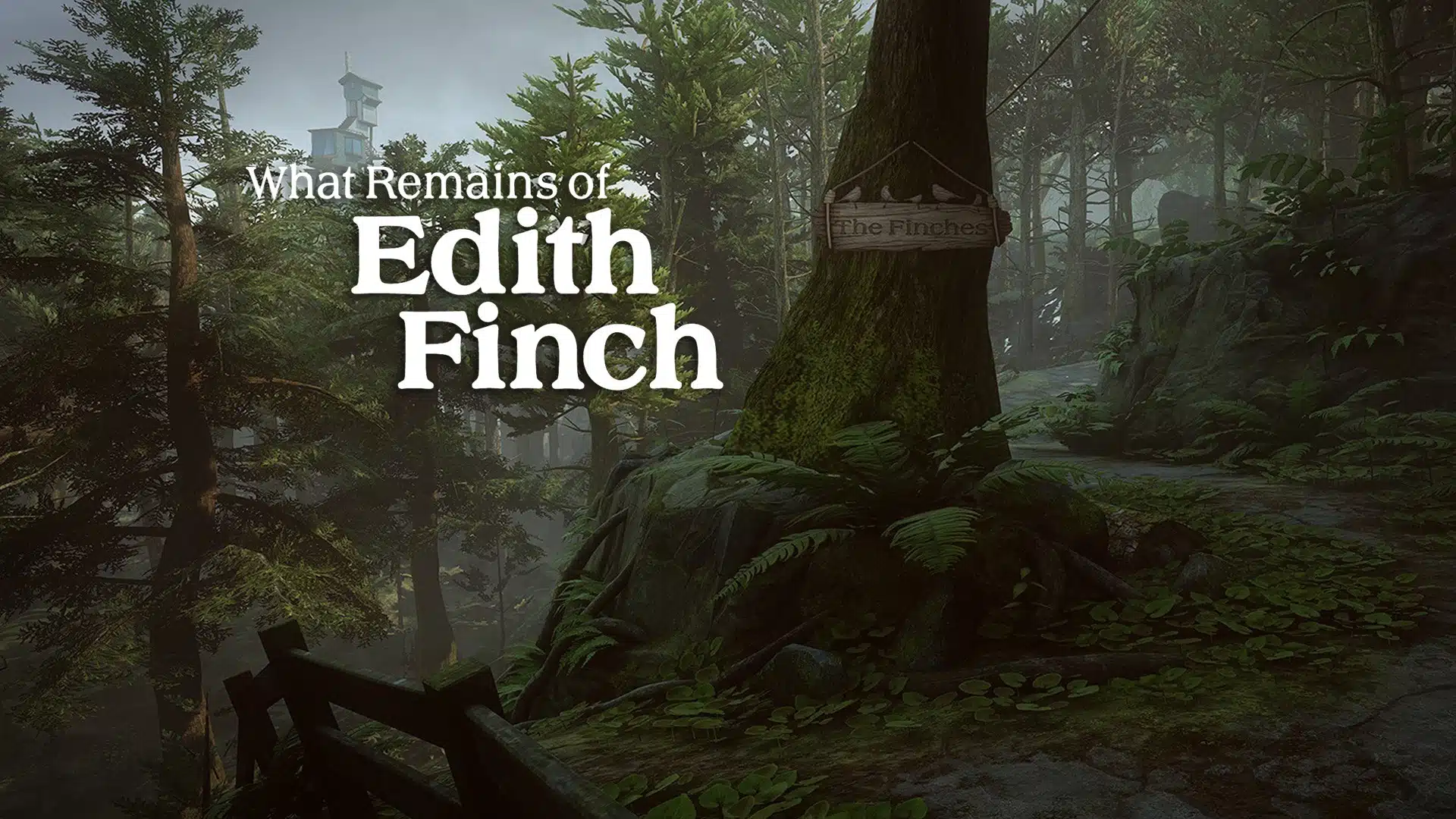
What Remains of Edith Finch tells its family history through short stories that play completely differently from one another.
That variety gives every relative an identity instead of turning the family’s tragedies into repeated versions of the same moment.
The house quietly holds everything together. Rooms, objects, and sealed spaces make the family history feel physical, leaving you with a strange mix of grief and curiosity.
20. Kentucky Route Zero (Best Atmospheric Story)
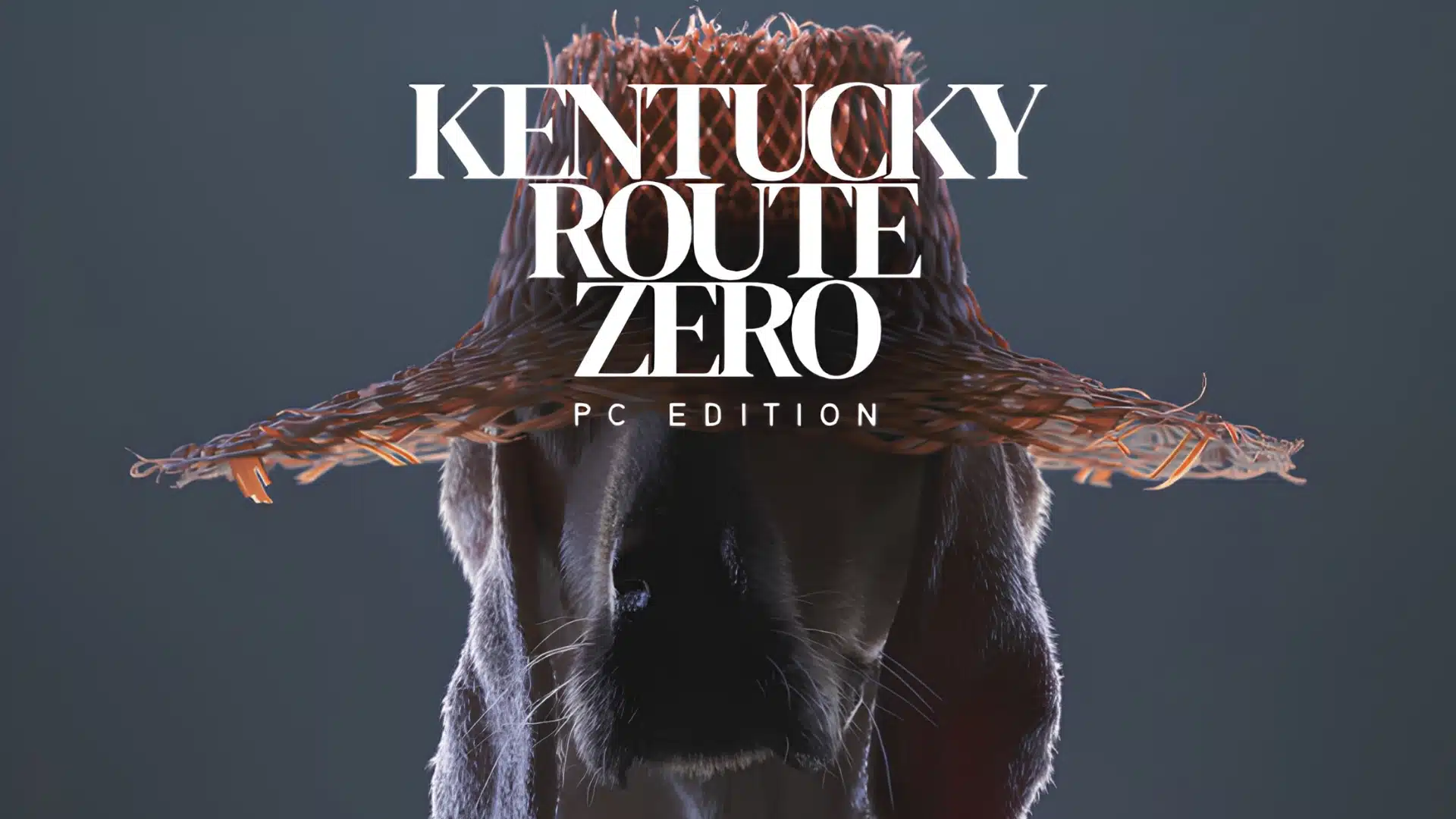
Kentucky Route Zero moves at its own pace and never seems interested in rushing you toward a dramatic payoff.
Conversations, strange locations, and small human moments matter more than conventional action. Its magical realism can feel unusual at first, but patience pays off.
The story gradually becomes less about reaching a destination and more about debt, loss, work, memory, and the people sharing the road.
21. Spec Ops: The Line (Best War Story Twist)
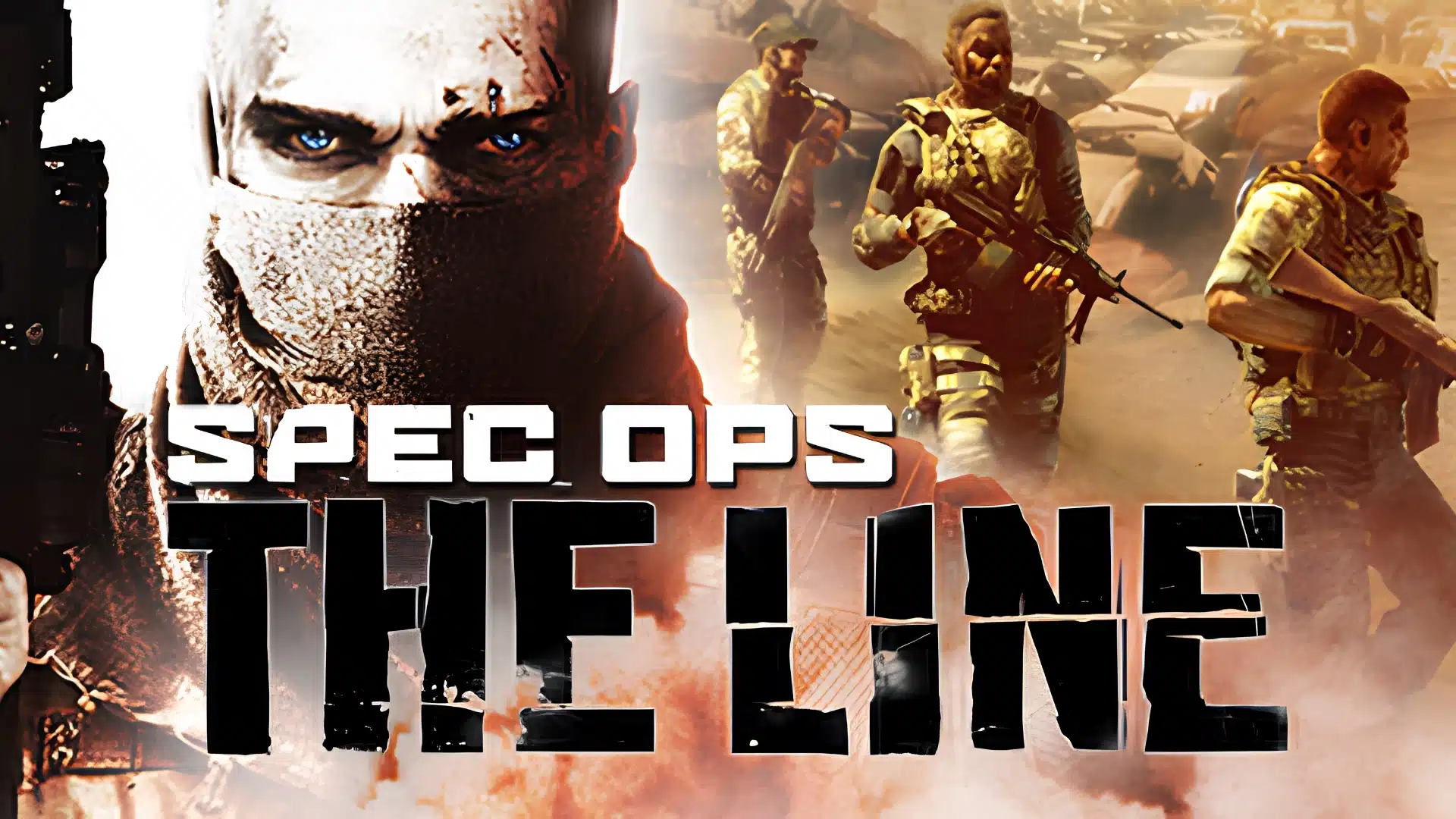
Spec Ops: The Line initially looks like a familiar military shooter, and that is exactly why its story works.
It uses expectations built by the genre before slowly making the player uncomfortable with the actions being carried out.
Choices and violent encounters begin to feel different once their consequences become clear.
By the end, the game is questioning both its protagonist and your willingness to keep pushing forward.
Which Story Game Should You Play Based on What You Like?
The best story games work because the writing and gameplay support each other. Your choices, character bonds, and time spent in the world make the story feel personal. The table below helps you pick based on how you like to play.
| Story Style | Best Picks | Best For |
|---|---|---|
| Cinematic | The Last of Us, God of War | Focused emotional stories |
| Open world | Red Dead Redemption 2, The Witcher 3, Cyberpunk 2077 | Long, immersive journeys |
| Choices | Baldur’s Gate 3, Mass Effect, Detroit: Become Human | Decisions with consequences |
| Writing | Disco Elysium | Deep dialogue and role-playing |
| JRPG | Persona 5 Royal, Final Fantasy VII Remake | Character bonds and long arcs |
| Atmospheric | Kentucky Route Zero, What Remains of Edith Finch | Slow, reflective storytelling |
The right game depends on your pace and preferred level of control. Pick the style that fits your mood, then start there tonight.
What is the Best Story Game to Start With?
The Last of Us is still the easiest recommendation for most players who care about story first. It gets moving quickly, keeps its main cast focused, and builds emotional weight without making you work too hard to stay invested.
- Pick The Last of Us: If you want a tight, cinematic story with strong characters and steady pacing.
- Pick Red Dead Redemption 2: If you enjoy slow-burn storytelling, long character arcs, and a world that takes time to settle into.
- Pick Baldur’s Gate 3: If you want your choices to shape conversations, relationships, quests, and major outcomes.
No single story format works for everyone. A game can rank lower overall and still suit you better. The better choice comes down to whether you want to follow a carefully directed story, live inside a slower one, or help shape it yourself.
Conclusion
The best story games of all time prove that a great game story does not need one fixed style.
Some hit hard through quiet character moments. Some use choices that make you pause. Others build a world so strong that every small detail feels important.
What matters most is how the story works with the way you play.
That is why a short, focused game can stay with you just as much as a huge open world. Pick the game that matches the feeling you want right now, not just the one ranked highest.
Which story game stayed with you the longest? Share your pick in the comments below.
Frequently Asked Questions
What is the Number One Best Story Game of All Time?
The Last of Us takes the top spot for its slowly built bond between Joel and Ellie, with pacing that rewards quiet moments as much as combat and makes every conversation carry real weight. Red Dead Redemption 2 is the strongest alternative if you want a slower burn and a much bigger world to get lost in.
Which Game Has the Most Choices That Affect the Story?
Baldur’s Gate 3 hands you real control over quests, companion relationships, and how major story beats resolve, with consequences that surface hours later, while Detroit: Become Human pushes branching even further since entire chapters can play out differently. The Mass Effect trilogy stands apart because major decisions carry across three separate games instead of one.
What is the Best Open-World Game for Story?
Red Dead Redemption 2 leads the pack for character-driven storytelling inside an open world, since Arthur Morgan’s arc unfolds gradually through camp life and travel, while The Witcher 3: Wild Hunt suits players who want fantasy backed by dense, consequence-heavy side quests. Cyberpunk 2077 works well if futuristic themes and personal stakes about identity and mortality appeal to you more.
What Story Game Should a Beginner Play First?
The Last of Us is the easiest entry point for newcomers, thanks to its focused story, small cast, and steady pacing that never overwhelms, while The Witcher 3: Wild Hunt is the better start if fantasy appeals more. For readers who want real control over how the story unfolds, Baldur’s Gate 3 is built specifically for that kind of player.