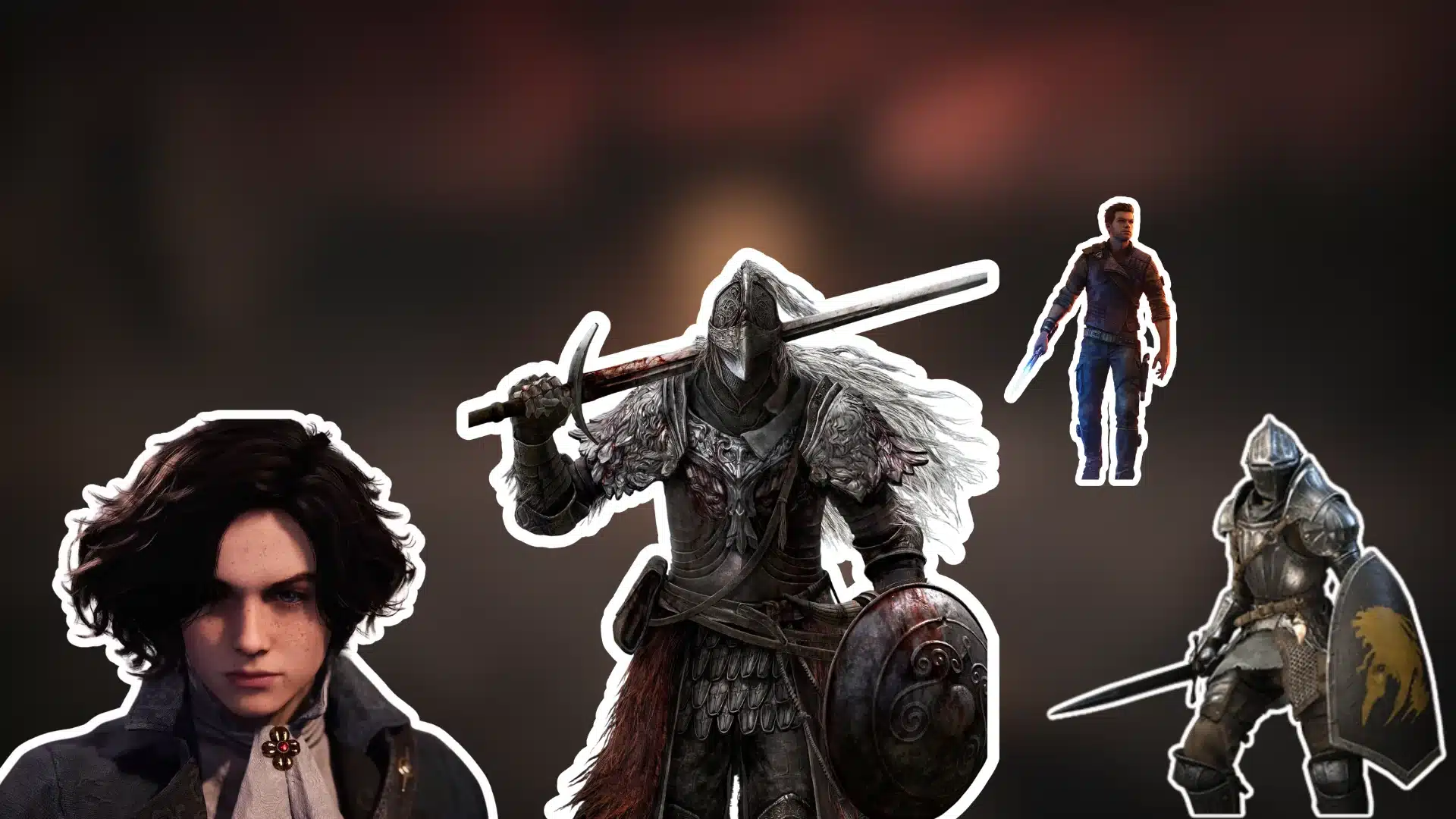
The best soulslike games are not defined by difficulty alone. Strong combat, memorable bosses, useful progression, and rewarding exploration all matter just as much.
Some games focus on precise parries, while others give you open worlds, deep builds, gunplay, co-op, or faster action.
That variety is what makes the genre interesting. Elden Ring gives you freedom to explore around difficult areas, while games like Sekiro, Lies of P, Nioh 2, and Remnant 2 push very different combat styles.
This list covers various options across fantasy, sci-fi, anime, historical settings, 2D worlds, and cooperative play, so you can choose one based on how you actually want to fight and progress.
What Makes a Soulslike Game Worth Playing?
Good soulslikes make failure useful. A missed dodge or rushed attack should show what needs to change.
The five qualities below separate fair pressure from wasted time. Each one affects how satisfying repeated attempts feel.
Readable combat: Enemy attacks provide enough warning to support improvement.
Meaningful bosses: Major fights test skills introduced during regular play.
Useful progression: Weapons and abilities create new choices, not only higher numbers.
Rewarding worlds: Hidden routes, shortcuts, and optional areas repay careful attention.
Flexible challenge: Different builds or support options prevent one obstacle from stopping progress.
These parts should support each other. Weak feedback or empty rewards can make even polished combat feel tiring.
The Best Soulslike Games Ranked
This order considers combat quality, level design, boss consistency, replay value, and platform access. Difficulty alone does not decide placement.
FromSoftware takes four positions because its releases still define the style. Four outside studios earn spots by meaningfully changing that formula.
1. Elden Ring: Best Overall
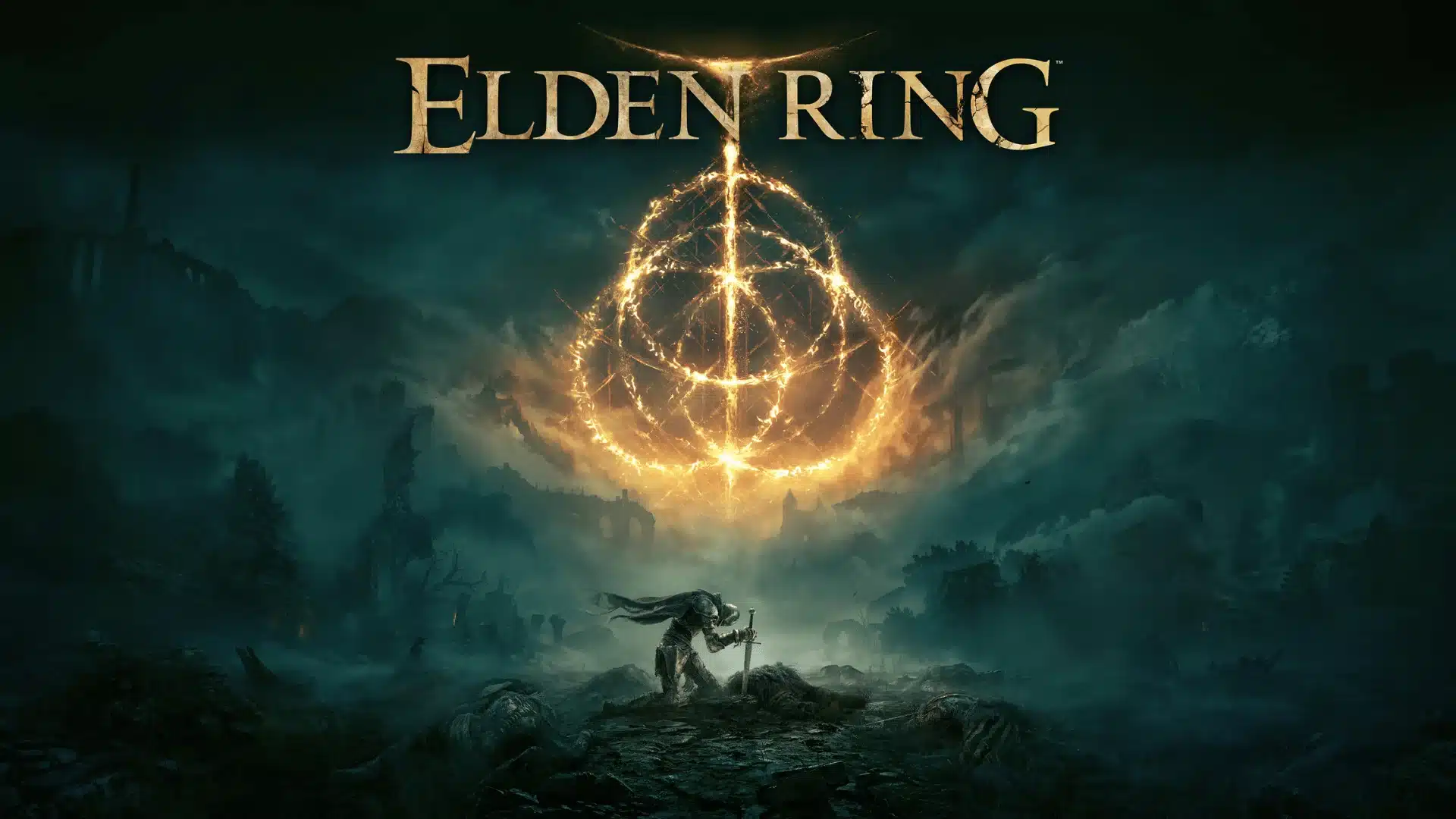
Elden Ring pairs refined combat with a vast open world, rich lore, and strong build freedom. Another area may provide levels, gear, spells, or useful practice when progress stops.
Its scale gives players uncommon control over difficulty, though loose direction can feel tiring. The Lands Between rewards patience with hidden routes and major side areas.
Best for: Open-world role-playing and varied character builds.
If the lore has you hooked, our Elden Ring family tree breaks down how the demigods actually connect.
2. Lies of P: Best Non-FromSoftware Soulslike
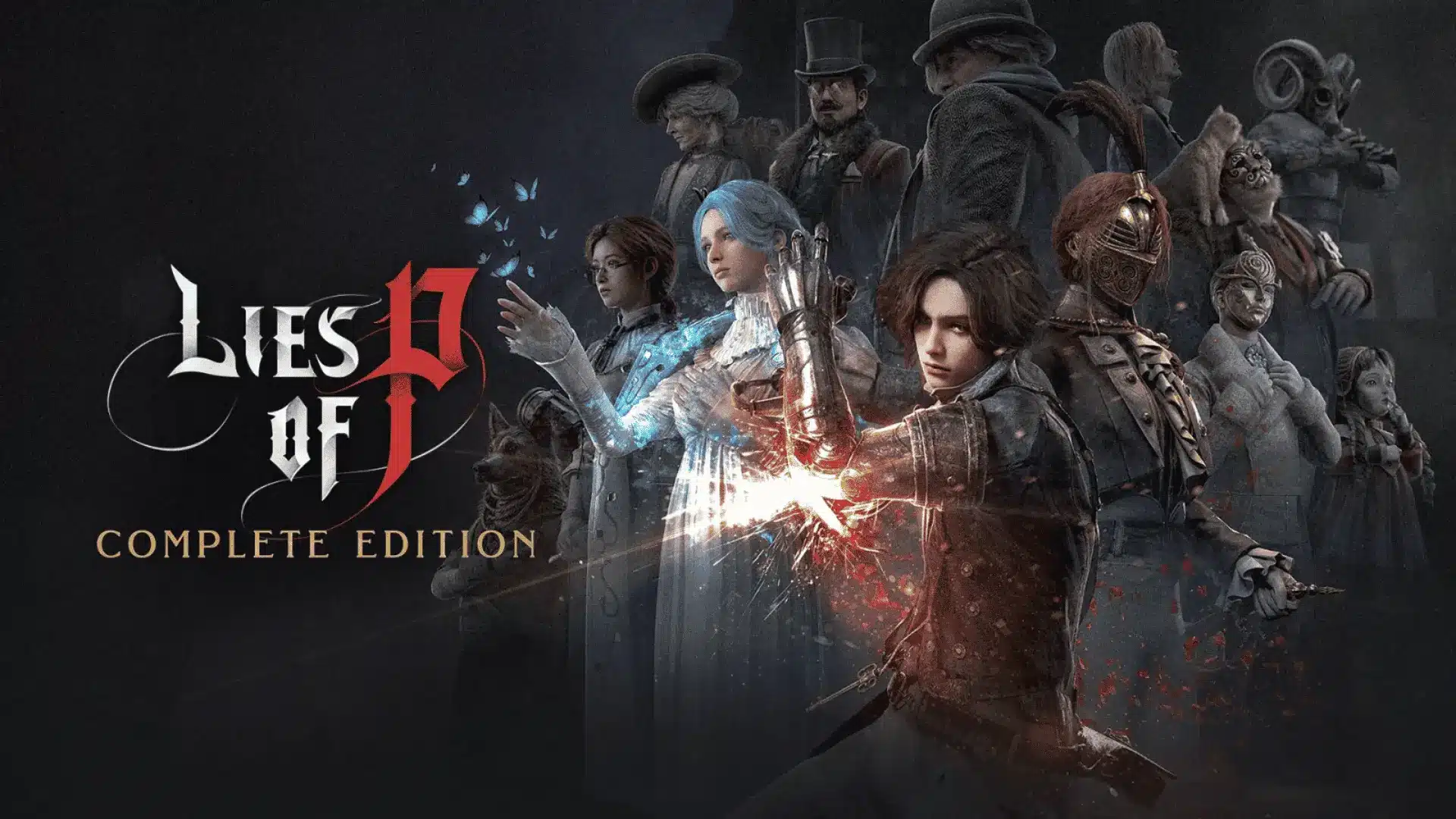
Lies of P places Pinocchio inside a dark, steampunk version of Belle Époque Europe. Perfect guards recall Sekiro, while recoverable guard damage carries clear Bloodborne influence.
Handles and blades can be paired, giving each weapon a different move set. Three difficulty settings now give players more control over the challenge.
A 2025 Overture update added three difficulty settings, so players now get more control over the challenge.
Best for: Directed levels, precise defense, clear storytelling, and flexible single-player difficulty.
3. Bloodborne: Best for Aggressive Combat
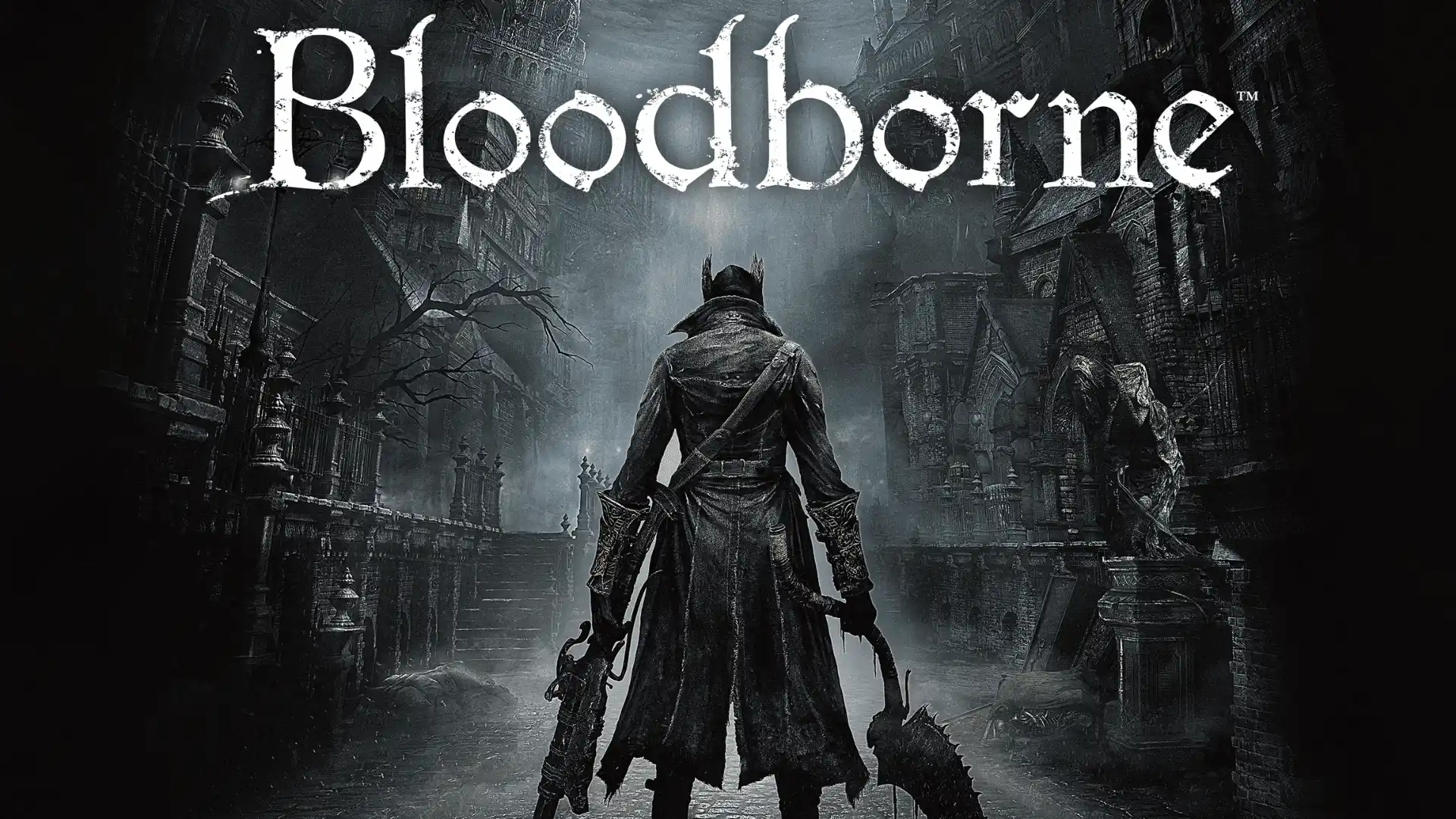
Bloodborne turns a Victorian-inspired gothic city into a fast, aggressive test of nerve. Its Rally system restores recently lost health when you counterattack quickly.
Trick weapons switch forms, while firearms interrupt enemies at close range. Yharnam’s tight streets keep every threat nearby.
Bloodborne remains a PS4 title playable on PS5 through backward compatibility.
Best for: Relentless pressure and gothic horror.
4. Dark Souls III: Best Traditional Souls Experience
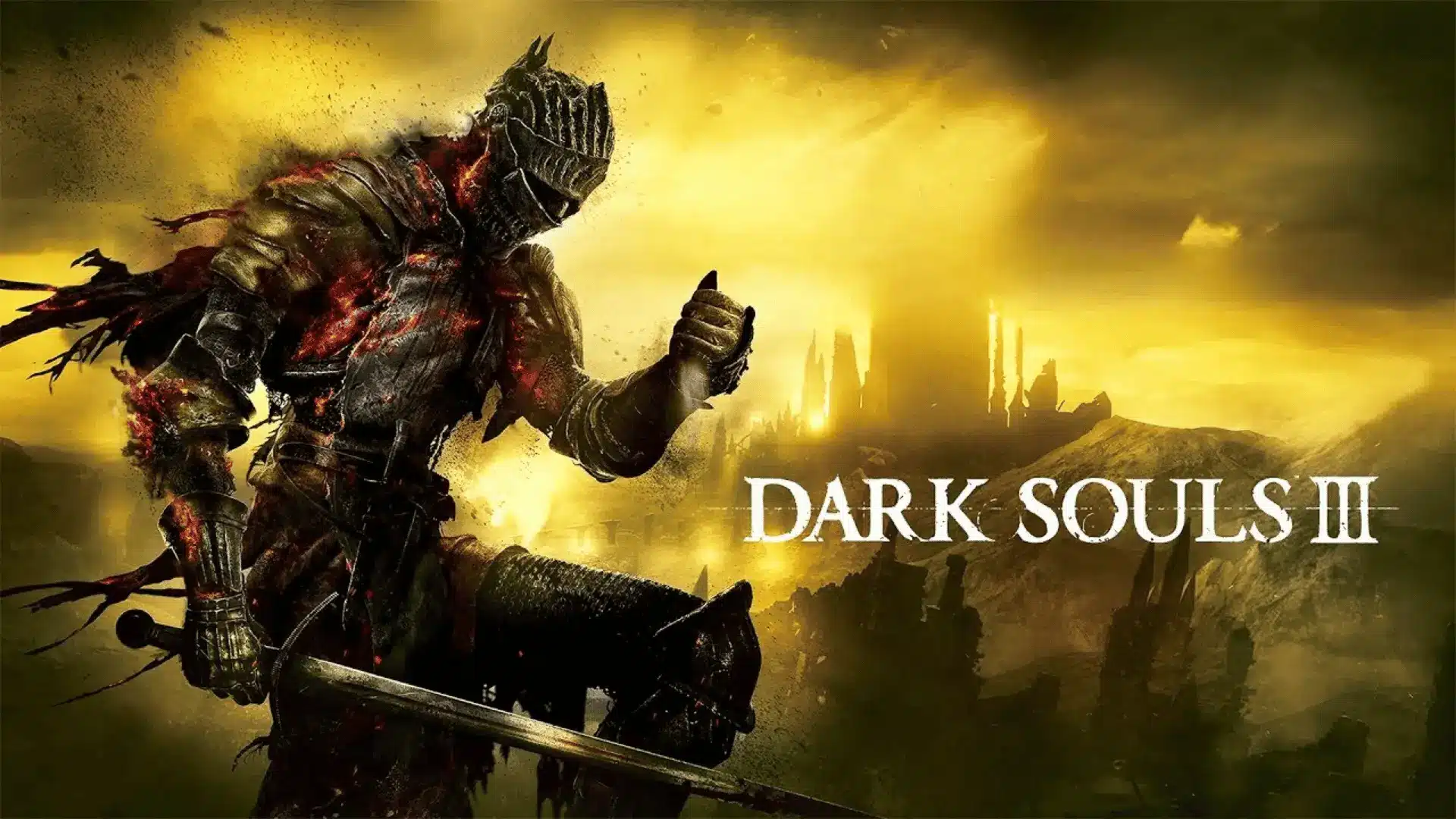
Dark Souls III offers polished, fast combat across a mostly linear set of connected areas. Shortcuts fold levels together, while weapons, magic, and armor support varied builds.
Bosses provide the game’s clearest skill tests, while older onboarding may confuse newcomers. Its tighter structure makes progress easier to track than Elden Ring’s open world.
Best for: Traditional Souls design and focused boss fights.
5. Sekiro – Shadows Die Twice: Best for Parry-Focused Combat
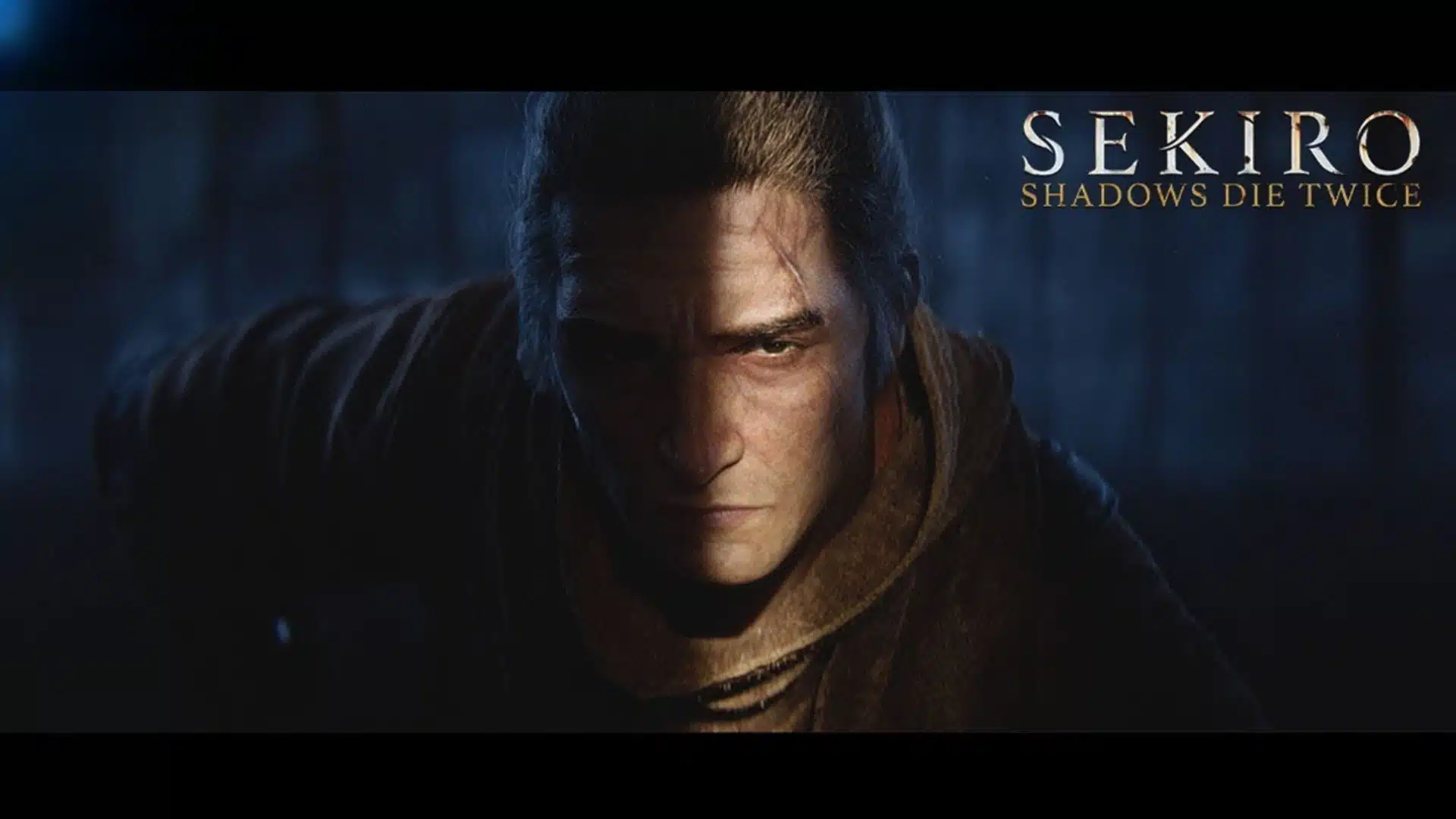
Sekiro builds its sword fights around rhythmic deflections instead of broad character builds. Successful blocks raise enemy posture, creating a direct opening for a finishing strike.
Stealth, prosthetic tools, and quick movement add options between close duels. Its Sengoku-inspired Japanese setting supports a strict single-player story.
Best for: Players seeking exact timing, firm rules, and visible skill growth under pressure.
6. Nioh 2: Best for Deep Combat and Loot
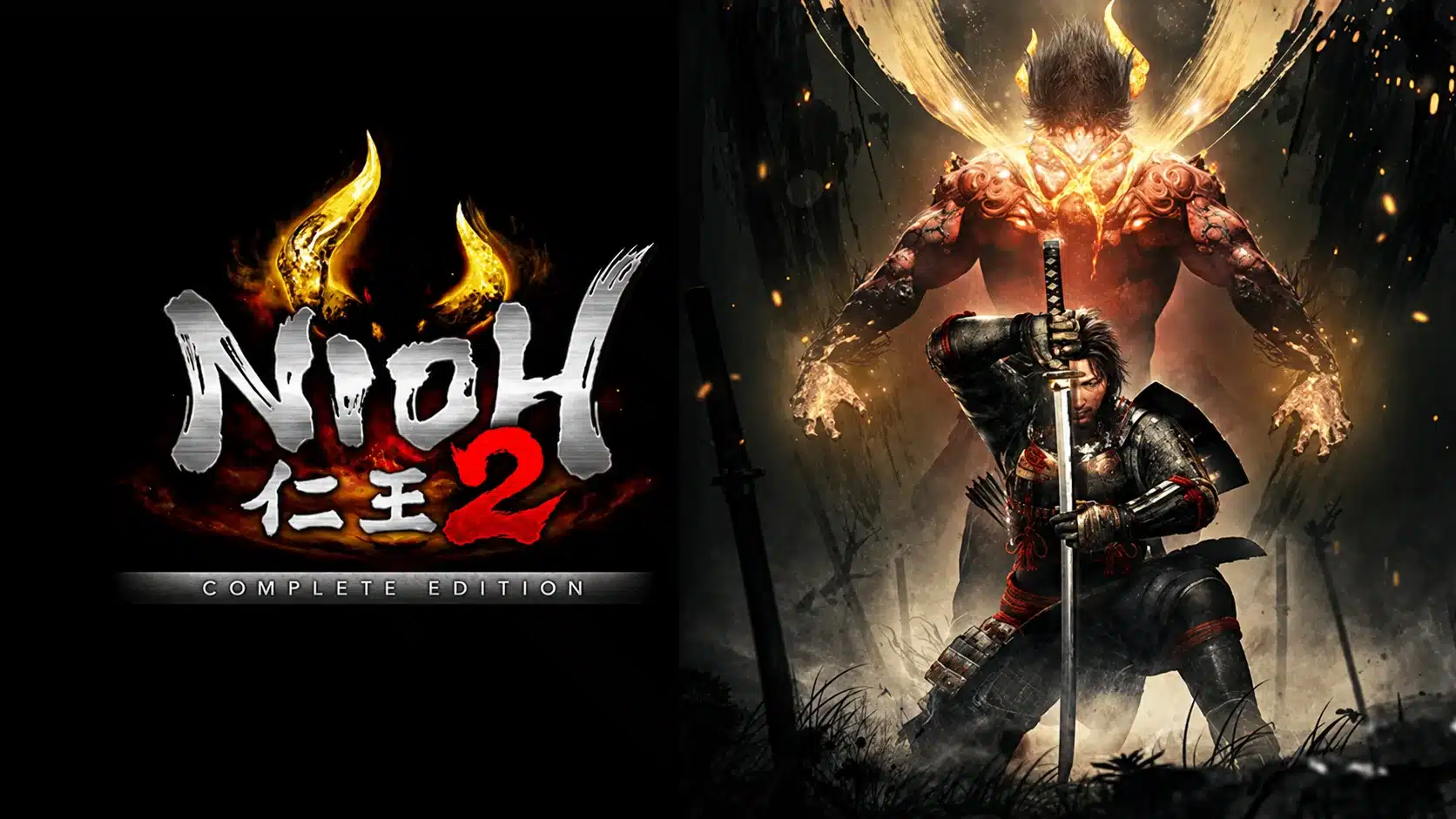
Nioh 2 places a custom samurai warrior against yokai across Sengoku-era Japan. Three weapon stances change attack speed, reach, defense, and available moves.
Ki Pulses restore stamina through active timing, while constant loot supports detailed builds. Large skill trees reward study, yet gear sorting can slow the pace.
Best for: Technical combat, samurai themes, and demon bosses with deep customization.
7. Remnant 2: Best for Co-Op
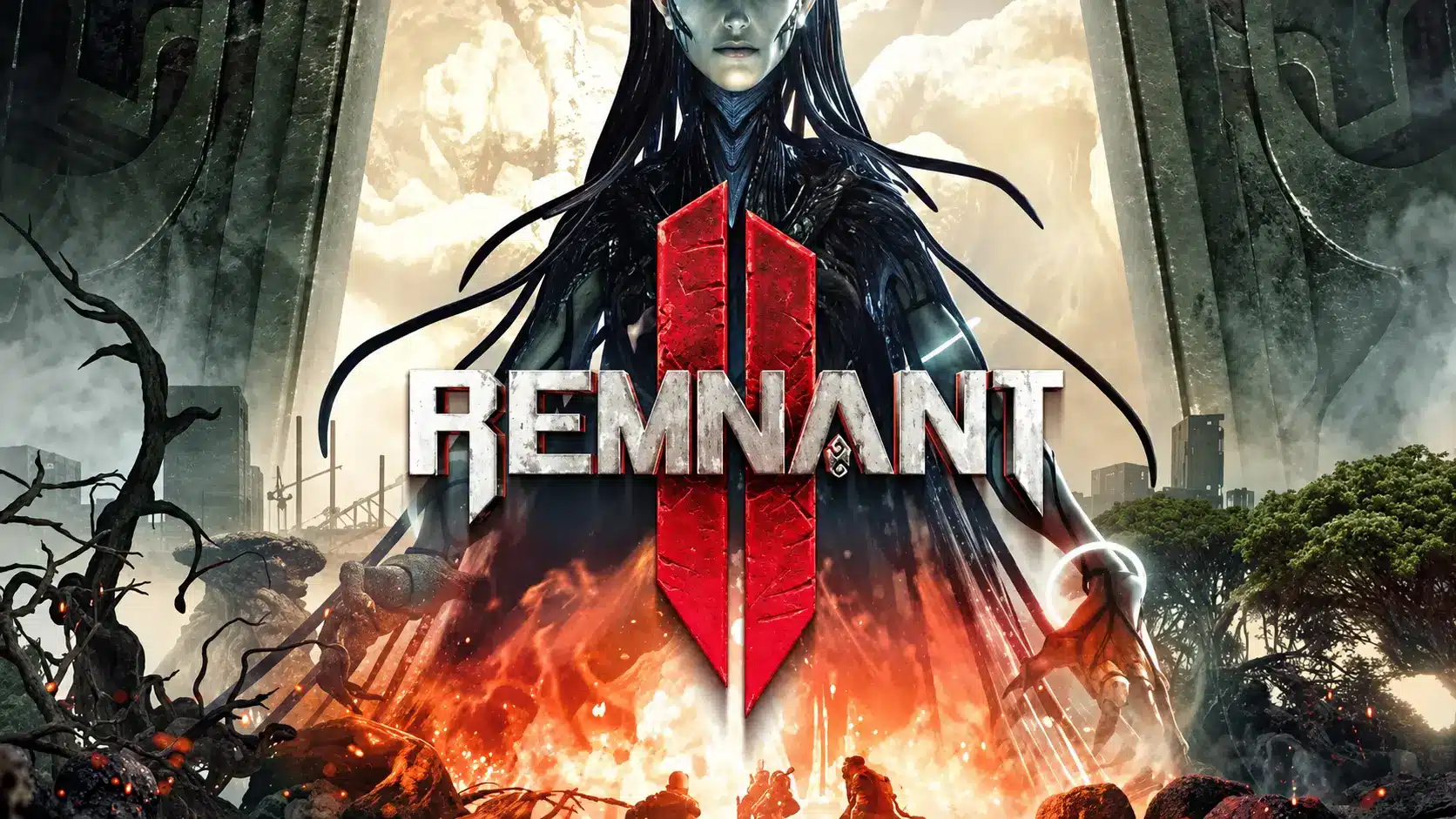
Remnant 2 turns the formula into a third-person shooter built for solo or cooperative play. Firearms, dodges, limited healing, and checkpoints create pressure at range.
Procedural world generation changes locations, events, and bosses between campaigns. Character classes give teammates separate roles, making group planning more useful than shared damage.
Our Remnant: From the Ashes review is worth a look too if you want to see where the formula started.
Best for: Co-op gunplay and repeatable campaigns with changing worlds.
8. Black Myth: Wukong: Best for Cinematic Boss Battles
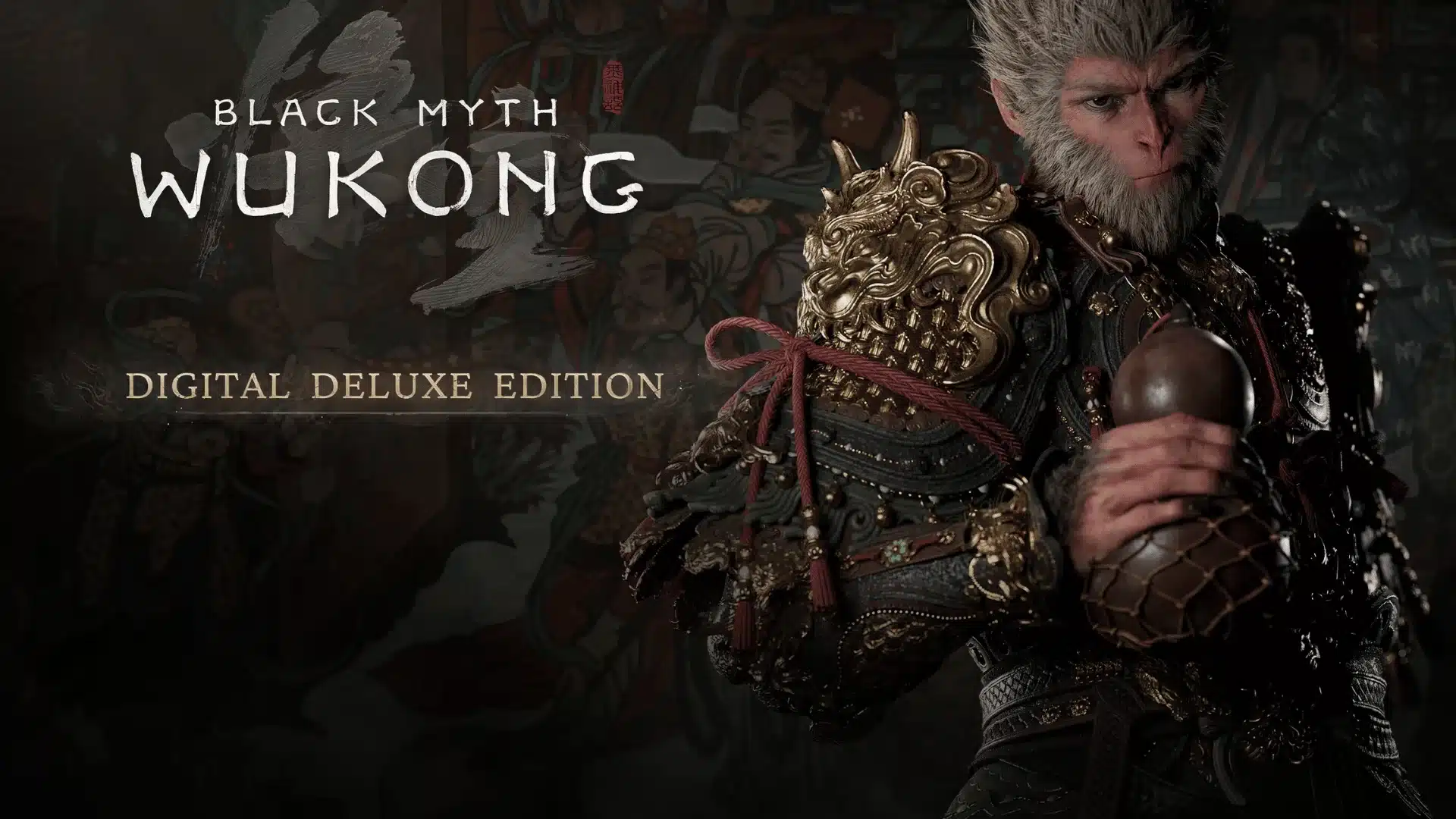
Black Myth: Wukong draws its characters and creatures from Chinese folklore. Staff attacks, spells, and alternate forms support quick fights against many large bosses.
Its direct action structure offers less build freedom than traditional Souls games. Some players place it beside the genre rather than inside it.
Best for: Chinese mythology, cinematic action, and steady boss-heavy pacing.
9. Demon’s Souls Remake: Best Classic Souls Foundation
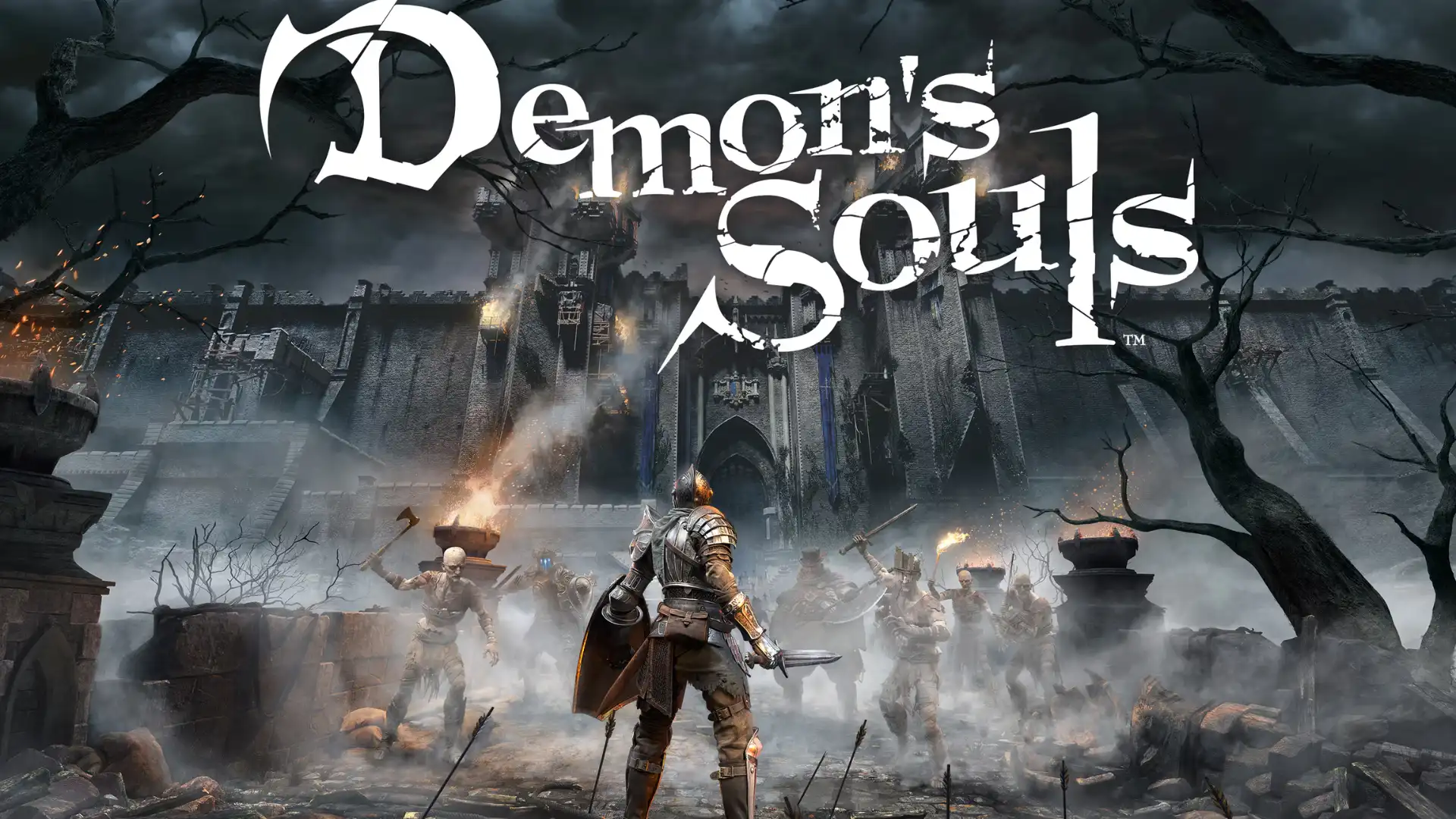
Demon’s Souls Remake rebuilds the original Souls formula with updated visuals while keeping the tense combat, boss encounters, and world structure of the 2009 release.
Five separate areas connect through the Nexus hub, giving players choices in weapons, magic, character builds, and combat styles.
Best for: Classic Souls systems, memorable bosses, and fans of the original formula.
10. Hollow Knight: Best 2D Soulslike Experience
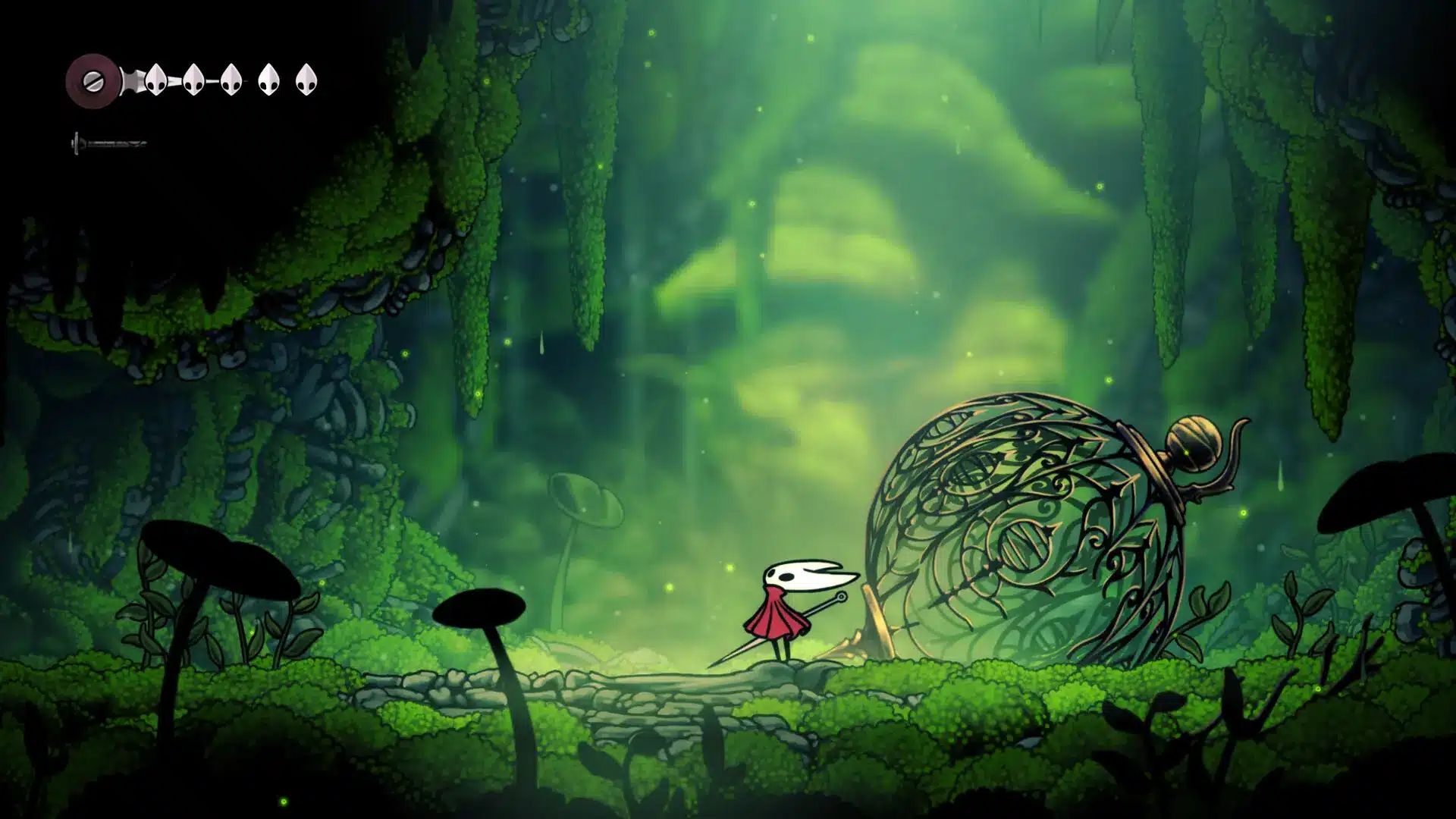
Hollow Knight brings Soulslike mechanics into a hand-drawn 2D world filled with difficult enemies, hidden paths, and careful combat.
The Knight uses nail attacks, spells, and charms while facing bosses that test timing, movement, and patience throughout the game.
Best for: 2D combat, indie games, and players seeking a challenging Metroidvania-style title.
11. Lords of the Fallen: Best Dark Fantasy Alternative
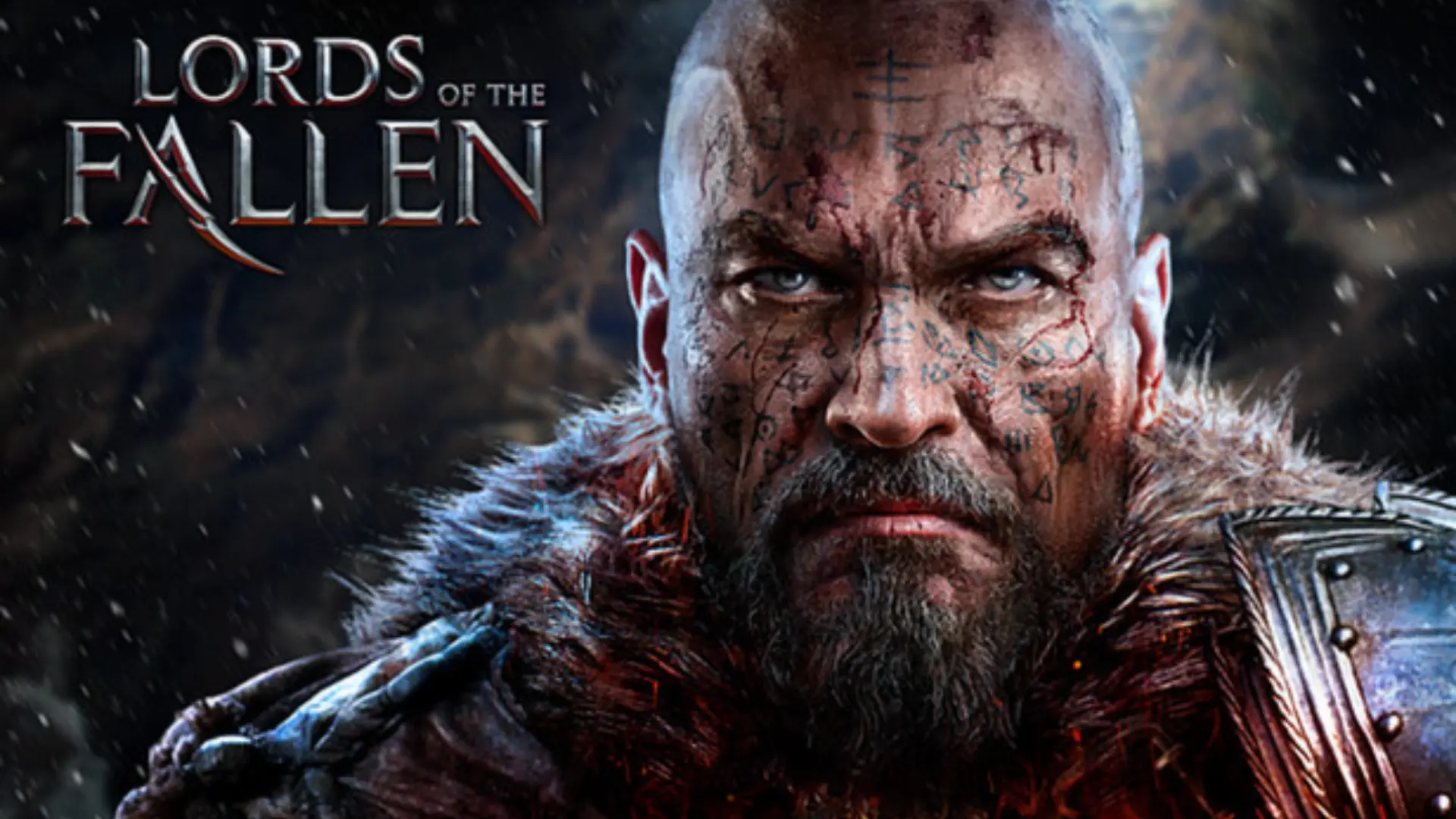
Lords of the Fallen (2023) offers a dark fantasy setting with heavy weapons, magic abilities, and a unique dual-world system.
Players switch between Axiom and Umbral using the Umbral Lamp, creating new combat options and ways to reach hidden areas.
Best for: Dark fantasy settings, large weapons, and players wanting a modern Souls-style game.
12. Wo Long: Fallen Dynasty: Best Fast Combat Soulslike
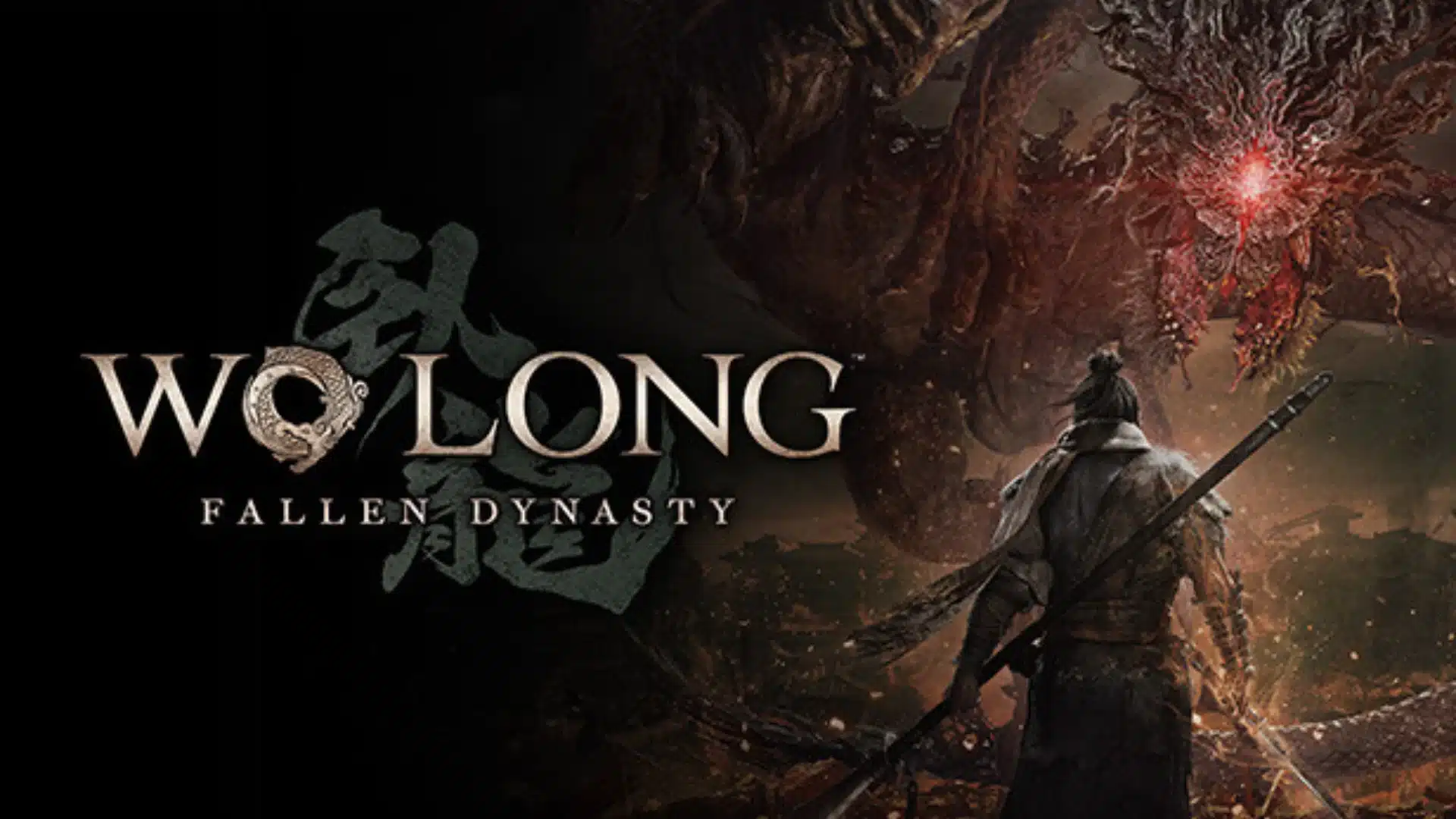
Wo Long: Fallen Dynasty focuses on quick battles built around deflections, martial arts, and aggressive enemy attacks.
Set during a fictional version of China’s Three Kingdoms period, the game combines weapon skills, spells, and morale systems for varied fights.
Our full Lords of the Fallen review digs into whether the dual-world gimmick holds up across a full playthrough.
Best for: Fast reactions, parry-focused battles, and fans of Nioh-style combat.
13. Star Wars Jedi: Survivor: Best Beginner-Friendly Soulslike

Star Wars Jedi: Survivor uses Souls-inspired combat with lightsaber attacks, defensive timing, and difficult boss encounters.
Cal Kestis gains new abilities, lightsaber stances, and movement skills while traveling across several planets in a single-player story.
Best for: Star Wars fans, cinematic action, and players new to Soulslike games.
14. The Surge 2: Best Sci-Fi Soulslike
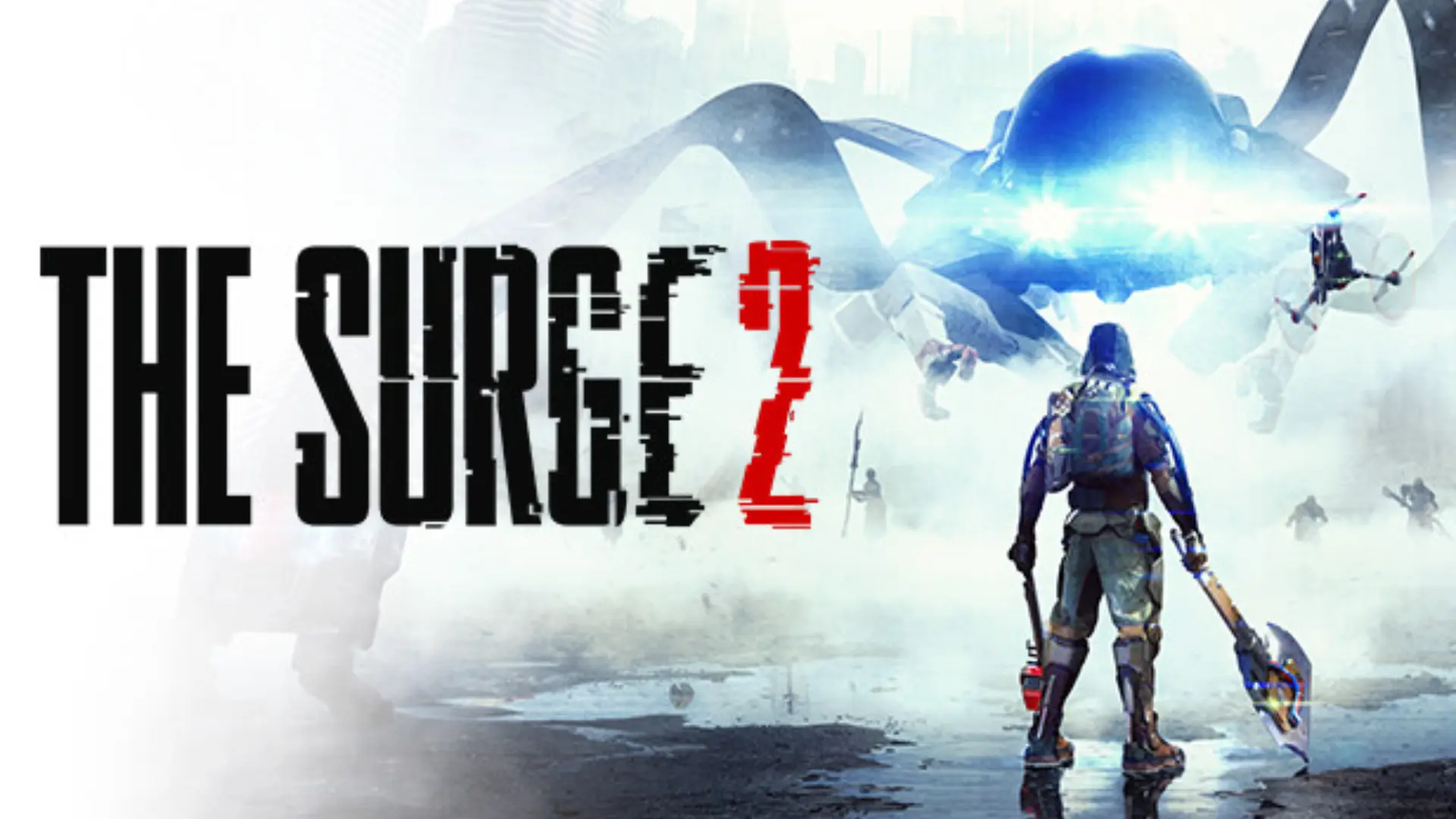
The Surge 2 moves the Souls formula into a science-fiction setting with mechanical enemies, advanced weapons, and detailed equipment systems.
Players target enemy body parts to collect gear while using implants, dodges, and attacks to create their preferred combat style.
Best for: Sci-fi settings, equipment-focused combat, and players wanting a change from fantasy worlds.
15. Code Vein: Best Anime Soulslike
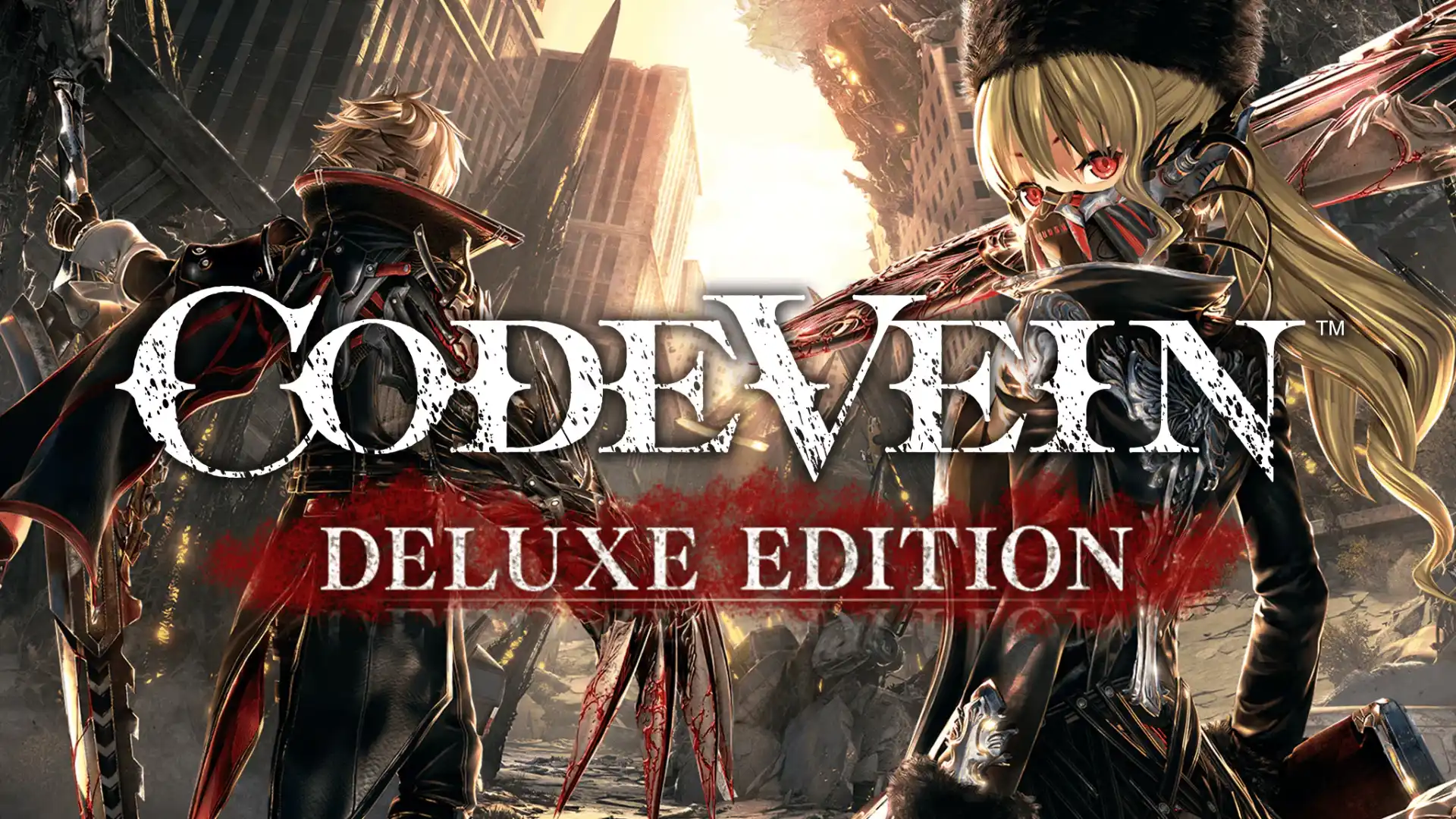
Code Vein blends Soulslike combat with anime visuals, weapon choices, and a partner system that supports players in battle.
Blood Codes let you change abilities, stats, and combat roles, while the story follows survivors in a ruined society.
Best for: Anime themes, flexible builds, and players who prefer companion support.
16. Another Crab’s Treasure: Best Creative Soulslike
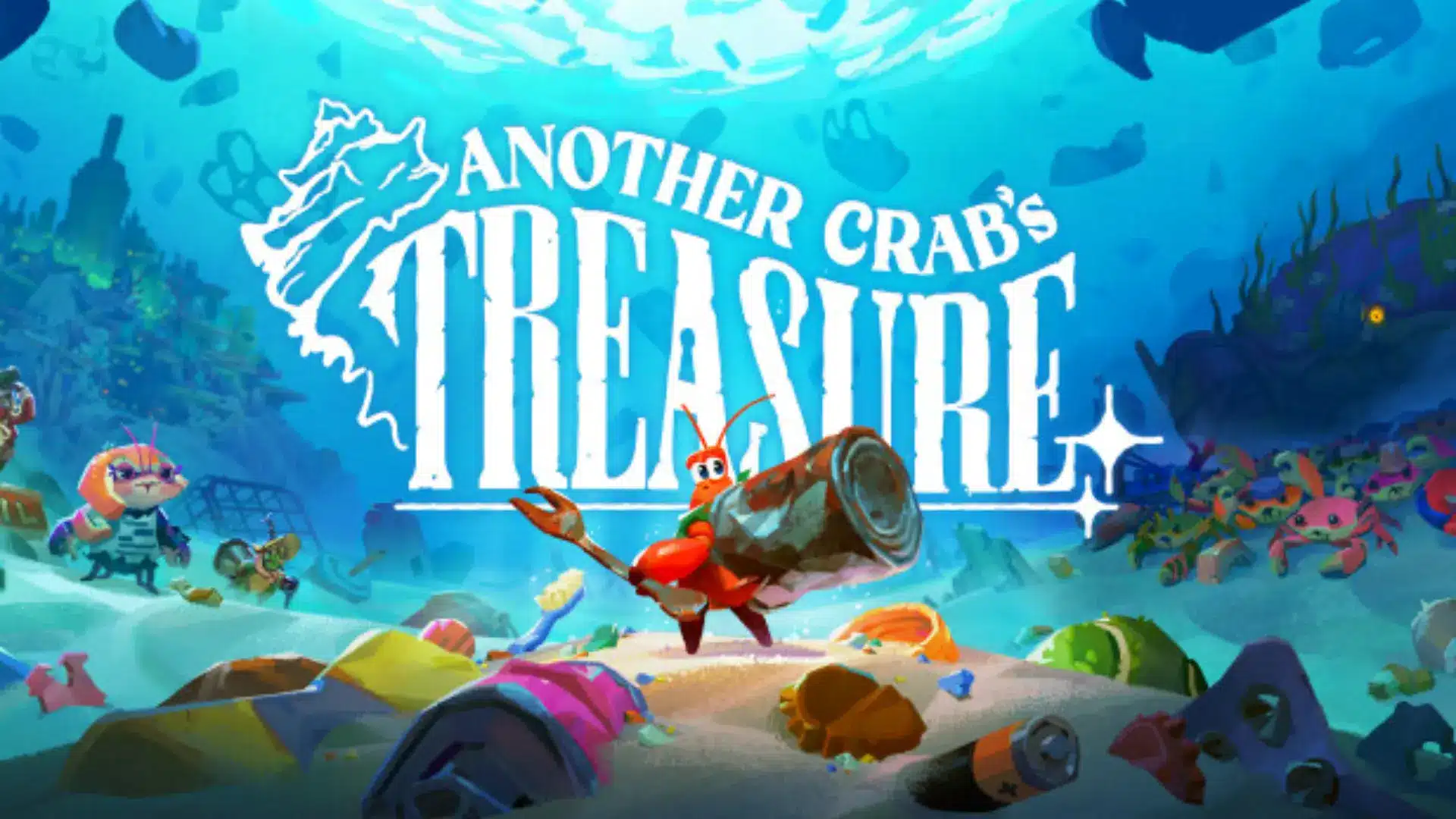
Another Crab’s Treasure brings Soulslike mechanics to an underwater setting where a small crab uses shells as armor and tools.
Each shell provides unique abilities, while combat focuses on timing attacks, avoiding damage, and learning enemy patterns.
Best for: Creative mechanics, lighter themes, and players wanting a unique Soulslike game.
17. Mortal Shell: Best Short Soulslike Experience
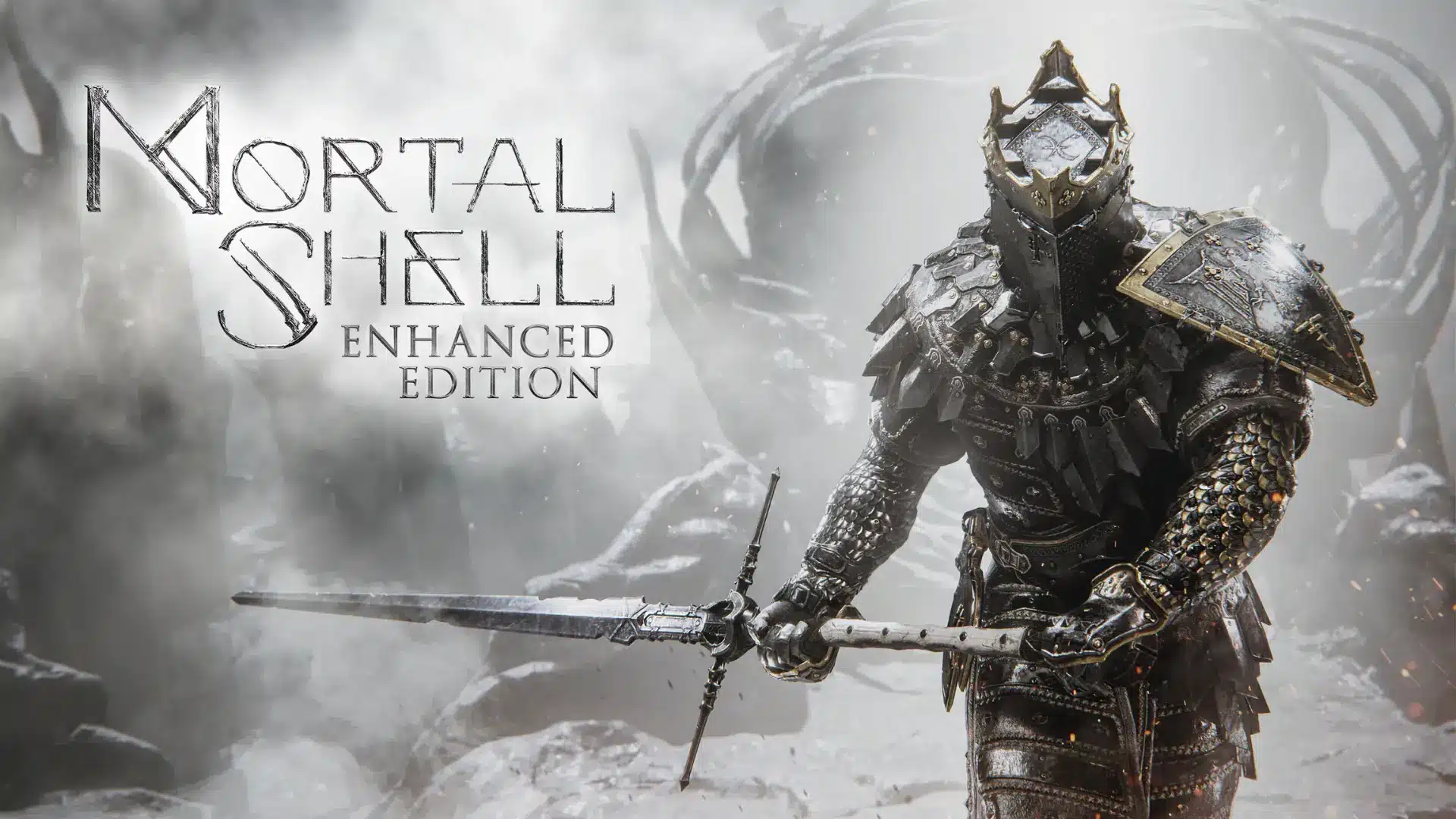
Mortal Shell delivers a compact Soulslike experience with heavy attacks, limited resources, and a unique shell system.
Players control different shells that change health, abilities, and combat options while learning enemy patterns through careful fights.
Best for: Short campaigns, focused combat, and players wanting a smaller Soulslike title.
18. Steelrising: Best Historical Fantasy Soulslike
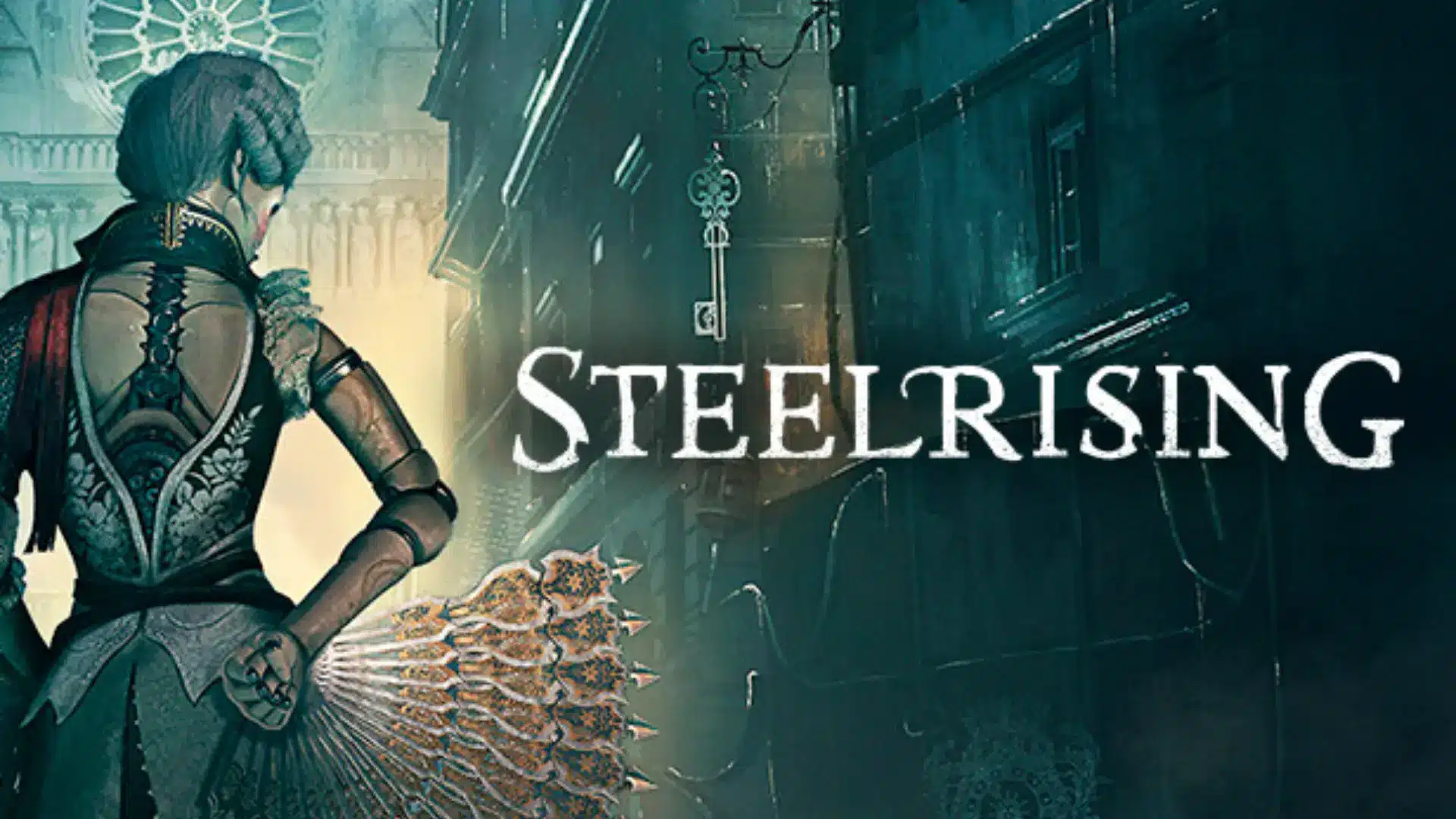
Steelrising places Soulslike combat during an alternate French Revolution with mechanical enemies and specialized weapons.
Players control Aegis, an automaton fighter with various tools, upgrades, and movement abilities used against powerful mechanical bosses.
Best for: Historical settings, weapon variety, and players looking for another action RPG.
How to Start a Soulslike Game
Starting a Soulslike game can feel confusing at first. I had to learn that rushing ahead usually makes these games harder than they need to be.
The first few hours are about learning patterns, testing options, and finding a style that feels comfortable. A few simple habits can make the experience much smoother.
Learn enemy patterns: Watch attacks before trying to deal damage. Most enemies have clear openings once you understand their timing.
Upgrade carefully: Focus on one reliable weapon instead of changing your setup too often.
Explore slowly: Hidden paths often provide useful items, upgrades, or easier routes.
Accept failures: Each defeat teaches you something about timing, positioning, or strategy.
Once these habits become natural, Soulslike games feel less frustrating and more rewarding. What helped you improve when you started your first Soulslike game? Share your experience in the comments.
Conclusion
The best soulslike games give you a reason to keep trying after a difficult fight.
The right choice depends on whether you enjoy open exploration, strict parry timing, deep builds, co-op, ranged combat, or a more focused campaign.
Elden Ring suits players who want freedom and several ways around a roadblock, while Sekiro rewards precise timing and Nioh 2 offers deeper combat systems.
Games like Remnant 2, Hollow Knight, and Another Crab’s Treasure take the formula in very different directions. Look at regular combat and progression before choosing, not only the biggest boss fights.
Which Soulslike game are you planning to play next? Share your pick and toughest boss in the comments.
Frequently Asked Questions
What is the difference between a Souls game and a soulslike?
FromSoftware’s Demon’s Souls, Dark Souls, Bloodborne, Sekiro, and Elden Ring established many rules associated with the style. Soulslike usually describes games outside the series that use similar checkpoints, combat pressure, healing limits, and death penalties. The term is often used for both groups.
Do you need to play Dark Souls before Elden Ring?
No. Elden Ring tells its own story and does not require knowledge of Dark Souls. Shared ideas include checkpoints, stamina-based combat, hidden lore, and demanding bosses rather than connected plots. Starting there will not spoil another FromSoftware game for you.
Which soulslike game is the hardest to learn?
Sekiro often feels hardest because character levels and alternate builds cannot replace good deflection timing. Nioh 2 can feel tougher when its stances, loot, and skill trees arrive faster than expected. The harder choice depends on the skill you dislike practicing.
Does Lies of P have difficulty settings?
Yes. A June 2025 update added three settings that can be changed from the Gameplay menu at any time. Lower settings reduce the barrier to entry, but guards, enemy patterns, and weapon choices still shape each fight. Difficulty can also be raised later.