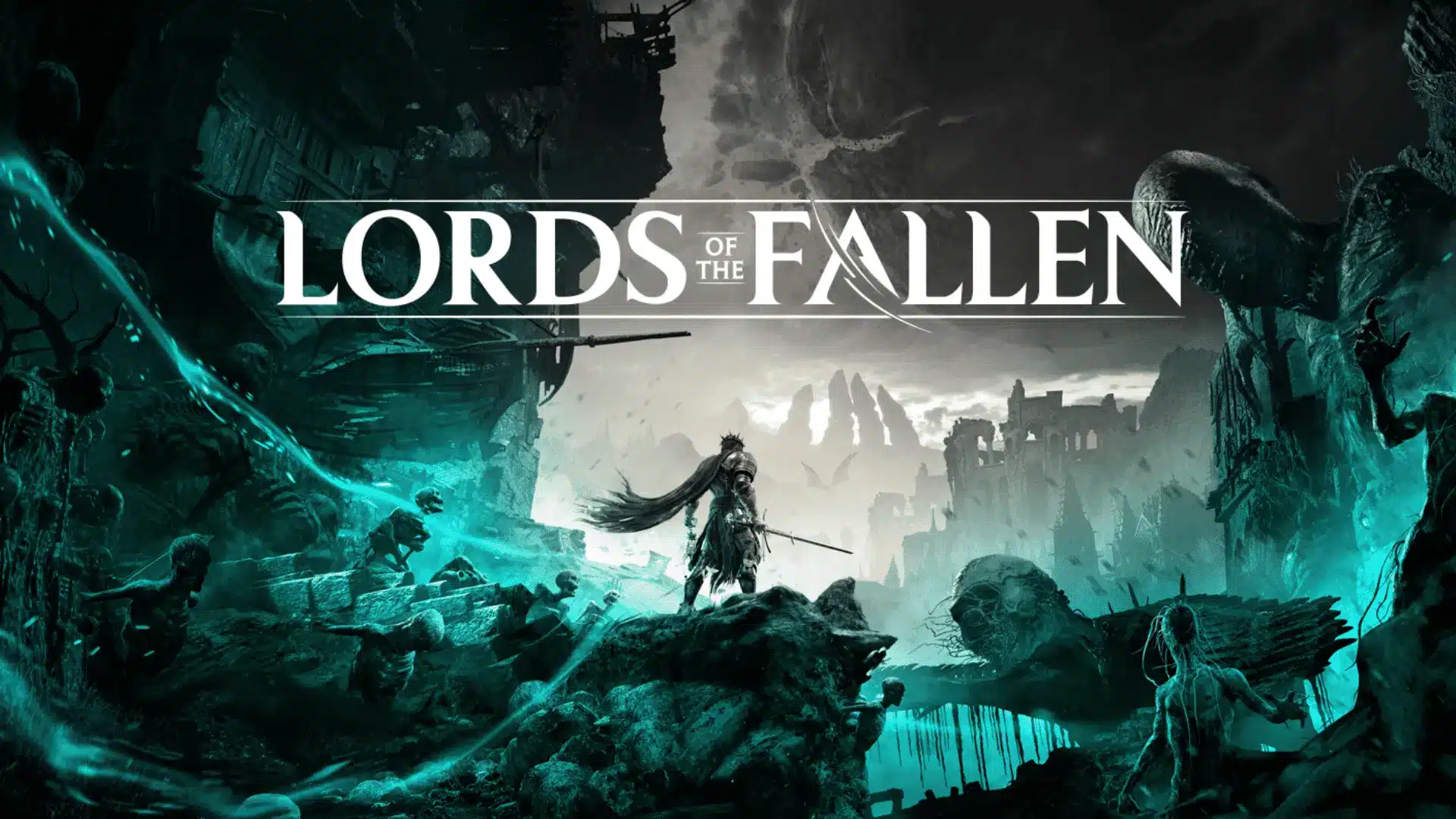
Is Lords of the Fallen actually good, or has it just survived long enough for people to forget the rough launch?
I went back into Mournstead this year specifically to answer that, on a save file I’d abandoned two weeks after release, and the honest answer surprised me.
Reviews were mixed when the game came out in 2023, and they should have been. The version that shipped had real problems.
What happened since has been a long, unusually disciplined patch cycle from Hexworks and CI Games that rebuilt much of the game beneath the same skeleton.
What players are picking up now is not the version critics originally scored.
This piece breaks down the dual-world mechanic, the combat, the build depth, and the one question that actually matters: whether it’s worth your time right now.
What is Lords of the Fallen and Who is it For?
Lords of the Fallen (2023) is a Soulsborne action RPG that sets itself apart through a dual-reality mechanic, one that makes its world structurally different from Dark Souls or Elden Ring, not just visually.
You play through Mournstead, a dark fantasy world where every location exists in two overlapping realities at once. That’s not a story detail. It’s the foundation the whole game is built on.
If you’ve bounced off Soulslikes before, this probably isn’t your entry point.
The game assumes you’re already comfortable with stamina management, deliberate combat, and a world that doesn’t explain itself.
What it offers players who are comfortable with those things is something distinct rather than a reskinned formula, a different structural premise.
I’ve put well over 60 hours into this game across the launch build and the current one, and the moment that sold me on it was the first time a dead-end corridor in Axiom turned into an entirely different room once I crossed into Umbral.
That doesn’t get old.
One more thing worth knowing: the version most players are picking up today is not the game that launched in 2023. Over two years of updates changed it materially. That matters for how you read older reviews.
How Does the Dual-World Mechanic Actually Work?
The Axiom/Umbral system is the reason Lords of the Fallen exists as its own thing. Understanding how it actually functions changes how you evaluate everything else about the game.
The Axiom/Umbral Toggle: What Each State Costs You
Axiom is the living world. Umbral is the ghostly underworld layered directly beneath it. You carry a lantern that lets you do two things: peek into Umbral without crossing over, or fully transition into it.
Peeking is low-risk. It lets you spot hidden paths and items without committing.
Crossing over is a different calculation entirely. Umbral reveals routes that don’t exist in Axiom, but the longer you stay, the more aggressively enemies spawn.
Stay too long, and a Grim Reaper-style threat escalates until you either escape or die. It’s a resource you’re constantly spending and recovering. Not a button you press when you’re stuck.
How Does the Mechanic Shape Exploration vs. Combat Decisions?
This is where the system earns its originality. Most Soulslike maps are puzzles of locked doors and shortcuts. Lords of the Fallen’s map is a puzzle of when to cross over.
A dead end in Axiom is often a doorway in Umbral. A safe corridor in Axiom can become a gauntlet the moment you shift.
You’re not just moving through space; you’re deciding which version of it to inhabit and what that costs you right now.
That decision runs through the entire game. It’s what separates players who feel in control from players who feel overwhelmed.
The mechanic doesn’t announce itself. It rewards the people who start treating it as a system rather than a gimmick.
If you’ve played a game built around a similar risk-clock idea before, the closest comparison on this site is probably how Remnant: From the Ashes handles its own enemy-density pressure, a different mechanic, same instinct to punish lingering.
Combat, Build-Crafting, and Where It Stalls
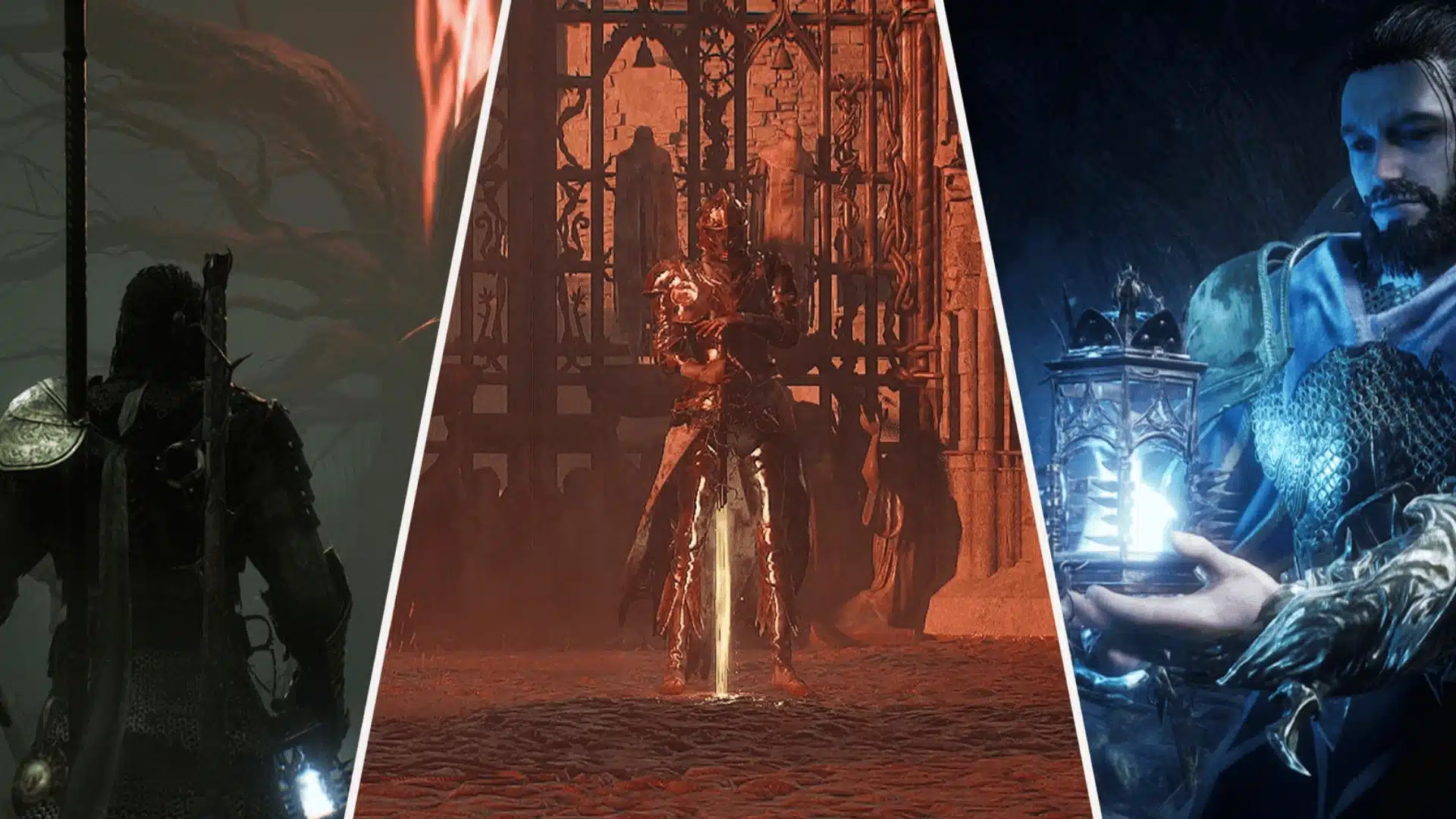
This is where everything starts to matter less as isolated systems and more as a single experience, because once the mechanics, balance changes, and post-launch fixes are laid out, the real question becomes how all of it actually feels when it’s put under pressure in play.
| Area | What Works | Where It Falls Short |
|---|---|---|
| Combat pacing | Deliberate and weighty; rewards reading situations over reacting | Lacks the mechanical precision of FromSoftware’s best work |
| Build-crafting | Real depth; stat investment and throwable ammo integrate meaningfully | Easy to overlook, given how much combat criticism drowns it out |
| Boss quality | Some encounters are genuinely excellent and visually distinct | Uneven across the board; weaker bosses remain post-patch |
| Mob density | Creates an attrition rhythm some players find satisfying | Pads difficulty through volume, not design, and it wasn’t fixed |
| Story and lore | Setting and atmosphere carry real weight; Mournstead feels lived-in and consistent | The plot itself is thin and easy to forget once you’re past it |
My own build leaned almost entirely into Radiance-based magic on a second playthrough, and it’s a genuine change in how the game plays.
The early complaints about spellcasting feeling weak weren’t wrong at the time; they just don’t describe the current build anymore.
Taken together, the table makes one thing clear: the systems are stronger than the flaws around them, but the flaws are real enough to know about going in.
The Post-Launch State: What Patches Actually Fixed
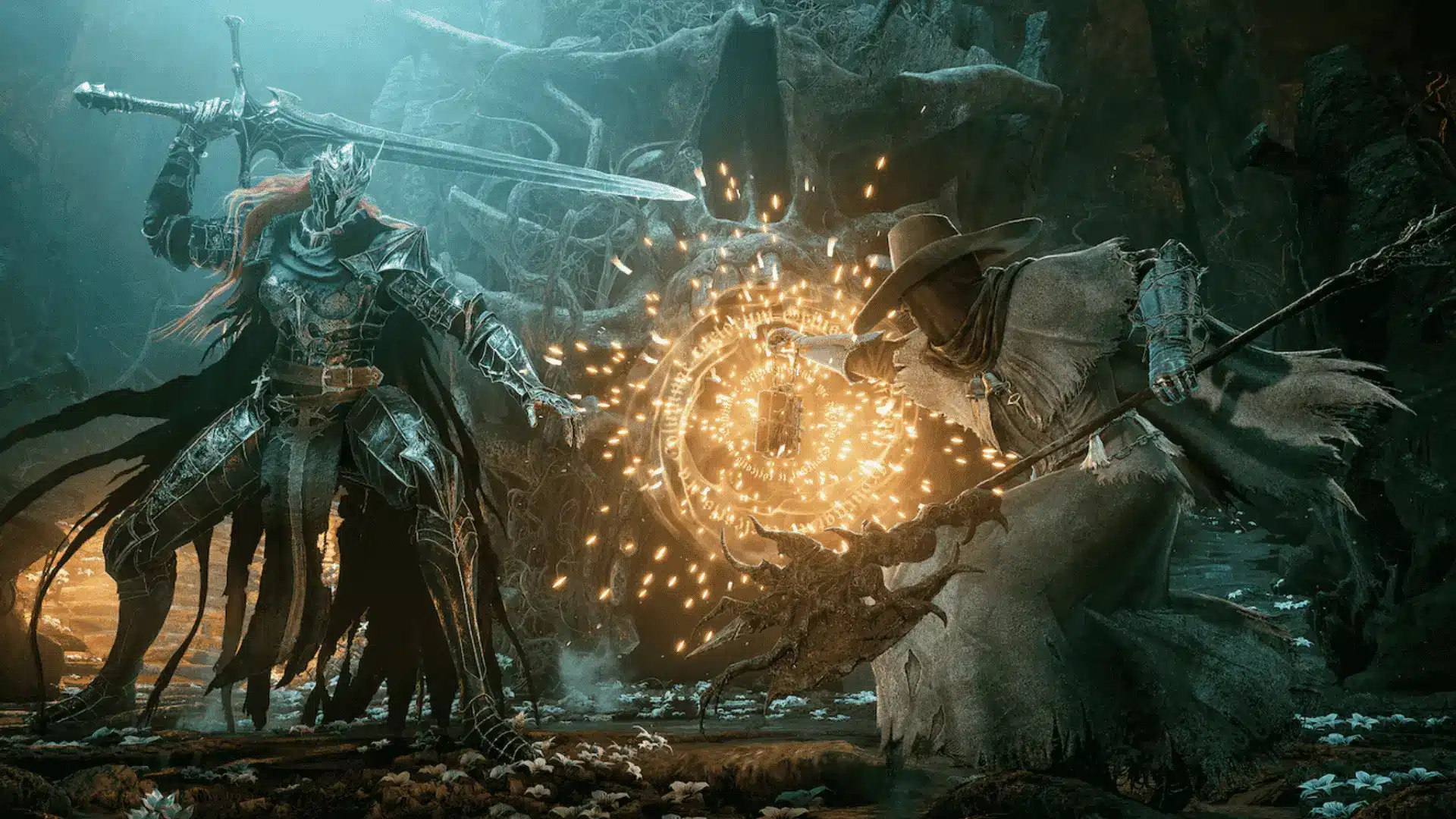
If you’re reading a review dated October 2023, you’re reading about a different game. That’s not an exaggeration; it’s the single most important context for evaluating Lords of the Fallen right now.
The launch was bad. Here’s what players were actually dealing with:
- Severe stuttering and frame-rate drops on PC
- Parry and dodge timing that felt unresponsive
- AI behavior that made certain encounters feel broken
- Performance issues serious enough to make the game unplayable for some
Here’s Where the Original Telling of This Story Gets the Sequence Wrong?
The bulk of the frame-rate stabilization, parry-window tightening, and difficulty-mode additions (including an easier Story mode) actually rolled out across a series of updates through late 2023 and 2024, well before “Version 2.0” existed as a label.
Version 2.0, the Second Anniversary Update released in October 2025, was a different kind of update.
It introduced full shared-progression crossplay co-op, a Free Friend’s Pass letting anyone join a session without owning the game, a dedicated jump button, a reworked magic system, and combat and movement polish on top of an already-stabilized game.
Around the same time, CI Games also dropped the game’s standard price to $29.99 across all platforms.
Version 2.5, released in December 2025, was billed by the developers as the final major update: sharper boss AI, reforged boss weapons, faster and smarter enemies, and a new Veteran Mode for players who want the game meaner than it’s ever been.
Over 70 updates were shipped across the game’s lifespan. What remained after all of that is worth being honest about:
- Mob density in certain sections is still there
- Some AI inconsistencies persist
- Combat pacing was always a design choice; patches didn’t change it because it wasn’t a mistake
The version you’re playing today is the version the developers were building toward. It’s not perfect.
But the gap between launch reviews and the current state is large enough that treating those scores as the final word would steer you wrong.
Should You Wait for Lords of the Fallen 2 Instead?
This is worth addressing directly, since it changes the calculation for anyone deciding whether to buy in now.
CI Games has confirmed Lords of the Fallen 2 is targeting a release later in 2026, reportedly around August, with a more commercial art style and higher production values than the first game.
That doesn’t make the 2023 game a placeholder.
Mournstead’s story stands on its own, and the current patched state is close to what the sequel is building from, so playing it now isn’t wasted time waiting on something better.
If anything, going in now means you’ll have finished it well before the sequel arrives.
Is Lords of the Fallen Worth Playing Today?
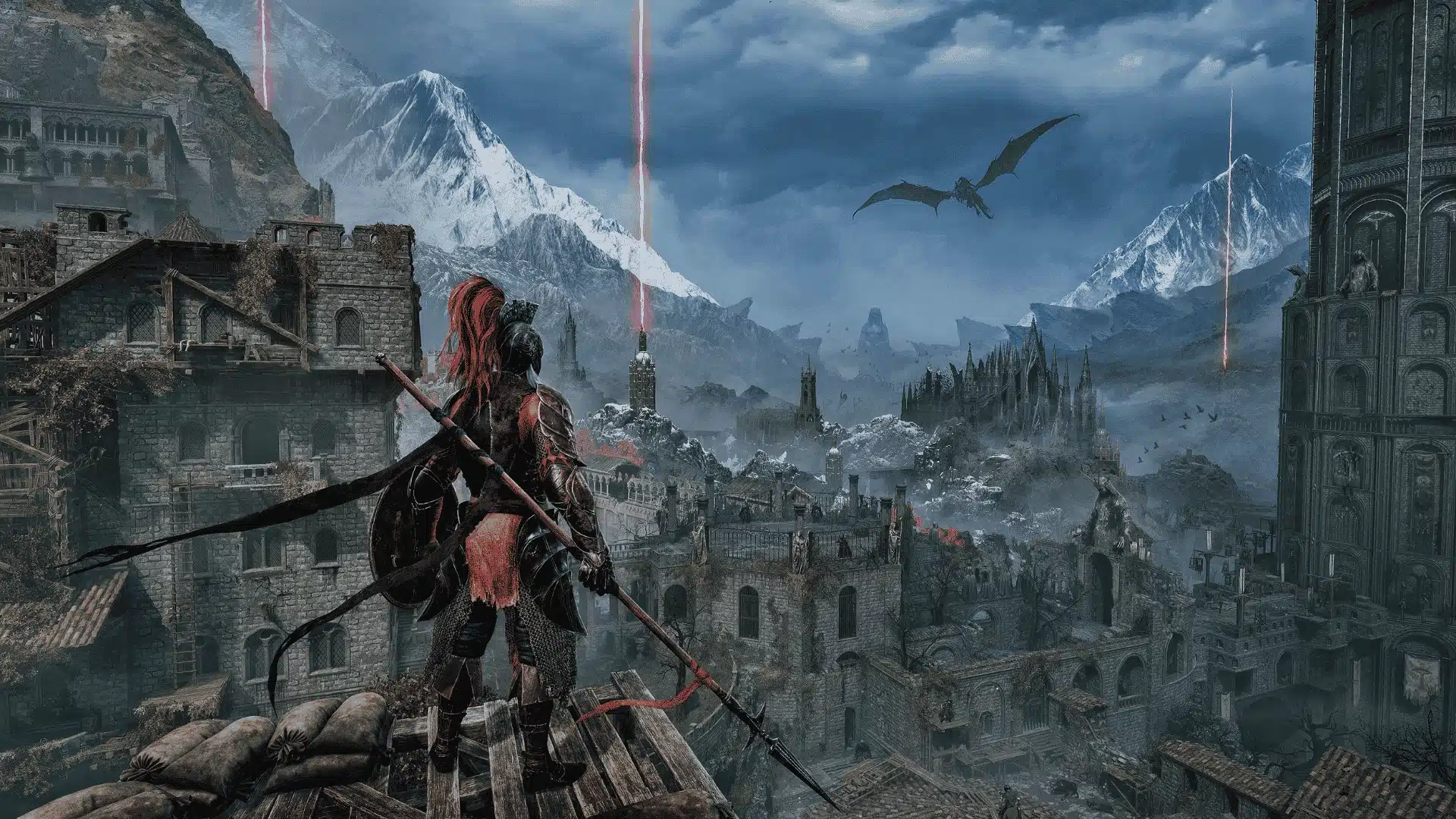
The answer depends on two things: how you feel about deliberate, stamina-anchored combat, and how you’re accessing the game. Neither of those is a hedge. They’re the actual variables.
| Player Type | Verdict | Why |
|---|---|---|
| PS Plus subscriber | Play it | Zero cost removes all risk; original world mechanics and build depth are worth your time |
| Full-price buyer | Worth it with caveats | Strong world design and exploration, but expect a gap in combat precision vs. Elden Ring |
| Soulslike veteran | Recommended | Build depth and dual-world architecture to reward players who know the genre |
| Soulslike newcomer | Not the right entry point | Assumes genre familiarity; starts demanding, doesn’t ease you in |
| Came for boss quality | Temper expectations | Boss encounters are uneven; some are excellent, some are underdeveloped |
| Combat-first player | Depends on tolerance | Deliberate pacing is a design choice. If it frustrated you before, it will here too |
On the PS Plus point specifically: Lords of the Fallen ran as a PlayStation Plus Essential, Extra, and Premium title from April 7 to May 4, 2026.
If you claimed it during that window, it’s yours to keep in your library regardless of whether you keep subscribing, which is how Sony’s monthly Essential games work.
If you missed that window, check the current PS Plus Extra catalog before assuming it’s gone. If you’re deciding between a PS5 setup and a portable one, that’s a separate question worth thinking through too.
What it does better than most alternatives is the thing hardest to replicate.
The dual-world system adds a decision-making layer to exploration that most Soulslikes don’t have. That’s not a small thing, and no competitor has matched it yet.
Conclusion
This Lords of the Fallen review comes down to a simple conclusion: it’s a much better game than its launch reputation suggests.
The dual-world mechanic is genuinely original, the build system has real depth, and the post-patch version fixed most of what divided early reviews.
It doesn’t reach the same level of polish as Elden Ring. The combat pacing is deliberate by design, and the mob density in certain sections is never fully resolved. Those are real things to weigh. If you’re on PS Plus, just play it.
If you’re considering a purchase, you now have everything you need to decide if it’s the right Soulslike for you.
Are you planning to buy Lords of the Fallen, or are you waiting for it’s next launch? Tell us in the comment below.
Frequently Asked Questions
Is Lords of the Fallen a good game?
Yes, with context. It’s a strong Soulslike with a genuinely original world mechanic, real build depth, and a level of polish that improved significantly post-patch. It’s not FromSoftware-level tight. But for players who value exploration and build-crafting alongside combat, it delivers more than its mixed launch reviews suggested.
Is Lords of the Fallen 2.0 worth playing if you quit at launch?
Yes, if your frustration was technical. Frame-rate issues, parry timing, and AI erraticism were all addressed in the 2.0 overhaul. If you quit because the combat pacing or mob density bothered you, those are design choices that remain. Know which one drove you away before going back.
Is Lords of the Fallen harder than Elden Ring?
Differently hard, not necessarily harder. Elden Ring’s difficulty centers on boss design and player expression. Lords of the Fallen leans on enemy density and Umbral escalation. Players who struggled with Elden Ring’s boss complexity may find this game’s challenge more attrition-based and less pattern-dependent.
Is Lords of the Fallen worth playing on PS Plus?
Yes. At no additional cost, the risk calculation changes entirely. The game’s strengths- world design, dual-world exploration, band build variety- are real enough to recommend freely to any Soulslike fan. Its weaknesses are real too, but none of them are dealbreakers when you’re not paying full price to find out.