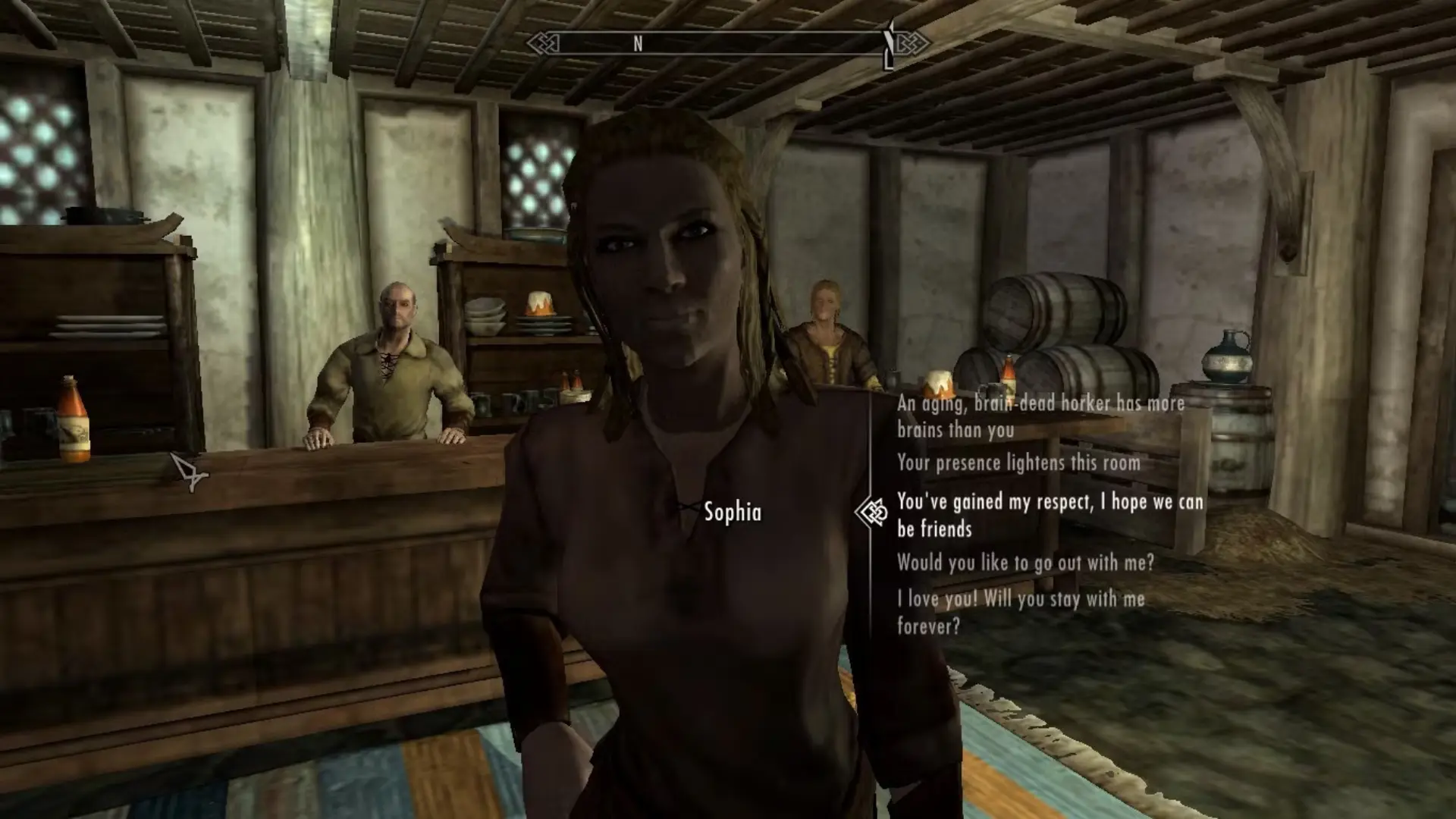
Picture walking into a game shop and hearing the same shopkeeper deliver the exact same line he said an hour ago, word for word, no matter what you say back.
Players have a name for that kind of character, and the name has slipped so far into everyday slang that people now call a repetitive coworker or friend one too.
So what are NPCs, really, and why did a tabletop gaming term end up describing real people online?
The short answer touches on how games are built, but the full answer goes back decades, long before a single line of code existed.
Every quest giver, shopkeeper, and wandering background character in a modern game traces back to a much simpler idea from a very different kind of table.
Where did the Term NPCs come from?
The idea of NPCs began at the tabletop, not on a screen.
In 1974, Dungeons & Dragons introduced the term “non-player character” for participants controlled by the game master rather than a player, often hired companions whose loyalty depended on secret dice rolls.
As the game expanded, NPCs took on bigger jobs: traders, specialists, and characters who passed along rumors, warnings, and quests instead of just fighting alongside the party.
By the late 1970s, Advanced Dungeons & Dragons gave game masters detailed guidance for building out NPC personalities and motivations.
When role-playing games moved to computers, NPCs moved with them. Early hardware couldn’t handle much, so these characters mostly handled single, narrow jobs. As computers grew more powerful, NPCs took on far larger roles in the worlds they populated.
What are NPCs in video games?
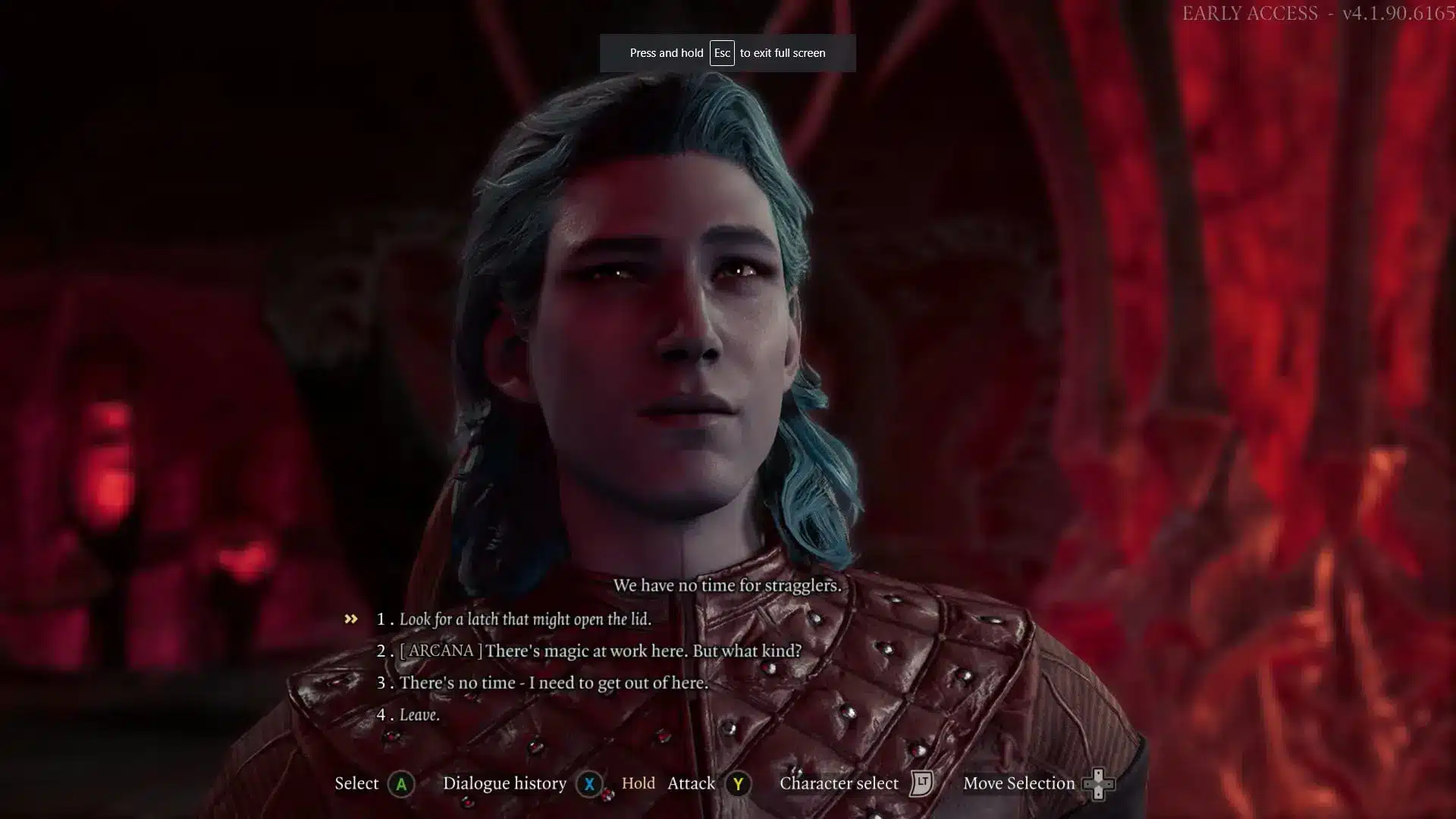
NPC stands for non-player character: any character in a game not controlled by a human player; instead, NPCs run on the game’s programming or a game master’s decisions.
NPCs vs. Player Characters
The difference comes down to control. A player character is the one you steer: you decide where it goes, what it says, and how it reacts.
An NPC does none of that on its own. It follows behavior already set up for it, whether that’s a simple script triggered by an action, or a more layered set of responses built by the game’s designers ahead of time.
Simple NPCs vs. Complex NPCs
Not every NPC works the same way. Some exist for one narrow purpose alone, like a guard blocking a doorway, or a character repeating a single line of warning.
Others are far more developed, complete with dialogue trees, personal histories, and relationships that shift depending on choices made earlier in the game.
A companion who remembers past conversations can function almost like a second player character.
Non-Player doesn’t mean unimportant. That range matters because “on-player” describes who controls a character, not how central that character is to the story.
Some of the most memorable moments in games come from NPCs, the ones designers spend the most time developing, even though a player never takes the wheel.
Importance and control are two entirely separate things in game design.
Why Do Games Need NPCs?
Games use NPCs to make worlds feel active, guide players through stories, and provide interactions beyond combat or exploration.
They help turn empty spaces into places that feel lived in. NPCs can serve several purposes:
Move the story forward: They deliver key information, trigger quests, and open new parts of the story.
Give players direction: They hand out missions and point players toward the next objective.
Provide useful services: Some sell items, offer upgrades, or give access to resources needed for progress.
Build atmosphere: Even NPCs with little or no direct interaction can make towns, settlements, and other areas feel more believable.
Preston Garvey in Fallout 4 is a good example. He introduces the Minutemen questline and repeatedly points the player toward settlements that need help.
Without that NPC, the questline would lose much of its structure and direction.
His dialogue connects one objective to the next and gives the player a clear reason to keep moving through the Commonwealth. That is the real value of an NPC. They do more than fill space.
Some help, some create obstacles, and others simply add life to the world, but together they help keep the game feeling purposeful rather than mechanical.
NPC vs Other Characters
The main difference between an NPC and a player character is who controls them.
Term | Meaning | Controlled by |
|---|---|---|
NPC | Character not controlled by the player | Game system or game master |
Player Character | Main character controlled by the user | Human player |
Bot | Automated character | Software |
AI Character | Character using advanced response systems | AI system |
A human controls a player character, while an NPC follows rules set by game developers or a game master. Both can be important, but the key difference is who controls their actions.
What Roles Do NPCs Play in Games?
NPCs can perform many roles depending on the game. Some help players progress, while others create challenges, carry the story, or make the world feel more complete.
1. Story NPCs
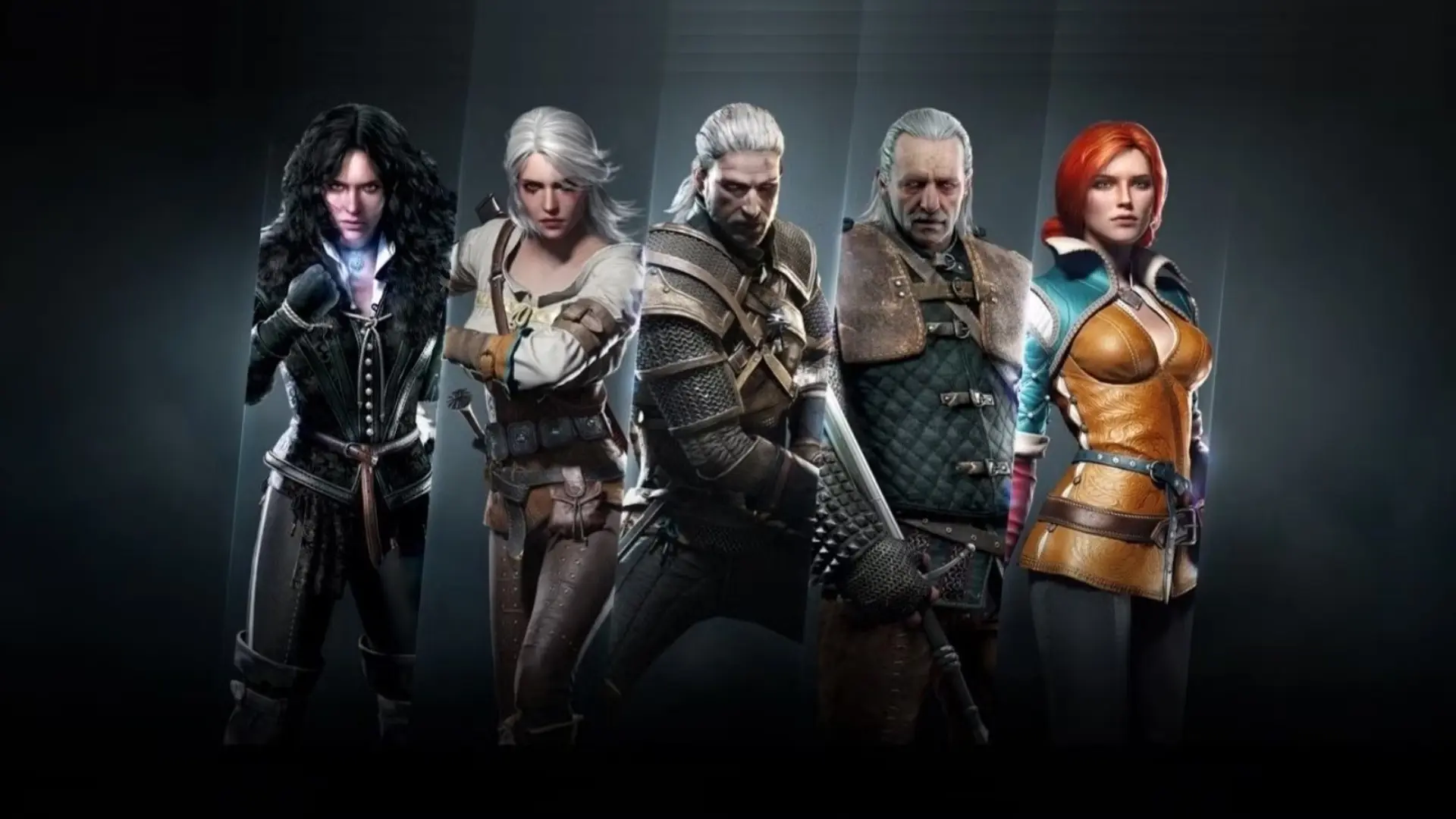
These characters carry the plot.
They hand out missions, drop key pieces of information, and often show up at exactly the right moment to push the player toward the next part of the game.
A character who tells you where to go next, or reveals a secret that changes your understanding of events, falls into this category; without them, most games would lack any real direction.
2. Support NPCs
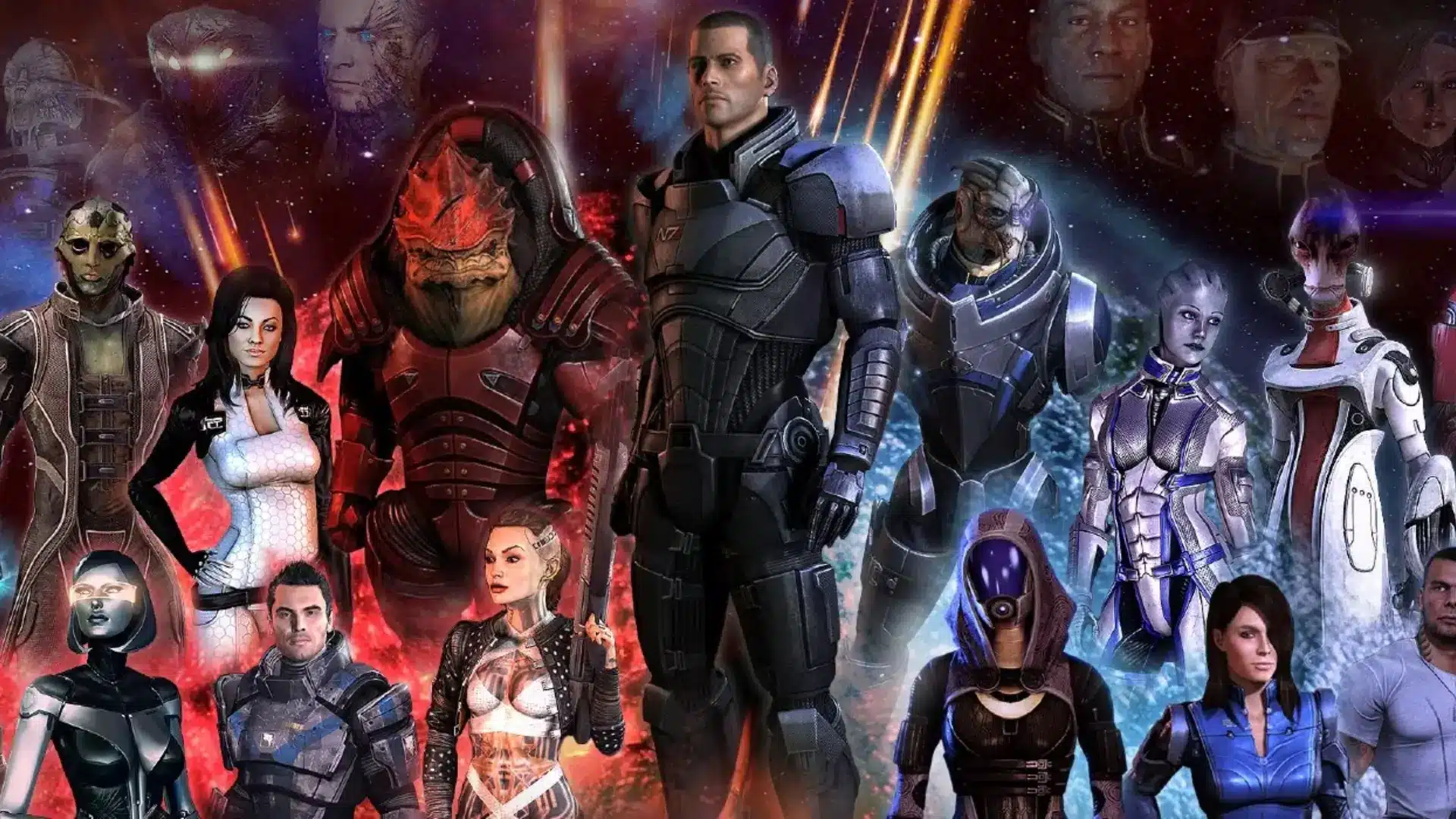
These are the helpers. They might heal the player, sell useful gear, upgrade equipment, or join a party temporarily to fight alongside them in a tough battle.
Traders count here too; a shopkeeper swapping coins for supplies is doing support work, even if the exchange lasts only a few seconds.
Allies who travel with the player for a while and offer backup when needed also count as support.
3. Enemy NPCs
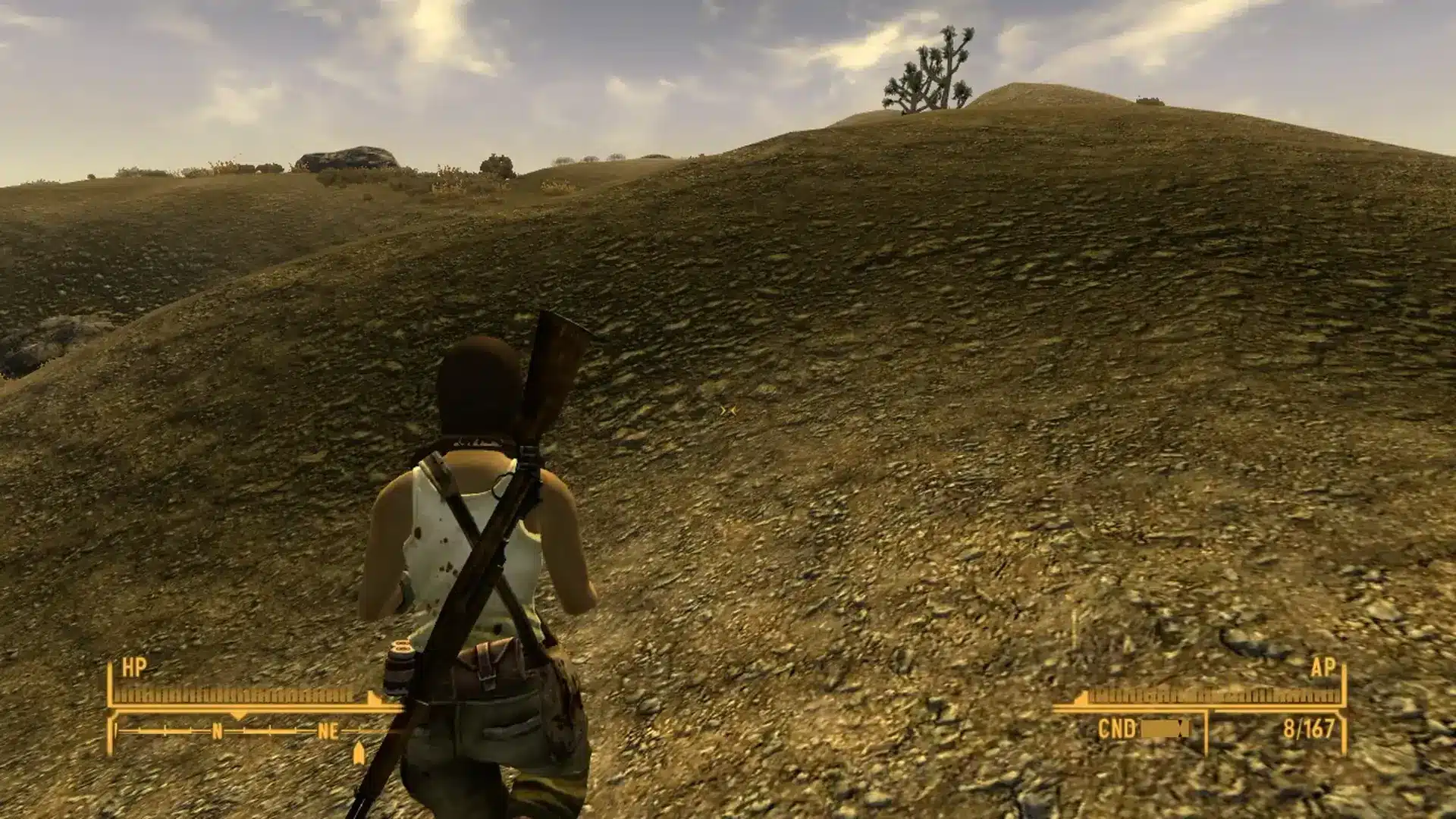
Not every NPC is on the player’s side. Enemy NPCs create obstacles, block paths, or start fights outright.
They’re sometimes treated more like monsters than characters: the difference usually comes down to whether any conversation is involved.
A bandit guarding a bridge and demanding payment is doing something closer to NPC work than a wild creature that attacks on sight, since it can still talk, negotiate, or react.
4. Background NPCs
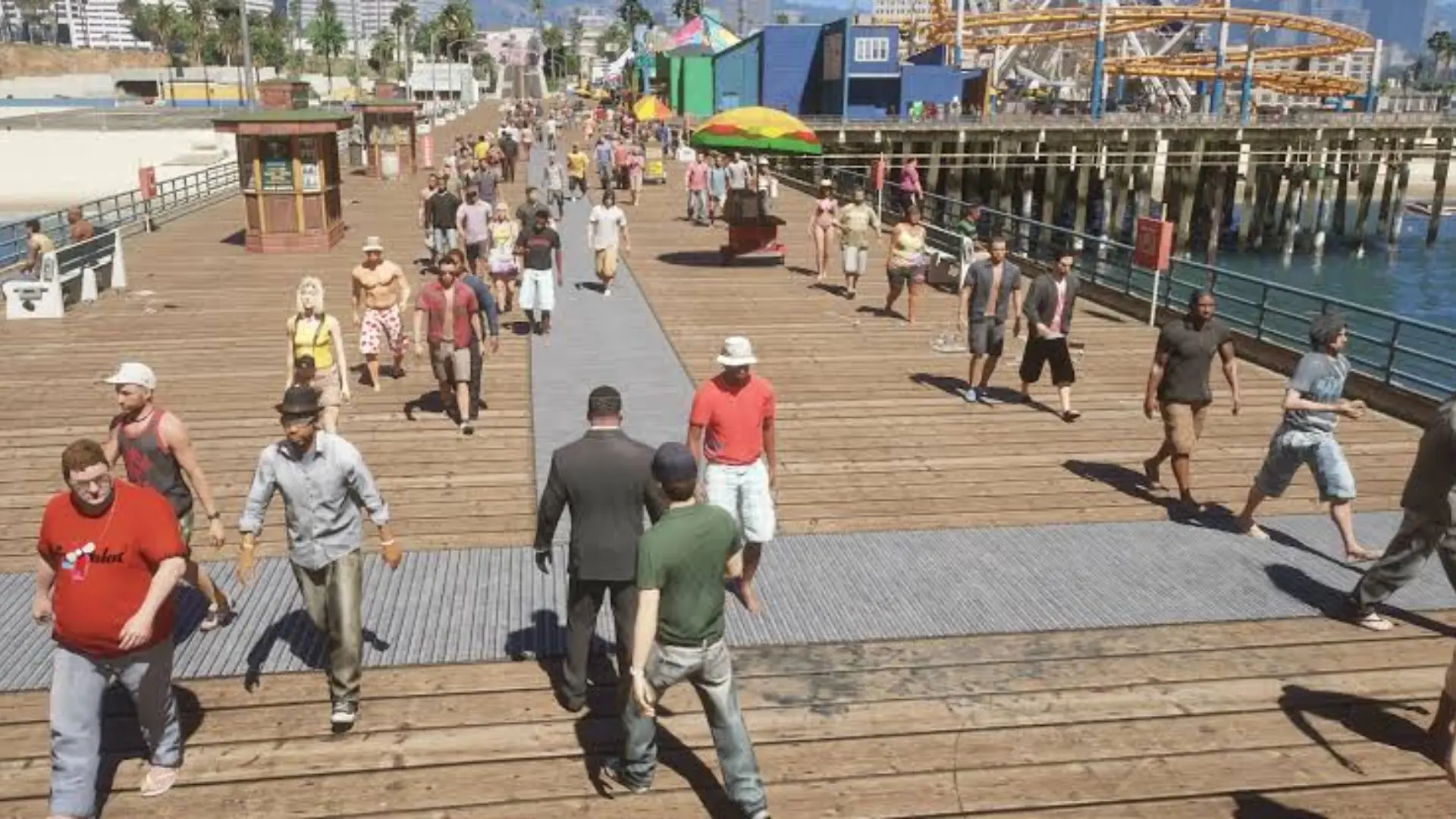
These characters aren’t there to help or hinder anyone.
They’re bystanders; townsfolk walking through a market, guards standing at a gate, workers going about a routine. Their job is atmosphere, not function.
They make a game world feel populated and alive, even if the player never speaks to them or notices them at all. Take them away, and even a busy city would suddenly feel abandoned.
What are Some Examples of NPCs in Popular Games?
Common NPC examples include shopkeepers, quest givers, companions, and background characters found across well-known games; each one serving a different purpose in how a game world functions.
NPC type | Example | Why they exist |
|---|---|---|
Shopkeeper | Belethor, the general goods trader in Skyrim | Gives players an easy way to buy and sell gear without hunting down every item |
Quest giver | Preston Garvey in Fallout 4 | Hands out ongoing missions and keeps pointing players toward what to do next. |
Companion | Garrus Vakarian in Mass Effect | Joins the player in combat and builds a relationship that changes over the story |
Background citizen | Pedestrians wandering the streets in Grand Theft Auto V | Fill the game world with activity so cities feel lived-in, not empty |
These examples show how the same basic role, selling, leading, fighting alongside, or simply existing, can look completely different depending on the game built around it.
How Have NPCs Changed in Modern Games?
Early NPCs worked with very little. Memory limits meant one fixed line of dialogue and one simple action, repeated no matter how often a player interacted with them; a shopkeeper might repeat the same greeting endlessly, with no memory.
As computing power grew, branching dialogue changed that. Instead of one fixed line, players could choose between several responses, and each choice could shape what happened next.
Behavior improved too: some games gave NPCs daily routines that mimicked real life, opening shops at dawn and closing gates at night, while reacting differently based on what a player had done earlier.
Developers keep pushing this further because believable NPCs make a world feel real.
Some studios are now testing AI-driven conversations, letting players type or speak to NPCs and get responses that aren’t limited to a script.
Most of the industry is still leaning on carefully written scripts rather than live-generated dialogue, and for good reason: a writer can guarantee a line lands the way it’s supposed to, while an AI-generated response can’t always promise the same.
Conclusion
NPCs started as a simple fix for tabletop games, characters a game master could run so the story kept moving without every voice belonging to a player.
That idea followed gaming onto computers and grew into shopkeepers, companions, rivals, and entire crowded cities that feel alive without a single line of player control.
Understanding what are NPCs really means understanding how much of a game world runs on scripts nobody in the room is steering.
The next time a background character catches your eye, or a friend jokingly calls you one, you will know exactly where that label started.
What is the most memorable NPC you have run into, and why did it stick with you?
Frequently Asked Questions
Why do people call someone an NPC as an insult?
The joke plays on how scripted NPCs feel: predictable, repetitive, and stuck on the same responses no matter what happens around them. Calling a person an NPC online mocks them for seeming to follow a crowd instead of thinking for themselves. It started as a niche gaming reference before spreading across TikTok and Twitter as general internet slang.
What is an NPC generator?
An NPC generator is a tool, often AI-powered, that spits out a ready-made character complete with a name, personality traits, backstory, and sometimes dialogue. Game designers, tabletop game masters, and hobby writers use them to fill out a world fast without hand-crafting every minor character from scratch. Most let you tweak the results afterward.
Do esports and competitive games use NPCs?
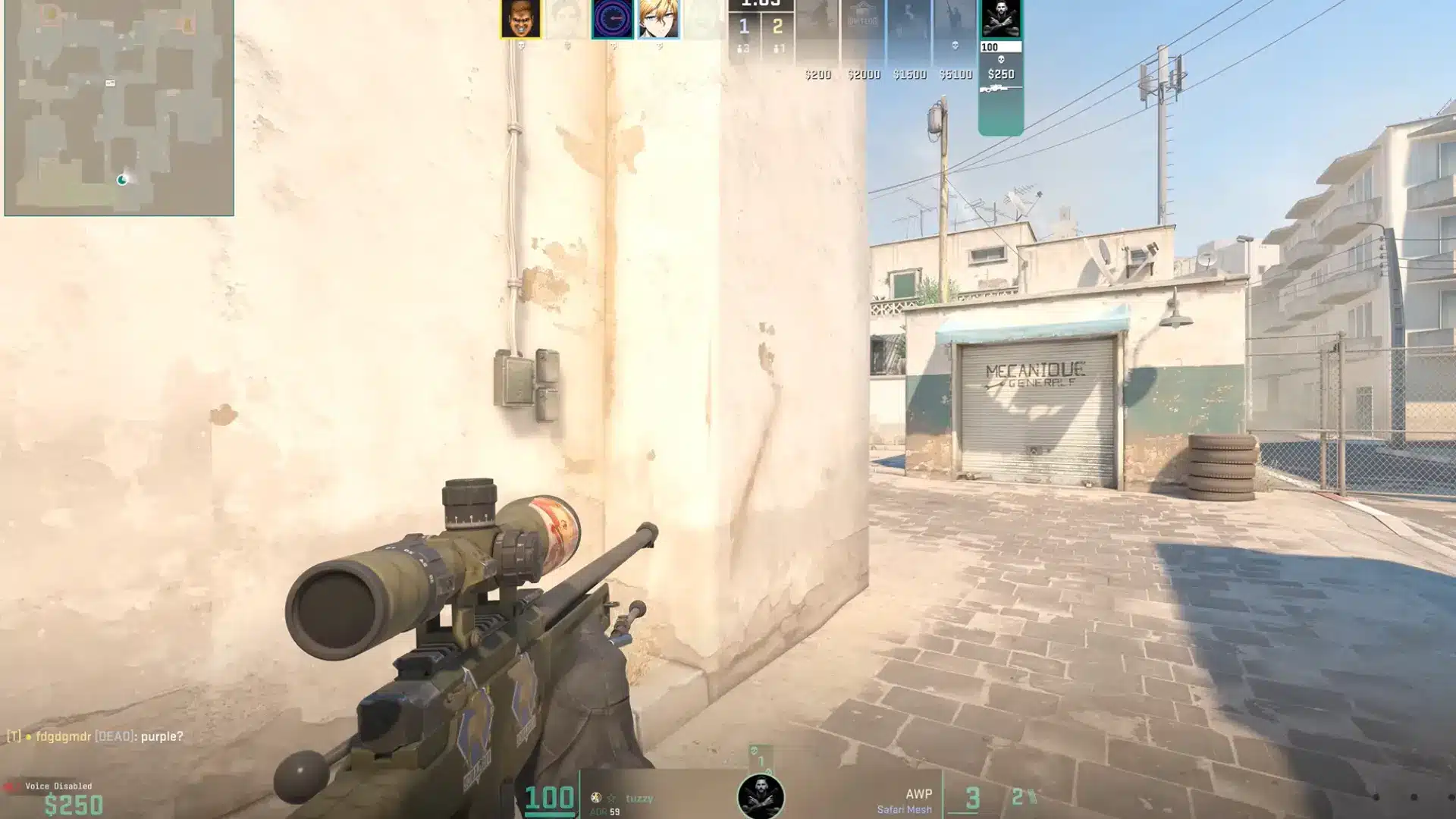
Pure player-versus-player (PVP) titles like Valorant or Counter-Strike skip NPCs almost entirely since every match runs on human skill alone. Games with a story mode or campaign layered onto competitive play, like Apex Legends or Overwatch, still use NPCs for tutorials, lore drops, and event content even though ranked matches stay NPC-free.
Why do some players prefer games with fewer NPCs?
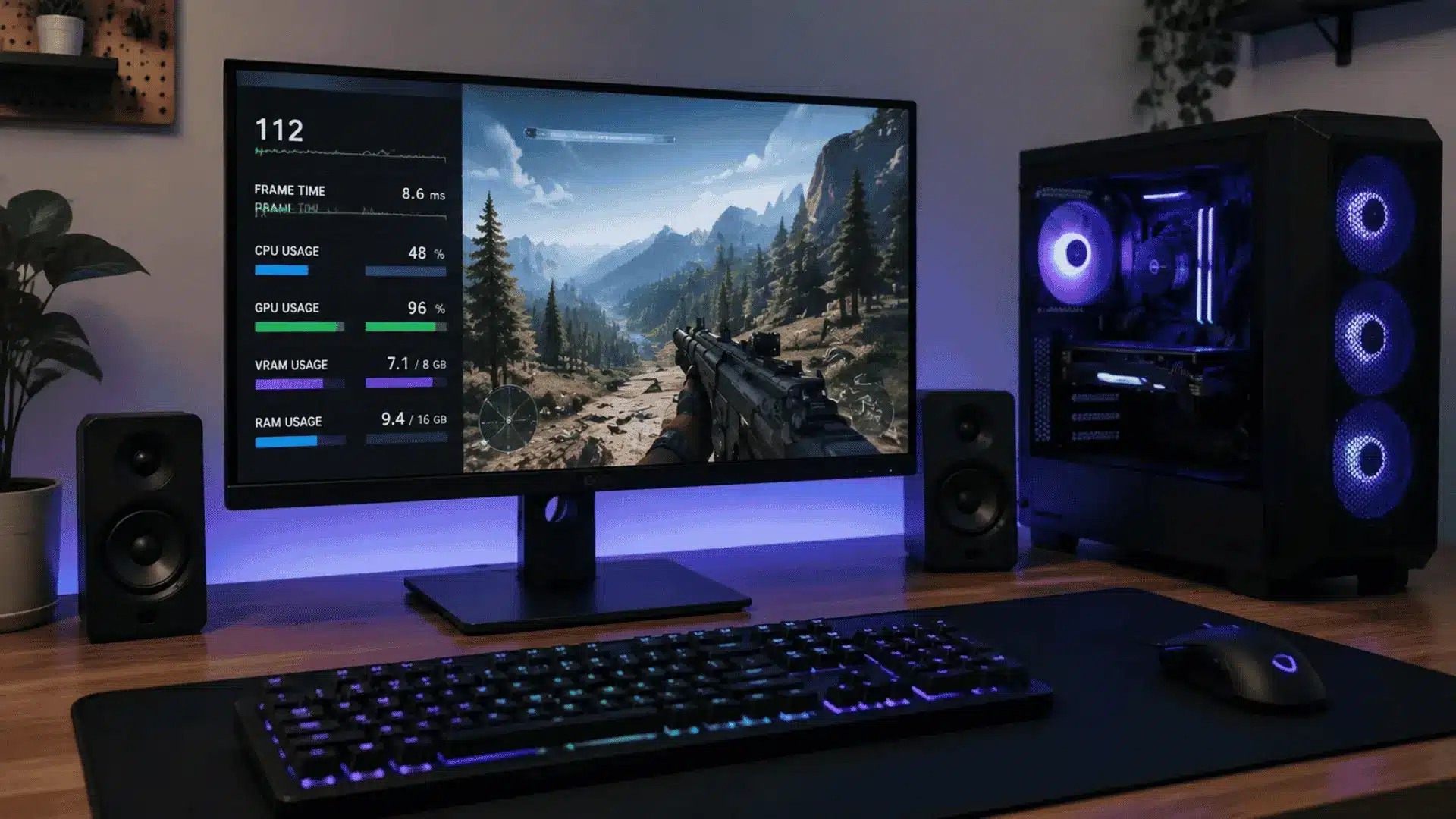
A lighter NPC roster can make a world feel more deliberate, since every character a player does meet was clearly worth building instead of padding out a crowd scene. Some players also find dense NPC cities distracting or performance-heavy on lower-end hardware, and prefer the tighter focus a smaller cast gives the main story.