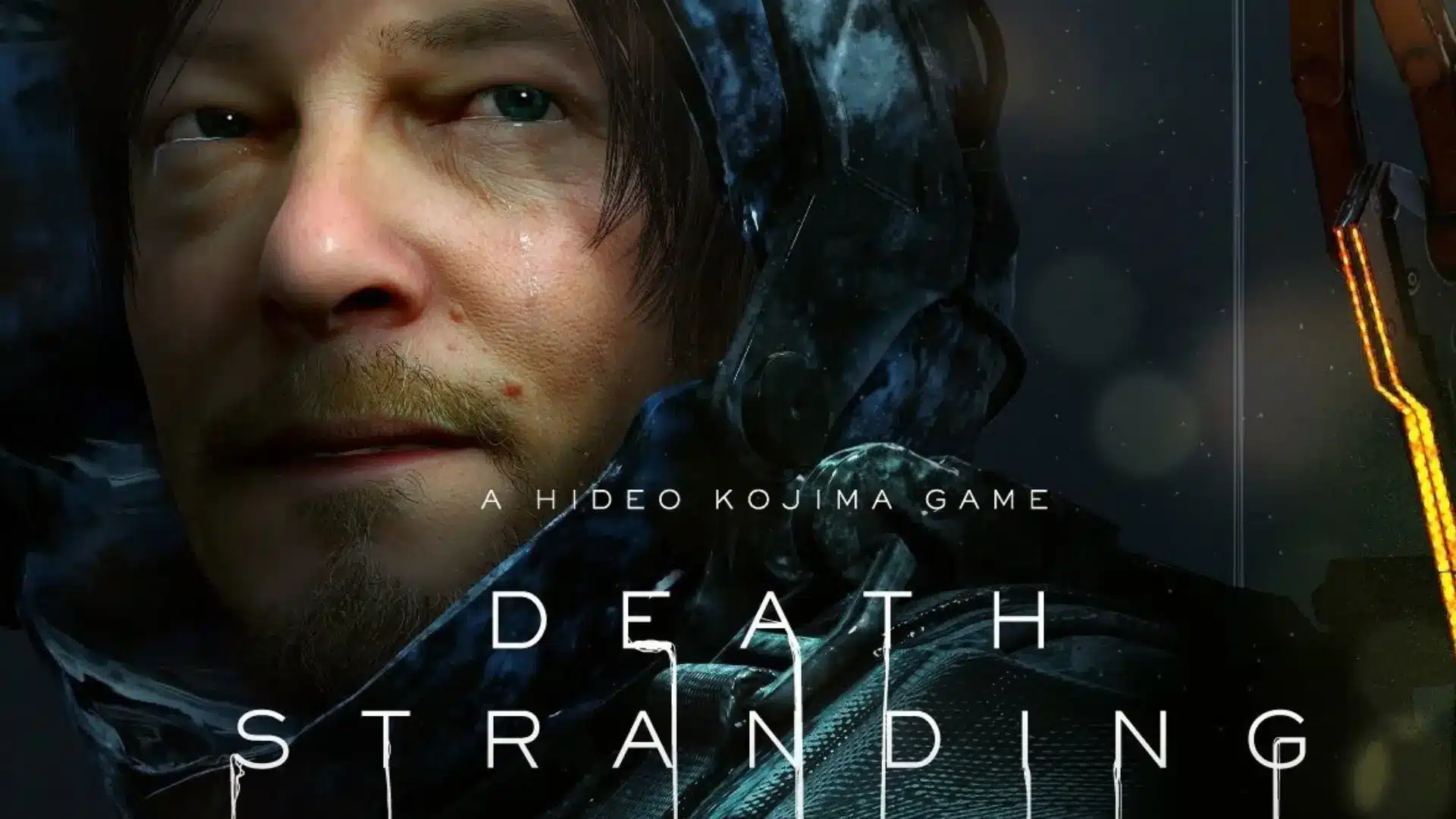
You stand on a cliff in the rain with a tall stack of boxes on your back, and one wrong step sends them flying.
Every Death Stranding review has to explain why that feels thrilling to some players and like a chore to others. Hideo Kojima built a world where balance, weight, and weather matter more than bullets.
Some people call the result art, and others call it a long, lonely errand with a very nice view.
That split makes the game hard to judge from a trailer or a score. The right answer depends on how you feel about slow travel, careful planning, and long stretches without a single fight.
So before the verdict, let’s start with what you would actually be buying.
About Death Stranding
Developed by Kojima Productions and directed by Hideo Kojima, Death Stranding is an open-world action-adventure game originally released for PlayStation 4 in November 2019.
The Director’s Cut later expanded the experience with additional content and gameplay improvements. Kojima Productions said the game had reached over 19 million players worldwide by its fifth anniversary.
Detail | Information |
|---|---|
Developer | Kojima Productions |
Original release | November 8, 2019 |
Director’s Cut release | September 24, 2021, on PS5 |
Genre | Open-world action-adventure |
Main character | Sam Porter Bridges |
Director | Hideo Kojima |
Player mode | Single-player with asynchronous online features |
How Much Does Death Stranding Cost?
The price depends on the edition, platform, and available discounts. The original game launched at $59.99 on PS4, while the Director’s Cut has separate pricing across digital storefronts.
The US PlayStation Store lists the Director’s Cut at $49.99, while the Epic Games Store lists it at $39.99. These prices can change, so check the relevant store before purchasing.
Death Stranding is available across several platforms and services, including:
PlayStation: The original game is available for PS4, while the Director’s Cut is available for PS5.
PC: Players can get the Director’s Cut through Steam and the Epic Games Store.
Xbox: The Director’s Cut is available for Xbox Series X|S with an MSRP of $39.99.
Apple devices:The Director’s Cut runs on iPhone 15 Pro and newer, plus iPads and Macs with an M1 chip or later. The MSRP is $39.99, and one purchase covers all three.
Cloud gaming: It’s also available on Amazon Luna+, depending on the service and region.
For new players, the Director’s Cut is a sensible starting point if the price difference is small. The original edition remains worth considering when it is significantly cheaper.
Death Stranding Story: What’s the Setup?
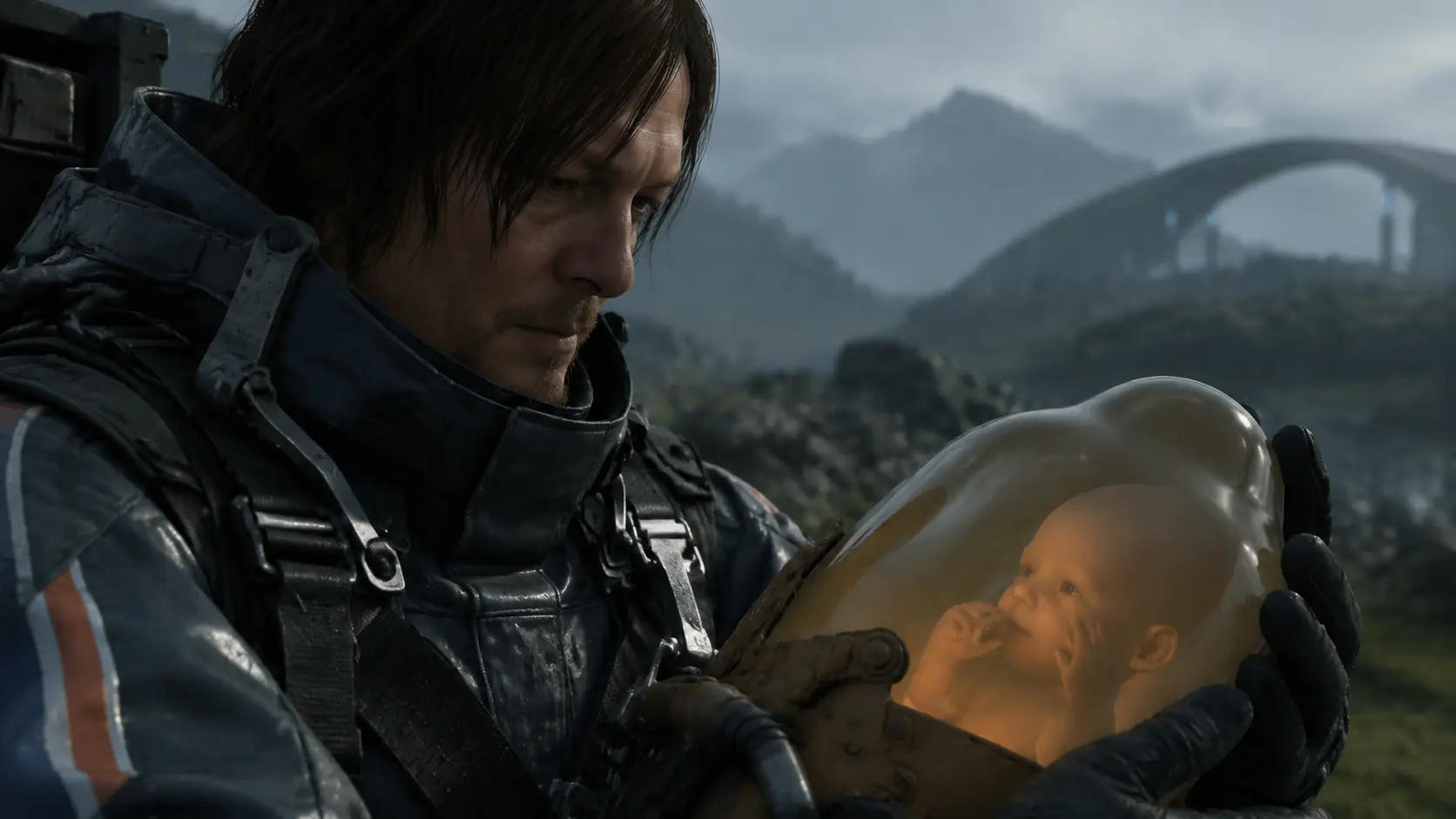
Death Stranding takes place in a future where a mysterious disaster has blurred the boundary between the living and the dead.
Known as the Death Stranding, the event has unleashed dangerous creatures called Beached Things (BTs).
Meanwhile, Timefall, a strange form of rain, rapidly ages anything it touches.
With society fractured into isolated settlements, Sam Porter Bridges, played by Norman Reedus, travels across the country to reconnect communities through the Chiral Network.
His mission gradually expands beyond package delivery as he uncovers the disaster’s secrets and meets characters like Fragile, Deadman, Heartman, and Higgs.
How Does the Story Progress?
The narrative unfolds through deliveries, episodic chapters, and cinematic cutscenes. Each new connection reveals more about the world and the people affected by the disaster.
The story explores isolation, loss, responsibility, and human relationships.
Its science-fiction mysteries give the journey a larger purpose, although lengthy conversations and unfamiliar terminology can make certain developments difficult to follow.
Players who enjoy slow-burn science fiction and detailed worldbuilding will likely appreciate the narrative’s ambition. Those who prefer straightforward plots and quick explanations may find it demanding.
What Do Critics Say?
Death Stranding earns strong marks overall, but few games split reviewers this sharply. At launch, IGN scored the original 6.9 out of 10 while GameSpot gave it a 9.
The Director’s Cut now holds an 83 top critic average on OpenCritic, with 93% of critics recommending it.
The praise lands on the same few things: route planning, rough terrain, and the way other players quietly help you along.
The complaints are just as consistent: a dense story, a heavy setup, and deliveries that can start to feel samey. If you can live with those trade-offs, this one is easy to like.
Death Stranding Gameplay Review
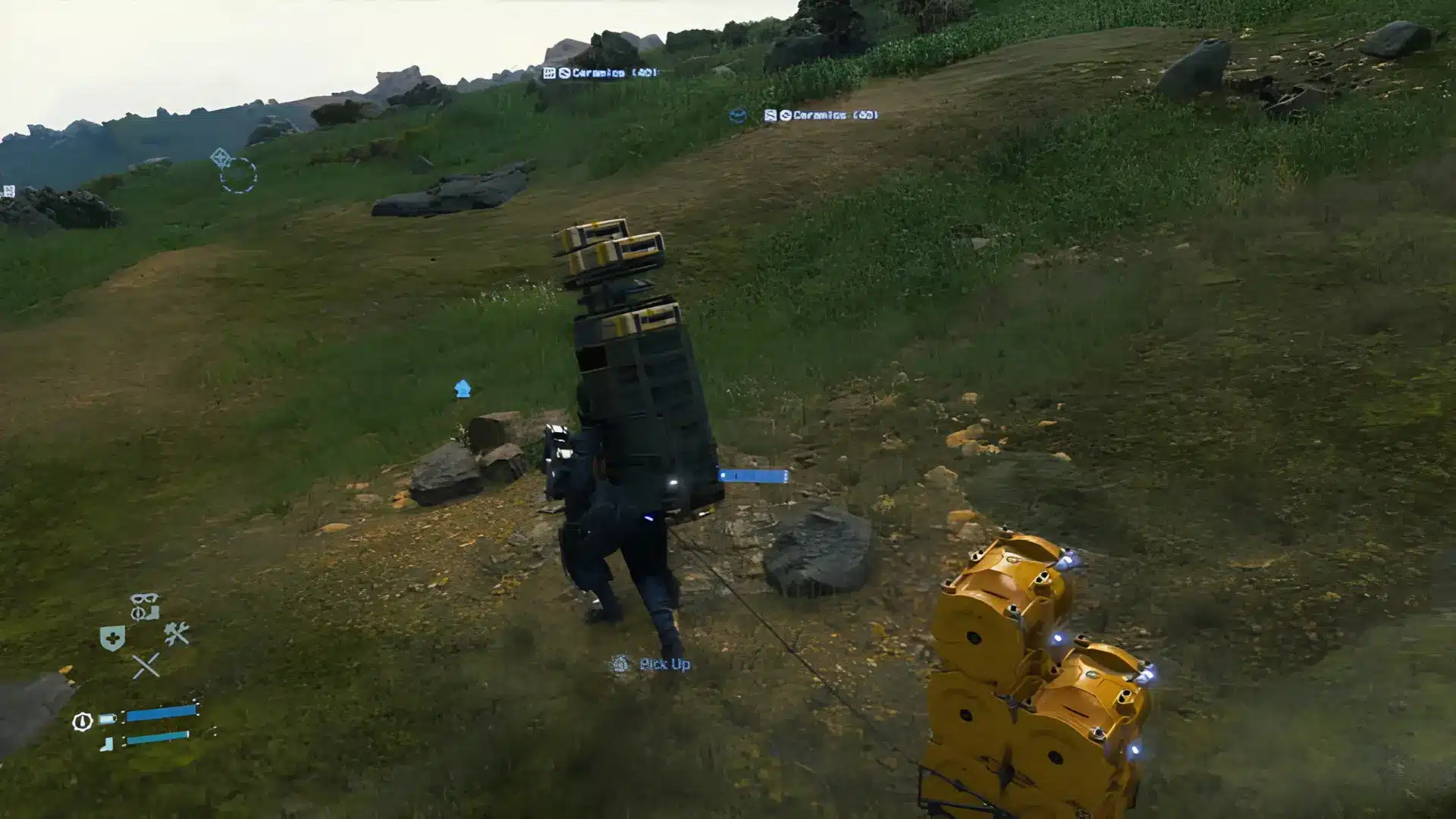
The central activity in Death Stranding is delivering cargo across a dangerous open world.
That might sound repetitive, but the game gradually adds enough tools, terrain challenges, and environmental threats to make route planning an important part of the experience.
1. Cargo Management Makes Every Delivery a Strategy
Sam can carry packages, tools, and supplies, but every item adds weight and affects how he moves. Poorly balanced cargo can make him stumble, while carrying too much can turn a manageable route into a struggle.
Before leaving a distribution center, you need to consider the delivery requirements, terrain, and equipment.
A ladder might help with a steep climb, while a climbing anchor can make a difficult descent safer. Later, vehicles and other equipment offer more ways to transport cargo.
This system works because preparation has real consequences. A little planning can save time and prevent a delivery from becoming unnecessarily difficult.
2. Exploration and Travel are the Main Challenges
ravel takes up most of the playtime, and the terrain keeps testing you. Rivers, cliffs, rocky slopes, and changing weather force you to think about where to walk and how to cross difficult ground.
The landscape can look beautiful from a distance, but crossing it safely takes attention. You need to watch Sam’s balance, manage stamina, and decide whether a direct route is actually the best one.
The slower movement is one of the game’s biggest strengths and weaknesses.
Players who enjoy navigating a landscape may find it absorbing, while those who prefer constant action may struggle with the pace.
Want a quicker open world to compare? Our Ghost of Tsushima review shows how different travel can feel.
3. Combat and Stealth Add Variety
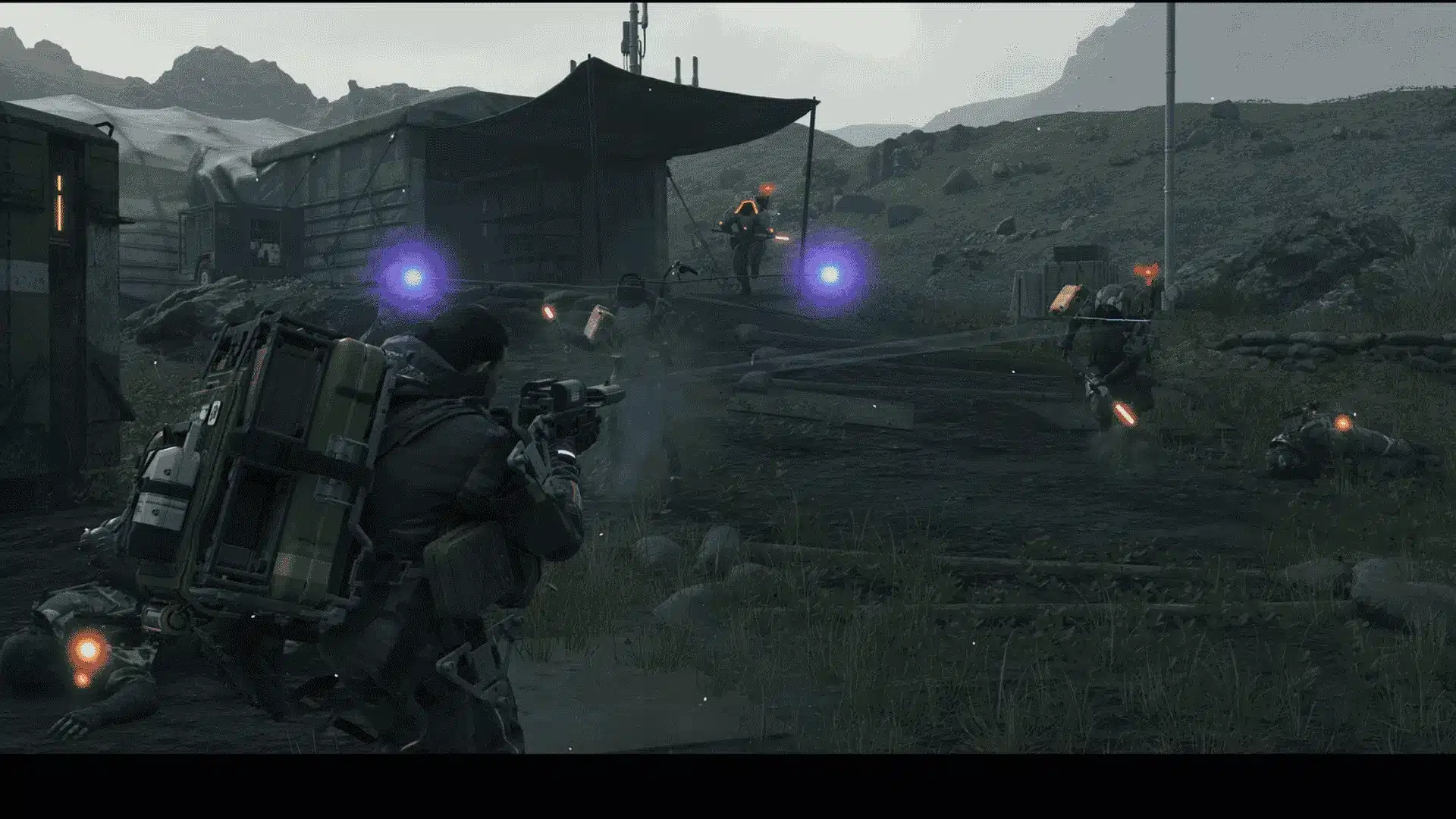
Although deliveries are the main focus, Sam encounters human enemies and BTs throughout his journey.
Human threats can require stealth or direct confrontation, while BT encounters often encourage careful movement and resource management.
Sam’s BB, or Bridge Baby, helps him detect nearby BTs. These sections build tension because a careless move or the wrong gear can turn an encounter dangerous.
Combat options expand as the game progresses, and the Director’s Cut adds further equipment and combat-related improvements.
Fighting stays in the background here. The most distinctive moments come from beating the terrain and finishing a hard route.
4. Online Cooperation Makes the World Feel Connected
Death Stranding includes asynchronous multiplayer rather than traditional co-op. You do not normally travel alongside another player, but online structures and resources can appear in your world.
You may find a ladder left near a river, a bridge that saves you a long detour, or roads built with contributions from other players.
You can also build useful structures and contribute resources to shared projects.
This is one of the game’s most original ideas. Other players help make the world easier to navigate without interrupting the solitary feel of Sam’s journey.
Online features require the relevant platform account and internet access.
How Long Does Death Stranding Take to Finish?
Death Stranding takes about 50 hours to finish the main story. Optional deliveries and building infrastructure push that number much higher, as the table shows.
Play style | Approximate time |
|---|---|
Main story | 40-50 hours |
Main story plus optional deliveries | 60-80 hours |
Completionist playthrough | 100+ hours |
These are estimates, not fixed targets. Optional orders, construction projects, difficult routes, and exploration can add considerably to your total playtime.
You don’t need to complete every delivery to finish the main story.
Side assignments are most useful for players who enjoy improving infrastructure, earning better delivery ratings, and making routes easier to navigate.
Does Death Stranding Have Multiple Endings?
No, the story leads to one main ending instead of a branching set of outcomes. You don’t need to follow different narrative paths to unlock an alternate conclusion.
The ending includes an extended cinematic sequence that adds context to the characters and events surrounding Sam’s mission.
The conclusion runs long, so set aside time to watch it. If you prefer spoiler-free playthroughs, avoid searching for the ending before finishing the game.
Several important revelations depend on the gradual development of its mysteries.
Death Stranding Pacing Review: Slow Design or Unnecessary Waiting?
Pacing is one of the most divisive aspects of Death Stranding.
New tools, locations, and story developments arrive gradually, so the experience builds over time rather than constantly introducing high-intensity encounters.
Reaching a difficult destination after managing supplies, terrain, and threats can feel rewarding. However, repeated deliveries across familiar areas can get tedious, especially during long sessions.
The game’s slower rhythm works best when you enjoy the process of planning and overcoming obstacles.
If you prefer frequent combat, rapid progression, and immediate rewards, some sections may feel unnecessarily drawn out. The key question is whether you find satisfaction in the journey itself.
Death Stranding makes that a central part of the experience, and your enjoyment will depend largely on how well this approach matches your preferences
Death Stranding Visuals and Sound
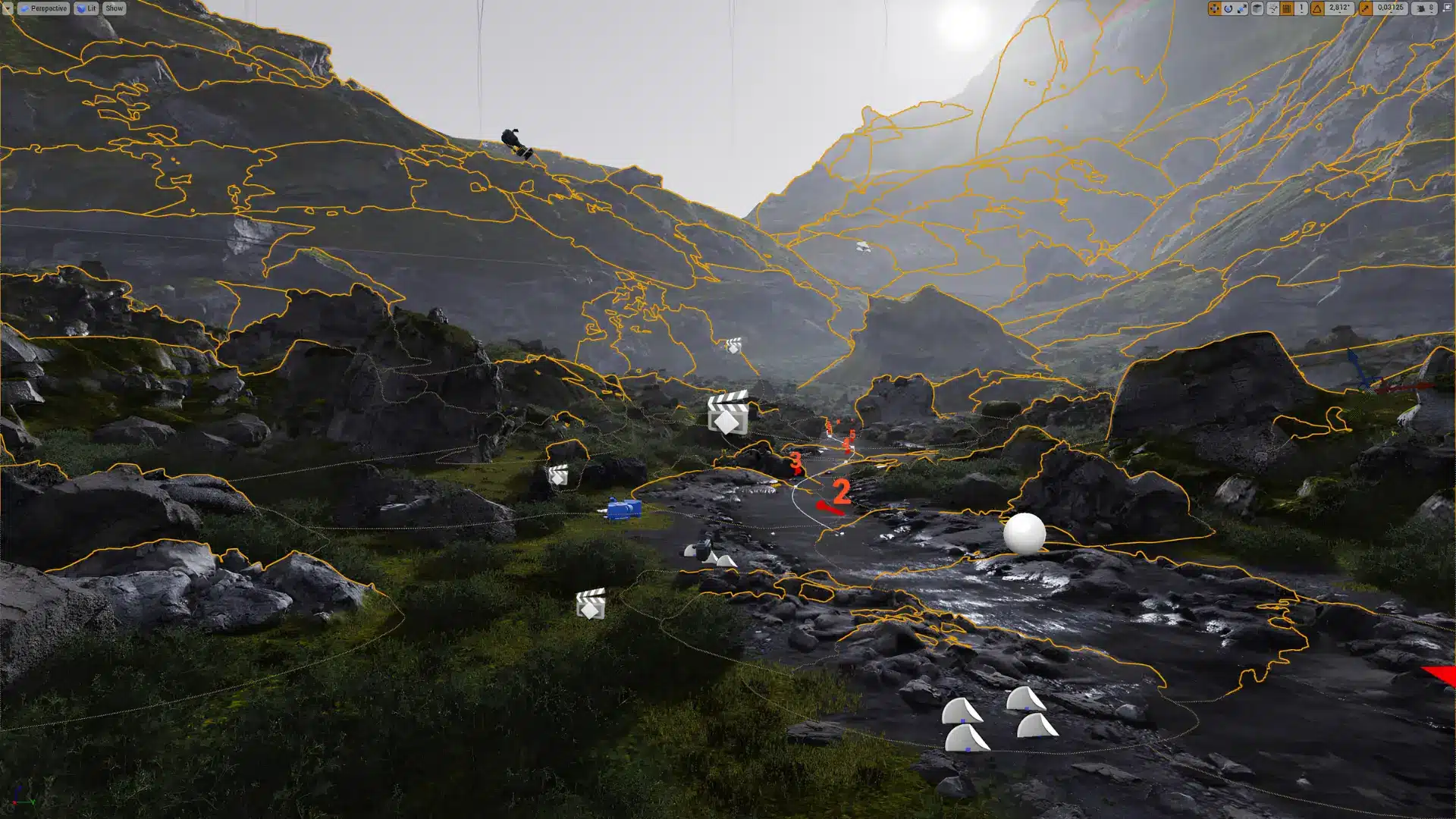
Death Stranding creates a convincing atmosphere through its environments, lighting, sound design, and music.
Its landscapes range from open stretches of rugged terrain to quieter locations that emphasize the isolation of the world. If atmosphere is what hooks you, our Metro Exodus review covers another game that leans on mood.
Character animations and performances also support the narrative, with Norman Reedus and the supporting cast bringing emotional weight to important scenes.
Key presentation strengths include:
Detailed environments: Varied landscapes make each region visually distinct.
Character performances: Facial animation and voice acting support the story’s emotional moments.
Music: The soundtrack adds atmosphere and complements important scenes.
Environmental sound: Footsteps, weather, and movement reinforce the physical demands of traveling through the world.
Together, these elements give Death Stranding a recognizable identity. Its presentation is especially effective during quieter journeys, when the landscape and soundtrack can establish the mood.
On Xbox Series X|S and PC, the Director’s Cut adds a high frame rate, a photo mode, and ultrawide monitor support.
Where Death Stranding Shines and Where It Falls Short
Death Stranding stands out for its unusual gameplay, memorable performances, and atmospheric world. Its biggest strengths come from making travel and cooperation feel meaningful.
Unique open-world gameplay: Cargo management, route planning, and difficult terrain make deliveries feel challenging and rewarding.
Meaningful online cooperation: Shared roads, bridges, and equipment let players help one another without traditional multiplayer.
Strong performances and atmosphere: Norman Reedus and the supporting cast bring emotional depth, while memorable landscapes, music, and sound design enhance the experience.
Despite its original ideas, Death Stranding has a few weaknesses that may affect how much players enjoy it. Here are some things where this game falls short:
Slow pacing: Long cutscenes and a gradual introduction may frustrate players who prefer immediate action.
Repetitive deliveries: Missions often follow similar patterns, and new tools do not always break up the routine.
Complex storytelling: Unfamiliar terminology, lengthy dialogue, and delayed explanations can make the plot difficult to follow.
Limited combat focus: Combat takes a back seat to exploration and deliveries, which may disappoint action-focused players.
These drawbacks won’t be deal-breakers for everyone, but they may limit the game’s appeal if you prefer faster gameplay and a more straightforward story.
Is Death Stranding Worth Playing?
Yes, if you enjoy open-world exploration, atmospheric science fiction, and gameplay that rewards patience. Its delivery systems and asynchronous multiplayer offer a different experience from games built primarily around combat.
You may enjoy it if you:
Like planning routes and managing equipment.
Prefer atmospheric worlds and story-driven experiences.
Enjoy gradual progression and building useful infrastructure.
Appreciate unusual mechanics and indirect online cooperation.
You may want to skip it if you:
Prefer fast-paced action and frequent combat.
Get frustrated by repeated objectives.
Want a story that explains everything quickly.
Prefer shorter games with frequent rewards.
My take: if planning a route sounds fun to you, this game will treat you well, and if it sounds like homework, no patch will fix that.
Final Verdict
Death Stranding asks for patience and pays you back with a world that feels earned. The slow pace, repeated deliveries, and dense story will lose some players early, and that is fair.
Others find that the quiet treks and shared bridges stay with them long after the credits, which is why every Death Stranding review ends in an argument.
If a long walk with a heavy pack sounds relaxing, you are likely in that second group.
Which side are you on? Tell us in the comments, and share the longest trek you ever made in the game, or the delivery that nearly broke you.
Frequently Asked Questions
Do You Need to Play Death Stranding Before Death Stranding 2?
No, Death Stranding 2: On the Beach does not require the first game. It includes an in-game story recap and a Corpus guide that explains key characters, terms, and events along the way.
Still, the sequel continues Sam’s journey, so playing the original first gives the story more weight and makes the big moments land harder.
What is the Difference Between Death Stranding and Director’s Cut?
The Director’s Cut adds new missions, weapons, vehicles, and activities such as a firing range and a racetrack. It also brings technical upgrades like a higher frame rate and a photo mode on newer platforms.
The main story stays largely the same, so the original still delivers the core delivery-focused experience.
What is BB in Death Stranding?
BB, or Bridge Baby, is Sam’s companion device that works with his scanner to help detect nearby BTs during deliveries. It plays an important role in both gameplay and the story.
In play, it gives Sam an early warning. In the story, it helps him understand and survive the dangers linked to the Death Stranding event.