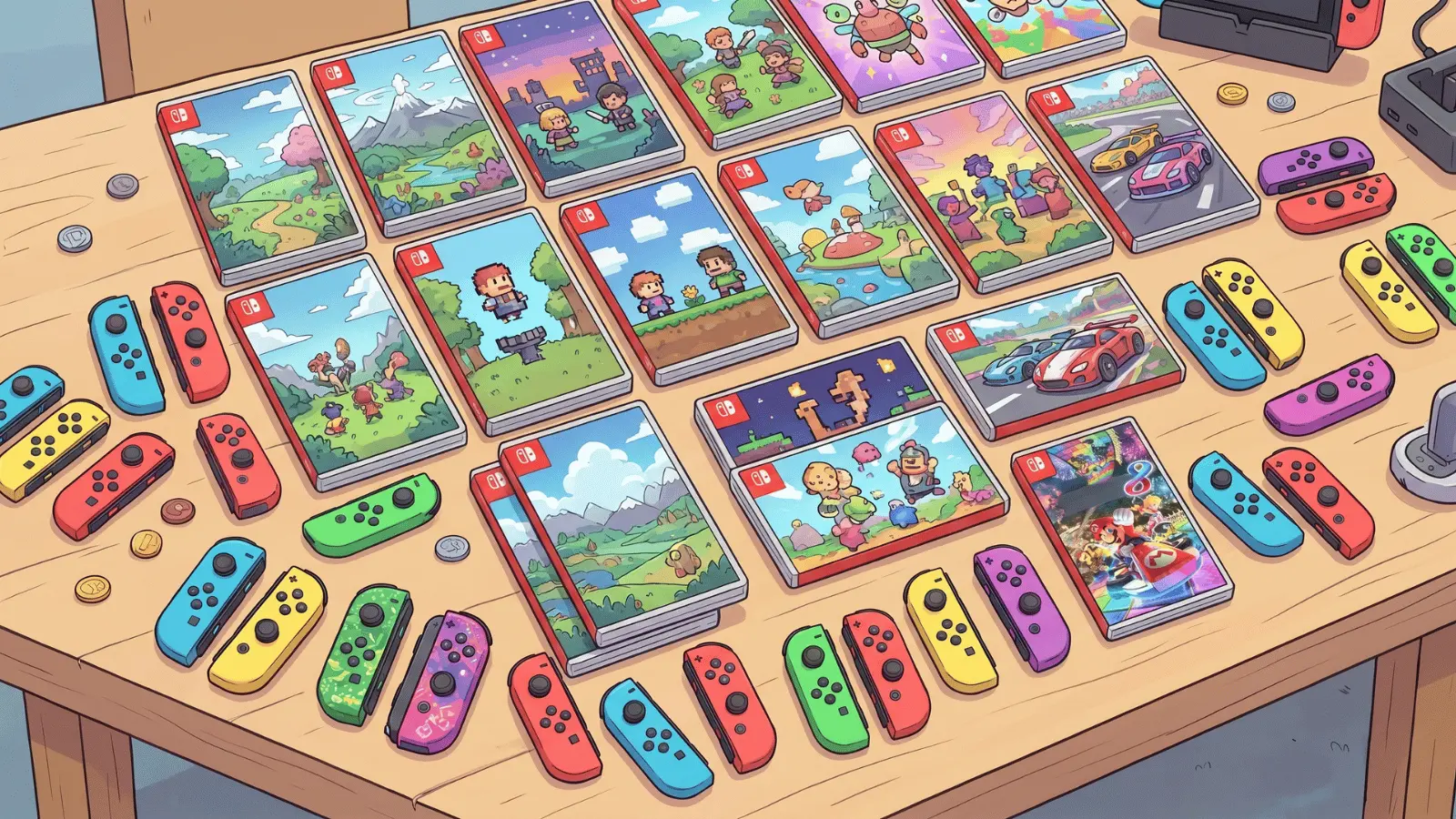

Some games age, but some Game Boy games don’t. They just sit there, waiting, still doing exactly what made them great the first time.
This list covers original Game Boy and Game Boy Color titles only. No GBA. Every entry is ranked by how well it holds up right now, not by sales figures or how many people owned it as a kid.
I’ve argued every placement. If you think something is wrong, you’re probably thinking of a game that almost made it. The best games of all time are harder to agree on than they look, and that’s what makes the list worth having.
The Best Game Boy Games of All Time, Ranked
Every game here earned its place by what it does today, not by nostalgia or sales numbers. The ranking reflects where strong critical and player consensus lands, and where I think that consensus gets things right.
1. The Legend of Zelda: Link’s Awakening
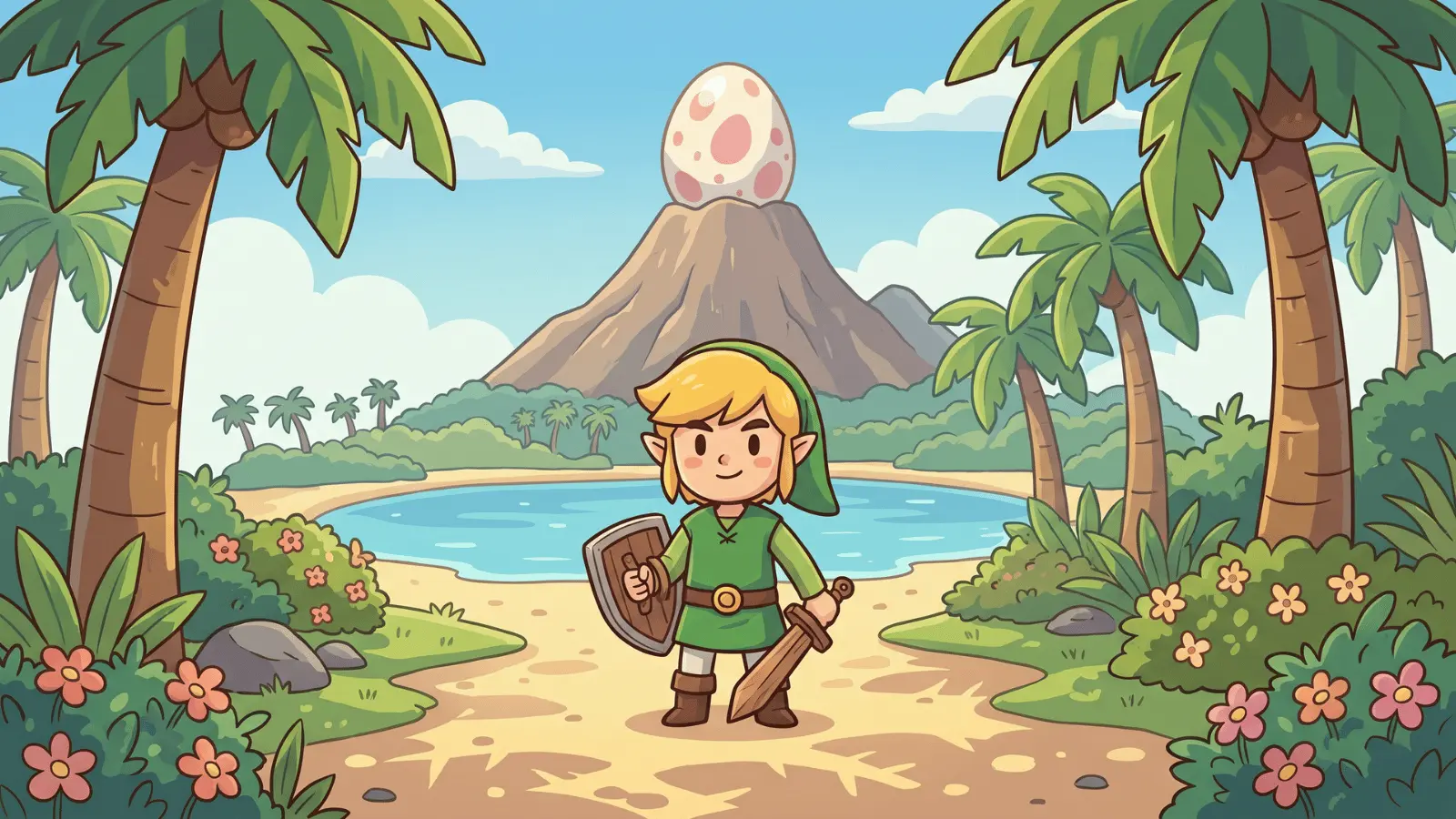
I did not expect a Game Boy game to hit me the way Link’s Awakening did. The island of Koholint feels genuinely alive. Strange, warm, and a little sad in a way that takes time to understand.
The dungeons are some of the best-designed in any 2D Zelda. Each one teaches you a mechanic and then pushes it until you really know it. The soundtrack does things small hardware has no right doing.
And the ending. I won’t spoil it. But it earns everything that comes before it, including the slow reveal of what Koholint actually is.
If you’ve only thought of this as a portable Zelda, you’re selling it short. It’s not a handheld version of something else. It’s its own thing, and it’s the best game the Game Boy ever made.
| Feature | Details |
|---|---|
| Developer | Nintendo |
| Release Year | 1993 |
| Genre | Action-Adventure |
| Setting | Koholint Island |
| Key Feature | Emotional story, iconic soundtrack, brilliant dungeon design |
2. Donkey Kong ’94
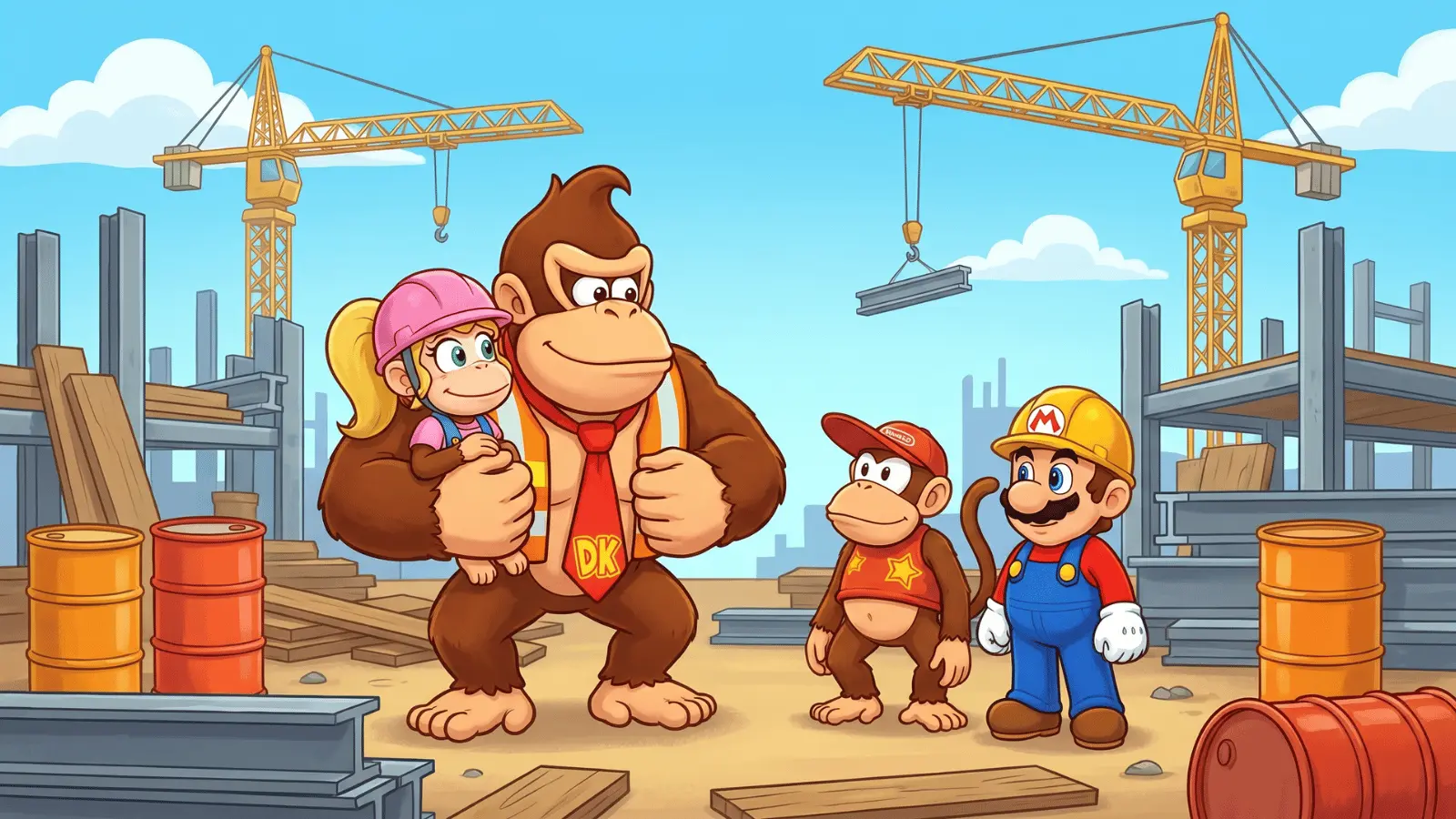
Here’s what Donkey Kong ’94 does that almost nobody sees coming. The first four levels copy the arcade game exactly. You think you know what you’re playing.
Then the game opens up. Ninety-seven new puzzle-platform levels. A totally expanded Mario moveset. Design ambition that nothing else on the platform comes close to.
That opening is the whole trick. Nintendo used what you already knew about the arcade game to hide what this one actually was. Mario cartwheels, handstands, and climbs in ways you never saw in the original.
I’ve watched people write this off as a port. That’s the mistake. It’s one of the cleverest things Nintendo ever put on the Game Boy, and it catches almost everyone off guard the first time.
| Feature | Details |
|---|---|
| Developer | Nintendo |
| Release Year | 1994 |
| Genre | Puzzle-Platformer |
| Total Levels | 97 new levels plus arcade stages |
| Key Feature | Expanded Mario moveset |
3. Tetris
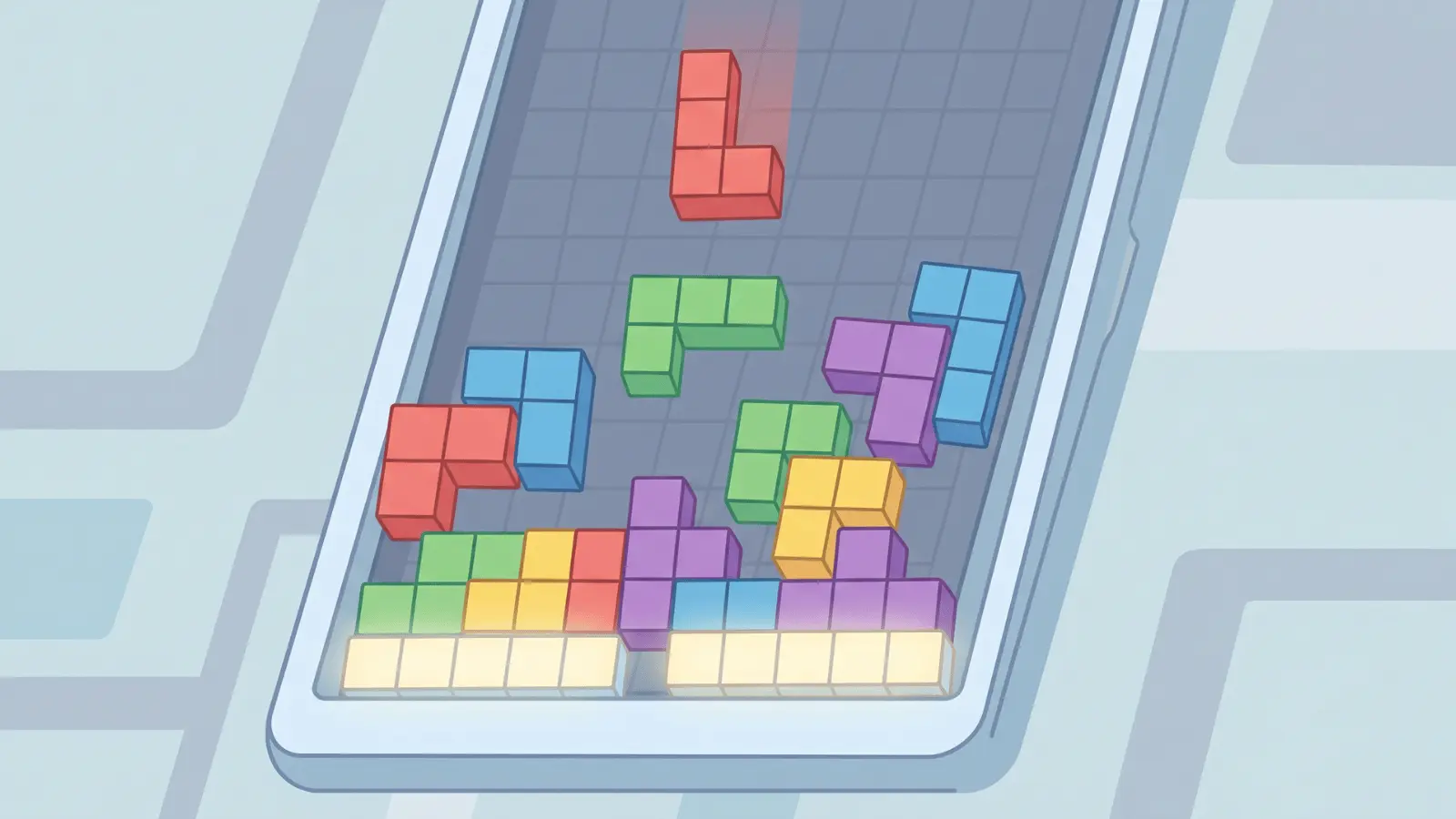
Tetris shipped as the Game Boy’s pack-in game in 1989 and practically sold the hardware by itself. Blocks fall. You clear lines. You tell yourself one more game. Two hours pass.
What keeps it on this list isn’t history. Every run feels different because the game never gives you the same sequence twice, and the pressure builds at exactly the right rate.
That’s harder to pull off than it sounds, and it’s why no version since has made Tetris feel old.
| Feature | Details |
|---|---|
| Developer | Nintendo (published) |
| Release Year | 1989 |
| Genre | Puzzle |
| Pack-In Game | Yes |
| Replay Value | Infinite |
4. Pokémon Red/Blue/Yellow
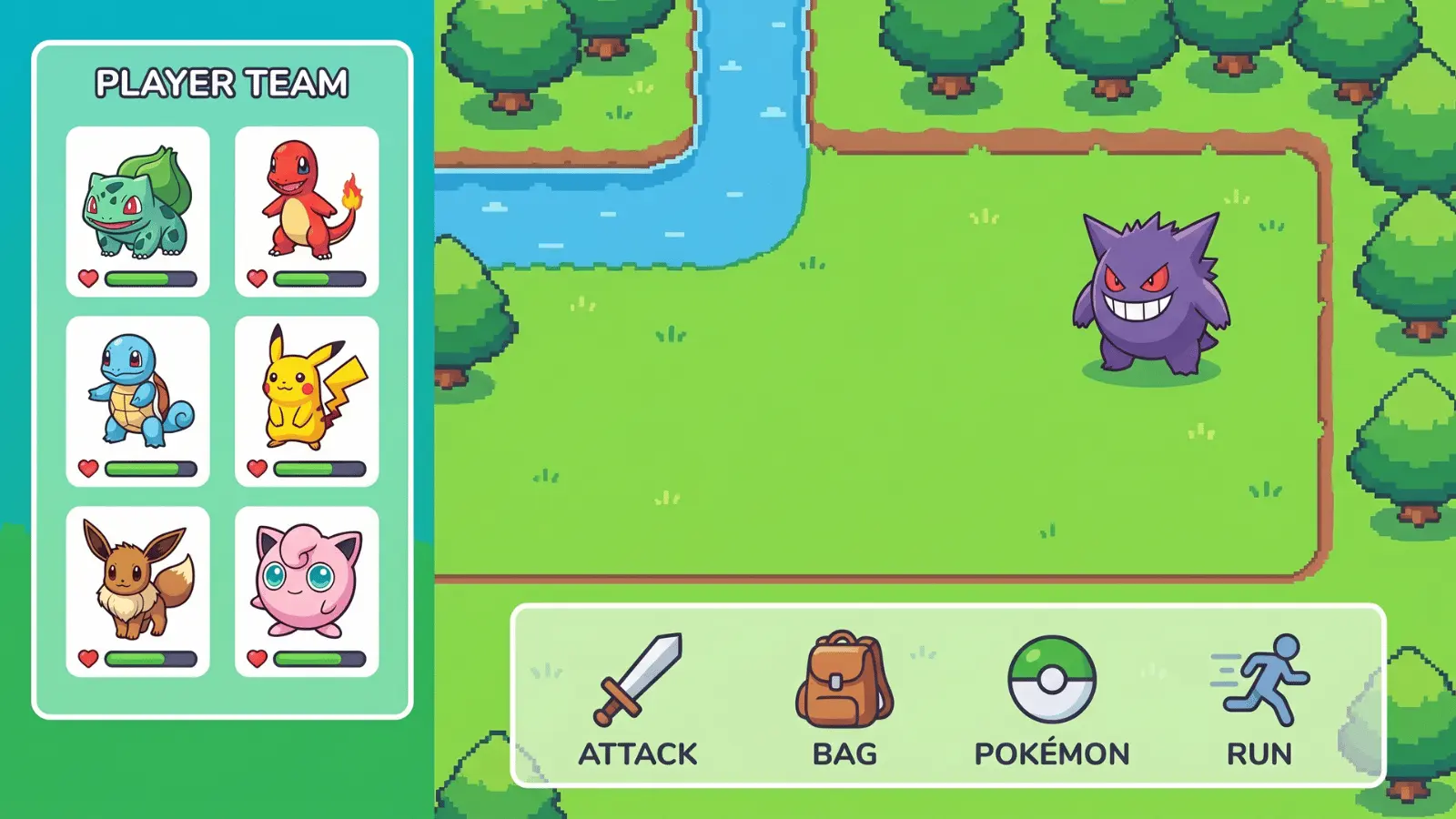
I remember sitting in the back seat of my parents’ car trying to catch all 151. Pokémon Red and Blue weren’t just games. They were a shared experience built into the hardware itself.
Trading and battling over a physical link cable, with a friend sitting next to you, made the Game Boy feel like a social platform before anyone used that word. Game Freak built a loop that kept you going long after you beat the Elite Four, because the real game was collection and competition with people you knew.
Yellow followed and refined it. If you think these only matter for nostalgia, try building a real competitive team from scratch. The RPG underneath is still genuinely deep.
| Feature | Details |
|---|---|
| Developer | Game Freak |
| Release Year | 1996 (Japan), 1998 (US) |
| Genre | RPG |
| Pokémon to Catch | 151 |
| Key Feature | Trading and battling with friends |
5. Wario Land II
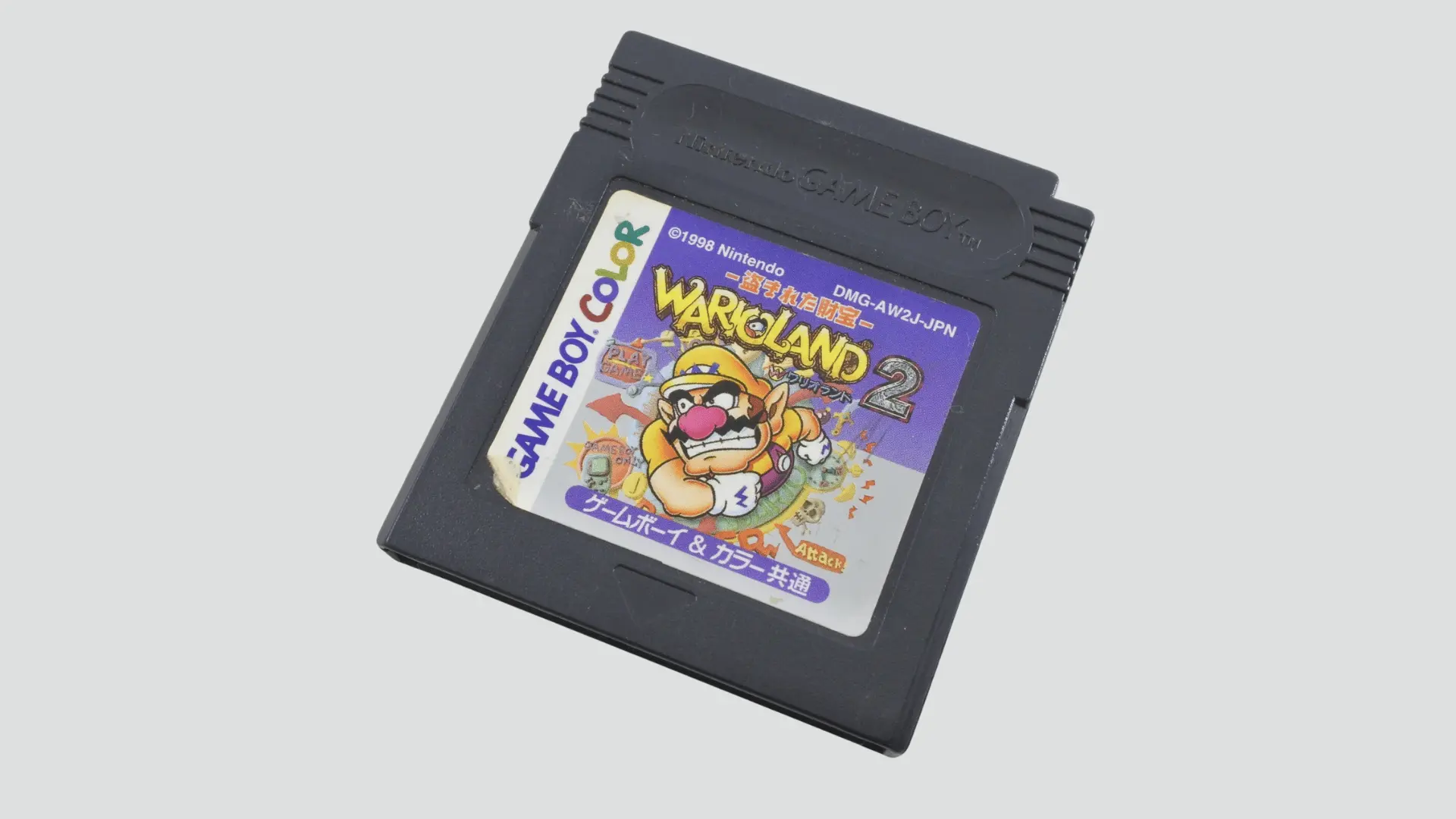
Wario Land II is the game that made Wario a real franchise, not just a villain with his own spin-off. The original Wario Land: Super Mario Land 3 put him on the map. The sequel worked out what made him worth building around.
The key change: Wario can’t die. Enemies transform him instead. Fat Wario. Flat Wario. Zombie Wario. Each form opens new paths through levels that a normal playthrough won’t show you.
The whole game is built around that idea. It rewards curiosity over caution and trusts you to find the alternate routes yourself. The level design is more complex and more creative than the first game in almost every way.
If you’ve only played the original, this is where the series actually becomes itself. I think it’s the stronger game, and most people who’ve played both agree.
| Feature | Details |
|---|---|
| Developer | Nintendo R&D1 |
| Release Year | 1998 |
| Genre | Platformer |
| Key Mechanic | Enemy transformations unlock alternate paths |
| Endings | Multiple based on conditions met |
6. Wario Land: Super Mario Land 3

I love Wario. There, I said it. He’s greedy, loud, and a genuine blast to play as. That’s not just personality. It’s a design choice.
Where Mario grabs coins without thinking, Wario’s whole game is built around getting rich. You body-slam enemies, grab treasure, and use hat transformations to bust through obstacles. How much you collect decides which ending you get. There’s no bad outcome, just different levels of Wario-scale success.
The character and the game system say the same thing. Wario’s greed isn’t flavour. It’s the mechanic. That’s what separates this from a Mario reskin.
| Feature | Details |
|---|---|
| Developer | Nintendo R&D1 |
| Release Year | 1994 |
| Genre | Platformer |
| Key Mechanic | Treasure collection, hat transformations |
| Endings | Multiple based on the treasure collected |
7. Mole Mania

Hardly anyone talks about Mole Mania, and that still surprises me. This game was designed by Shigeru Miyamoto, the same person behind Mario and Zelda, and you can feel it in every level.
You play as Muddy Mole, a dad trying to rescue his family. You dig tunnels and push a black ball into pits to clear each stage. It sounds simple.
Across seven worlds, the puzzles get sharp fast, because the ball’s path interacts with the terrain in ways you don’t see coming until you’ve already made the wrong move.
The Miyamoto credit isn’t the reason to play it. The puzzles are. If the first few levels feel easy, stick with it. The difficulty curve is real and the logic gets genuinely clever. I’ve gone back to this one more than once, and it still catches me out.
| Feature | Details |
|---|---|
| Developer | Nintendo/Pax Softnica |
| Release Year | 1996 |
| Genre | Puzzle-Platformer |
| Worlds | 7 |
| Designed By | Shigeru Miyamoto |
8. Super Mario Land 2: 6 Golden Coins
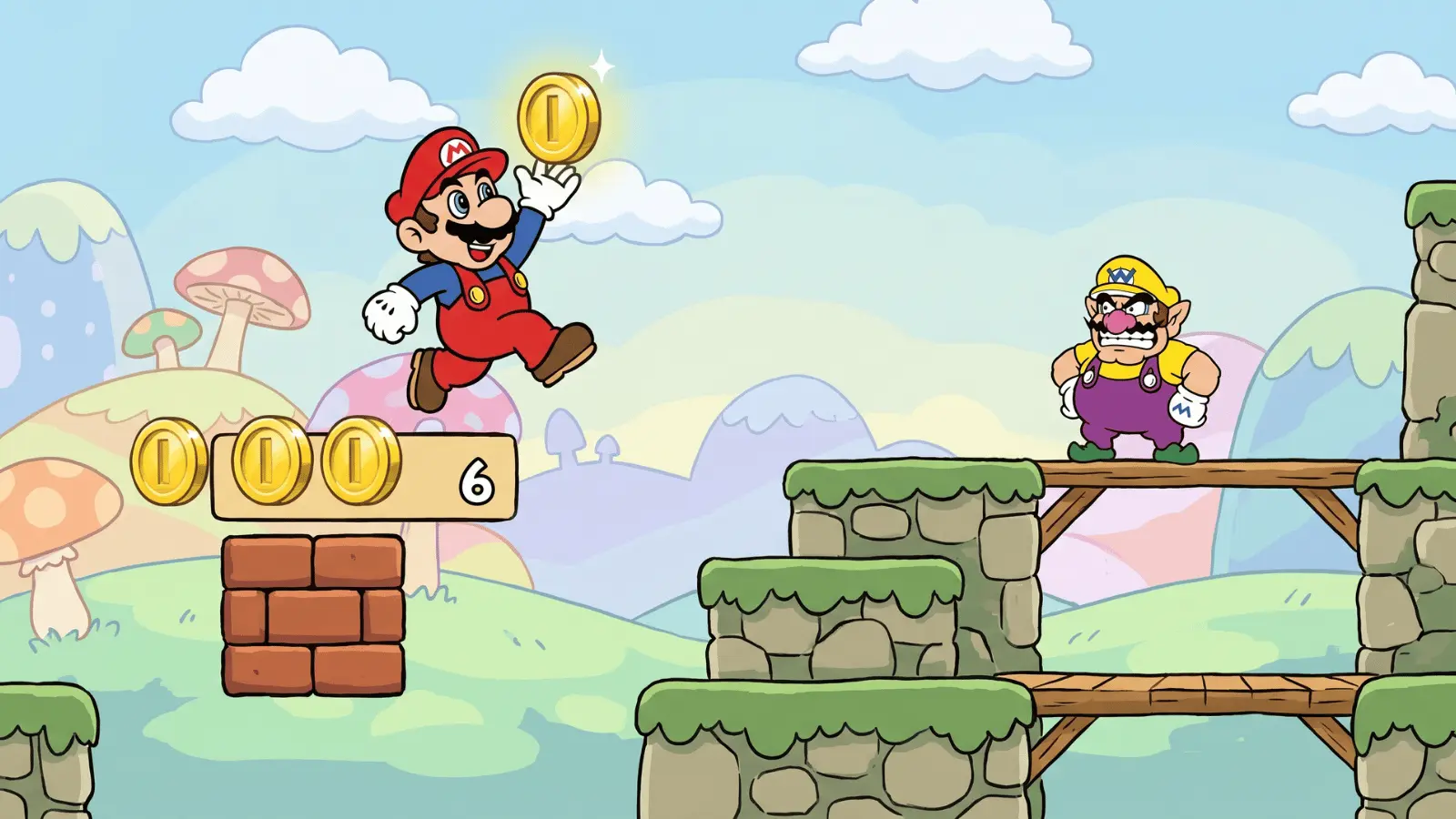
Super Mario Land 2: 6 Golden Coins fixed everything the first game got away with. Full world map. Secret exits. A Bunny ears power-up that lets Mario float through the air.
The bigger deal is who shows up. Wario appears here for the first time, having taken over Mario’s castle while Mario was away. You get it back by collecting six golden coins across themed worlds, including a pumpkin zone and the inside of a whale.
Wario didn’t just work as a villain here. He worked as an idea. The whole Wario Land series exists because of what this game proved about him.
| Feature | Details |
|---|---|
| Developer | Nintendo |
| Release Year | 1992 |
| Genre | Platformer |
| Key Power-Up | Bunny ears (floating ability) |
| Notable First | Wario’s debut appearance |
9. Metroid II: Return of Samus
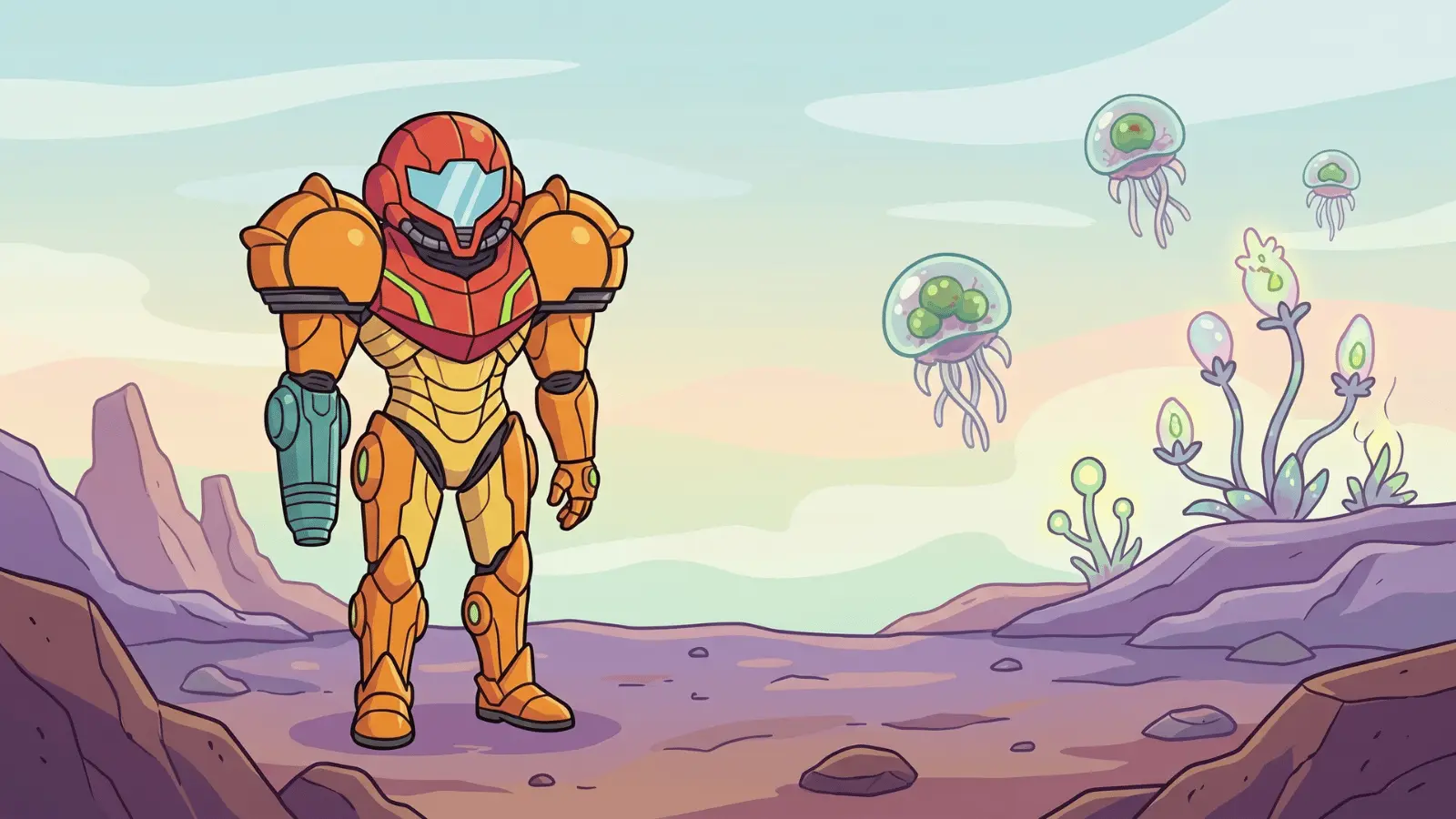
Metroid II: Return of Samus does something no other Game Boy game does. It makes the hardware feel like a deliberate choice. The monochrome screen and tight underground tunnels work together. The world feels wrong in a way that sticks with you.
The game introduced the Metroid life cycle, different forms of Metroid at different stages of growth, each needing a different approach to fight. That structure made them feel like real creatures, not just enemies. Samus picks up new power-ups here that are carried forward into later games in the series.
If you come in expecting a smooth action game, you’ll find this rougher than the NES original. That roughness is part of what makes the atmosphere work.
I’ve always thought this one gets dismissed because it doesn’t feel like the Metroid people remember. That difference is exactly the point.
| Feature | Details |
|---|---|
| Developer | Nintendo R&D1 |
| Release Year | 1991 |
| Genre | Action-Adventure |
| Metroids to Hunt | 40+ |
| Key Addition | Metroid life cycle, new power-ups |
10. Kirby’s Dream Land 2

Kirby’s Dream Land 2 is the better Kirby game on the original Game Boy, and it’s not close. The first Dream Land is a fine place to start. This is where HAL Laboratory figured out what the series could actually do.
Three animal friends, Rick the hamster, Coo the owl, and Kine the fish, each change how Kirby moves and how his copy abilities work. That pairing creates far more possible combinations than the base abilities alone. Collecting the Rainbow Drops gives you a real reason to replay every level, and you need all of them to reach the true ending.
If you played Dream Land 1 and thought Kirby was too easy, this is the game that answers that. The depth is quiet early on. Then it really isn’t.
| Feature | Details |
|---|---|
| Developer | HAL Laboratory |
| Release Year | 1995 |
| Genre | Platformer |
| Animal Friends | Rick, Coo, Kine |
| Collectibles | Rainbow Drops |
11. Shantae
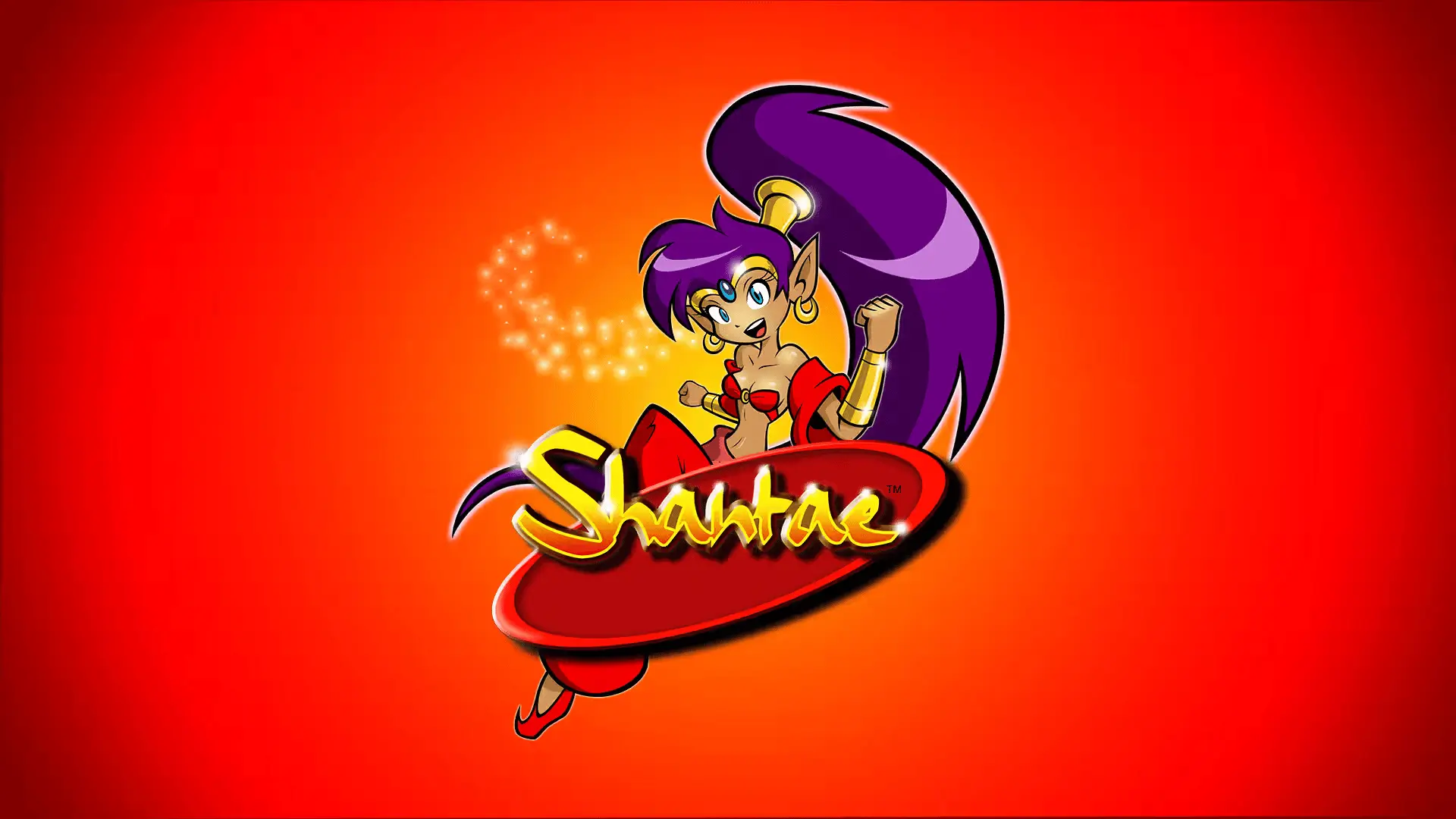
Shantae is a Game Boy Color exclusive that came out in 2002, near the end of the GBC’s life. That timing is why almost nobody played it at launch. It’s rare, it costs a lot to find physically, and for a long time the rarity was the main thing people knew about it.
The game earns its reputation on its own terms. You play as a half-genie who uses hair-whipping attacks and belly-dance transformations to get through a connected world of towns, dungeons, and secrets. The GBC hardware gets pushed hard here. The animation and colour are genuinely impressive for what the machine could do.
What keeps it worth playing is the exploration loop. The world is small enough to learn and big enough to surprise you. Play it first. Worry about the cartridge value later.
| Feature | Details |
|---|---|
| Developer | WayForward Technologies |
| Release Year | 2002 |
| Genre | Action-Platformer / Metroidvania |
| Platform | Game Boy Color exclusive |
| Key Feature | Hair-whip combat, dance transformations, connected world exploration |
12. Kirby’s Dream Land

I finished Kirby’s Dream Land in one sitting the first time I played it. Five levels, clean mechanics, and a charm that still works. Kirby floats, inhales enemies, and spits them back. That’s the whole game, and it’s enough.
If you finish and think it was too easy, play Extra Mode. That version takes away the grace and turns up the heat. The entry point is gentle by design. The completion run is not.
| Feature | Details |
|---|---|
| Developer | HAL Laboratory |
| Release Year | 1992 |
| Genre | Platformer |
| Levels | 5 |
| Bonus Mode | Extra Mode (harder difficulty) |
13. Super Mario Land

Super Mario Land launched with the Game Boy in 1989. It had one job: prove Mario worked on a tiny screen with limited hardware. It did that well.
The enemies are unlike anything in the console Mario games. The bosses are big and distinct. The four worlds move fast enough to hold your attention from start to finish.
It’s the shortest game on this list and the simplest. But it held up well enough that Nintendo built two sequels from it, and Wario exists because of who shows up in those sequels. That’s a real legacy for a launch title.
| Feature | Details |
|---|---|
| Developer | Nintendo R&D1 |
| Release Year | 1989 |
| Genre | Side-Scrolling Platformer |
| Worlds | 4 |
| Bosses | Giant unique enemies |
Wrapping Up
The Game Boy gave us some of the greatest gaming moments ever packed into a tiny screen. From Tetris keeping you up past midnight to Link’s Awakening leaving you genuinely emotional, these games delivered something real.
The best Game Boy games of all time are not just nostalgia. They are genuinely great games worth playing right now.
So go dig out that old cartridge. Download an emulator. Or grab the Nintendo Switch remake. Whatever works for you.
And if you have a personal favourite I missed, drop it in the comments. I’ll be glad to hear it.