I almost gave up on Cult of the Lamb after the first few hours because I thought the combat was meant to carry the whole game.
It felt repetitive, and I couldn’t understand why so many people praised it. Then I started paying more attention to the cult management side, and everything changed.
Building a loyal community, balancing resources, and making difficult choices became the reason I kept playing.
That shift completely changed my opinion. If you’re looking for a Cult of the Lamb review that covers both its strengths and weaknesses, I hope my experience helps you decide whether it’s worth playing.
Cult of the Lamb Review
Cult of the Lamb is a genuinely good game, and I say that having gone in with completely the wrong expectations about what kind of experience I was signing up for. My opinion isn’t an outlier either.
The game has a Metascore of 82 on Metacritic, based on 88 critic reviews, reflecting generally favorable feedback from professional critics.
I assumed the combat was the main event; it’s not. Massive Monster built this around the cult management loop. The crusades exist to bring resources home, not to be the point themselves.
Once that clicked for me, everything changed. You’re a base-builder who fights, not a fighter who occasionally tends a base. That reframe made the whole game land differently.
Players who love management sims, city-builders, and colony games will feel this one in their bones. If you primarily play roguelite games for fast-paced, skill-based combat like Hades, you may find Cult of the Lamb’s combat less satisfying.
What surprised me most was how intentional the art style feels. It’s not just cute branding. The dark-cute tone makes morally strange decisions feel natural, which quietly keeps you hooked longer than you’d expect.
Cult of the Lamb Review: Cult Management Explained
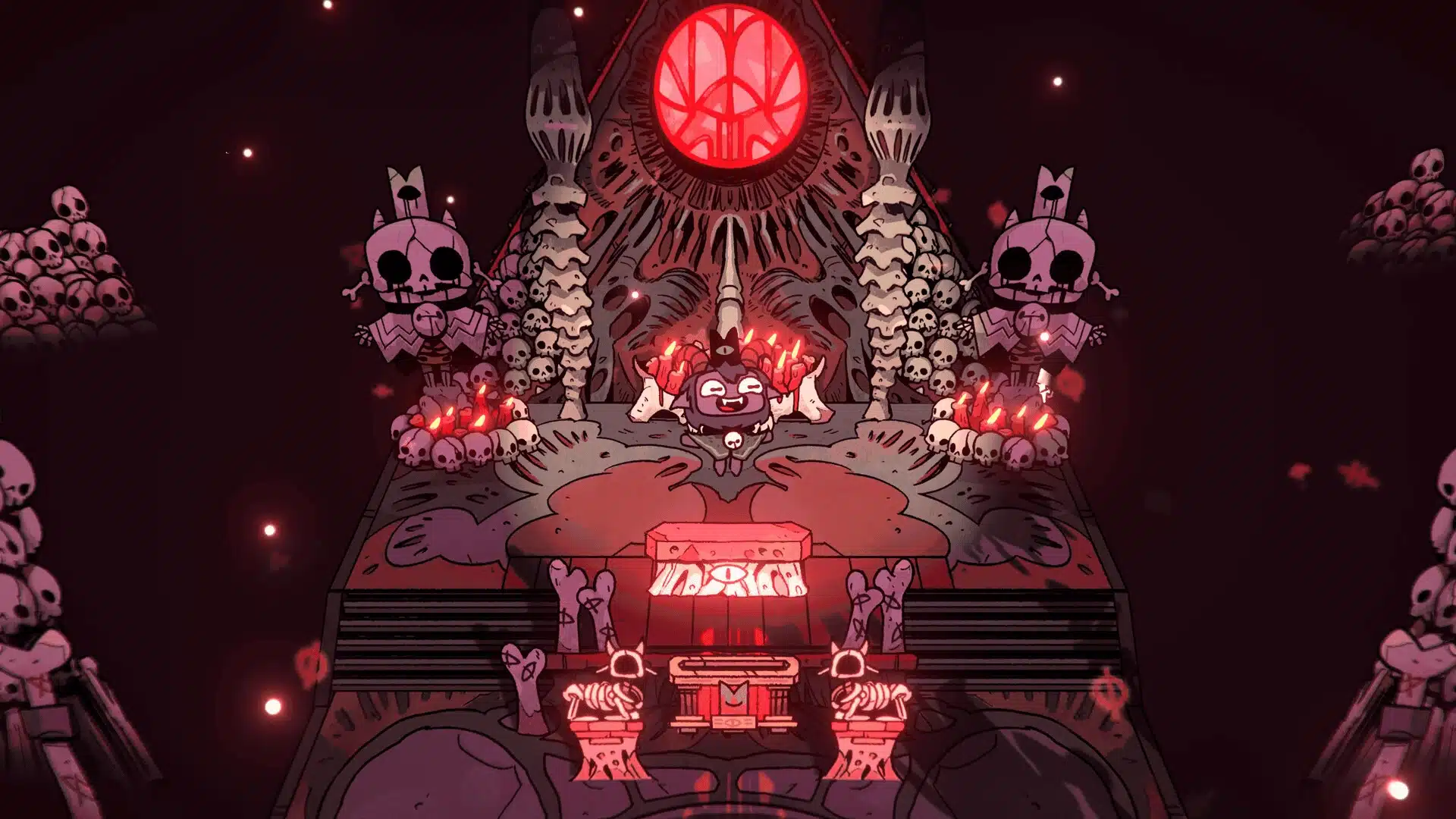
The cult management system is where you build and grow your follower base, assigning tasks, constructing buildings, running rituals, and keeping your flock fed, faithful, and alive.
I spent my first hour treating this like a loading screen. Run a crusade, pop back to base, do the minimum, leave again. That approach fell apart fast.
The base isn’t the side activity. It’s the whole game. Once I stopped rushing back to fight and started actually managing my followers, everything clicked into place.
The day-night cycle is what drives it. Here’s how it actually runs:
- While You’re at Your Cult: Followers need feeding, buildings need tending, resources need collecting, and someone is always sick or doubting your leadership.
- During the Crusades: You explore dungeons, fight enemies, defeat bosses, and bring home resources to expand your cult. Time continues to pass while you’re away, so your followers’ needs keep growing.
- The reset: While you’re away fighting, your base keeps ticking. Followers’ age, hunger builds, and a fresh list of problems waits when you return.
That alternation means there’s no dead time. One system resets while you’re resolving the other. I never felt like I was waiting. I felt like I was always slightly behind, which kept me moving.
The loop compounds quietly over time. Early on, I was just managing hunger and faith. The new buildings unlocked rituals, rituals unlocked follower behaviors, and those behaviors fed into the next upgrade tier.
| Stage | What Unlocks | What It Adds |
|---|---|---|
| Early game | Basic shelters, farm plots | Hunger and faith management |
| Mid game | Ritual buildings, sermons | Indoctrination, loyalty boosts |
| Late game | Advanced structures, relics | New follower traits, resource chains |
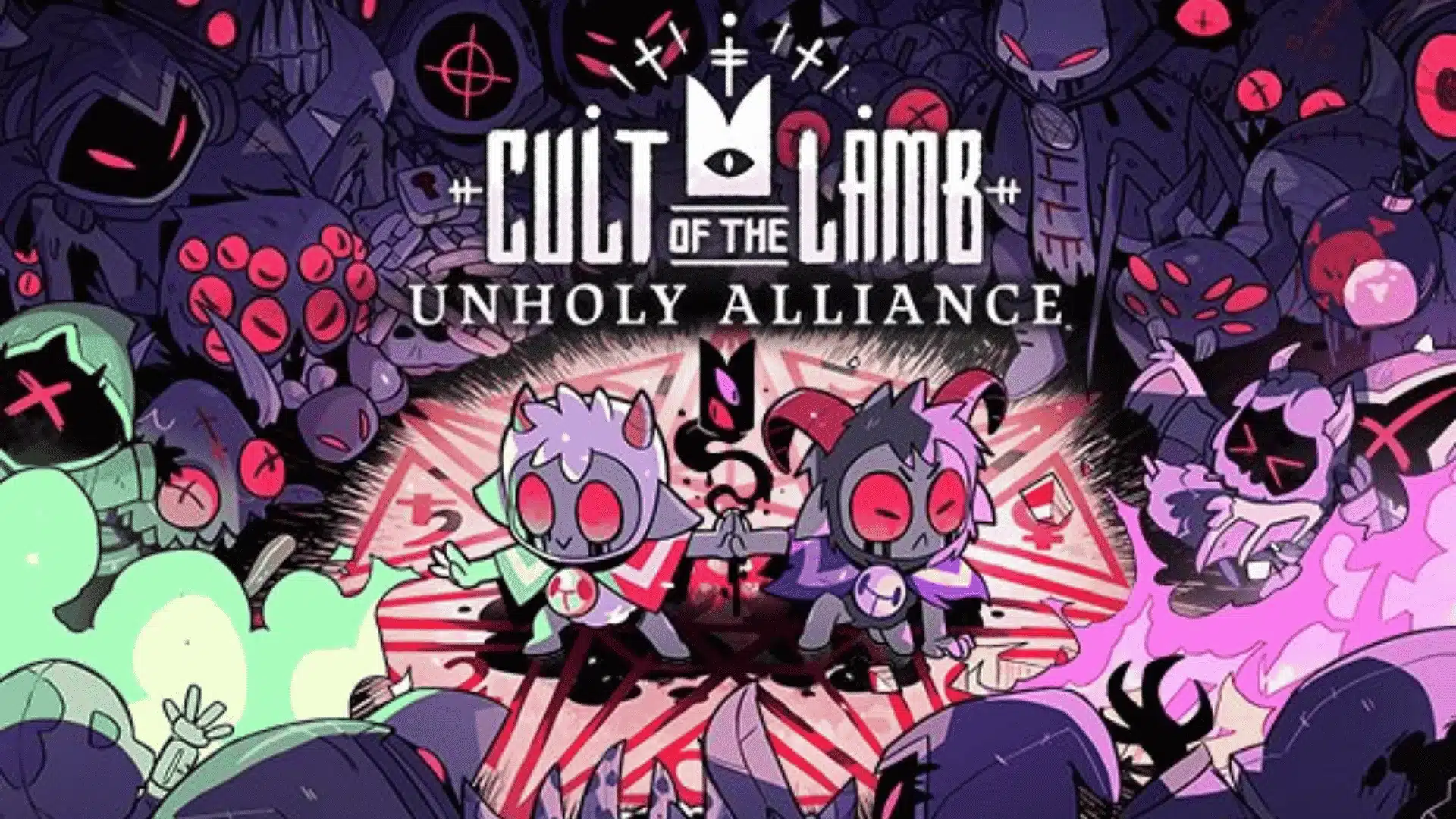
The Unholy Alliance update in 2024 added local co-op, new follower traits, relics, balance improvements, and several quality-of-life features, expanding the game well beyond its original release.
One friction point I noticed late: follower aging and disease start to feel like chores more than choices. It doesn’t break the game, but it does wear on you after a while.
Follower Faith and Needs Management
Every day, your followers are hungry, getting sick, losing faith, or quietly questioning everything. Moment to moment, you’re triaging a small, needy, occasionally dying community.
I got this wrong early. I prioritized buildings over follower care and watched my faith meter collapse in two in-game days. The needs aren’t complex individually.
It’s the volume that creates pressure, and that pressure is what makes the loop feel alive.
Buildings, Rituals, and Progression Unlocks
Each new building doesn’t just add a function. It opens a chain of behavior that quietly reshapes how the whole base operates. I didn’t notice how deep it ran until I was already twenty hours in.
Here’s what that compounding structure looks like:
- Shrine of Indoctrination: reduces follower doubt, unlocks sermon options
- Ritual buildings: activate special events that boost loyalty or generate rare resources
- Farm plots and cooking stations: control hunger, which directly affects faith and productivity
- Lumberyards and mines: automate resource gathering so crusade returns go further
Each addition makes the base feel less like a camp and more like something you actually designed. That sense of ownership builds slowly, and it’s what kept pulling me back in.
Cult of the Lamb: Story and Characters
The story gives you a clear reason to keep pushing through each crusade without getting in the way of the gameplay.
You play as a lamb brought back to life by a mysterious being called The One Who Waits, who asks you to build a loyal cult in return.
Along the way, you face the four Bishops of the Old Faith, each ruling a different region, with their own personalities and boss fights.
I liked that the story stayed simple but never felt boring. The dark humor, strange rituals, and memorable characters fit the game’s unusual world, making every victory feel more rewarding.
The Roguelite Crusades: Where the Game Divides Players?

The combat in Cult of the Lamb is functional and fun in short bursts, but it’s the weaker system, and I noticed that gap sooner than I expected.
I went in thinking the crusades were the main event; they’re not. Once I realized the base was pulling all the weight, the combat started making more sense to me.
Every crusade resets your tarot cards, weapon choices, and curse selections, so each run feels different.
However, your long-term progression still carries over through doctrines, Crown upgrades, unlocked fleeces, and your expanding cult. The management loop remains the stronger driver of sustained progress.
When the runs started to feel repetitive, I noticed something else shift, too. I was less motivated to go back out and fight, and because crusades are your primary source of unlocks, my base progression quietly stalled as well.
1. What the Crusades Actually Involve?
Each crusade drops you into a biome with randomized rooms, enemies, loot, and a boss waiting at the end. The structure feels familiar if you’ve spent any time in the genre before.
You pick up weapons, collect tarot cards, and chain rooms together until you reach the boss or die trying. The loop is simple by design, and that simplicity is both its strength and its ceiling.
I noticed the repetition setting in around the second biome. The rooms started to feel familiar, the enemy patterns started to feel solved, and the runs kept happening with the tension quietly gone.
2. Why Does Cult of the Lamb’s Combat Feel Shallower?
I came into this after Hades, which probably sharpened my expectations. But I don’t think that comparison is unfair. The combat here simply doesn’t scale the way the management side does.
The core issue is structural. Management rewards every hour you put in with something permanent. Combat resets progress every single run, leaving no trail of growth behind.
What helped break the monotony for me was Knucklebones, a dice minigame you unlock mid-game. I found myself looking forward to it more than the combat rooms themselves, which probably says enough.
3. Does Difficulty or Replayability Hold Up?
The hardest part of Cult of the Lamb isn’t the late game. It’s the opening hours, before your base upgrades have compounded into anything useful. That’s where most complaints about difficulty come from.
Early runs feel rough because resources are scarce and your starting conditions are weak. It reads like combat difficulty, but it’s really a base progression problem wearing a combat costume.
Replayability on the crusade side fades once you’ve learned the biomes and solved the boss patterns.
The 2024 Unholy Alliance update expanded the late-game experience with additional content and gameplay improvements, although the core combat loop remains largely the same.
What keeps most players returning isn’t the fighting. It’s everything waiting back at the base.
Art Style, Tone, and the “Dark Cute” Aesthetic
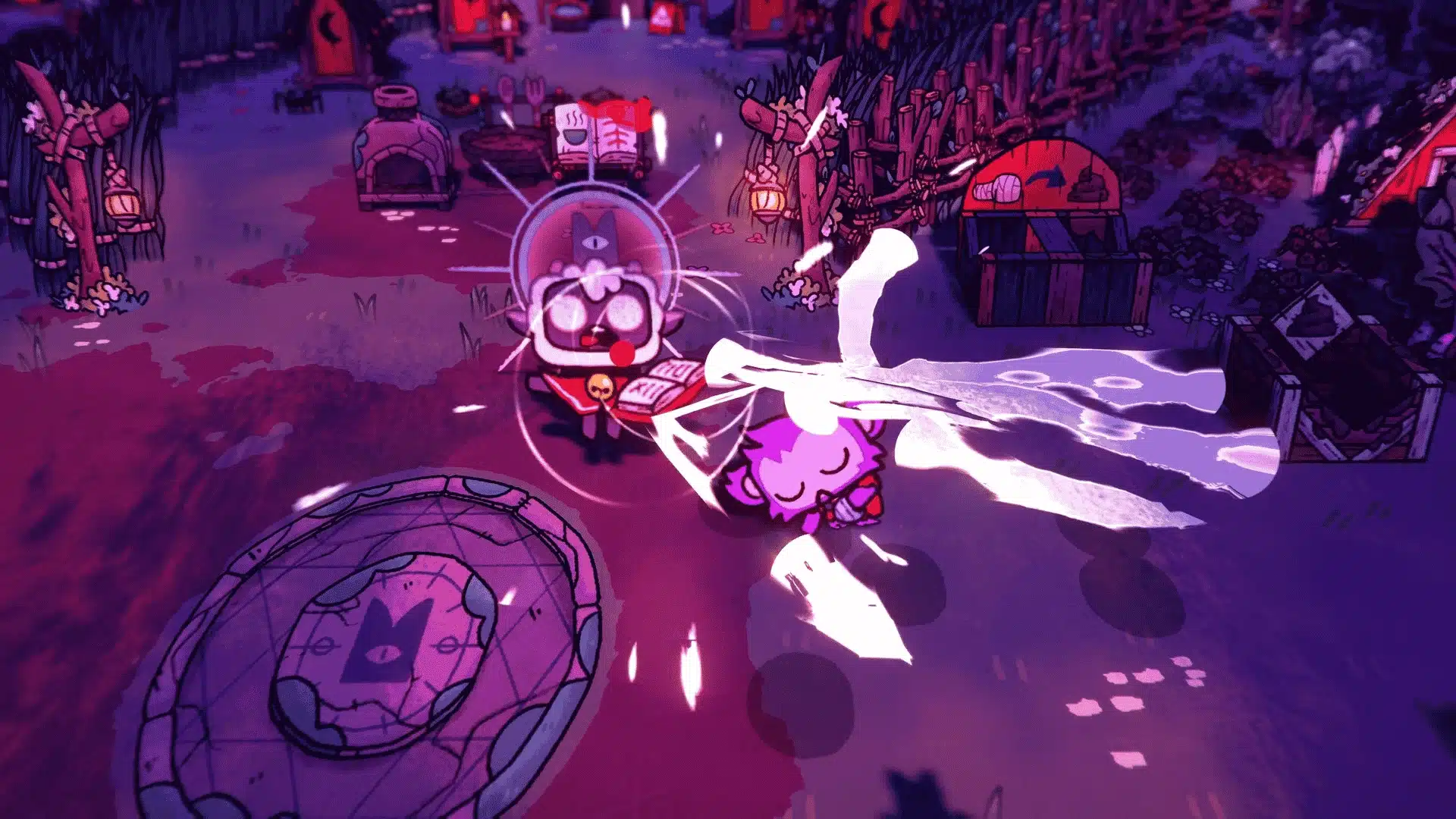
Cult of the Lamb is not appropriate for young children, despite how it looks. The game deals with death, sacrifice, cult indoctrination, and body horror throughout.
I assumed the cute visuals meant light content. That assumption didn’t survive the first thirty minutes. Massive Monster built the aesthetic to do a specific job, and it does it well.
The art style isn’t decoration. It’s a mechanical choice. Here’s what it’s actually doing:
- Lowers the psychological barrier: Sacrificing a follower feels playful, not disturbing, because the visual language keeps everything at arm’s length
- Makes dark actions feel consequence-free: Cannibalism as a resource, brainwashing as a tool, the cute framing stops these from feeling as heavy as they are
- Maintains tone across long sessions: The consistency between art and gameplay keeps the experience feeling coherent rather than jarring
That tonal coherence mostly holds. After long sessions, I noticed a mild fatigue, not enough to stop playing, but enough to feel the weight of the aesthetic doing constant work.
The game also includes same-sex follower relationships and has been positively noted for its LGBTQ+ representation. It’s built into the core follower system naturally, not added as a toggle.
In North America, Cult of the Lamb is rated Teen by the ESRB. Other regions use different rating systems, such as PEGI, so the recommended age may vary slightly by country.
If you’re sensitive to dark themes wrapped in cheerful visuals, that’s worth knowing before you buy. It’s not a flaw in the design. It’s just a fit consideration that the box art won’t tell you.
Platforms, Performance, and Which Version to Buy
Cult of the Lamb is available on PS5, PS4, Xbox, Nintendo Switch, and PC via Steam, so most players already own a platform that runs it.
That said, not all versions perform the same way. I played on PC first, then tried the Switch version, and the difference was noticeable enough to mention.
Here’s how the versions compare:
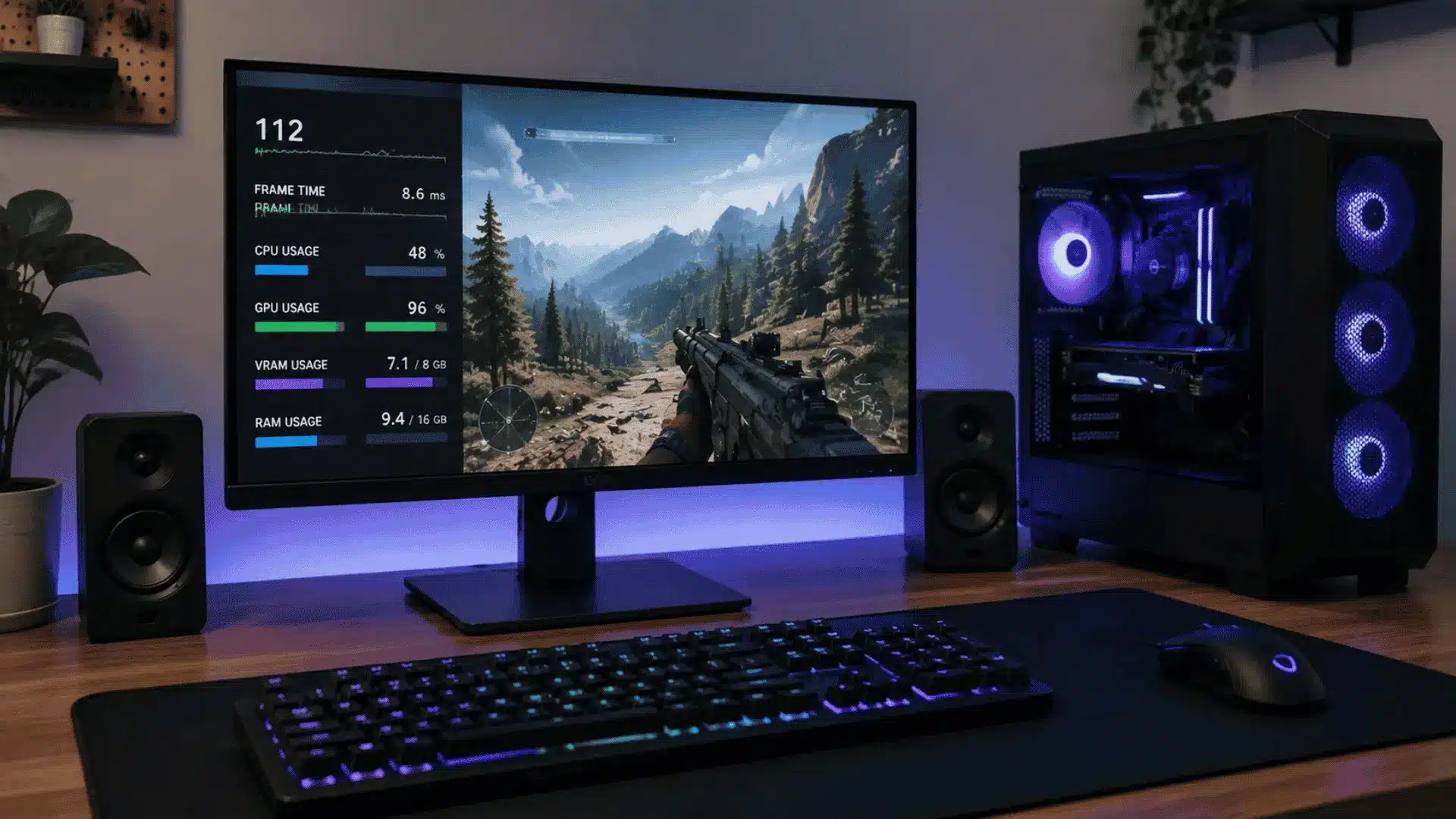
- PC (Steam): Best overall performance, smooth frame rates, fast load times, and the most consistent experience across the full game
- PS5: Strong performance, close to PC, a reliable choice if a console is your preference
- PS4 / Xbox One: Functional but shows more strain in busier scenes, playable but not optimal
- Nintendo Switch: A solid handheld option, though performance can still dip during larger encounters compared with PC and current-generation consoles, even after several optimization updates.
The Switch version has always been the most discussed regarding performance variance. It’s not broken, but it’s the version I’d least recommend if you have alternatives available.
Cult of the Lamb typically retails for around $24.99 USD, although it frequently goes on sale across digital storefronts and regional pricing may vary. Devolver Digital occasionally runs significant discounts across storefronts.
If you’re deciding between versions, PC is the safest recommendation for performance. Switch works if handheld play matters to you; just go in with adjusted expectations on the technical side.
Conclusion
After spending time with the game, I think its biggest strength isn’t the combat but the way every decision shapes your growing cult. The dungeon runs are enjoyable, but the management systems are what kept bringing me back for another session.
No game is perfect, and Cult of the Lamb has a few rough spots, yet it delivers a fun mix of strategy, action, and dark humor that stands out.
I hope this Cult of the Lamb review helped you decide whether it’s the right game for you. Have you played it already? Share your thoughts or favorite part in the comments below.
Frequently Asked Questions
Does Cult of the Lamb Have Multiplayer?
Yes. The Unholy Alliance update added local co-op, allowing a second player to join as the Goat. The game still focuses on the same cult management and crusade gameplay, but you can now experience it together on the same screen.
Can You Keep Playing After Beating Cult of the Lamb?
Yes. After finishing the main story, you can continue building your cult, unlock additional content, complete side activities, collect missing upgrades, and tackle post-game challenges. There’s plenty to do if you enjoy growing and managing your settlement.
Which Platform Is Best for Cult of the Lamb?
PC offers the smoothest performance and the fastest load times, making it the best overall choice. PS5 also performs very well. The Nintendo Switch version is great for handheld play, but it may experience occasional frame rate drops during busier moments.
Is Cult of the Lamb More About Combat or Management?
Management is the heart of the game. While the roguelite combat is fun and helps you gather resources, most long-term progression comes from building your cult, caring for followers, unlocking new structures, and expanding your settlement.