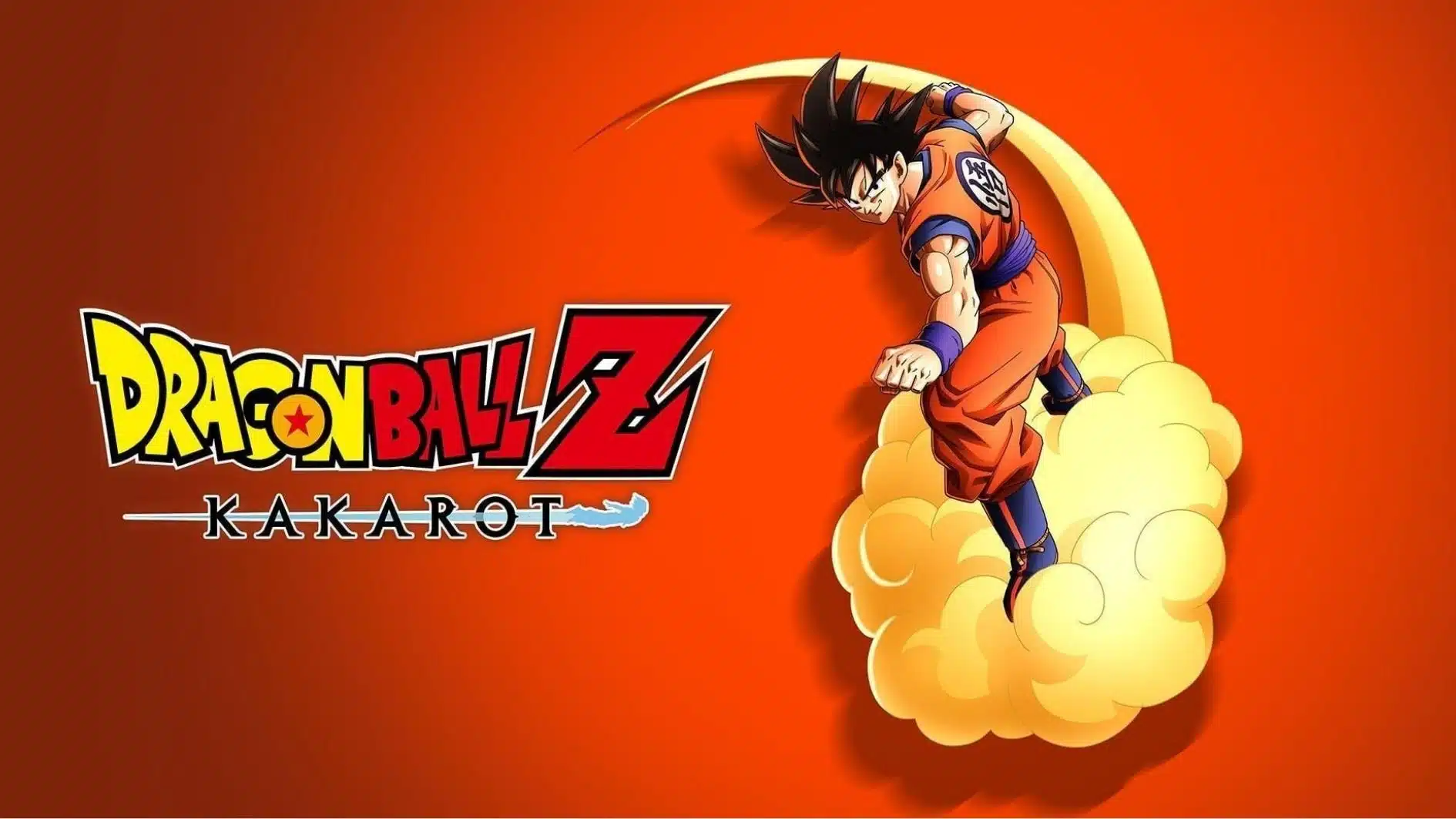
Goku soars over familiar cliffs, Vegeta grits through another rematch, and the biggest fights from Dragon Ball Z play out again in full 3D.
That question sits behind any honest Dragon Ball Z Kakarot review: does reliving anime battles make a good game on its own, or just a nostalgic highlight reel?
Kakarot tries to please two crowds at once. Longtime fans want the Saiyan Saga through the Buu Saga told right, while RPG players expect systems with real depth.
Kakarot leans hard into the first goal and treats the second as a bonus, and that choice shapes its pacing, its progression, and what kind of game it actually turns out to be.
What is Dragon Ball Z: Kakarot and What Kind of Game is It?
Dragon Ball Z: Kakarot is an action-RPG built around retelling the main DBZ story. It combines cinematic scenes, exploration, training, and combat into one large adventure.
The game covers major arcs from the Saiyan Saga through the Buu Saga. Players can fly across open areas, collect resources, complete side activities, and battle familiar enemies.
The RPG label can create different expectations.
Kakarot includes levels, upgrades, skill trees, and progression systems, but these features mainly support the story rather than create deep character builds.
The main appeal is experiencing DBZ from inside the world. Players looking for an interactive anime retelling will find more value than those expecting a complex RPG.
Story-driven RPGs built around player choice take the opposite approach, using every system to deepen the narrative instead of just supporting it, the way our dice-based indie RPG review breaks down.
Why the Story Retelling Works So Well?
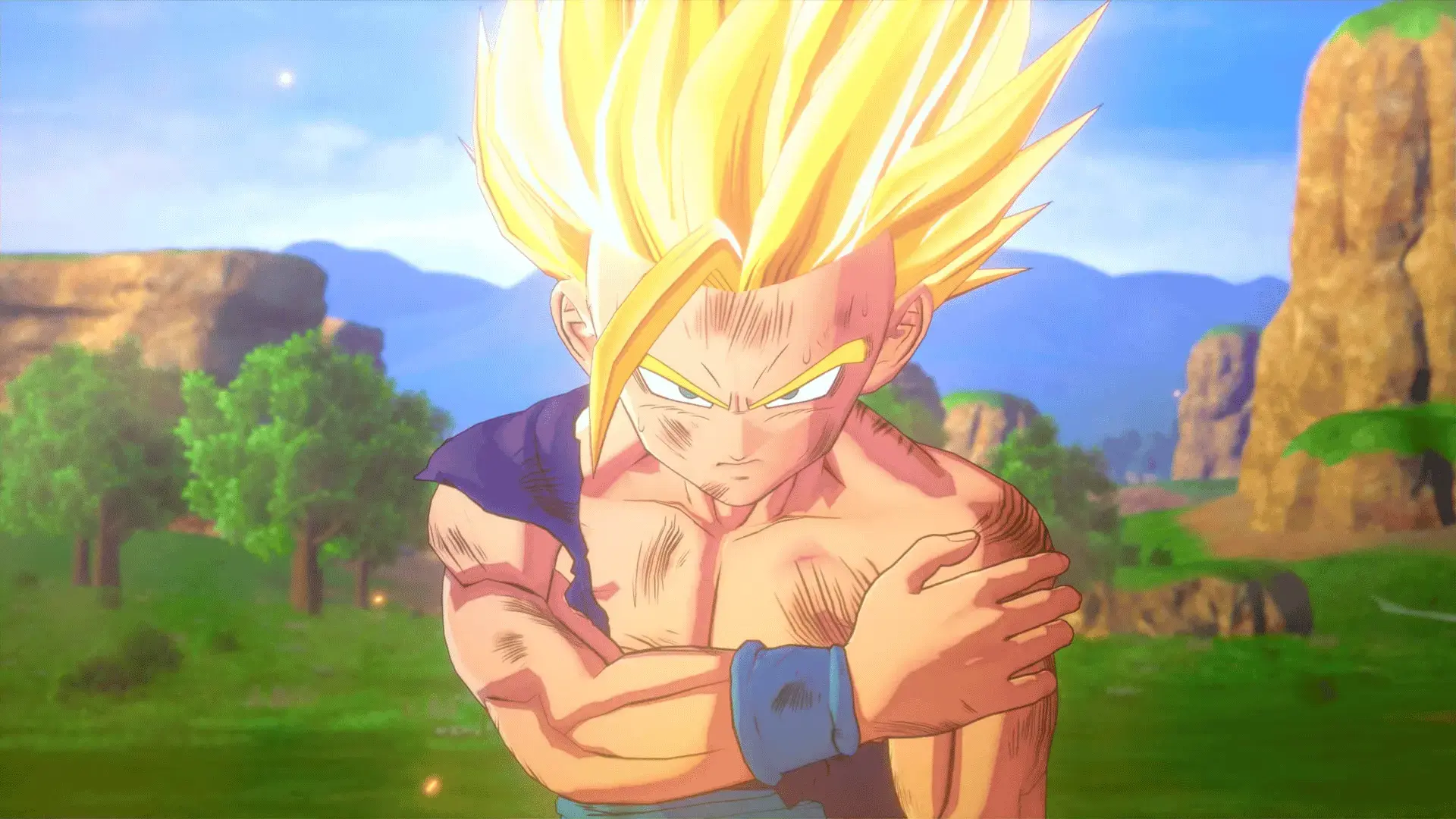
Kakarot’s biggest strength is how seriously it treats the source material.
Major fights get cinematic treatment, while quieter scenes give characters more room between battles, which helps the story feel less like a simple sequence of boss encounters.
Important fights and transformations are recreated with enough scale to stay exciting even when you already know what happens next.
Returning voice performances and anime-style presentation also make the game feel closer to an adaptation than a loose licensed spin-off.
The smaller character moments help just as much.
Interactions between Goku, Gohan, Piccolo, Vegeta, and supporting characters give the campaign more personality, while traveling between recognizable locations helps connect each story arc into one continuous world.
Those quieter moments matter almost as much as the big battles here. They make Kakarot feel like Dragon Ball Z as a complete world, not just Dragon Ball Z as a fighting game.
How Good is the Combat Really?
Kakarot’s combat starts simple but becomes more flexible as transformations, support characters, additional supers, and defensive options open up.
| What Works | Where It Falls Short |
|---|---|
| Fast movement captures DBZ battles well | Normal encounters become repetitive |
| Super attacks look and feel powerful | Healing items can reduce tension |
| Transformations add spectacle and progression | Builds rarely feel meaningfully different |
| Support characters add another tactical option | Basic attack patterns repeat often |
| Boss fights require more dodging and positioning | Random enemies rarely demand the same attention |
The biggest payoff is finally accessing Super Saiyan power. Transforming is not just another stat increase.
The aura, stronger attacks, and sudden jump in intensity make those moments feel like genuine milestones rather than ordinary skill-tree upgrades.
That is where Kakarot comes closest to what Dragon Ball combat should feel like.
IGN reached a similar verdict, giving the game 7/10 in IGN’s Kakarot review, and singled out how well the biggest saga moments land even while calling out the game’s weaker RPG systems elsewhere.
The experience is held back by rough polish, and side content that never goes deeper than busywork.
That kind of split verdict isn’t unique to Kakarot. Licensed games often divide critics this way, which is the same pattern behind the Frontiers of Pandora review scores we broke down separately.
The Open World Looks Better Than It Plays
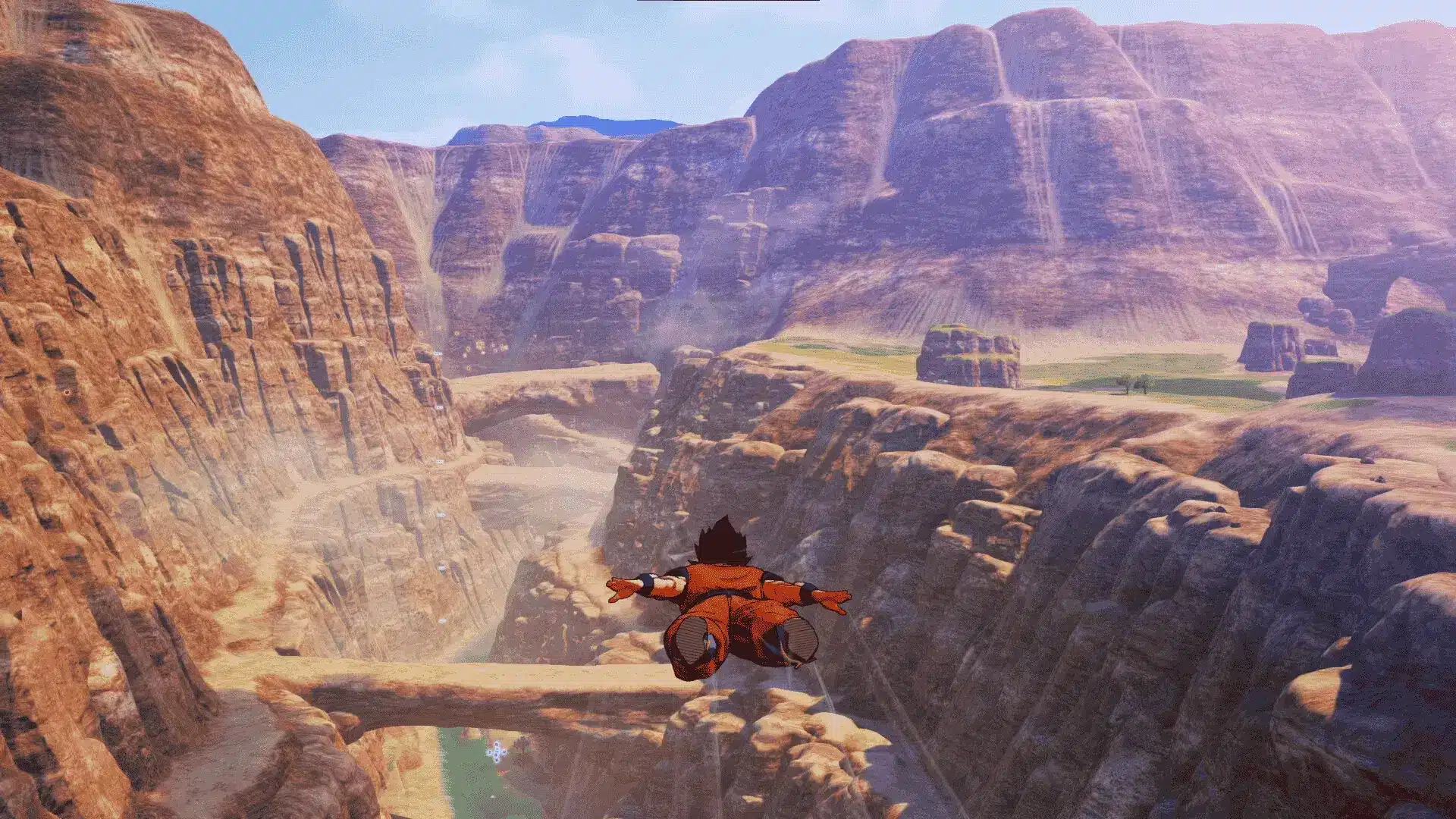
Flying through Kakarot’s landscapes is one of the easiest parts of the game to enjoy. The simple act of taking off, crossing mountains, and arriving at familiar locations sells the Dragon Ball fantasy extremely well.
I finished the main story in a little under 40 hours, and flying never really became the problem. What becomes repetitive is what you find once you land.
Z Orbs are useful for upgrades, but collecting them across the map becomes routine quickly. Fishing fits the Dragon Ball atmosphere and works as a light break from combat, but it never becomes a substantial system.
Resource gathering supports cooking and progression, though gathering rarely feels meaningful on its own. Random battles are useful for experience and resources, but enemy encounters repeat frequently.
Familiar locations are where the world works best. Visiting places from the anime gives exploration value even when the underlying activity is simple.
Kakarot succeeds more as a world you enjoy moving through than one you constantly want to investigate.
Why the Side Quests Feel Like a Missed Opportunity?
The side quests are frustrating because the characters involved are often more interesting than the tasks themselves.
What they add:
- More time with supporting Dragon Ball characters
- Soul Emblems and progression rewards
- Extra conversations outside the main campaign
- Small references longtime fans will recognize
What holds them back:
- Frequent fetch quests
- Repeated enemy encounters
- Simple travel-to-marker objectives
- Limited choices or consequences
- Few missions that feel memorable mechanically
This is one of the clearest gaps between Kakarot’s fan service and its RPG design. The game has decades of characters and history available, but many side stories turn that material into basic errands.
Where the Pacing Starts to Drag?
Kakarot’s pacing problem comes from the gap between its best moments and everything surrounding them.
At its best: You are fighting Frieza, Cell, or another major villain in a cinematic boss battle with huge attacks and dramatic story scenes.
Minutes later: You may be collecting ingredients, flying across the map for an item, or clearing another group of familiar enemies.
Game Informer made a similar observation from the outside.
Their 8/10 Kakarot review pointed out that the game’s biggest battles hit like genuine spectacle, but that momentum has nowhere to go once a fight ends and the open world takes back over.
That contrast makes ordinary activities feel slower than they might in another game. The character switching adds another layer.
Story accuracy means you cannot always choose who you play, so the game sometimes hands you a fighter whose abilities or progression you have barely touched.
Fans can usually push through those slower stretches because they know another major DBZ moment is coming. Players less invested in the series may feel the pacing much more sharply.
What Kakarot Understands About Dragon Ball Better Than Most Games
Kakarot understands that Dragon Ball Z is not only about fights.
It also gives you time to:
- Fly across familiar landscapes
- Eat enormous meals
- Train between major battles
- Fish with Goku
- Collect Dragon Balls
- Meet old supporting characters
- Spend time in quieter story moments
None of these systems is especially deep by itself. Together, though, they recreate the rhythm of Dragon Ball better than a game built entirely around matches and tournaments.
That is arguably Kakarot’s most important success. It makes the space between the battles playable.
GameSpot landed on a similar 7/10 score in GameSpot’s Kakarot review, and made the case that treating character moments and world building as seriously as the fights is what actually makes the action-RPG formula work here.
How the Game Has Changed Since Launch: DLC, Updates, and Next-Gen Versions
Dragon Ball Z: Kakarot has received several updates since its 2020 launch. The current version includes added content, improved performance, and changes that address some early complaints.
| Update or Addition | What Changed | Impact |
|---|---|---|
| Free Updates | Difficulty options and quality-of-life improvements | Better control over gameplay |
| DLC Expansions | New stories, characters, and battles | More content for returning players |
| Next-Gen Versions | Faster loading and improved performance | Smoother experience on newer hardware |
| Switch Version | Portable release with added content | More ways to play |
The updates improve the package but do not change Kakarot’s identity. It remains a story-focused DBZ experience rather than a deeper RPG.
DLC adds more battles and story content for returning players, but it follows the same gameplay structure as the base game.
For new buyers, newer versions provide the smoother experience because they include performance improvements and post-launch additions.
Is Dragon Ball Z: Kakarot Worth It? A Verdict by Player Type
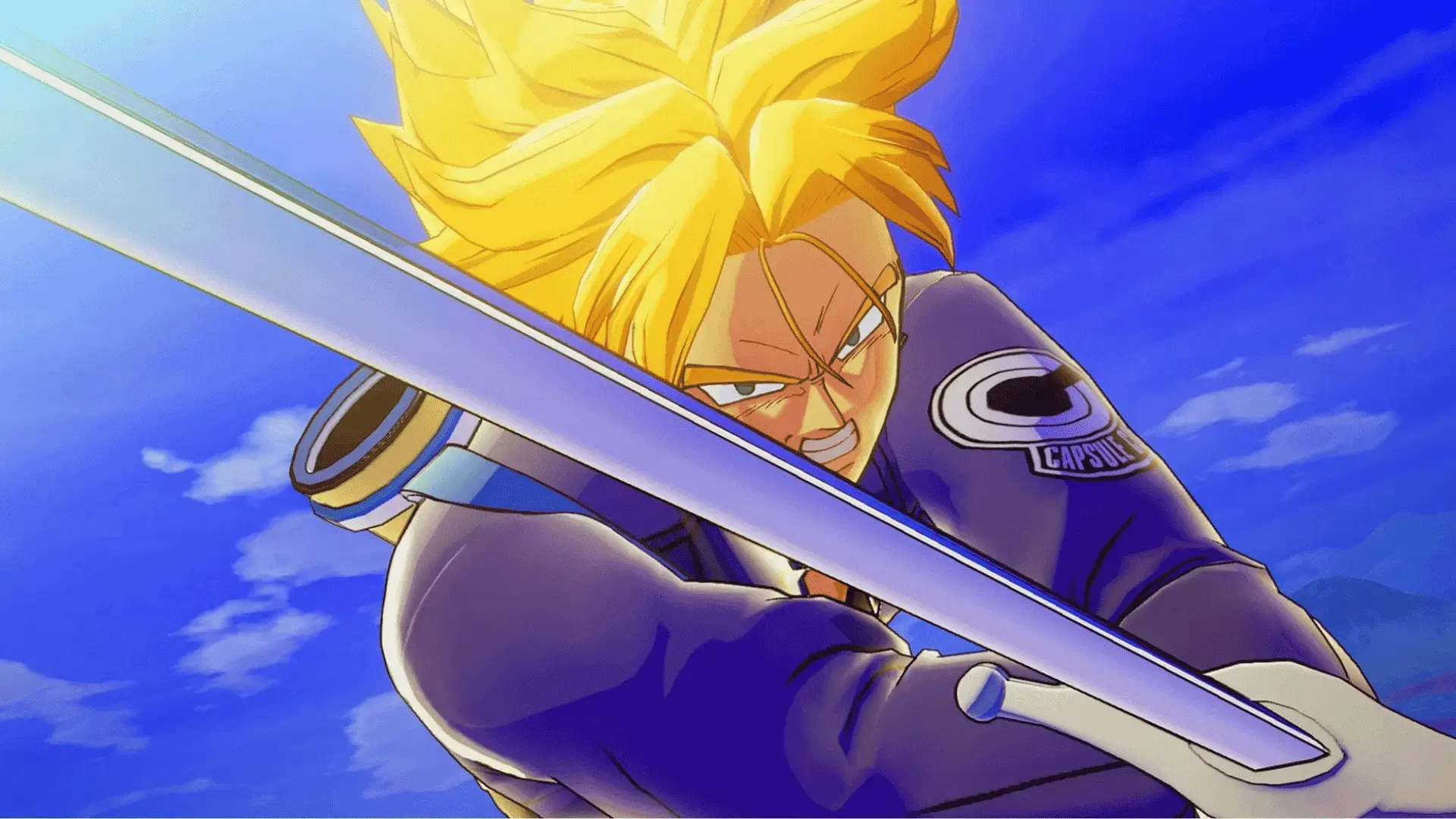
Dragon Ball Z: Kakarot is a different purchase depending on what you want from the game.
The story, presentation, and fan service carry the experience more than complex RPG systems.
Licensed games tend to split critics and players along exactly this line, which is also what drove the wildly different scores we broke down in our look at Avatar: Frontiers of Pandora’s review reception.
1. Buy It If You Are a Dragon Ball Z Fan
Kakarot is one of the closest interactive recreations of the DBZ story. Fans who want to revisit major arcs, control familiar characters, and experience iconic battles will find the strongest value here.
- You want a playable version of the anime story.
- You enjoy character moments between major battles.
- You value nostalgia and world exploration over deep RPG mechanics.
2. Think Twice If You Want a Deep-Action RPG
Players coming from traditional RPGs may find the systems too simple. The game includes progression mechanics, but they are designed to support the story rather than drive complex builds.
- You expect meaningful character customization.
- You want challenging combat systems with high mechanical depth.
- You enjoy side quests that feel as important as the main story.
3. Consider It as an Entry Point If You Are New to DBZ
Kakarot can work as a starting point because it explains the main story from the beginning. New players can follow the major events without needing years of franchise knowledge.
The experience is easier to enjoy when approached as an anime adventure with RPG elements, not as a genre-defining role-playing game.
Conclusion
This Dragon Ball Z Kakarot review comes down to what you want from the game.
If you want to relive Goku’s story, fly through familiar places, and fight the biggest DBZ battles yourself, Kakarot still delivers.
The world, cutscenes, and fan service carry it much further than the RPG systems do. If you want deep builds, tough choices, or side quests with real weight, the game may feel too simple.
I would treat it as a playable anime first and an RPG second. That mindset makes its strengths easier to enjoy and its limits easier to accept.
Would you play Kakarot for the story or the combat? Tell us in the comments below.
Frequently Asked Questions
Is Dragon Ball Z: Kakarot beginner-friendly?
Yes. Kakarot explains the main story clearly and offers simple combat systems, making it accessible for players new to Dragon Ball games.
Can you play as characters other than Goku in Kakarot?
Yes. The game lets you control characters like Vegeta, Gohan, Piccolo, and others during specific story sections and battles.
How many hours does it take to finish Dragon Ball Z: Kakarot?
The main story takes around 30 to 40 hours, while completing side quests and additional content can extend playtime further.
Is Dragon Ball Z: Kakarot worth playing without watching the anime?
Yes. New players can follow the story, though knowing the anime adds more emotional impact to character moments and major battles.