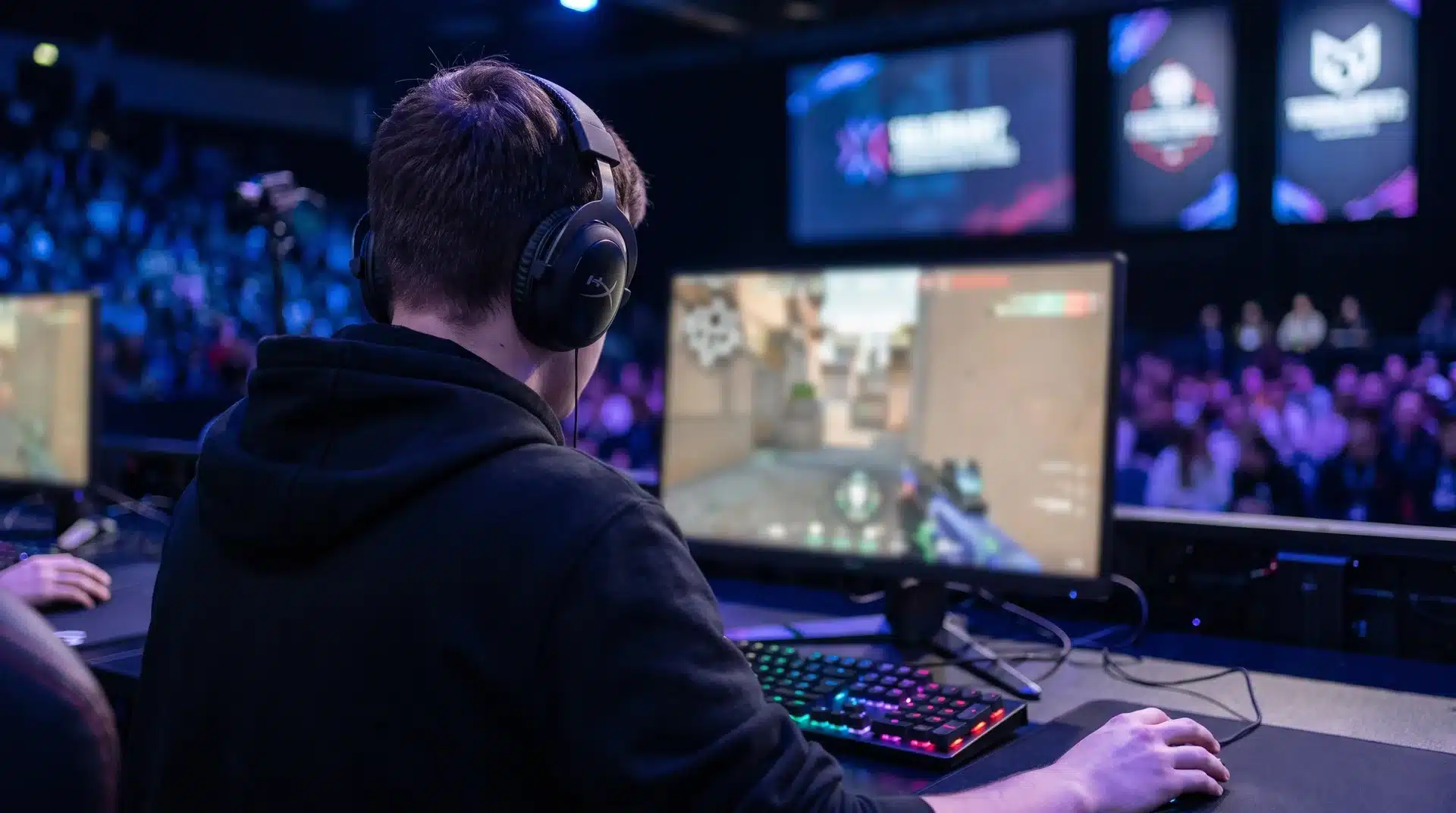
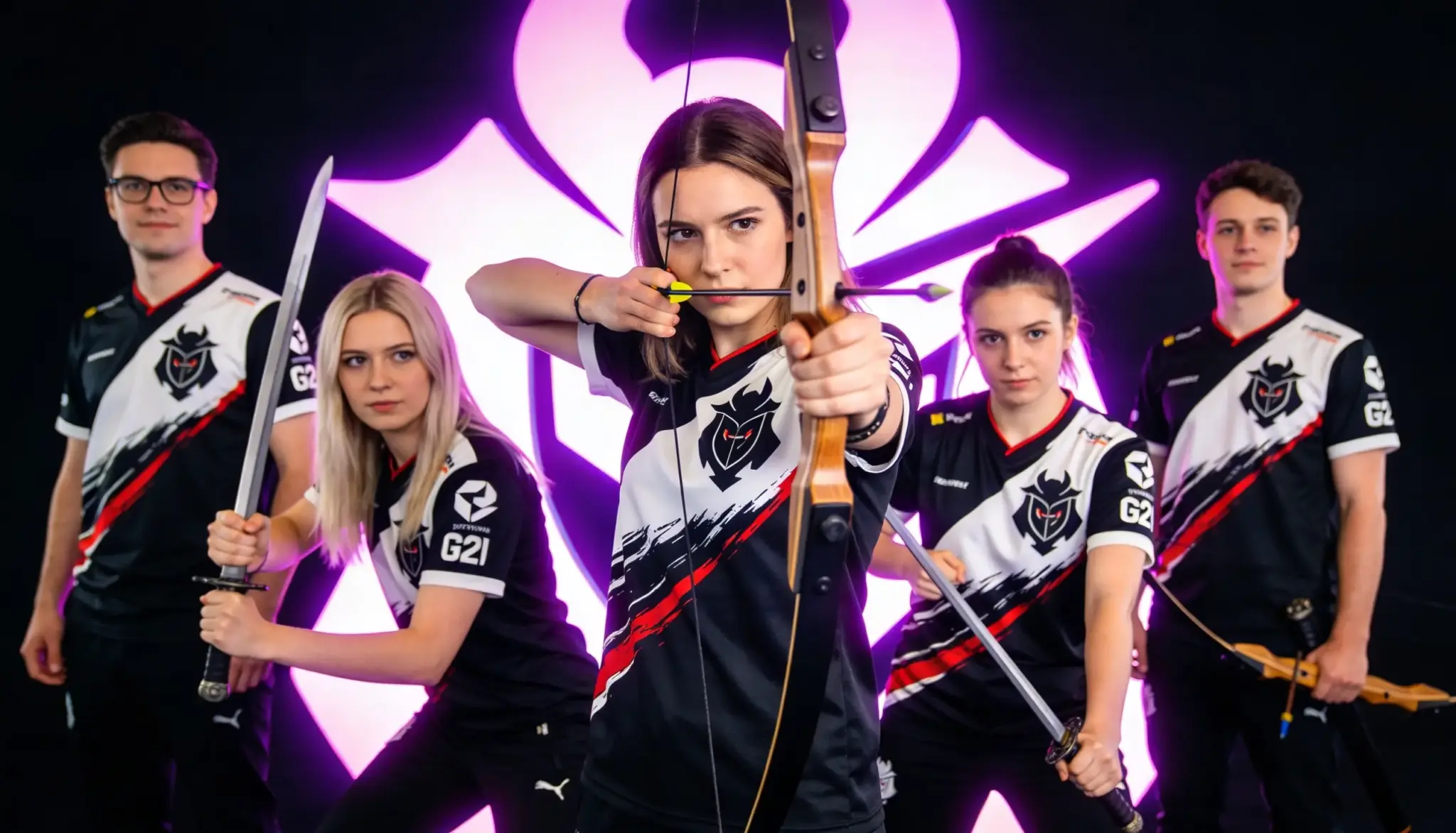
For a long time, I thought professional esports was mostly a space for men. The more I followed major tournaments and top players, the more I realized that the picture had changed.
Female esports has grown into a competitive scene with skilled players, dedicated leagues, major organizations, and millions of fans watching around the world.
Women are competing, coaching, casting, and helping shape the future of competitive gaming in many ways.
At the same time, challenges still affect how the scene grows. Looking at both the progress and the remaining gaps gives a much clearer view of where female esports stands today and where it may go next.
What is Female Esports?
Female esports isn’t a single league or division; it’s a multi-format ecosystem where women and non-binary players compete across several different structures at once.
That distinction matters more than it might seem. When someone says “female esports is growing” or “female esports has a problem,” the claim means something completely different depending on which part of the ecosystem they’re talking about.
Three formats make up the space:
- Exclusive circuits: Women-only leagues like VCT Game Changers and ESL Impact, built specifically for Valorant and CS2
- Dedicated team rosters: Professional organizations like G2 Gozen and Shopify Rebellion GC are fielding all-female competitive teams
- Open competition: Mixed-gender tournaments where women face no formal barriers to entry
These aren’t separate tiers of the same system. They exist alongside each other, serving different purposes.
Female esports isn’t a parallel version of esports built for women. It’s a set of overlapping pathways, each one responding to a different reality inside the competitive gaming world.
Why Dedicated Circuits Exist and What Problem They Actually Solve
Women’s circuits weren’t built because women can’t compete with men. They were built because the road to professional play was so hostile that it pushed most women out before they got there.
The numbers show the gap clearly. Women make up a large portion of the gaming community, but that participation isn’t reflected at the professional level in esports.
Skill doesn’t explain that. The ranked and semi-pro environments in between do.
Harassment and gender bias at those levels aren’t small problems. They’re consistent enough to push out players who could have gone professional, not because they lacked ability, but because staying wasn’t worth it.
That’s the problem the circuits fix. They give players a space to develop their skills and build visibility without the hostility that drives people out of mixed-gender ranked play.
VCT Game Changers and ESL Impact
VCT Game Changers is Riot Games’ official Valorant circuit for women and eligible marginalized genders. It runs across regional leagues globally, with an international championship at the top.
ESL Impact played a similar role in Counter-Strike, though the circuit was later suspended after ESL announced it would discontinue the program.
Both featured professional broadcasts, meaningful prize pools, and structured competition that helped create pathways into professional esports.
Open Competition
No rule in major esports bars women from open, mixed-gender tournaments. Women can and do compete in mainstream events. The circuits exist alongside open competition, not instead of it. They’re an additional pathway, not a replacement for the main one.
The Organizations and Players Shaping the Professional Tier
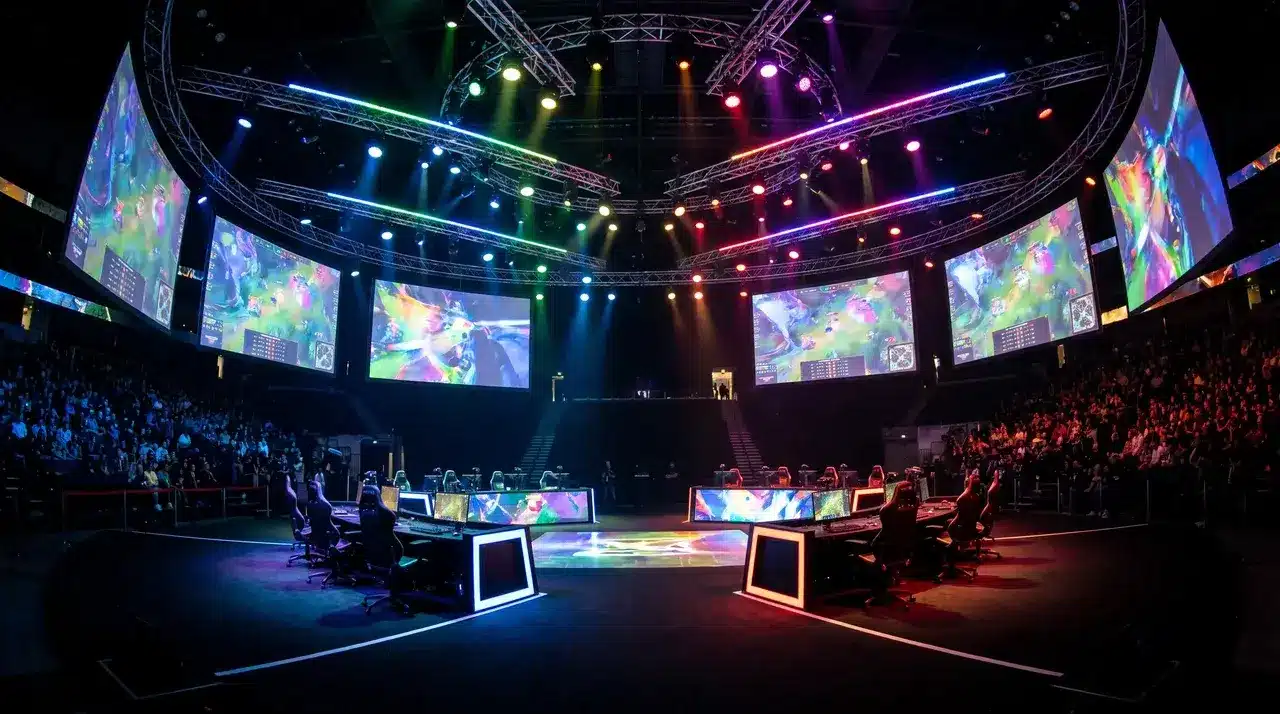
Major esports organizations like G2 Gozen, Shopify Rebellion GC, and MIBR GC have built dedicated female rosters, reflecting long-term investment in women’s competitive esports.
The franchise model used in leagues like the Call of Duty League also shows how professional esports organizations invest in stable, long-term team structures.
That’s not participation-level interest. That’s sponsorship and broadcast investment at a professional scale. The players at the top of the space back that up.
Sasha “Scarlett” Hostyn has spent years competing in open StarCraft II events against the best players in the world and winning. She didn’t build that record in women’s-only brackets. She consistently built it in mixed-gender competition.
Kim “Geguri” Se-yeon became one of the first women to be signed by a major Overwatch League franchise. The league was fully mixed-gender. She earned her spot the same way anyone else did.
What both careers show is the same thing: women competing at the highest levels of esports isn’t a future goal. It’s already happened, in documented results, against open fields.
The crossover extends beyond players, too. Christine “potter” Chi coached Evil Geniuses to a global championship.
That’s the kind of result that signals something broader: female esports talent isn’t staying siloed inside dedicated circuits. It’s moving into the infrastructure of the wider industry.
The professional tier is real. The viewership, the organizations, and the competitive records all point in the same direction.
Women in Esports: From Background Presence to Center Stage
Women in esports now contribute in many ways beyond competing on stage. They work as players, coaches, analysts, hosts, team staff, and industry leaders, helping shape competitive gaming on and off the stage.
Their presence has become increasingly common at major tournaments, where they contribute both on stage and behind the scenes.
Players like Christine “potter” Chi have also shown that women can succeed in leadership roles, helping teams win at the highest level.
At the same time, organizations such as Women in Games and AnyKey continue to support the industry through mentorship, education, networking, and inclusion programs that help more people enter competitive gaming.
These efforts don’t replace professional leagues, but they strengthen the community around them.
As more organizations invest in talent both on and off the stage, female esports continues to grow with stronger support, better opportunities, and wider recognition across the industry.
Where the Growth Gap Persists
Female participation in competitive gaming is genuinely high, and professional representation still doesn’t reflect it. That contradiction is real, and it isn’t explained by a single factor.
The gap isn’t uniform across titles. Valorant and CS2 have dedicated circuits, visible professional rosters, and real viewership. Dota 2 and League of Legends lag significantly behind.
The difference isn’t just the player base; it’s the infrastructure. Where circuits exist, pathways form. Where they don’t, the drop-off from participation to professional play stays steep.
Structured circuits also can’t solve everything on their own. They create competitive opportunity, but they don’t automatically build the community layer underneath it. That layer includes:
- Mentorship networks for developing players
- Early-stage support structures
- Environments that keep younger players developing long enough to reach a professional level
That’s the gap organizations like Women in Games and AnyKey work in. Not alongside the circuits, but underneath them.
Growth in female esports is real. It’s also uneven by title, by region, by format. A claim about “the state of women’s esports” that treats it as one thing will be right in some places and wrong in others.
The honest picture is that progress isn’t evenly distributed yet, and structural work is still needed to close the gap between who’s playing and who’s competing professionally.
Future of Female Esports
The future of female esports looks promising, but progress will likely happen at different speeds across games and regions.
More publishers and tournament organizers are investing in dedicated competitions, while esports organizations continue to sign female rosters and expand support programs.
Colleges, community tournaments, and mentorship initiatives are also creating stronger pathways for new talent.
At the same time, more women are taking on roles as coaches, analysts, broadcast talent, and team managers, helping shape the industry beyond playing. Challenges like unequal representation and smaller prize pools still remain.
Even so, continued investment, improved development opportunities, and growing audience interest suggest that female esports will continue to build a stronger presence within competitive gaming.
Wrapping Up
Female esports has grown into an important part of competitive gaming, with stronger leagues, professional teams, and more opportunities than ever before.
I believe the biggest measure of progress is not only the number of tournaments but also the support systems that help players build lasting careers. While challenges like unequal representation and smaller prize pools still exist, the direction is encouraging.
As more organizations, publishers, and communities invest in the scene, the future looks brighter for players at every level. What do you think about the future of female esports?
Share your thoughts or favorite players in the comments; I’d love to hear your perspective.
Frequently Asked Questions
Are 51% of gamers female?
Estimates vary by report, but women make up nearly half of the global gaming audience. Their representation is much lower in competitive PC esports and even lower at the professional level.
What are the biggest esports titles for women’s competition?
Valorant currently has the strongest dedicated competitive ecosystem through VCT Game Changers. Counter-Strike also played an important role through ESL Impact before the circuit was suspended. StarCraft II and League of Legends have also produced notable women players and competitive events.
Do female esports players get paid the same as male players?
Not yet. Women’s circuit prize pools are smaller than open tier-one events, though the gap is narrowing as viewership and sponsorship grow.
Is female esports recognized at the Olympic level?
Esports broadly is gaining traction with the IOC, but women’s circuits haven’t been recognized as a distinct category. Mainstream broadcast coverage exists; institutional recognition is still developing.