
Some games are built around flashy action, but Jurassic World Evolution takes a different path by letting players create their own dinosaur park.
I spent time managing enclosures, researching fossils, and watching prehistoric creatures roam to understand what makes the game special and where it falls short.
This Jurassic World Evolution review looks at the gameplay, visuals, systems, and overall value to see if the experience still holds up today.
From dinosaur designs to park management, I cover the features that make this game enjoyable and the areas where it could have offered more depth.
Jurassic World Evolution Review: Is It Still Worth Playing Today?
Jurassic World Evolution is a park management simulator based on the Jurassic World film franchise, and its appeal depends on the type of player.
Franchise fans will enjoy building dinosaur parks, watching iconic creatures roam, and experiencing the atmosphere of the movies. Strategy fans looking for complex economies and deep management systems may find the game limited.
The mixed critic response is reflected in its 69 Metascore on Metacritic, with praise focused on presentation and dinosaurs rather than simulation depth.
The game succeeds most when treated as a dinosaur park builder rather than a hardcore management simulator.
Best Features of Jurassic World Evolution
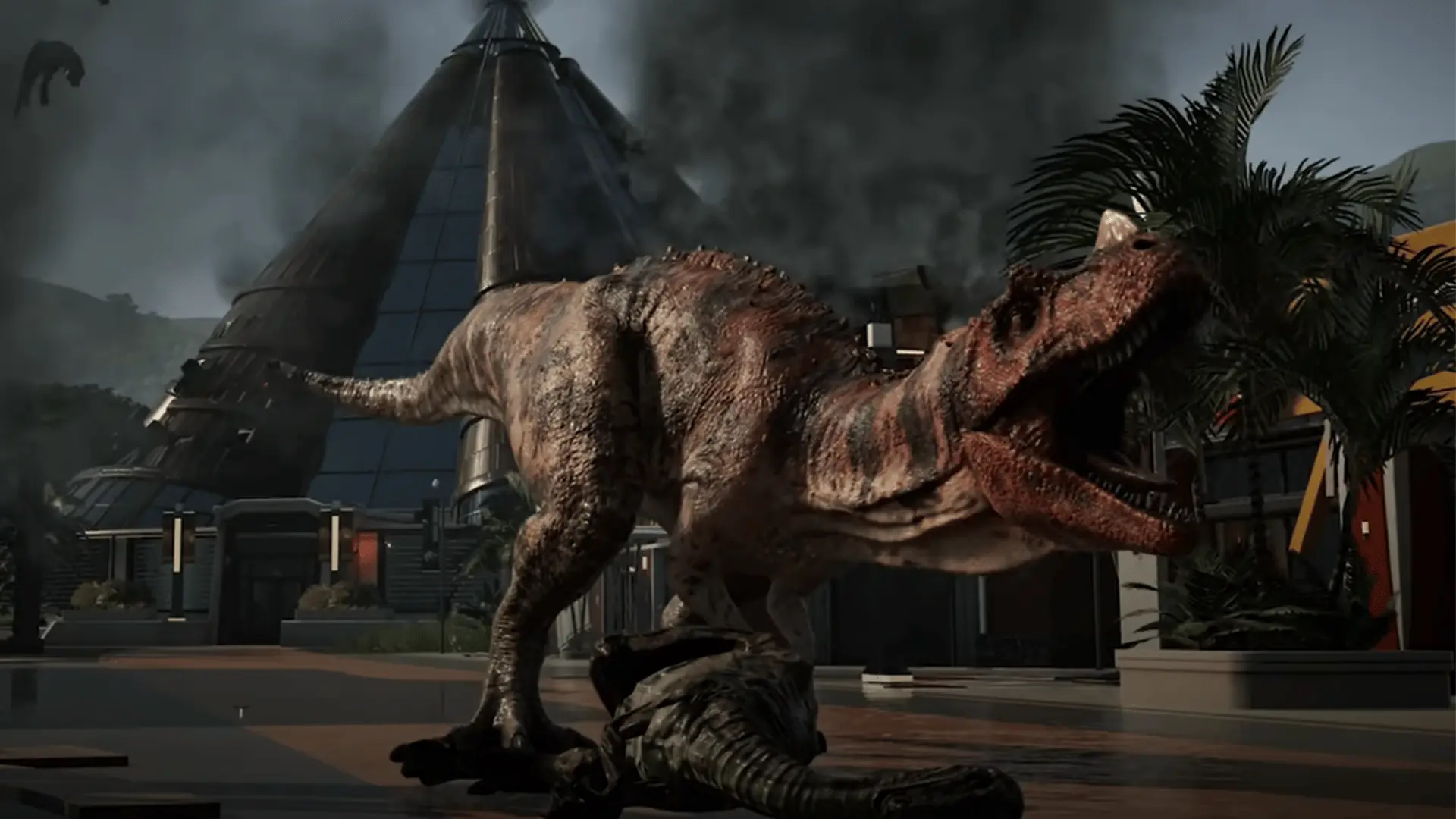
Many of the game’s strengths stem from how it presents the Jurassic World fantasy. The management systems may be limited, but several parts of the experience are handled exceptionally well.
Dinosaur Models and Animations
The dinosaur models remain one of Jurassic World Evolution’s biggest strengths. Each species features detailed textures, distinct designs, and animations that help make the creatures feel alive.
Small details, such as a Brachiosaurus moving its long neck or dinosaurs interacting in their habitats, enhance the experience.
While the management systems are simpler than some simulation games, watching dinosaurs roam through your park is still one of the game’s most enjoyable parts.
Jurassic World Atmosphere and Gameplay Features
Jurassic World Evolution captures the feel of the films through its sound design, original Jurassic Park music themes, and Jeff Goldblum’s return as Dr. Ian Malcolm.
Beyond park management, the game lets players take direct control of ranger vehicles and helicopters to handle tasks such as repairing facilities or tranquilizing escaped dinosaurs.
These features add more interaction and help break up the management-focused gameplay.
Where It Falls Short: The Management Layer and Gameplay Loop
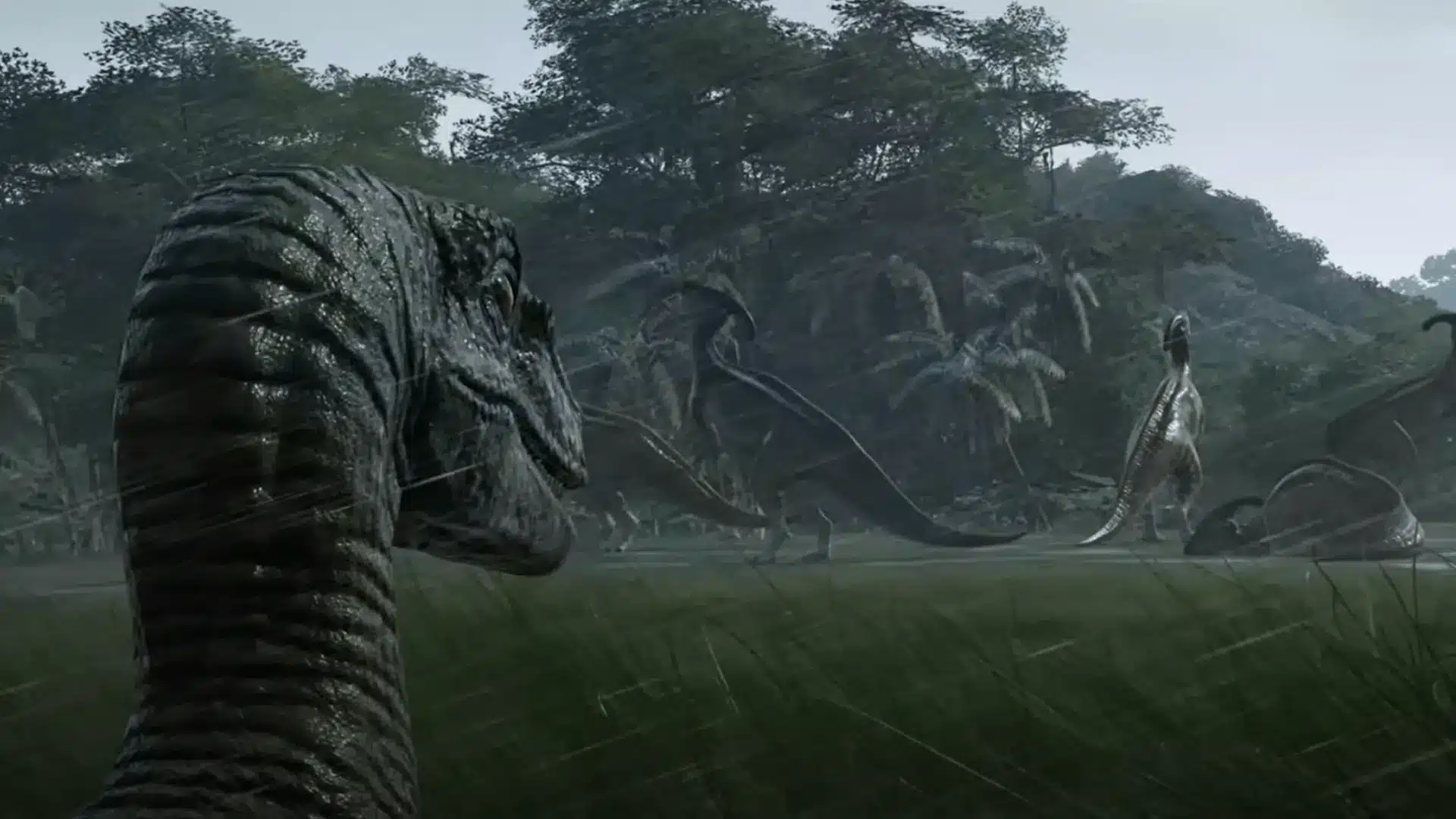
The presentation earns genuine praise. The systems underneath it don’t hold up as well. Two things drag the experience down. The unlock loop gets repetitive fast.
The park management layer never develops enough tension to keep experienced sim players engaged. They’re separate problems, but they amplify each other over time.
The Fossil and Genome Loop
Every new dinosaur follows the same path. You send a dig team to a site, wait for fossils to be found, extract DNA, research the genome, and incubate the animal.
The problem isn’t the time investment. The problem is the lack of meaningful choices. Each step simply unlocks the next one.
You’re rarely asked to weigh options or solve a problem. Most of the process involves waiting for a task to finish before starting another.
After enough species, the sense of discovery fades. What felt rewarding early on starts to feel routine.
Economics and Guest Simulation
The park management side struggles with a similar issue. Guest needs are simplified enough that financial trouble is easy to avoid. There’s very little pressure on the player.
Visitors don’t react convincingly to major incidents, and revenue usually remains stable as long as basic requirements are met.
I’ve found that even poorly planned parks can stay profitable. The economic systems exist, but they rarely force difficult decisions. For casual players, that may be a benefit.
For anyone familiar with deeper management sims, the lack of consequences becomes noticeable quickly.
Jurassic World Evolution Campaign, Modes, and DLC
Jurassic World Evolution offers multiple ways to build dinosaur parks beyond the main campaign.
Players can unlock dinosaurs, complete challenges, and create custom parks. DLC packs add extra species, missions, and locations, giving players more content after finishing the main story.
1. Campaign Progression
The main campaign in Jurassic World Evolution takes players across five islands in the Las Cinco Muertes archipelago. Each island introduces new challenges, including managing guest needs, researching dinosaurs, and improving park ratings.
Players unlock new buildings, fossils, and species by completing contracts and earning progress. The campaign also uses Science, Entertainment, and Security divisions to guide park development.
2. Sandbox and Challenge Modes
Sandbox mode gives players the freedom to build a dinosaur park without the same limits found in the campaign. Players can choose locations, adjust settings, and focus on creating their ideal park.
Challenge mode offers a tougher experience by adding restrictions on money, research, and park management. It provides more pressure for players who want a harder test.
3. DLC Value
Jurassic World Evolution’s DLC adds extra dinosaurs, story missions, and new gameplay content.
Packs like Return to Jurassic Park and Claire’s Sanctuary introduce new scenarios, while dinosaur packs add more species to parks.
The base game provides a complete experience, but DLC is useful for players who want more variety. Buying a Complete Edition during sales often offers better value.
Is Jurassic World Evolution Worth It? A Verdict for Every Player Type
Whether Jurassic World Evolution is worth buying depends on your expectations.
It works best for players who want to build dinosaur parks and enjoy the Jurassic World atmosphere, but deeper simulation fans may find its management systems limited.
| Player Type | Worth It? | Why |
|---|---|---|
| Jurassic Park/World Fans | Yes | Strong dinosaur designs, authentic sound, and a convincing Jurassic World atmosphere make it a great choice for franchise fans. |
| Casual Simulation Players | Yes | Simple systems, clear objectives, and forgiving management mechanics make it easy to enjoy. |
| Hardcore Strategy Players | Limited | Park management lacks the depth, complexity, and challenging decisions found in deeper simulation games. |
| Players Considering JWE2 | Maybe | Jurassic World Evolution 2 improves many areas, including park building, dinosaur behavior, and management options. |
| Budget-Conscious Buyers | Yes on Sale | The base game offers plenty of content, and discounts make it a better value. |
The game isn’t bad at what it tries to do. It simply prioritizes dinosaur park fantasy over complex management. Knowing which experience you’re looking for makes the buying decision much easier.
Final Take
After spending time with the game, I found that Jurassic World Evolution delivers a strong dinosaur park experience but may not satisfy players searching for deep simulation systems.
This Jurassic World Evolution review shows how the game balances impressive creatures, film-like atmosphere, and simple management tools.
It remains a fun choice for fans who enjoy creating parks and watching dinosaurs thrive.
Players who prefer complex strategy may want more depth. Share your thoughts in the comments and let me know if Jurassic World Evolution delivered the park-building experience you expected.
Frequently Asked Questions
What type of game is Jurassic World Evolution?
Jurassic World Evolution is a dinosaur park management simulator where players build habitats, research fossils, manage guests, and create their own Jurassic World parks. It focuses on park building rather than survival or exploration.
How many dinosaurs are in Jurassic World Evolution?
The base game includes more than 40 dinosaur species, with additional creatures available through DLC packs. Players unlock dinosaurs by collecting fossils and completing genome research.
Does Jurassic World Evolution have multiplayer mode?
No, Jurassic World Evolution does not have multiplayer. It is a single-player experience focused on building and managing your own dinosaur park.
Is Jurassic World Evolution beginner-friendly?
Yes, the game is easy to learn, with a campaign that introduces park building, research, and dinosaur care step by step. It is suitable for players new to simulation games.