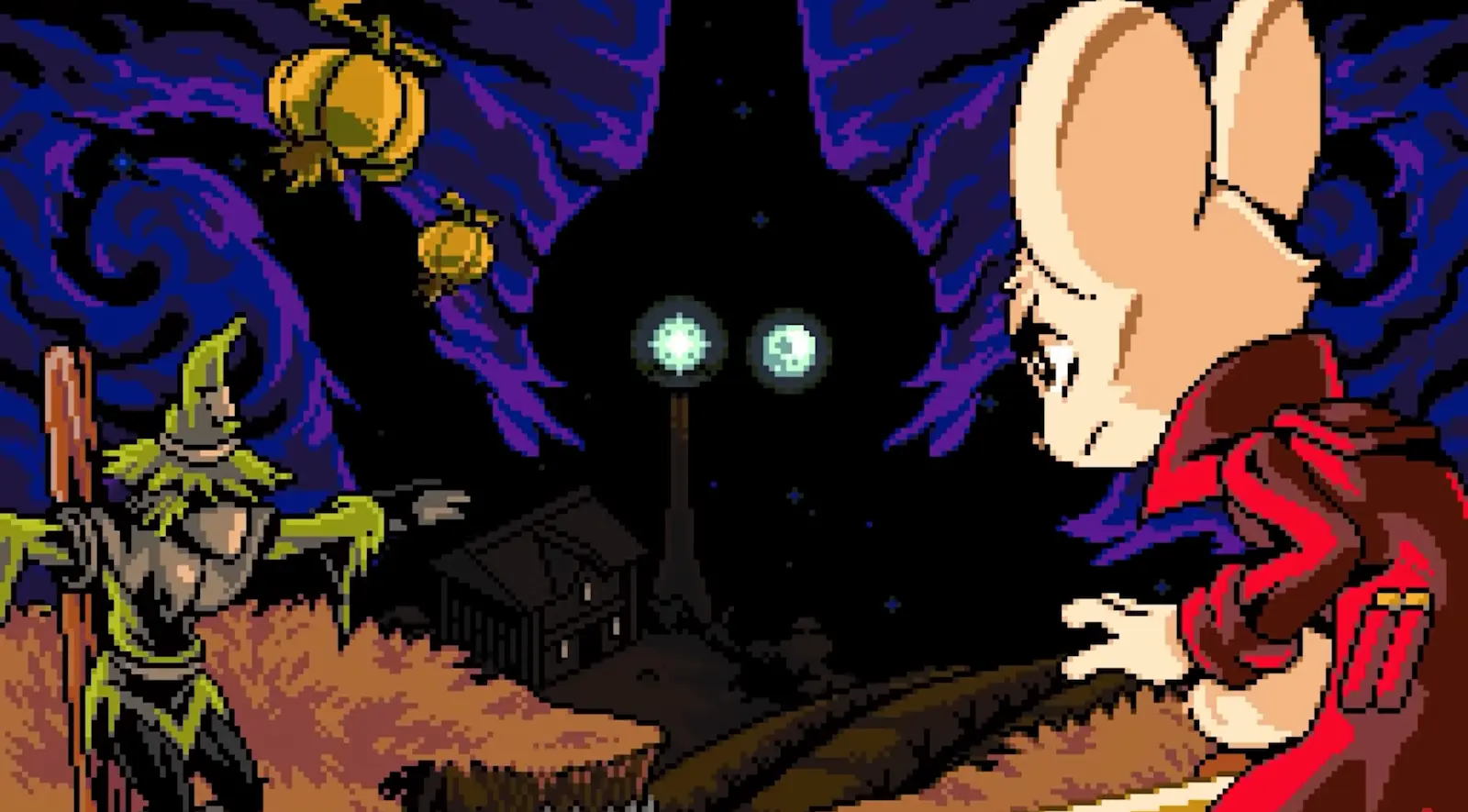
At first glance, Mina the Hollower looks like a lost Game Boy Color Zelda game. Then the first tough fight changes that impression fast.
This Mina the Hollower review looks past the retro pixel art to see what the game actually does with it, because the combat underneath is sharper, faster, and far less forgiving than it looks.
Movement matters constantly. You have to read enemy patterns, pick your openings, and know when to burrow away from trouble.
That burrowing ability, called Hollowing, ties combat, exploration, and puzzles together in a way few retro-style games manage. Here is where the adventure actually begins.
About Mina The Hollower
Mina the Hollower is a top-down action-adventure game developed and published by Yacht Club Games. It launched on May 29, 2026.
You play as Mina, an inventor and Hollower sent to Tenebrous Isle to repair the island’s failing generators.
That simple job quickly leads into a much darker problem. The island is cursed, hostile creatures are everywhere, and each new area adds another piece to what is happening.
The game mixes Gothic locations with small, expressive pixel-art characters. Its Game Boy Color-inspired look keeps the darker setting visually distinct without making everything feel bleak.
Mina the Hollower is available on Nintendo Switch 2, Nintendo Switch, PlayStation 5, Xbox Series X, and PC through Steam.
What Does The Game Actually Do?
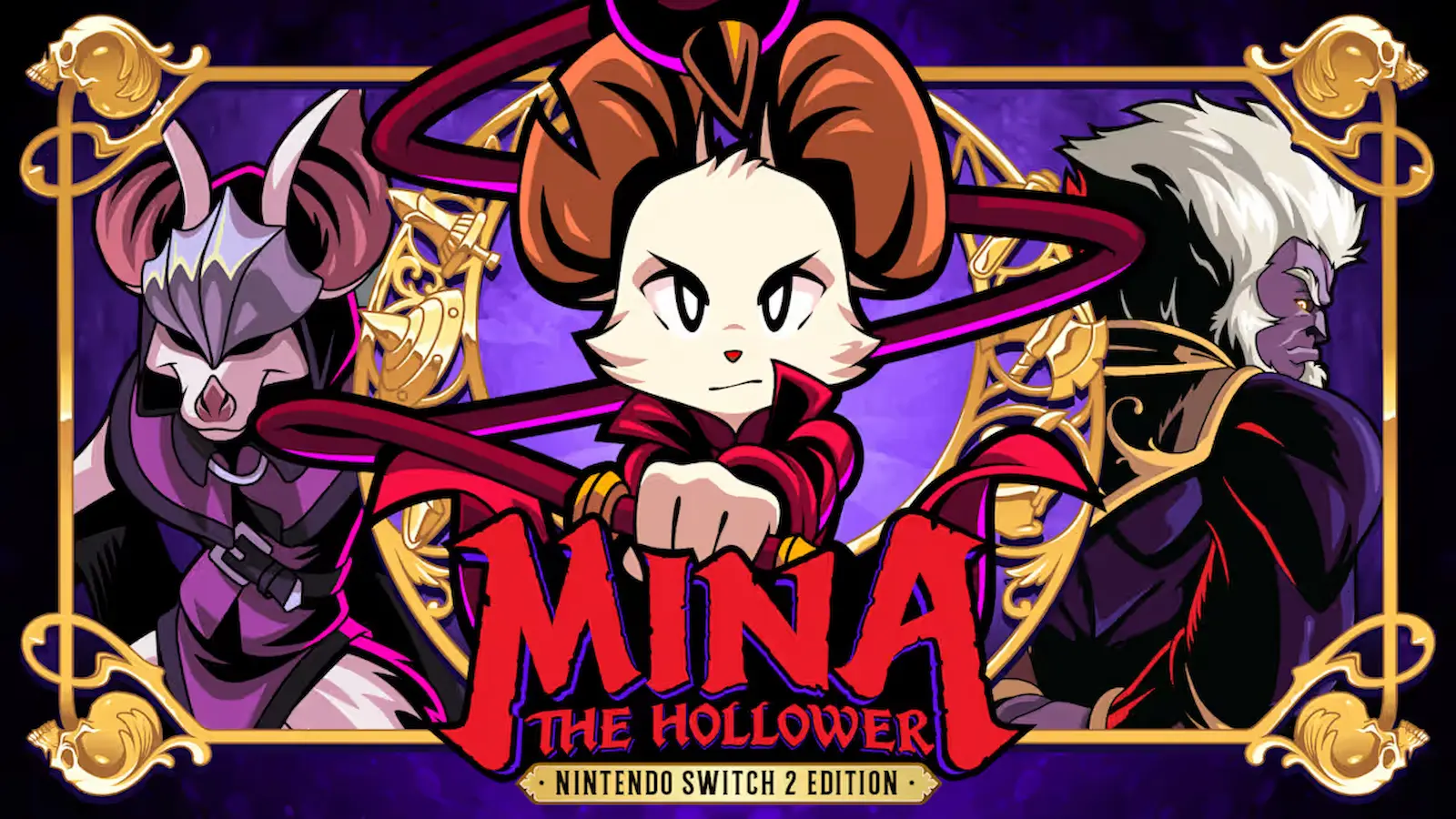
At its core, Mina the Hollower has you exploring connected areas, fighting enemies, solving puzzles, and looking for ways to reach new paths.
Most of your time is split between combat and exploration.
You move through Tenebrous Isle, clear hostile areas, search side routes, collect upgrades, and use new tools to reach places you couldn’t reach earlier.
Combat is built around positioning and timing rather than simply attacking as fast as possible.
Different weapons change your range and attack speed, while Sidearms give you extra options during fights and exploration.
Hollowing is the mechanic that connects most of these systems. Mina can burrow underground to avoid attacks, cross certain hazards, move through parts of the environment, and reach hidden areas.
As you progress, new weapons, sidearms, upgrades, bosses, and secret routes keep changing how you approach each area.
The basic loop stays simple, but the number of ways you can handle it gradually increases.
Mina The Hollower Review: My First Impression
My first impression of Mina the Hollower was that it looked much more familiar than it actually felt.
The Game Boy Color-style visuals immediately reminded me of classic Zelda games, especially with the top-down view and compact environments.
That comparison makes sense at first, but it does not last long once the combat starts asking more from you.
Enemies hit harder than I expected, and positioning matters almost straight away. I could not just rush into every fight and expect the retro style to mean simple combat.
Hollowing also stood out early. Being able to burrow underground felt useful from the start, not like a mechanic saved for specific puzzles later on.
What caught me most was the contrast. Mina looks old-school, but the combat, movement, and difficulty feel much more modern.
That made a strong first impression because the game quickly showed it wasn’t relying on nostalgia alone.
Mina the Hollower Visuals & Gameplay Style
Graphics And Audio
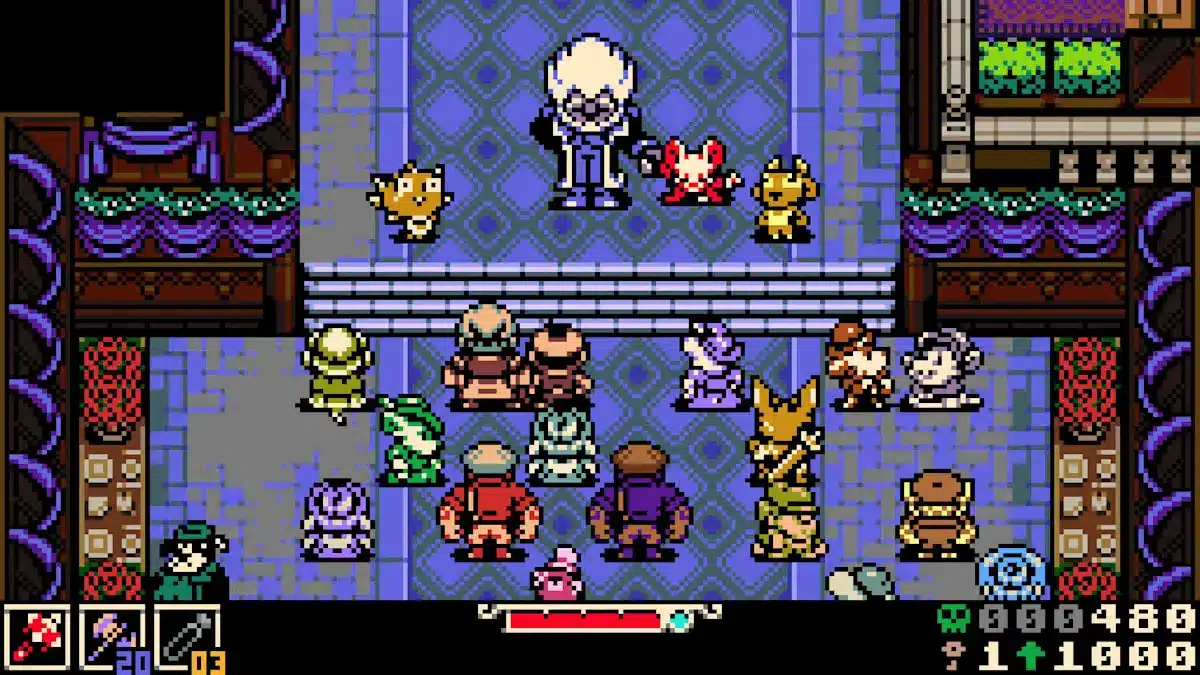
Mina the Hollower’s presentation is one of its strongest features. The game uses a familiar retro style, but adds enough detail through its visuals and audio to make the world feel distinct.
- Game Boy Color-Inspired Style: The pixel art and top-down view bring classic handheld adventures to mind.
- Gothic Visual Direction: Dark environments and shadowy areas give the game a stronger identity than a simple retro tribute.
- Clear Character And Enemy Designs: Small but expressive sprites keep Mina easy to track, while enemies and bosses stand out.
- Readable Combat Effects: Attack animations and visual feedback make busy fights easier to follow.
- Balanced Retro Presentation: The style feels old-school while still looking polished.
Music And Sound Design
- Atmospheric Soundtrack: Each area has its own sound, while boss tracks add more tension during important fights.
- Useful Combat Audio: Weapon hits, enemy attacks, and Hollowing effects provide quick feedback during busy encounters.
- Strong Boss Themes: The music becomes more noticeable during major battles and tougher sections.
- Supportive Sound Design: The soundtrack adds to the Gothic setting without distracting from exploration or combat.
Together, the pixel art and sound design help Mina the Hollower maintain its old-school feel while giving the adventure a more modern sense of polish.
Mina The Hollower Gameplay and Exploration
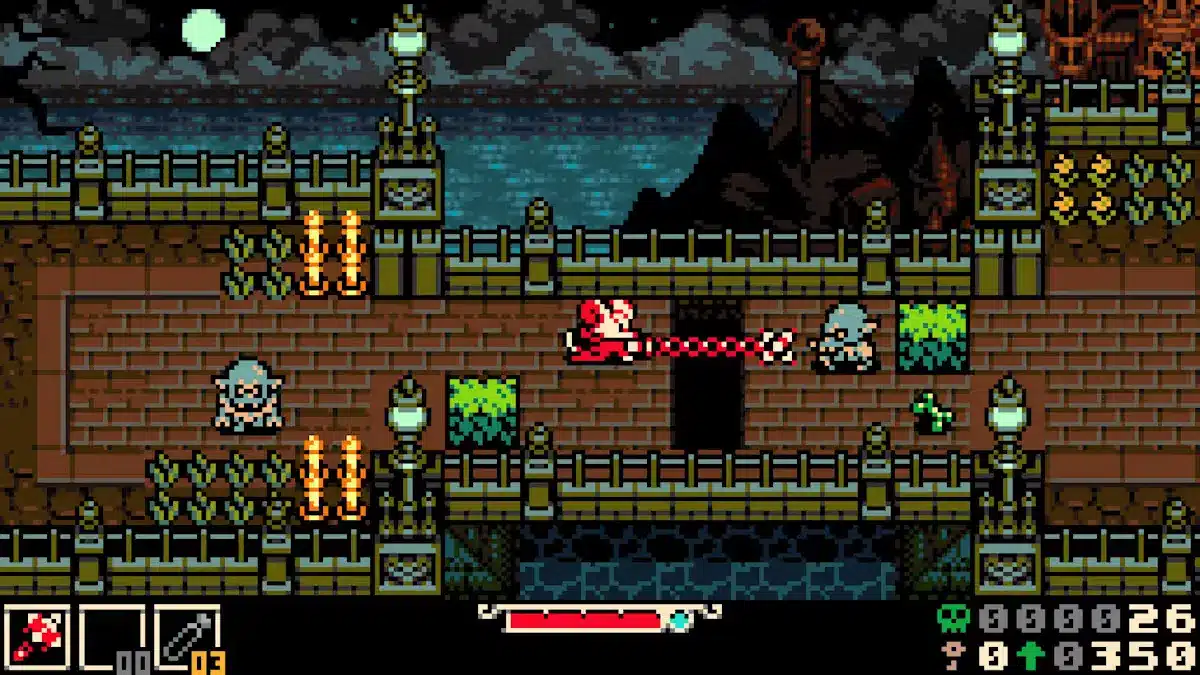
Mina the Hollower plays much faster than its retro look suggests.
Combat keeps you moving because enemies can pressure you from several directions. Careless attacks get punished quickly, especially once stronger enemies start controlling more of the screen.
The controls are responsive enough that most mistakes feel avoidable.
Dodging is quick, attacks feel immediate, and Hollowing gives you another option when normal movement is not enough.
Boss fights push these systems harder. They demand tighter timing, better positioning, and more patience than most regular encounters.
GameSpot also noted that combat plays a much bigger role here than it does in classic Game Boy Zelda games, a difference that becomes obvious quite early.
1. Weapons Change How You Fight
Your weapon choice affects more than damage. It changes your reach, attack speed, timing, and how close you need to stay to enemies.
The main options include:
- Whisper and Vesper: Twin daggers built around quick attacks and close-range pressure.
- Nightstar: A longer-reaching weapon that gives you more room to control distance.
- Blaststrike Maul: A heavier weapon that trades speed for stronger, more committed attacks.
I found faster weapons easier to use in crowded fights because they gave me more time to react.
Heavier weapons made more sense against slower enemies with obvious openings. That balance works because no single choice feels best in every situation.
2. Hollowing Keeps Combat And Movement Connected
Hollowing lets Mina burrow underground and move beneath enemies, hazards, and parts of the environment.
In combat, it works as an extra defensive option. You can slip under an attack, change position, and come back up from a safer angle. Its value goes well beyond fighting.
Hollowing also helps Mina cross hazards, reach blocked spaces, solve puzzles, and find routes that are easy to miss.
I started checking suspicious corners more often because the game repeatedly rewarded that habit.
3. Sidearms Add More Flexibility
Sidearms give Mina another layer of flexibility. GameSpot notes that there are up to 15, and several have uses outside combat.
The Parasol is a good example. It can block incoming attacks, but it can also help Mina cross certain gaps. That makes new Sidearms worth testing whenever you find one.
A tool that helps during a difficult fight may also open a route you passed earlier. I preferred the Sidearms that handled more than one job because they made backtracking feel more worthwhile.
4. Exploration Rewards Careful Players
Exploration gives the combat room to breathe.
You move through connected areas, check side paths, solve environmental puzzles, and return to older locations once new tools make blocked routes accessible.
Hidden paths can sit behind walls, corners, or spaces that seem unimportant at first. Those detours often lead to useful items, upgrades, secret rooms, alternate routes, or optional bosses.
Hollowing and Sidearms make that process stronger because new tools can change how you read older areas.
A path that looked impossible earlier may become reachable later, which gives backtracking a clear purpose.
How Difficult is Mina The Hollower?
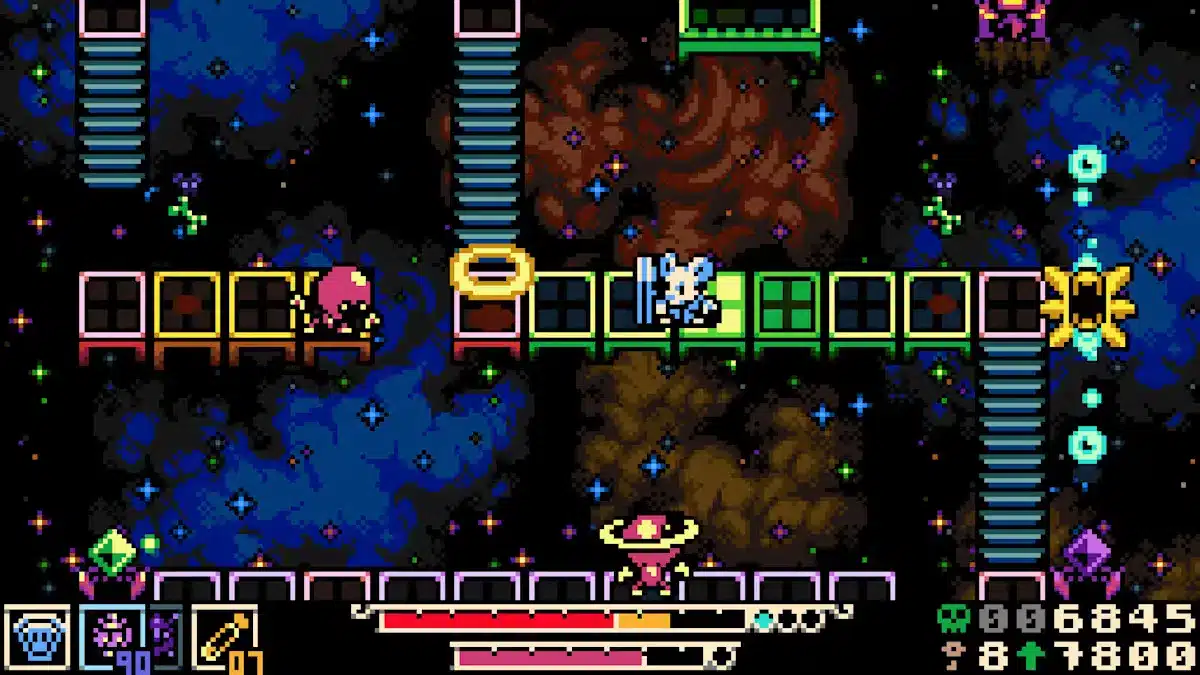
Mina the Hollower can get difficult quickly. Regular enemies hit hard enough to punish careless movement, while bosses often expect you to learn their patterns before you can attack safely.
Death adds more pressure because mistakes can cost progress. Even so, most fights remain readable because enemy behavior becomes clearer with repeated attempts.
The difficulty is not completely even. Some calmer areas suddenly lead into much harder encounters, and those spikes can interrupt the pace.
Upgrades help, and difficulty options make the experience more manageable if you want the combat without quite as much punishment.
You do not need to be a dedicated Souls player to enjoy Mina. You do need some patience and a willingness to learn from failed attempts.
What Do Professional Reviewers Say?
Major review sites were especially positive about Mina the Hollower’s combat, exploration, secrets, and modern take on retro game design.
Scores below reflect where things stood as of August 2026 and will keep shifting as more critic reviews come in.
- IGN gave the game 10/10, praising how it matches the heights of its Zelda, Castlevania, and FromSoftware-style inspirations while working with far fewer resources than those games had.
- Yacht Club Games’ own GameSpot review gave it 9/10, calling it a game that moves past simple homage into something new and inventive on its own terms.
- As of August 2026, Metacritic lists a 90/100 critic score based on 69 reviews, with a Generally Favorable 8.1 out of 10 user score from more than 400 ratings. Difficulty spikes are among the most common complaints in both critic and user reviews.
The wider critical response lines up with my experience. Mina works because it treats its retro influences as a starting point rather than the entire reason to play.
Mina The Hollower Feels Retro Without Playing Like an Old Game
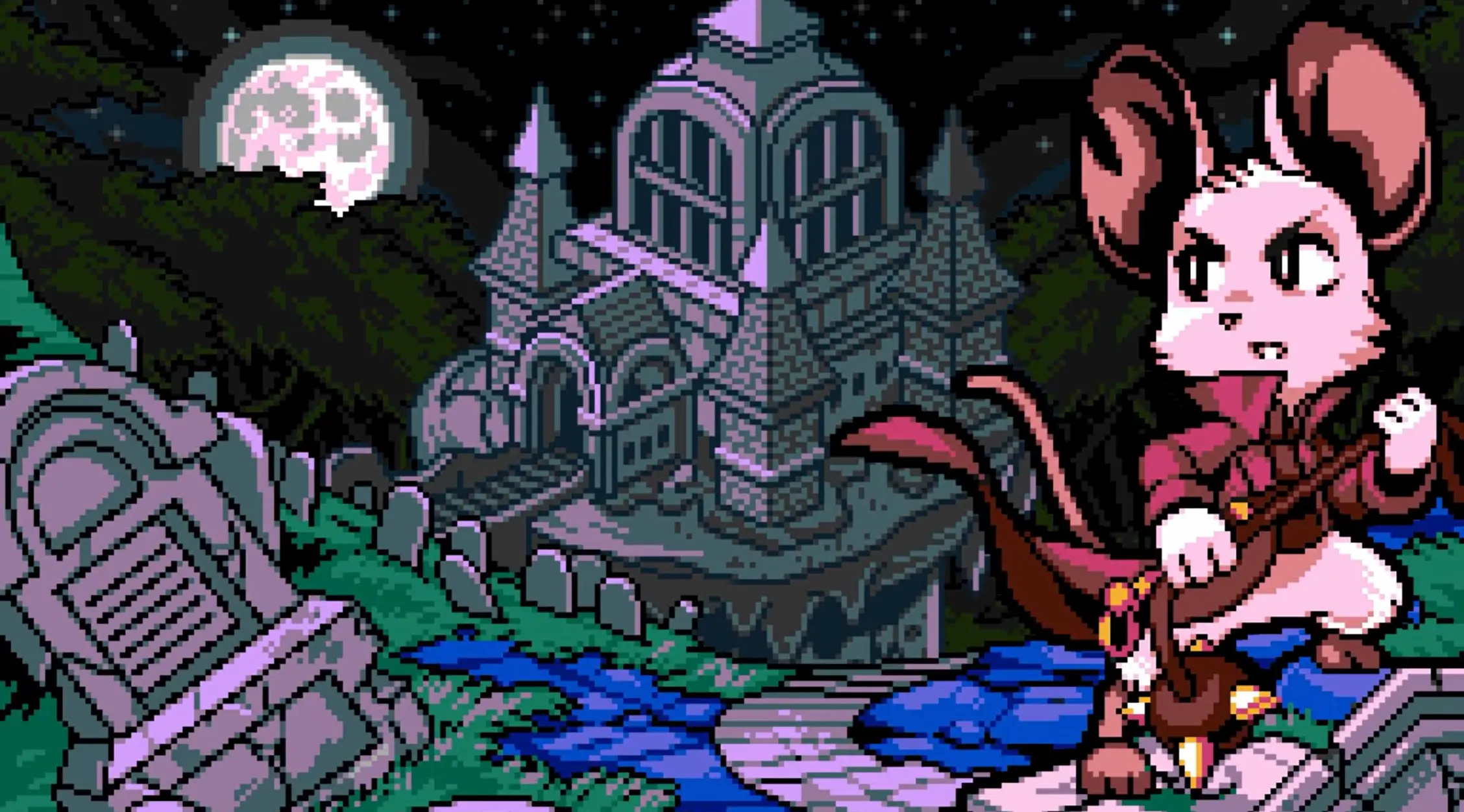
Mina the Hollower looks heavily inspired by GameBoy Color adventures, but its gameplay feels much more modern.
The top-down view, compact areas, and pixel art may remind you of classic Zelda games, but the combat asks for much more attention.
Enemies hit harder, positioning matters more, and rushing into fights usually leads to mistakes. The game expects you to watch patterns, choose the right moment to attack, and use your tools carefully.
Progression also goes beyond what the retro style suggests. Weapons, Sidearms, upgrades, hidden routes, optional bosses, and movement abilities give you more ways to handle each area.
The Souls-style influence mainly appears through tougher bosses, repeated attempts, and the pressure of losing progress after mistakes.
Difficulty options help make that challenge more approachable without removing the tension that makes each victory satisfying.
Mina The Hollower Compared With Similar Games
Mina borrows ideas from several familiar games, but each influence shows up in a different part of the experience.
| Feature | Mina the Hollower | Link’s Awakening | Castlevania | Dark Souls |
|---|---|---|---|---|
| Visual style | Game Boy Color-inspired pixel art with Gothic themes | Bright retro pixel art with a dreamlike tone | Dark Gothic locations and enemies | Dark fantasy with heavier visual detail |
| Combat | Fast, demanding, and focused on timing | Simpler attacks with lighter combat pressure | Varied weapons and secondary attacks | Slower, punishing combat built around patience |
| Exploration | Hidden rooms, optional paths, secrets, and Sidearms | Puzzles, secrets, and item-based progression | Hidden areas and branching routes | Risky areas with valuable rewards |
| Progression | Weapons, Sidearms, upgrades, and movement tools | New items open more areas | Equipment and upgrades shape playstyle | Builds and upgrades strongly affect combat |
| Boss fights | Tough fights that reward pattern learning | More puzzle-focused and forgiving | Varied bosses with different attack styles | Difficult bosses built around repeated attempts |
| Difficulty | Challenging with noticeable spikes | Generally more forgiving | Varies depending on the game | Much harsher, with stronger penalties for mistakes |
The clearest visual comparison is Link’s Awakening.
Castlevania has more in common with Mina’s equipment, Sidearms, and progression, while the Dark Souls comparison mainly comes from difficulty, bosses, and the consequences of failure.
The important part is that Mina does not copy any one game completely.
Its identity comes from combining those influences around Hollowing, faster combat, and exploration that repeatedly rewards returning with new tools.
What Mina The Hollower Does Well?
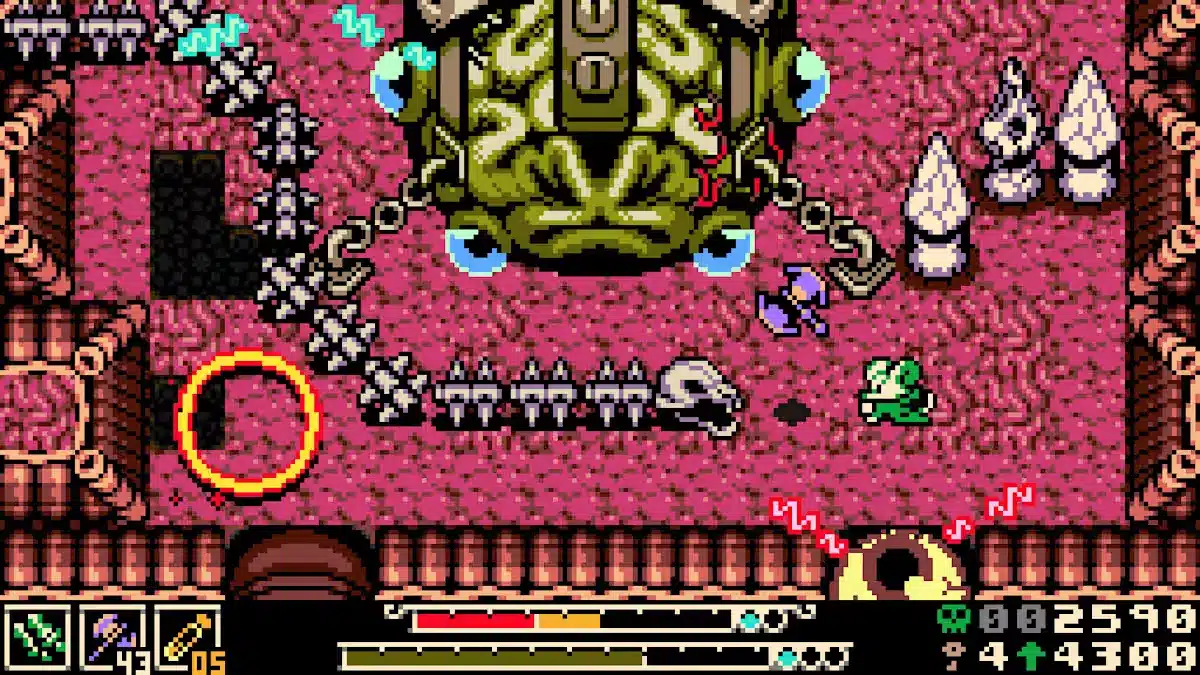
Mina is strongest when its systems start supporting each other. Hollowing is the clearest example.
It affects movement, defense, puzzles, exploration, and secret hunting instead of doing only one job.
Sidearms work in a similar way. Some are useful during combat, while others can also open new paths or give you a reason to return to older locations.
Weapon choice adds another layer because range and speed can completely change how you approach certain enemies. Optional bosses and useful rewards also make side paths feel worth checking.
For me, the strongest part of Mina the Hollower is how naturally combat and exploration connect. You are rarely using a mechanic in only one part of the game.
What Could Be Better?
The biggest weakness is uneven difficulty. Some areas feel manageable before a single encounter suddenly demands much more patience than everything around it.
That kind of spike can slow the pace rather than make the challenge more satisfying.
Backtracking can also drag when the next route is unclear. The map and limited guidance make those moments more noticeable.
Tough bosses usually work because their patterns can be learned, but harsher death penalties make repeated attempts more frustrating than they need to be.
The story is another weaker area. It gives the adventure enough context, but the combat and exploration consistently leave a stronger impression.
None of these problems ruined the game for me. They simply became more noticeable during longer sessions.
Should You Play Mina The Hollower?
I would recommend Mina the Hollower if its tougher combat sounds appealing rather than exhausting.
It works best for players who enjoy checking every corner, testing different tools, and learning fights instead of rushing toward the next objective.
Play It If You Like
- Classic Zelda games: The top-down structure, puzzles, hidden paths, and item-based exploration should feel familiar.
- Tough combat: Enemies and bosses reward pattern reading and careful movement.
- Pixel art: The Game Boy Color-inspired presentation stays consistent across characters, environments, enemies, and effects.
- Finding secrets: Optional rooms, hidden routes, upgrades, and bosses make wandering worthwhile.
- Weapon variety: Different weapons and Sidearms give you several ways to approach difficult encounters.
- Gothic settings: Dark locations and strange creatures give the retro presentation a more distinct tone.
If those elements already sound appealing, Mina gives you plenty to work with throughout a full playthrough.
You May Want to Skip It If
- You dislike difficult combat: Several encounters expect repeated attempts and careful pattern reading.
- You want a story-first game: The plot rarely becomes as interesting as the combat or exploration.
- Retro graphics bother you: The pixel style is intentional and stays consistent throughout the game.
- Frequent deaths frustrate you: Failure is part of learning tougher areas and bosses.
- You prefer clear directions: Exploration sometimes expects you to work out where to go next.
None of these points make Mina a poor game. They simply matter more here than they would in a lighter Zelda-style adventure.
Conclusion
This Mina the Hollower review keeps landing on the same point: the Hollowing mechanic, weapon variety, and secret-packed exploration reinforce each other instead of standing alone.
Judged only by its retro surface, the game undersells itself, and once you stop doing that, its confidence is obvious.
Difficulty spikes and a quiet story are the price for that depth, but they never undo what the game gets right.
If tougher Zelda-style combat and constant secrets sound appealing, Mina the Hollower is worth clearing space for.
Grab the demo on Steam or your console of choice, then decide how deep you want to dig into Tenebrous Isle.
Frequently Asked Questions
Is Mina the Hollower Beginner-Friendly?
It can work for beginners, though expect a real learning curve early on. Enemies hit harder than typical retro games, so success depends more on reading patterns and timing your moves than on fast reflexes. Difficulty options help soften that curve, and Hollowing gives newer players an extra way to dodge trouble while they adjust.
Can You Change the Difficulty in Mina The Hollower?
Yes, the game includes difficulty options that let you adjust how much punishment combat deals out. These settings do not remove Hollowing, weapons, or exploration, so you still get the full adventure. They simply make repeated boss attempts and tougher enemy encounters less frustrating for players who want the story and secrets without the harshest penalties.
Do You Need to Play Shovel Knight Before Mina The Hollower?
No, you do not. Mina the Hollower stands on its own, with a separate cast, setting, story, and set of mechanics built around Hollowing rather than Shovel Knight’s platforming. Familiarity with Yacht Club Games’ earlier work is not required, though fans of Shovel Knight will likely recognize the same care in level design and boss encounters.
Is Mina The Hollower a Linear Game?
Not completely. You follow a main story path from area to area, but optional routes, hidden rooms, and secrets branch off constantly. Later tools and abilities also open up sections that looked blocked earlier, so backtracking into old areas becomes worthwhile. That mix keeps exploration open even though the overall story still moves in one direction.
Is Mina The Hollower More Like Zelda or Dark Souls?
It leans closer to classic Zelda in structure, with top-down exploration, item-based progression, and puzzle-filled dungeons. The tougher combat, harder bosses, and pressure of losing progress after a death borrow more from Souls-style design. Neither comparison covers the whole game, since Hollowing and its weapon variety give Mina an identity that stands apart from both.