
Reanimal arrives with the unsettling atmosphere I expect from Tarsier Studios, but mood alone does not justify a $40 purchase.
The real question is whether its disturbing world, puzzles, and co-op setup provide enough value once the credits roll.
In this Reanimal review, I am looking at the short runtime, its scares, and how playing with another person changes the tension.
I usually prefer horror games that let suspense build slowly, so the co-op focus raises both my interest and my concern.
Some players may enjoy sharing every frightening moment, while others may feel that a partner makes the experience less intense.
By the end, you will know who should buy Reanimal, who should wait, and who should skip it.
What Makes Reanimal More Than a Little Nightmares Follow-Up?
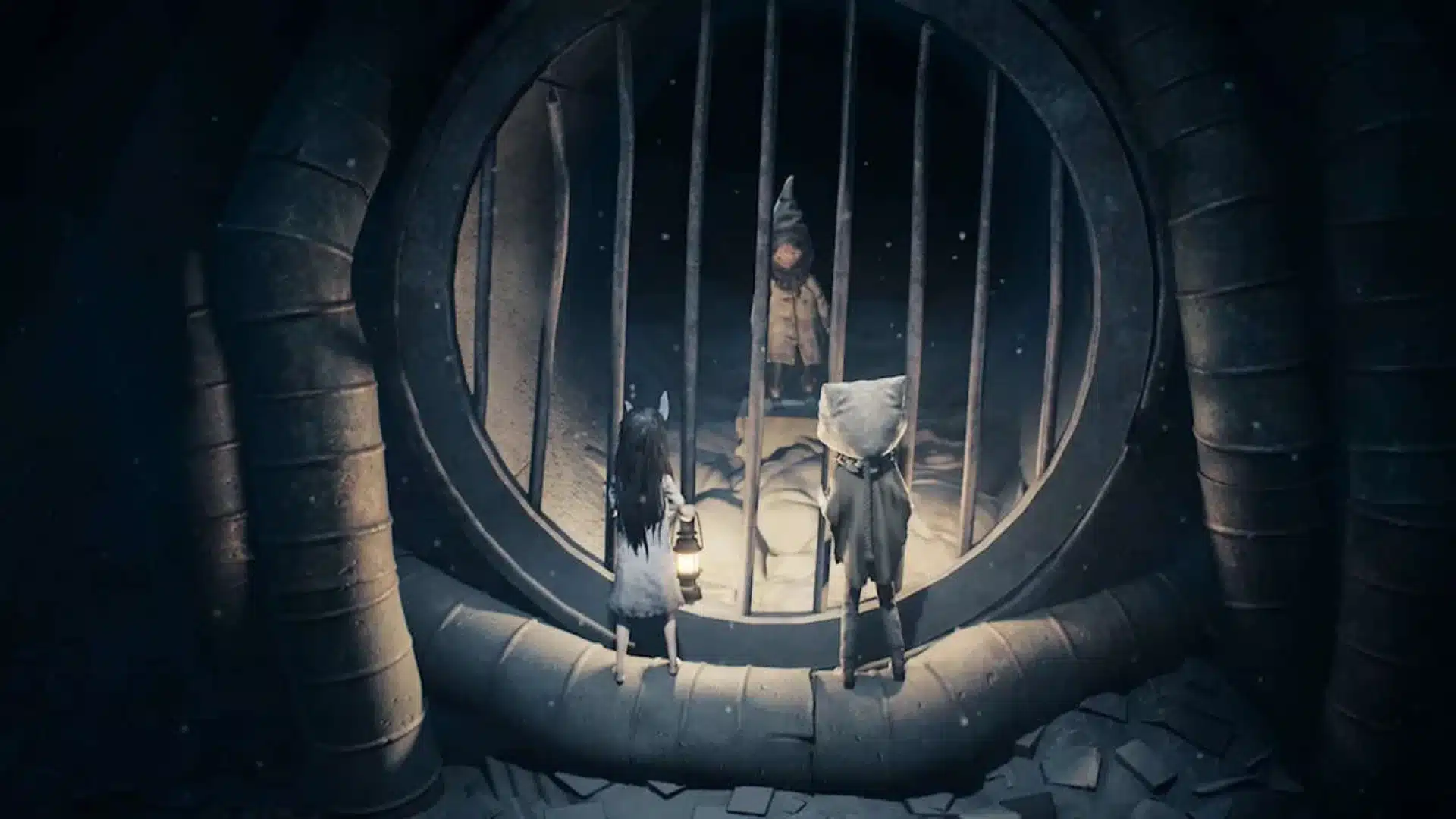
Reanimal follows an orphaned brother and sister as they cross a grim world shaped by war, fear, and childhood trauma.
Most of the game centers on solving 3D puzzles, hiding from threats, and moving through cramped environments that keep the pressure high.
Tarsier Studios also adds a few ideas that separate it from its earlier work.
You can fight back during brief moments, use a weapon in selected sequences, and control a small boat through flooded areas.
These sections add variety without turning the experience into a combat-heavy game.
Reanimal remains a horror-adventure built around vulnerability, where escaping danger matters far more than defeating it.
Its grotesque animal figures work as disturbing symbols, leaving you unsure whether each threat is real or part of a damaged childhood memory.
Where Reanimal Shines and Where the Fear Starts to Fade?
Source: VGTimes
Reanimal creates lasting tension through its atmosphere, but its basic puzzles, uneven action, and co-op design mean not every part works equally well, a pattern that matches the 80 average score on MetaCritic and 83 percent critic recommendation rate Reanimal holds on OpenCritic.
1. Atmosphere That Builds Dread Without Cheap Scares
Reanimal rarely depends on sudden noises or predictable jump scares.
Muted colors, narrow spaces, controlled camera angles, and a low, unsettling score naturally create discomfort.
The game trusts silence to hold your attention, letting tension build gradually rather than constantly interrupting scenes with loud effects or forced shocks.
2. Simple Puzzles Keep the Story Moving
Most puzzles ask you to locate a visible object and use it in a fairly clear way. That makes progression smooth, but it also removes much of the satisfaction found in more layered puzzle design.
Players expecting complex environmental challenges may find these sections too easy, predictable, and limited in variety.
3. Combat and Driving Feel Less Natural
Short combat encounters and vehicle sections add variety, yet they rarely feel as polished as the stealth gameplay.
Reanimal feels strongest during stealth and escape sequences, while combat disrupts its rhythm and feels less naturally integrated.
4. Why Co-op Changes the Horror
Solo play protects Reanimal’s loneliness, while a second player’s reactions and conversation can weaken its unsettling silence.
Co-op remains enjoyable and well-implemented, but it replaces some psychological tension with companionship, creating a different experience rather than an inherently worse one.
One detail worth knowing before you buy: Tarsier ships a free Friend’s Pass with Reanimal.
It lets a second player join your game through crossplay without owning a copy themselves, so a two-player household only needs one $40 purchase to unlock full co-op.
Reanimal works best when its atmosphere controls the pace, while its weaker mechanics become easier to notice whenever the game moves away from isolation and stealth.
Reddit Discussion About Reanimal Review
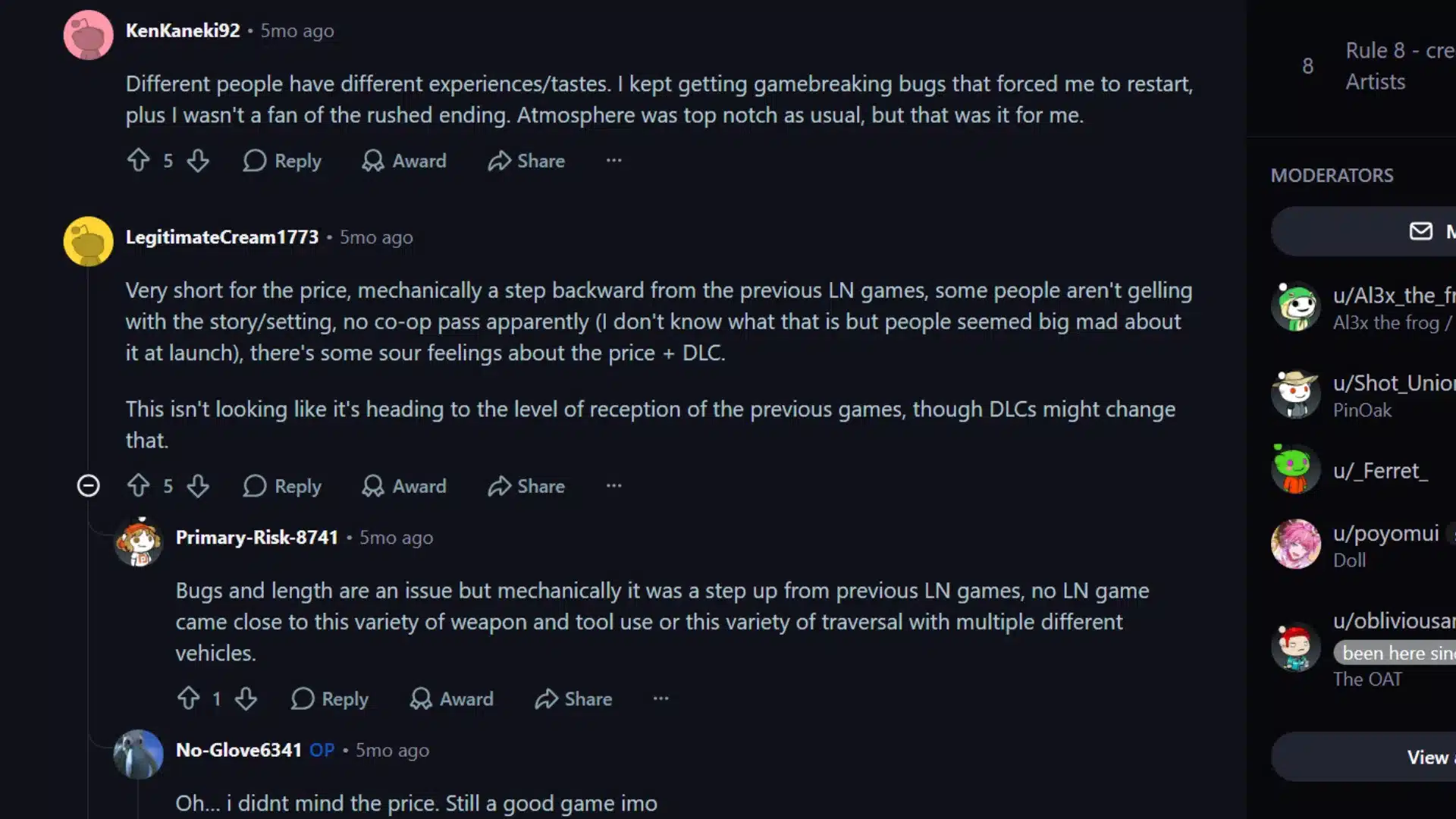
The Reddit discussion shows a mixed response to Reanimal.
Several players praise its atmosphere, sound, weapon variety, tools, vehicles, and broader mechanics compared with the Little Nightmares games.
Others argue that the short runtime, reported bugs, rushed ending, and $40 price make the package difficult to recommend at full cost.
The biggest disagreement centers on whether Reanimal improves on Tarsier Studios’ earlier work.
One player sees the mechanics as a step backward, while another believes the added traversal options and combat variety make it a clear improvement.
Co-op pricing and possible DLC also appear to have frustrated some buyers, though Tarsier has since confirmed a paid expansion called The Expanded World, with its first of three chapters released on August 7, 2026, and Chapter 2 in October-December, and Chapter 3 in first quarter of 2027.
Overall, the thread presents Reanimal as an atmospheric and ambitious horror game held back by technical issues, limited length, and divided expectations.
What Changes the Answer for You: Runtime, Price, and Co-Op
Source: noobfeed.com
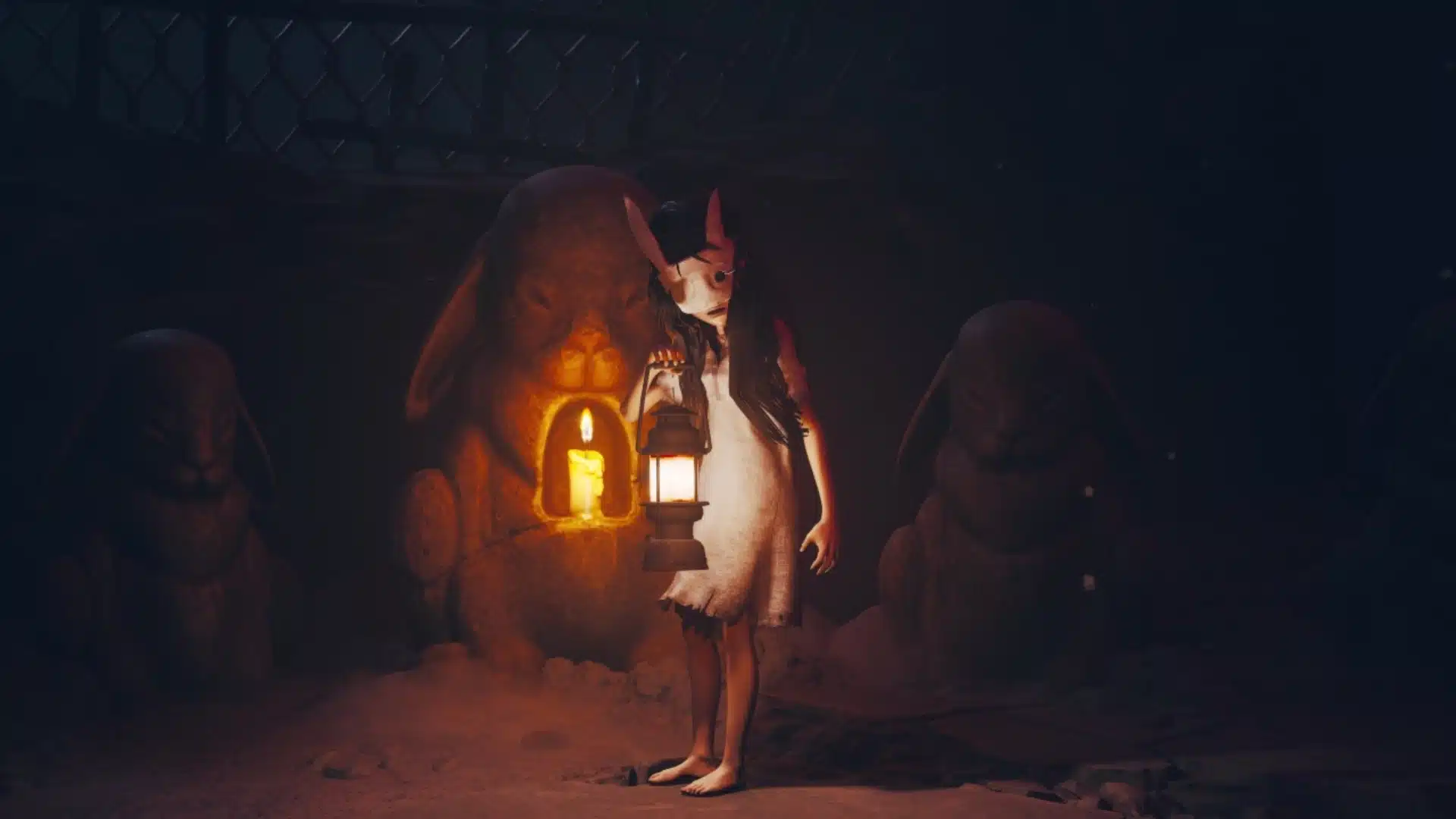
Reanimal’s value depends less on total hours than on how much meaningful content it packs into its short runtime.
1. Runtime
Reanimal keeps its campaign short and focused, favoring meaningful story moments over extended playtime.
Reanimal lasts five to eight hours, but its cinematic pacing and lack of filler make the experience feel concentrated rather than stretched.
2. Price
The $40 price may feel high to players who primarily value campaign length. However, those who prefer focused storytelling may find the cost easier to justify because Reanimal avoids padding.
Its heavier themes, expanded mechanics, and stronger emotional weight also make it more than a straightforward repeat of Tarsier’s earlier games.
3. Co-op
Co-op expands Reanimal’s scope, but it also alters the tension of isolation.
Shared progression, combat, boat sections, and teamwork make the game feel broader than Remnant from the Ashes, another atmospheric co-op survival pick.
However, comparing both too closely may create the wrong expectations, since Reanimal is designed as a different horror experience with its own pacing and mechanical focus.
Reanimal may feel short, but its focused pacing and expanded mechanics help justify the price for players who value quality over length.
Reanimal Final Verdict: Buy Now or Wait?
Source: gamesradar.com
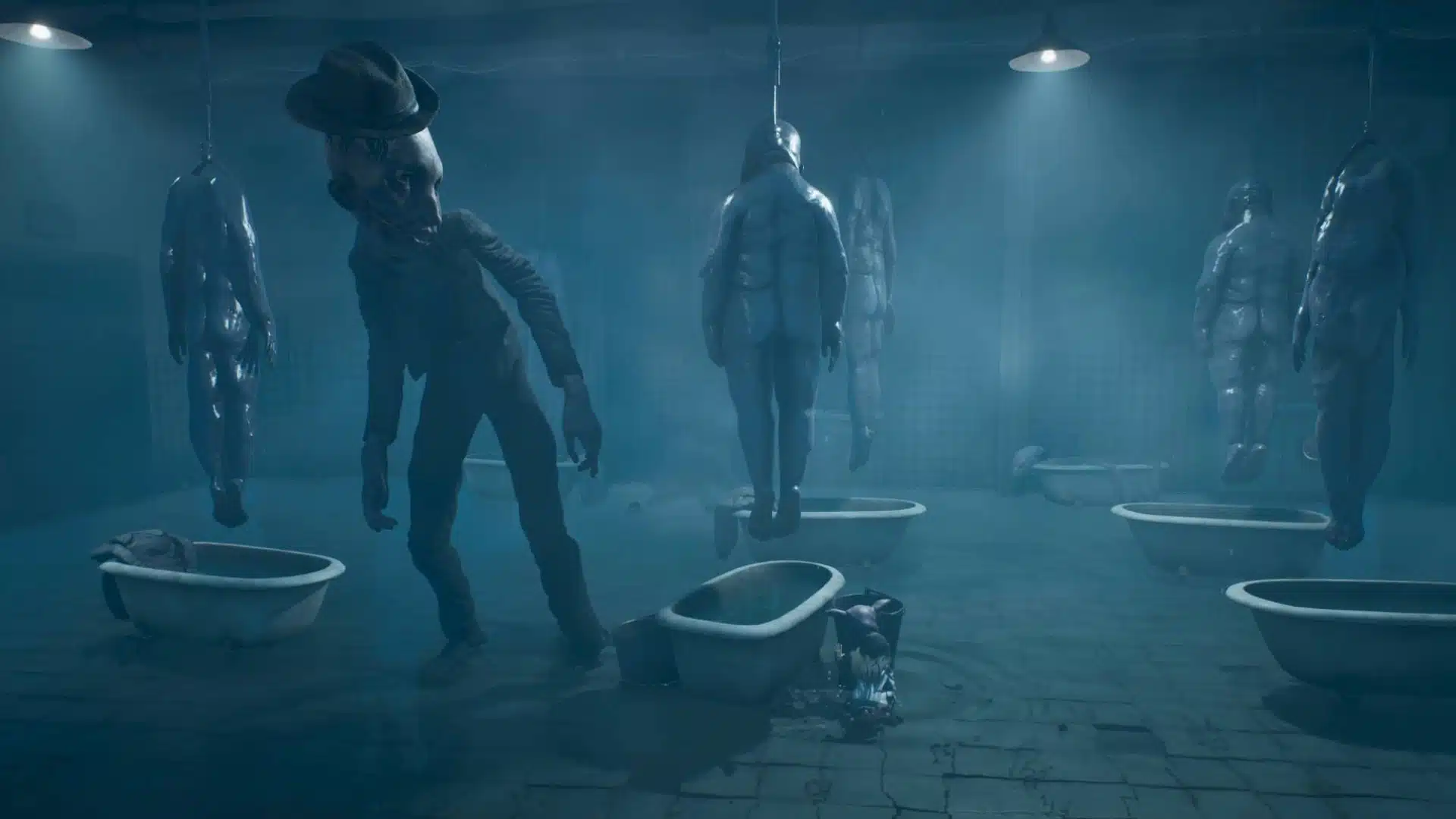
Reanimal is a focused horror experience with strong atmosphere, but its short runtime and uneven mechanics will not suit every player.
- Buy it for solo horror: Reanimal works best when played alone, where its silence, disturbing environments, and steady dread remain fully effective.
- Consider co-op carefully: Playing with someone adds teamwork and shared reactions, but it can reduce the loneliness that makes the horror feel intense.
- Wait for updates: Tarsier Studios may address pacing, difficulty, and trial-and-error complaints through balance patches or co-op adjustments.
- Skip it for complex puzzles: The puzzles are generally simple, while the combat and boat sections are not strong enough to carry the game.
- Check your value expectations: A five- to eight-hour runtime for $40 may feel expensive if campaign length is your main buying factor.
- Expect quality with limitations: OpenCritic’s aggregate of roughly 150 reviews puts Reanimal at 80, with 83 percent of critics recommending it, reflecting a polished, atmospheric game with noticeable rough edges.
Buy Reanimal for concentrated solo horror, but wait for a sale if runtime and replay value matter more than atmosphere.
Conclusion
This Reanimal review comes down to how much you value mood over length.
The game is strongest when it lets silence, strange spaces, and shared childhood fear do the work, especially in solo play.
Co-op makes the journey easier to share, but it also changes the fear into something less lonely. The short runtime, simple puzzles, and uneven action mean it will not satisfy everyone at full price.
Still, players who enjoy focused horror with a clear identity may find more value here than the hour count suggests. Buy it now for atmosphere, wait for a sale if you need more content.
Would you play Reanimal solo or with a partner? Tell us in the comments below.
Frequently Asked Questions
Is Reanimal scarier than Little Nightmares?
Reanimal leans less on jump scares than Little Nightmares and more on sustained dread through atmosphere and sound design. Whether it feels scarier depends on your preference. Fans of slow-building tension over shock moments will likely find it more unsettling than the earlier games.
How long does it take to beat Reanimal?
Most players finish Reanimal in roughly five to eight hours, depending on how much time they spend on optional exploration. That runtime is shorter than that of many full-price titles, which weighs heavily in the ongoing value debate over its price.
Is Reanimal better played solo or in co-op?
Solo play, including with an AI companion, generally preserves the game’s tension better than co-op. A second human player introduces communication and shared-screen awareness that can undercut the isolation the horror design relies on. Co-op is still enjoyable, just tonally different.
Is Reanimal worth the price?
For horror-atmosphere fans, most reviewers consider Reanimal worth its price given how much scripted, cinematic content is packed into its runtime. Players expecting a longer campaign or challenging puzzles may find the value less clear-cut.
Do Both Players Need to Buy Reanimal?
No. Reanimal ships with a free Friend’s Pass, letting a second player join your session through crossplay without purchasing their own copy. Only the host needs the $40 purchase, which softens the price concern for co-op-focused buyers weighing the runtime against the cost.