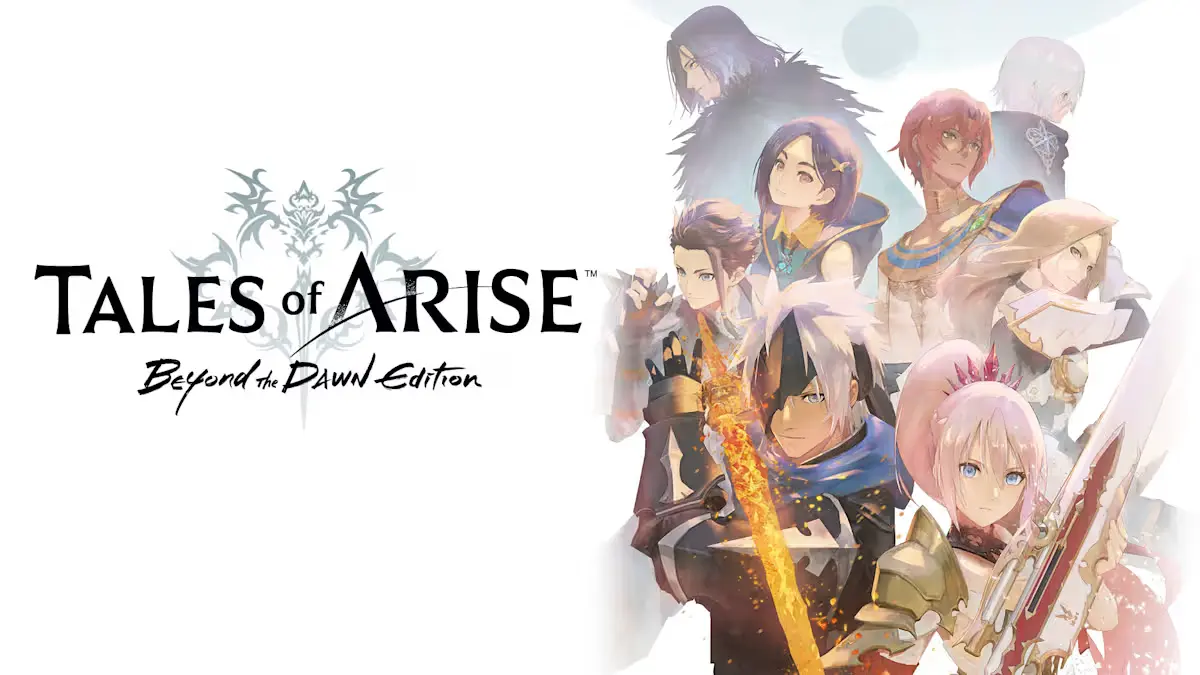
Tales of Arise came out in 2021, and gamers still argue about it today. Some call it one of the best JRPGs Bandai Namco has ever made.
Others say the ending drags and the bosses take too long to beat. If you look up a Tales of Arise review right now, you will find both sides making good points.
Fast combat, a likable cast, and a striking art style pull people in early. A rocky final stretch and some slow boss fights make others walk away less impressed.
Before deciding if this game deserves your time, it helps to know exactly what Alphen and Shionne are up against.
About Tales of Arise
Tales of Arise is an action JRPG developed by Bandai Namco and released in 2021. It is the 17th main entry in the Tales series.
The game takes place across two worlds, Dahna and Rena.
You begin as Alphen, a Dahnan warrior with no memories of his past, and Shionne, a Renan woman carrying a dangerous curse called thorns.
Your main goal is to bring an end to Rena’s 300-year rule over Dahna while finding the truth behind the conflict between both worlds.
Along the way, you will build a party, fight enemies in real-time battles, and learn more about each character’s struggles.
The story focuses on the relationship between Alphen, Shionne, and their companions as they work together despite their different backgrounds.
You do not need to play previous Tales games to understand the story.
Tales of Arise works as a standalone experience, making it a good starting point for anyone interested in action JRPGs.
Tales of Arise Review: My First Impression

My first impression of Tales of Arise, after reviewing JRPGs since 2013, was that it feels like a major step forward for the series.
From the opening hours, the game stands out with its modern visuals, fast combat, and stronger focus on character relationships.
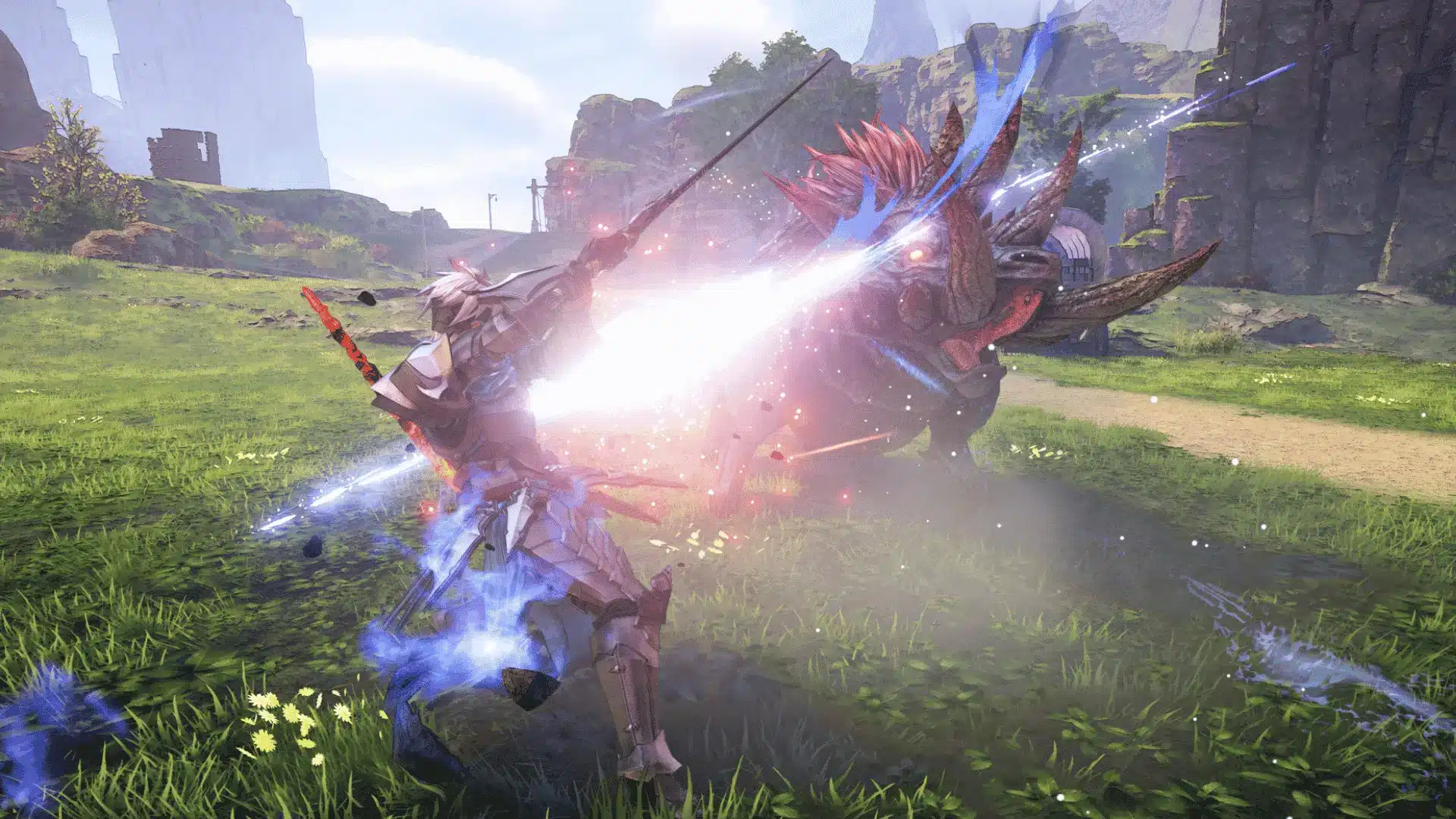
The combat was the biggest surprise for me.
Battles feel more active than older Tales games, with smooth movement, dodging, combos, Artes, and character switching creating a satisfying flow. The story also starts with a strong setup.
The conflict between Dahna and Rena is easy to understand, while Alphen and Shionne’s different personalities make their journey more interesting from the beginning.
The game is not perfect, as some areas feel more linear than expected, but the combination of exciting battles, impressive presentation, and a memorable party makes a strong first impression.
It feels like a good entry point for both new players and longtime fans of the series.
Tales of Arise Story Review: Strong Beginning, Uneven Ending
The story is one of the strongest parts of Tales of Arise early on. The game clearly introduces the conflict between Dahna and Rena, and each region shows a different side of life under Renan’s rule.
The game also handles its main characters well. Alphen, Shionne, and the rest of the party have personal reasons for fighting, which makes themes like freedom, revenge, and change feel more meaningful.
The final act is where the story becomes more divisive.
It shifts toward larger world explanations and moves away from the character-focused storytelling that worked so well earlier.
The ending answers important questions, but the pacing does not work for every player.
Alphen and Shionne Make the Story Work
Alphen and Shionne are the heart of the story.
Their different personalities create tension at first, with Alphen focused on helping others and Shionne more focused on her own goals.
Their relationship slowly develops through conversations and shared experiences. Instead of instantly trusting each other, they learn to understand their struggles and viewpoints.
This connection gives the larger conflict a personal side. Their story makes the battle between Dahna and Rena feel like more than just a fight between two worlds.
Party Members Feel Like Real Characters
The rest of the party helps make Tales of Arise feel like a true group story. Rinwell, Law, Kisara, and Dohalim each bring different experiences that add more depth to the conflict.
Their backgrounds also allow the game to explore different views on oppression, guilt, responsibility, and change. Each character grows as they spend more time together.
The party chemistry is one of the game’s biggest strengths.
Camp conversations and skits help show their friendships developing naturally, making them feel like real companions instead of just battle partners.
Tales of Arise Gameplay Review: Fast and Satisfying Combat
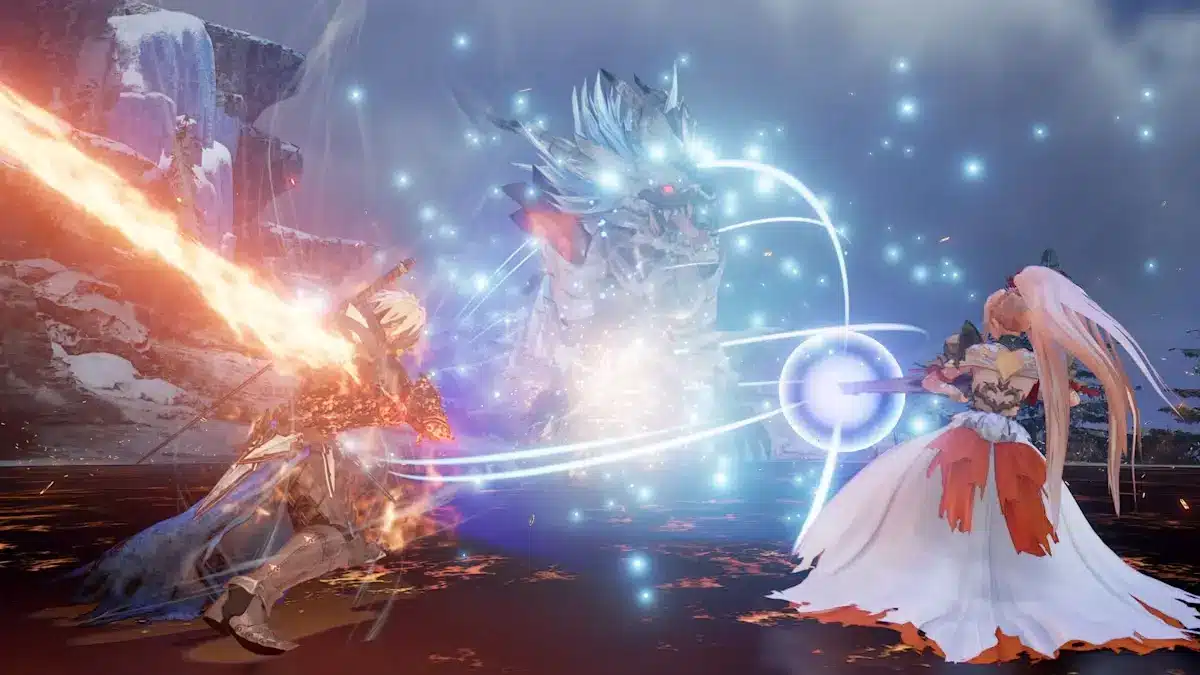
Tales of Arise’s combat is one of its biggest strengths.
The game moves away from slower battles in older entries and focuses on fast real-time action where movement, dodging, combos, Artes, and character abilities all matter.
Each party member brings a different playstyle, from Alphen’s close-range attacks to Rinwell’s magic and Shionne’s ranged support.
Switching characters keeps battles fresh and lets you approach enemies in different ways.
Boost Attacks and Boost Strikes Add More Strategy
Boost Attacks give every character a useful role beyond regular damage. They can interrupt enemies, create openings, and help control difficult situations during fights.
Boost Strikes add satisfying finishing moments when enemies become vulnerable. Together, these systems encourage you to use the full party instead of relying on one character.
Boss Fights are Where Combat Struggles
Regular battles are where Tales of Arise feels at its best, but boss fights reveal some weaknesses.
Large health pools and limited stagger options can make some encounters feel slower than the rest of the combat system.
The bosses still have unique designs and interesting mechanics, but they do not always match the fast pace and freedom that make normal fights enjoyable.
Graphics, Audio, and World Design

Beyond its combat and story, Tales of Arise stands out because of how it presents its world.
Its visuals, sound design, and exploration work together to create an experience that feels polished, even with some limitations.
1. A Visual Style That Still Holds Up
The visuals are one of the strongest parts of Tales of Arise. Instead of focusing only on realistic graphics, the game uses a watercolor-inspired style that gives each location a distinct identity.
Character designs, environments, and battle effects all work together to create a memorable fantasy world.
The unique look of each region and the polished animations help the game remain visually appealing years after release.
2. Audio and Music Add More Personality
The soundtrack and voice acting help strengthen the experience, even if they receive less attention than the combat and visuals.
Music gives each area its own feeling, while battle themes add more energy during fights.
Voice performances also improve character moments, especially during story scenes, camp conversations, and skits. The dialogue helps make the party relationships feel more natural.
3. Exploration Feels More Limited Than Expected
While Tales of Arise features beautiful environments, exploration is more structured than the visuals suggest. The world is divided into connected areas rather than a large open map.
You can still find materials, treasure chests, and optional paths while exploring, but these discoveries rarely feel significant.
The focused design keeps the story moving, though players wanting more freedom may find the exploration limited.
Side Quests and RPG Systems Keep Progression Engaging
Tales of Arise offers several optional systems that add more depth beyond the main story.
Side quests provide extra rewards, materials, and small pieces of world-building, though many follow similar tasks like defeating enemies or collecting items.
The better side quests add extra character moments and show how different areas recover after years of conflict, similar to what makes a story-driven RPG review worth reading in the first place.
However, some feel repetitive and can be skipped without affecting the main experience.
The RPG systems are more consistent. Skill panels, equipment upgrades, Artes, accessories, and cooking bonuses give you different ways to improve your party.
Progression feels useful because upgrades directly improve combat performance rather than just increasing numbers.
All of this adds up in total playtime. A full main story run takes about 40 to 50 hours even when you stop to read every skit and cutscene, and that number climbs fast once side quests, Gigant fights, and post-game content get added in.
What Do Critics Say About Tales of Arise?
Major review sites praised Tales of Arise for its fast combat, strong visuals, and character-focused story. However, reviews were more divided on its pacing, boss design, and final act.
- IGN gave the game 8.8/10. It praised the improved combat system, strong story setup, and modern approach to the long-running series. The review also highlighted the character relationships and visual presentation as major strengths.
- GameSpot gave Tales of Arise 7/10. It enjoyed the game’s visuals, RPG systems, and overall adventure but pointed out issues with combat balance and pacing that stopped it from reaching its full potential.
- Metacritic shows a strong critical reception, with most reviews landing in the positive range, scoring 87/100. Players also enjoyed the game overall, though discussions often focused on the weaker final act, boss battles, and pacing issues.
Overall, critics agreed that Tales of Arise succeeds because of its combat, visuals, and characters. The main disagreement comes from how much its slower story sections affect the overall experience.
How Difficult is Tales of Arise?

Tales of Arise is an approachable action JRPG with multiple difficulty options, making it suitable for both new and experienced players.
Regular battles are usually manageable once you understand dodging, Artes, and Boost Attacks.
The biggest challenge comes from boss fights. Stronger attacks, larger health pools, and unique mechanics require better timing, healing, and party management.
Overall, the game stays beginner-friendly while still offering moments that test your combat skills. Players who pay attention to upgrades and enemy patterns will find a fair level of challenge.
Tales of Arise vs Other Tales Games
Tales of Arise is one of the easiest games in the series to recommend to new players.
It modernizes the combat, visuals, and overall experience while keeping the character-focused storytelling that defines the franchise.
The same question comes up around other long-running franchises, and our best Yakuza game guide tackles it from a different angle.
| Game | How It Compares With Tales of Arise |
|---|---|
| Tales of Berseria | Berseria focuses on a darker story and a morally complicated party, while Tales of Arise offers a more modern presentation, faster combat, and smoother systems. Players who prefer deeper character conflicts may enjoy Berseria, while newcomers may find Arise easier to start with. |
| Tales of Vesperia | Vesperia represents the classic Tales style with a slower pace, traditional JRPG structure, and strong character focus. Arise improves accessibility with modern visuals and smoother combat, making it easier for new players to pick up. |
| Tales of Symphonia | Symphonia is one of the most important games in the series and has a classic JRPG feel. Arise offers better visuals, faster battles, and more modern features, but some fans still prefer Symphonia for its traditional design and story. |
In practice, Tales of Arise works as the best starting point for players who want a modern Tales experience, while older entries offer a stronger classic JRPG style.
Tales of Arise Compared With Other Modern JRPGs

The JRPG genre has changed since Tales of Arise was released, with many newer games focusing on bigger worlds, more freedom, and different combat styles. However, Tales of Arise still holds up in several areas.
- Combat: The fast real-time battle system remains one of its biggest strengths. Character variety, team abilities, and smooth movement make fights feel active and enjoyable.
- Characters: Unlike some modern JRPGs that focus heavily on world size, Tales of Arise puts more attention on its main party. The relationships between characters are a major part of the experience.
- Visual Style: The game’s art direction helps it stand out. Its unique look gives each area personality instead of relying only on technical graphics.
- Exploration: This is where newer JRPGs often have an advantage. Many recent releases offer larger maps, more side activities, and more freedom in how players progress.
- Story Pacing: While Tales of Arise has strong character moments, its final act feels less balanced compared with newer games, including some of the entries on our Final Fantasy games ranked list, that spread major story reveals more evenly.
Overall, Tales of Arise remains a strong choice for players who value combat, characters, and a focused story-driven experience over a large open world.
What Has Aged Well and What Hasn’t?
After several years, Tales of Arise still feels like a modern JRPG in many important ways. Its strongest features are the parts players spend the most time with, while some design choices are easier to notice today.
| Still Holds Up | Shows Its Age |
|---|---|
| Combat system: Fast, responsive battles with different character playstyles still feel satisfying. | Linear exploration: The world looks large but offers limited freedom compared with newer RPGs. |
| Character relationships: Party interactions and skits remain some of the game’s best moments. | Final act pacing: The ending slows down with long explanations and heavy story sections. |
| Art direction: The watercolor-inspired style gives the game a unique look that still stands out. | Boss health pools: Some fights last longer than the combat system can comfortably support. |
| Party variety: Each character brings a different approach to battles. | Repetitive side quests: Many optional tasks follow similar patterns. |
| Battle effects: Artes, Boost Attacks, and finishing moves still look impressive. | Heavy exposition: Some story details are explained through long conversations instead of natural progression. |
The biggest reason Tales of Arise continues to work is that its core gameplay remains strong. Fighting enemies, improving characters, and watching the party develop are still enjoyable years later.
The areas that feel older are mostly related to pacing and structure rather than the main gameplay experience.
Is Tales of Arise Worth Playing Today?
Even with newer JRPGs available, Tales of Arise remains worth playing for the right type of player. Its strengths still match what many people look for in an action RPG: fun combat, memorable characters, and a strong fantasy setting.
Play Tales of Arise If You Like:
- Action JRPG combat: The real-time battle system is fast, easy to learn, and satisfying throughout the adventure.
- Strong party relationships: The characters are one of the biggest reasons to keep playing, especially through their conversations and skits.
- Character-focused stories: The game spends a lot of time developing its main cast and their personal struggles.
- Beautiful fantasy worlds: The visual style, environments, and battle effects still look impressive.
- Long RPG adventures: The game offers a full-length story with plenty of content for players who enjoy bigger campaigns.
Skip Tales of Arise If You Dislike:
- Long dialogue scenes: The final sections include extended conversations that slow down the pace.
- Linear exploration: The game focuses more on guided areas than open-world freedom.
- Large boss health bars: Some fights can feel longer than necessary.
- Slow final acts: The ending does not maintain the same momentum as the opening hours.
Conclusion
This Tales of Arise review comes down to how much you value combat and characters over open-world freedom.
The game still shines through its fast battles, strong party chemistry, and beautiful art style, which make Dahna and Rena easy to stay invested in.
Its weaker final stretch, long boss fights, and simple side quests hold it back from being a perfect JRPG, but they do not erase what the game does well.
For new players, it remains one of the easiest Tales games to start with. For longtime fans, it feels like a modern shift for the series.
Would you play Tales of Arise for the story or the combat? Tell us in the comments below.
Frequently Asked Questions
Is Tales of Arise Connected to the Previous Tales Games?
No. Tales of Arise tells a fully standalone story that does not require any knowledge of past games in the series. Alphen, Shionne, and the worlds of Dahna and Rena are introduced from scratch, making this one of the easiest entry points for anyone who has never touched a Tales game before.
How Long Does It Take to Complete Tales of Arise?
A full main story playthrough of Tales of Arise runs about 40 to 50 hours. Players who skip most side content can finish faster, while those chasing every sub-quest, skit, and Gigant fight should expect well over 60 hours before the credits roll. New Game Plus adds even more time for players who want to replay key story moments with fresh context.
Is Tales of Arise Beginner Friendly?
Yes. Multiple difficulty settings let new players ease into the real-time combat, and Story difficulty softens the challenge even further. Dodging, Artes, and Boost Attacks take a little practice, but nothing here demands prior JRPG experience. Longtime fans get familiar systems like skits, while newcomers learn everything from the ground up.
Is Tales of Arise Better on PC or Console?
Both platforms deliver the same story and combat, so the choice comes down to hardware. PC players with strong rigs can push higher frame rates and unlock more graphics options. Console players, especially on PS5 or Series X, get a smoother plug-and-play setup without needing to tune settings before starting.