
Most classes in WoW Classic keep you watching mana, cooldowns, and timing. One slip and the whole fight slows down.
Warlock works on a different loop. You spend resources to drop a mob, then drain life, pet damage, and control tools carry you straight into the next pull.
The first time I watched someone level a warlock properly, it did not look efficient at first. The XP bar just kept moving without breaks.
A solid WoW Classic warlock leveling guide comes down to understanding why that loop works, and whether the class is even the right pick for how you like to play.
Is Warlock the Right Class to Level Solo in WoW Classic?
Warlock is one of the fastest solo levelers in WoW Classic because it gets health and mana back while fighting instead of waiting after fights.
Most classes burn resources to kill mobs. Warlock actually regains value during the fight itself.
That changes the pace a lot. There’s almost no downtime between pulls, so you keep moving and kills stack up faster than expected.
The catch is that the smooth leveling people talk about usually only shows up around level 30. Before that, the sustain loop feels unfinished.
I’ve seen players rush as if they’re already there, and it backfires. More drinking, more pauses, less rhythm
Gear matters a lot in early levels too. Spirit and spell hit matter more than raw damage. If that’s ignored, the class can feel awkward even with good talents.
Once that is in place, Warlock lives up to its reputation.
Which Spec to Use and Why Affliction Wins?

For solo leveling from 1 to 60 in WoW Classic, Affliction is the spec that actually holds things together.
It works because it creates a simple combat loop in which you finish most fights without needing to stop and recover. That loop is the whole game.
Affliction Warlock leveling is a solo playstyle built around damage-over-time spells and life-draining spells.
The Voidwalker holds enemy attention while DoTs and drains handle both the kill and your own recovery, typically used from level 1 to 60 in WoW Classic.
You send in your Voidwalker first. Let it grab the mob so it’s not on you. While it’s holding attention, you layer your damage-over-time spells.
Then Drain Life comes in to keep your health from dipping too low while everything else ticks away. By the time the mob drops, you’re not wrecked. You’re usually still in a decent spot to keep going.
1. Why Affliction Sustains Better
Destruction feels good when you look at individual casts. Bigger hits, faster numbers. But in real leveling, it burns through mana and gives nothing back.
Affliction starts pulling ahead because of how the sustain actually stacks. The key piece is Siphon Life, which usually comes online around level 30.
Before that, you’re basically leaning only on Drain Life to stay alive.
After Siphon Life, every DoT tick is quietly feeding health back while you’re already moving on to the next step. It completely changes how the spec feels.
2. When the Rotation Falls Apart
Most players who say Affliction feels slow are usually missing something simple.
Either they haven’t reached Siphon Life yet, or they’re not letting the Voidwalker properly hold threat before they start casting.
You take extra damage, the loop falls apart, and suddenly you’re stopping to recover instead of just continuing.
3. When Destruction or Demonology is Worth Considering
These specs have a case, but only in specific situations.
Destruction becomes legitimate when you’re running dungeons regularly or when a gear spike pushes your spellpower high enough that mobs die before the DoT cycle completes.
At that point, direct damage catches up on efficiency.
Demonology has moments in group play where the Felguard utility or improved demon survivability matters. Solo rarely competes.
Neither is wrong to experiment with. But if you’re leveling alone and optimizing for speed, Affliction is the answer for the vast majority of 1–60.
Talent Build Points, Order, and Key Thresholds
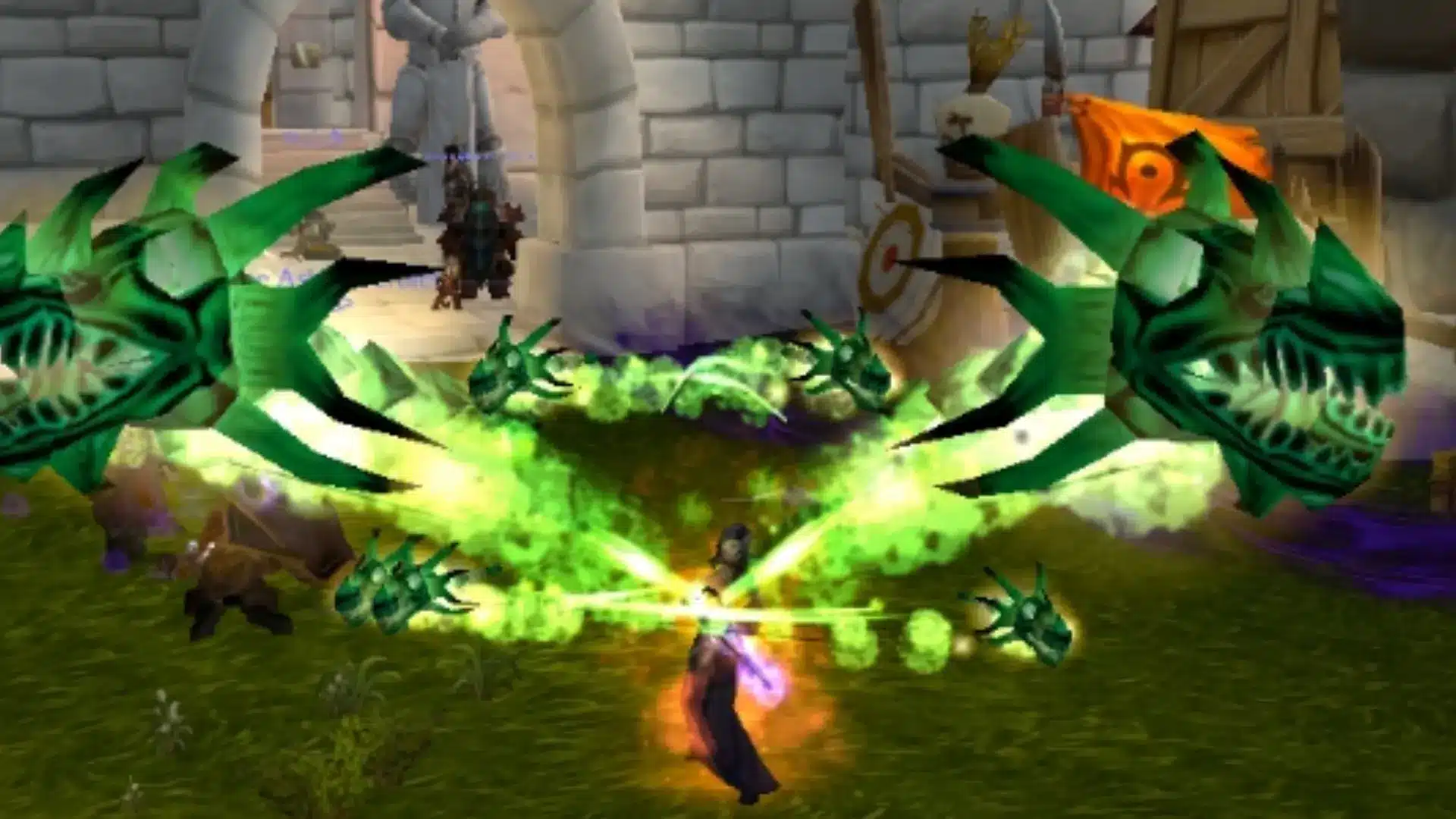
The Warlock talent build in this WoW Classic warlock leveling guide isn’t one fixed choice made at character creation. It’s a sequence of unlocks, and each one changes how the class feels to play.
I’ve felt this while leveling, where a few early talents suddenly shift things from slow and awkward to much smoother and more controlled.
1. Levels 1 to 20: Establishing the Foundation
The first talent point goes into Improved Corruption. Removing the cast time changes how early leveling feels.
Corruption stops being something you plant in place and becomes something you can toss while moving, while mobs are closing in, or even in messy pulls.
From this point all the way to 60, it ends up doing more work than it initially seems like it should.
Improved Drain Soul Value
Next comes Improved Drain Soul. The mana return on kills doesn’t feel like much at first, but it starts to matter the longer you play.
Early leveling is about mana management. Every bit of mana restored after a kill cuts down time spent drinking or waiting, which keeps the pace steady without obvious spikes or pauses.
Life Tap fills the gaps between kills, trading health for mana whenever Drain Soul hasn’t returned enough on its own, which matters most before Siphon Life is online and health is easier to spare than time.
Avoiding Early Demonology Detours
There’s a common pull toward Demonology early on, especially when the Voidwalker starts feeling fragile and dies at awkward times.
That frustration makes the tanky pet talents look appealing. But going down that path slows the overall flow. It delays access to Siphon Life, which is the real shift in how the spec starts to function.
2. Levels 21 to 40: The Loop Completes
Siphon Life is where things finally click. Once it’s in the build, every DoT tick starts feeding health back while the fight is still going.
Pair that with Drain Life, and now there are two steady recovery sources running at the same time during combat.
Pulling Multiple Mobs
At this point, the way you pull starts to change. Pulling two mobs at a time becomes intentional, not sloppy overpulling.
The Voidwalker still needs a second to build a solid threat, but once everything is set clean, a controlled two-pull often leaves you in better shape than those messy single pulls did back in the mid-20s.
Gear also starts to feel a bit different here. Spirit actually matters. With Improved Drain Soul feeding mana back on kills, Spirit speeds up the recovery between fights.
Sitting down doesn’t happen often, but when it does, that extra regen noticeably reduces downtime.
3. Levels 41–60: Closing Out the Build
Nightfall rounds out this phase. It gives Corruption and Drain Life ticks a chance to trigger an instant, free Shadow Bolt.
It doesn’t happen constantly, but when it does, it fits right into the rotation with no pause or setup, just an extra hit while everything else is already running.
From the late 40s into the 50s, the remaining Affliction points mostly fill gaps. At that stage, the build is already doing its job. There aren’t many wrong directions left because the core loop is locked in and stable.
Hardcore Play Adjustments
For Hardcore play, the focus shifts. Survival takes priority over speed. Demonology survivability talents, especially Voidwalker durability,
start to matter more than pure efficiency. Losing a character means losing hours of progress, so sacrificing some kill speed for safety becomes the smarter choice.
Rotation and Pet Usage: What to Do, Pull by Pull
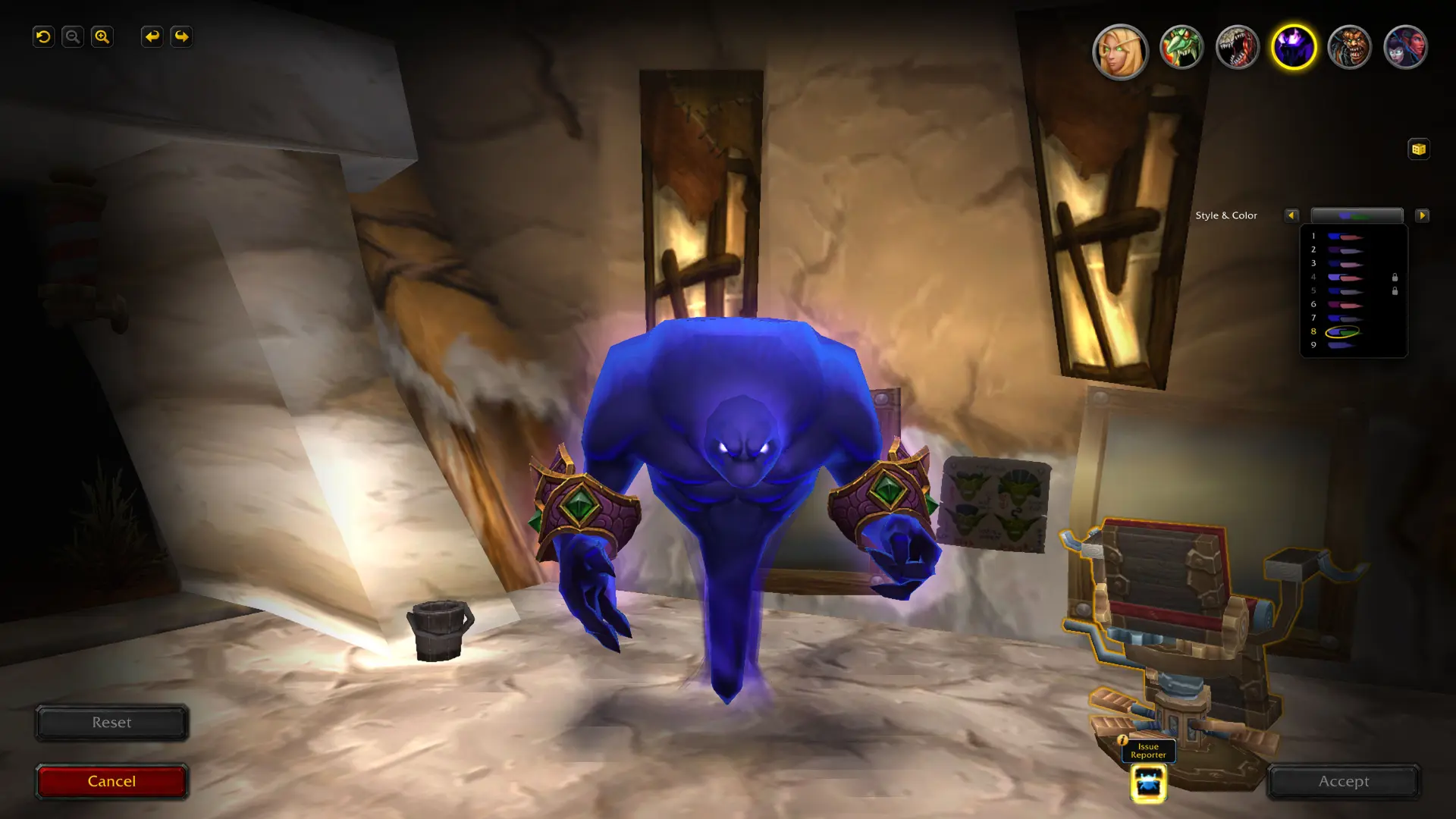
Warlock leveling isn’t rotation-first. It’s sequencing and positioning. The spells matter less than the order you apply them and whether your Voidwalker is doing its job when you do.
The Standard Pull Sequence
The Standard Pull Sequence is pretty simple in practice. You stack your DoTs first, then let the Voidwalker take and hold the aggro while everything ticks down.
Core Rotation Flow
- Voidwalker engages (Torment)
- Corruption
- Immolate
- Curse of Agony
- Drain Life (below 70% HP)
- Drain Soul (execute + mana return)
One tool sits outside that numbered sequence: Life Tap.
Use it between pulls whenever mana drops low enough to threaten the next Corruption cast, trading a chunk of health for mana so the DoT chain never stalls.
Each step exists for a reason. Corruption goes first because it’s immediate and starts ticking right away.
Immolate follows because it hits harder with a DoT already running. Curse of Agony layers on top. Drain Life runs while they all tick down.
The sequence isn’t rigid. But the logic behind it is.
Voidwalker Threat Control Mistake
Most players get this wrong: they put the Voidwalker on passive or forget it’s there. The Voidwalker needs active Torment commands on cooldown throughout the pull.
If it loses threat mid-rotation, the mob comes to you, Drain Life gets interrupted, and the whole loop collapses.
It’s not a pet you set and forget. Treat it as half of your rotation, always active, never left to run on its own.
Managing Demon Summons and Soul Shards
Soul Shards are what let you summon demons and use a few core Warlock tools. They drop from kills, but there’s a practical problem that shows up quickly while leveling: they take up bag space, and early bags are always tight.
- Shard Carry Limit: Keep around four to six shards on you. Anything above that starts eating into space for gear and vendor trash, which quietly turns into lost gold over time. It becomes noticeable later when bags fill up, and you’re forced to delete or skip drops.
- Shard Farming Timing: Don’t wait until you’re completely out or in trouble to farm shards. That’s when it turns stressful and inefficient. Instead, top up when you notice you’re low, like between quest routes or after a short grind. That keeps the flow steady instead of reactive.
- Shard Bag Upgrade: A shard bag is very helpful once you can afford one. It doesn’t feel important at first, but the difference is immediately apparent: your normal bags stop clogging as quickly.
- Emergency Voidwalker Rule: If your Voidwalker dies mid-pull, don’t rush to resummon it. If the fight is still manageable without it, finish the kill first. Summoning mid-combat burns a shard and eats cast time at the worst moment. That single mistake can turn a clean pull into a messy recovery more often than it should.
Soul Shards quietly shape your leveling flow, especially with the Voidwalker handling most pulls. When managed well, they reduce interruptions and keep your rhythm steady.
When to Switch to Succubus?

Voidwalker is right for most of 1–60, but there’s a real window where Succubus starts to make sense.
In the mid-40s, once you’re pulling normal mobs and staying above ~80% health most of the time, survivability stops being the main limiter.
At that point, the Succubus’s extra Shadow damage speeds up kills enough that it compounds across a full session.
It’s not a required switch. If you’re still dealing with messy pulls, elites, or unpredictable damage, stick with Voidwalker. Succubus only feels good when your pulls are clean. If they aren’t, it punishes you fast.
Race, Professions, and Gear Priorities
Three decisions sit outside the core build but quietly shape how smooth the journey feels, and no WoW Classic warlock guide is complete without covering them.
None of them are complicated, but getting them wrong early creates friction that’s annoying to fix later.
1. Race
For Horde, Orc is the strongest choice. Blood Fury gives a meaningful spellpower burst on a short cooldown, and Hardiness, the stun resistance passive, has real value in both PvP and against mobs that stun. It’s not close.
For Alliance, Gnome is the pick. Escape Artist gets you out of roots and snares that would otherwise end a pull badly.
The bonus Intellect also adds a small but real mana pool increase that compounds across a long leveling session. Neither race breaks the class.
Both picks come down to concrete mechanical reasons rather than community preference, though neither race breaks the class if you’d rather play something else.
2. Professions
Two pairings make sense depending on what you want from the journey.
- Tailoring and Enchanting: it is the self-sufficiency route for crafting gear, disenchanting drops, and saving gold. The WoW Classic Hunter leveling guide shows how another class handles the same decision.
- Herbalism and Alchemy: the gold route. Potions and elixirs sell consistently, and the raw herbs move fast too. If your primary concern is hitting 40 and 60 with enough gold for your mounts, this pairing funds the journey better.
Both are legitimate. The choice depends on whether you’d rather be geared or liquid.
3. Gear Priorities
Through level 40, Stamina and Intellect are your targets. Stamina keeps you alive through the pulls where the Voidwalker loses threat.
Intellect extends your mana pool, so the sustain loop has more room to work before you’re in trouble. Your wand matters more than it looks.
Once DoTs are ticking, wanding the last chunk of a mob’s health instead of casting Shadow Bolt saves mana on every single pull, and that adds up over thousands of kills.
Check the auction house every few levels for a faster one.
After level 40, Spirit earns more weight. With Improved Drain Soul converting kills into mana returns, Spirit accelerates recovery between the rare pulls where you do sit. It doesn’t replace Stamina or Intellect; it layers on top.
One thing worth clarifying early: spell hit is not a labeled stat on gear in Vanilla Classic. It comes from talents, not itemization.
Don’t waste time chasing it on gear. The hit you need for leveling comes from your Affliction build naturally.
Conclusion
A WoW Classic warlock leveling guide is most useful when it helps you understand the rhythm of each pull, not just the talent order.
Warlock becomes strong when your Voidwalker controls threat, your Affliction DoTs keep ticking, and Drain Life or Siphon Life keeps your health stable.
I would focus less on rushing and more on keeping every pull clean, steady, and low on downtime. Once that loop feels natural, the class becomes one of the smoothest solo levelers in Classic.
Try the pull sequence during your next session, then adjust your pace as your sustain improves.
Which level range felt hardest for your Warlock? Tell us, share with us in comments below.
Frequently Asked Questions
What is the best leveling spec for Warlock in WoW Classic?
Affliction is the best solo leveling spec from 1–60. It powers a self-sustaining combat loop: DoTs tick while the Voidwalker holds threat, Drain Life and Siphon Life return health during the fight, and Improved Drain Soul returns mana on kill. You finish most pulls near full resources without sitting.
When does Warlock leveling get good in Classic WoW?
The spec starts to feel efficient around level 20 and clicks properly at level 30, when Siphon Life comes online. Before that, the sustain loop is only partially built, and downtime is higher than most players expect. Levels 20–29 are the slowest stretch. It improves sharply from there with each Affliction unlock.
Should I use Voidwalker or Succubus for leveling?
Voidwalker for most of 1–60. It holds a threat while your DoTs work, which is what makes the rotation function. Succubus becomes worth considering in the mid-40s once your gear is strong enough to consistently finish pulls with more than 80% health remaining. At that point, the Shadow damage bonus accelerates kills without a meaningful survivability cost.
Do I need a leveling addon to level a Warlock efficiently?
Questie is useful, it marks quest objectives on the map and removes a lot of friction. But it isn’t what makes Warlock leveling fast. The speed comes from the drain-tank rotation and the talent pathing. A player with the right build and no add-ons will outpace a player with every add-on and the wrong spec.