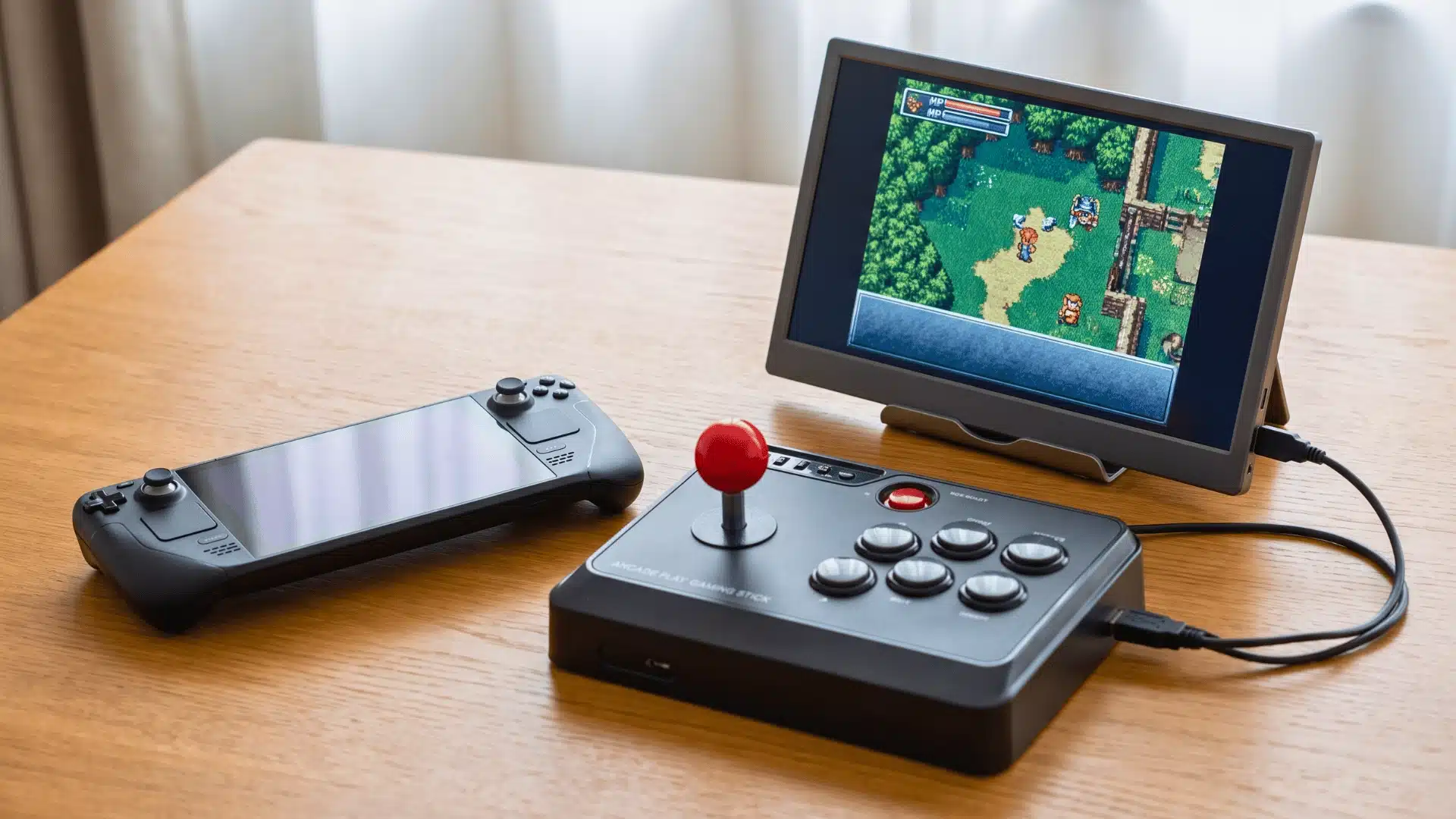
Portable gaming keeps changing shape. Handheld consoles, plug-and-play sticks, and phones tucked into controller grips all fall under the same idea now: play wherever you are, without hauling a full setup along.
The Tportstick gaming trends from Theportablegamer point to something specific behind that shift.
Easy access is starting to matter as much as raw horsepower, and that is rewriting what people expect from a gaming device before they even open the box.
Here’s where that shift is actually showing up, and where it’s mostly a marketing label.
What are the Real Portable Gaming Trends Today?
Portable gaming trends are built around five major changes working together. These changes affect where people play, how they access games, and what devices they choose.
Here are the shifts that are making the biggest difference:
- Hybrid hardware: These devices bring console-style gaming into a smaller form that fits easily into everyday use.
- Plug-and-play convenience: You connect the device to a screen and start playing without long setup steps or extra equipment.
- Cross-platform play: Players can join the same games with friends across different devices.
- Cloud streaming: Lower-cost devices can run larger games by using remote systems rather than relying solely on built-in hardware.
- Mobile esports: Phone and handheld gaming now support competitive events with dedicated players and audiences.
The biggest difference today is the range of choices available.
Some players spend more on powerful handhelds, while others choose simple gaming sticks that focus on quick access. That price gap has narrowed more than most players realize.
I’ve watched entry-level sticks close a lot of the ground on premium handhelds over the past year, mostly because they stopped trying to compete on power and started competing on ease.
One thing worth remembering is that a device being called “trending” does not always mean it represents a real shift. Some claims are simply part of product marketing.
How Hybrid Handhelds and Plug-and-Play Sticks are Changing Portable Play
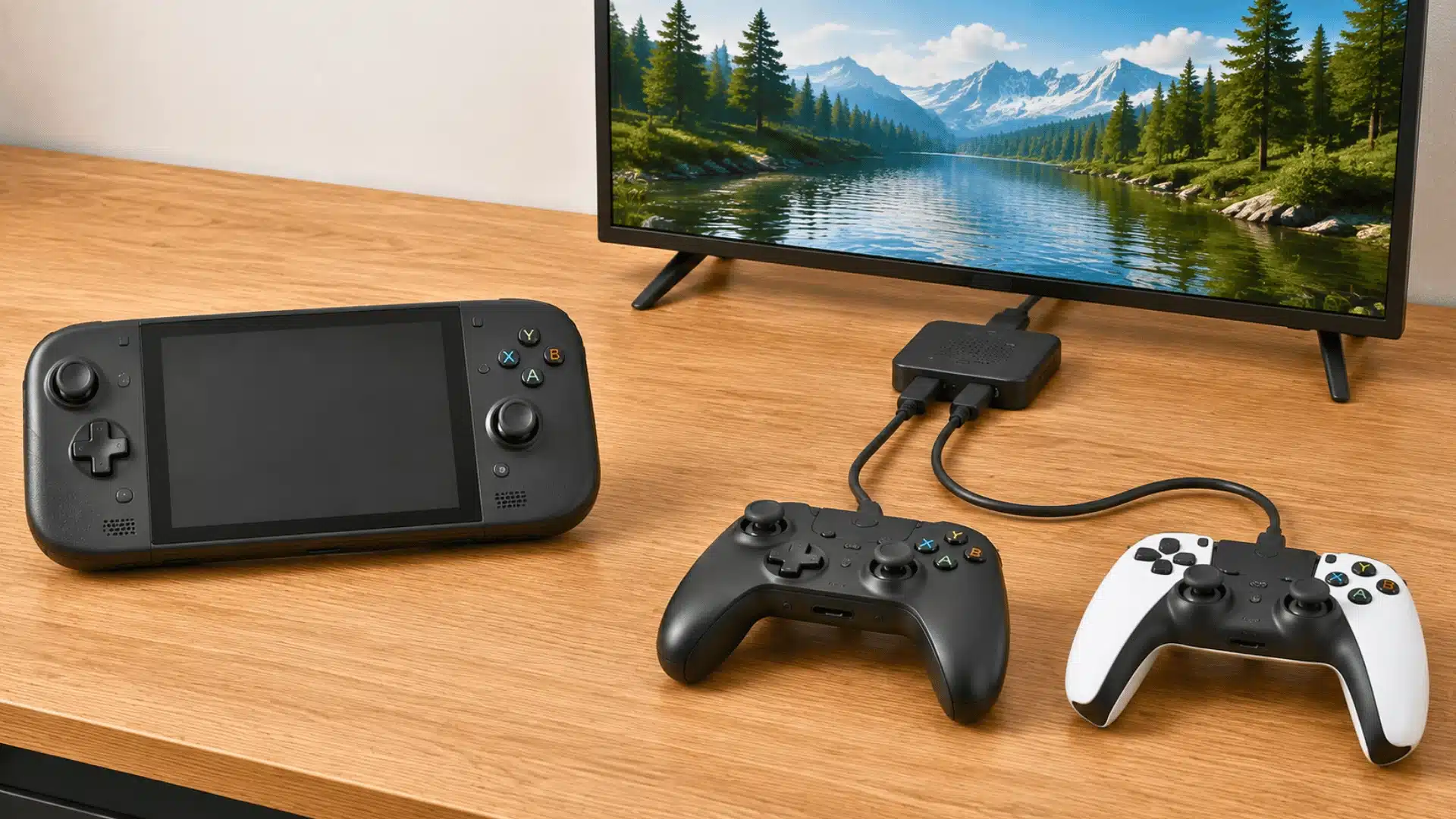
Both hybrid handhelds and plug-and-play sticks solve the same core problem in different ways: they let people play without staying tied to a fixed setup.
A hybrid console relies on more powerful internal hardware to deliver better visuals and performance, while a plug-and-play stick strips out setup steps entirely and gets a player into a game within seconds of plugging in.
Neither approach is objectively better; they’re built for different moments in a player’s day.
1. Plug-and-Play Sticks are Becoming Part of the Hybrid Handheld Trend
A premium hybrid console and a basic plug-and-play stick both aim to make gaming easier to access. The main difference is how they achieve that goal.
A hybrid console uses more robust internal components to run larger games with better visuals and smoother performance.
Sony’s PlayStation Portal is a good real-world example of this trade-off: it relies entirely on remote streaming rather than local processing power, which is a different bet than the one a Steam Deck or ROG Ally makes.
A plug-and-play stick takes a simpler route. It removes extra steps and focuses on getting you into a game quickly.
Think of it like choosing between a full restaurant meal and a quick snack. Both solve hunger, but they work for different situations.
2. Portable Gaming is Moving Beyond Yearly Hardware Upgrades
Portable gaming is moving away from yearly hardware upgrades because devices now hold their value through longer usable lifespans instead of raw power gains.
For years, console gaming followed a simple cycle: new hardware arrived, and players felt pressure to upgrade regularly.
Portable gaming is breaking that pattern. Many devices now focus on lasting longer rather than requiring constant power increases.
A plug-and-play stick from last year can still work well today because its purpose does not depend on keeping up with the latest hardware.
3. Retro Gaming is Shaping Modern Portable Devices
The appeal of plug-and-play sticks is not only about new technology. A large part comes from older games people already have a connection with.
Many devices include collections of classic titles from earlier systems. That gives players instant access to games they may already know and enjoy.
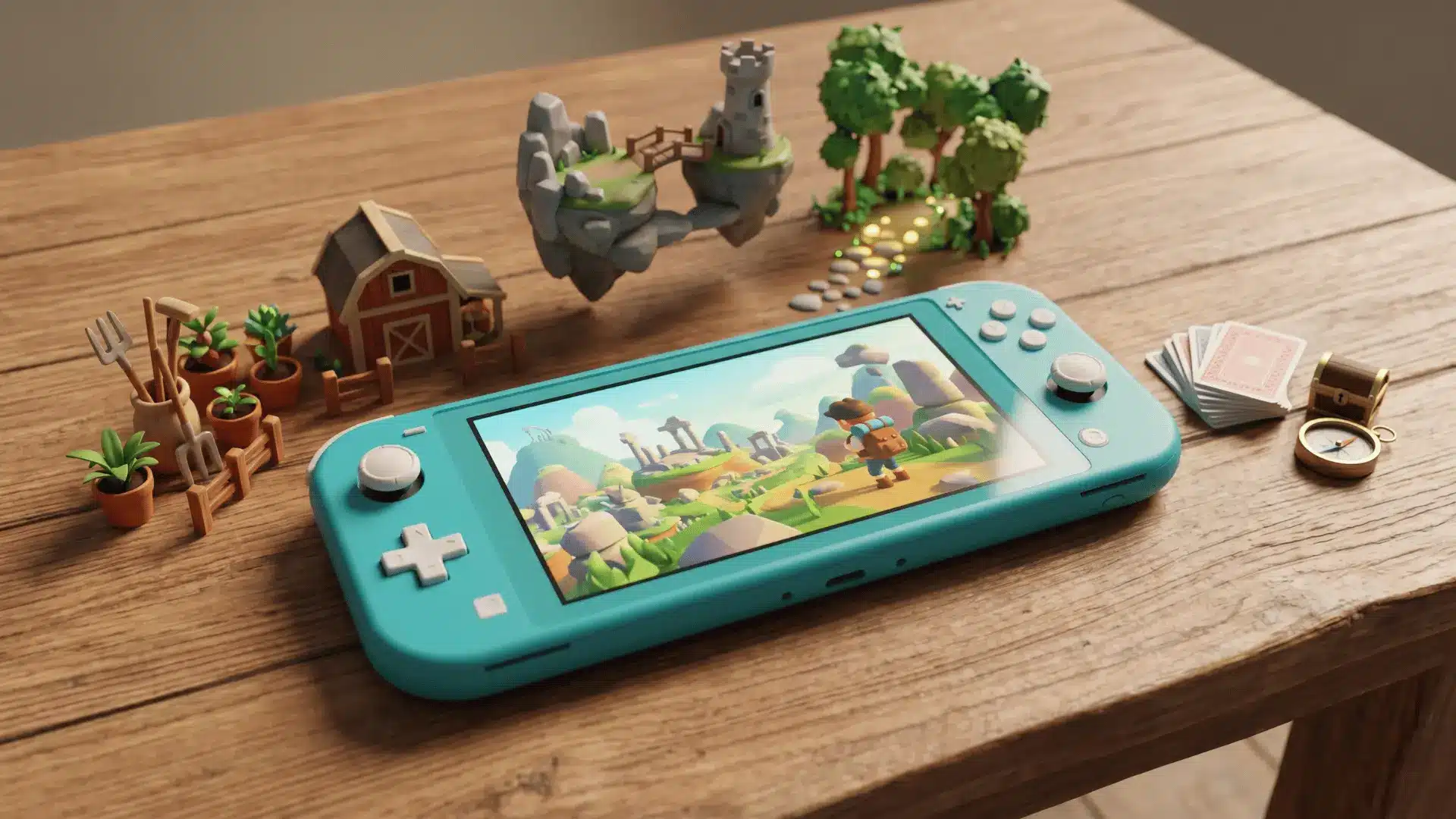
The same pull is part of why the Switch Lite’s handheld game library continues to attract new buyers years after launch.
When someone buys a gaming stick, they are often buying easy access to familiar experiences, not just another piece of hardware.
4. Games are Adapting to Shorter Portable Play Sessions
Games are being designed for shorter sessions because portable play usually occurs during brief breaks, not during long stretches of uninterrupted time.
Players often use these devices while traveling, waiting, or briefly relaxing, so more games are built around quick moments of play rather than requiring hours at a time.
You can finish a small challenge, enjoy a quick match, and return later without losing the experience.
This makes portable devices more useful for everyday routines instead of occasional use. Here’s how convenience-focused and performance-focused devices actually stack up against each other:
Key Differences Between Portable Gaming Convenience and Portable Gaming Performance
| Feature | Convenience-Focused Devices (Plug-and-Play Sticks) | Performance-Focused Devices (Premium Hybrids) |
|---|---|---|
| Setup | Ready quickly with fewer steps | Requires more preparation before playing |
| Cost | Usually more affordable | Usually more expensive |
| Game Library | Often includes many classic games | Usually supports newer releases |
| Power | Built for lighter gaming needs | Designed for demanding games |
| Best For | Quick and simple gaming sessions | Longer and deeper gaming sessions |
The better choice depends on how you normally play. Someone looking for quick entertainment may prefer simplicity, while another player may want stronger performance and more advanced options.
Why Cloud Streaming, Cross-Platform Play, and Mobile Esports Are Coming Together
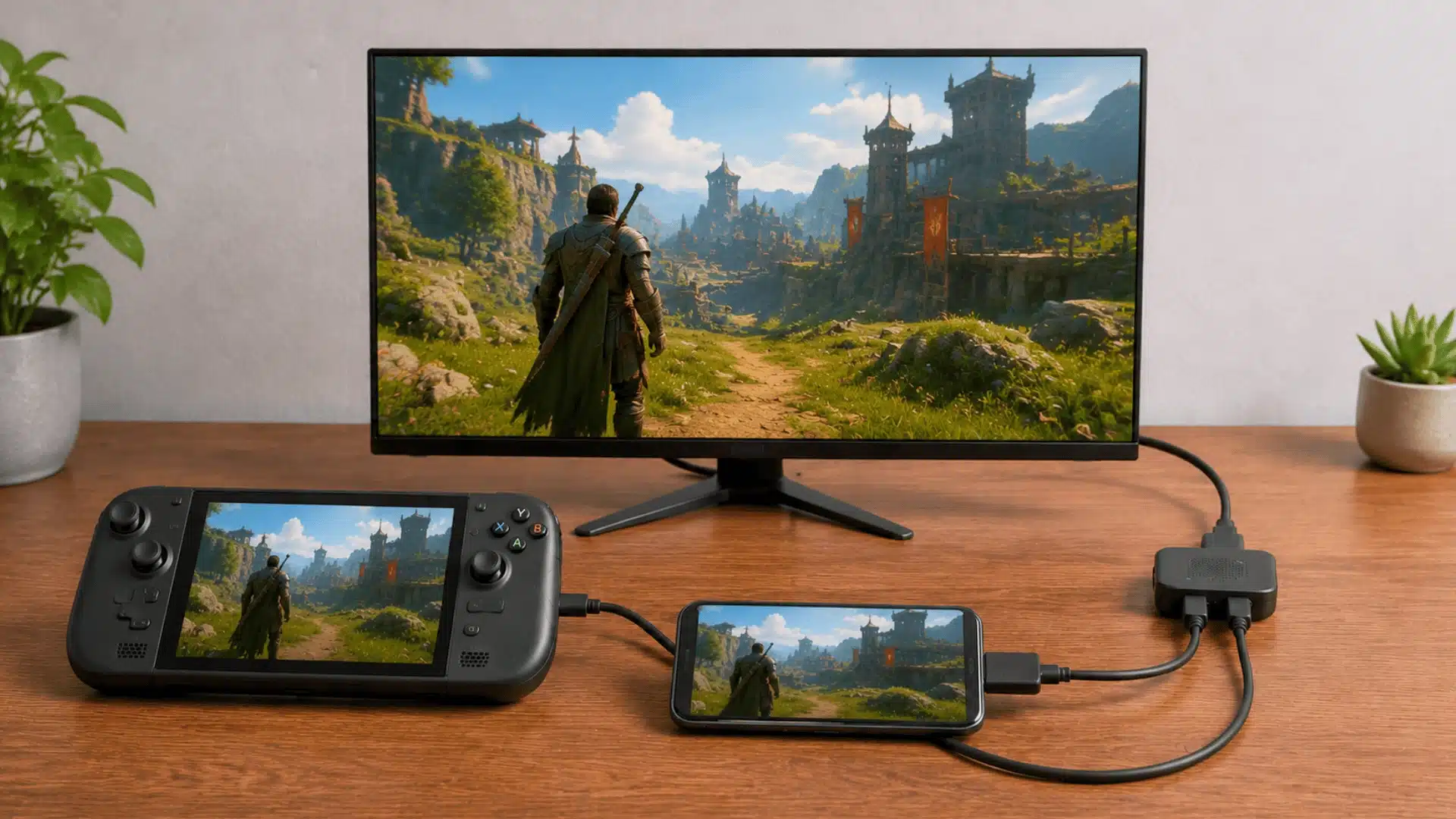
Cloud streaming, cross-platform play, and mobile esports may seem like separate changes, but they are connected by one simple idea.
Players want fewer limits when choosing where and how they play.
Better internet, shared accounts, and wider game access are helping these features work together in ways that were difficult before.
1. Connecting Players Across Different Devices Through Cross-Platform Play
Cross-platform play lets friends join the same game even when they use different devices. One person can play on a phone, while another uses a handheld system.
Your progress can also move with you. When you sign in to your account on another device, saved games, characters, and achievements can appear without starting again.
This has changed how players think about game ownership. The device matters less when your progress stays connected.
2. Creating Connected Gaming Experiences Through Shared Ecosystems
This shift has changed how players think about ownership, making the overall gaming experience less tied to a single platform.
- Hardware Focus: Buying a console often meant building your entire gaming setup around that one system.
- Account Importance: Your saved games, friends, and purchased content stay connected to your account. The device becomes the way you access those things.
- Device Connection: They offer multiple ways to access the same digital library.
- Easy Switching: You can move to something new without losing everything you built over time.
3. The Real Reason Cloud Streaming Works on Budget Handhelds
A budget handheld usually cannot run large, demanding games on its own because its internal hardware is not built for that level of performance.
Cloud streaming changes where the heavy work happens.
A more powerful computer runs the game remotely and sends the result to your screen, while your handheld primarily receives the video feed and controls the action.
This allows smaller devices to handle games they could not run directly. The progress took time, as remote systems and networks needed to improve before streaming could work smoothly.
Not every game feels the same through streaming. Fast reaction games need a stronger connection than slower-paced titles.
4. Improving Portable Gaming Through Faster Internet and Lower Latency
Cloud streaming needs more than powerful remote computers. It also depends on a stable connection between the game and your screen.
Faster internet helps reduce interruptions, while lower latency reduces the delay between pressing a button and seeing the result.
A small delay may not matter much in a slower game. In a competitive action game, that same delay can completely change the experience.
5. Expanding Game Access Through Subscription-Based Services
Buying games one at a time was once the standard approach. Now, many players use monthly services to access larger libraries.
A subscription gives players more freedom to try different games without paying separately for each one.
This changes how people choose games. Trying something unfamiliar feels easier when there is no extra cost involved.
Budget devices benefit the most from this shift.
Market research projects the mobile and handheld segment to nearly triple by 2033, attributing much of that growth to exactly this pairing: cheaper hardware plus a bigger library through one subscription.
6. Growing Portable Gaming Through Mobile Esports and Short Videos
Mobile esports has grown beyond casual phone gaming. Players now compete in organized tournaments, build audiences, and take part in events with real rewards.
This growth has helped mobile games gain more attention alongside traditional console and PC competitions.
The same momentum is showing up across competitive gaming more broadly, including in how fast the competitive esports scene is expanding.
Short videos have played a major role in this change. A few seconds of an impressive play can reach thousands or even millions of viewers quickly.
Such clips make it easier for people to find new games, learn about devices, and see what others are playing.
What Portable Gaming Trends Are Not (Common Misreadings)
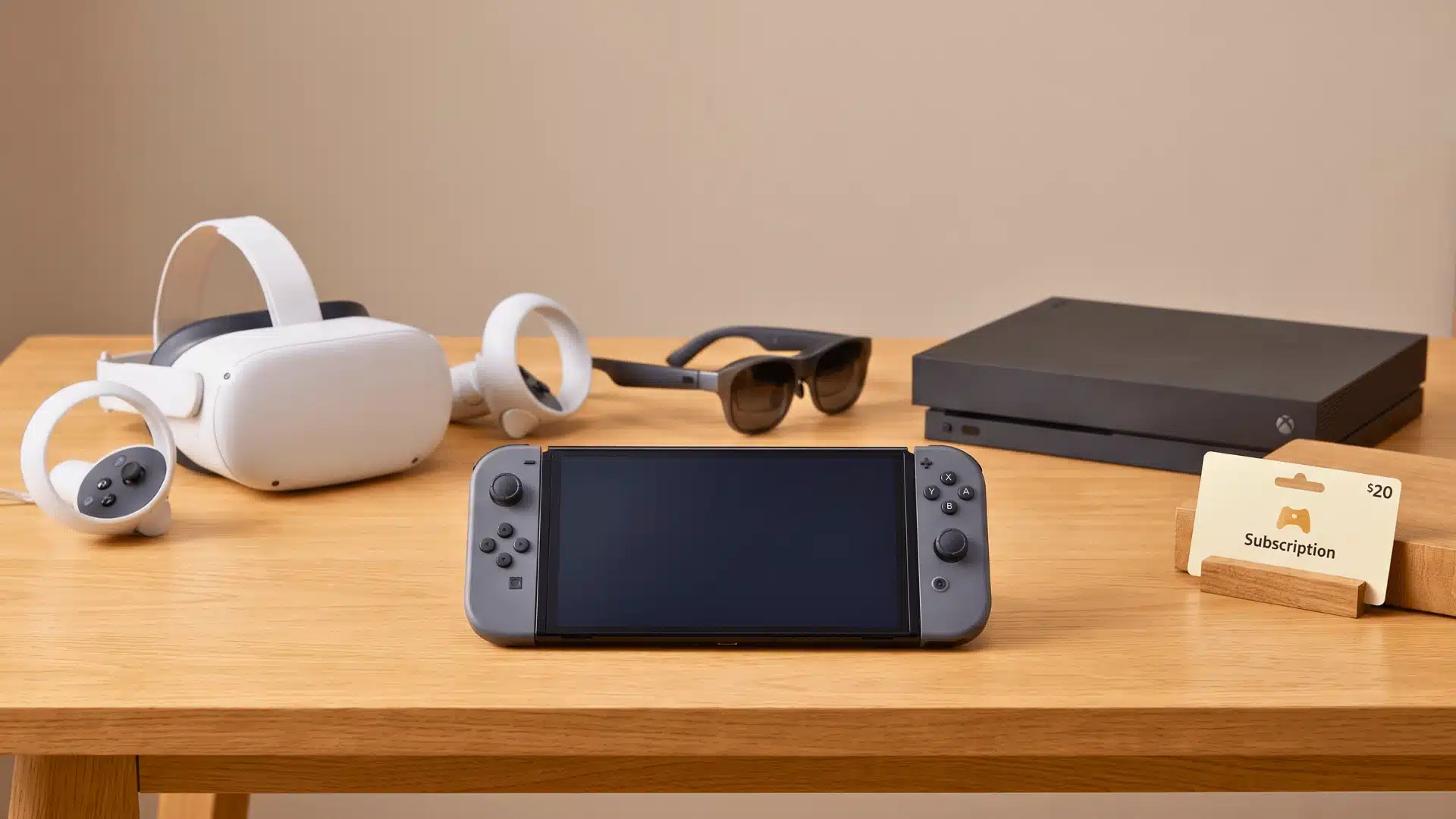
Not every product using popular gaming terms represents a major change. Some labels are simply used to attract attention.
Understanding the difference is what matters:
- A trending label does not always mean a real trend: A product can use popular words without changing the way people experience gaming.
- VR and AR belong to a different category: Headsets and smart glasses are changing gaming, but they offer a different type of experience.
- Console news is not always portable gaming news: Major console updates may matter, but they do not always reflect changes on handhelds.
- Built-in games are only a product feature: A large game collection describes one device, not a wider shift in gaming.
- Included subscriptions are an offer: A bundled service does not automatically mean subscription gaming is growing everywhere.
I get pitched a lot of devices as “the next big trend,” and most of them are one spec bump wearing a trend’s clothing.
A real change affects how people play, access games, or connect with others. A product feature only describes what one device provides.
Why These Trends Matter for Choosing Your Next Device?
Here’s a quick way to weigh what actually matters before you buy:
| Signal | Why It Matters |
|---|---|
| Cross-play support | Keeps your friends connected, even when everyone uses different devices. |
| Cloud-streaming compatibility | Helps lower-cost devices access more demanding games without requiring stronger internal hardware. |
| Subscription or ecosystem access | Keeps your saves and game library connected to your account, not to a single device. |
| Session-length design | Fits everyday play without requiring long periods of free time. |
These signs tell you more about a device’s usefulness than packaging claims or short-term marketing messages.
Portable gaming will continue to evolve as players seek easier ways to access games. Features that seem advanced today may become normal expectations later.
One area worth watching is controller sensor technology, such as TMR (tunneling magnetoresistance) sensors.
TMR sensors detect stick position through a magnetic field instead of physical contact, which is why they tend to hold up better over time than the contact-based sticks that eventually wear down and drift.
It is not essential for every portable device yet, but it could become more common as hardware makers keep refining controller designs.
Conclusion
Portable gaming is settling into devices built around real routines instead of bigger spec sheets.
The tportstick gaming trends from theportablegamer point the same direction: easier access, more flexible choices, and features that hold up over time rather than fading with the next hardware cycle.
A device’s value comes from how it fits your actual play, not how it reads on a box.
Weigh your habits, your favorite games, and how much setup you’re willing to deal with, then match a device to that instead of the loudest spec sheet.
Bookmark this page and check back as new hardware and streaming options continue to roll out.
Frequently Asked Questions
Are Portable Gaming Devices Worth Buying?
Portable gaming devices are worth buying if you value flexibility, short play sessions, and access to games without a full setup. Hybrid handhelds suit players who want console-level visuals on the go, while plug-and-play sticks suit players who want a quick, low-cost way into a game library, especially one built around classic titles.
Will Portable Gaming Replace Traditional Consoles?
Portable gaming will not fully replace traditional consoles, but it has become a serious alternative rather than a secondary option. Consoles still lead on raw power and big-screen multiplayer, while portable devices win on convenience, travel-friendly play, and cloud streaming that lets weaker hardware run demanding titles.
What Should Beginners Look for in a Portable Gaming Device?
Beginners should check comfort during long sessions, responsive controls, a game library that matches their interests, battery life that covers a commute or flight, and setup that takes minutes rather than hours. Cross-play and cloud-streaming support are also worth checking if friends use different platforms.
Are Cheaper Portable Gaming Devices Reliable?
Cheaper portable gaming devices can be reliable when they focus on simple, well-tested features instead of chasing high-end specs. Look for stable performance reviews, a game library that matches what the hardware can actually handle, and honest marketing about what the device is built to do before buying.