Ever wonder why some horror games stick with you long after you finish them? Silent Hill 2 does that better than almost anything I’ve played.
A big part of that comes down to the monsters. Once you learn what each creature actually represents, you can’t unsee it on your next playthrough.
I still remember my first encounter with a Lying Figure, expecting a basic zombie and getting something far more unsettling. That moment stuck with me.
In this piece, I’ll walk you through every major Silent Hill 2 monster, from the original game to the 2024 remake, and what each one is really telling you about the story underneath.
What are the Monsters in Silent Hill 2?
Every creature you meet in Silent Hill 2 comes from one place: James Sunderland’s own mind. These aren’t enemies placed in the game to test your combat skills.
They’re built from guilt, shame, and memories James has spent years trying to bury. That’s what makes them unsettling in a way most horror games never manage.
I’ve played through this game more than once, and what stands out each time is how deliberate the design feels.
A Lying Figure isn’t scary just because of how it looks. It’s scary because of what it’s quietly telling you about James.
Once you understand that connection, every encounter in this game starts to feel personal instead of random.
Every Monster in Silent Hill 2, Explained
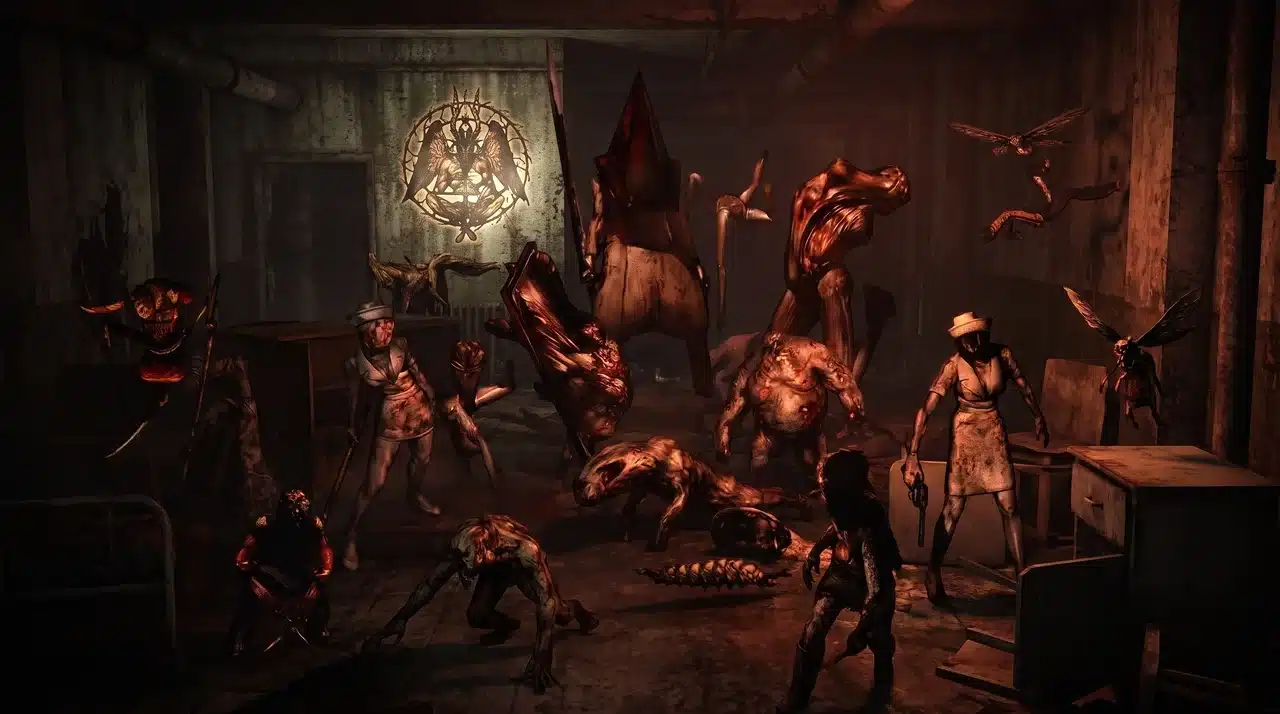
Here’s a rundown of the main Silent Hill 2 creatures you’ll run into, and what each one is actually pointing to beneath the surface. I’ll go through them one by one so you can see the pattern for yourself.
1. Lying Figure
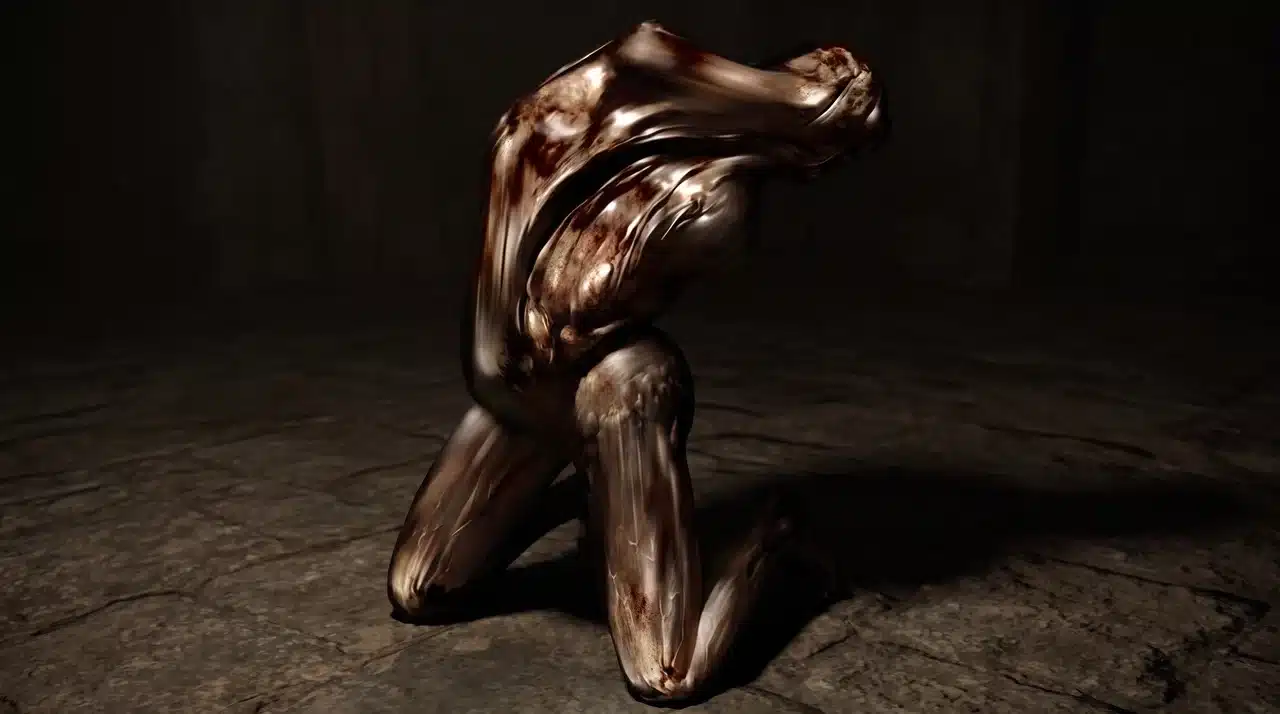
This is usually the first monster you’ll face, and it sets the tone for everything that follows. It moves in a slow, jerking way, almost like it’s trapped inside its own body.
That struggle isn’t an accident. It ties directly to Angela’s sense of being confined and suffocated by her own past.
I remember the first time I fought one, expecting a typical shambling zombie. What I got instead felt uncomfortably human, and that’s the point.
2. Bubble Head Nurse
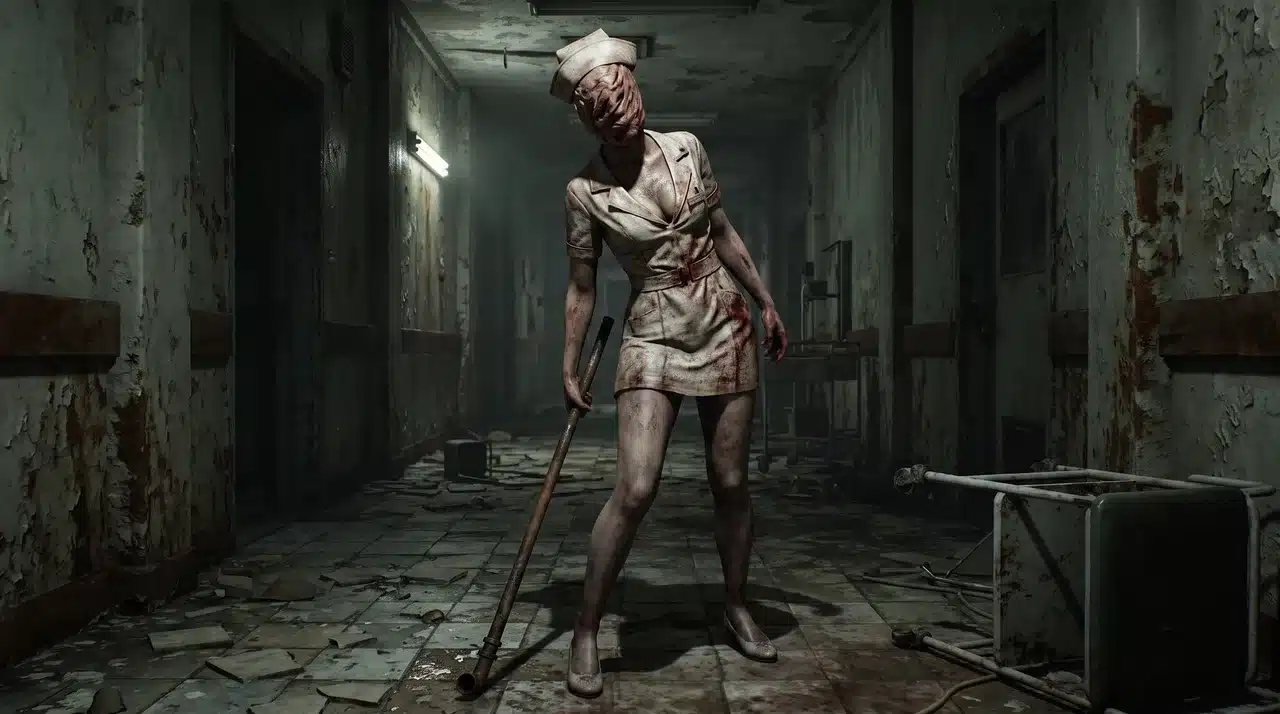
Nurses show up in some of the most memorable scenes in the game, and their design leans hard into discomfort rather than gore.
Their movements feel unnervingly precise for something so broken.
They connect to James’s repressed feelings around intimacy and sexuality, themes he’s spent the whole game avoiding. You start to notice this the more encounters you survive.
Their presence tells you something about James before he’s ready to admit it himself.
3. Mannequin
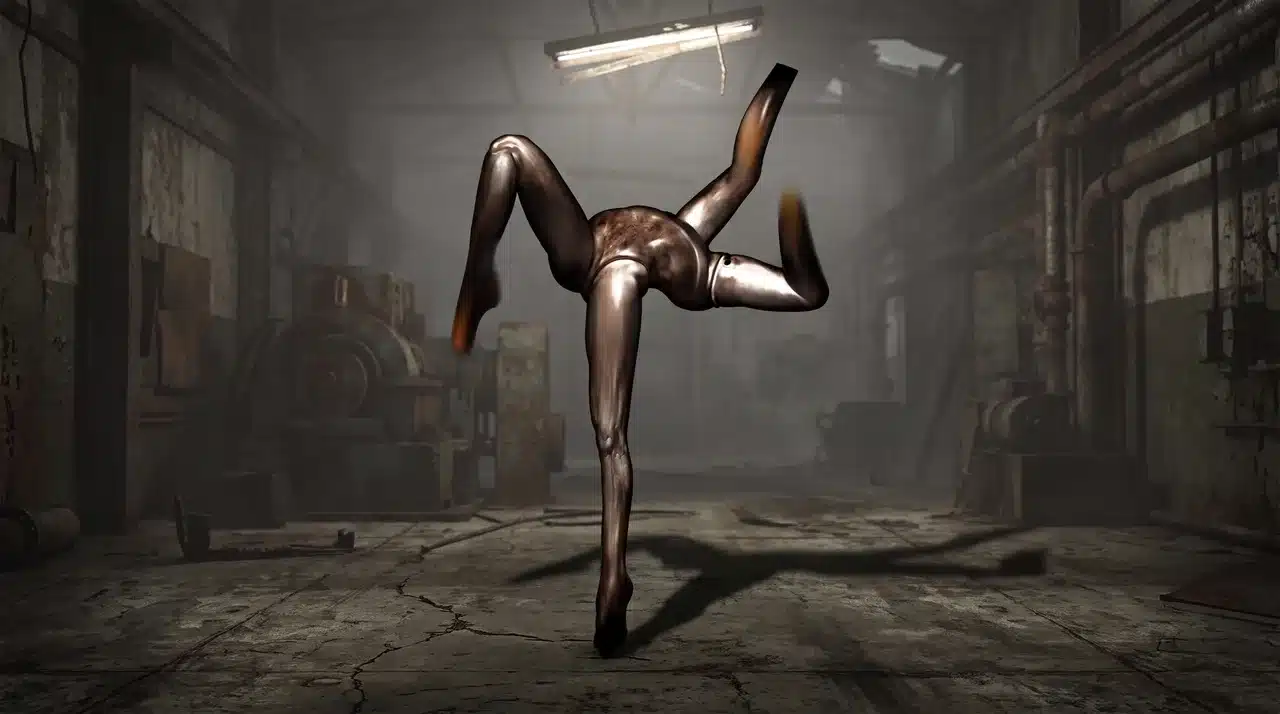
The Mannequin is one of the stranger designs in the game, built from a pair of distorted legs fused together.
It moves in a way that feels wrong on purpose.
This creature represents discomfort tied to closeness and vulnerability, something James has avoided facing directly. It’s a smaller monster in terms of screen time, but it leaves an impression.
4. Creeper
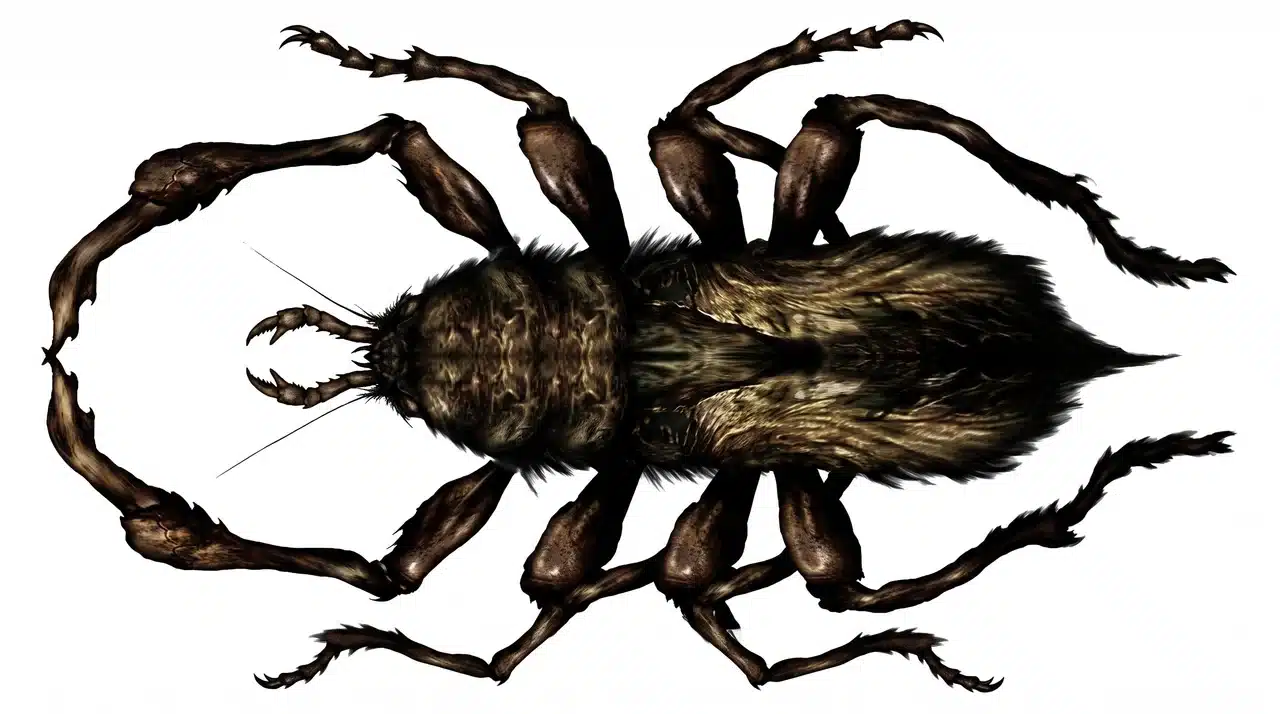
You’ll usually spot a Creeper before you see it clearly, since it tends to lurk beneath grated floors or ceilings. It’s insect-like, fast, and easy to miss until it’s already close.
Its role is smaller than that of other creatures, but it still fits the pattern. It represents the small, nagging fears that hide just out of sight until they strike.
5. Mandarin
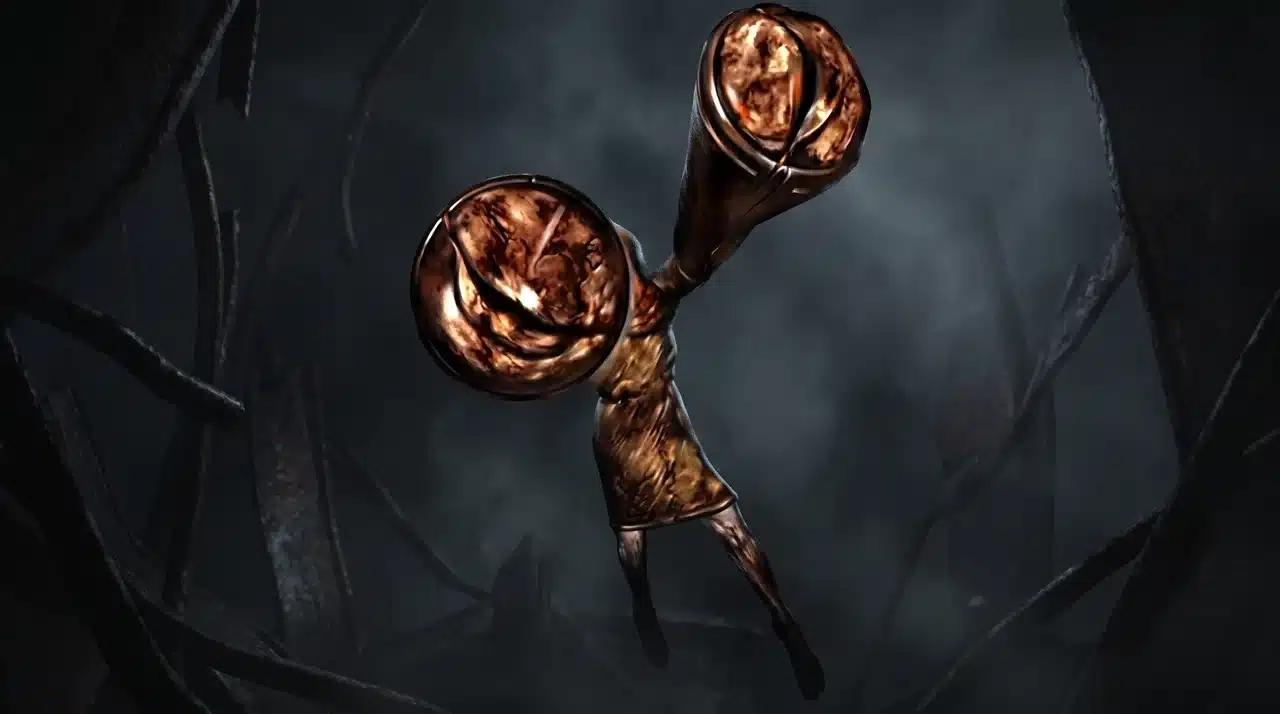
The Mandarin shares some traits with the Creeper, but it carries its own specific unease. It tends to appear in tighter, more claustrophobic spaces.
This creature reflects the sense of being watched or cornered, a feeling that runs through much of James’s journey, similar to the dread built into other standout horror games that lean on atmosphere over jump scares.
It’s not one of the more discussed monsters, but it adds to the atmosphere in a real way.
6. Abstract Daddy (The Doorman)
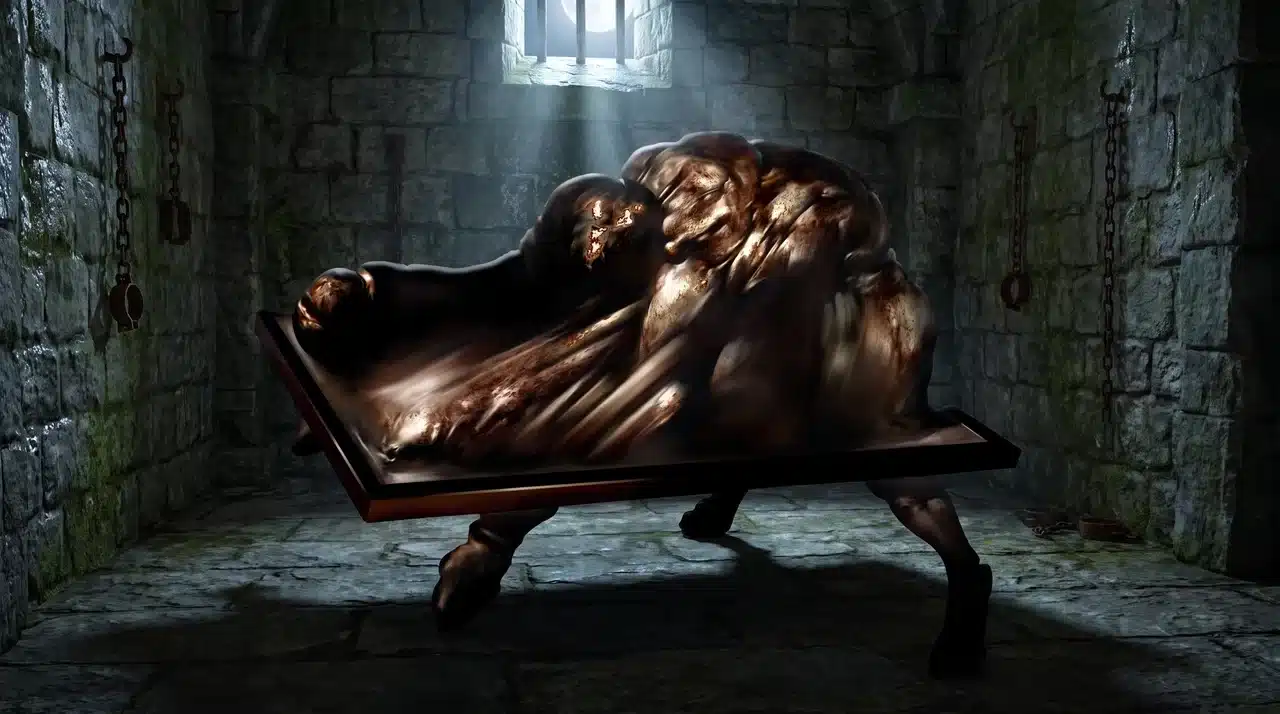
Also known as the Doorman, this creature is tied specifically to Angela rather than James. It represents her hatred toward her father, shaped by abuse she suffered at his hands.
Its design is deliberately disturbing, built to reflect trauma rather than simple fear.
Encountering it gives you insight into Angela’s story even without a single line of dialogue. I’ve always found this one especially effective, since it proves the game doesn’t need words to explain pain.
7. Flesh Lips
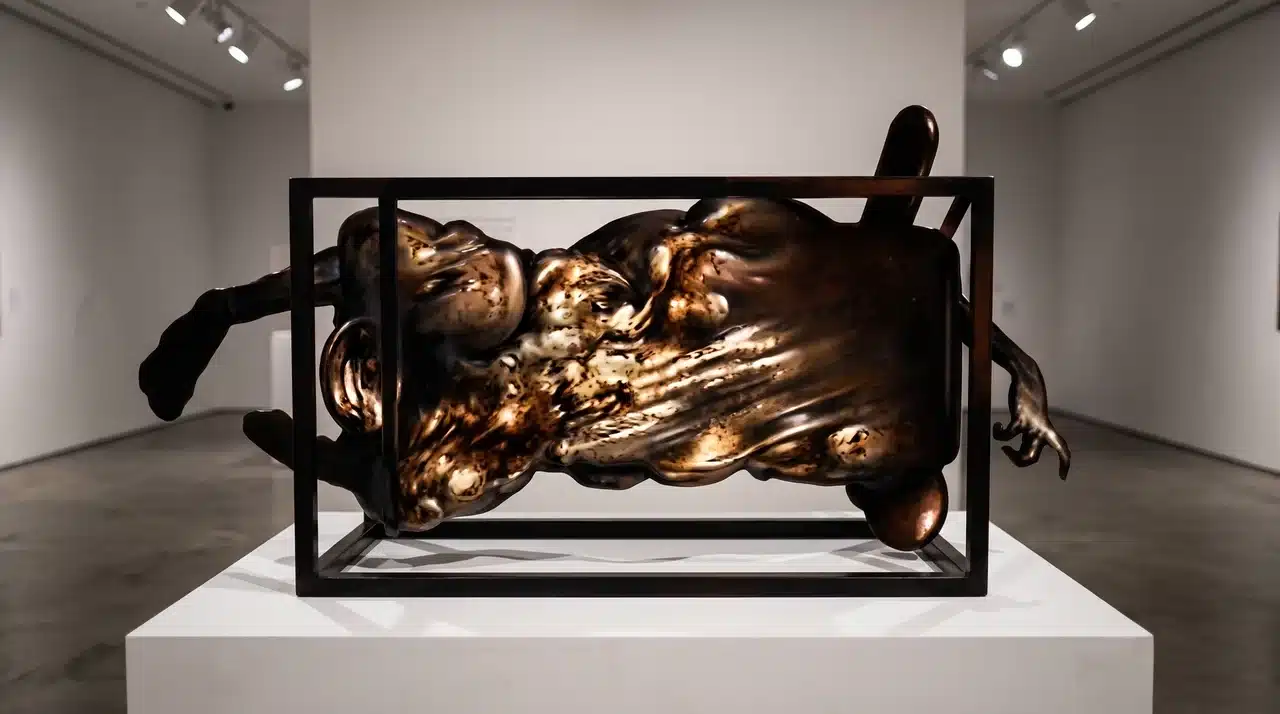
Flesh Lips is a larger, more aggressive creature that appears later in the game. Its design leans into raw physicality rather than subtlety.
It reflects a shift in tone as James gets closer to confronting the truth about what happened to Mary.
The fight itself feels more desperate, which fits where the story is heading.
8. Pyramid Head
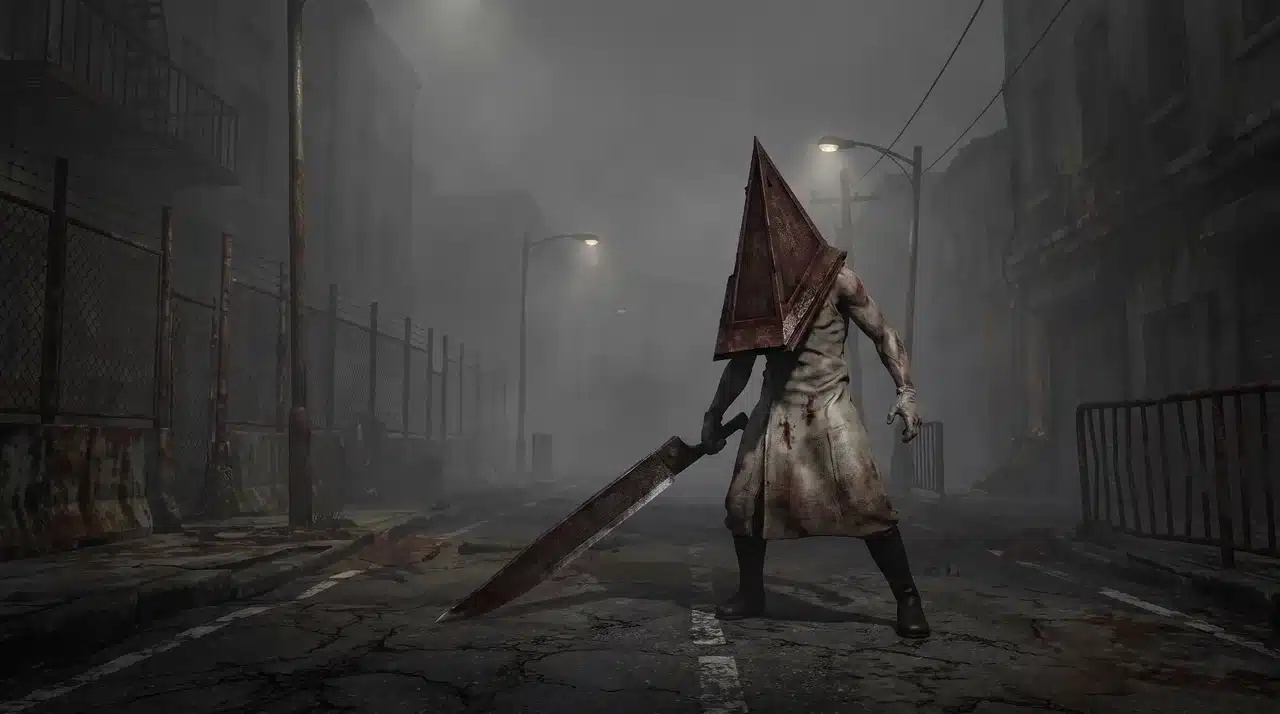
Pyramid Head is easily the most recognized figure in Silent Hill 2, and for good reason. He isn’t a monster in the traditional sense at all.
He’s a manifestation James unconsciously created to punish himself for what he did to Mary, and series art director Masahiro Ito has confirmed that this guilt-driven design was intentional from the start.
That’s why he doesn’t act like a typical enemy chasing you down for no reason.
His presence feels inevitable rather than random, almost like a consequence catching up to James. I think that’s what makes him stick with people long after they finish the game.
Once you see how each of these creatures connects back to guilt, memory, or repression, the whole game starts to feel less like a monster gallery and more like a confession.
Are the Silent Hill 2 Remake Monsters Different From the Original?
Mostly no. Bloober Team’s 2024 remake keeps nearly every monster faithful to its original design, with sharper detail rather than a reinvention.
The Lying Figure still moves like something trapped inside its own body, just with more visible corsetry and heeled feet thanks to the improved graphics.
The Bubble Head Nurses stayed close to the source too, though the remake added black stockings that weren’t part of the 2001 design.
Pyramid Head barely changed at all, keeping the same look and the same role in the story.
Part of that consistency comes down to Masahiro Ito, the original art director, returning to work on the remake himself.
Why These Monsters Aren’t Just Generic Horror Designs?

If you’ve read much about Silent Hill 2 monster symbolism, you’ve probably hit the same wall I did.
Most explanations stop at “this represents guilt” and leave it there. That never sat right with me, because the how matters just as much as the what.
Take the Lying Figure. Its restrained, jerking movement isn’t random horror flair.
It looks like something fighting its own body, which mirrors repression rather than aggression. Now compare that to Pyramid Head, who moves with total purpose and control.
Same theme, guilt, but the result looks completely different depending on whose guilt it’s carrying.
The Mannequin’s heeled-leg design makes this even clearer. Those legs force an unnatural, restricted stride, as if walking itself were meant to feel like punishment.
That’s because shame doesn’t move naturally. It hesitates, drags, and folds in on itself.
This pattern holds across nearly every creature here, which is what separates this game from typical horror titles chasing jump scares.
Why Silent Hill 2’s Monsters Still Matter?
People still ask whether Pyramid Head is a bad guy, and I get why. He doesn’t act like a typical villain chasing you for no reason.
He’s something James created without realizing it, a way of forcing himself to face what he did. That single idea changed how I think about horror antagonists in general.
Here’s what makes this approach still stand out, even years later:
- Pyramid Head as consequence, not villain: he exists to enforce guilt James can’t consciously face, not to serve as a random threat.
- Design tied to psychology, not shock value: every creature reflects something specific, giving the horror actual weight rather than cheap scares.
- Influence on later horror games: developers started treating enemies as extensions of a character’s inner state, an idea you can still trace in newer survival horror releases, rather than obstacles dropped in for difficulty.
- Rewatch and replay value: once you understand what each monster represents, revisiting the game reveals details you missed the first time.
What ties all of this together is intention. Nothing here feels accidental, and that’s rare even now.
That’s why this game still comes up in horror discussions long after its initial release. Few titles manage to make their monsters mean something this specific.
Conclusion
By now you’ve seen how each Silent Hill 2 monster ties back to guilt, trauma, or something James can’t face directly. From the Lying Figure to Pyramid Head, none of these designs are random.
That’s what pulled me in the first time I played this game, and it’s why the fear here feels personal instead of cheap.
If you’re revisiting Silent Hill 2 or playing it for the first time, pay close attention to how each creature moves. You’ll start noticing details you missed before.
Ready to see it for yourself? Load up the game and watch how differently these monsters feel once you know their story.
Frequently Asked Questions
Why Do Silent Hill 2 Monsters Have Heels?
The heeled legs on certain monsters, like the Mannequin, tie back to James’s repressed feelings about intimacy and control. The unnatural, restrained movement this creates mirrors the discomfort behind those feelings. It’s a deliberate choice, not something added for shock value.
Are the Monsters Different in the Silent Hill 2 Remake?
Not by much. The 2024 remake keeps nearly every monster true to its original design, adding sharper detail rather than new concepts. The Bubble Head Nurses and Lying Figures look closer to their 2001 counterparts than to their reinvented counterparts, and Pyramid Head is nearly unchanged in both look and role.
What are the Leg Monsters in Silent Hill 2?
The leg monsters, most notably the Mannequin, combine distorted human legs with unsettling movement. They represent repressed discomfort tied to intimacy and vulnerability. Their unnatural shape is meant to feel wrong on purpose, echoing the same theme running through the game’s other creatures.