Stellaris is the kind of strategy game that can make one decision feel brilliant and the next feel completely wrong. That is part of what makes it so absorbing, but also what makes it hard to recommend to everyone.
In this Stellaris review, I am looking at the game as it plays today, not how it felt at launch.
The early hours still make the strongest impression, with exploration, first contact, and empire building pulling you into the galaxy fast.
The question is whether that excitement holds up once the systems get heavier, campaigns slow down, and the learning curve starts pushing back.
What is Stellaris Like Today?
Stellaris is a real-time space strategy game about building an empire, exploring the galaxy, and shaping your civilization.
A normal campaign has you managing several systems at once:
- Explore and make contact: Survey new systems and meet alien species.
- Manage relations: Handle diplomacy, trade, and alliances.
- Grow your empire: Build up the economy and research new technology.
- Fight when it matters: Build fleets and handle warfare.
Species traits, governments, and ethics like Xenophile or Xenophobe can make each run feel different. Random events and first contact keep early campaigns unpredictable.
Older reviews only show part of the current game.
IGN, GameSpot, and PC Gamer reviewed a much smaller version at launch, the same way a launch-week take on a game like our Metal Gear Solid Delta review would miss everything patched in afterward.
Free updates and paid expansions later changed major systems, including economy, diplomacy, and combat. You should judge Stellaris as it plays today.
What Stellaris Does Best?
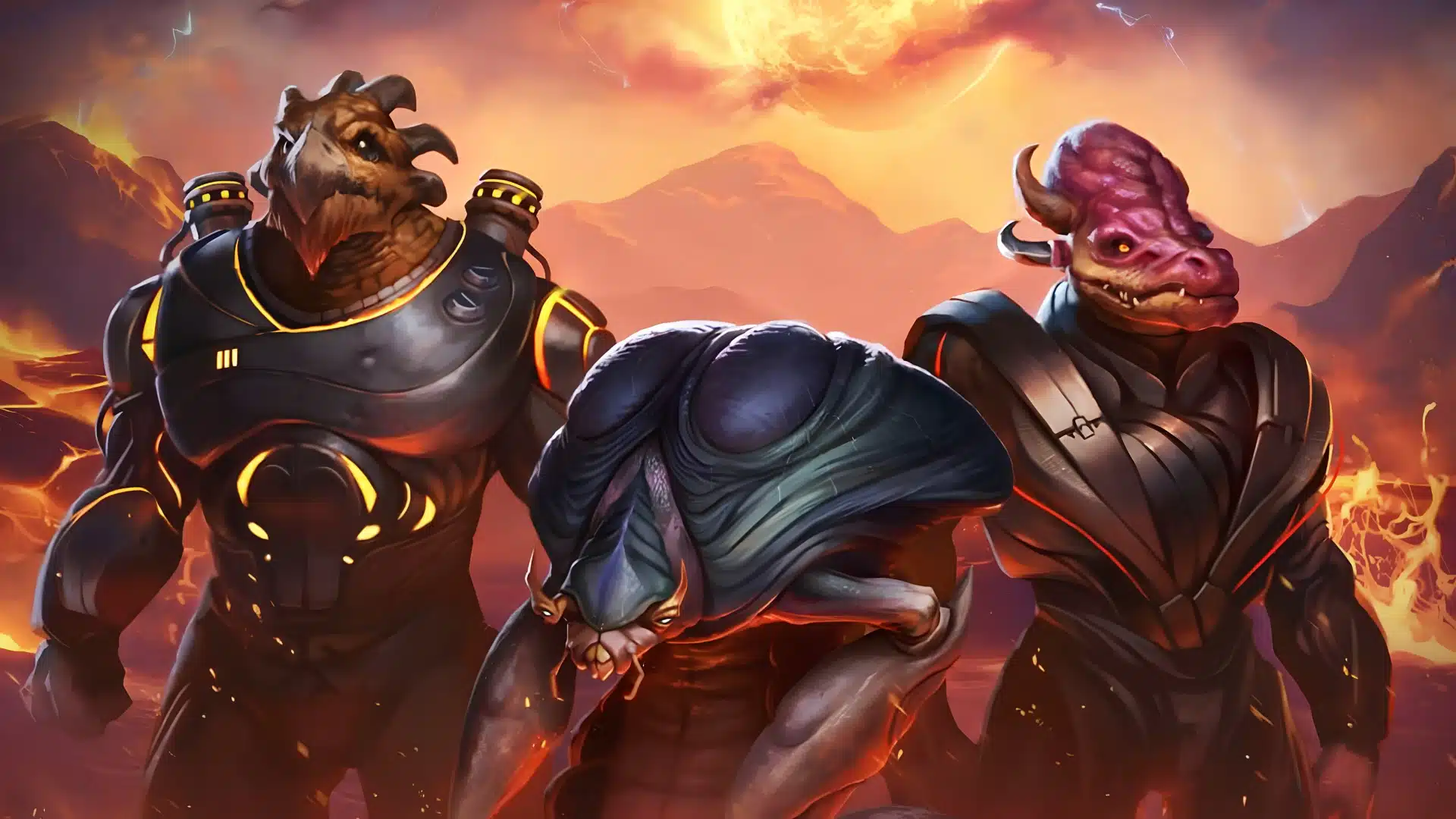
Three things keep players coming back to new campaigns. What actually makes it worth the time investment is right here:
1. Exploration and First Contact
Stellaris feels strongest when the galaxy is still unknown. Every system you survey can reveal an anomaly, valuable resources, or an alien empire waiting nearby.
Anomalies often open short research chains that lead to technology, rewards, or memorable story events.
First contact can also shift quickly, turning into friendship, suspicion, or open hostility.
That uncertainty makes the opening hours so engaging. You never know what lies beyond the next jump, which gives exploration real momentum and surprise.
2. Empire Building and Customization
Empire customization shapes how almost every campaign develops.
Ethics such as Militarist, Pacifist, Xenophile, or Xenophobe influence policies, diplomacy, and the choices available later. Civics and origins can add bonuses or completely change your starting conditions.
You might control a hive mind, robotic society, or research-focused species.
Traits push your economy toward areas like science, industry, or population growth.
Government choices matter too. These systems work together, so building an empire changes strategy rather than simply changing appearance in practice.
3. Replayability and Emergent Stories
Replayability comes from how many systems can collide during one campaign. A crisis, broken alliance, war, or collapsing rival can completely change your plans.
Even two empires built with similar species can develop in different directions by the midgame. Those unexpected outcomes create stories that feel personal rather than scripted.
You might remember the enemy that became an ally or the trade agreement that saved your economy.
Since campaigns rarely unfold the same way twice, starting over stays surprisingly appealing.
Where Stellaris Falls Short?
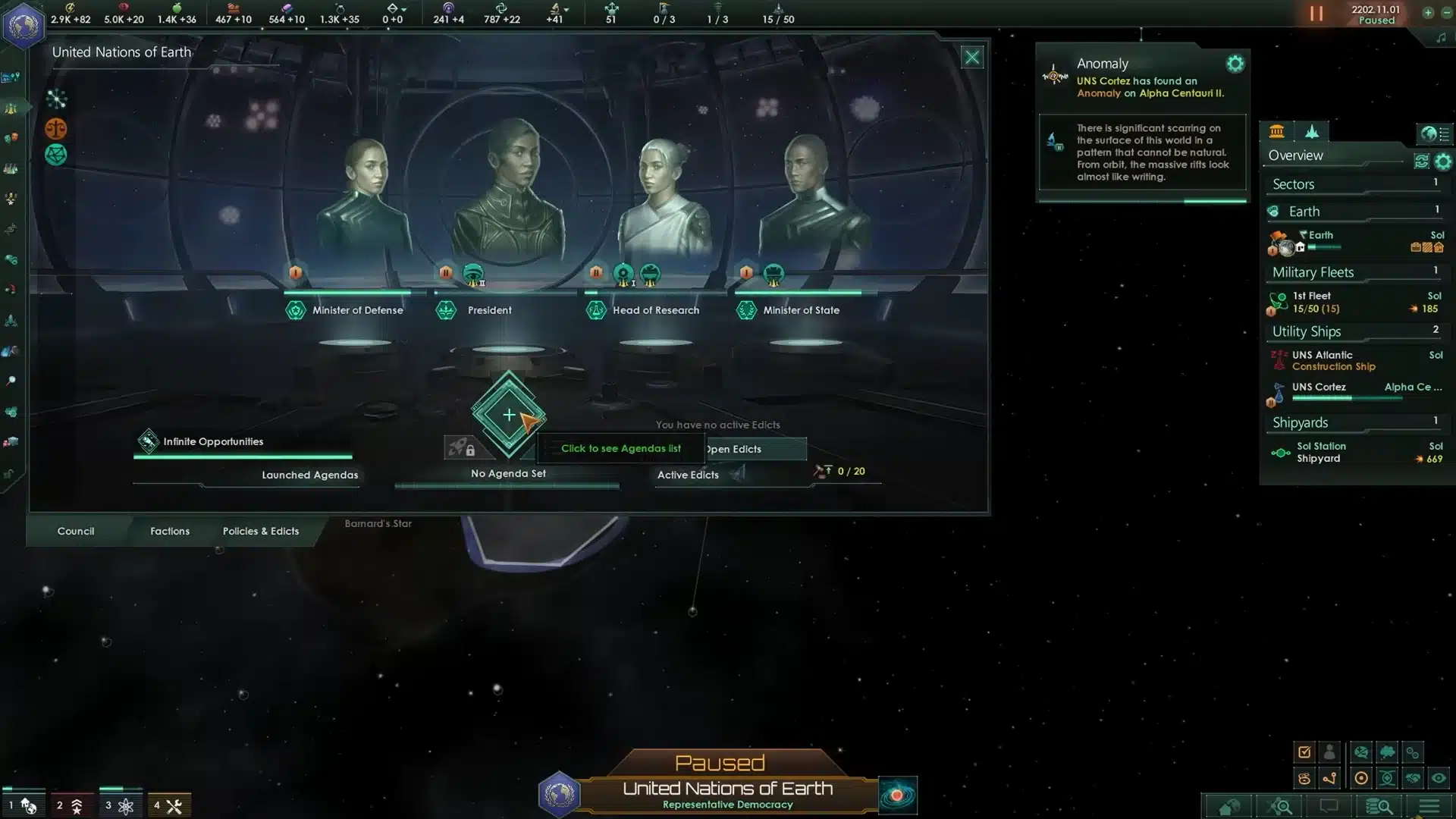
Image Source: MontuPlays
The excitement can fade once Stellaris reaches the midgame, where exploration slows, and management starts taking over.
- Mid-Game Slowdown: Once borders settle, discoveries slow down. More time shifts toward planet management, diplomacy, policies, and war preparation, which can hurt momentum.
- Learning Curve: Economy, research, population, fleets, traditions, and diplomacy all interact. Early mistakes can surface much later, making the first campaigns harder to understand.
- Campaign Fatigue: Larger empires mean more planets, populations, queues, and decisions. By late game, managing dozens of worlds can feel repetitive instead of challenging.
Some players enjoy that level of control, while others find the administrative workload tiring before the campaign is properly finished.
Do You Need Stellaris DLC for the Game to Feel Complete?
Paradox marked Stellaris’s 10th anniversary in May 2026 by folding the Utopia and Synthetic Dawn expansions, plus the Humanoids Species Pack, directly into the base game.
That means Hive Minds, megastructures, ascension perks, and Machine Empires now come standard, not as a separate purchase.
The base game price rose to reflect that, so what you get out of the box is genuinely different from what it was even a year ago.
| Option | What It Includes | Best For | What to Know |
|---|---|---|---|
| Base Game | Exploration, diplomacy, economy, research, fleet combat, plus Utopia, Synthetic Dawn, and the Humanoids Species Pack as of May 2026 | New players learning Stellaris | More complete than before, at a higher list price |
| Individual DLC | New mechanics, empire types, crises, and specialized systems | Players with clear playstyle preferences | Buy expansions that match your interests |
| DLC Subscription | Access to most expansions for a recurring fee | Players wanting to try multiple DLCs | Lower upfront cost, but payments continue |
You do not need every expansion to enjoy Stellaris. Start with the base game, identify which mechanics interest you most, then compare current DLC and subscription prices before spending more.
Is Stellaris Available on Console?
Stellaris runs on PC through Steam, GOG, and the Epic Games Store, and it is also available on PlayStation and Xbox as Stellaris: Console Edition.
The console build is developed separately by Tantalus Media, so patches and new content arrive later than on PC, sometimes by several months.
Support for the older PS4 and Xbox One versions is being phased out, while development has moved onto native PS5 and Xbox Series X|S builds.
Those newer console versions run noticeably smoother in the late game, when large empires and crowded galaxies used to cause slowdown on older hardware.
If you play with a controller instead of a mouse and keyboard, expect a real adjustment period.
Menus that are quick to navigate with a mouse take longer through a controller layout, even with Paradox’s redesigned console interface.
Console players should also expect a smaller DLC library than PC at any given time, since expansions are ported over in batches rather than on day one.
Who Should Buy or Return to Stellaris Right Now?
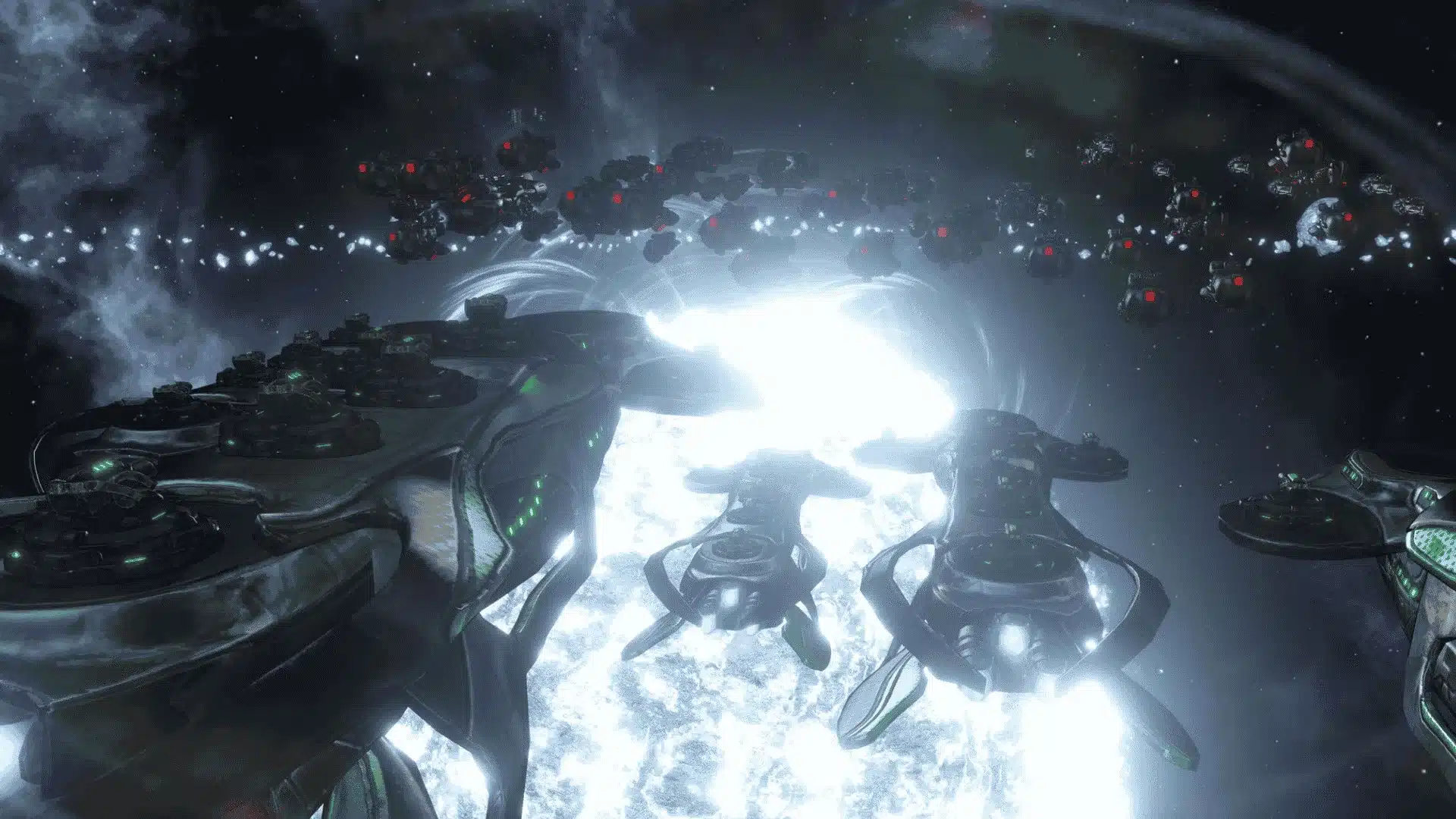
There’s no single yes or no here. It depends on who’s asking. Your answer changes based on your strategy game experience, and whether you play solo or with friends.
1. New to Stellaris or the 4X Genre
If you’ve never played a 4X game, start slow. Stellaris throws a lot at you in the first few hours.
I have watched new players quit before the tutorial even ends. The base game alone teaches you enough for dozens of hours.
If you already enjoy patient, high-commitment planning, the kind you would find in our turn-based RPG rankings, Stellaris will click faster than it looks like it should.
Skip the DLC at first. Learn empire management, then decide what excites you enough to add.
2. Returning After a Long Break
Your old saves won’t work the same way anymore. Stellaris has changed more than you’d expect.
I came back after two years away and barely recognized the economy system. Empire building works differently now. Don’t assume you remember the mechanics.
Treat your first game back like a refresher, not muscle memory.
3. Playing Solo vs. With Friends
Solo play works fine here. The AI gives you a full galaxy to explore and fight. Playing with friends changes the pace. You’ll spend more time negotiating and less time expanding alone.
Neither way is wrong. Pick based on how you like to play strategy games.
Is Stellaris Worth Buying Today?
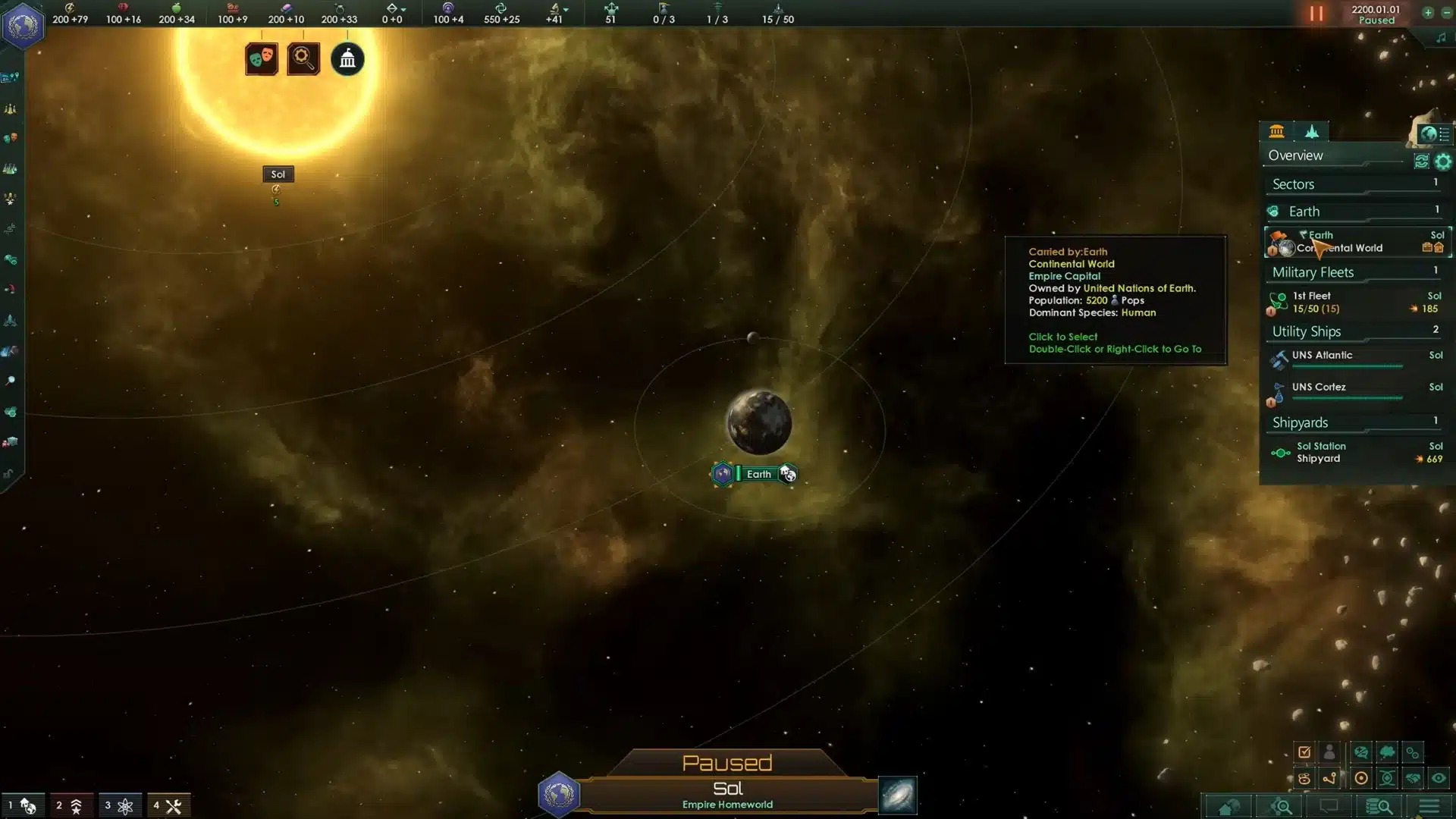
Yes, Stellaris is worth buying today. Those 2016 review scores you’ll find everywhere are outdated. They reviewed a much smaller game.
Back then, Stellaris barely resembled what you’ll play today. Years of updates rebuilt entire systems from scratch.
I trust current player sentiment more than old critic scores. Recent reviews reflect the game people actually own now.
Your budget and patience matter more than any score. A tight budget means starting with the base game only. Low patience for learning curves means going slow with your first few playthroughs.
Neither approach is wrong. They just point you toward different starting points. Don’t treat one score, old or new, as the full picture.
Check what’s actually included before you decide.
Final Thoughts
My Stellaris review comes down to one simple point: the game rewards patience more than speed.
Its best moments come from building an empire, meeting strange civilizations, surviving sudden problems, and watching a campaign turn into a story you did not plan.
The weaker moments come later, when management piles up, and the galaxy starts moving slower than the opening hours.
Still, Stellaris remains worth playing if you enjoy deep strategy, long campaigns, and learning through mistakes. You do not need every expansion to begin.
Start with one empire, learn one playstyle, and build from there.
Would you play Stellaris solo or with friends? Share your pick in the comments.
Frequently Asked Questions
Is Stellaris Actually Good?
Yes, especially if you enjoy strategy games built around experimentation and empire design. The strongest moments come from exploration, customization, and unexpected interactions between systems. The main drawbacks are the learning curve, a slower midgame, and the cost of building out the game with extra DLC. Most players who stick past the first few hours come away satisfied.
Is Stellaris Hard For Beginners?
It can be tough at first, since economy, population, technology, diplomacy, fleets, and expansion all interact constantly. You don’t need to understand every system right away, though. Starting with a simple empire and picking up mechanics as they come up makes the first campaign much more manageable.
Can You Play Stellaris Solo?
Yes. Stellaris works fully as a single-player game, with AI-controlled empires filling the galaxy around you. Solo play also gives beginners more room to pause, slow down game speed, read event text, and learn unfamiliar systems without pressure from experienced human opponents.
How Long Does A Stellaris Game Take?
A full campaign can run for many hours, since length depends on galaxy size, game speed, difficulty, and how often you pause. Smaller galaxies and faster settings shorten things considerably. Large maps and slower, detail-heavy play can turn a single empire into a genuine long-term commitment.