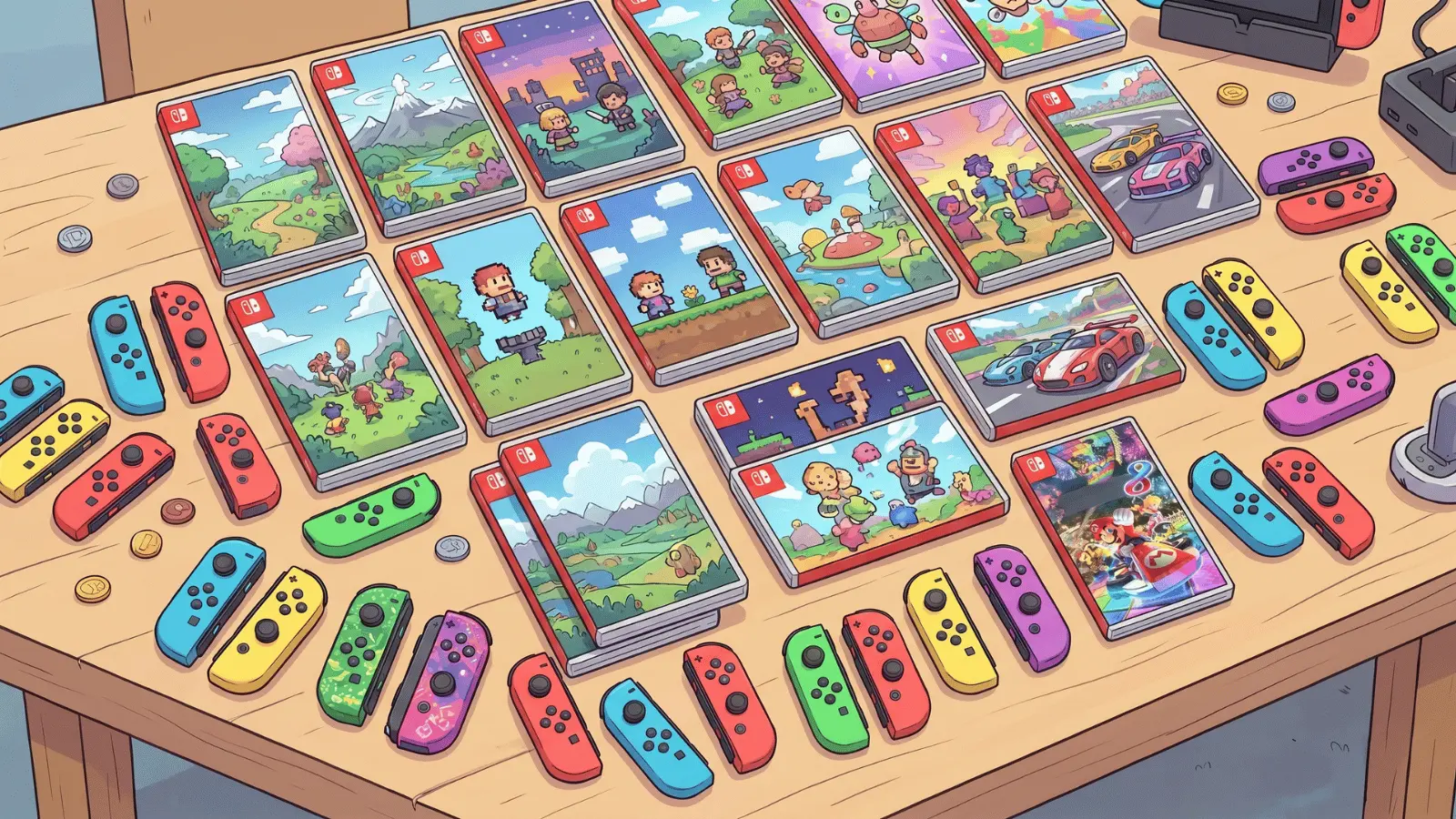
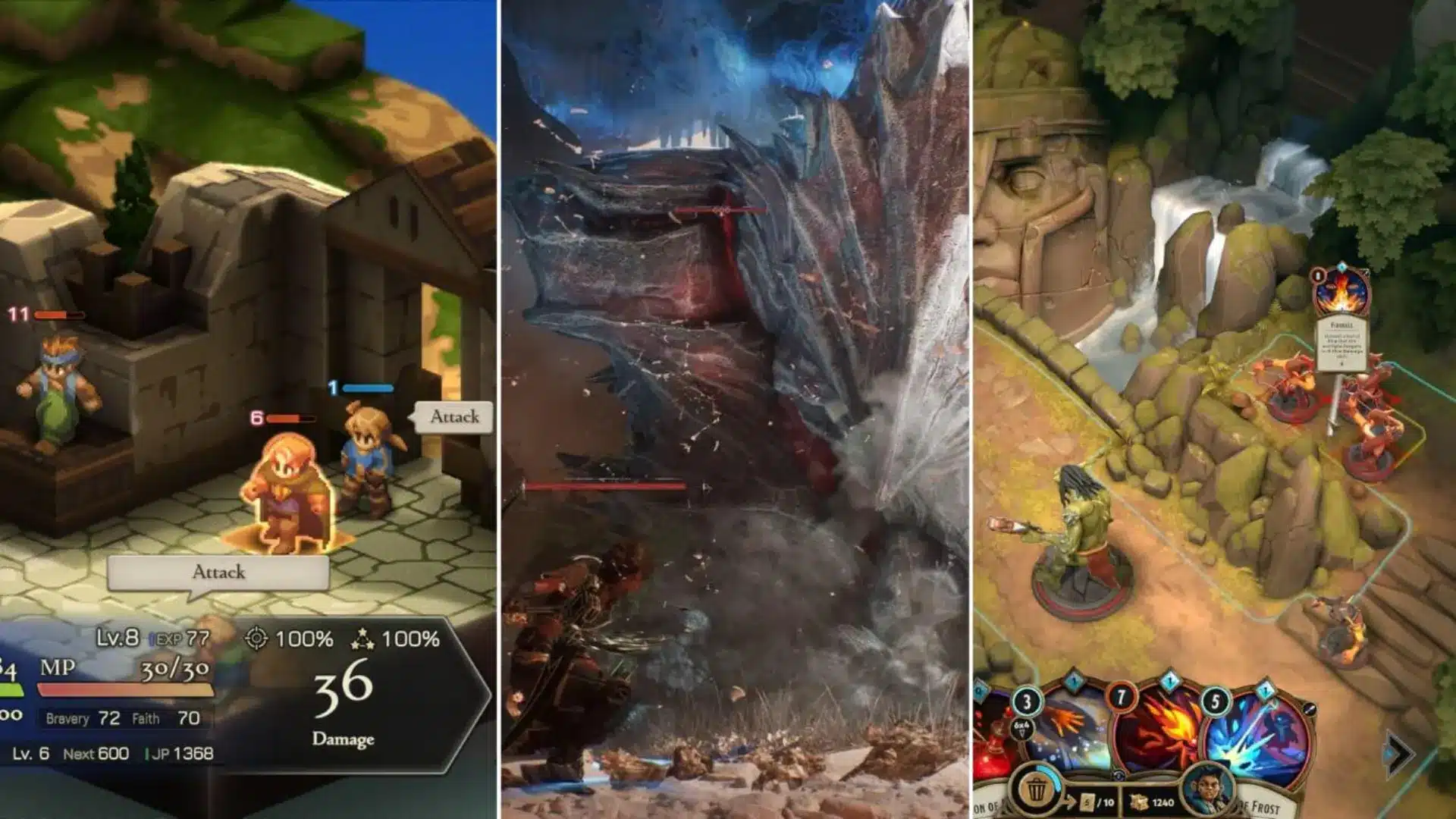
Turn-based RPGs have a way of making every choice feel important. Instead of testing how fast you can react, they ask you to read the field, plan ahead, and live with the outcome.
That is why I keep coming back to them, even after playing hundreds of games across genres. Some shine because of clever combat systems, while others stay memorable for their characters, pacing, or world-building.
Finding the best turn-based RPG really comes down to what you value most when the battle screen loads.
Here, I’ll break the strongest picks into categories, making it easier to find something that matches your taste, whether you want strategy, a gripping story, or a classic that still holds up years later.
What Counts as a Best Turn-Based RPG?
RPGs, or role-playing games, put you in control of characters whose skills, equipment, relationships, and abilities develop as the story progresses.
Turn-based RPGs add another layer by giving each character or enemy a set opportunity to act instead of relying on constant real-time inputs.
The best games in this space make those turns feel meaningful.
Combat should reward smart party setups, careful resource use, and decisions that can change the outcome of a difficult fight.
Progression also matters, whether it comes through classes, skill trees, equipment, or character upgrades.
A strong turn-based RPG needs engaging systems, worthwhile progression, and memorable encounters, and you can see how I score that balance across our full game reviews whenever a title on this list has a standalone verdict.
Story-Driven Turn-Based RPGs
These picks combine memorable characters, flexible combat systems, and strong narratives, making them ideal for players who want strategy without sacrificing emotional payoff or personality.
1. Persona 5 Royal
Source: nintendo.com
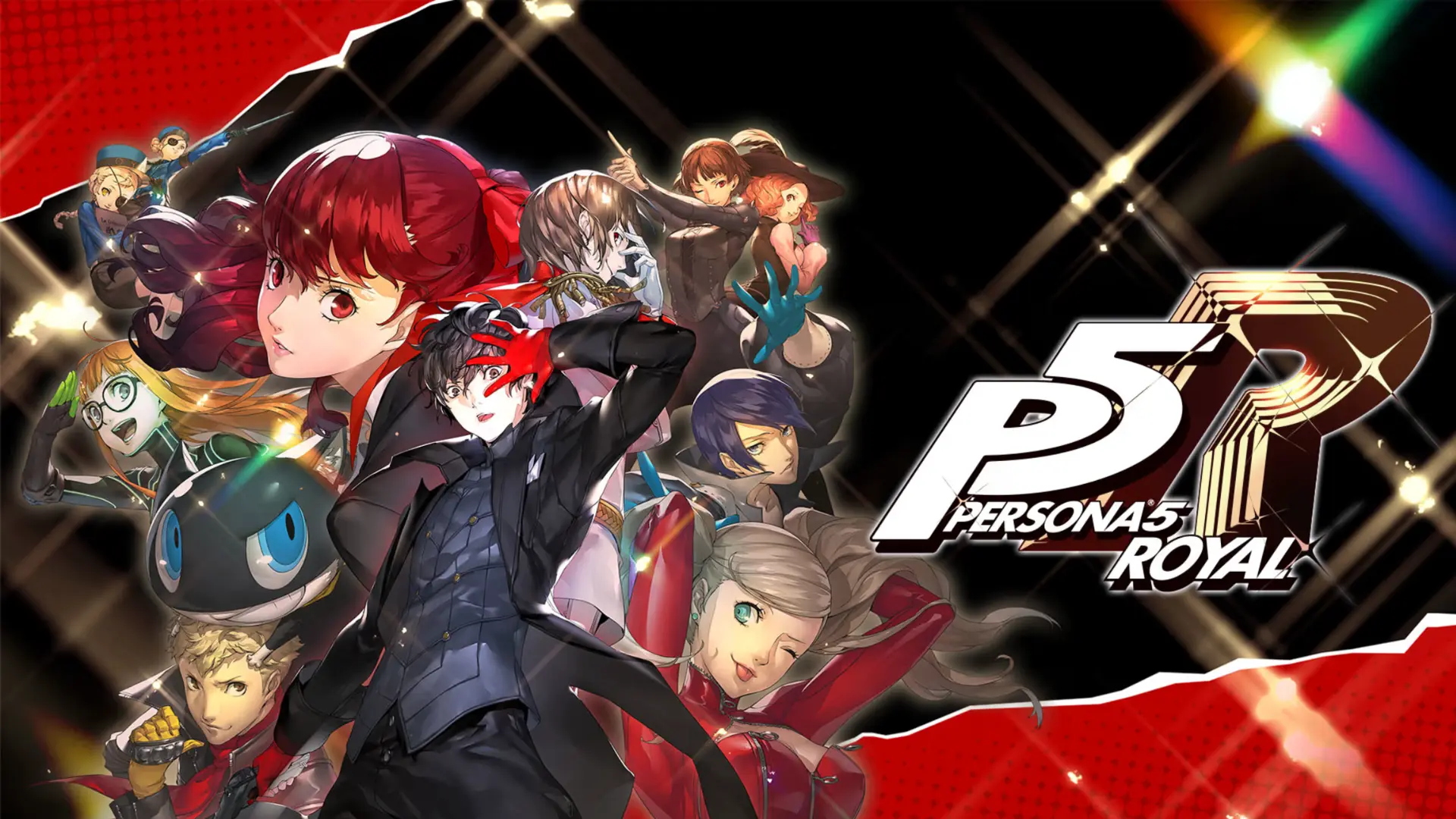
Persona 5 Royal mixes school life with stylish turn-based battles where exploiting enemy weaknesses can immediately grant another valuable attack opportunity.
Its One More system keeps combat fast and rewarding, while Palace dungeons constantly encourage smarter targeting, party planning, and efficient use of skills.
2. Metaphor: ReFantazio
Source: playstation.com
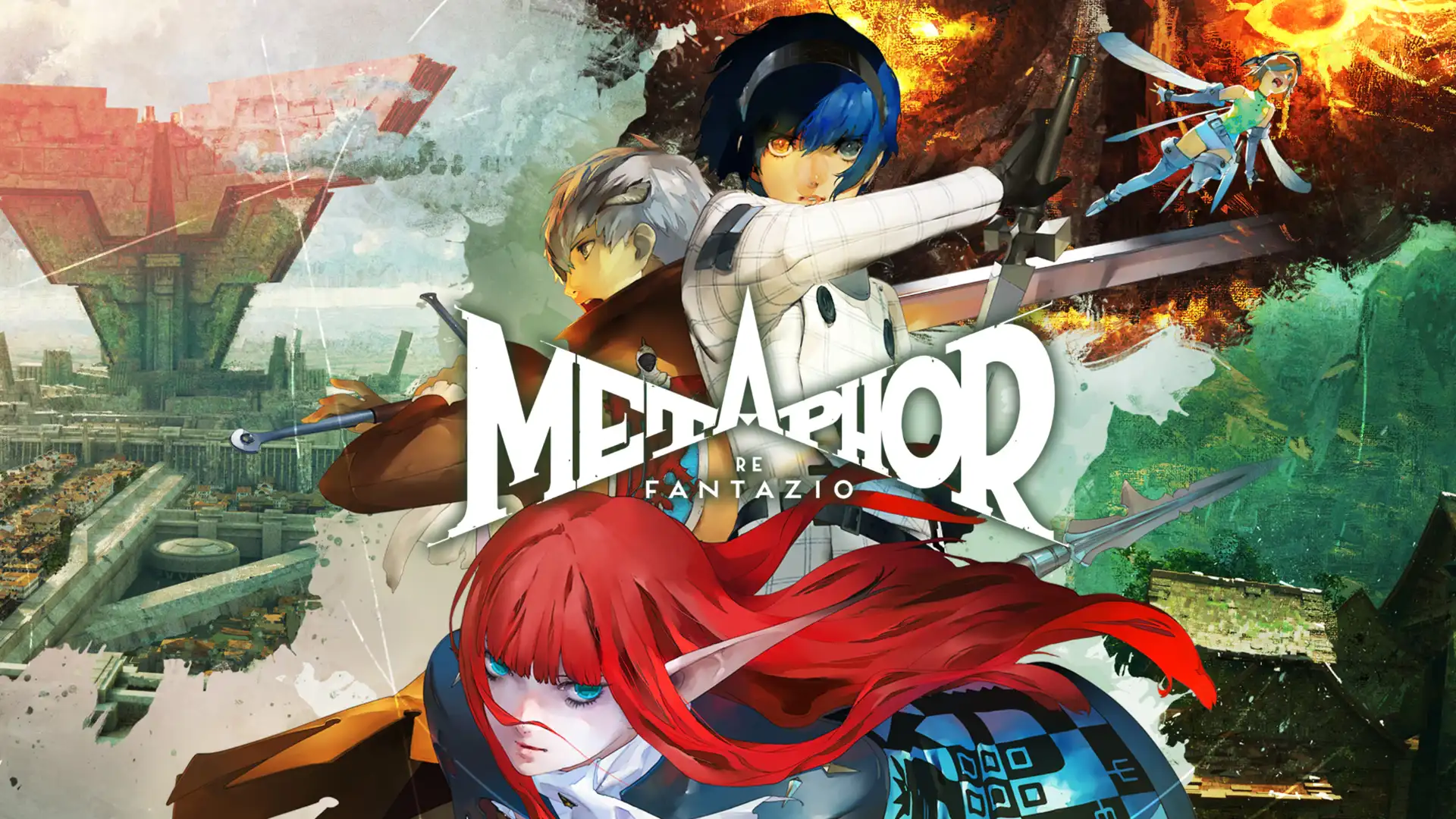
Metaphor: ReFantazio brings Persona-style ideas into a fantasy setting, combining political storytelling with flexible party building and strategic turn-based combat.
The Archetype system lets you change character roles and abilities freely, giving you room to adjust your entire strategy between difficult encounters.
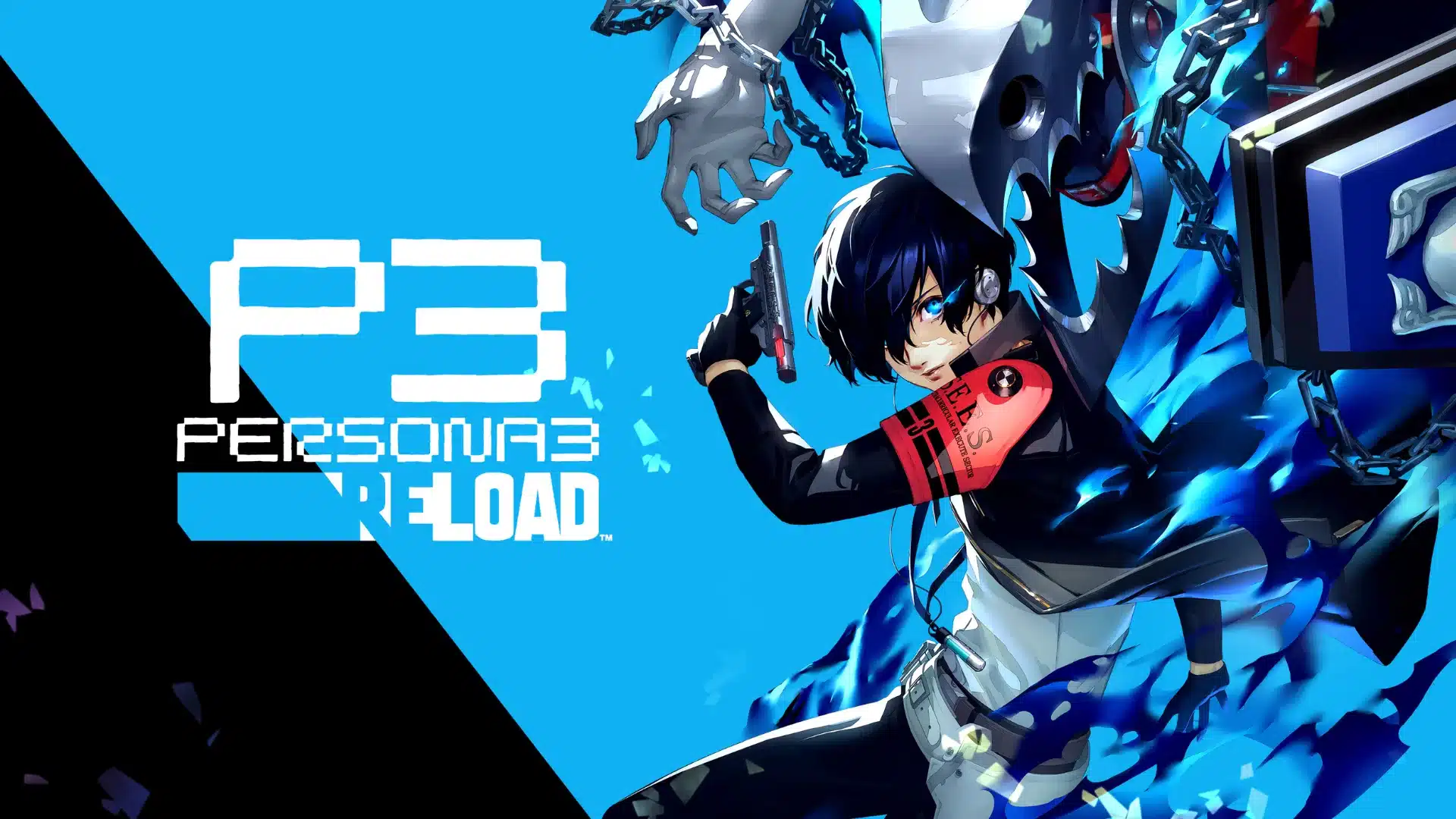
3. Persona 3 Reload
Source: playstation.com
Persona 3 Reload rebuilds the original game with modern visuals, smoother systems, and combat centered around exploiting elemental weaknesses for extra actions.
Its darker story and slower pacing lend dungeon runs a heavier mood, while careful party composition remains important in tougher battles and against bosses.
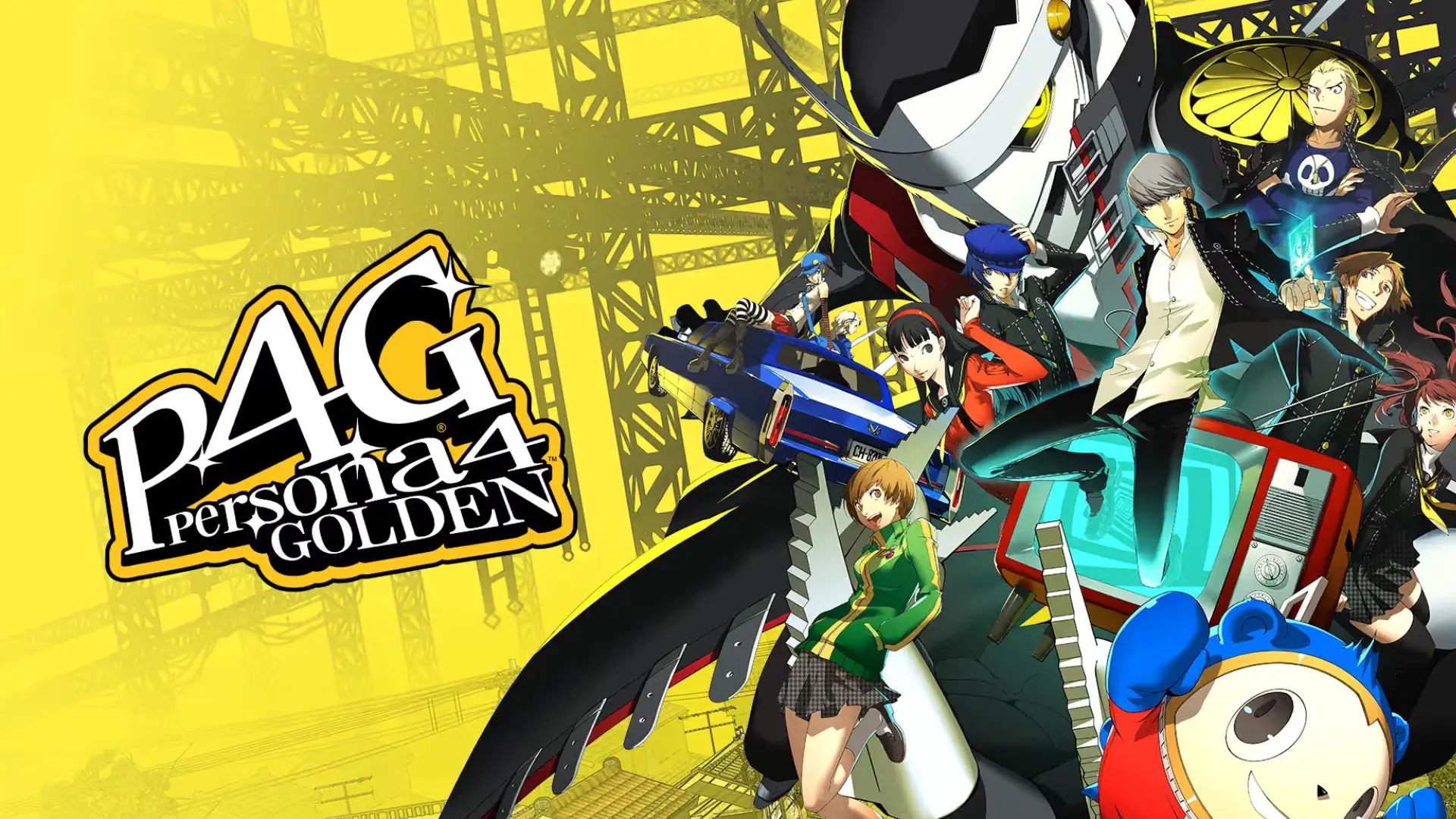
4. Persona 4 Golden
Source: nintendo.com
Persona 4 Golden offers approachable turn-based combat, a steady difficulty curve, and a mystery-driven story that keeps dungeon progression consistently interesting.
Its simpler learning curve makes it especially welcoming for newcomers, while character relationships and weakness-based battles still provide enough strategic depth throughout.
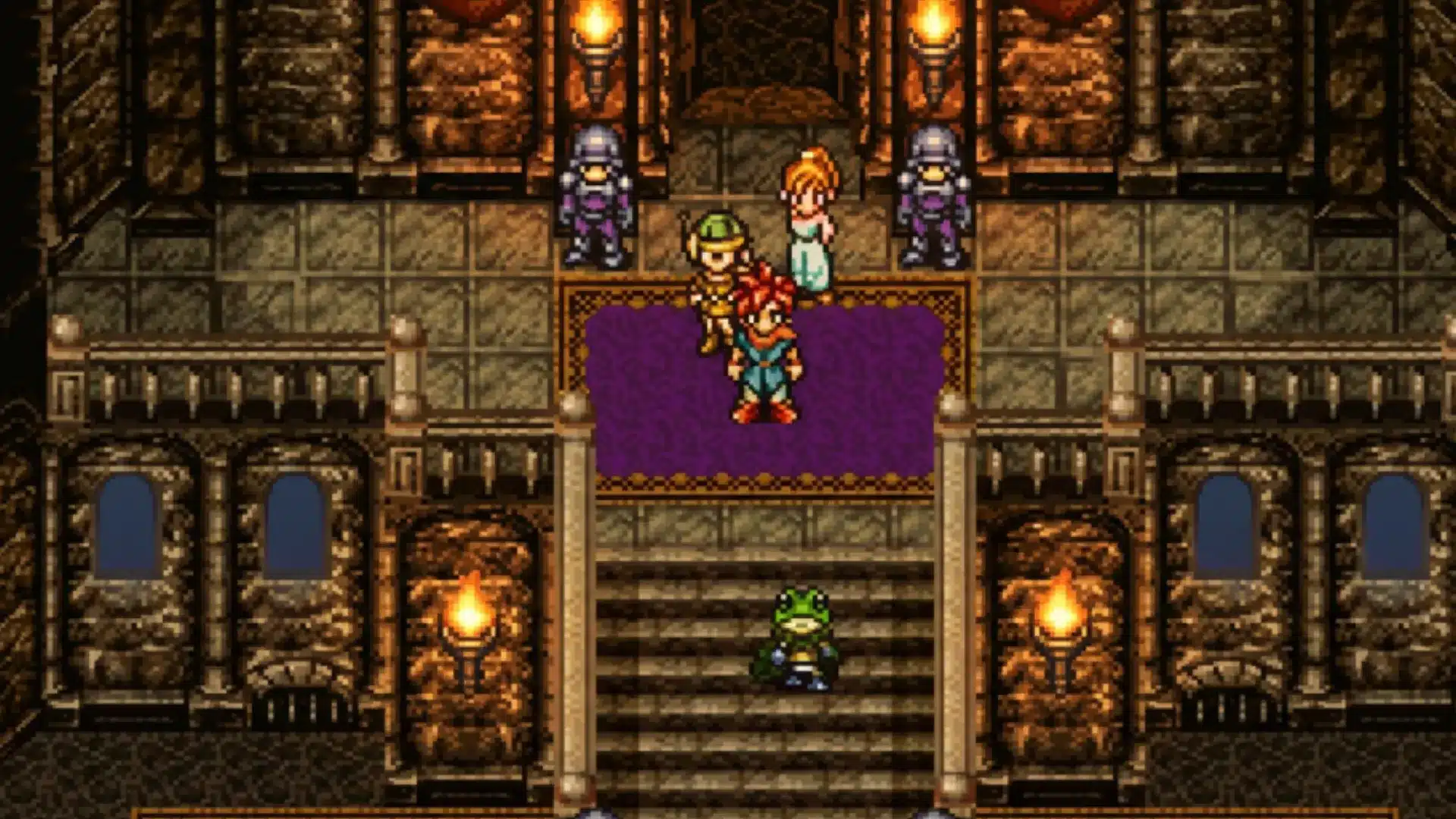
5. Chrono Trigger
Source: gamestop.com
Chrono Trigger combines classic turn-based structure with Active Time Battle mechanics, creating encounters where both planning and quick decision-making can matter.
Its multiple endings, memorable party members, and flexible combat encounters give the game strong replay value despite its relatively compact overall length.
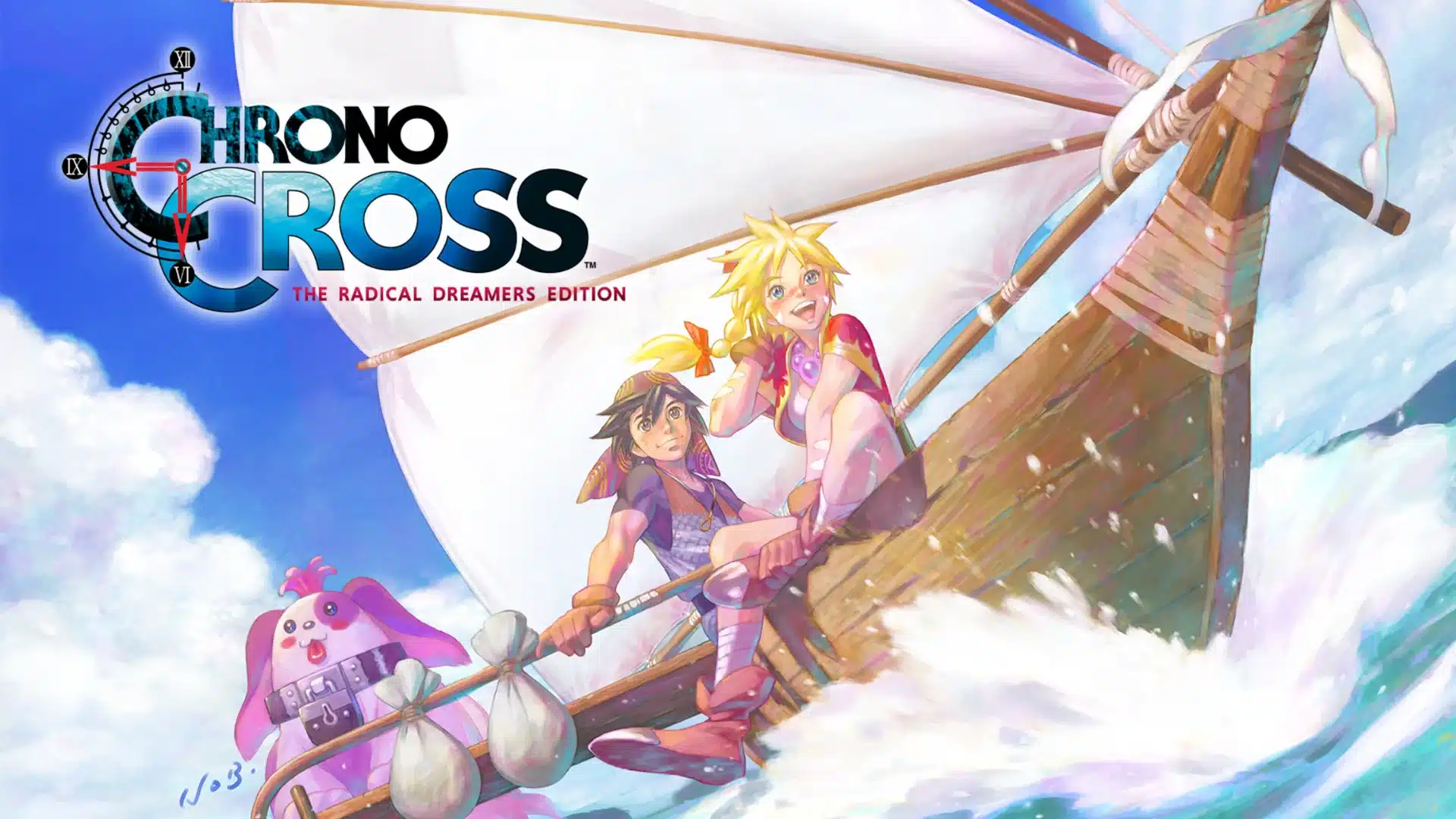
6. Chrono Cross
Source: nintendo.com
Chrono Cross separates itself from Chrono Trigger through an element-grid system that changes how players manage spells, resources, and turn-by-turn decisions.
Instead of traditional MP, abilities depend on grid placement and battle flow, giving spellcasting a more deliberate and unusually flexible strategic rhythm.
Persona’s stylish battles and Chrono Trigger’s timeless pacing land on this list for the same reason: both hold up because every fight still supports a world worth remembering.
7. Dragon Quest VII Reimagined
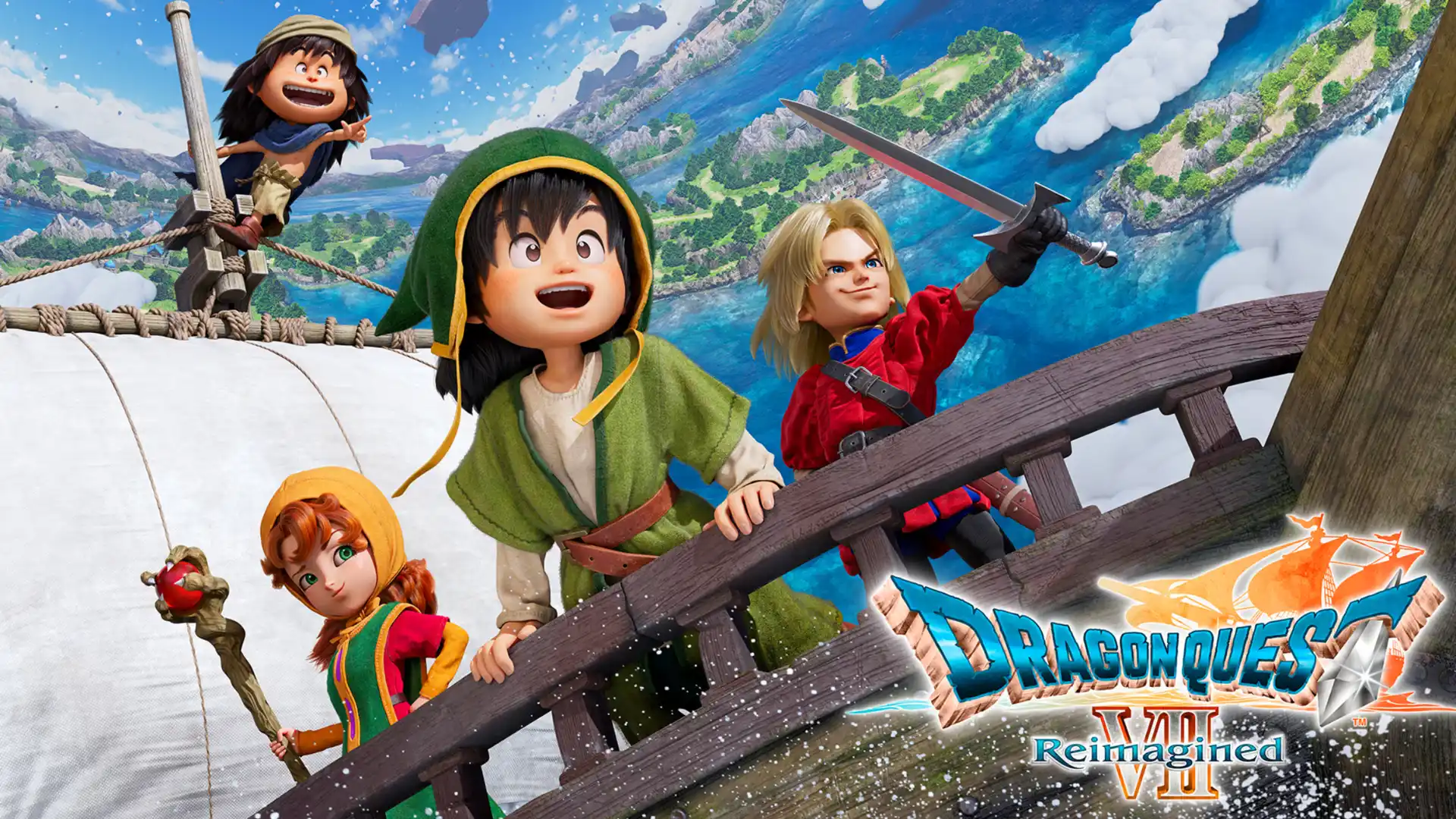
Source: nintendo.com
Dragon Quest VII Reimagined uses a flexible job-class system that allows party members to learn abilities across different vocations as they progress.
That freedom lets you reshape character roles over time, creating stronger party combinations without permanently locking anyone into one specific combat function.
Persona’s stylish battles and Chrono Trigger’s timeless pacing land on this list for the same reason: both hold up because every fight still supports a world worth remembering.
Best Modern and Tactical Turn-Based RPGs
This group trades linear story pacing for player choice and system depth. These are the games where your build decisions and positioning matter as much as the story does.
8. Baldur’s Gate 3
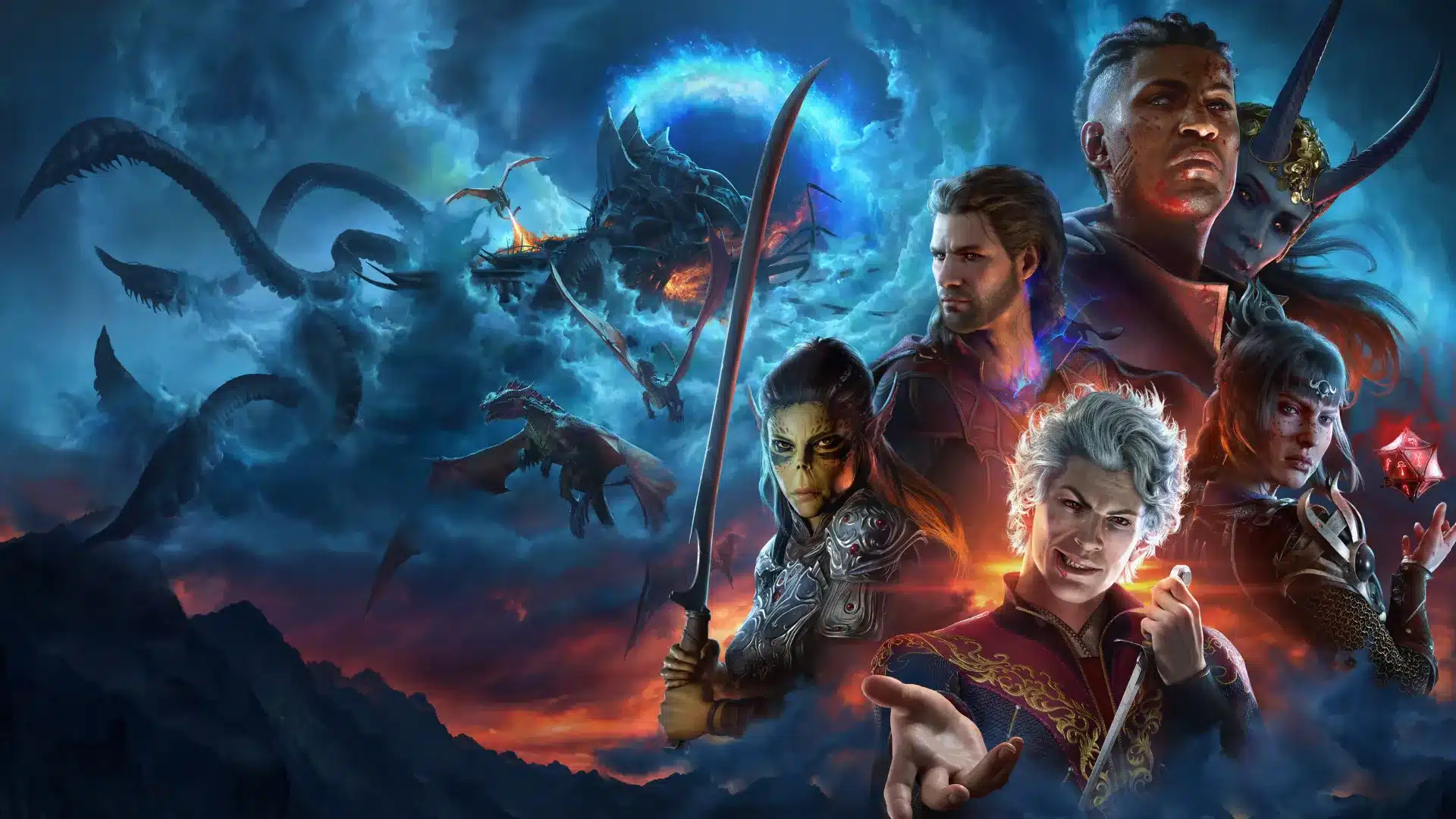
Source: playstation.com
Baldur’s Gate 3 uses a D&D-inspired ruleset where dice rolls, positioning, spells, and environmental choices can completely reshape every combat encounter.
I like how the same battle can unfold differently each time, especially when party placement, dialogue choices, or unexpected rolls change your approach.
Critics agree it holds up: the game currently sits at a Universal Acclaim rating of 96 on Metacritic, based on well over one hundred critic reviews.
9. Divinity: Original Sin 2
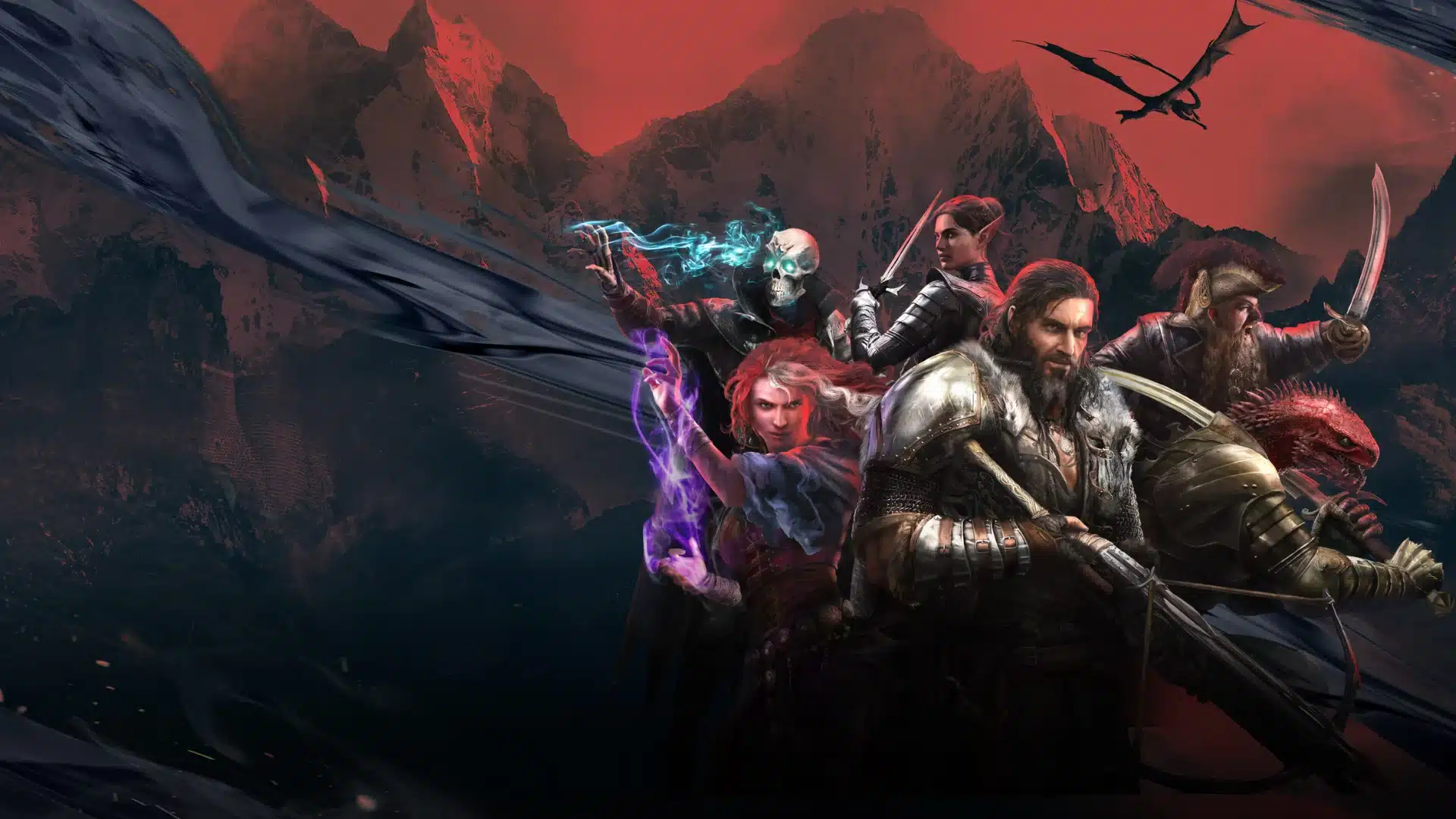
Source: playstation.com
Divinity: Original Sin 2 builds its combat around elemental surfaces, status effects, positioning, and creative combinations that reward careful planning before attacking.
You can ignite oil, electrify water, or spread poison across the battlefield, turning environmental setup into an important part of every encounter.
10. Clair Obscur: Expedition 33
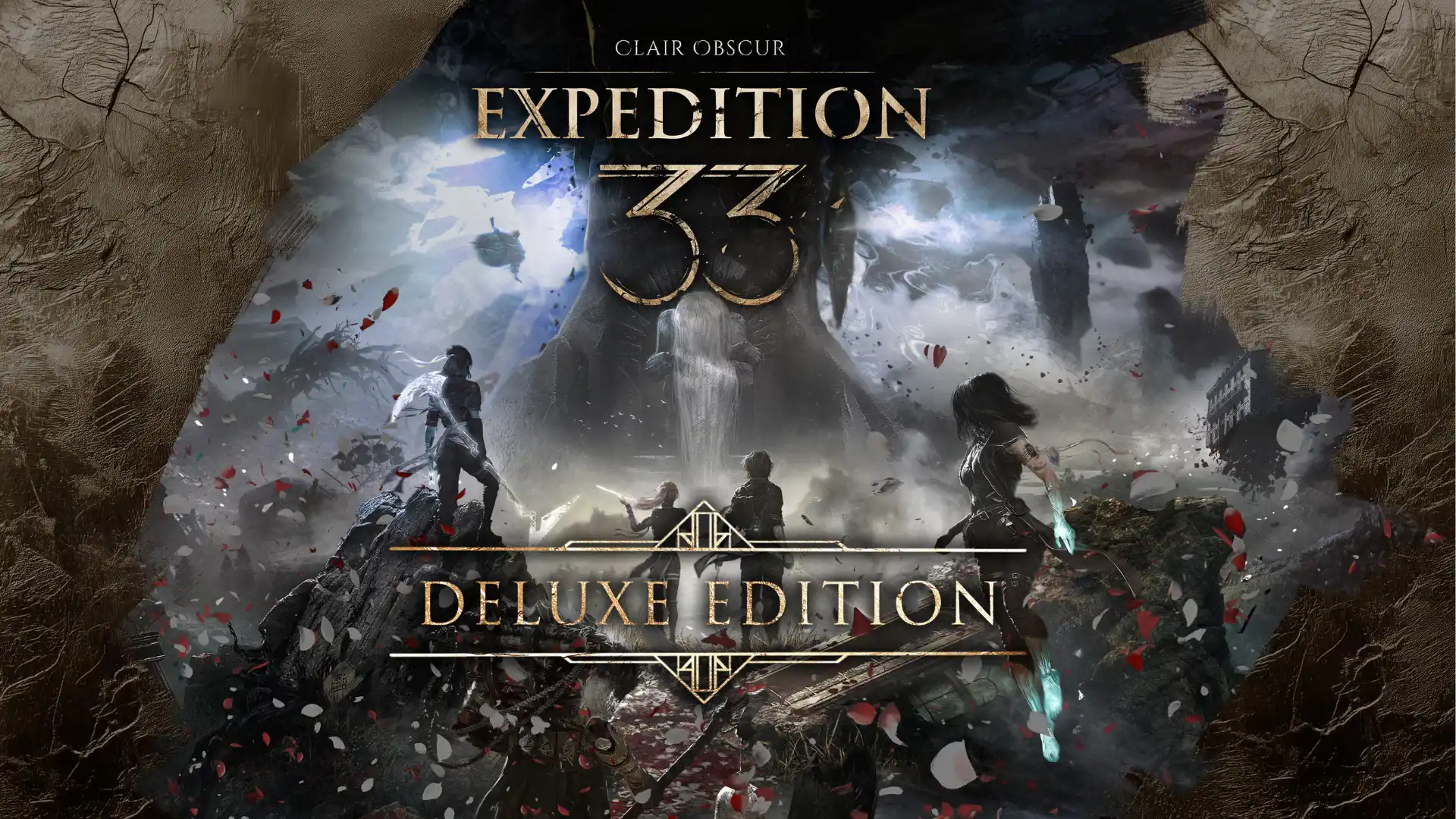
Source: playstation.com
Clair Obscur: Expedition 33 mixes traditional turn-based decisions with real-time dodges and parries, giving every battle a more active rhythm than usual.
Strategy still controls your abilities and party choices, but successful timing can reduce damage or create openings, making reflexes genuinely useful during combat.
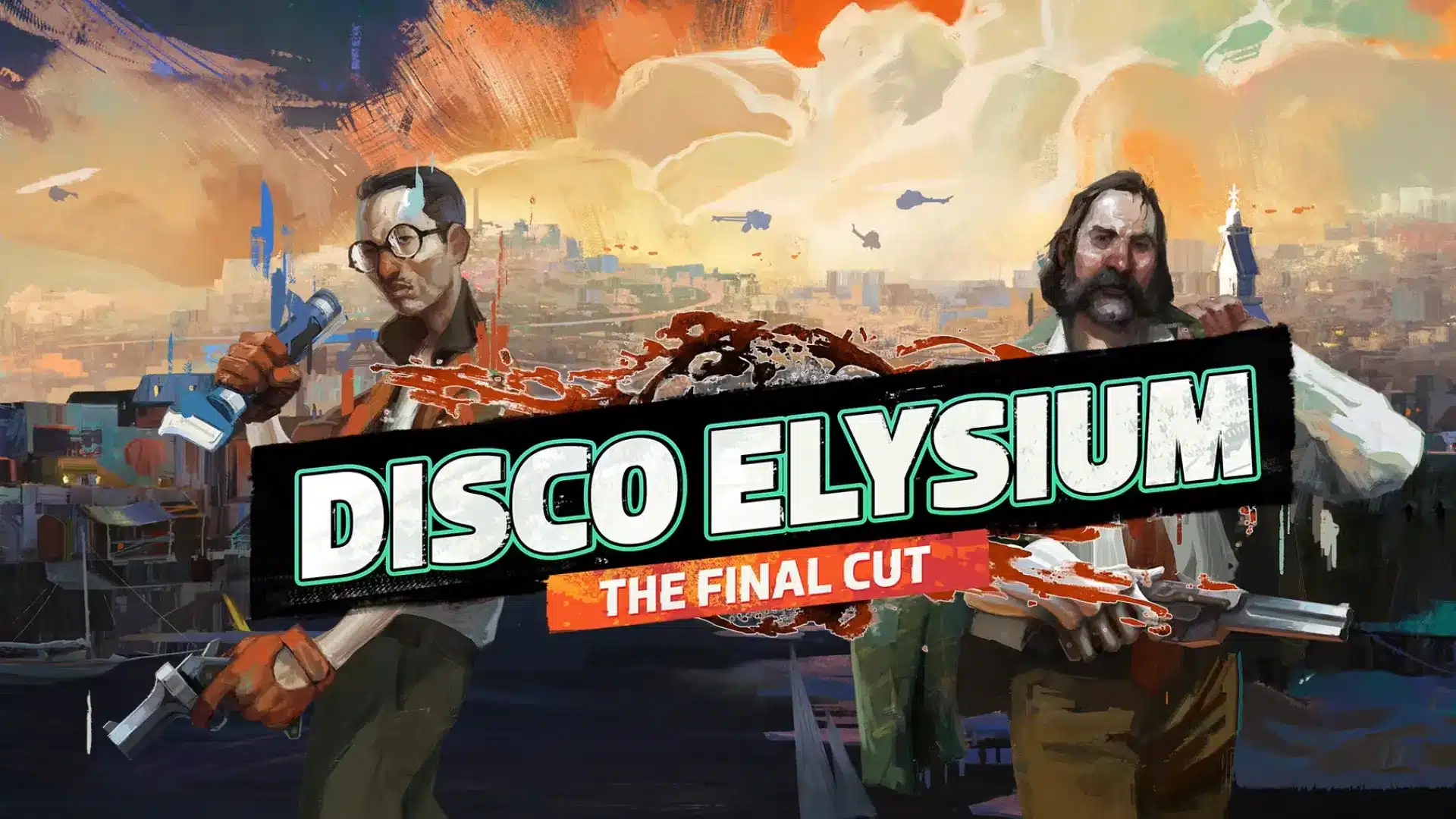
11. Disco Elysium
Source: nintendo.com
Disco Elysium replaces traditional combat with dialogue choices, skill checks, and dice rolls that determine how conversations, investigations, and personal conflicts unfold.
Its RPG depth comes from shaping your character’s thoughts and abilities, proving meaningful turn-based decisions do not always require conventional battles or enemies.
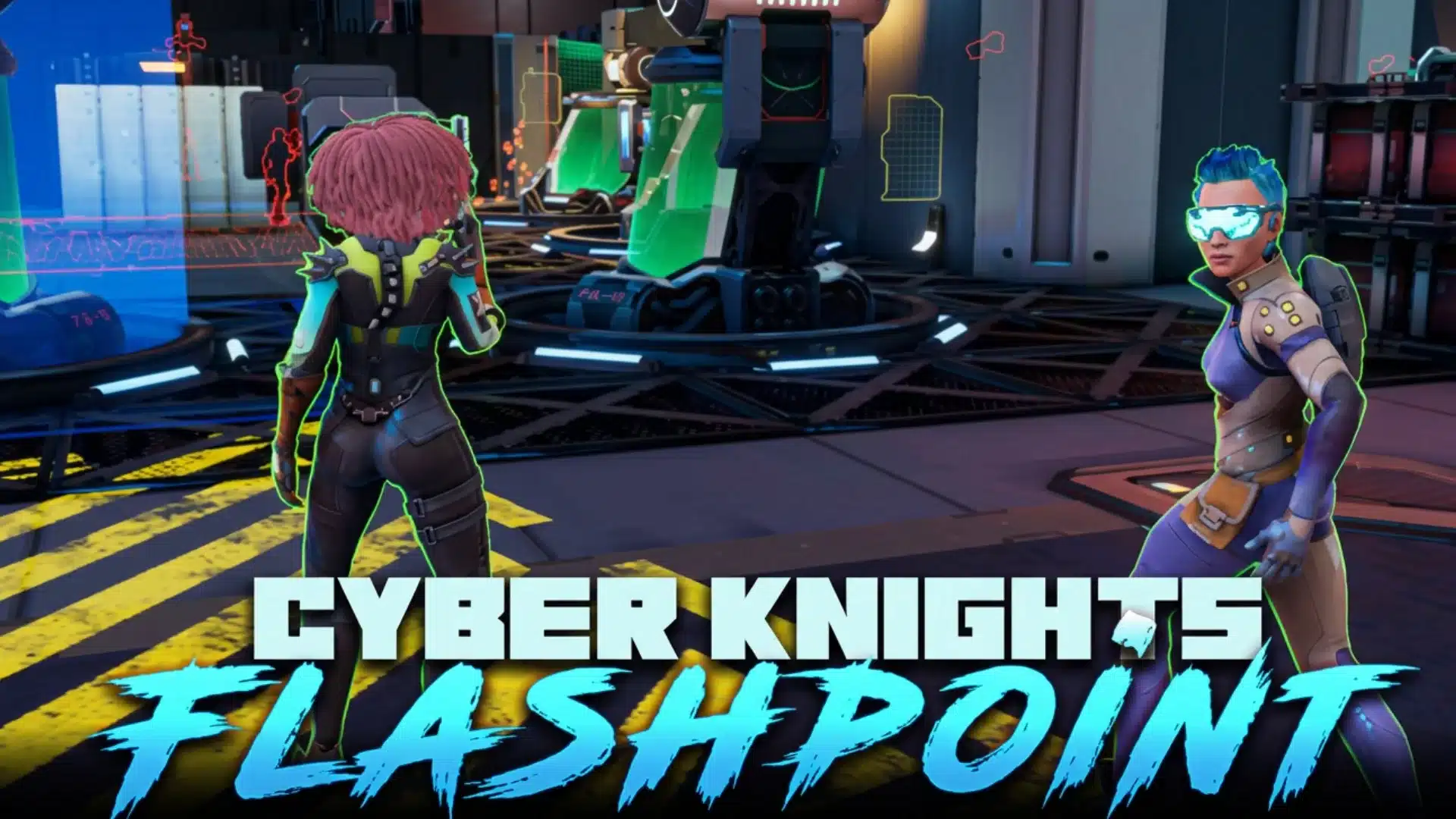
12. Cyber Knights: Flashpoint
Source: store.steampowered.com
Cyber Knights: Flashpoint combines tactical squad combat with character progression, stealth planning, base management, and heist preparation across a detailed cyberpunk setting.
Most missions reward careful positioning and preparation, while the broader progression systems give you plenty to manage once the fighting itself is finished.
13. Octopath Traveler II

Source: nintendo.com
Octopath Traveler II uses a break-and-boost system where targeting weaknesses and managing stored power can completely change the momentum of difficult battles.
Its traditional JRPG foundation feels more flexible because every turn asks you to balance immediate damage, defense, and preparation for stronger attacks later.
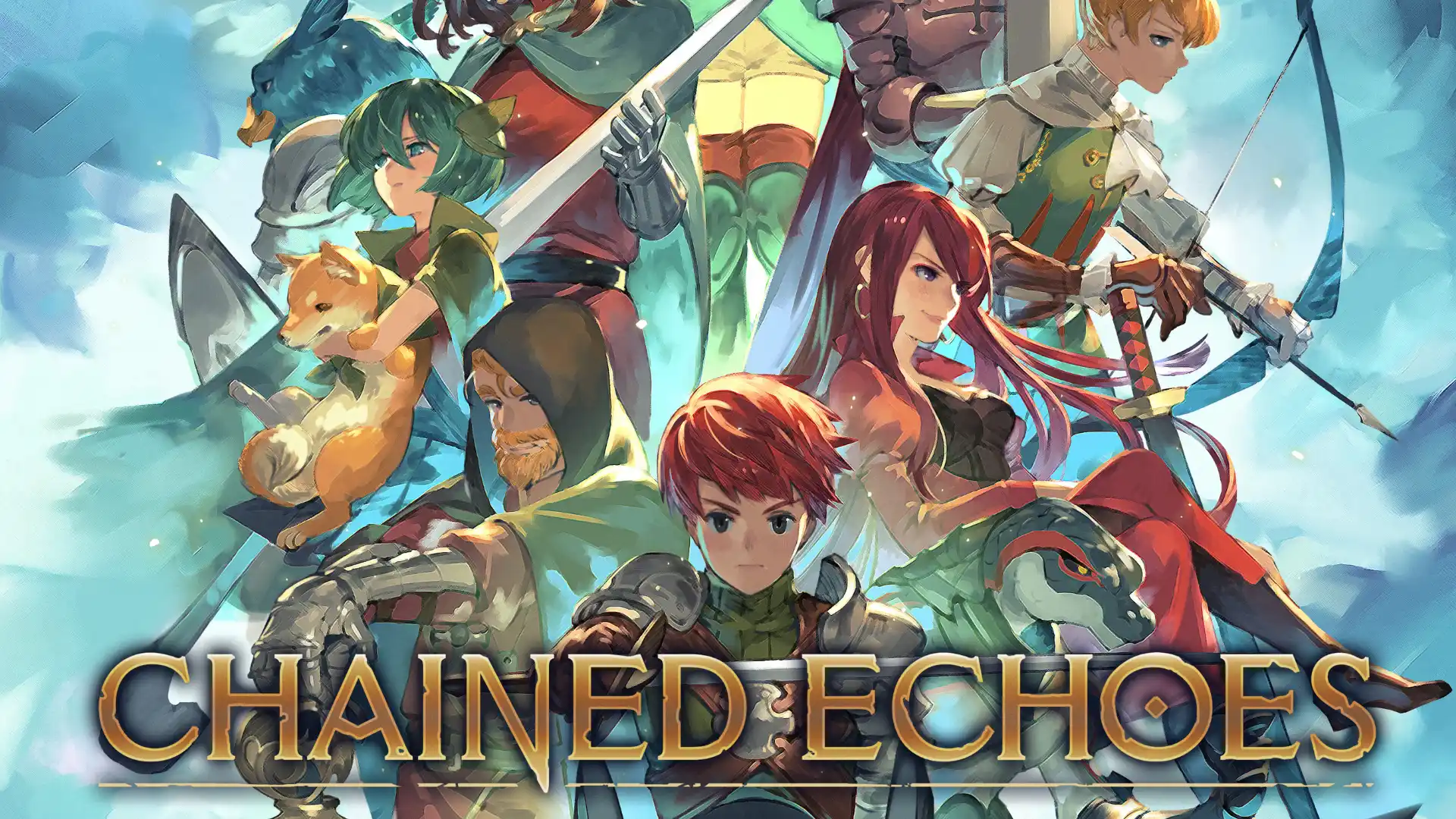
14. Chained Echoes
Source: store.playstation.com
Chained Echoes removes random encounters and uses an overdrive meter that rewards controlled aggression, forcing you to think about pacing during every battle.
Overcommit on the meter, and penalties stack up fast. Play it too safe instead, and you waste the overdrive window entirely, so the rhythm demands constant attention and adjustment.
Modern and tactical picks push turn-based combat forward with sharper systems, deeper positioning, and flexible builds that reward planning from the opening turn onward.
Best Classic and Underrated Turn-Based RPGs
This group prioritizes lasting influence and accessibility over release recency.
Most of these are cheap or already included in modern re-releases, so cost is not the barrier newer picks can be.
If you want more from this era, our best PS1 games ranking covers the wider console library beyond just RPGs.
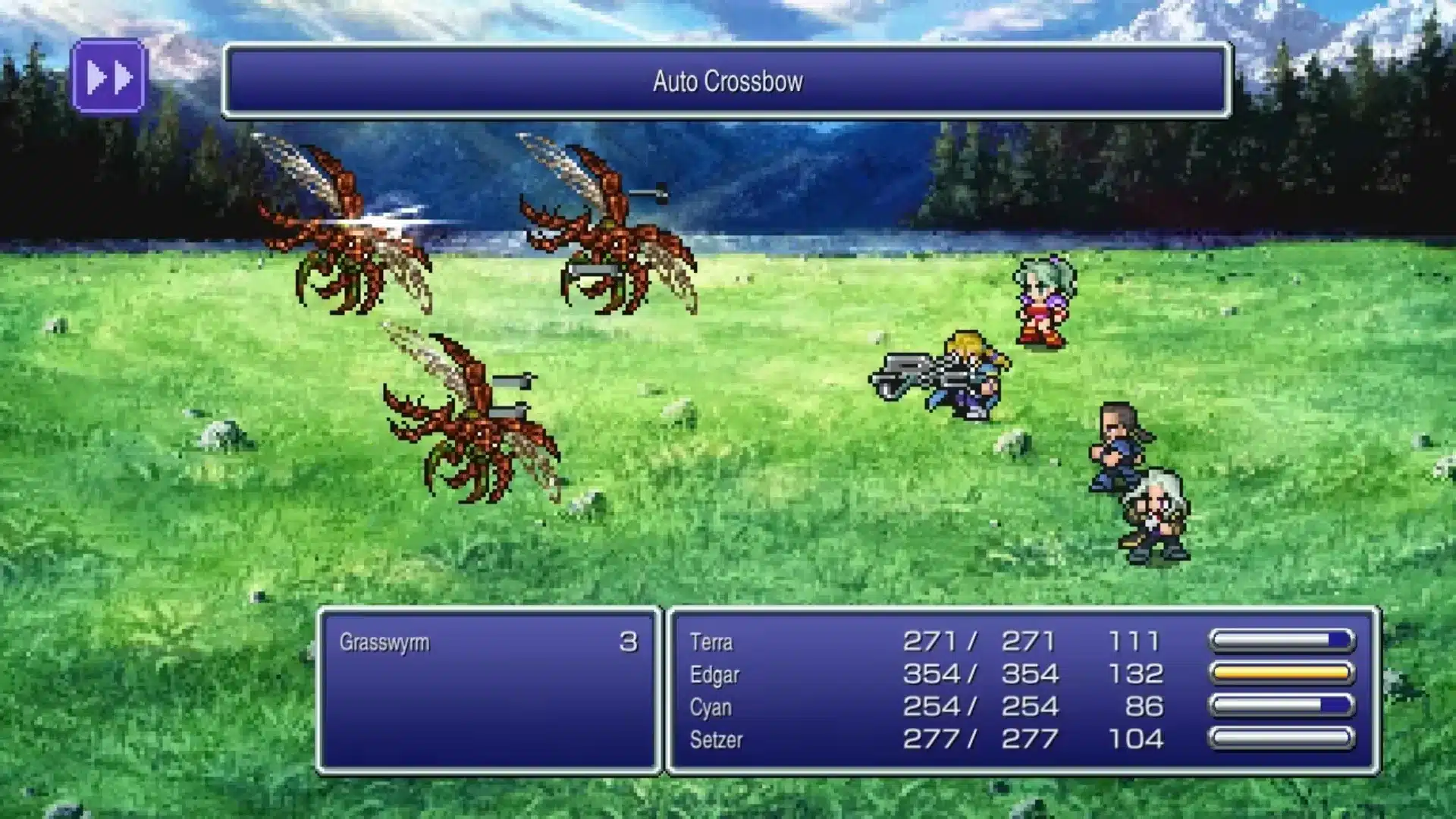
15. Final Fantasy VI
Source: nintendo.com
Final Fantasy VI stands out through its large ensemble cast, with each character bringing a distinct combat ability that changes battle strategy.
Its varied party design keeps encounters flexible, rewarding players who learn how different skills, roles, and character combinations work together effectively.
16. Final Fantasy IX

Source: xbox.com
Final Fantasy IX uses Active Time Battle while giving each party member a fixed role, creating clear strengths and limitations throughout combat.
That structure makes party planning more important because characters cannot freely switch classes, forcing you to work around their established abilities.
17. Final Fantasy X
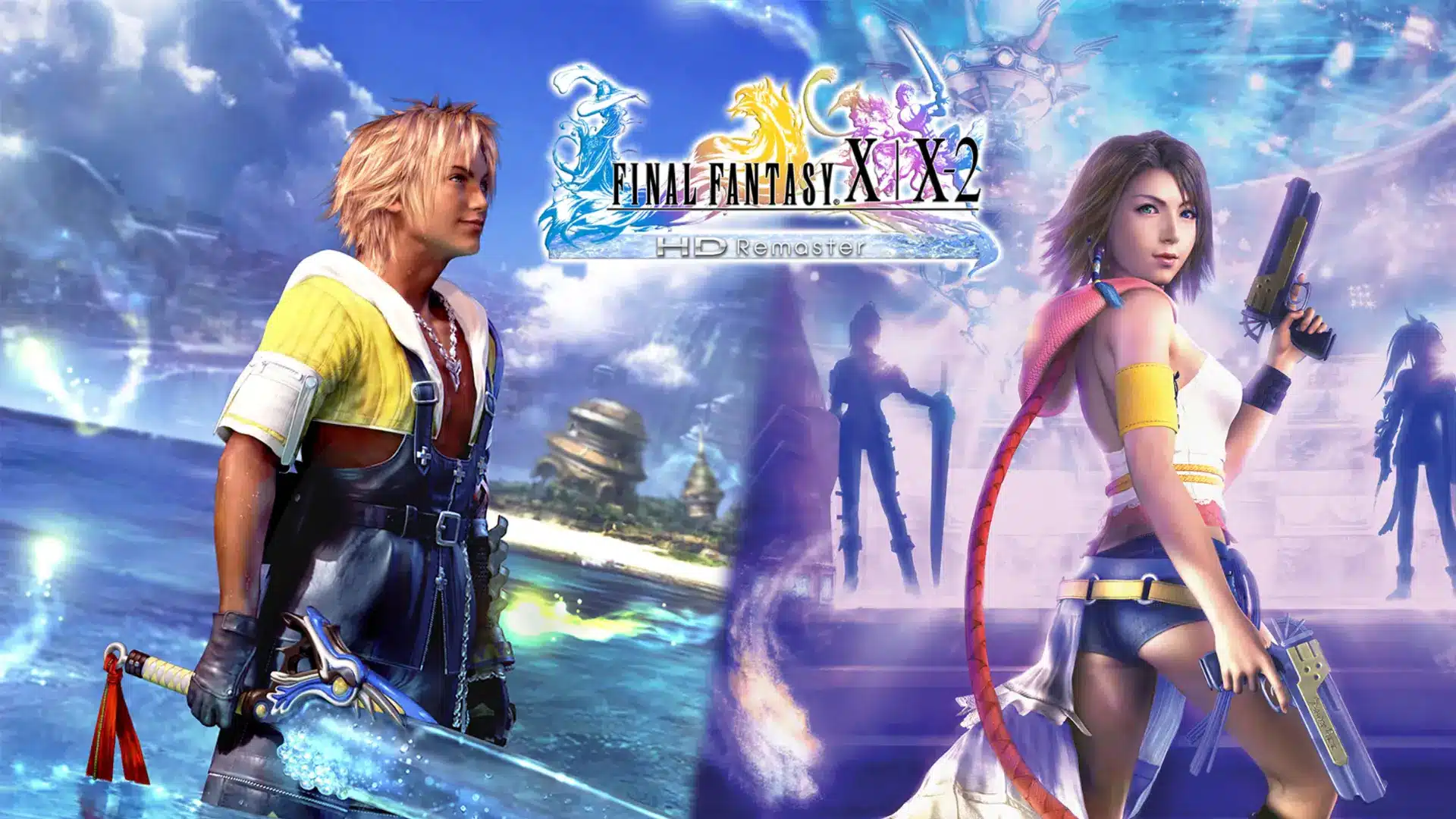
Source: nintendo.com
Final Fantasy X displays the upcoming turn order, letting you see exactly when allies and enemies will act during every battle.
That visibility makes planning easier, allowing you to swap characters, delay enemies, and prepare several moves in advance rather than react blindly.
18. Fire Emblem Fates
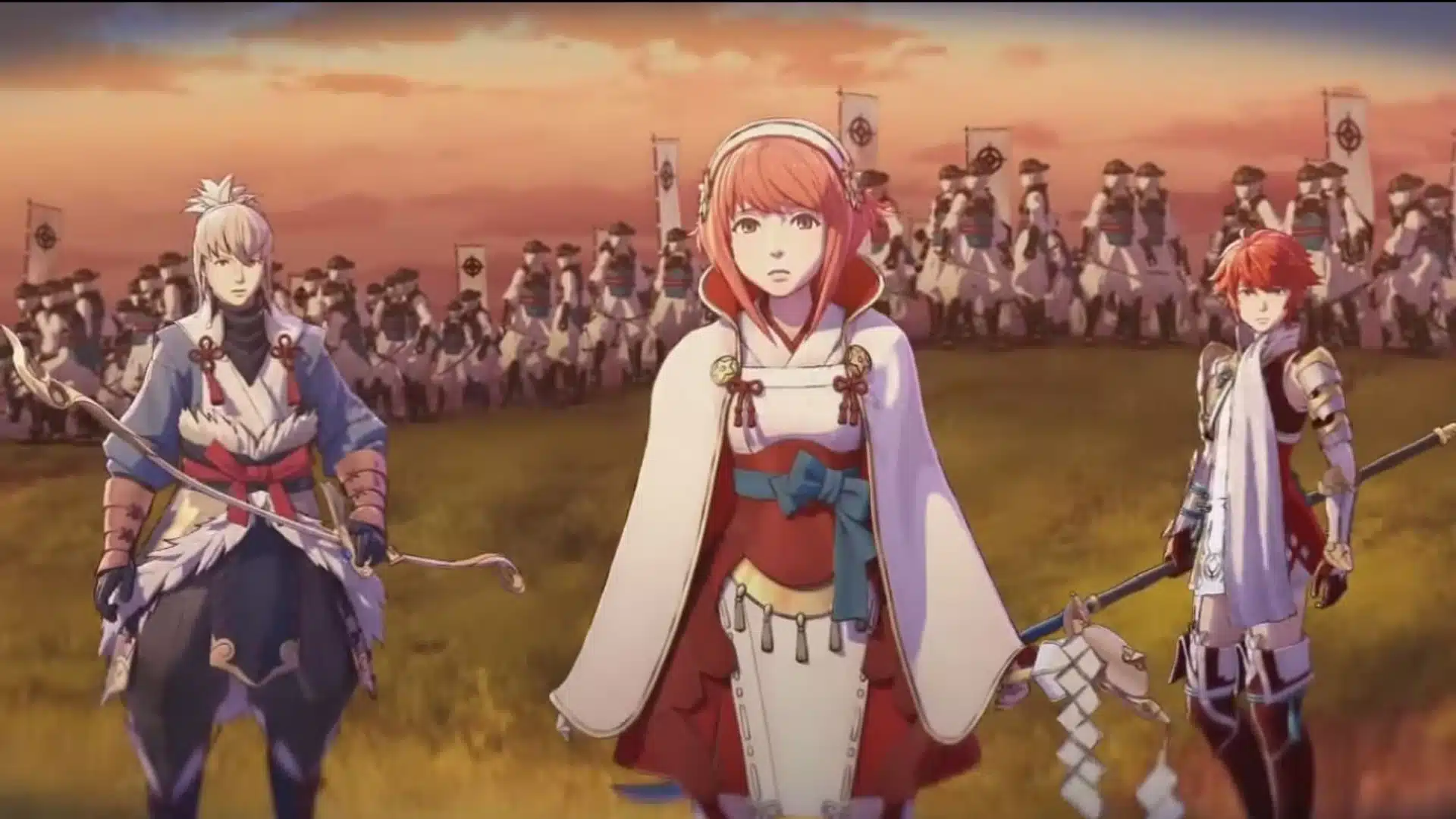
Source: wccftech.com
Fire Emblem Fates makes every tactical decision matter because permanent unit loss can completely change how your army performs later.
That pressure encourages careful positioning, smarter attacks, and stronger defensive planning, especially when a single careless move can permanently remove a valuable character.
19. Legend of Legaia
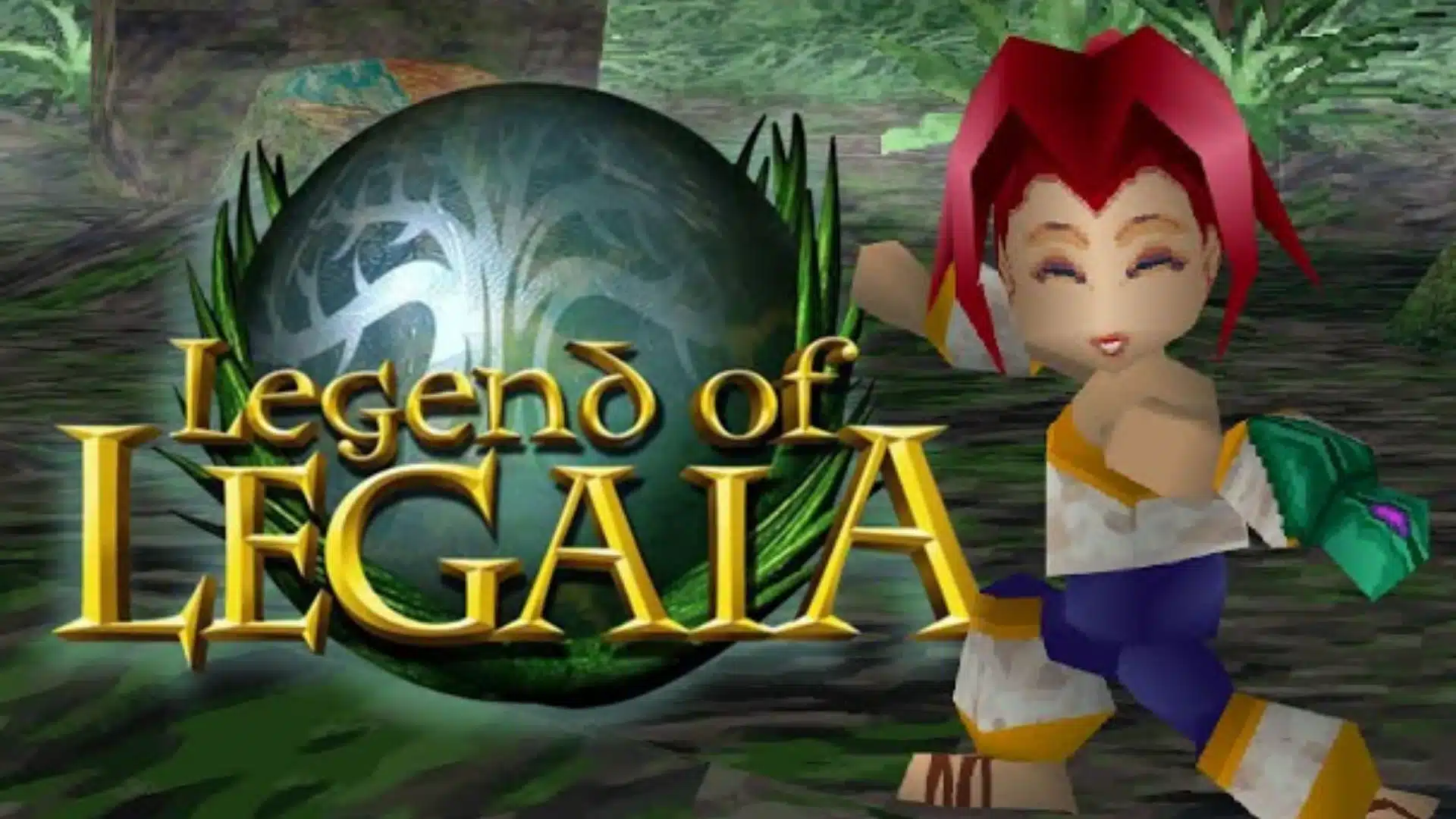
Source: youtube.com
Legend of Legaia uses an Arts system where players combine directional inputs to create different physical attacks during turn-based battles.
Experimenting with these combinations can unlock stronger moves, giving standard attacks more depth than most traditional RPG combat systems from its era.
20. Grandia II
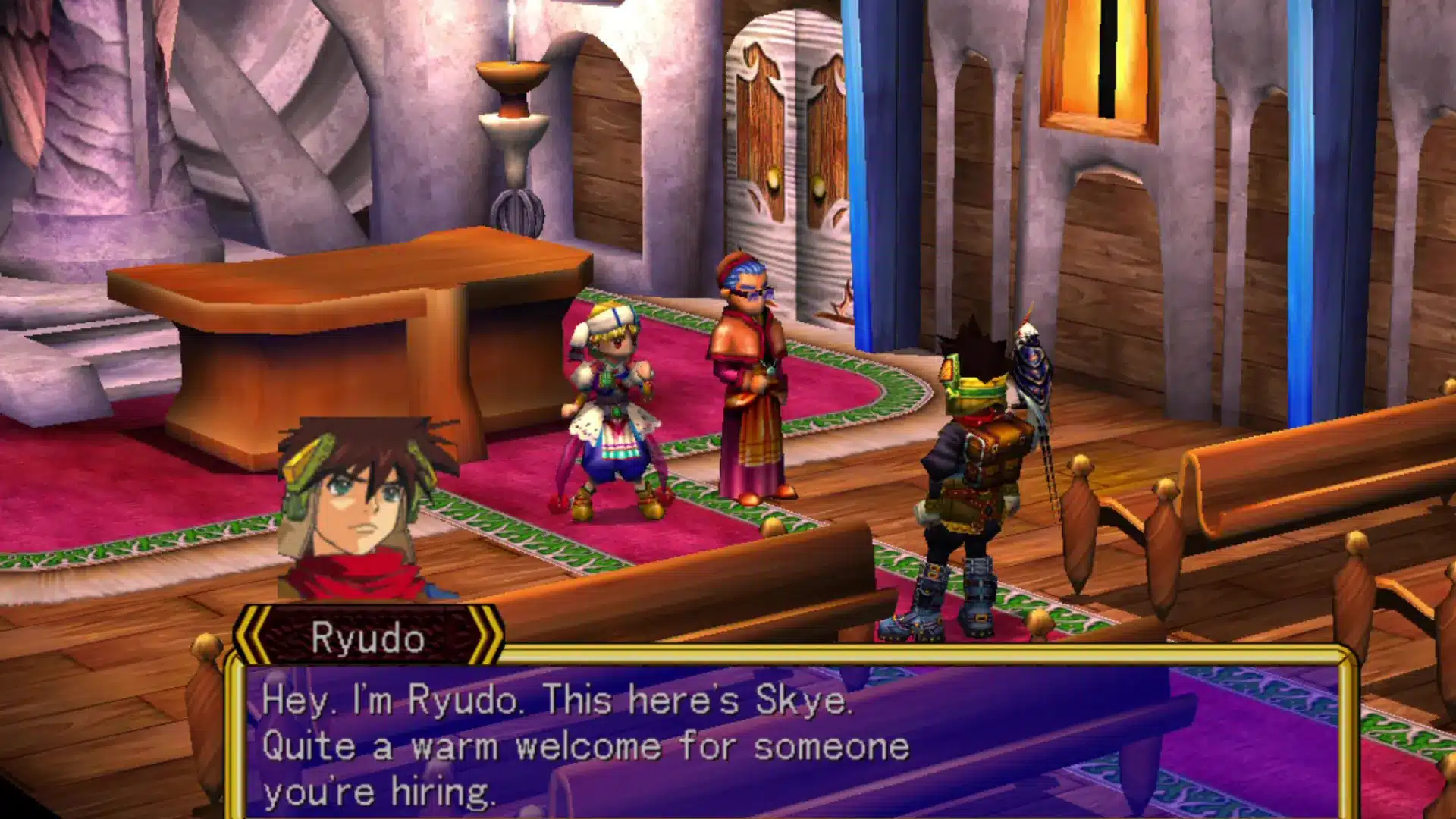
Source: store.steampowered.com
Grandia II places extra importance on turn order by allowing certain attacks to interrupt enemies before their planned actions can occur.
That mechanic creates constant tension because timing a fast move correctly can prevent heavy damage and completely change the direction of battle.
21. Like a Dragon: Infinite Wealth

Source: playstation.com
Like a Dragon: Infinite Wealth adds movement and positioning to turn-based combat, letting characters take advantage of nearby objects and allies.
Its environmental interactions keep fights active, while careful placement can improve attacks, trigger follow-ups, and create stronger opportunities against grouped enemies.
These classics and overlooked gems hold up today because their mechanics, party structures, and progression systems were built to last, not just to launch well.
How to Choose the Right Turn-Based RPG?
Choosing the right turn-based RPG depends on what keeps you engaged most, whether that means storytelling, tactical depth, flexible builds, difficulty, or shorter play sessions.
- Story Focus: Pick Persona 5 Royal, Chrono Trigger, or Persona 4 Golden if strong characters, memorable plots, and emotional moments matter most to you.
- Tactical Depth: Choose Baldur’s Gate 3, Divinity: Original Sin 2, or Cyber Knights: Flashpoint when positioning, planning, and flexible combat options sound more appealing.
- Accessible Combat: Start with Persona 4 Golden or Final Fantasy X if you want understandable systems that introduce strategy without overwhelming you early.
- Classic Systems: Try Final Fantasy VI, Grandia II, or Legend of Legaia when you prefer proven mechanics, older design styles, and straightforward progression.
- Active Battles: Pick Clair Obscur: Expedition 33 or Chrono Trigger if you enjoy turn-based planning mixed with timing, reactions, or faster battle pacing.
The right choice should match how you like to play, so prioritize the combat style, pacing, difficulty, and progression system you will actually enjoy most.
Conclusion
A great RPG never needs to nail every category, but it should always give you a reason to take one more turn.
What matters is knowing your own priority: story, tactics, accessibility, or nostalgia, since the best turn-based RPG for you is the one built around whatever keeps you engaged the longest.
Match that priority to the picks above, and you will land on a game worth your time instead of another title added to a backlog. Pick one based on your mood and the time you actually have this week.
Which pick are you starting with? Tell me in the comments below.
Frequently Asked Questions
What makes an RPG “Turn-Based” instead of real-time?
In a turn-based RPG, combat pauses between actions so each character and enemy takes a discrete turn to act, rather than moving and attacking simultaneously. This gives players time to plan each move, choose targets, and manage resources without reflex-based pressure, which is the core distinction from action-RPG combat systems.
What is the best turn-based RPG for beginners?
Persona 5 Royal is commonly recommended as a starting point because its combat introduces weakness-exploiting mechanics gradually alongside an accessible school-life structure. Dragon Quest VII Reimagined is another gentle entry, since its job-class system is straightforward and forgiving for players new to the genre’s strategic layer.
Are turn-based RPGs still being made today?
Yes, the genre remains active, with recent releases like Clair Obscur: Expedition 33 and Metaphor: ReFantazio drawing significant attention alongside established franchises like Persona and Baldur’s Gate. Modern entries increasingly blend traditional turn structures with timing-based mechanics to keep combat engaging for newer players.
Which turn-based RPG has the deepest combat system?
Baldur’s Gate 3 is widely regarded as having the deepest system, since its D&D-based ruleset allows for highly reactive, choice-driven encounters shaped by environment and character build. Divinity: Original Sin 2 is a close second, known for its elemental combo interactions between spells and terrain.