
Metroidvania rankings get messy fast. One player remembers a perfect boss fight down to the last dodge, while another remembers getting lost for three hours without finding the next ability.
I keep coming back to one test after ranking hundreds of these games: does returning to an old area feel rewarding, or merely repetitive?
That question separates the best Metroidvania games from titles that only copy the familiar structure.
This ranking covers classics, modern releases, difficult combat games, puzzle-heavy picks, and easier starting points, weighing movement, map design, progression, replay value, price, and how well each game plays today.
Hollow Knight leads the list, but it will not suit everyone. Here is where the criteria actually come from.
What Makes a Metroidvania Game Worth Playing?
A strong Metroidvania game makes progress feel earned. New abilities do more than strengthen your character. They change how you move through places you already know.
That returning loop is where the genre works best. A blocked doorway, high ledge, or damaged wall stays in your memory. Hours later, the right ability turns that old obstacle into a new route.
Combat and platforming still matter, but neither can carry a weak map. The best games connect their areas naturally and reward players who notice small environmental clues.
Each return should reveal something useful rather than add empty travel time.
I also value games that stay enjoyable after their biggest surprises fade. Responsive controls, memorable locations, meaningful upgrades, and fair difficulty matter more than age or visual detail.
Those qualities decide which titles earn a place in this ranking.
Best Metroidvania Games Worth Playing
These rankings consider map design, ability progression, movement, combat, replay value, and present-day playability. Historical importance matters, but it cannot excuse awkward controls or poor pacing.
1. Hollow Knight
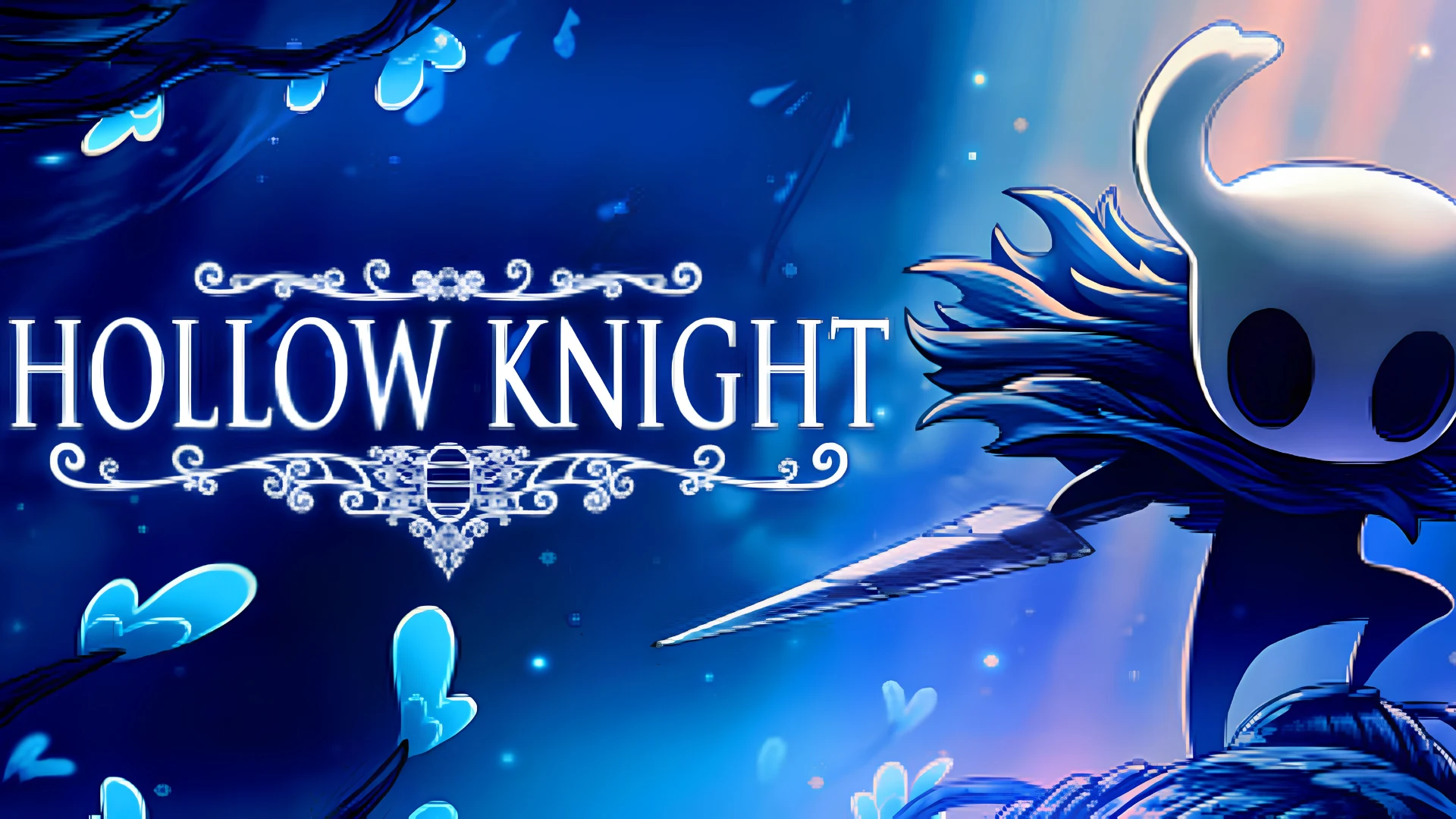
Price: $14.99
Hollow Knight earns first place because Hallownest feels connected without feeling mechanically arranged. Each region has distinct enemies, hazards, and paths into neighboring areas.
Combat starts, but charms and movement abilities gradually provide more control. Bosses demand patience, while hidden rooms reward close attention.
I have gone back to Hallownest more times than any other game on this list, and it still finds new ways to surprise me.
Limited direction can frustrate players who prefer clear objectives. I think that uncertainty strengthens the world because finding the correct path feels earned. Few games balance scale, atmosphere, combat, and progression this consistently.
Best for: Overall experience
Platforms: PC, PlayStation, Xbox, and Nintendo Switch
2. Hollow Knight: Silksong
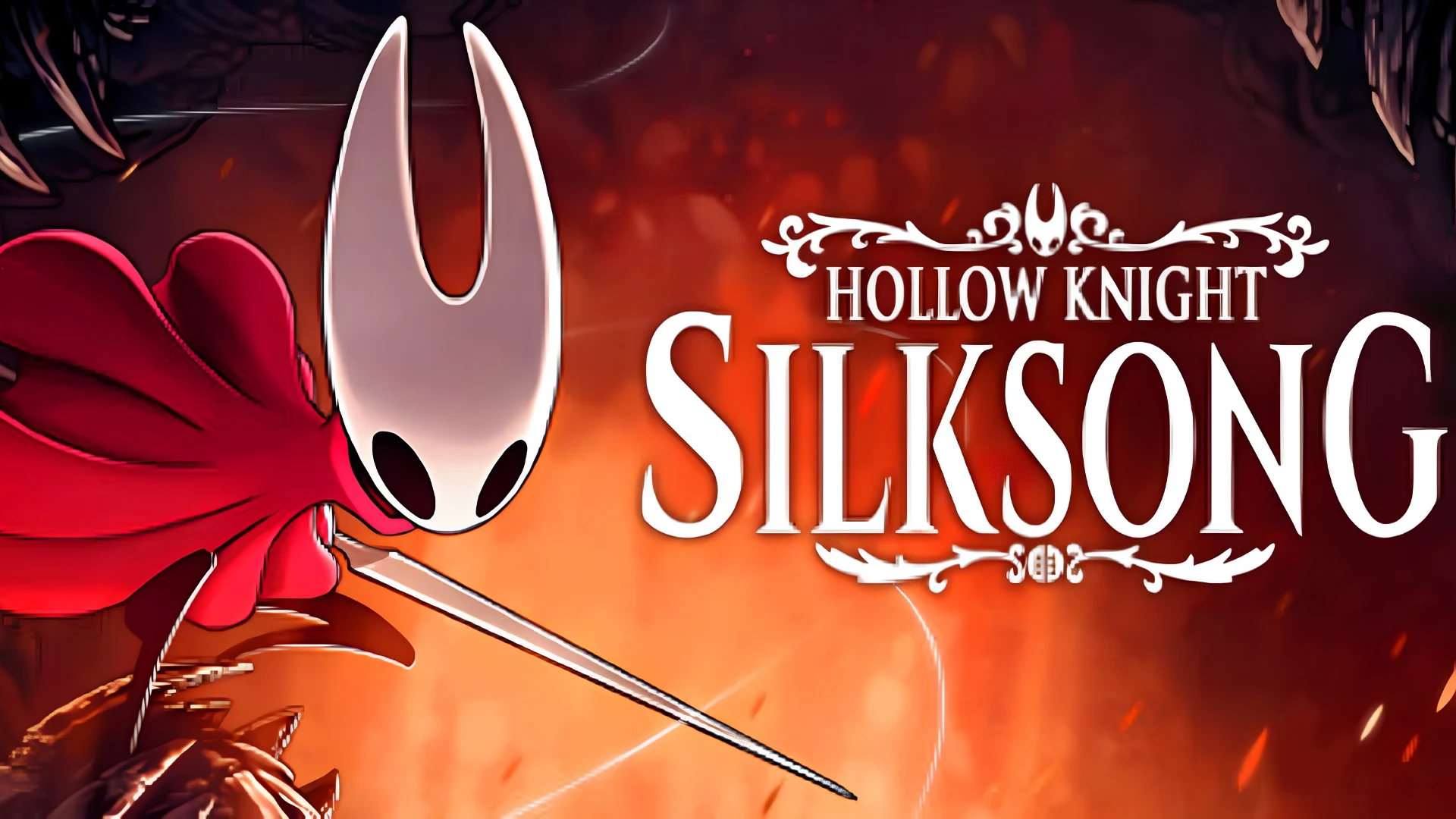
Price: $19.99
Silksong replaces the original game’s heavier movement with speed. Hornet jumps higher, attacks faster, and uses tools that make combat aggressive from the beginning.
Taller rooms support her agility, while the increased enemy variety keeps repeated travel interesting. Bosses also demand quicker reactions than many fights in Hollow Knight.
Its greater speed and pressure make it less welcoming to beginners. Healing requires careful timing, so rushed decisions carry a cost. Silksong changes the original formula enough to earn its own identity and nearly takes first place.
Best for: Fast movement and combat
Platforms: PC, PlayStation, Xbox, Nintendo Switch, and Switch 2
3. Castlevania: Symphony of the Night
Price: $19.99
Symphony of the Night established a structure that countless later games followed. Dracula’s castle opens gradually as Alucard gains equipment, spells, transformations, and movement abilities.
Its RPG systems provide unusual freedom. Players can chase stronger weapons, rely on magic, or build around familiar summons. Michiru Yamane’s soundtrack gives every castle area its own personality.
Powerful equipment makes the later sections easier than intended. Some secrets also require outside help. Those issues aside, the castle remains satisfying to learn, and the flexible progression still feels modern.
Best for: RPG progression
Platforms: PlayStation, Xbox, iOS, and Android
4. Super Metroid
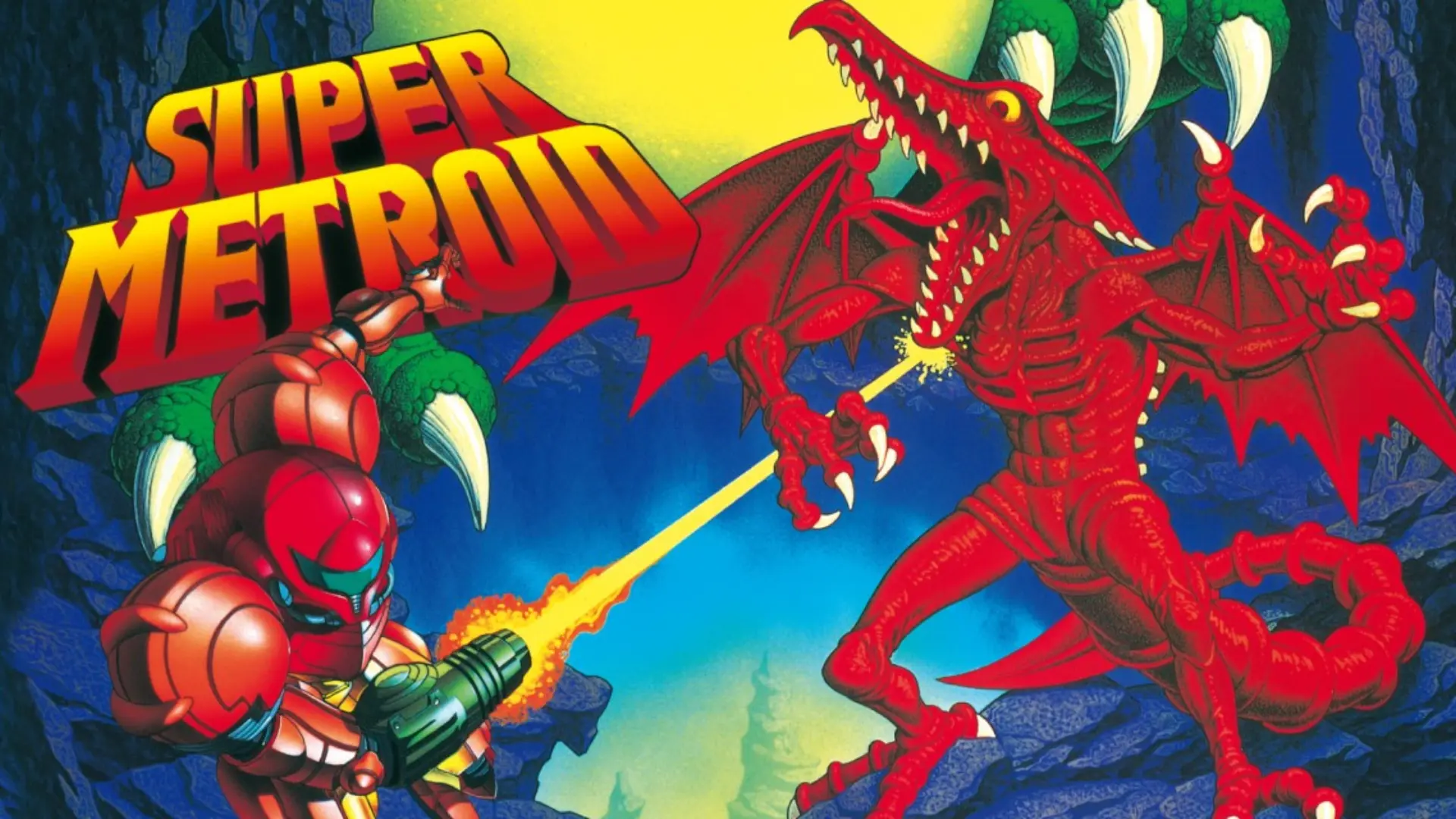
Price: $59.99 at launch; physical copies now only available used or from third-party sellers. Digital play is included with Nintendo Switch Online.
Super Metroid rarely tells players where to go. Zebes quietly teaches through room shapes, enemy placement, and visible barriers.
Each upgrade changes how Samus crosses and understands familiar spaces. The Speed Booster, Grapple Beam, and Space Jump change your understanding of the map rather than opening simple doors.
Wall jumping and weapon switching feel awkward beside newer releases. The floaty movement also needs adjustment. Once it clicks, the game becomes difficult to stop playing. Super Metroid still sets the standard for atmosphere, environmental direction, and compact map design.
Best for: Environmental storytelling
Platforms: Super Nintendo and Nintendo Switch Online
5. Ori and the Will of the Wisps
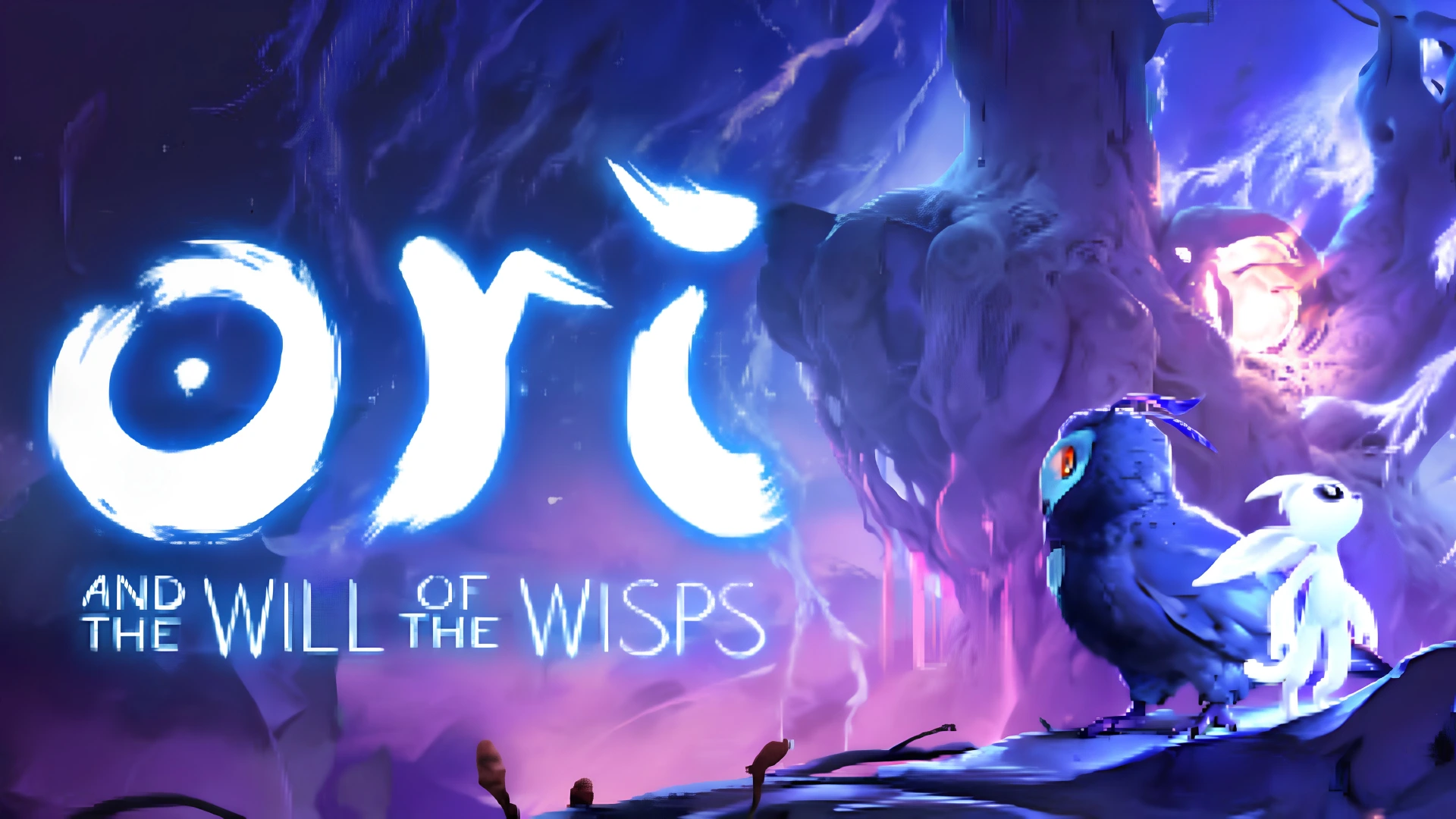
Price: $29.99
Ori and the Will of the Wisps has some of the smoothest movement in the genre. Dashing, hooking, launching, and gliding connect naturally across its map.
Fast escape sequences replace several traditional boss encounters. Frequent checkpoints prevent demanding platforming sections from becoming irritating, making it a sensible starting point for newer players.
Combat has more options than Ori and the Blind Forest, but it lacks the depth of Hollow Knight or Nine Sols. The emotional story can also feel heavy at times.
Anyone drawn in by that emotional weight should also look at the best story games ranking for other titles that hit just as hard narratively.
Neither issue diminishes its outstanding traversal system.
Best for: Movement and platforming
Platforms: PC, Xbox, and Nintendo Switch
6. Metroid Dread
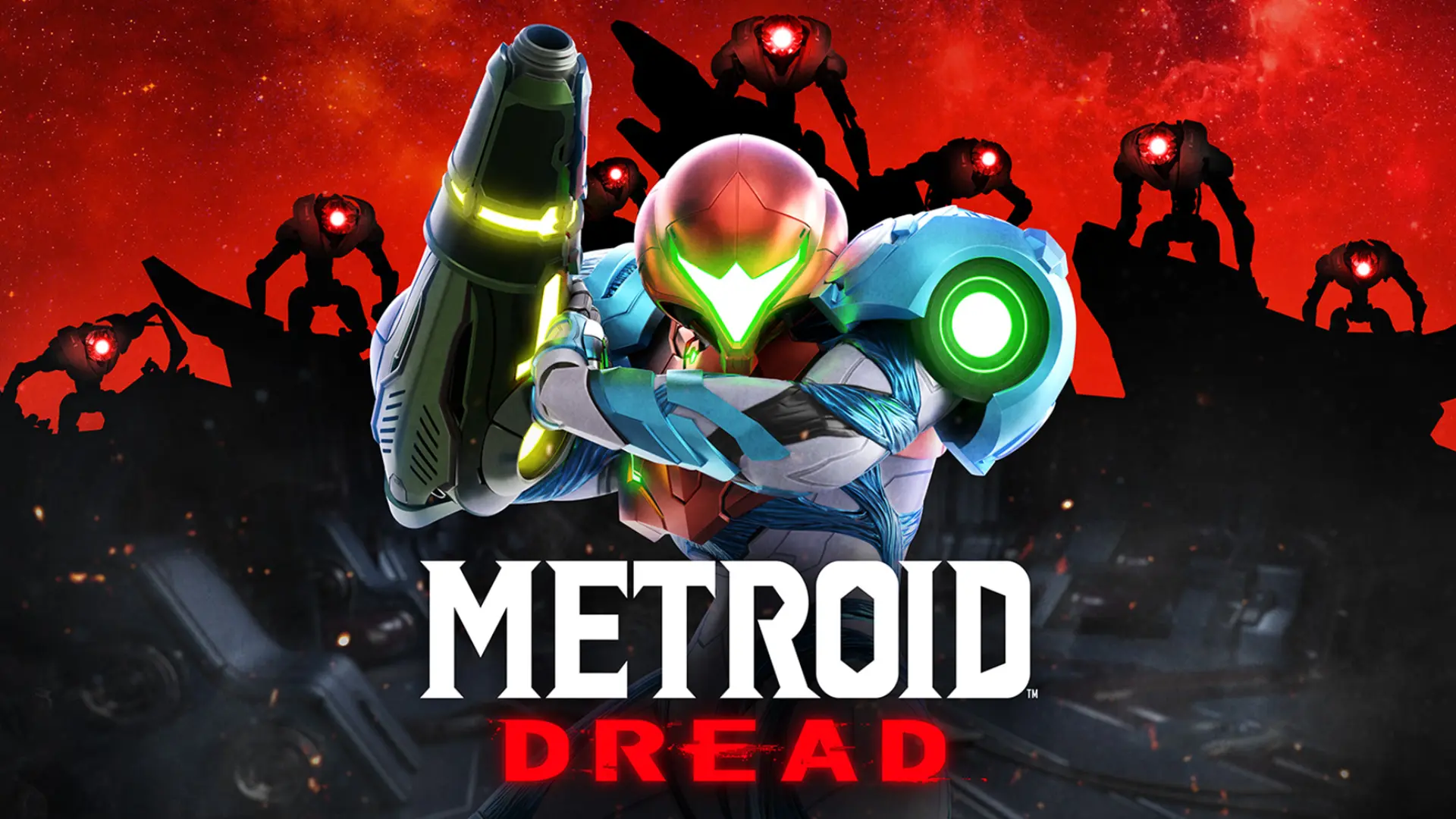
Price: $59.99
Metroid Dread gives Samus the most responsive controls in the series. Sliding, aiming, countering, and climbing flow together without complicating movement.
EMMI zones interrupt normal play with tense chase sequences. They work best early, when every encounter feels unpredictable. The boss fights are stronger and reward players who study attack patterns.
Later EMMI sections repeat the pursuit idea too often. The campaign is also more directed than Super Metroid. Even so, its focused pacing rarely wastes time. Dread proves that traditional Metroid design works brilliantly with modern speed and precision.
Best for: Fast science fiction action
Platforms: Nintendo Switch
7. Prince of Persia: The Lost Crown
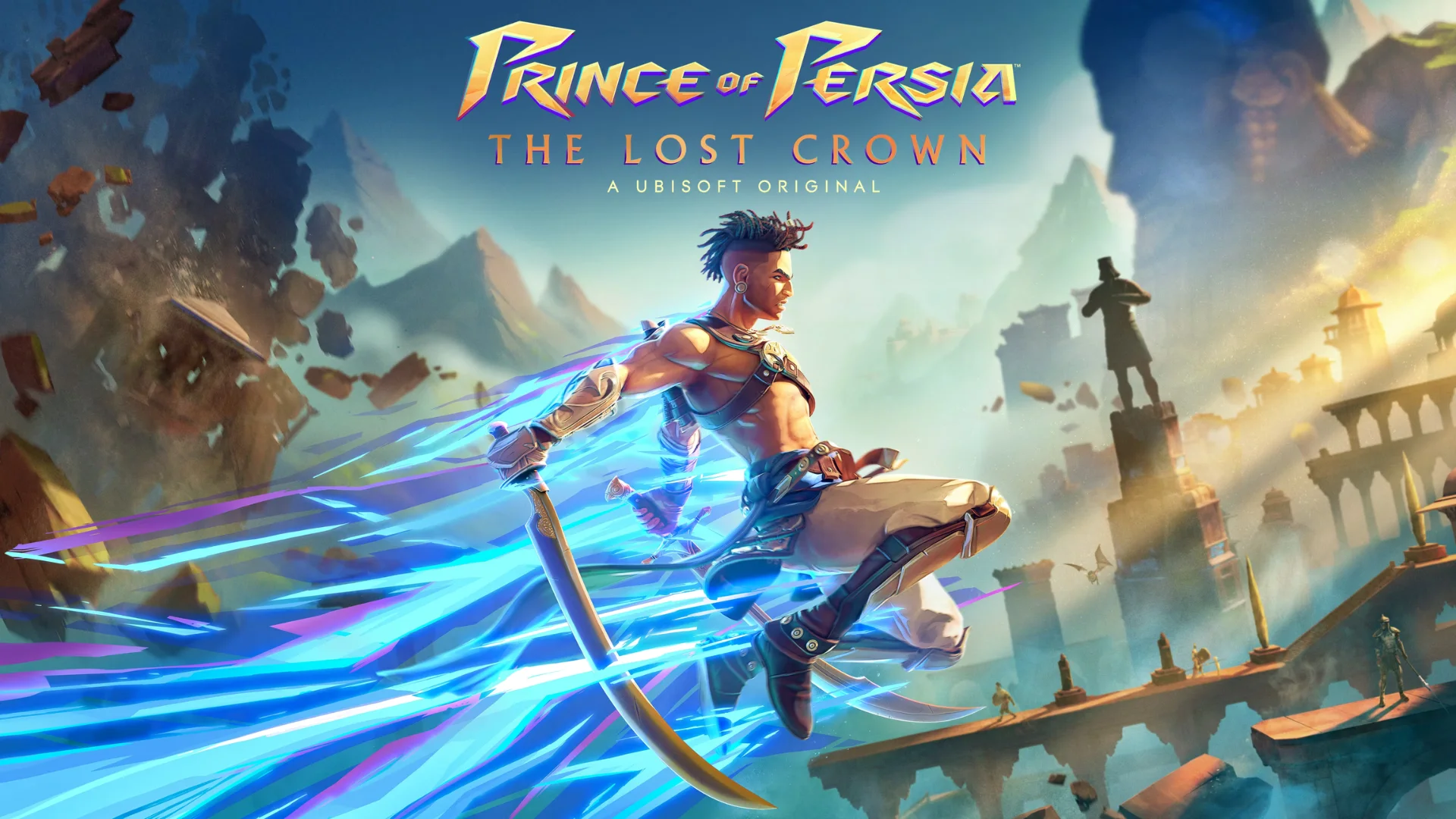
Price: $29.99
Prince of Persia: The Lost Crown gets several practical details right. Sargon responds immediately, combat supports long combinations, and time powers serve both battles and platforming challenges.
Memory Shards let players attach screenshots to map locations. This solves the common problem of forgetting why a blocked route mattered. Adjustable settings also separate combat and platforming difficulty.
Some story scenes interrupt the pace, and several supporting characters lack depth. The mechanical side is far stronger. Mount Qaf contains demanding platforming rooms, useful shortcuts, and optional fights that justify returning later.
Best for: Combat and accessibility
Platforms: PC, PlayStation, Xbox, and Nintendo Switch
8. Nine Sols
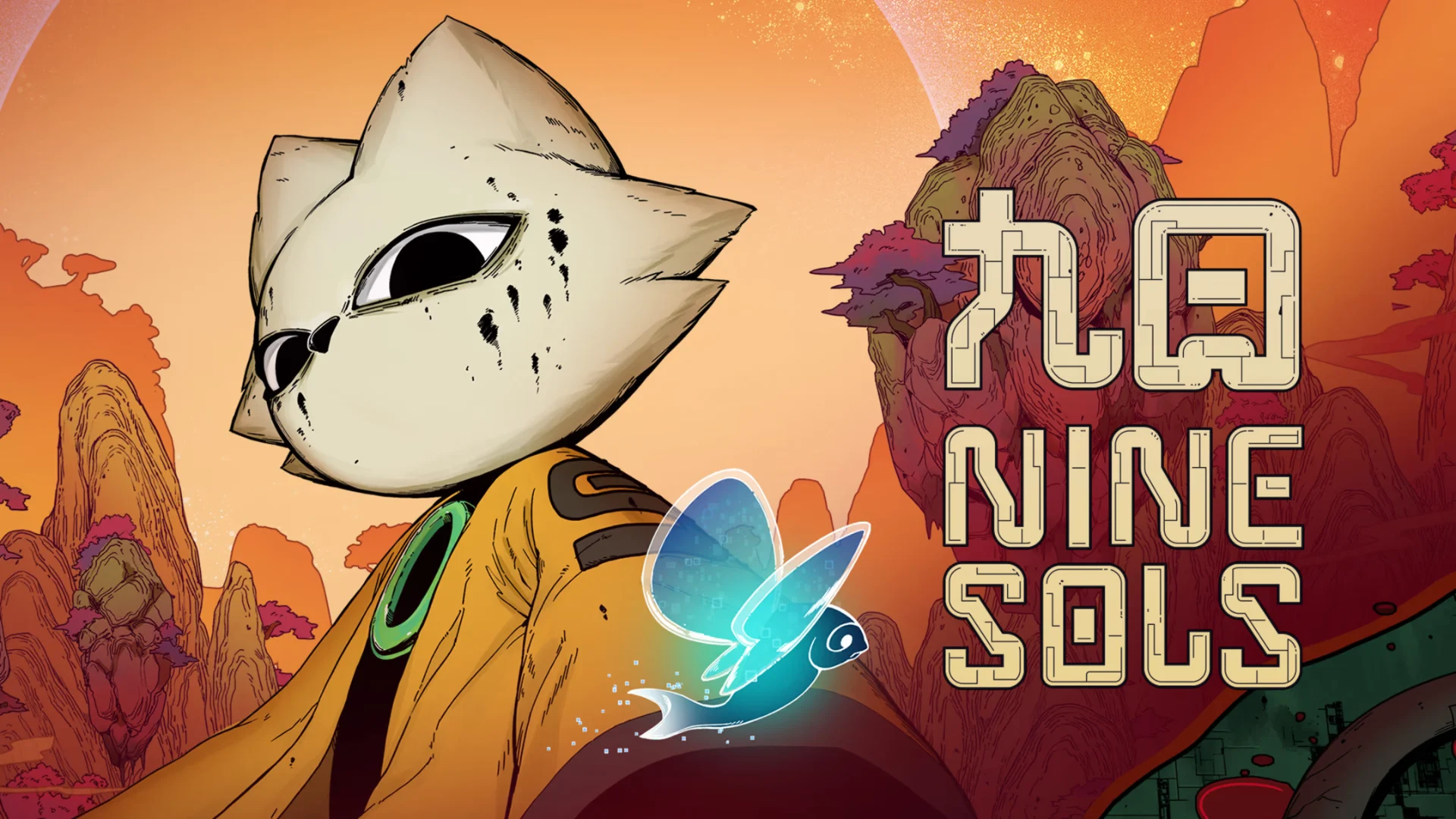
Price: $29.99
Nine Sols builds its combat around deflection. Players must read, time, and answer attacks before Yi can place talismans and deal serious internal damage.
The system feels punishing at first, especially during bosses with long attack sequences. Once the timing makes sense, fights become controlled exchanges instead of frantic damage races.
This is a poor first choice for anyone who dislikes repeated boss attempts. Progress often depends on mastering precise rhythms rather than finding stronger equipment.
Anyone who enjoys parry systems may consider that demanding structure its greatest strength.
Best for: Parry-focused combat
Platforms: PC, PlayStation, Xbox, and Nintendo Switch
9. Animal Well

Price: $24.99
Animal Well replaces traditional combat with tools that have several possible uses. A bubble wand creates platforms, while other items affect animals, switches, and environmental puzzles.
Its map appears compact, but secrets exist in layers. Finishing the main route only reveals how much remains hidden. The game trusts players to test ideas without explaining each interaction.
That freedom becomes frustrating when one missed clue blocks progress. Action-focused audiences may also find its quiet stretches too restrained. Animal Well ranks highly because it makes observation more useful than raw power.
Best for: Puzzles and hidden secrets
Platforms: PC, PlayStation, Xbox, and Nintendo Switch
10. Bloodstained: Ritual of the Night
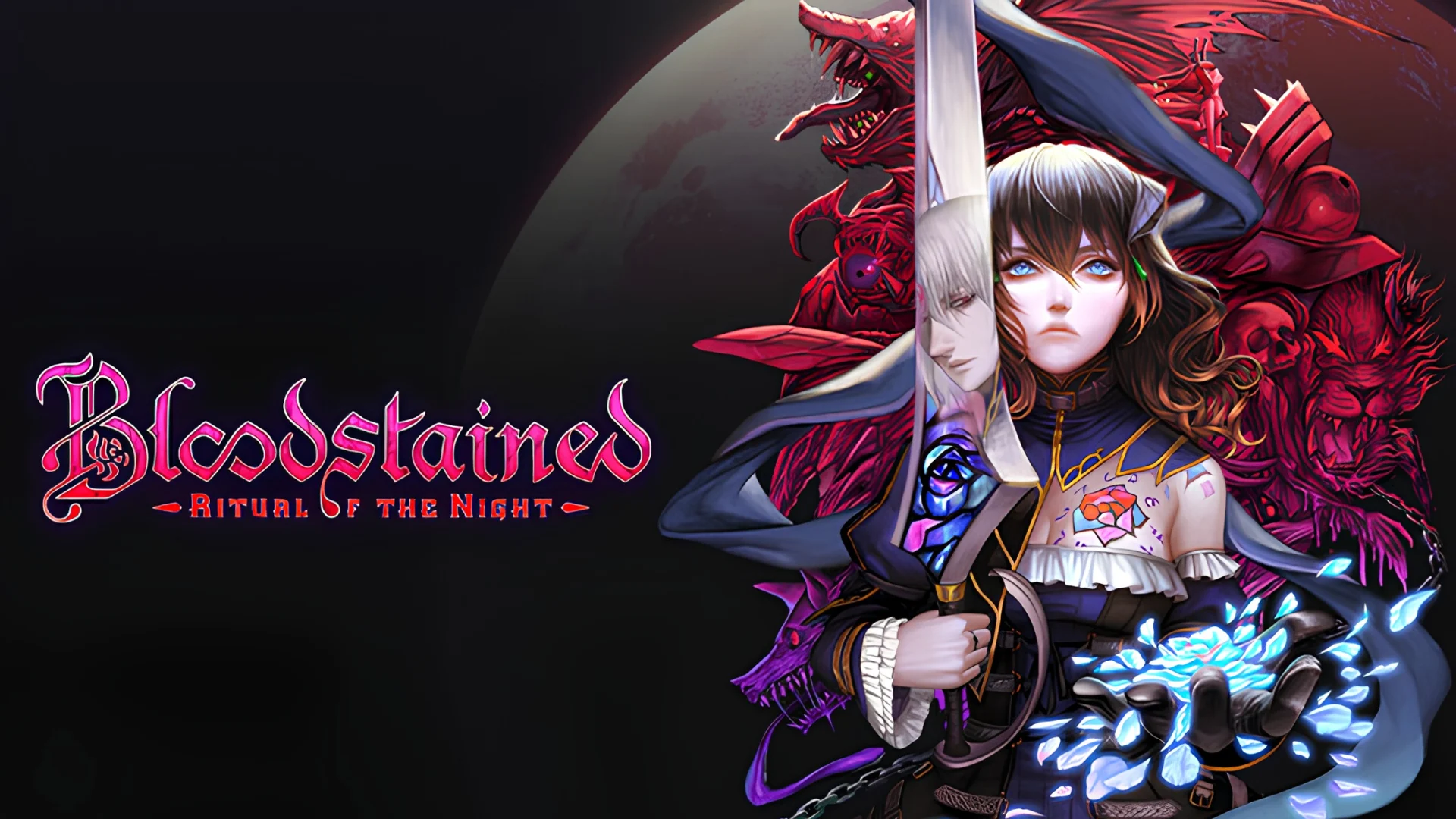
Price: $39.99
Bloodstained: Ritual of the Night closely follows the Symphony of the Night formula. Miriam gains enemy shards that provide attacks, summons, passive effects, and movement powers.
Weapons, armor, crafting, food bonuses, and shard upgrades create many build options. That freedom supports experimentation, though stronger combinations can reduce the challenge.
Some character models and environments look uneven beside newer games. The Nintendo Switch version has also faced more technical issues than other releases.
Still, few modern titles match its equipment variety or RPG depth. Castlevania fans should feel immediately comfortable.
Best for: Castlevania fans
Platforms: PC, PlayStation, Xbox, Nintendo Switch, and mobile
11. Blasphemous 2
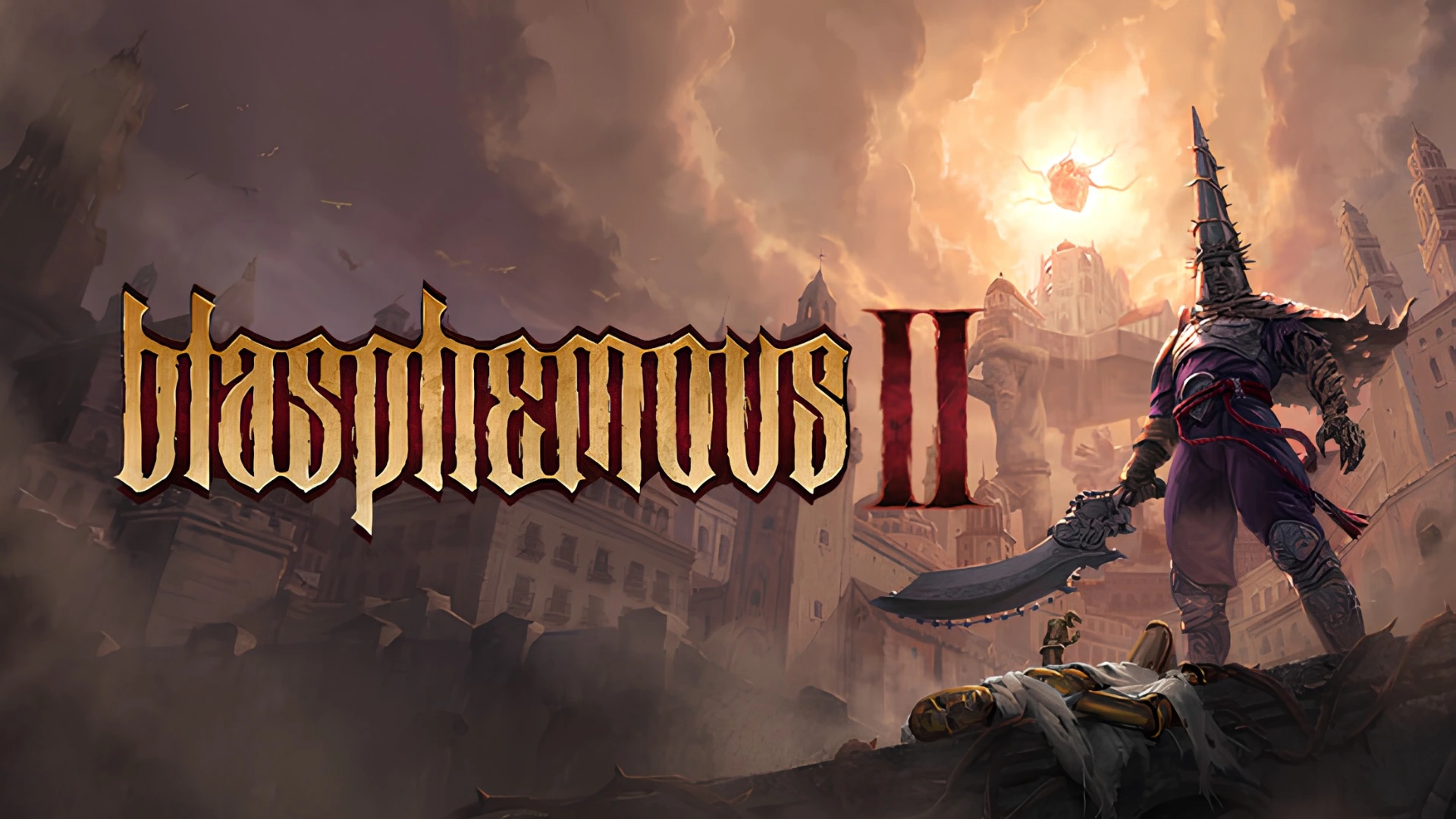
Price: $29.99
Blasphemous 2 gives the Penitent One three starting weapons. Each affects combat and access to different parts of the map.
Movement feels smoother than the original, and bosses place greater emphasis on readable attack patterns. Harsh religious imagery gives the setting a clear identity without weakening the mechanical design.
Some players may struggle with its violent tone. A few later fights also rely too heavily on repeated enemy waves.
I prefer the sequel because its systems connect more cleanly. It keeps the original’s identity while removing much of its movement friction.
Best for: Dark fantasy combat
Platforms: PC, PlayStation, Xbox, and Nintendo Switch
12. MIO: Memories in Orbit
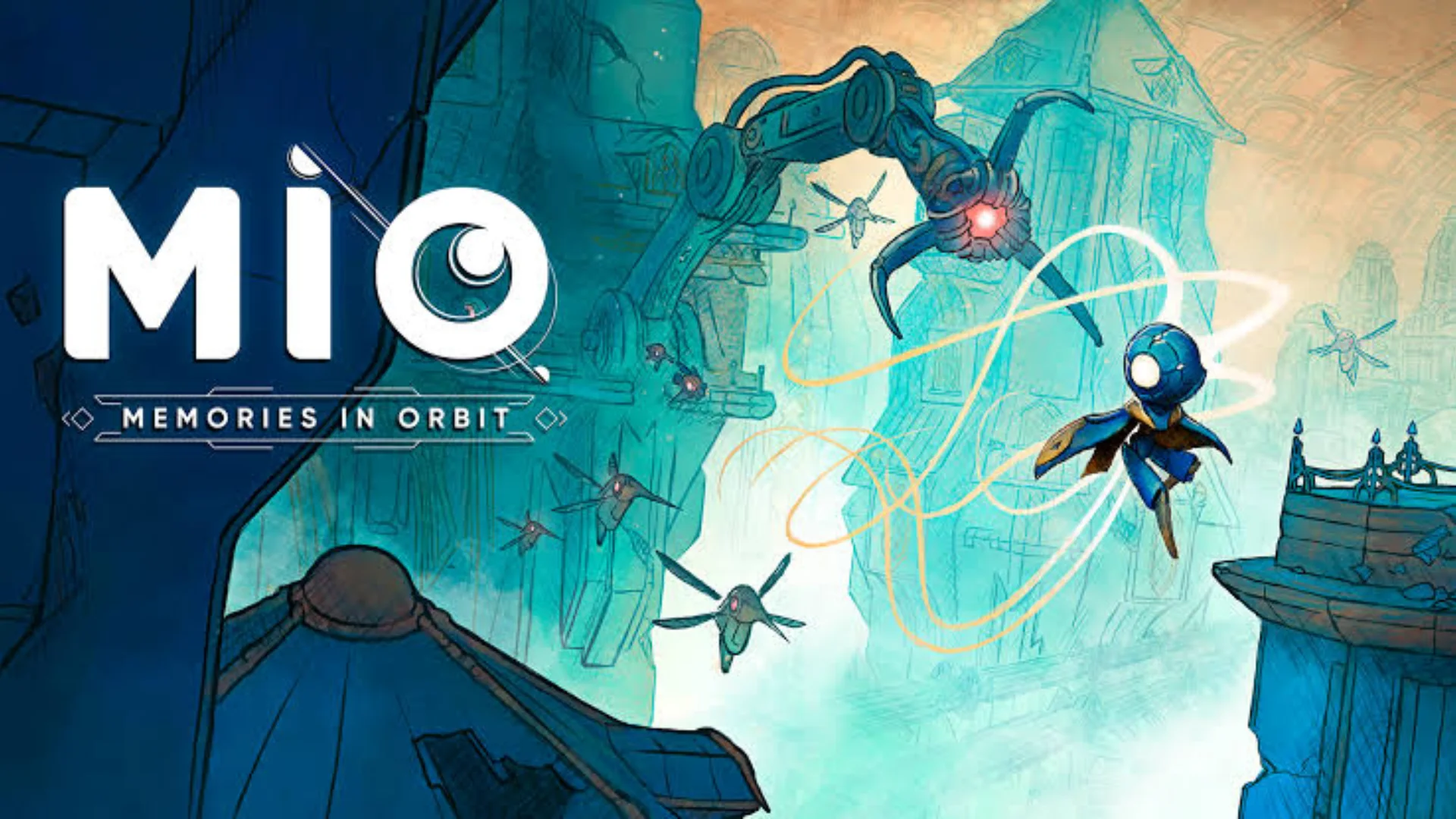
Price: $19.99
MIO: Memories in Orbit follows an android moving through the Vessel, a damaged technological structure filled with machines and overgrown spaces.
Movement abilities include gliding, hook-based traversal, air control, and wall-based actions. These tools make platforming the main attraction, while quick combat keeps ordinary encounters moving.
Its visual design gives every area a strong identity, though unclear directions can slow progress. Assistance settings make difficult bosses and movement sections more manageable.
MIO earns its position by combining demanding platforming with one of the most distinctive science fiction settings in this ranking.
Best for: Artistic science fiction platforming
Platforms: PC, PlayStation 5, Xbox Series X|S, Nintendo Switch, and Switch 2
13. Ender Magnolia: Bloom in the Mist
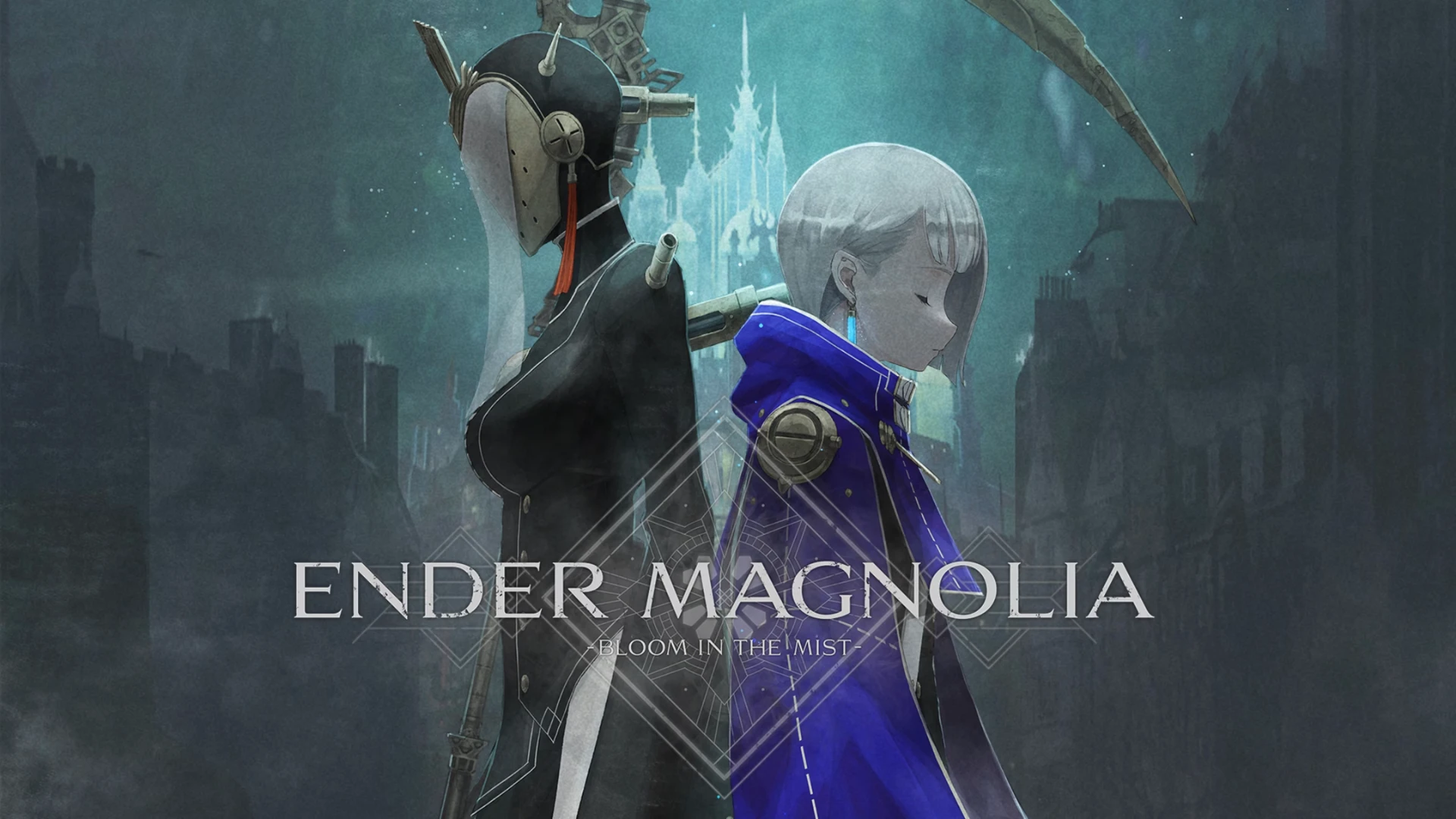
Price: $24.99
Ender Magnolia uses companion abilities for combat, movement, and access to blocked areas. Changing companions lets Lilac respond to different enemies without relying on one weapon.
The map is clearer than Ender Lilies, while fast travel reduces unnecessary repetition. Its difficulty is more approachable, though optional encounters still provide resistance.
The ruined industrial setting supports a restrained and emotional story. Several ideas will feel familiar to Hollow Knight or Ender Lilies players.
Those recognizable influences prevent it from establishing a completely distinct identity. Its polished controls and flexible companion system still make it easy to recommend.
Best for: Atmosphere and story
Platforms: PC, PlayStation, Xbox, and Nintendo Switch
14. Dead Cells
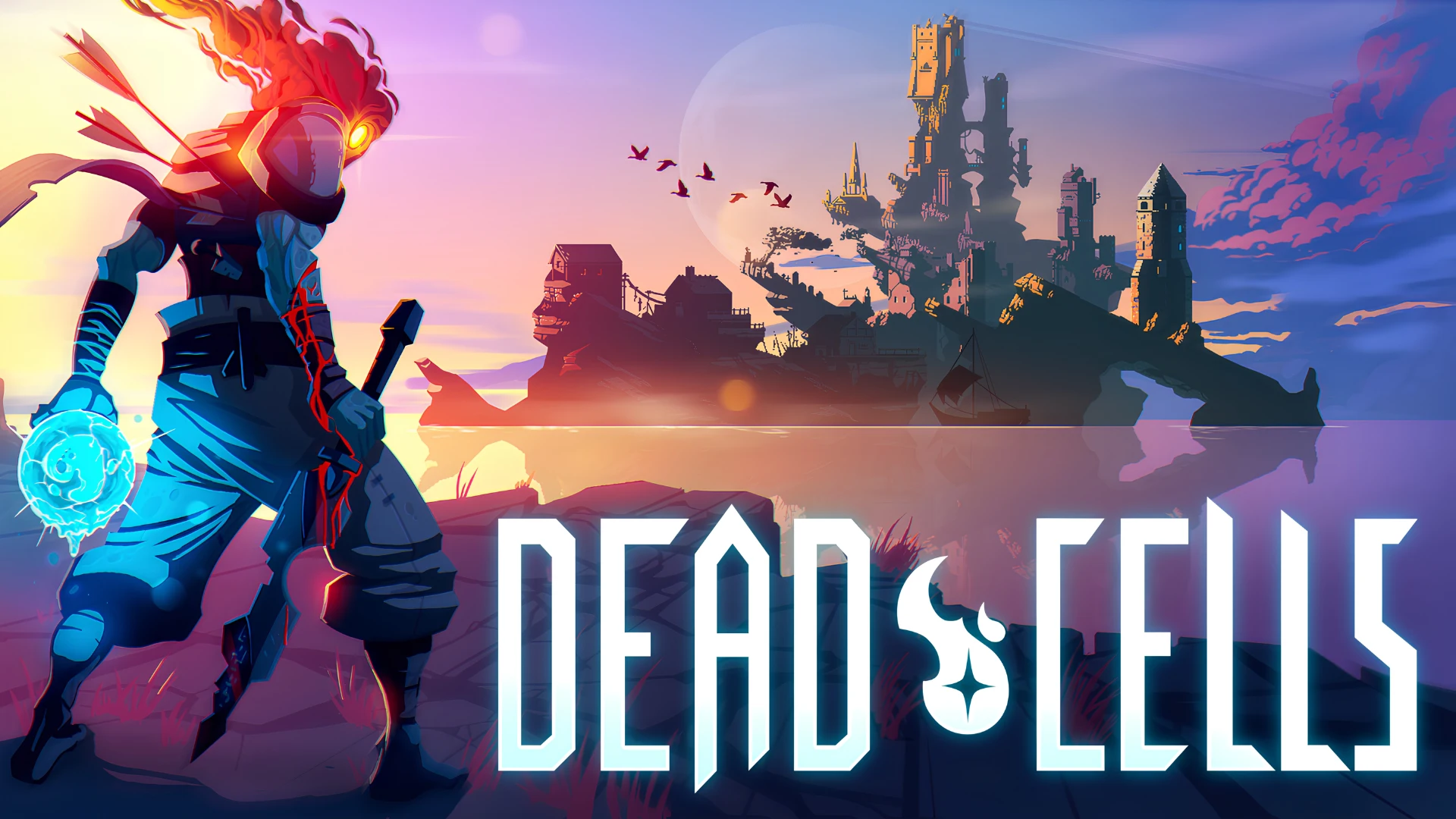
Price: $24.99
Dead Cells combines Metroidvania movement with a roguelite run structure. Combat is quick, weapons behave differently, and random item choices force players to adjust each attempt.
Permanent abilities open routes across later runs, but death sends the character back to the beginning. This structure gives it more replay value than most traditional genre entries.
If you want the full breakdown of how that reset structure differs from a traditional map, the roguelike vs roguelite explainer covers exactly that fork. The reset system is the deciding issue.
Anyone expecting one persistent world may dislike losing equipment after each failed run.
I would not call Dead Cells a pure Metroidvania, but its movement, combat, and permanent ability gates justify its place here.
Best for: Replay value
Platforms: PC, PlayStation, Xbox, Nintendo Switch, and mobile
15. SteamWorld Dig 2
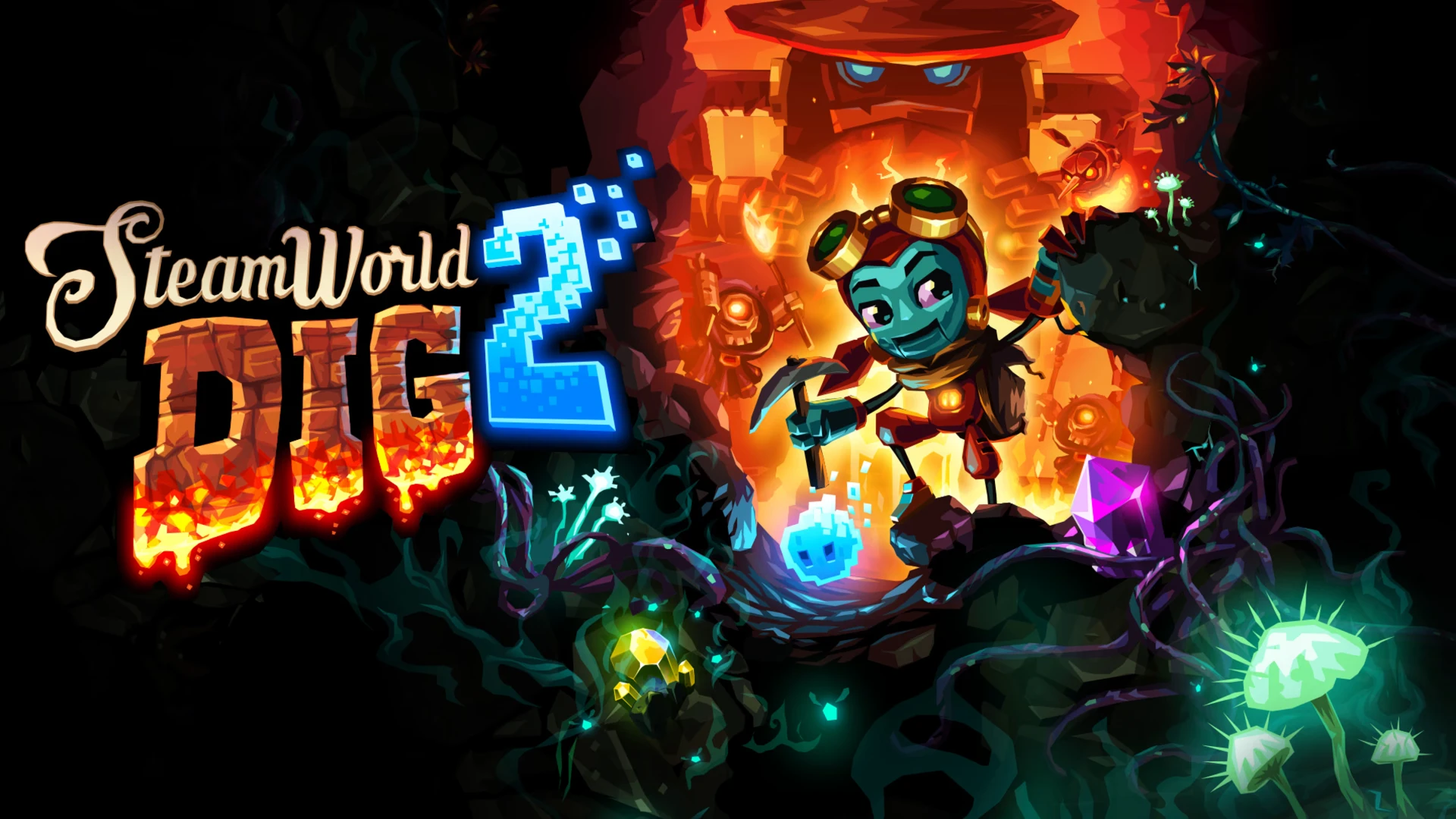
Price: $19.99
SteamWorld Dig 2 turns digging into its main progression system. Dorothy creates routes through underground areas, gathers resources, and returns to town for upgrades.
Better tools let players dig farther, survive hazards, and reach blocked locations. Platforming sections add variety without demanding perfect timing.
The map remains readable throughout the campaign. Its shorter length and moderate challenge may disappoint experienced players.
For beginners, those qualities are strengths. SteamWorld Dig 2 introduces backtracking and ability-based progression without overwhelming players with a huge map or punishing bosses.
Best for: Beginners
Platforms: PC, PlayStation, Xbox, Nintendo Switch, and mobile
16. Axiom Verge
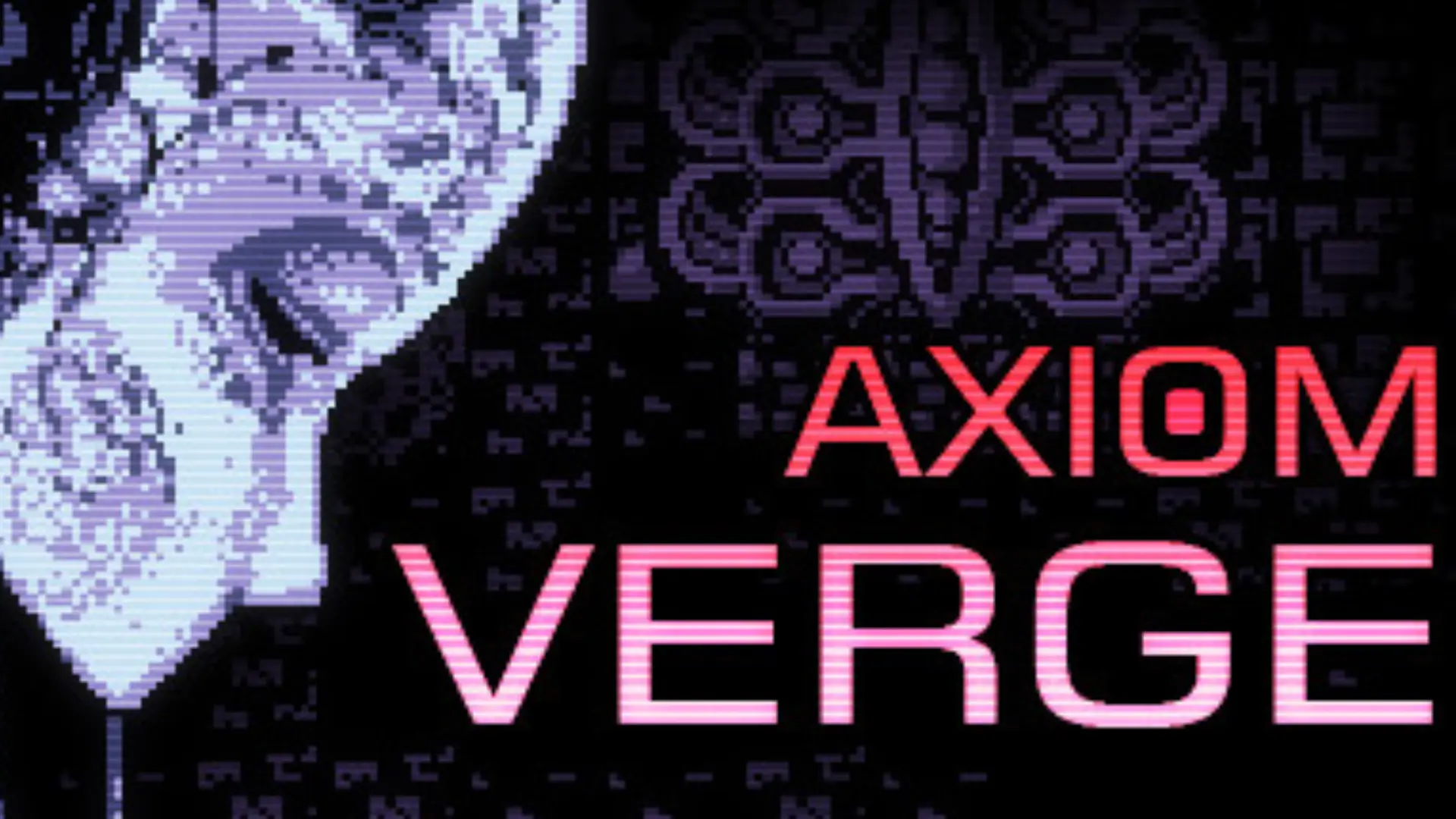
Price: $19.99
Axiom Verge looks familiar initially, but its weapons and glitch abilities quickly give it a stranger identity. Some tools attack enemies, while others alter creatures or environmental objects.
The alien world feels hostile and uncertain. Hidden passages reward close attention, while optional weapons provide reasons to revisit older rooms.
Thomas Happ handled the programming, art, design, and music himself.
Combat becomes repetitive once a few reliable weapons take over. Some routes are also difficult to read without frequent map checks. It especially suits fans who miss the isolation of early Metroid games.
Best for: Retro Metroid fans
Platforms: PC, PlayStation, Xbox, Nintendo Switch, and Wii U
17. Guacamelee 2
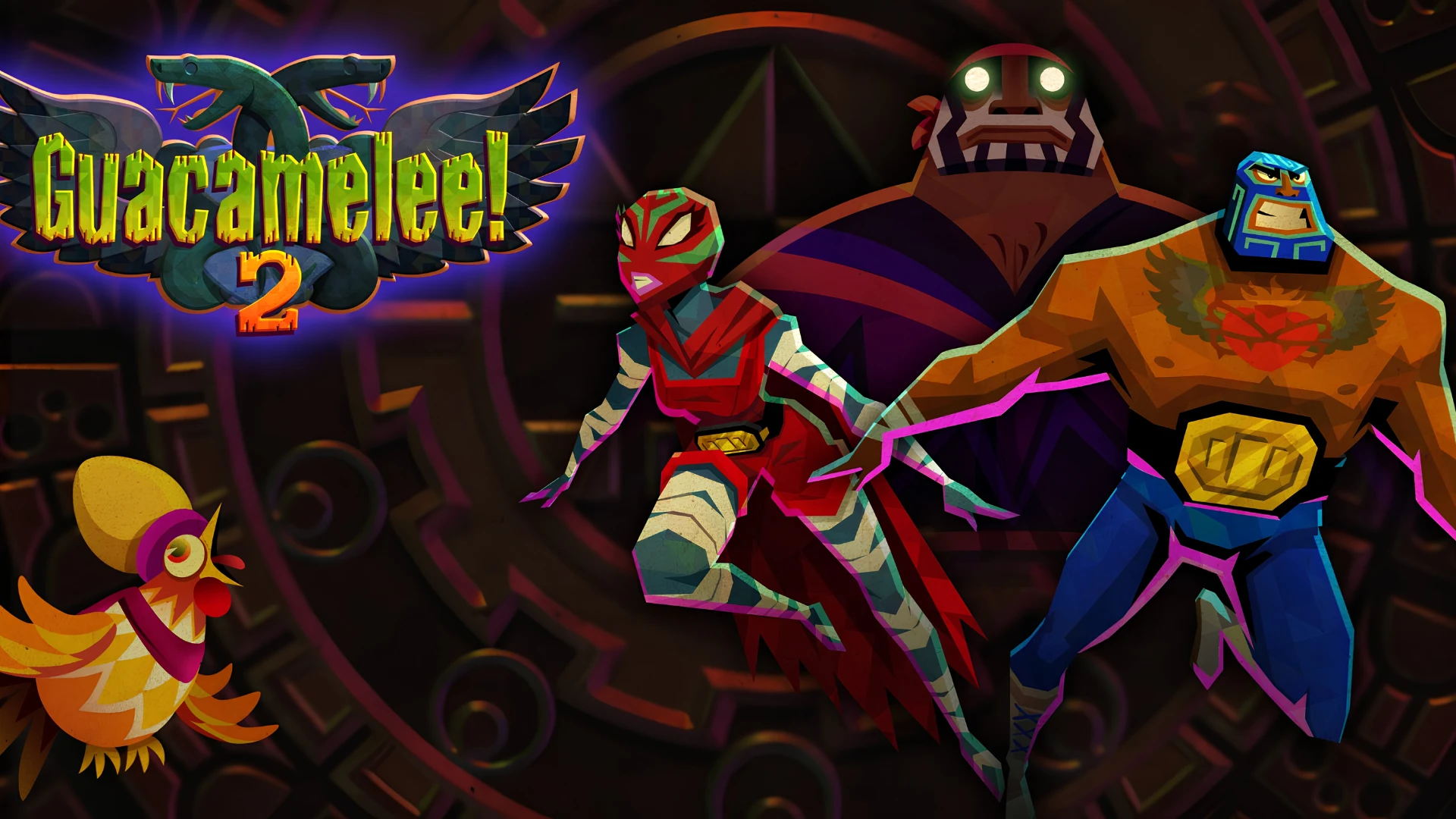
Price: $19.99
Guacamelee 2 builds combat around wrestling throws, uppercuts, dodges, and color-coded attacks. These moves also serve as traversal abilities, connecting fighting with movement.
Dimension switching changes platforms and hazards during difficult sequences.
Later rooms get demanding when you must chain several abilities together. Local cooperative play supports up to four players.
Its constant jokes can become tiring, while multiplayer makes precise platforming harder to read.
Playing alone provides tighter control, but cooperative play creates entertaining chaos. It remains one of the few strong local multiplayer choices in the genre.
Best for: Local cooperative play
Platforms: PC, PlayStation, Xbox, and Nintendo Switch
18. Metroid Fusion
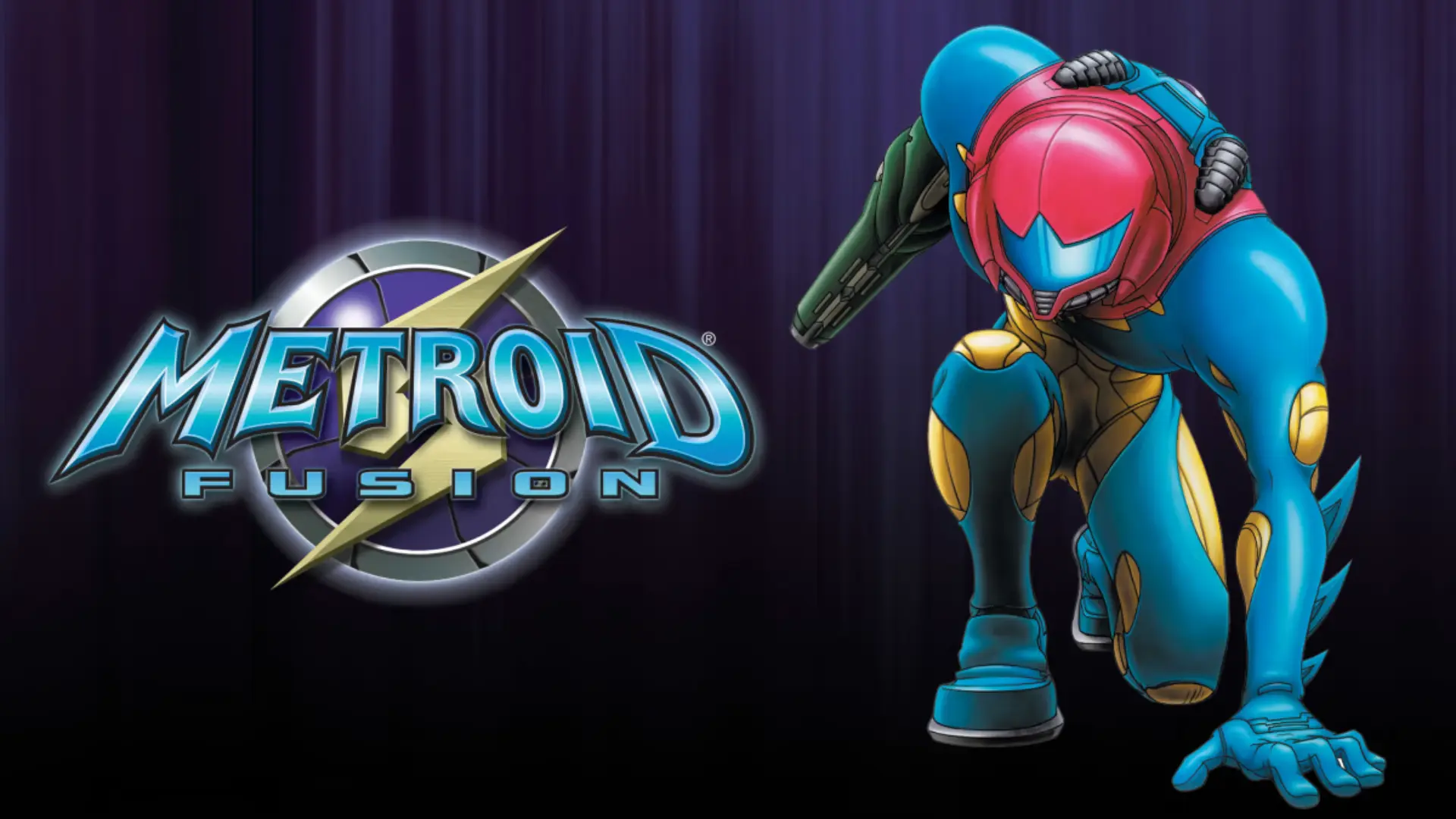
Price: Included with Nintendo Switch Online + Expansion Pack at $49.99 per year
Metroid Fusion trades the freedom of Super Metroid for tighter pacing and a stronger story. Computer briefings direct Samus between sectors, keeping the campaign moving while limiting route choice.
The SA-X creates the game’s strongest moments. Samus starts too weak to fight it, turning familiar rooms into tense hiding spaces. Later abilities gradually change that relationship.
Some players will dislike being told where to go. The station also feels less naturally connected than Zebes. I think the linear structure works because it supports the pursuit story and maintains pressure.
Best for: Focused pacing and tension
Platforms: Game Boy Advance and Nintendo Switch Online
19. The Messenger
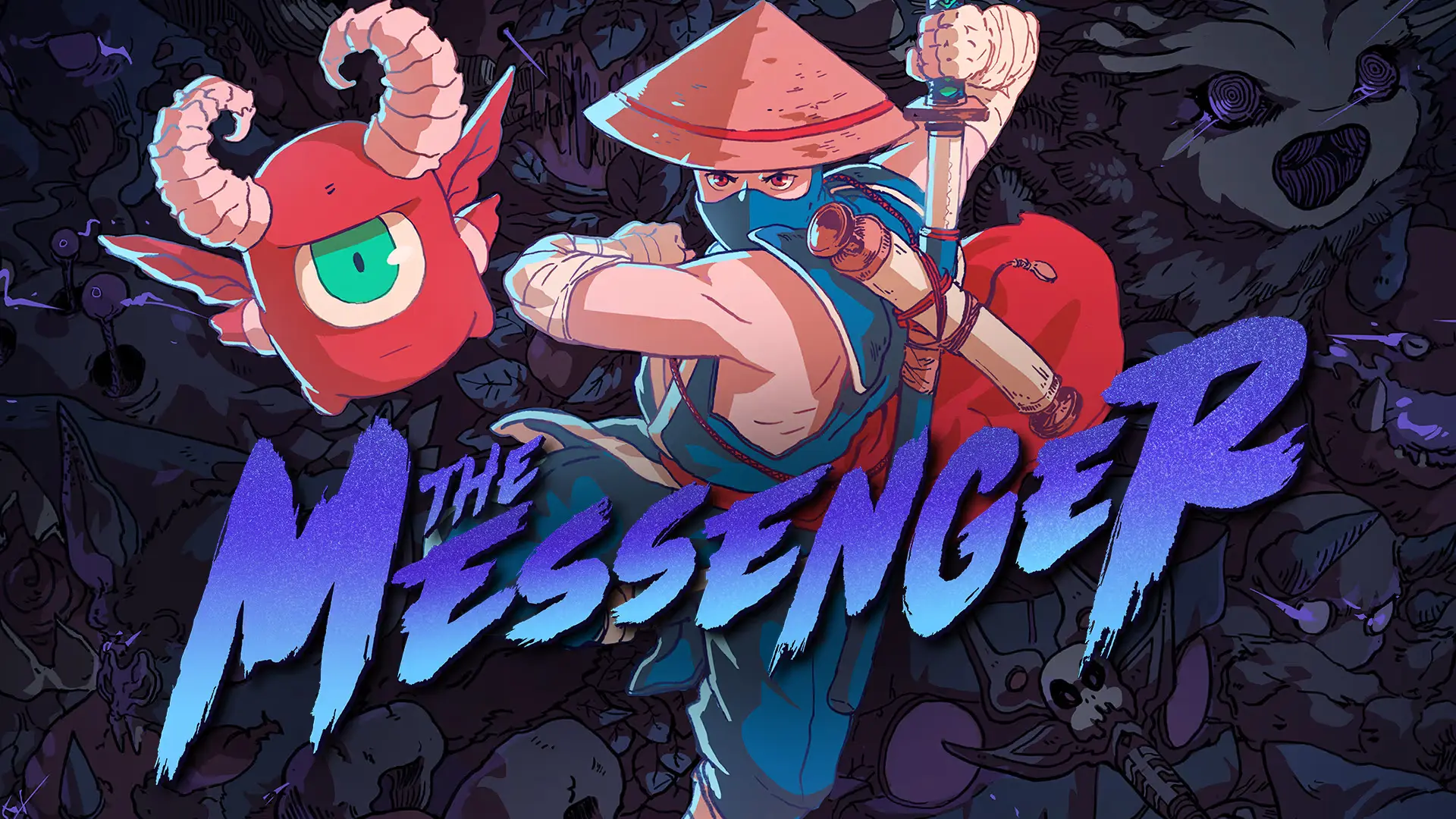
Price: $19.99
The Messenger begins as a focused action platformer with responsive movement, sharp humor, and tightly arranged stages. Its Cloudstep lets the hero jump again after striking enemies or objects.
Partway through, earlier stages connect into a larger map. Time shifts change their appearance, while old locations gain new routes.
That change is clever, though the second half loses some early momentum. Demanding platforming sections require consistent timing.
Players expecting a traditional Metroidvania may feel misled at first. Responsive controls carry both halves, while the unexpected structural change deserves recognition.
Best for: Precision platforming
Platforms: PC, PlayStation, Xbox, and Nintendo Switch
20. Yoku’s Island Express
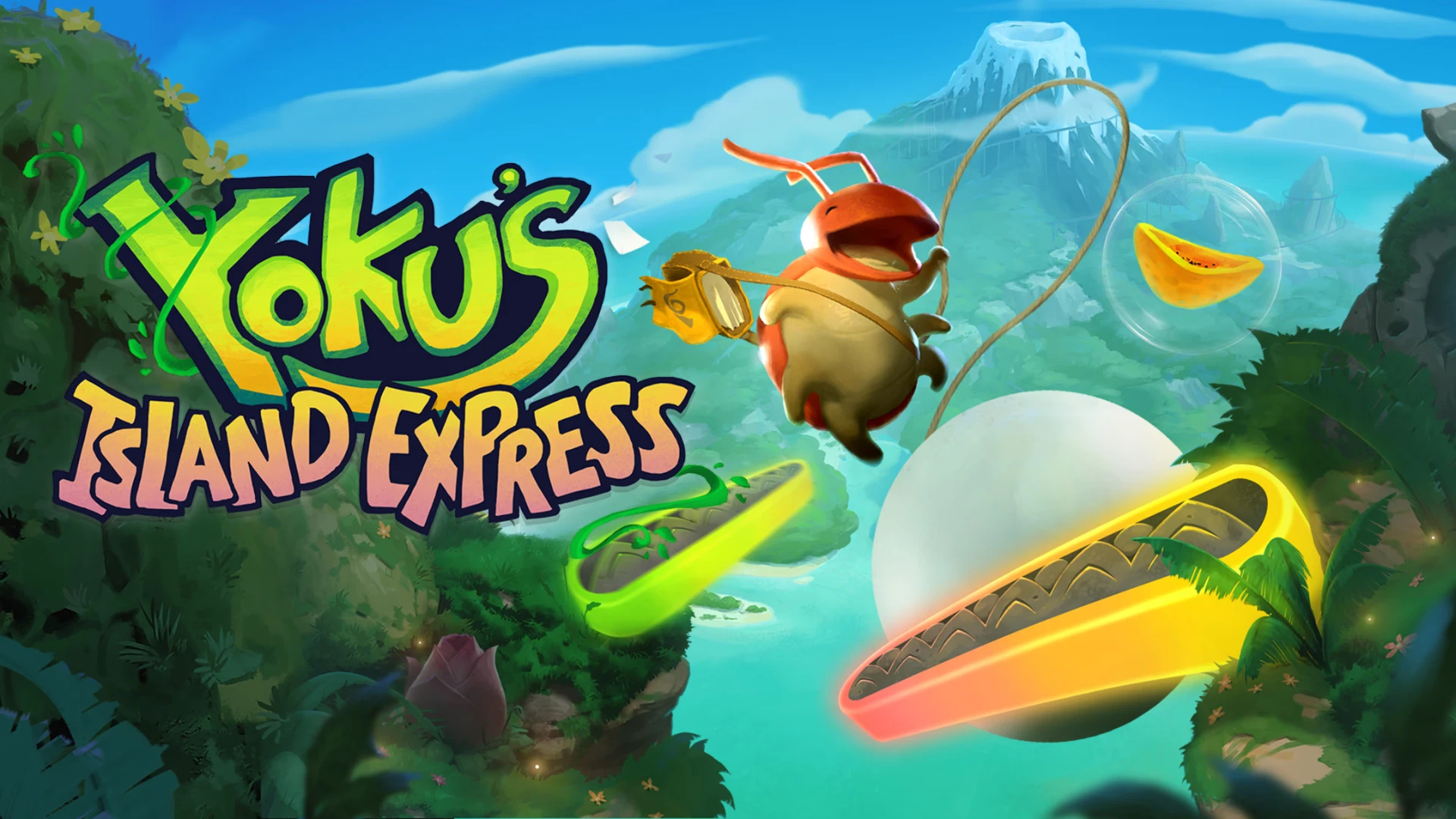
Price: $19.99
Yoku’s Island Express replaces jumping with pinball flippers placed throughout its connected world. Yoku rolls across ramps, bumpers, and tunnels while delivering mail around Mokumana Island.
New abilities open blocked routes, but the game rarely applies serious pressure. There is no ordinary death system, and most challenges allow repeated attempts without punishment.
Traditional combat is almost absent so that action-focused players may lose interest. The pinball controls also need time to understand. Its unusual pinball traversal earns inclusion despite the limited combat.
Best for: Relaxed play
Platforms: PC, PlayStation, Xbox, and Nintendo Switch
21. Aeterna Noctis
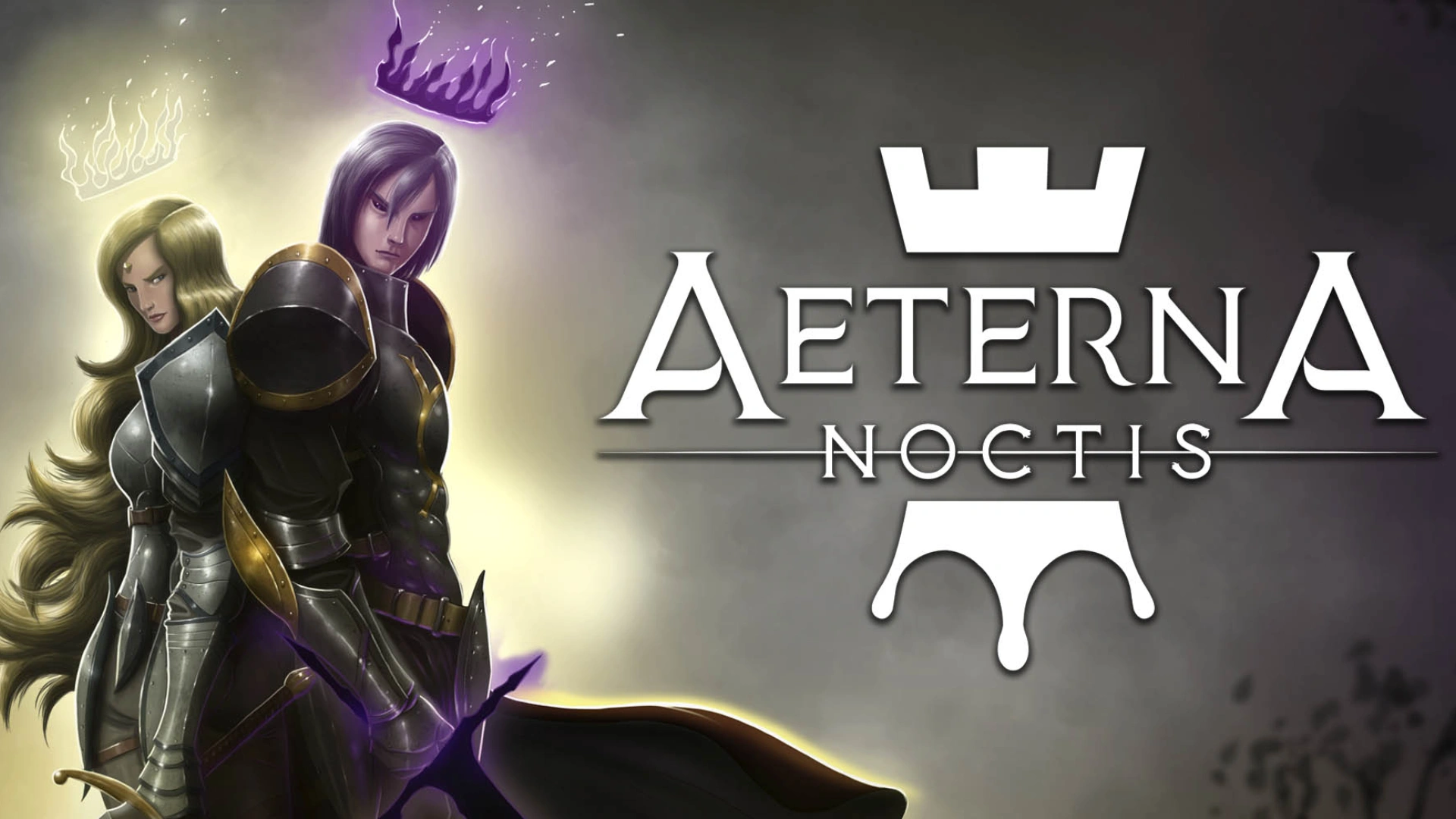
Price: $29.99
Aeterna Noctis is built for players who find ordinary platforming too forgiving. Its large map contains spikes, moving hazards, disappearing platforms, and long precision sequences.
Frequent checkpoints prevent every failure from causing a long recovery, but progress still demands patience. Combat is less distinctive, though bosses provide another serious test.
The difficulty can become exhausting during extended late-game sections.
That issue keeps it below more balanced titles. Experienced players seeking a lengthy mechanical test will find exactly that here, and the game rarely lowers its expectations.
Best for: Expert platforming
Platforms: PC, PlayStation, Xbox, and Nintendo Switch
Overall rankings cannot reflect every preference. The comparison below identifies suitable choices based on experience, difficulty tolerance, and preferred play style.
Which Metroidvania Game Should You Play First?
Hollow Knight is the best starting choice for most players because it balances combat, movement, atmosphere, and map design.
SteamWorld Dig 2 is better for beginners who want clearer directions and lower difficulty.
Your preferred play style should decide the final choice. Nine Sols suits players who enjoy precise parrying, while Animal Well focuses more on puzzles and observation.
Player type | Recommended game | Main reason |
|---|---|---|
Complete beginner | SteamWorld Dig 2 | Clear goals and forgiving progression |
Most players | Hollow Knight | Strong overall balance |
Platforming fan | Ori and the Will of the Wisps | Smooth and responsive movement |
Combat fan | Nine Sols | Demanding deflection system |
Puzzle fan | Animal Well | Layered environmental puzzles |
Switch owner | Metroid Dread | Fast controls and focused pacing |
Cooperative players | Guacamelee 2 | Local multiplayer support |
Starting with a game that matches your strengths makes the genre easier to appreciate.
Final Thoughts
A strong Metroidvania keeps pulling you back to places you thought you understood.
One new ability changes the route, reveals a hidden room, or turns an earlier threat into an easy fight.
That feeling matters more to me than map size or visual detail, and it is why Hollow Knight sits at the top of this list of the best Metroidvania games.
On the other hand, Silksong, SteamWorld Dig 2, Nine Sols, Animal Well, and Ori and the Will of the Wisps cover nearly every play style. Every game here offers a different reason to keep going after the next upgrade.
Which title would take first place in your ranking? Share your favorite Metroidvania game in the comments.
Frequently Asked Questions
Do Metroidvania Games Need to Be Played in Order?
Most Metroidvania games tell complete, standalone stories, so you can start with almost any entry that interests you first. The exception is a connected series such as Ori, Metroid, or Guacamelee, where playing in release order gives clearer character growth and story context. Outside of those direct sequels, jumping straight to a highly rated pick like Hollow Knight works fine.
Are Metroidvania Games Better With a Controller?
A controller usually gives smoother movement, easier platforming, and more comfortable inputs for combos and dodges. Keyboard and mouse still work well for experienced PC players, especially in games that support full key remapping and adjustable sensitivity. Precision platformers with heavy analog movement, like Hollow Knight or Ori, tend to feel best on a gamepad.
How Long Does an Average Metroidvania Take to Complete?
Most Metroidvania games take 10 to 30 hours to finish the main story, depending on pace and difficulty. Completion times climb well past that range once players chase optional bosses, hidden abilities, alternate endings, and full map completion. A game like Hollow Knight can stretch past 40 hours for players aiming for full completion.
Can You Enjoy Metroidvania Games Without Completing Every Area?
Yes, most Metroidvania games let you finish the main story without finding every secret, upgrade, or hidden room. Optional exploration adds extra lore, gear, and challenge, but regular progression through the critical path usually gives enough health, damage, and mobility upgrades to beat the final boss. Full completion is a bonus, not a requirement.
Why Do Metroidvania Games Involve Backtracking?
Backtracking lets players revisit familiar rooms with new abilities that unlock routes, items, or shortcuts that were out of reach before. The best Metroidvania games keep these return trips interesting through fresh enemy placements, hidden collectibles, and map shortcuts, rather than making players retrace identical corridors for no reason. Done well, it turns memory into a genuine advantage.