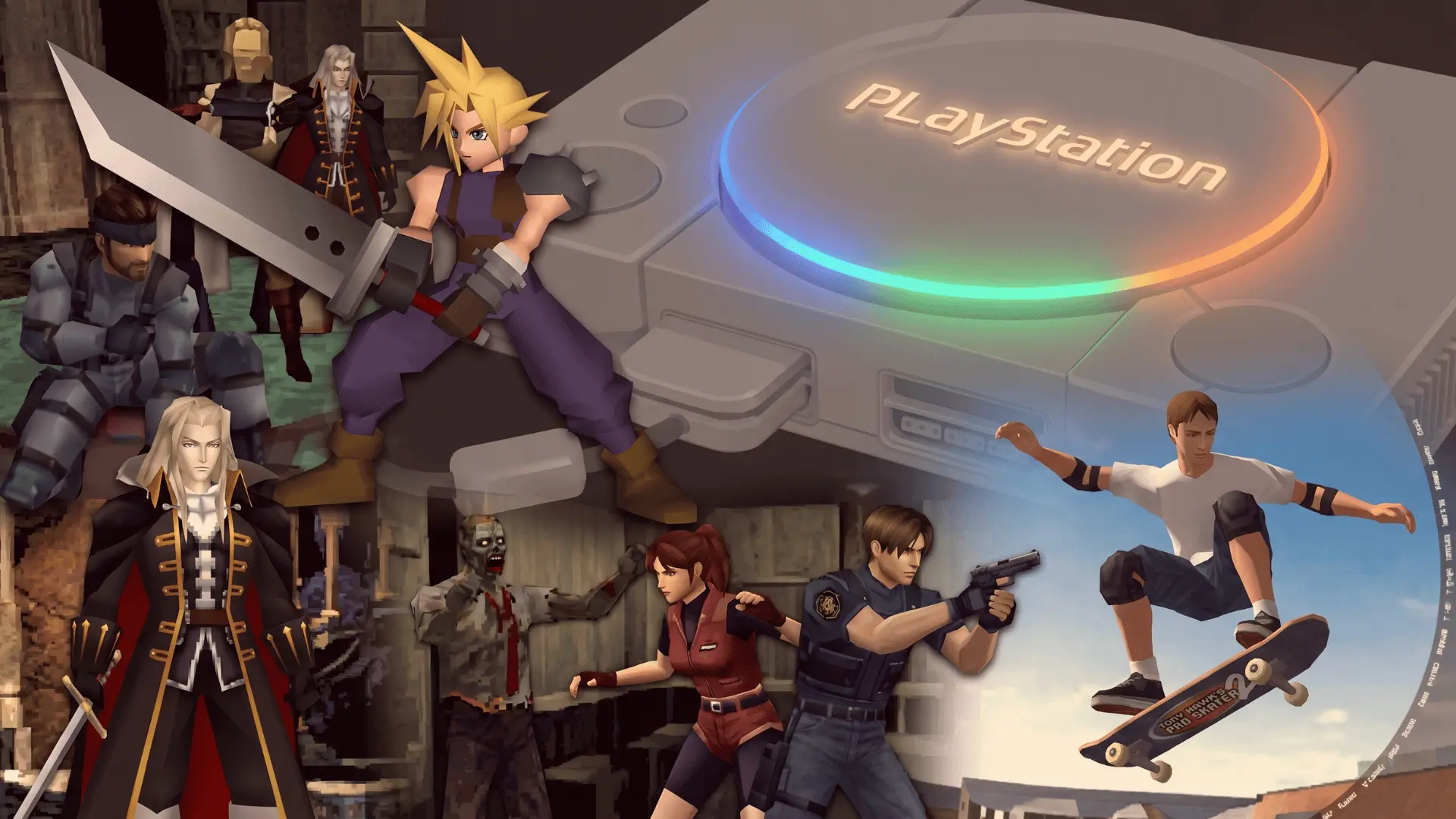
The PS1 launched in 1994 and quietly became one of the most important consoles ever made. Not because of marketing or brand power, but because of what developers built on it.
The best PS1 games didn’t just entertain. They introduced mechanics, structures, and design philosophies that the entire industry still borrows from.
Some of those games feel dated today. Plenty of others still play as well as they did decades ago. The ones that hold up do so for specific, explainable reasons, and that’s exactly what I cover here.
Lasting Impact and Innovation of PS1 Games
The PS1 library always amazed me with its variety, from tactical challenges to stories that pulled me in. Every game I played felt like it had its own philosophy, and that still hits me today.
For me, it wasn’t about the graphics or music.
The best PS1 games let me make choices, explore freely, and manage resources in ways that kept me coming back, even decades later. Some of the hidden gems blew me away with their creativity.
Dual-stick controls, tricky puzzles, and nonlinear stories weren’t common then, but experiencing them felt fresh, and I can see their influence everywhere now.
A shop full of people asking which games were worth their money taught me that “innovative” and “actually fun to play” are two different questions, and the games on this list answer both.
Best PS1 Role-Playing Games (RPGs) Worth Every Hour
The PS1’s best games still work today, offering timeless gameplay across RPGs, action, racing, and horror, with mechanics and design that remain engaging and rewarding.
RPGs had CD storage, unlocked full orchestral scores, voiced cutscenes, and sprawling worlds that cartridges couldn’t hold.
1. Final Fantasy VII (1997)
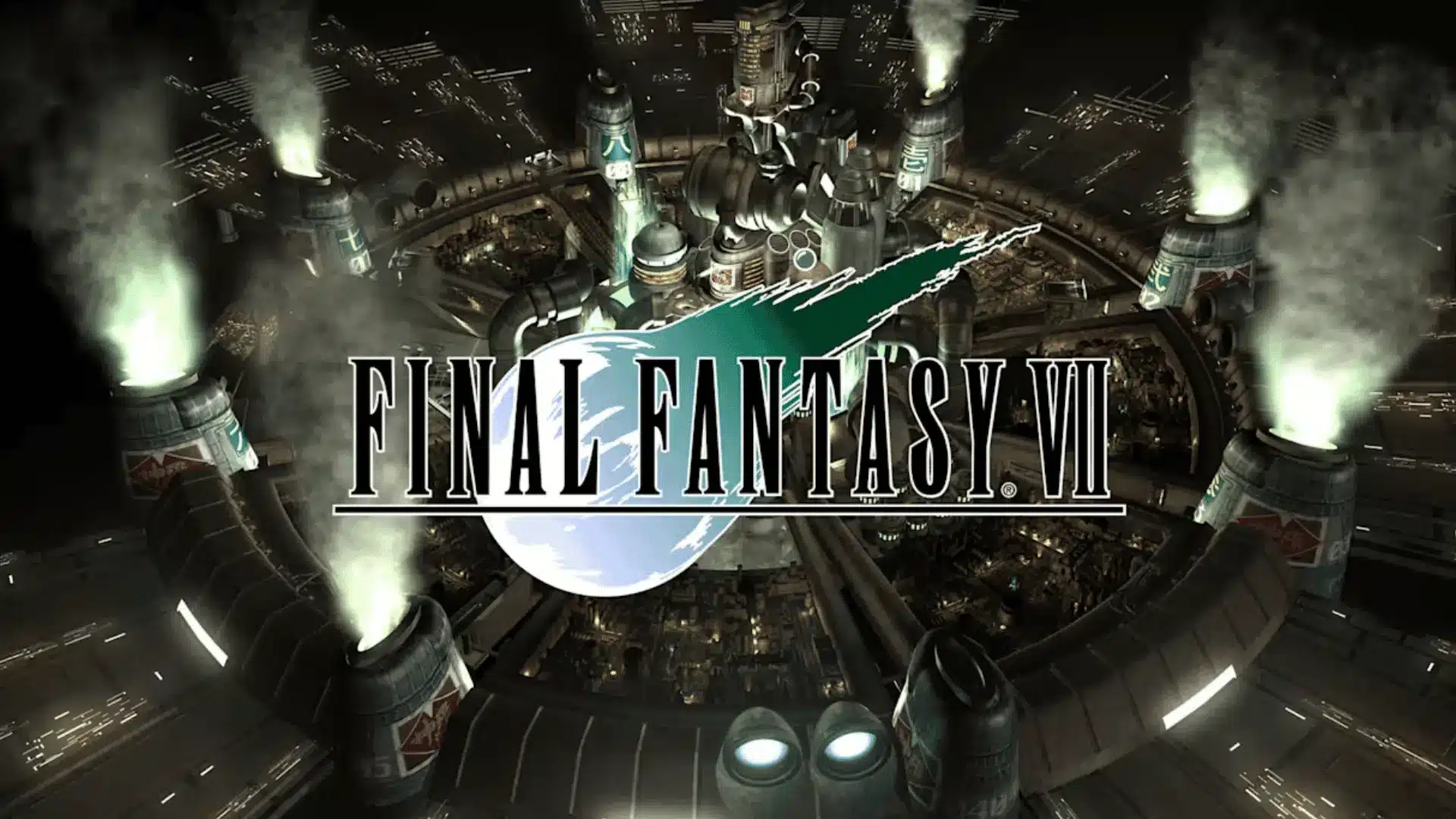
Final Fantasy VII drops you into Midgar, a city where a corporation is literally draining the planet’s life force to power electricity.
The tone is dark, industrial, and political from the first hour.
The story is what keeps it working even in the present. The materia system gives you genuine build flexibility without becoming overwhelming.
I’ve finished it in 40 hours and sunk 80 hours into it. Both playthroughs felt complete.
It’s one of the few entries in my spreadsheet where the replay score is nearly as high as the first-playthrough score, and that gap is usually where a game’s flaws start to show.
Remake: Square Enix released Final Fantasy VII Remake in 2020 and Final Fantasy VII Rebirth in 2024 as a multi-part reimagining of the story. They’re excellent games in their own right, but they make different decisions. The original is still the definitive version of that specific story.
2. Final Fantasy IX (2000)
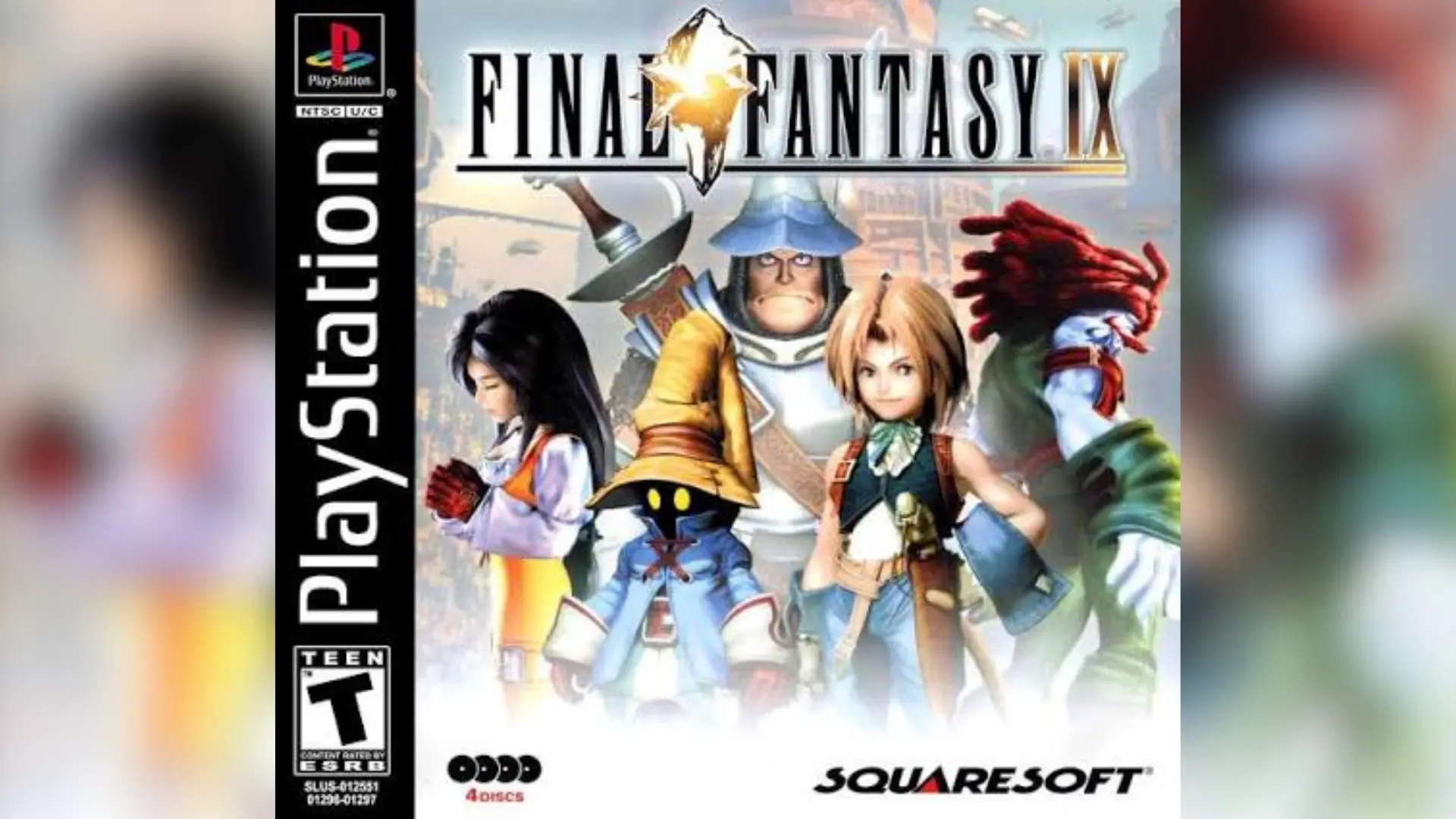
Final Fantasy IX is the one that gets overlooked because it came out months before the PS2. That’s a shame.
If you want the fuller picture of where this entry sits against the rest of the series, I broke down every mainline title in my ranking of the Final Fantasy games.
Where FF7 leans dark and modern, IX goes the opposite direction: classical fantasy, bright world design, a cast built around warmth rather than edge.
The card mini-game, Tetra Master, kept me invested long after the credits rolled. It’s the most purely enjoyable FF on the system, and it has aged better than most people expect.
3. Chrono Cross (1999)
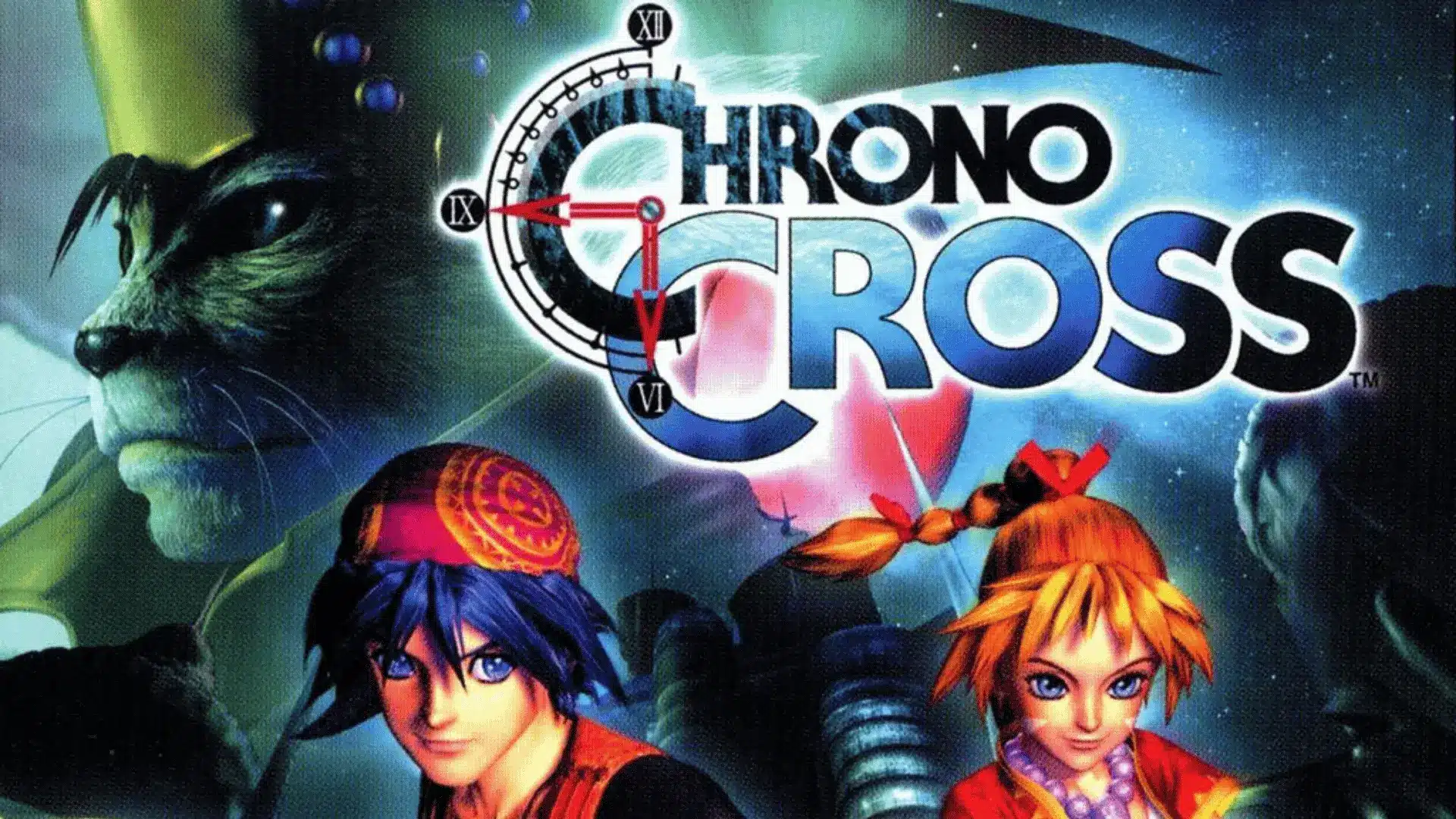
If you’re coming to this expecting Chrono Trigger’s sequel, slow down. Chrono Cross shares its lineage but almost nothing else: different characters, a different battle system, and a different tone.
Treat it as its own game, and it’s brilliant. The dual-world structure and the story’s handling of consequences genuinely haven’t been replicated.
The battle system drops random encounters entirely and swaps in a stamina-based system across a cast of 45 recruitable characters, which is still an unusual amount of ambition for a single disc.
Remake: Chrono Cross: The Radical Dreamers Edition was released in 2022, remasters the visuals, and includes the previously Japan-only Radical Dreamers text game. It’s the most accessible way to play it today.
4. Xenogears (1998)
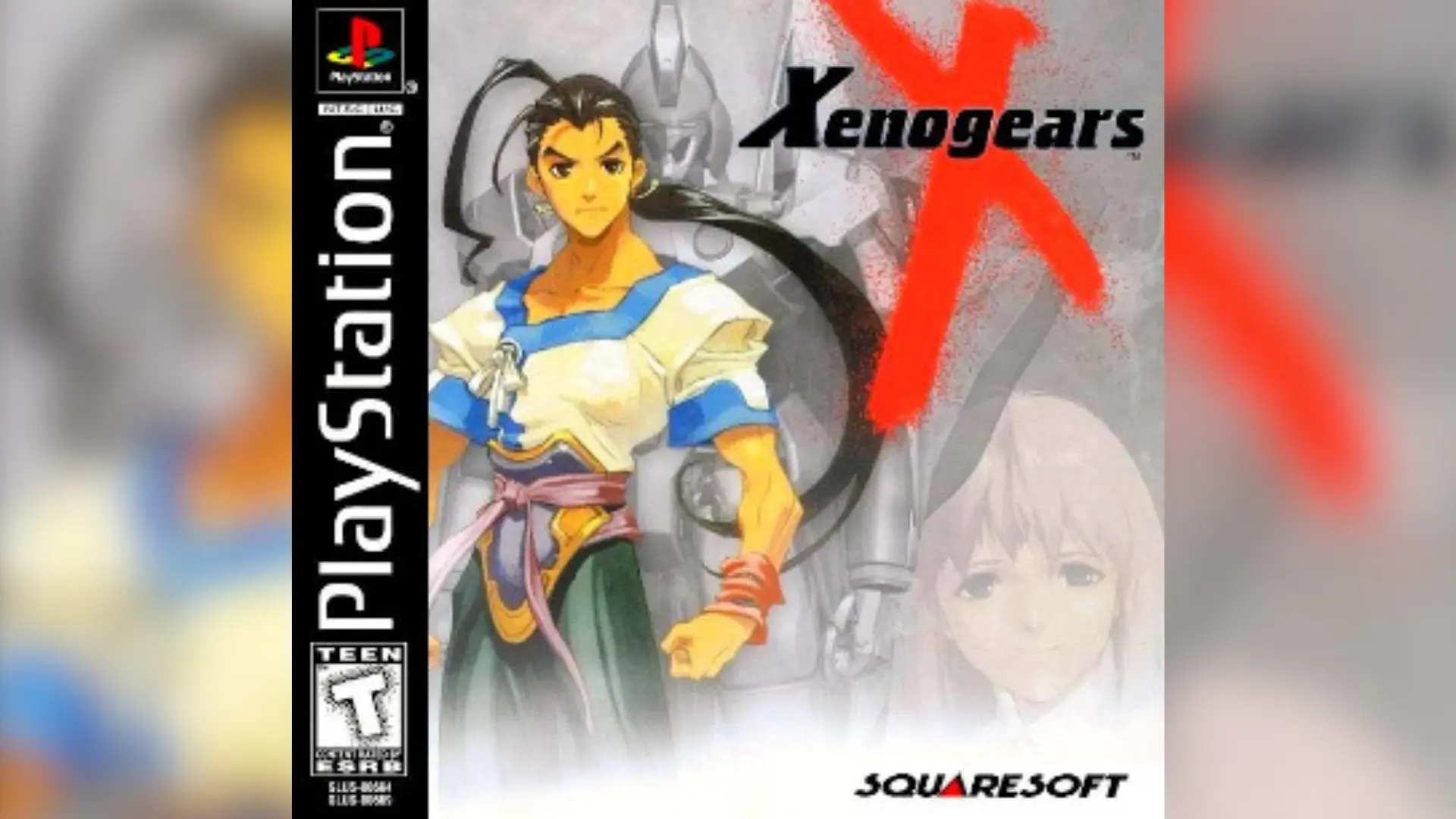
Xenogears is one of the most ambitious RPGs ever made on any console, and it shows, both in its best moments and its roughest.
The first disc is a full, excellent JRPG with a complex battle system, mech combat layered over standard ground combat, and a story that draws on Jungian psychology, Gnostic theology, and existential philosophy.
The second disc is famously compressed due to budget constraints, delivering large portions of the story as text recaps rather than playable content.
That compromise is real. The game’s vision is still compelling enough to justify the journey, and no other PS1 RPG takes such ambitious swings. It has never received an official remake.
5. Vagrant Story (2000)
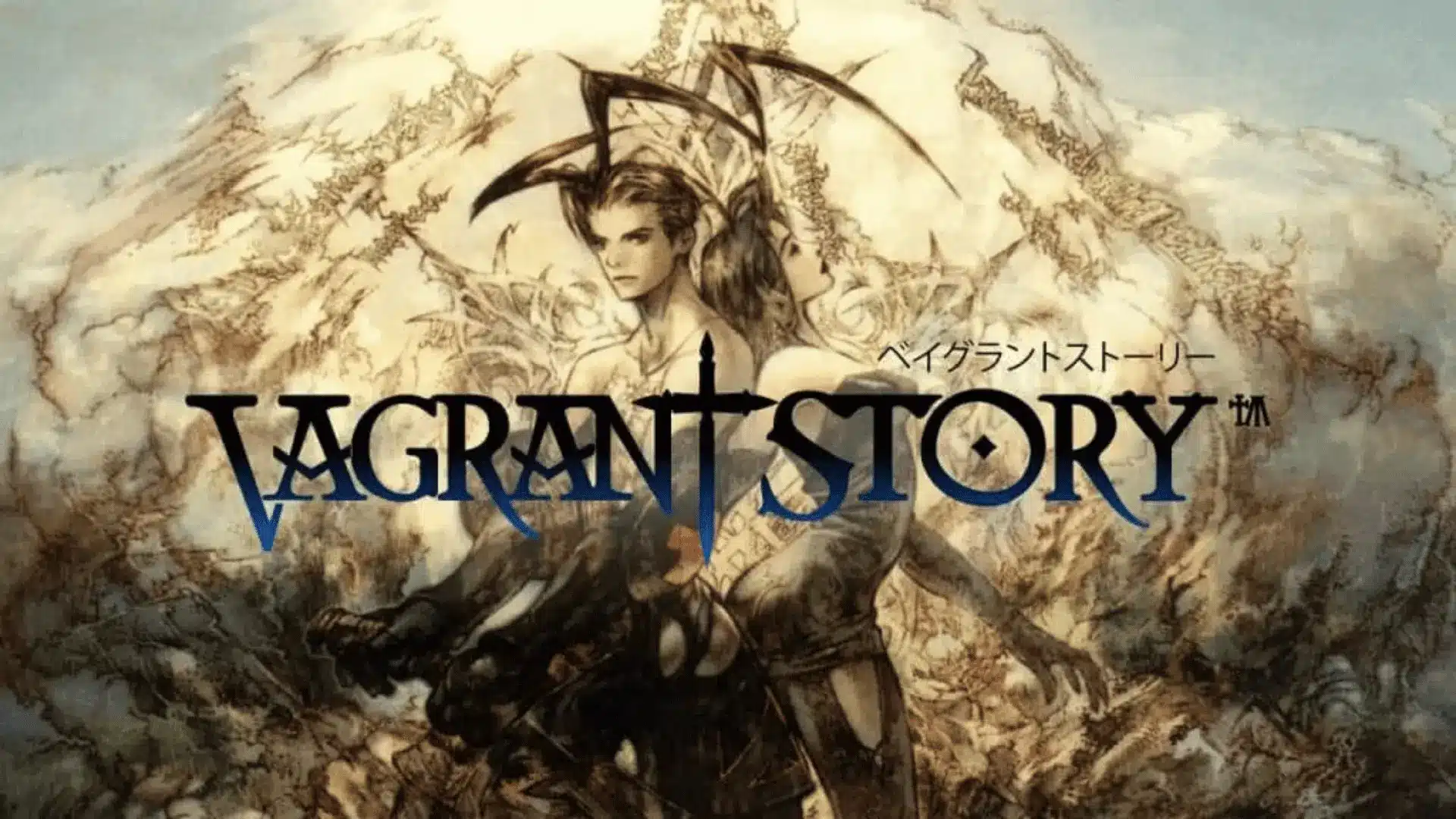
Vagrant story never reached the audience it deserved. The combat system asks more of you than most PS1 RPGs: weapon affinity, chain attacks, and risk management, but it rewards the investment.
The setting is dark gothic fantasy, the writing is sharp, and nothing on the system plays quite like it.
If you’ve cleared the obvious picks, this is the next one I’d point you toward. No remake has been made, and the game has never been updated or reissued beyond its original release and later digital availability.
6. Parasite Eve (1998)
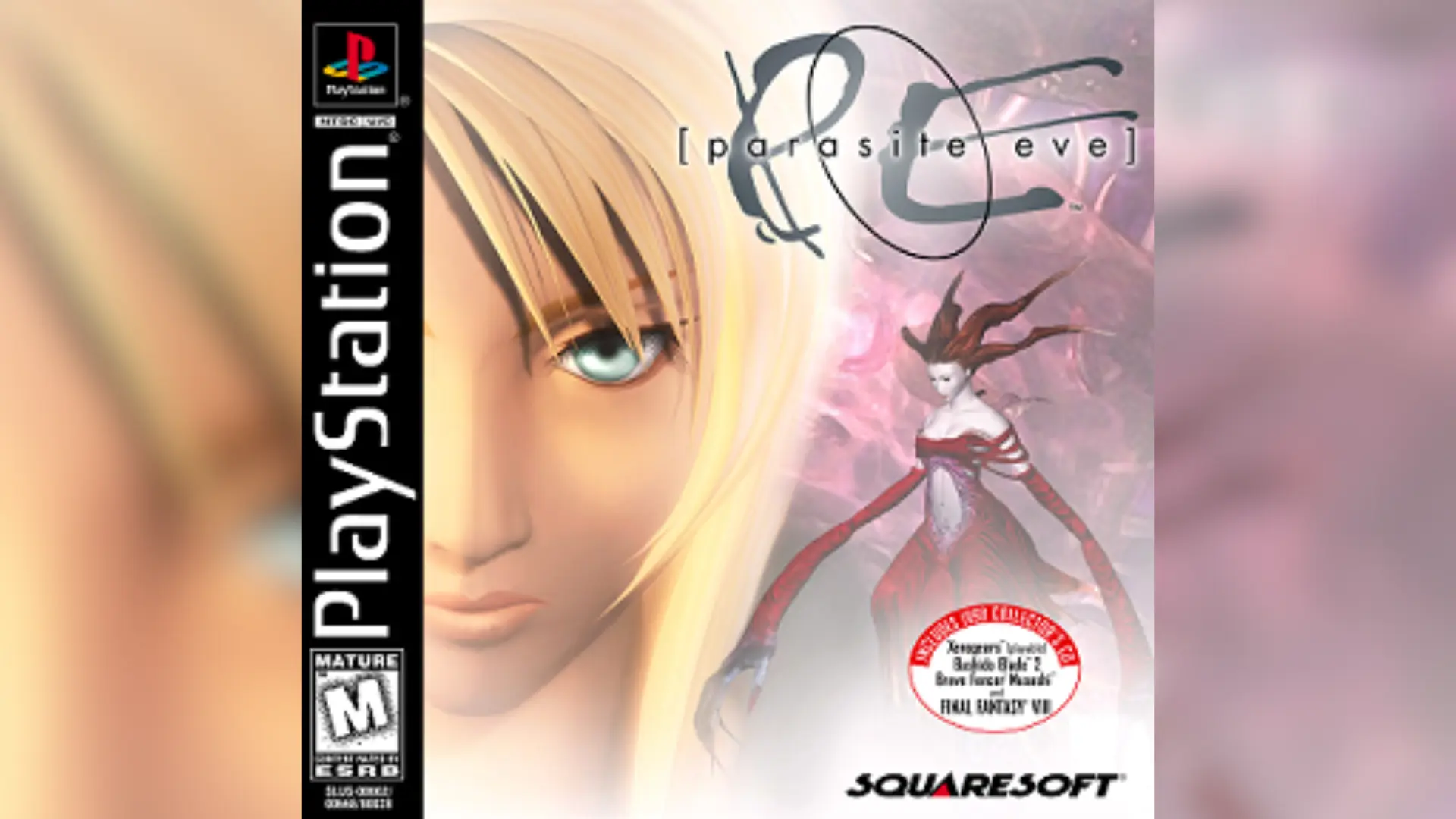
Parasite Eve occupies a space between RPG and survival horror that no game has comfortably revisited.
You play Aya Brea, a New York police officer investigating a supernatural outbreak at Carnegie Hall, and the mechanics reflect that tension directly.
Combat is turn-based but plays out in real time; you move Aya around the arena while actions charge. Mitochondrial evolution powers your abilities.
The New York setting, the science-grounded horror, and the unusual hybrid genre make it feel genuinely unique even now.
Remake: The 3rd Birthday (2010) is a PSP sequel that significantly departed from the original’s tone and mechanics. It’s considered controversial by fans of the first two games. The original Parasite Eve remains the definitive entry.
The Action and Stealth Games that Changed the Genre
Castlevania: Symphony of the Night is proof of something the PS1’s marketing never advertised: patience paid off more than reflexes did.
In an era of fast action and arcade momentum, this is the game that asks you to slow down and explore instead.
7. Castlevania: Symphony of the Night (1997)
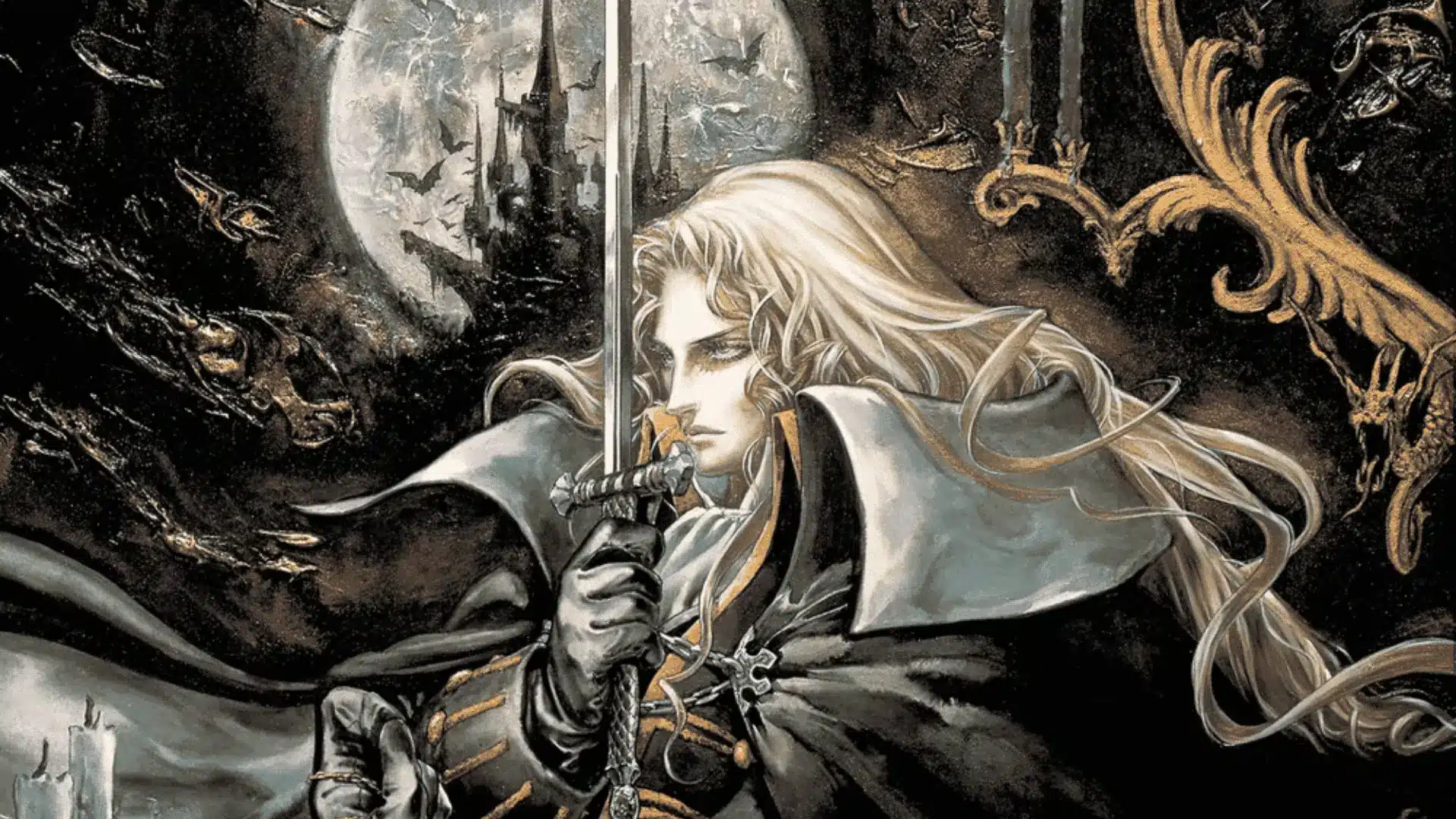
Every indie game described as “etroidvania” exists because of this one. The open castle structure, ability-gated exploration, and backtracking that reveal new paths were new when Symphony of the Night shipped.
Nostalgia isn’t what makes it worth playing now. It’s that the exploration still feels genuinely rewarding. Finding a new area I couldn’t reach an hour earlier lands the same way it did in 1997.
Michiru Yamane’s soundtrack gets less credit than the level design does, but each area has its own musical identity, and that’s part of why the castle never feels like one long grind.
Remake: No traditional remake exists. The game received a remaster as part of the Castlevania Requiem collection on PS4 in 2018, which cleaned up a few elements and added trophy support.
8. Metal Gear Solid (1998)
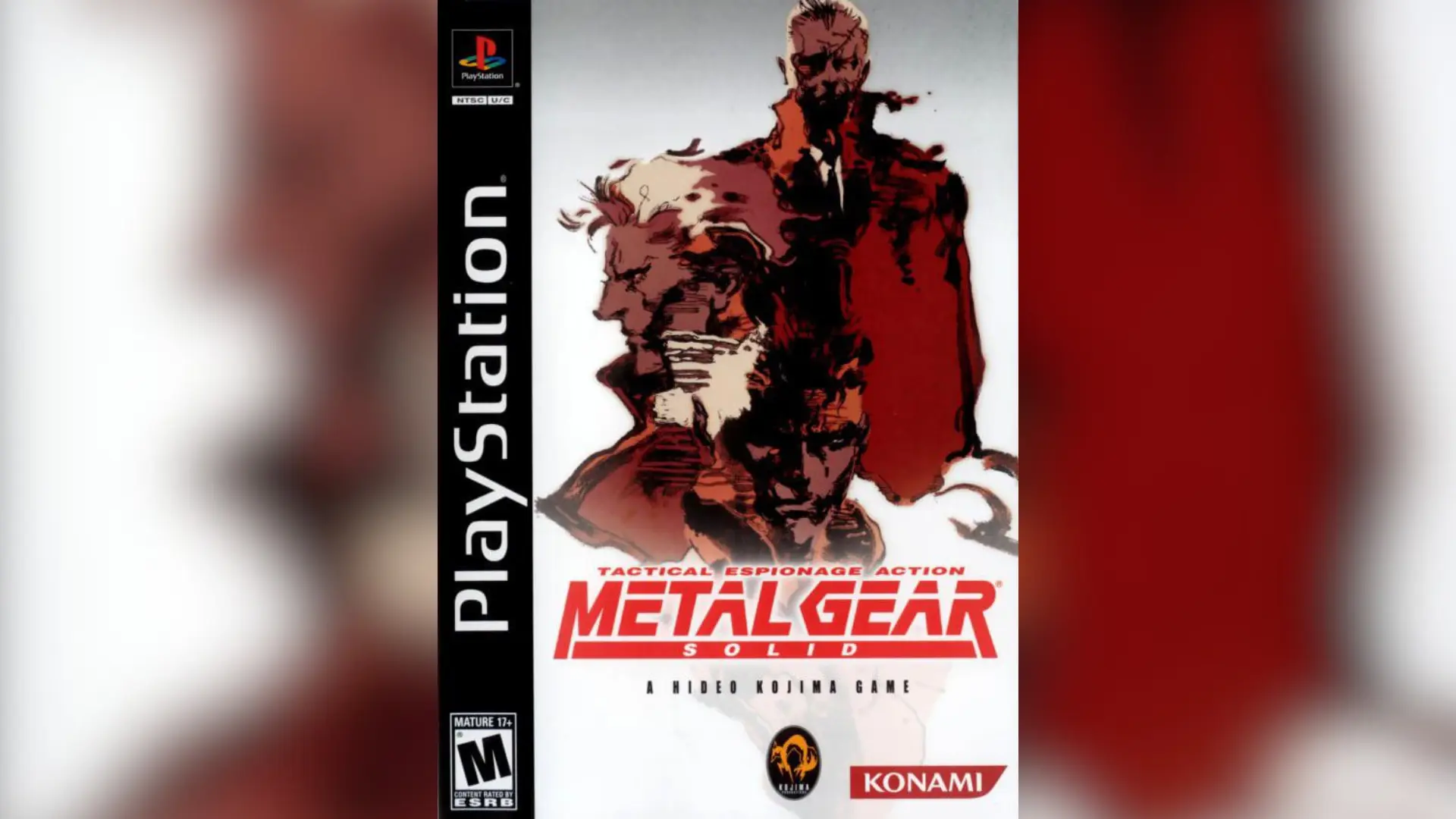
Metal Gear Solid is the game that proved stealth could carry an entire AAA title.
Hideo Kojima built a fully voiced, cinematic experience on a console that most developers were using for arcade ports and platformers.
The game treats the player as intelligent; enemies react to footsteps, vision cones, and noise. The codec conversations build the world between missions.
The boss fights are some of the most creative in the medium, including a sequence that asks you to check the back of the physical game box for a codec frequency. That kind of design hasn’t aged at all.
Remake: Metal Gear Solid Delta: Snake Eater (a remake of MGS3, not the original) is in development as of this writing. The original MGS has not received a traditional remake, though it has appeared in remastered HD collections.
9. Tomb Raider (1996)
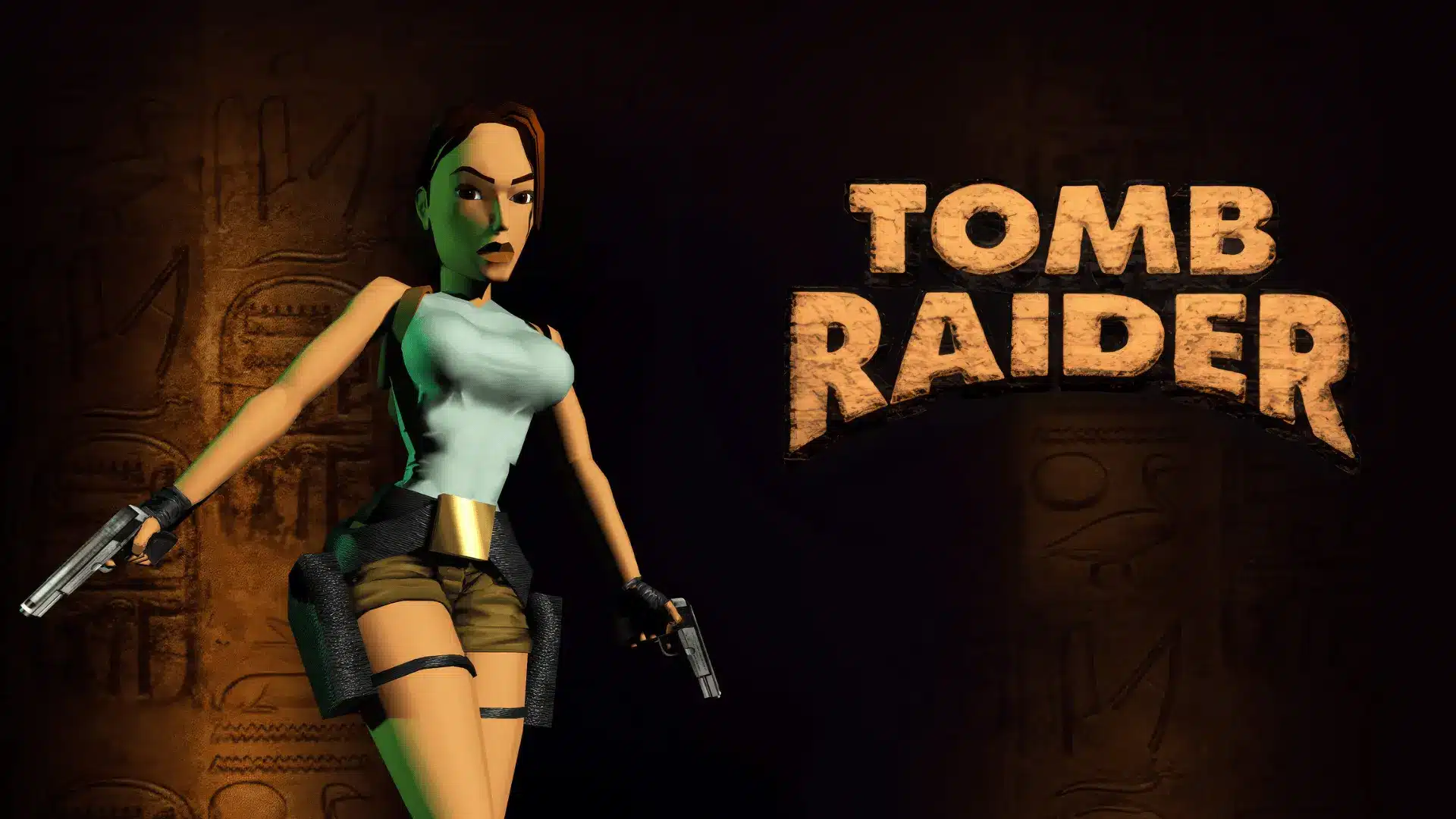
The controls are stiff, and the camera needs patience. That’s worth saying upfront. Underneath those friction points, Tomb Raider is really a spatial puzzle game.
Almost every room asks you to read the geometry before you move.
The platforming challenge is architectural, figuring out what the level is asking you to do. That core design is still interesting, even if the controls require some adjustment.
Remake: The Tomb Raider franchise was rebooted entirely in 2013, adopting a different tone and mechanics. For the original’s puzzle-forward design, the first three PS1 games are the only place to find it intact.
The Platformers That Defined a Generation
The PS1 platformer was a specific genre, colorful, collectible-heavy, and built for mastery through repetition. Two games defined it better than anything else.
10. Crash Bandicoot (1996)
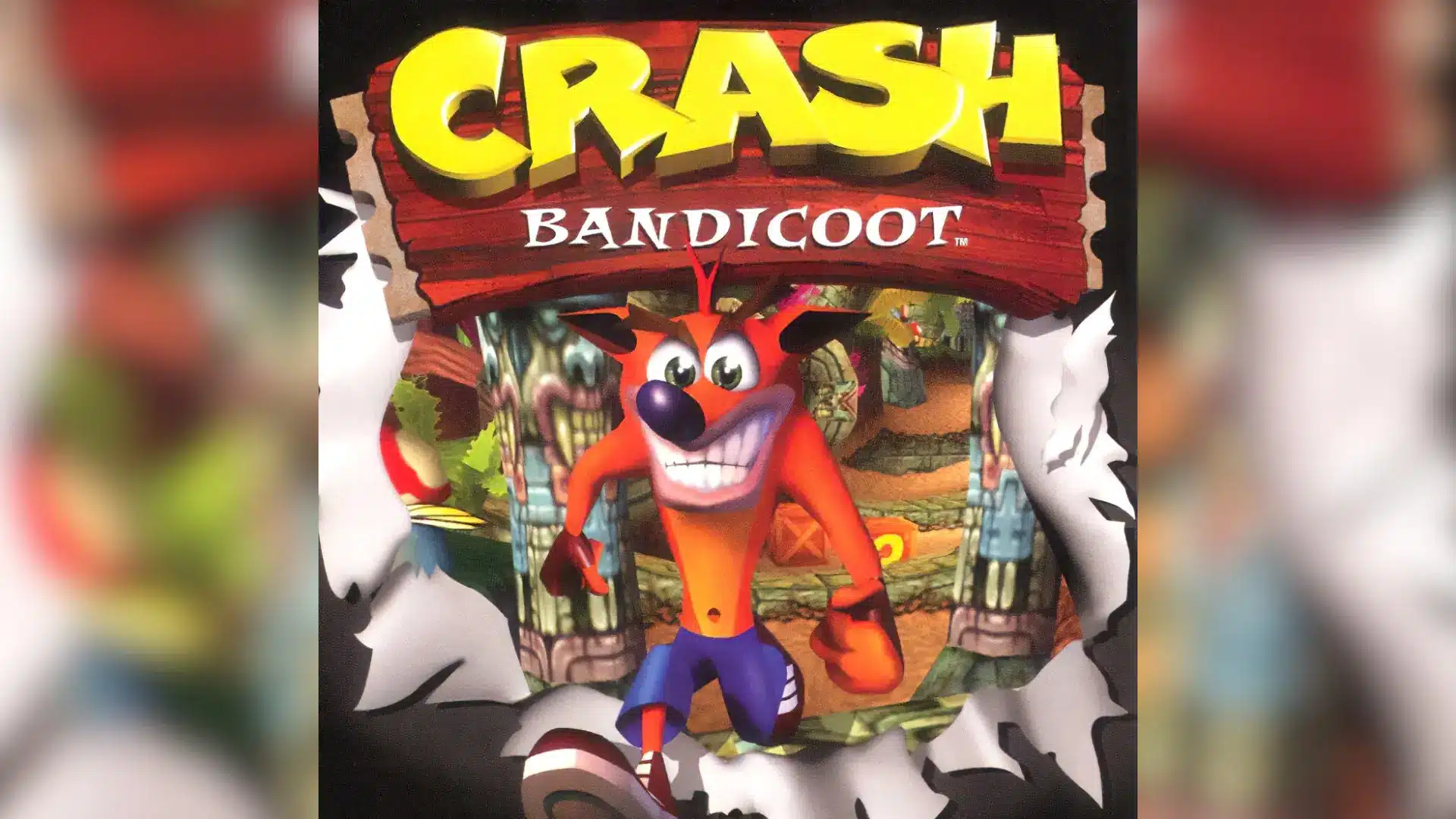
Crash Bandicoot is a corridor platformer, which sounds limiting until you realize how much precision Naughty Dog packed into that format.
You move forward through linear levels, but those levels are designed with a density of obstacles, timing requirements, and spatial puzzles that hold up as pure challenge.
The game is harder than most people remember. The crate-smashing and gem hunting give it replay depth beyond the initial run.
It established Crash as a platform mascot and set the template for the two sequels that followed.
Remake: Crash Bandicoot N. Sane Trilogy (2017) remade all three original games with modern visuals while preserving the original level geometry and challenge. It’s an excellent entry point and faithfully recreates what made the originals work.
11. Spyro the Dragon (1998)
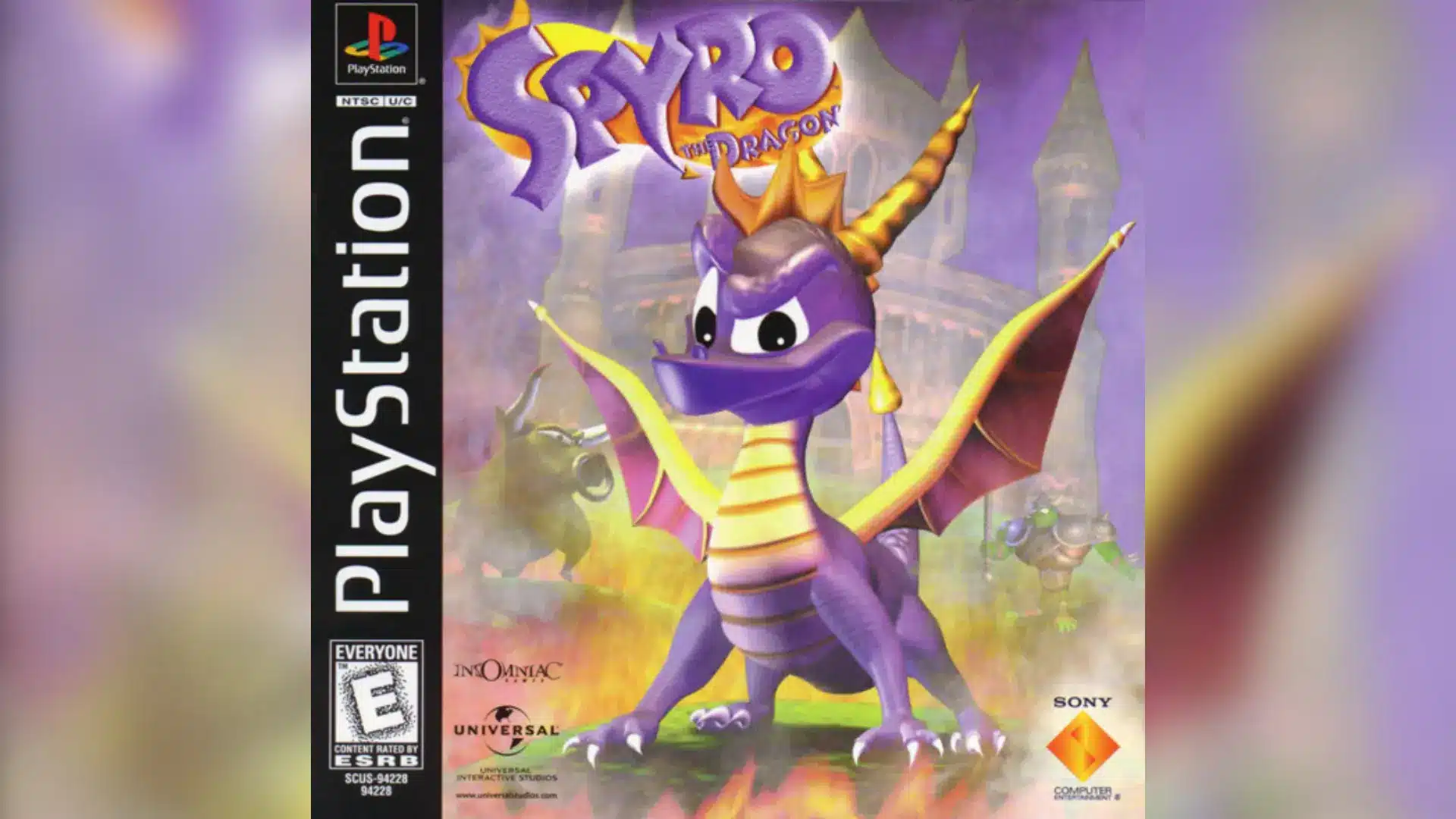
Where Crash is tight and linear, Spyro is open and exploratory.
Each world is a small open space to glide through, find collectibles, and talk to characters, and the tone is warm in a way that feels genuinely rare for platformers of the era.
The movement system- sprinting, charging, and gliding- is satisfying without requiring difficult inputs.
Spyro is one of the few PS1 games that is actively relaxing to play, which isn’t a slight. It’s a design achievement that most games can’t replicate.
Remake: Spyro Reignited Trilogy (2018) remade the first three PS1 games with fully rebuilt art and audio while preserving the original level design and progression. The remake is the easier path to these games today, but both versions are worth experiencing.
The Racing and Fighting Games Worth Revisiting
Racing and fighting are the two genres where modern games have the clearest advantage over PS1 titles. The gap in visuals, online play, and content volume is real.
12. Gran Turismo / Gran Turismo 2 (1997 / 1999)
Gran Turismo built simulation racing as a mainstream genre. Before it, racing games were arcade-first. GT introduced real-car handling, license tests, and a progression system built around earning vehicles.
The first game established the template. Gran Turismo 2 expanded the car roster significantly and added more tracks.
If you only play one, GT2 is the better time investment. If you want to understand where the series started, play the original first, then GT2.
13. Tekken 3 (1998)
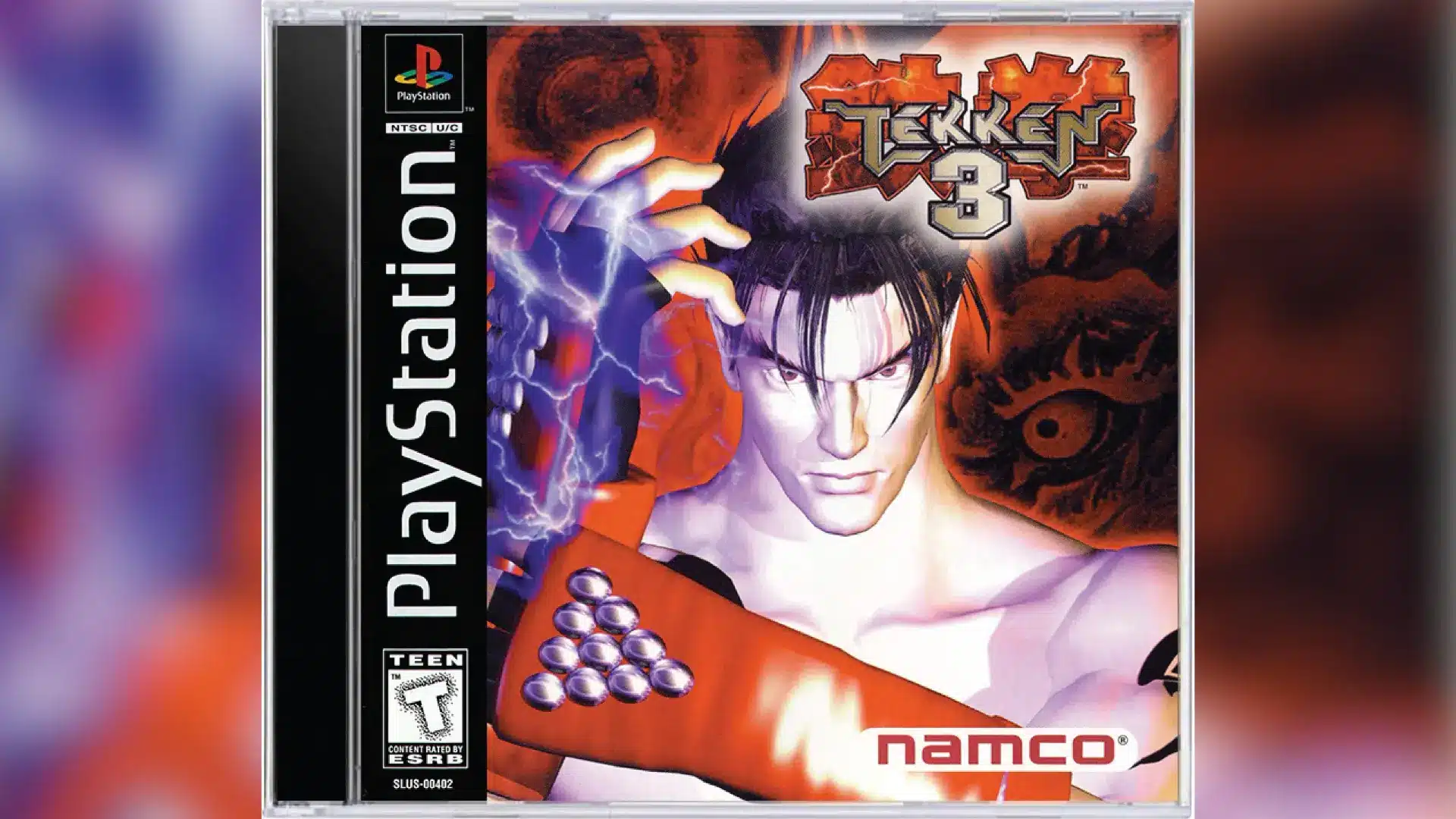
Most PS1 fighting games feel stiff today. Tekken 3 doesn’t, and the reason is the movement system.
Sidestepping, moving on a third axis to dodge attacks, was new in Tekken 3. It changed how the game actually plays.
Fighting isn’t just about blocking and countering on a flat plane. That depth is why it still holds on when most of its contemporaries don’t. Pick it up for ten minutes, and the controls feel immediate.
The sidestep mechanic carried straight into the PS2 era too, which I get into when I cover Tekken Tag Tournament 2’s move from arcade to console.
14. Crash Team Racing (1999)
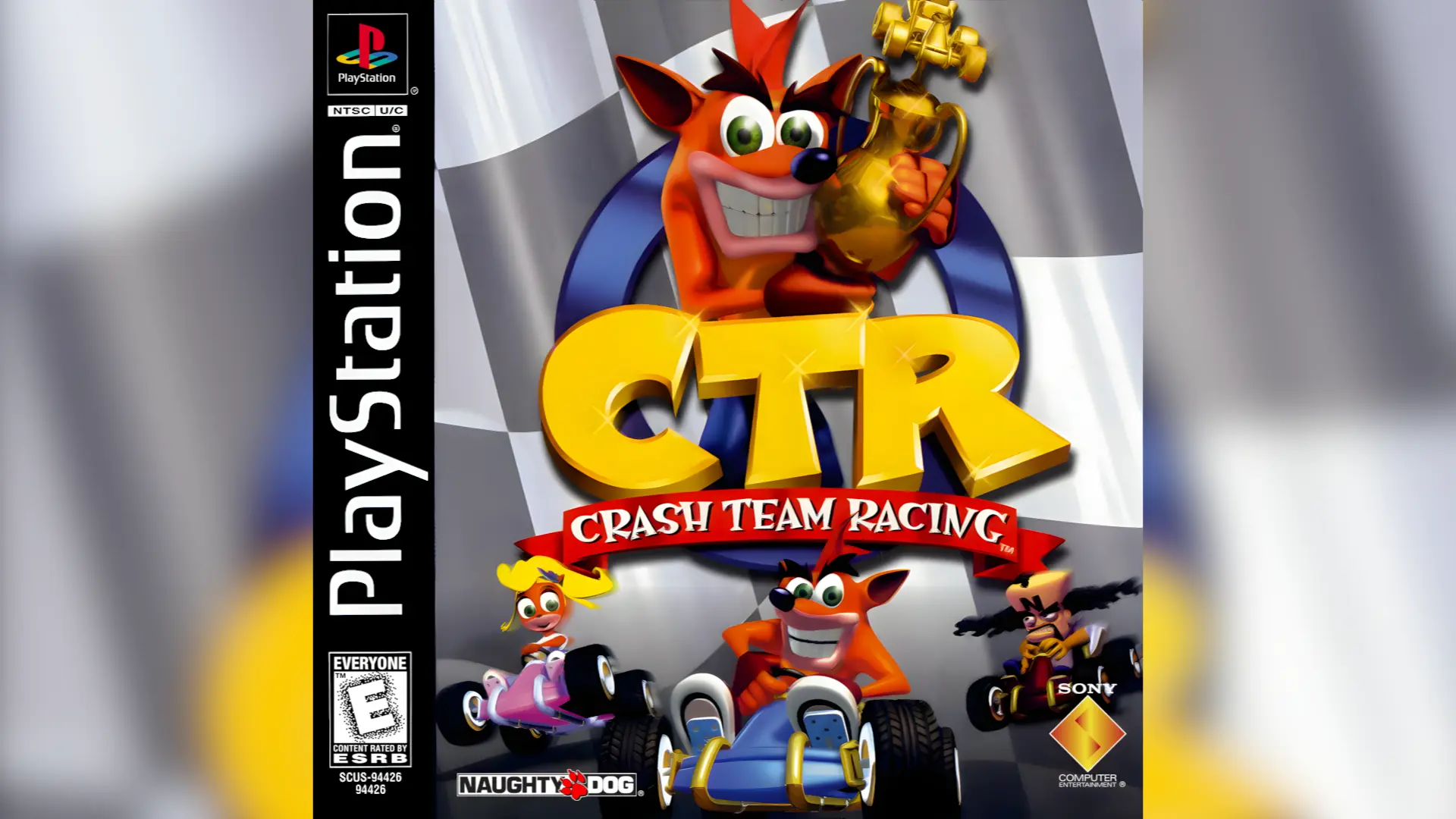
Crash Team Racing is regularly cited alongside Mario Kart 64 as one of the best kart racers ever made.
The boosting mechanic, maintaining drift boosts through corners by timing your power slides, adds a layer of skill that most kart racers at the time didn’t have.
The single-player adventure mode, which frames racing as a series of boss challenges, gives it more structure than a pure circuit game. It’s mechanically deeper than it appears on the surface.
Remake: Crash Team Racing Nitro-Fueled (2019) remade the original with updated visuals and additional content from the later Crash Nitro Kart. It faithfully preserves the core driving mechanics.
15. Tony Hawk’s Pro Skater 2 (2000)
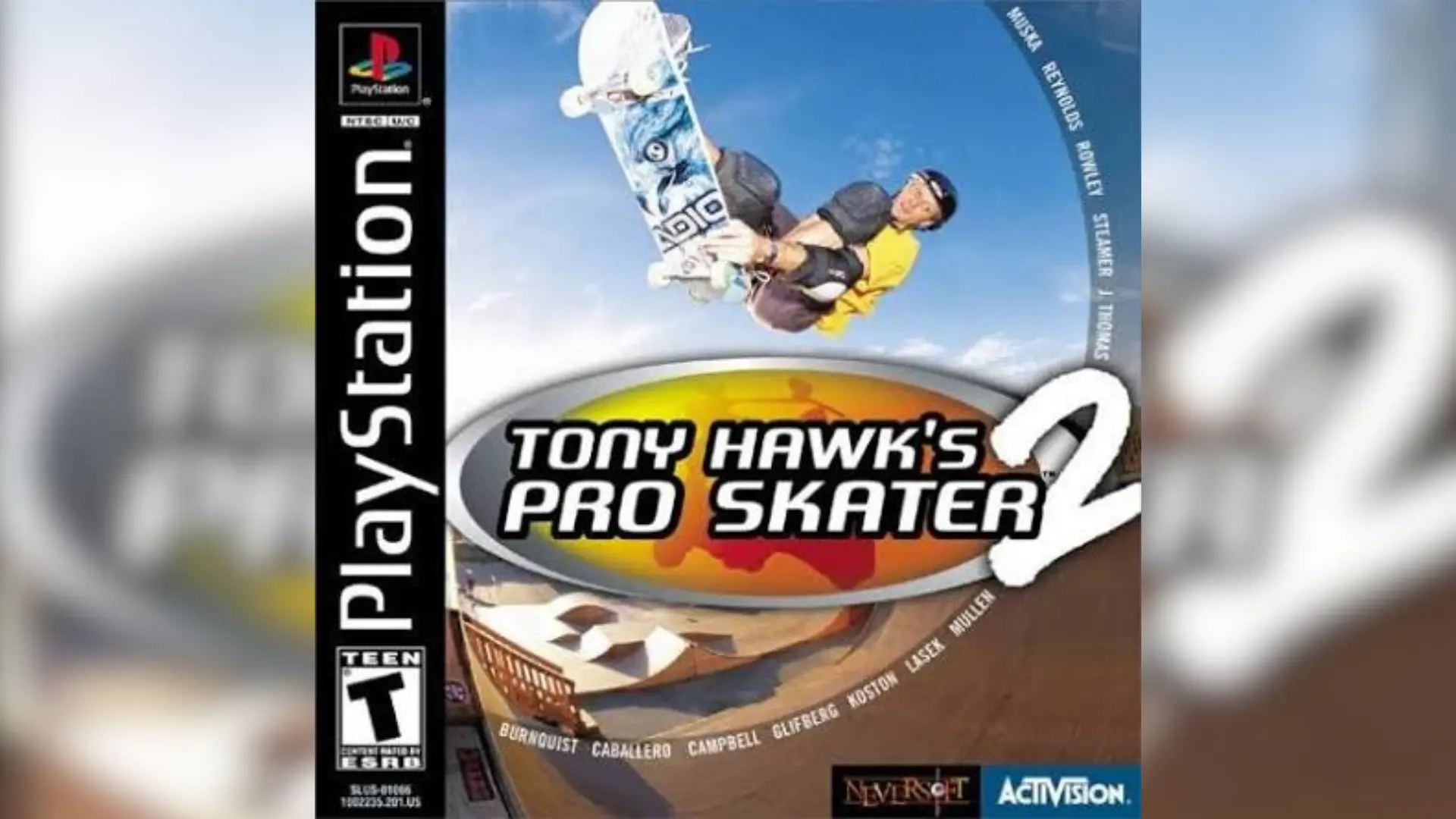
Tony Hawk’s Pro Skater 2 sits at the top of Metacritic’s PS1 rankings, and the score reflects something real.
The score-chasing loop that chains tricks to build a multiplier before the time runs out is genuinely addictive. It’s not about nostalgia.
The feedback loop is tight enough that one more run always feels worth it. That’s good game design, not sentiment.
Remake: Tony Hawk’s Pro Skater 1+2 (2020) remade both games with modern visuals and online features while preserving the layouts and core trick mechanics. It’s widely considered one of the best remakes in recent memory.
The Horror and Survival Games that Still Unsettle
If you want the scariest PS1 game, Silent Hill is my answer, but Resident Evil 2 is the one that will make you feel the most pressure.
16. Resident Evil 2 (1998)
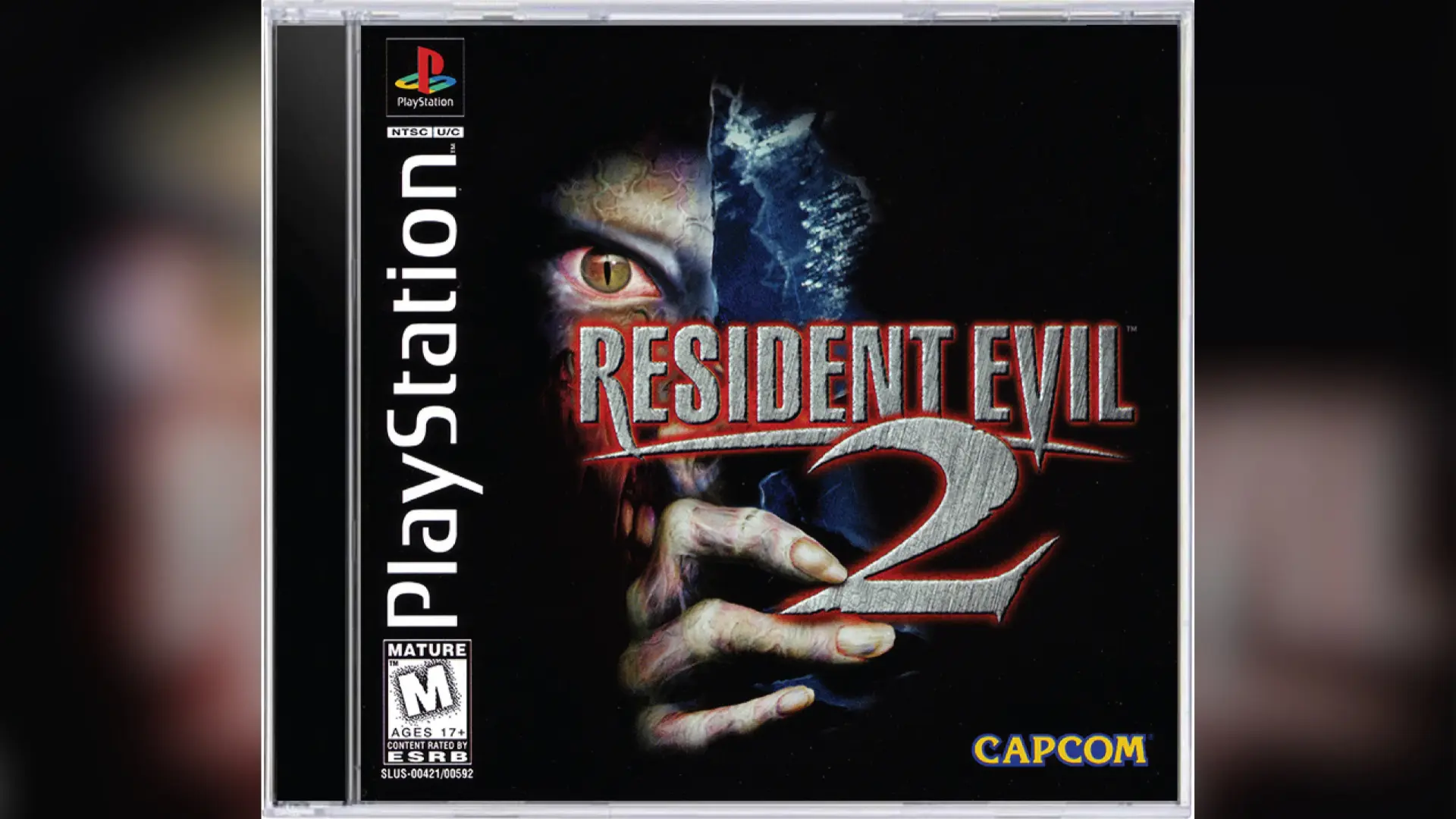
Resident Evil 2’s horror comes from scarcity. Ammo is limited. Space is tight, and enemies don’t stay down unless you use resources carefully.
The fear here is systemic rather than atmospheric: it’s the creeping awareness that a mistake three rooms back can’t be undone now, and that pressure is what makes it hold up when plenty of its contemporaries feel dated.
Remake: Resident Evil 2 (2019) rebuilt the game from scratch in a third-person over-the-shoulder perspective, with a new camera, a reworked layout, and modernized mechanics.
It’s an exceptional game and stands alongside the original rather than replacing it.
Capcom kept building on that survival-horror foundation for decades, and I cover where the series stands now in my Resident Evil Requiem review. Both versions are worth playing.
17. Silent Hill (1999)
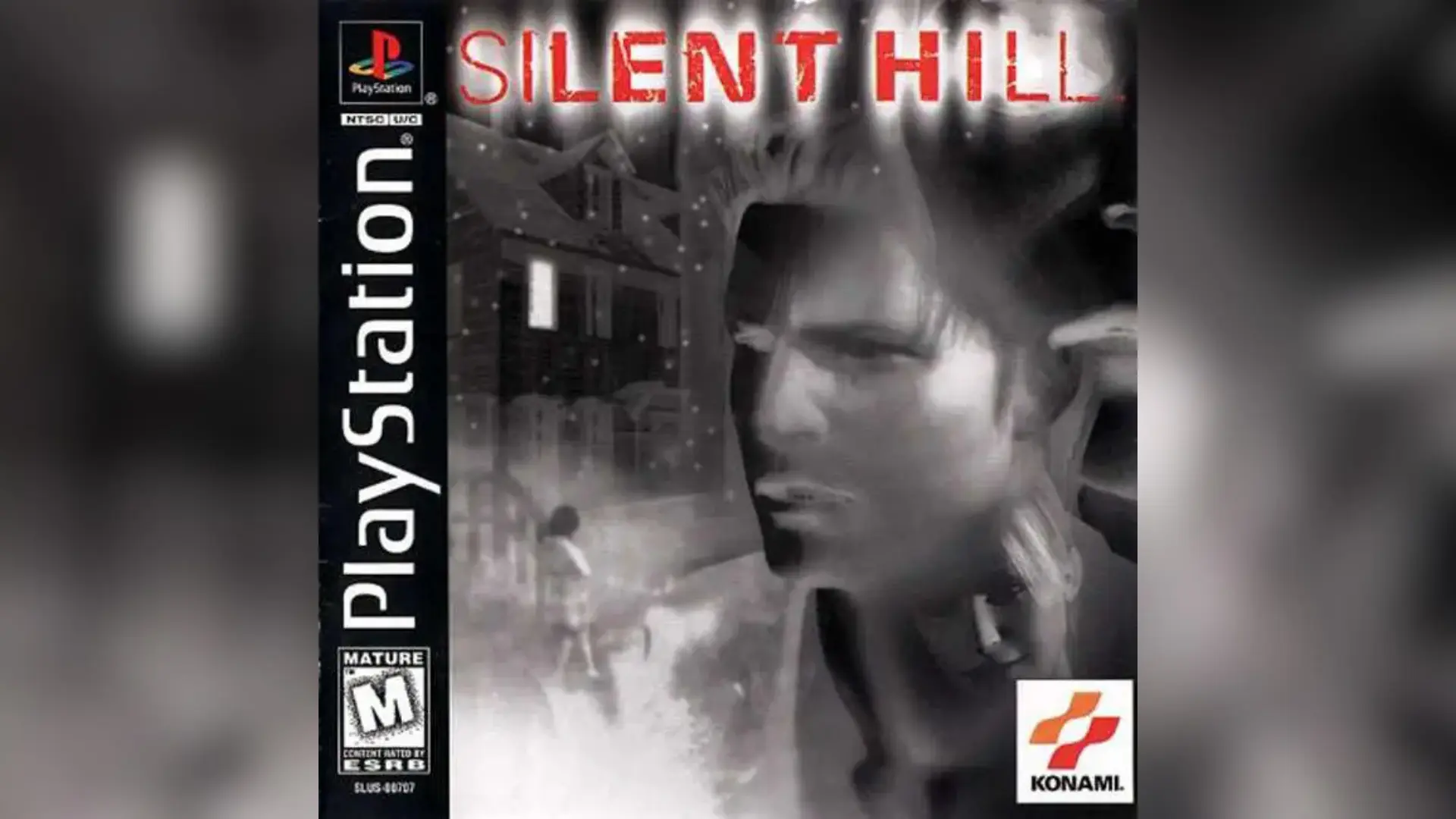
Silent Hill’s fog is iconic. The PS1 couldn’t render draw distances beyond a few meters without visible pop-in. Fog was the hardware fix.
Konami turned that limitation into the game’s defining feeling.
You couldn’t see what was ahead of you, and that uncertainty became the horror itself, psychological and atmospheric rather than jump-scare driven.
Remake: Silent Hill 2 received a remake in 2023 from Bloober Team. The original Silent Hill has not been remade, and it remains the purest expression of what the series was before it became a franchise.
18. Dino Crisis (1999)
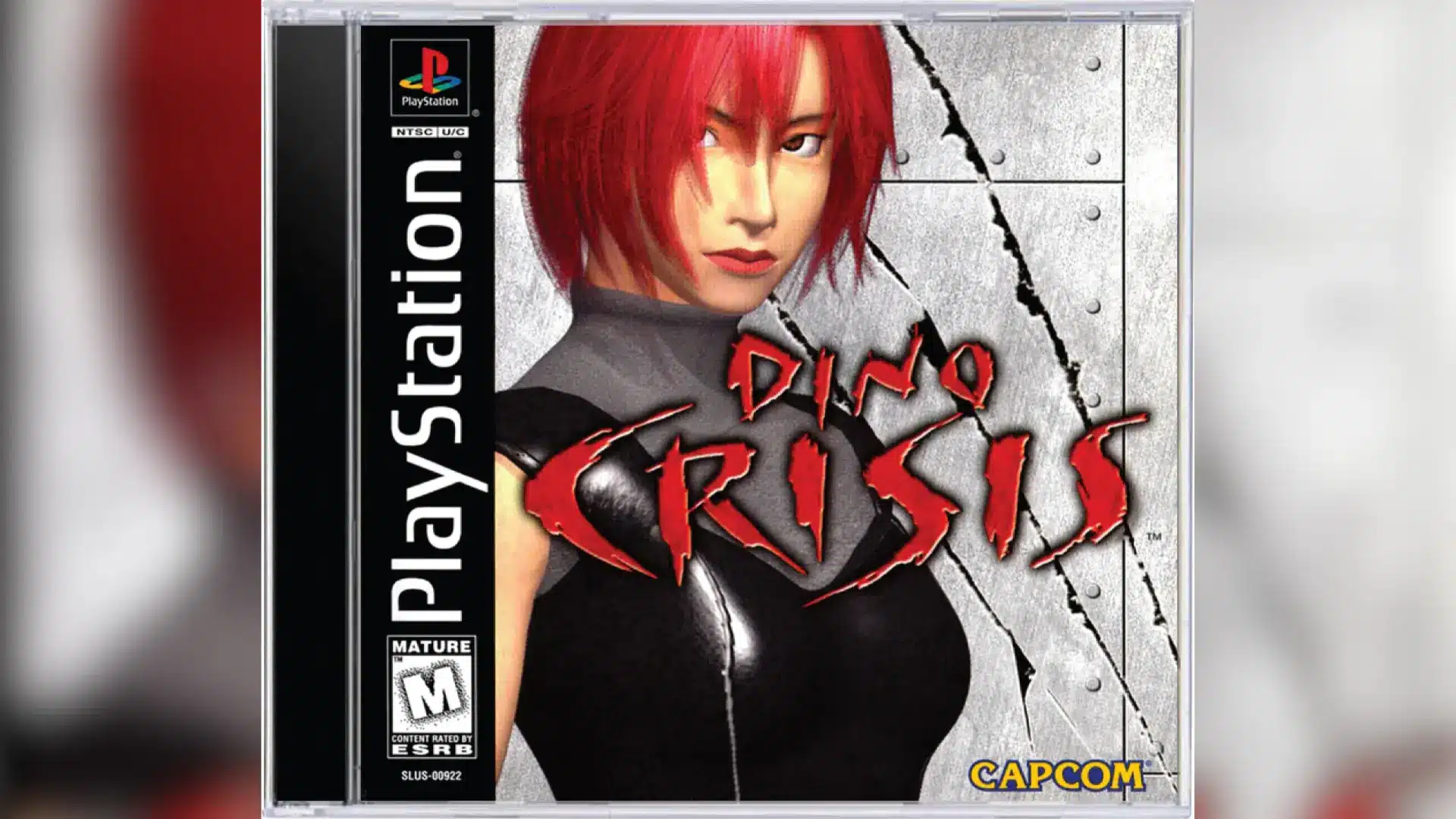
Dino Crisis uses the same fixed-camera, resource-management structure as Resident Evil.
The comparison is accurate and intentional; the same director, Shinji Mikami, made it. The tone is where it differs. Dinosaurs create urgency more than dread.
The fear is immediate and physical rather than slow-building.
If Resident Evil 2 felt too oppressive and you want something faster-paced, Dino Crisis is the right step sideways. The series has been dormant for over twenty years, with no remake announced.
Hidden Gems Worth Playing if You Know the Big Names.
They’re games that deserved a much larger audience and never got one, mostly due to poor marketing timing rather than quality. Most of these are hard to find physically. Emulation is the realistic path for the majority of readers.
19. MediEvil (1998)
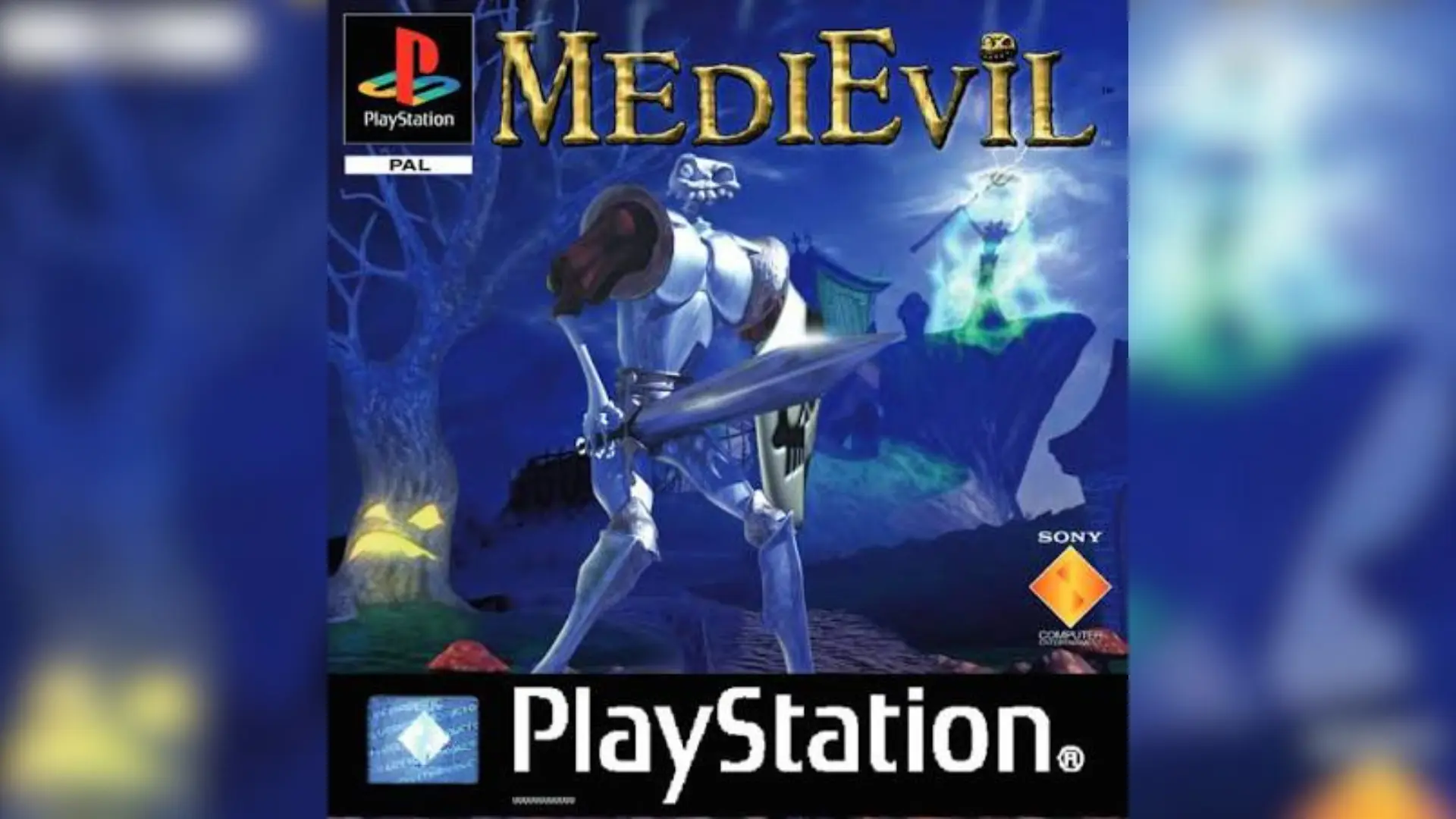
MediEvil is an action-platformer where you’re a reanimated skeleton knight who isn’t supposed to be a hero.
The tone sits between Tim Burton and classic Halloween, funny and genuinely eerie in the same breath.
No modern game has replicated that specific feeling. The combat is simple, but the world design and character writing are sharp enough that it holds up as an experience rather than just a curiosity.
Remake: MediEvil received a faithful PS4 remake in 2019 that rebuilt the visuals while preserving its original level structure; it’s a good-faith restoration of exactly what made the original work.
20. Ape Escape (1999)
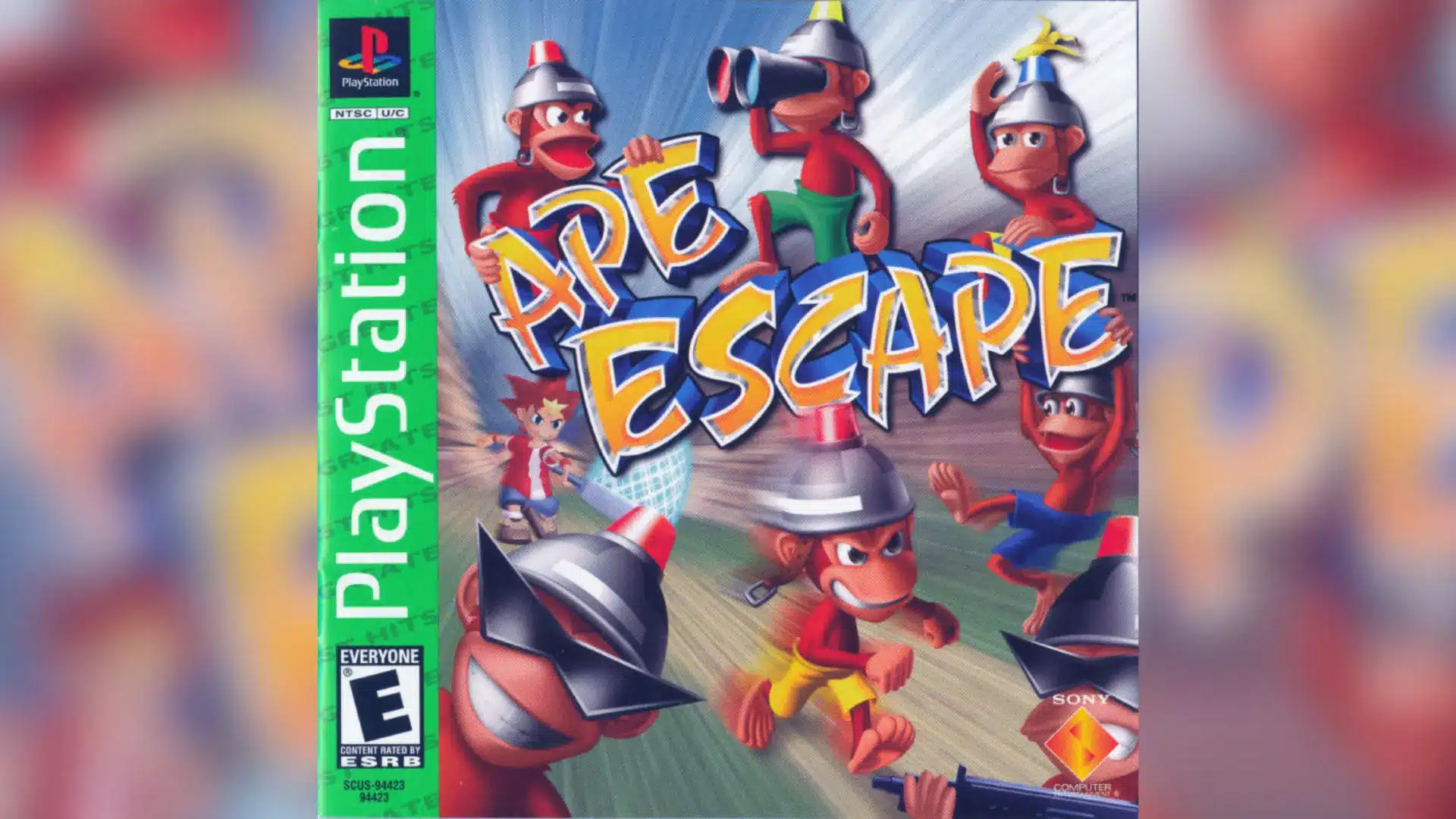
Ape Escape was the first game ever to require the DualShock controller, as each analog stick controls a different tool simultaneously.
Your mechanic still feels inventive. You’re not just moving through levels. You’re managing two inputs to catch monkeys with gadgets, and the coordination it asks for is genuinely fun rather than gimmicky.
No modern equivalent has replicated the specific feel of the gadget system.
21. Alundra (1997)
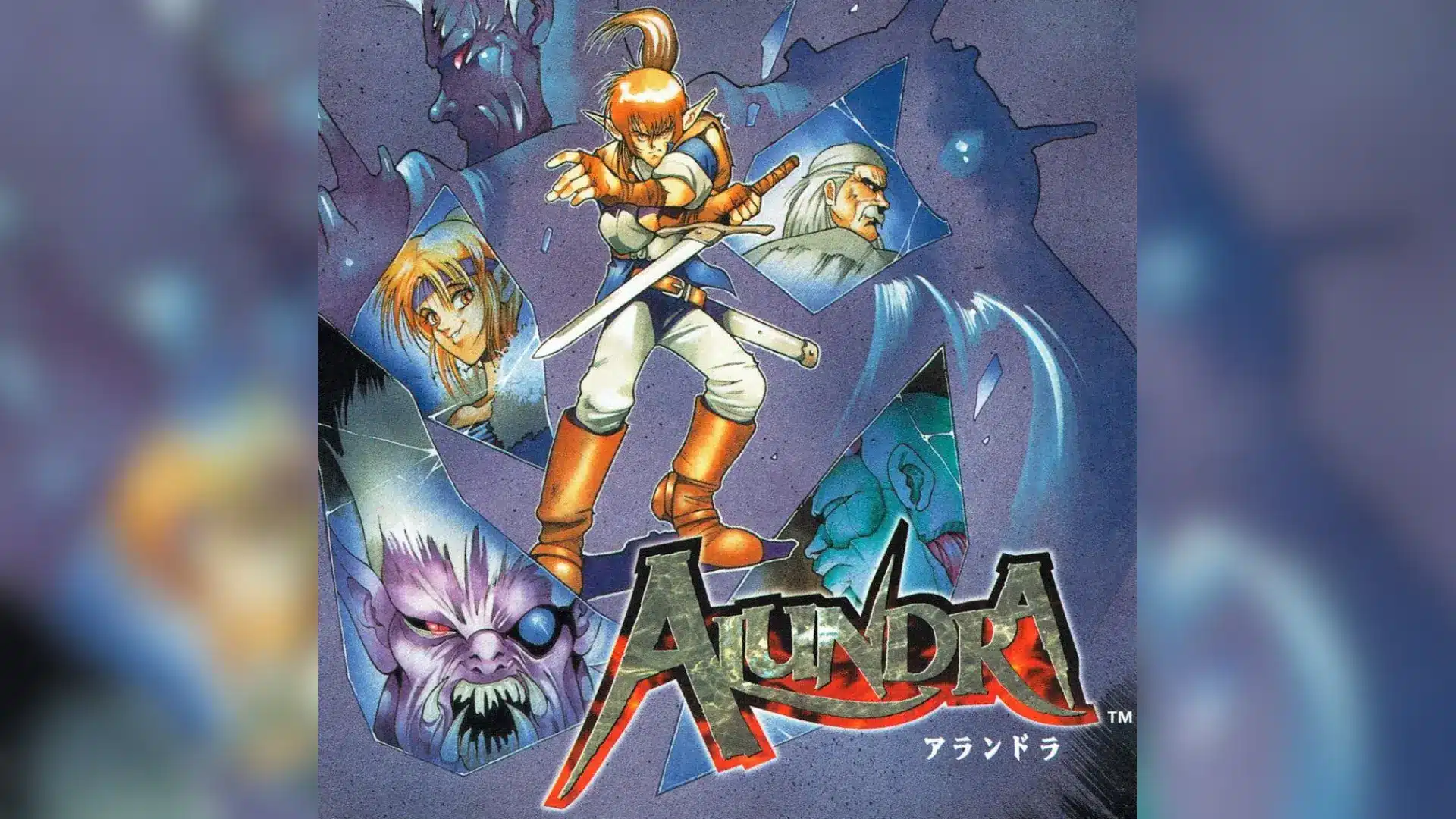
Alundra is the pick for anyone who wants Zelda-level puzzle density in an action-RPG. The dungeons are genuinely difficult, not artificially padded, but logically constructed in a way that requires real thought.
The story goes to darker places than most games of its era were willing to go.
If you bounced off it early, push past the first two dungeons. It earns the patience. It has never been remade or remastered.
22. Blood Omen: Legacy of Kain (1996)
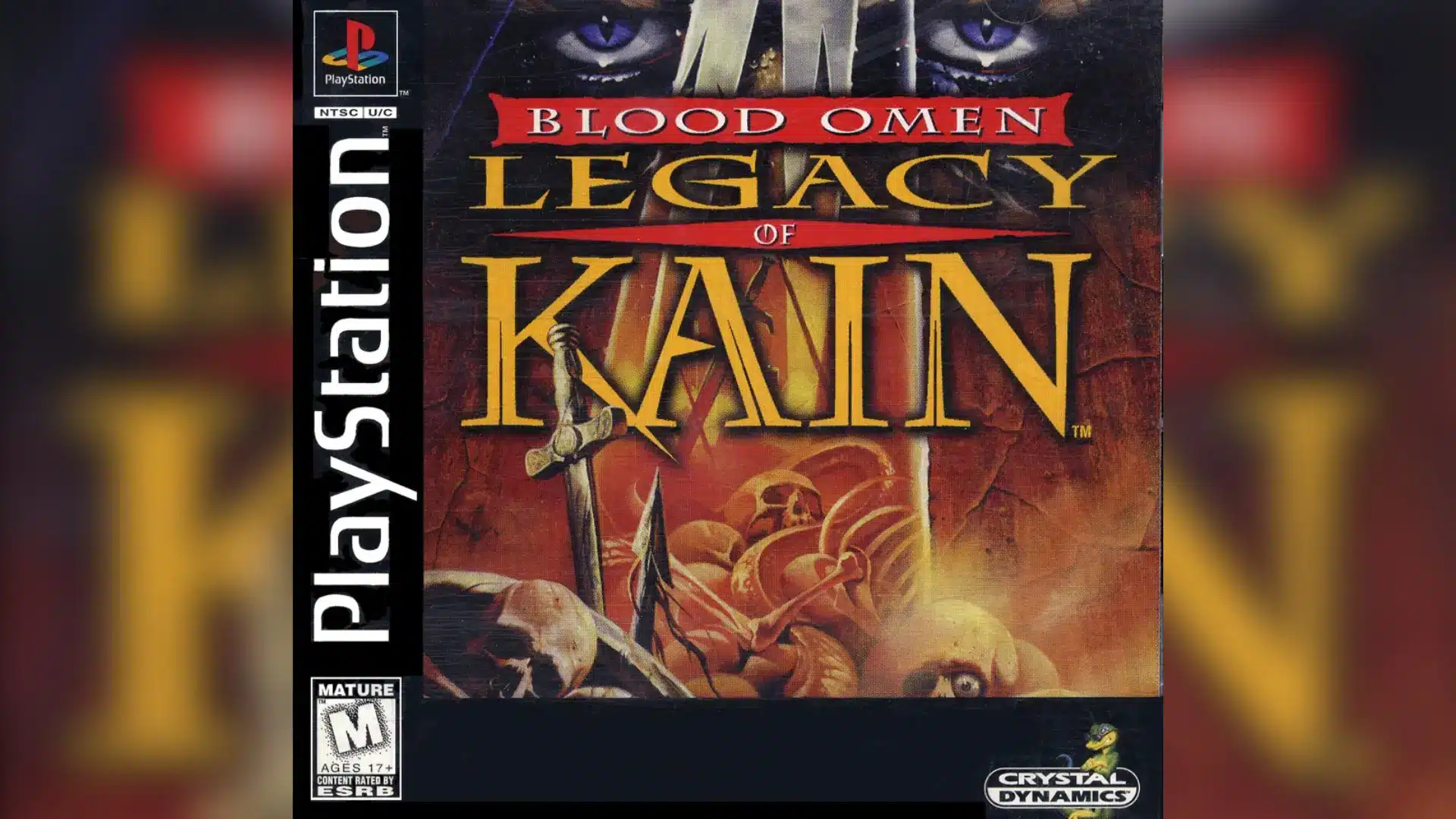
Blood characteristics of Kain begin with your character’s murder and resurrection as a vampire. The tone from that point forward is uncompromising, dark, literary, and willing to be cruel.
The writing quality is significantly above what the era typically offered, with voiced dialogue and a script that treats its mythology seriously.
The top-down action-RPG mechanics have aged, but the world, the storytelling, and the gothic atmosphere hold up as an experience.
It launched one of the most narratively ambitious series on the PS1, eventually leading to the Soul Reaver games. The series has never received a remake.
23. Twisted Metal 2 (1996)
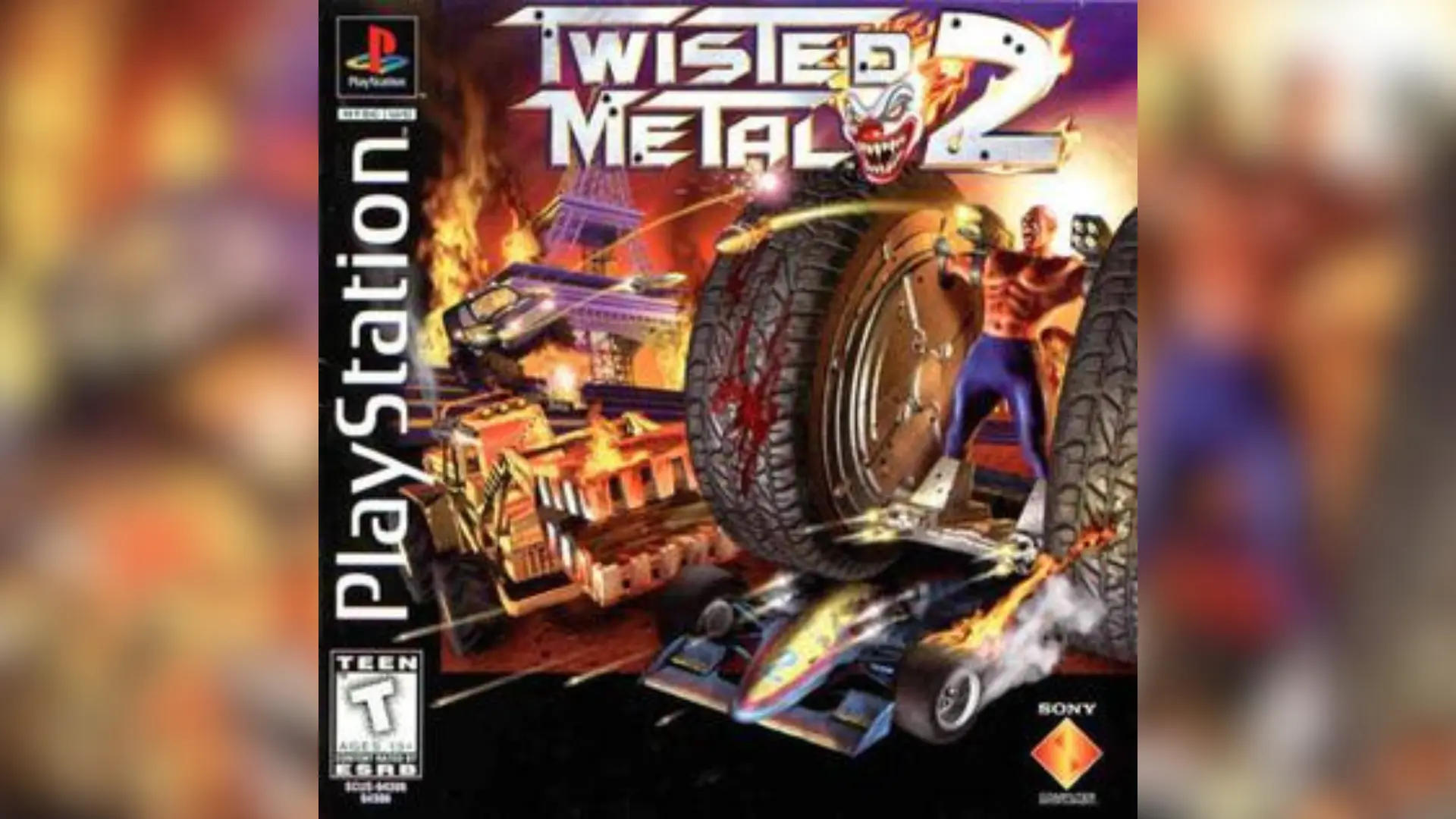
Twisted Metal 2 is vehicular combat: pick a car, arm it with missiles and fire, and destroy everyone else in increasingly chaotic arenas.
The premise hasn’t changed in thirty years, and it still works. What makes the sequel worth picking over the original is the arena design.
The levels span international locations including Paris, Antarctica, and Hong Kong, and each one uses its space creatively.
The variety keeps matches interesting far longer than a single-setting game would. The series has been dormant since 2012, with no modern revival announced.
Why These PS1 Games Still Hold Up?
The PS1 had over 7,000 games. Most of them haven’t aged well, and that’s fine. The ones here were chosen because the core gameplay loop still works today, not because they carry a famous name.
That distinction matters more than it sounds. I’ve gone back to plenty of PS1 games with legendary reputations and found genuinely rough controls waiting for me.
Reviewing since 2013 has taught me that reputation and replayability are two different metrics, and this list leans on the second one.
A game can be historically important and still be a chore to sit through today. None of the games here fall into that category.
I cover RPGs, action, horror, racing, and platformers. That spread is intentional. There’s no single genre that defines the PS1, and I’m not going to pretend otherwise.
Conclusion
The PS1 era created a rare moment in gaming history. RPGs, horror, action, platformers, and racing games all took huge steps forward on one console.
The best PS1 games still deserve attention because they remain fun, creative, and rewarding. Their graphics may show their age, but strong design lasts far longer than visual polish.
Famous titles earned their reputation, while overlooked games prove that quality does not disappear with time.
Pick a game from your favorite genre, start playing, and see why the PS1 library still sets the standard decades later.
Frequently Asked Questions
What makes PS1 games still fun to play today?
The best ones were built around gameplay loops that don’t depend on graphical fidelity. Mechanics like Tekken 3’s movement system, RE2’s resource pressure, and Symphony of the Night’s exploration structure work the same way they did in the 90s.
Do PS1 games play on modern PlayStation consoles?
Older PS3 models support PS1 discs via backward-compatibility hardware. PS4 and PS5 don’t play them directly; your options there are official digital re-releases or remasters. Availability varies by title.
Why do some PS1 games look so rough visually?
The PS1 lacked z-buffering and texture filtering, which causes the characteristic polygon wobble and texture warping you see. It’s a hardware limitation of the era, not a design failure. Most of the games on this list are worth looking past.
What’s the best PS1 game to start with if I’ve never played one?
Start with whatever genre you already enjoy. RPG fan go FF7. Action goes to Castlevania: Symphony of the Night. Horror goes to RE2. Platformers: Crash Bandicoot or Spyro. The library is deep enough that the right entry point is the one closest to what you already like.