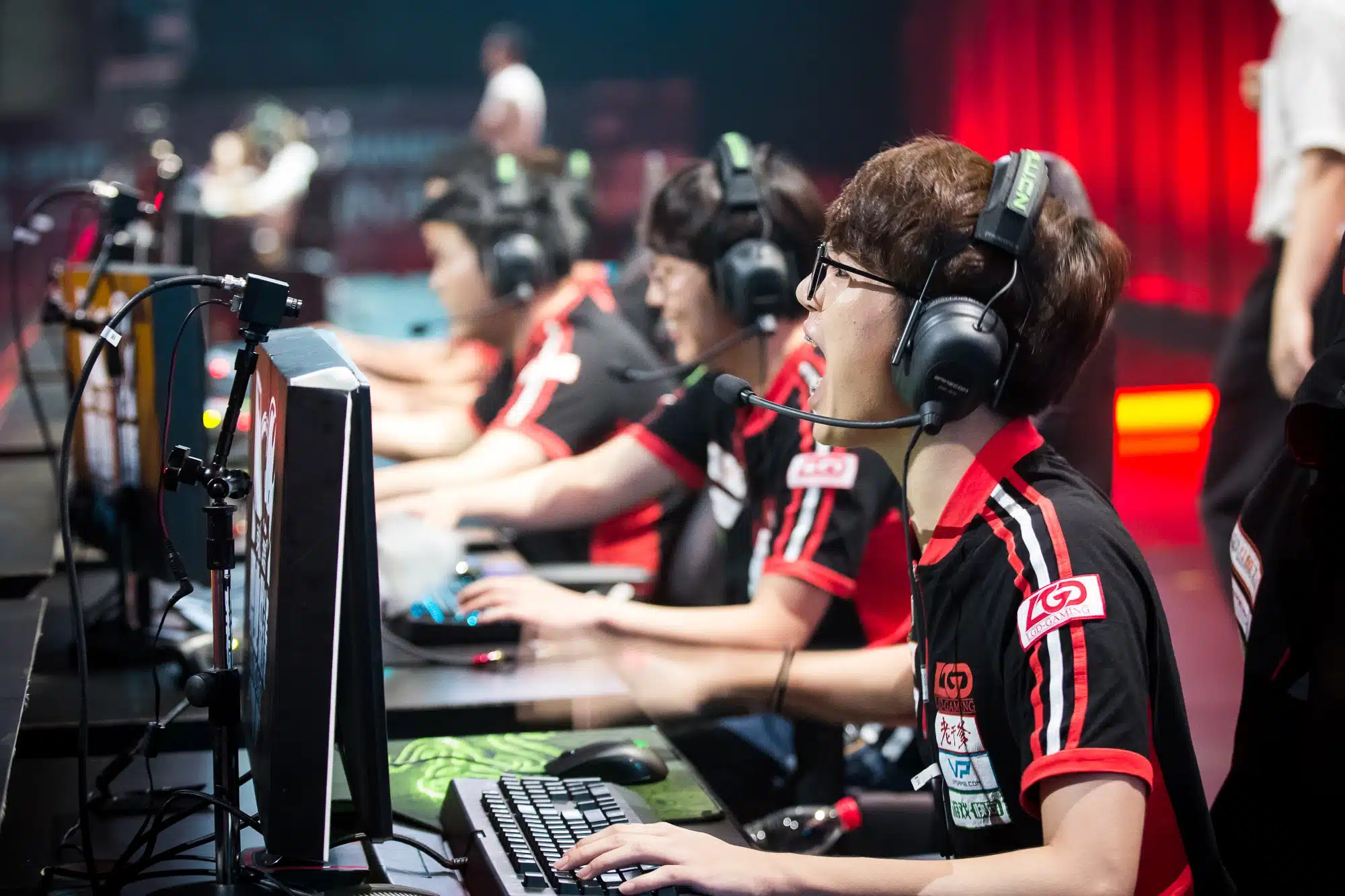
A lot of people picture the esports gamer’s lifestyle as someone sitting for hours and mashing buttons, and I get why. It looks that simple from the outside.
But every regional event I’ve covered told a different story: structure, focus, and a level of daily discipline that has more in common with training for a traditional sport than with casual play.
Practice, review, and rest are planned like appointments, not squeezed in around them.
Behind every match sits a routine built for consistency and fast decisions under real pressure, and that routine is the actual story worth telling.
What Does the Esports Gaming Lifestyle Actually Look Like?
Forget the stereotype of someone gaming alone in a dark room with no sleep and a pile of energy drinks. That image has nothing to do with how professional esports actually operates.
Pro players follow a schedule that would feel familiar to any traditional athlete.
Practice has structure, recovery is planned, and every hour of training is pointed at something specific. Nothing about it is random.
If you’re trying to break into the scene yourself, knowing where the actual tournaments are matters just as much as the practice hours do.
The gap between a casual gamer and someone actually living the esports gamer lifestyle comes down to how deliberately the time gets used, not how much of it there is.
Category | Casual Gamer | Professional Esports Player |
|---|---|---|
Schedule | Plays when free | Fixed daily training blocks |
Practice type | Unstructured ranked games | Scrims, drills, VOD review |
Recovery | Ignored or unplanned | Scheduled and non-negotiable |
Physical health | Rarely considered | Active part of performance |
Career goal | Enjoyment | Sustained competitive output |
The table shows the gap isn’t about talent or hours. It’s about how the time gets used and what sits around it.
How a Pro Gamer’s Day is Actually Structured
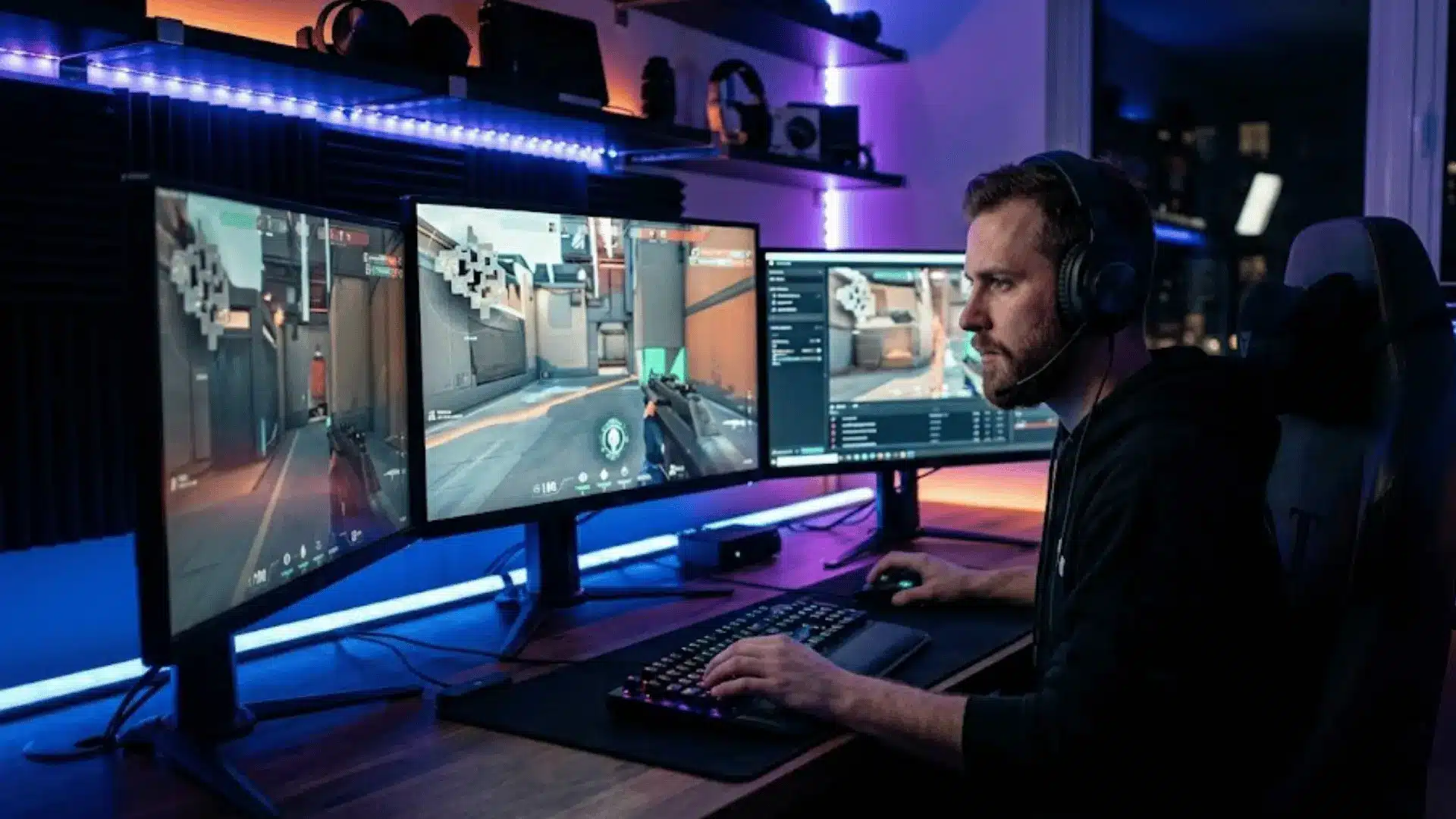
The esports gamer’s lifestyle runs on a schedule that people outside the scene would find genuinely surprising. It’s not chaotic, it’s not spontaneous, and it’s definitely not just playing until you’re tired.
The day is built around one thing: managing how much your brain can handle before performance starts to drop. Every block in the schedule exists to solve that problem.
- Morning preparation (8:00 AM to 11:00 AM): Players wake up, hydrate, eat a real breakfast, and do light physical movement before touching the game. It sounds like wellness fluff until you realize it’s the difference between a sharp first scrim block and a sloppy one.
- First practice block: This is where scrims happen. Scrims are structured practice matches against other professional teams, not solo queue. The value isn’t just in playing them; it’s in what the team reviews afterward.
- VOD review and strategy: This is the part of the esports gamer’s lifestyle that rarely gets credit for. Teams watch back their own footage to find communication breakdowns, spot opponent patterns, and fix individual mechanical habits. This is what turns raw hours into actual improvement.
- Evening scrims and wind-down: A second competitive block runs later in the day, followed by a deliberate cooldown. Sleep quality matters too much to sacrifice for an extra hour of ranked. Most pros target 7-9 hours, in line with the general sleep guidance for adults, because reaction time and decision speed both degrade measurably on less.
None of this is about grinding longer than everyone else. It’s about making sure every hour of practice actually produces something.
Why Physical Health is Central to Esports Performance?
Physical fitness directly changes how your brain handles intense pressure on the stage. Taking care of your body keeps your mind sharp when the match count gets high.
1. How Physical Conditioning Affects Reaction Time
Sitting for hours without moving slows down your blood circulation. This slows your reaction time and hurts your ability to make quick decisions.
Your body handles stress differently depending on your current fitness level. A healthy player stays calm, while an unconditioned player feels fatigue much faster.
This performance gap varies with the length of a tournament day. In short matches, you might get away with poor physical health.
During a six-hour series, your focus will drop without a strong physical baseline.
2. Ergonomics and Injury Prevention
Carpal tunnel and tendonitis build up quietly over thousands of hours of play. They come from fast, repetitive movements done over many years.
Proper desk setup and wrist exercises protect your joints from serious injury, and they’re often the real difference between a career that lasts and one that ends early.
Even pro-level gear and sensitivity setups get tuned with this in mind, not just for accuracy.
3. Nutrition and Energy Stability During Long Sessions
Pro food choices are about keeping your blood sugar stable during long days. Fast food causes energy spikes followed by sudden mental crashes.
Energy drinks do the same, and the crash tends to hit mid-scrim rather than after the session ends, which is when it does the most damage.
Eating balanced meals gives you steady focus when the final match begins. That consistency creates a massive advantage over opponents who rely on quick sugar rushes.
4. Team Houses and Living Arrangements
Many professional esports organizations house their players together in a shared facility called a gaming house. The setup is built to maximize practice time and remove daily distractions.
Players eat together, train together, and have access to coaches and support staff without leaving the building. That kind of proximity builds real team synergy fast.
The downside is that living and working in the same space can lead to burnout faster than most new players expect.
I’ve watched teams underestimate this more than once, and it’s the part the highlight reels never show. Some organizations have moved toward a corporate model instead.
Players live separately and treat the facility like an office, which gives them a clearer mental boundary between competition and personal time.
How Long Esports Careers Last and What Extends Them
Peer-reviewed research tracking over 15,000 competitors found an average professional esports career of a little over three years, and careers are trending shorter for the newest generation of players entering the scene.
Reaction time doesn’t hold steady forever either.
A study analyzing thousands of competitive StarCraft II players found that age-related decline in in-game response time begins around age 24, which puts a natural ceiling on competitive longevity regardless of experience.
Physical strain and mental burnout compound that, further shortening careers when left unmanaged.
Some in the industry have started describing this shift as esports maturing into a more athlete-focused era, treating players as complete athletes rather than just skilled performers, though that framing is still settling and isn’t a fixed industry term yet.
Organizations investing in physical conditioning, sports psychology, and structured recovery are seeing players stay competitive longer.
I think this shift is overdue. The careers being built under it will look very different from the ones I covered a few years back.
Conclusion
The esports gamer’s lifestyle asks for more discipline than most people expect, and it runs on structure rather than random play.
Success in this space comes from planning, review, teamwork, and rest, not just hours logged at the keyboard.
Performance can shift fast in competitive scenes, so staying consistent takes real effort, but the routine pays off for the players who commit to it.
If you’re weighing whether this path is realistic for you, start by watching how a real practice day is scheduled before you try to build your own.
Frequently Asked Questions
What is the lifestyle of an esports player?
A professional esports player’s lifestyle is a structured performance system built around sustained cognitive output. The day includes scheduled scrims, VOD review, physical training, and deliberate recovery. The goal is consistent high-level performance under competition conditions, managed through routine in the same way traditional athletic careers are.
What is a pro gamer’s daily routine?
A typical day starts with morning preparation, light physical movement, and a first practice block of scrimmages. VOD review and strategy sessions follow in lower-energy windows. A second competitive block runs in the evening, with a deliberate wind-down before sleep to protect the quality of recovery.
At what age do esports players typically peak?
Most players hit peak performance in their late teens and early 20s, since research shows reaction speed starts declining around age 24. Career averages run just over three years, and newer generations of players are retiring even earlier. Peak age still varies by game, and strategy-heavy titles can stretch relevance a little longer.
Is physical fitness actually important for esports performance?
Yes, and the connection is direct. Regular exercise improves sustained attention, consistent reaction time, and sleep quality. All three degrade measurably under prolonged sedentary conditions. Professional organizations now treat physical training as a performance variable because it produces measurable results during long tournament days, not just general wellbeing.